Bank Notes For Exchange
Description
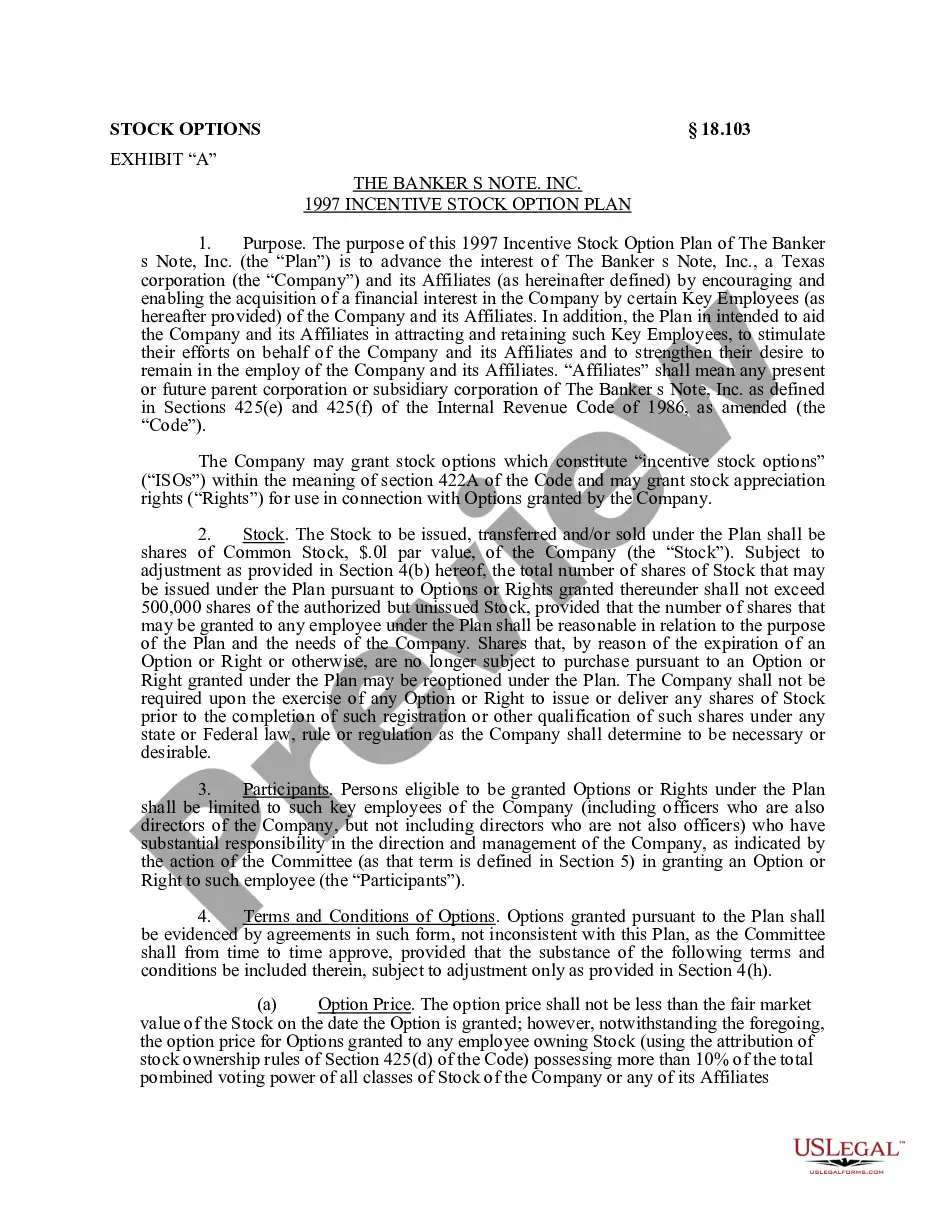
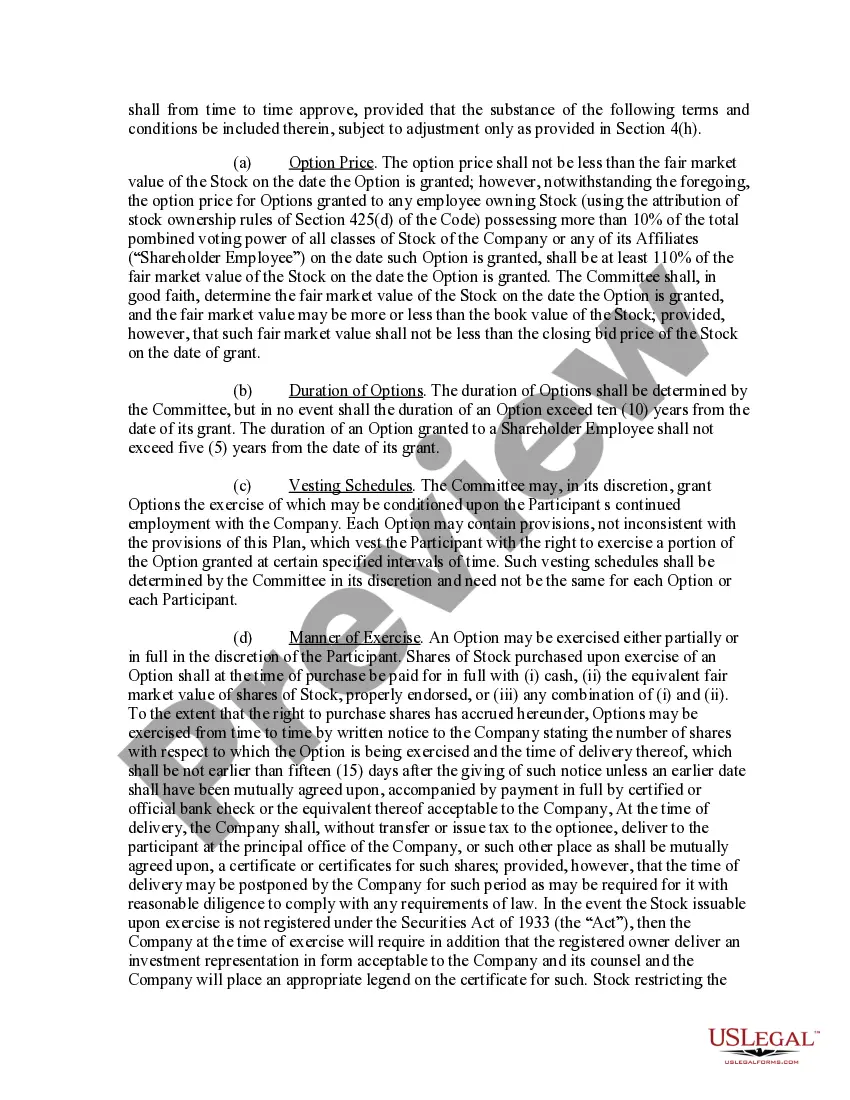
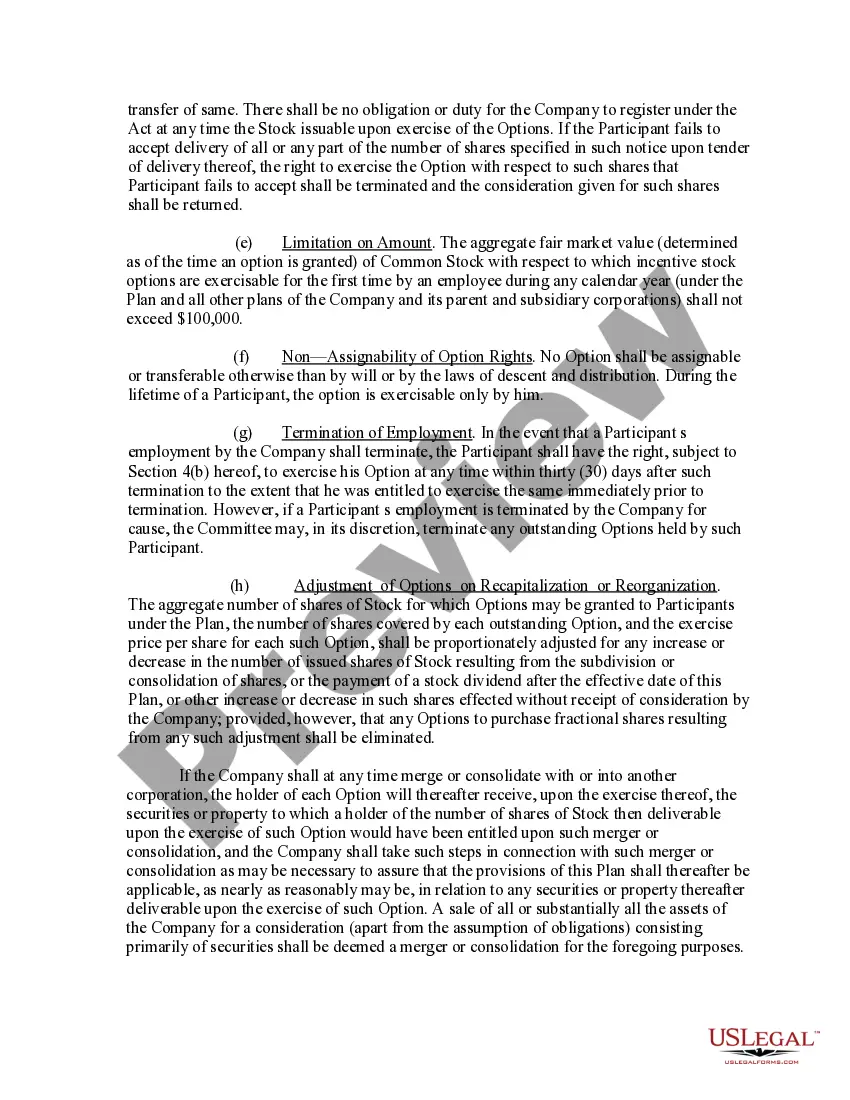
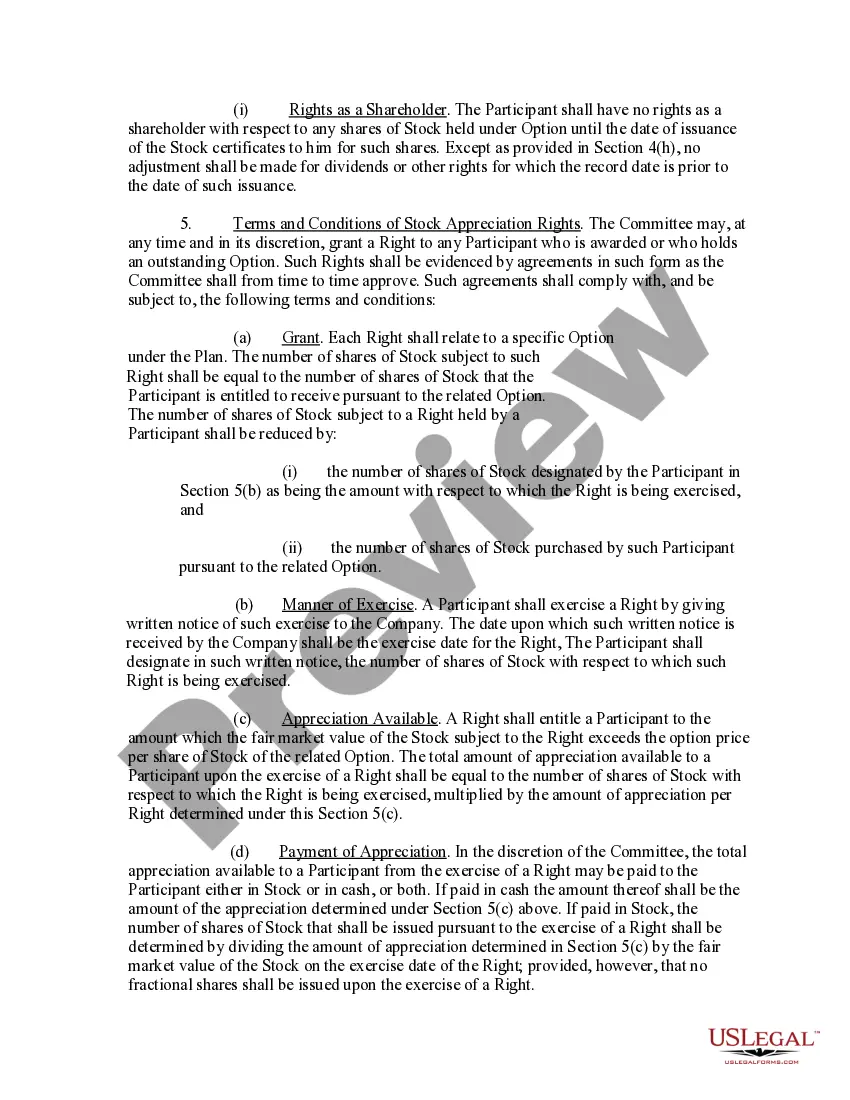
Get your form ready online
Our built-in tools help you complete, sign, share, and store your documents in one place.
Make edits, fill in missing information, and update formatting in US Legal Forms—just like you would in MS Word.
Download a copy, print it, send it by email, or mail it via USPS—whatever works best for your next step.
Sign and collect signatures with our SignNow integration. Send to multiple recipients, set reminders, and more. Go Premium to unlock E-Sign.
If this form requires notarization, complete it online through a secure video call—no need to meet a notary in person or wait for an appointment.
We protect your documents and personal data by following strict security and privacy standards.

Make edits, fill in missing information, and update formatting in US Legal Forms—just like you would in MS Word.

Download a copy, print it, send it by email, or mail it via USPS—whatever works best for your next step.

Sign and collect signatures with our SignNow integration. Send to multiple recipients, set reminders, and more. Go Premium to unlock E-Sign.

If this form requires notarization, complete it online through a secure video call—no need to meet a notary in person or wait for an appointment.

We protect your documents and personal data by following strict security and privacy standards.
Looking for another form?








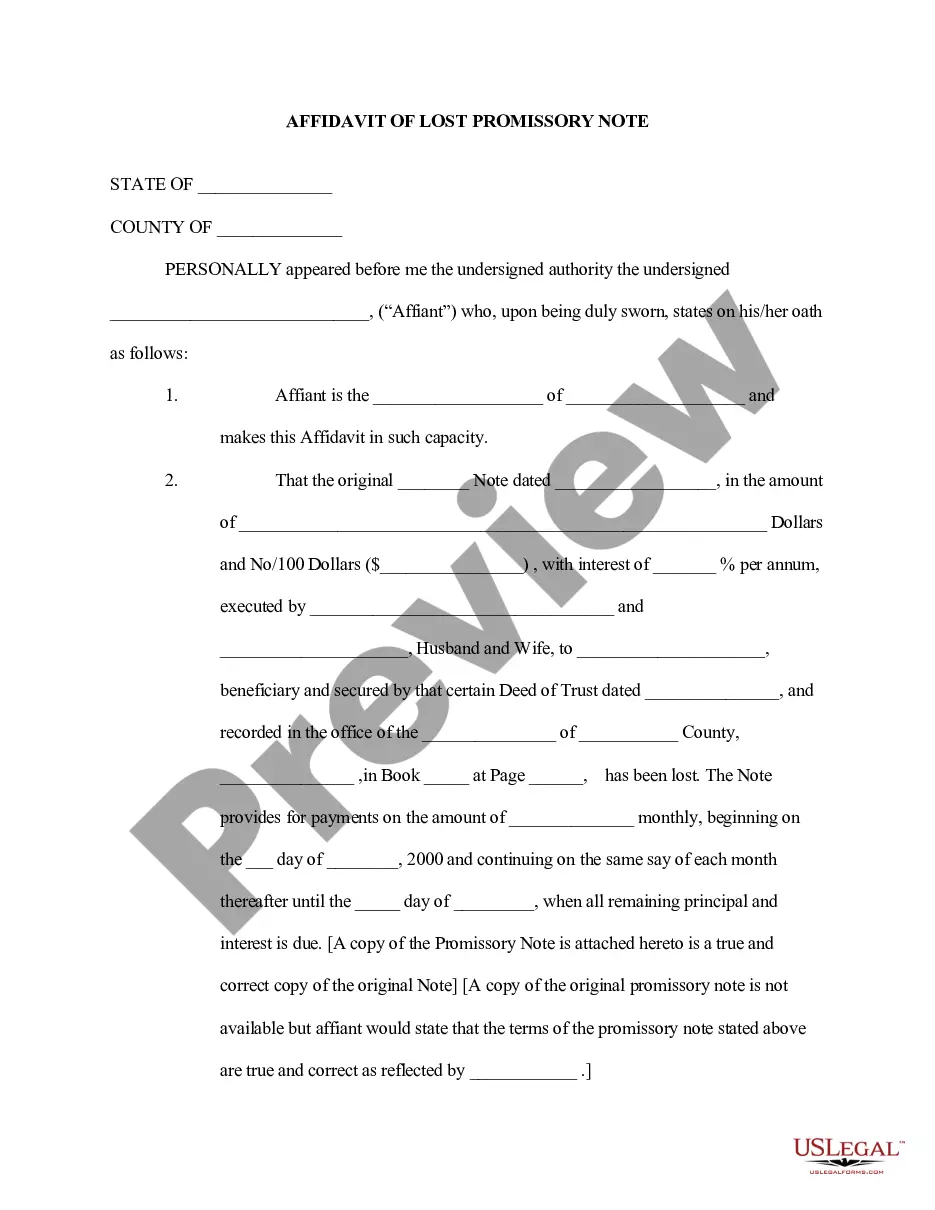

How to fill out Incentive Stock Option Plan Of The Bankers Note, Inc.?
It’s obvious that you can’t become a legal professional immediately, nor can you learn how to quickly prepare Bank Notes For Exchange without the need of a specialized background. Creating legal documents is a long venture requiring a particular training and skills. So why not leave the creation of the Bank Notes For Exchange to the pros?
With US Legal Forms, one of the most comprehensive legal template libraries, you can find anything from court paperwork to templates for internal corporate communication. We know how important compliance and adherence to federal and state laws are. That’s why, on our website, all templates are location specific and up to date.
Here’s how you can get started with our platform and obtain the document you require in mere minutes:
- Find the form you need with the search bar at the top of the page.
- Preview it (if this option provided) and read the supporting description to figure out whether Bank Notes For Exchange is what you’re searching for.
- Start your search again if you need any other form.
- Register for a free account and select a subscription option to purchase the form.
- Pick Buy now. Once the payment is complete, you can download the Bank Notes For Exchange, complete it, print it, and send or send it by post to the designated individuals or organizations.
You can re-access your forms from the My Forms tab at any time. If you’re an existing customer, you can simply log in, and find and download the template from the same tab.
Regardless of the purpose of your paperwork-be it financial and legal, or personal-our platform has you covered. Try US Legal Forms now!
Form popularity
FAQ
Exchanging old notes at the Post Office The Post Office Opens in a new window will accept most old notes as a deposit into any UK bank account you can access with them. There are also 30 Post Office branches across the UK that will swap old banknotes, even if you do not have a bank account.
Exchange old £20 and £50 notes at The Bank of England There is currently no time limit when it comes to exchanging your old banknotes at the Bank of England. You may need an ID when exchanging notes.
A bill of exchange, a short-term negotiable instrument, is a signed, unconditional, written order binding one party to pay a fixed sum of money to another party on demand or at a predetermined date. A bill of exchange is sometimes called draft or draught, but draft usually applies to domestic transactions only.
Banks no longer have to legally accept old paper notes and coins once they have been withdrawn from circulation. However, some do continue to allow customers to deposit them into their accounts.
For example, X orders Y to pay ? 50,000 for 90 days after date and Y accepts this order by signing his name, then it will be a bill of exchange.