Stock Certificate With No Cusip Number
Description

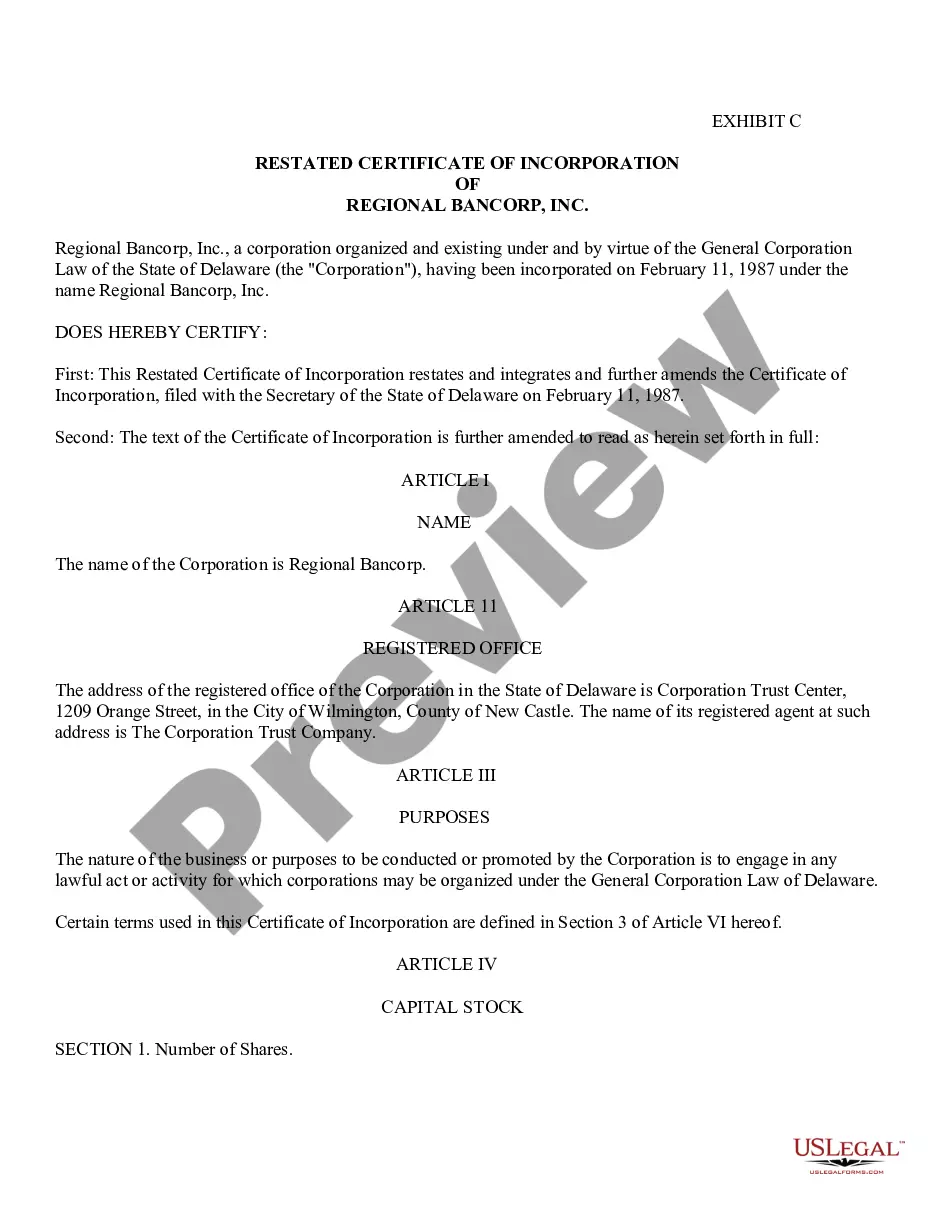
Get your form ready online
Our built-in tools help you complete, sign, share, and store your documents in one place.
Make edits, fill in missing information, and update formatting in US Legal Forms—just like you would in MS Word.
Download a copy, print it, send it by email, or mail it via USPS—whatever works best for your next step.
Sign and collect signatures with our SignNow integration. Send to multiple recipients, set reminders, and more. Go Premium to unlock E-Sign.
If this form requires notarization, complete it online through a secure video call—no need to meet a notary in person or wait for an appointment.
We protect your documents and personal data by following strict security and privacy standards.

Make edits, fill in missing information, and update formatting in US Legal Forms—just like you would in MS Word.

Download a copy, print it, send it by email, or mail it via USPS—whatever works best for your next step.

Sign and collect signatures with our SignNow integration. Send to multiple recipients, set reminders, and more. Go Premium to unlock E-Sign.

If this form requires notarization, complete it online through a secure video call—no need to meet a notary in person or wait for an appointment.

We protect your documents and personal data by following strict security and privacy standards.
Looking for another form?




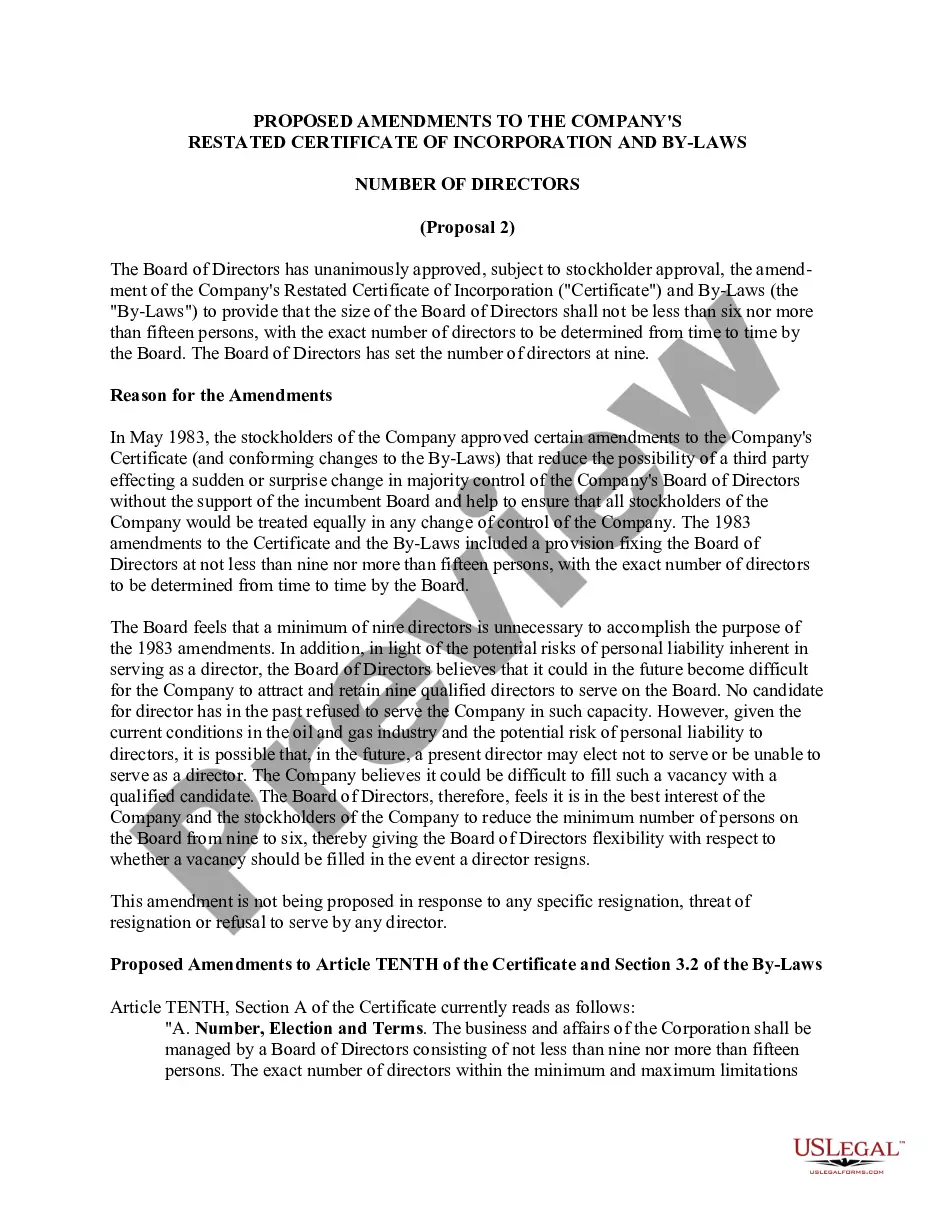
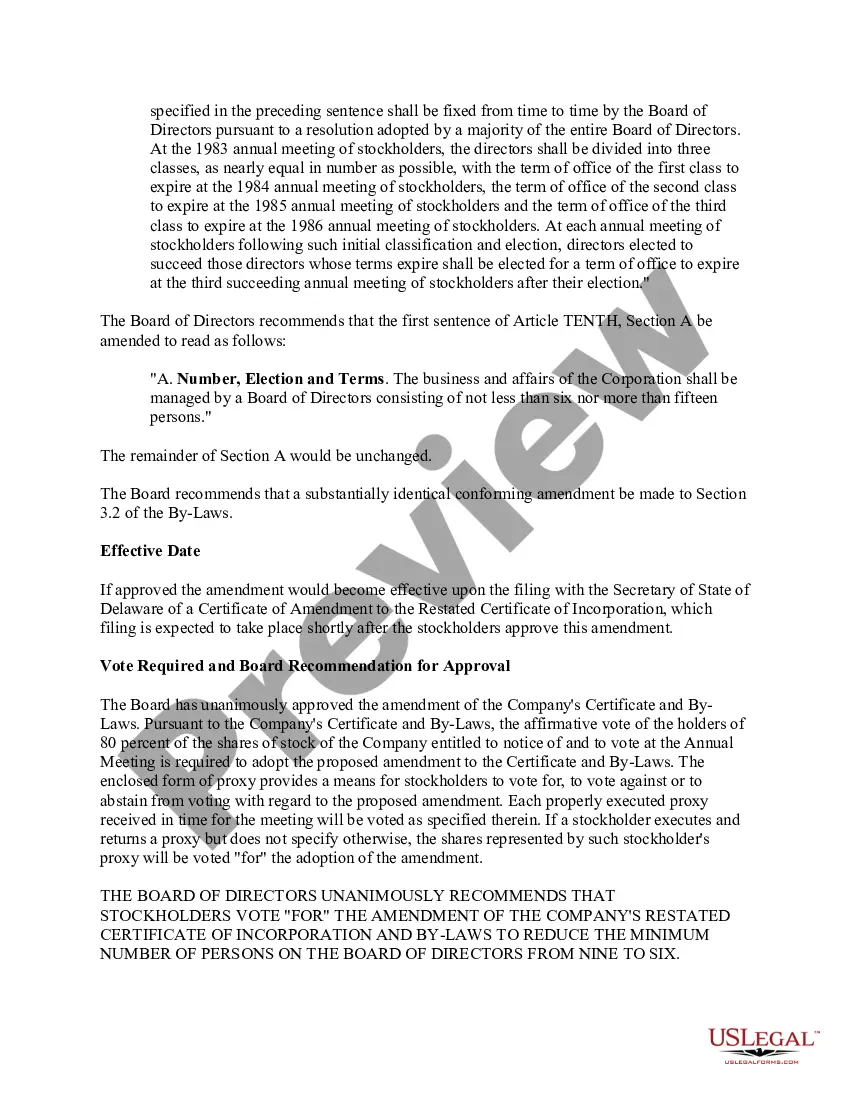
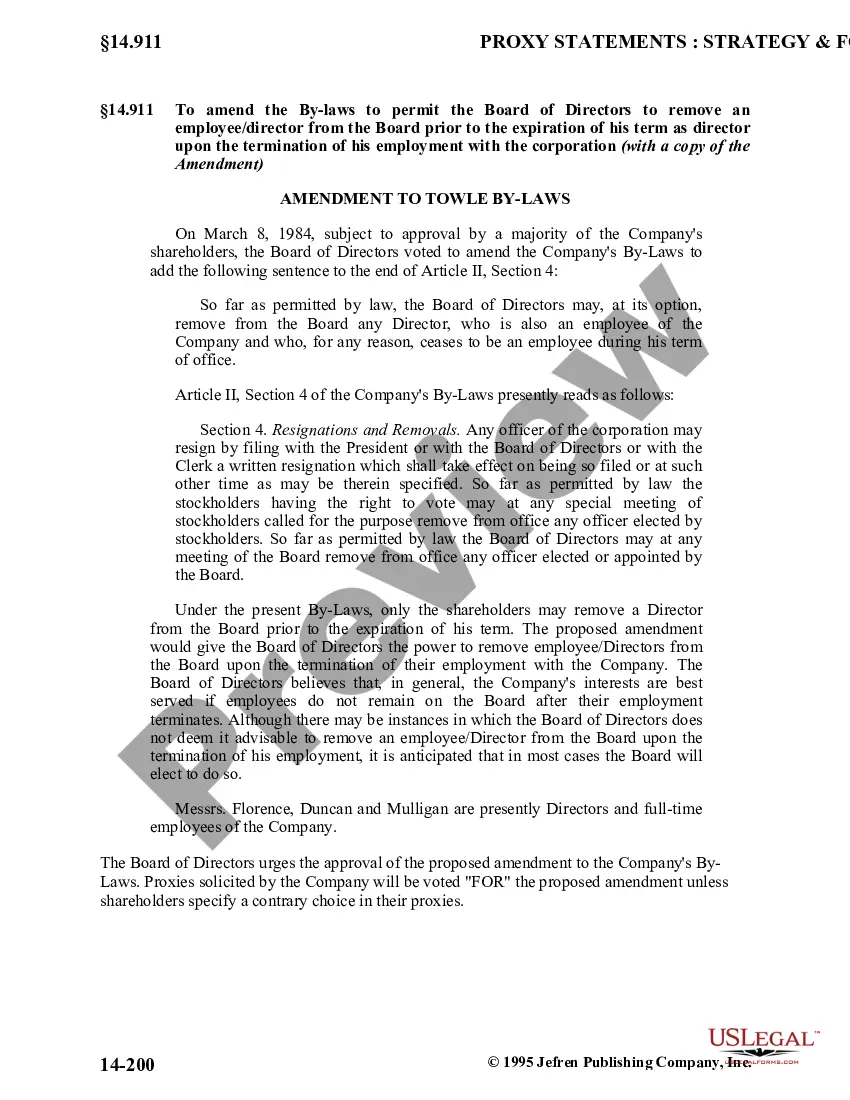
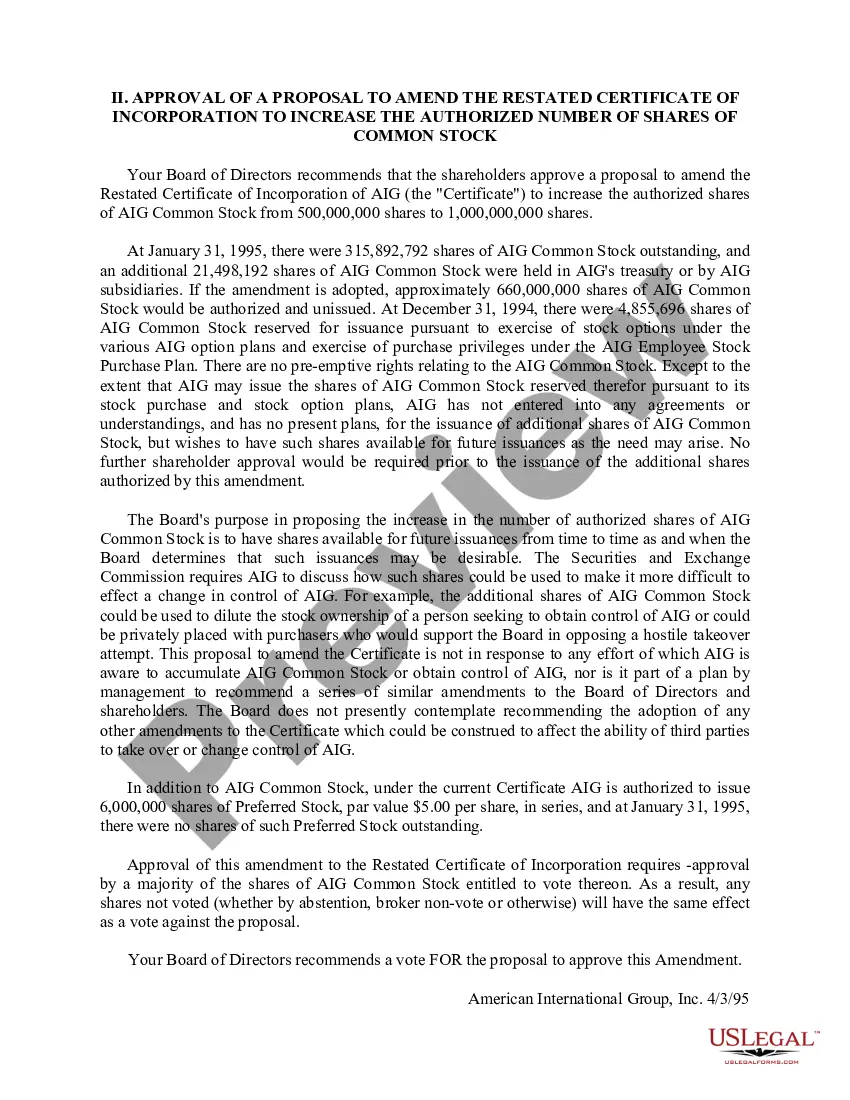
How to fill out Proposed Amendments To Restated Certificate Of Incorporation?
- Log into your US Legal Forms account if you’ve used the service before, and ensure your subscription is current.
- Preview the form description to confirm you have the right document that matches your requirements and complies with local laws.
- Use the search function to find alternative templates if needed until you find one that accurately fits your situation.
- Select your desired document by clicking the 'Buy Now' button and choose a subscription that works for you.
- Enter your payment details to secure your purchase, using either a credit card or PayPal.
- Once purchased, download the stock certificate form and save it to your device; you can also access it anytime from the 'My Forms' section in your account.
Using US Legal Forms simplifies the process of obtaining legal documents like stock certificates, ensuring compliance and accuracy.
Get started today and experience the convenience and reliability of US Legal Forms for all your legal documentation needs!
Form popularity
FAQ
CUSIP numbers are not mandatory for all stock certificates. If you have a stock certificate with no CUSIP number, it may still be valid and can represent ownership. This situation arises often with older certificates or from smaller companies. To ensure your stock certificate is legitimate and holds value, consider using the uslegalforms platform, which provides resources and guidance for managing stock certificates effectively.
Filling out a stock certificate correctly is essential for its validity. Start by entering the name of the corporation issuing the stock and the name of the stockholder. Then, specify the number of shares being issued and indicate any restrictions if necessary. If you are dealing with a stock certificate with no cusip number, ensure you include any relevant details that define the stock, as this will help clarify ownership.
To determine the value of your old stock certificates, start by researching the issuing company and its current market status. Use brokerage services or financial platforms like US Legal Forms to evaluate the stocks' historical performance. If you discover that your stock certificate has no CUSIP number, consider seeking the company’s investor relations department for more detailed information.
Generally, private stock does not receive a CUSIP number. CUSIPs are primarily designated for securities that are publicly traded. If your stock certificate shows no CUSIP number, it likely belongs to a private company, which may limit its liquidity in the market.
While many stocks do have CUSIP numbers, it is not a universal requirement. Stocks from private companies or older stocks may not have a CUSIP assigned. If you possess a stock certificate with no CUSIP number, you should check its status with relevant financial authorities or platforms like US Legal Forms.
Not every stock has a CUSIP number, as these identifiers are generally reserved for publicly traded securities. Some private companies and local shares may not be assigned a CUSIP. Therefore, if you own a stock certificate with no CUSIP number, it may not be associated with a public company.
CUSIP numbers are not mandatory but are widely used for identifying securities in the financial markets. Most publicly traded companies utilize CUSIP numbers for their stock certificates for ease of trading and record-keeping. If you are dealing with a stock certificate with no CUSIP number, it is essential to verify its legitimacy through other means.
A stock certificate with no par value indicates that the shares do not have a minimum legal value assigned. This means the shares can be issued without a specific dollar amount attached to them. Companies often choose this option for flexibility in their financial applications, unlike stock certificates that include a par value.
To find a CUSIP number for a stock, you can search through financial databases, your brokerage accounts, or company investor relations websites. You can also contact your broker or financial advisor for assistance. If you possess a stock certificate with no CUSIP number, you may want to check if it belongs to a company that has not assigned one.
The CUSIP number is typically located on the front of a stock certificate. It's often printed near the certificate's title or in the lower right corner. If you have a stock certificate with no CUSIP number, it may indicate that it is a private stock or an older certificate that did not require this feature.