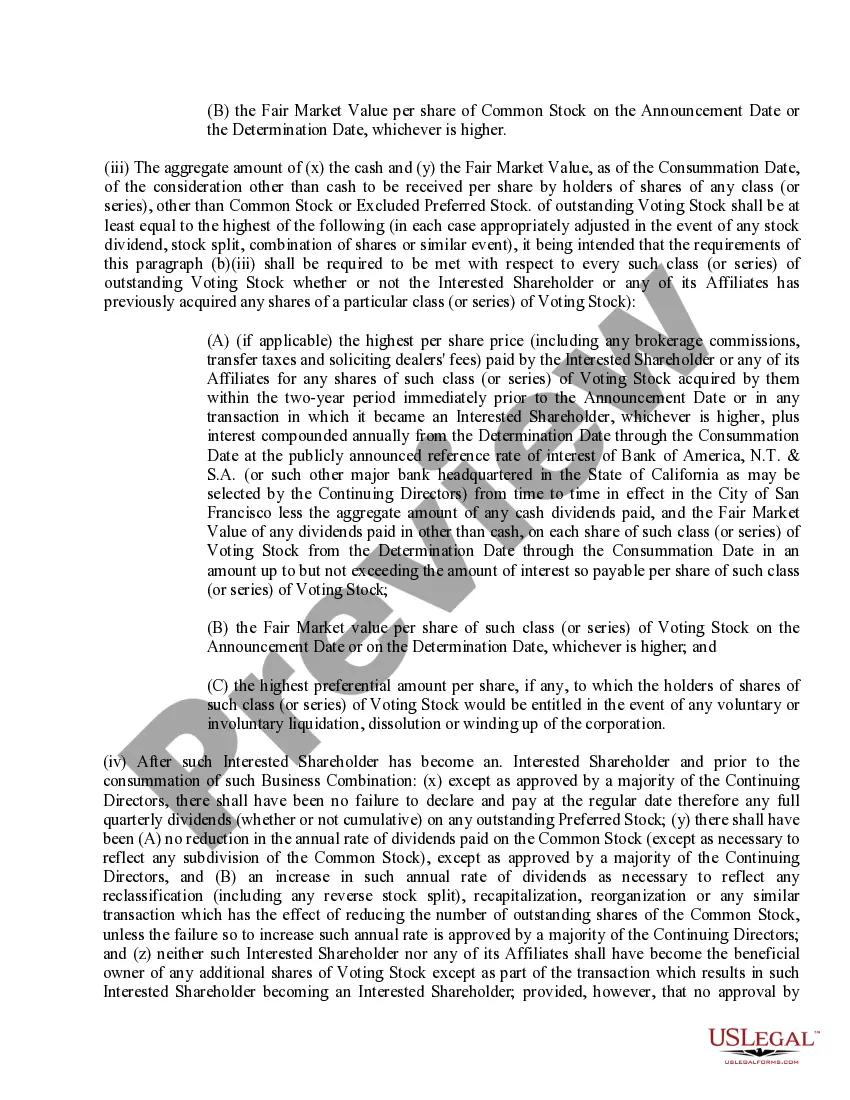
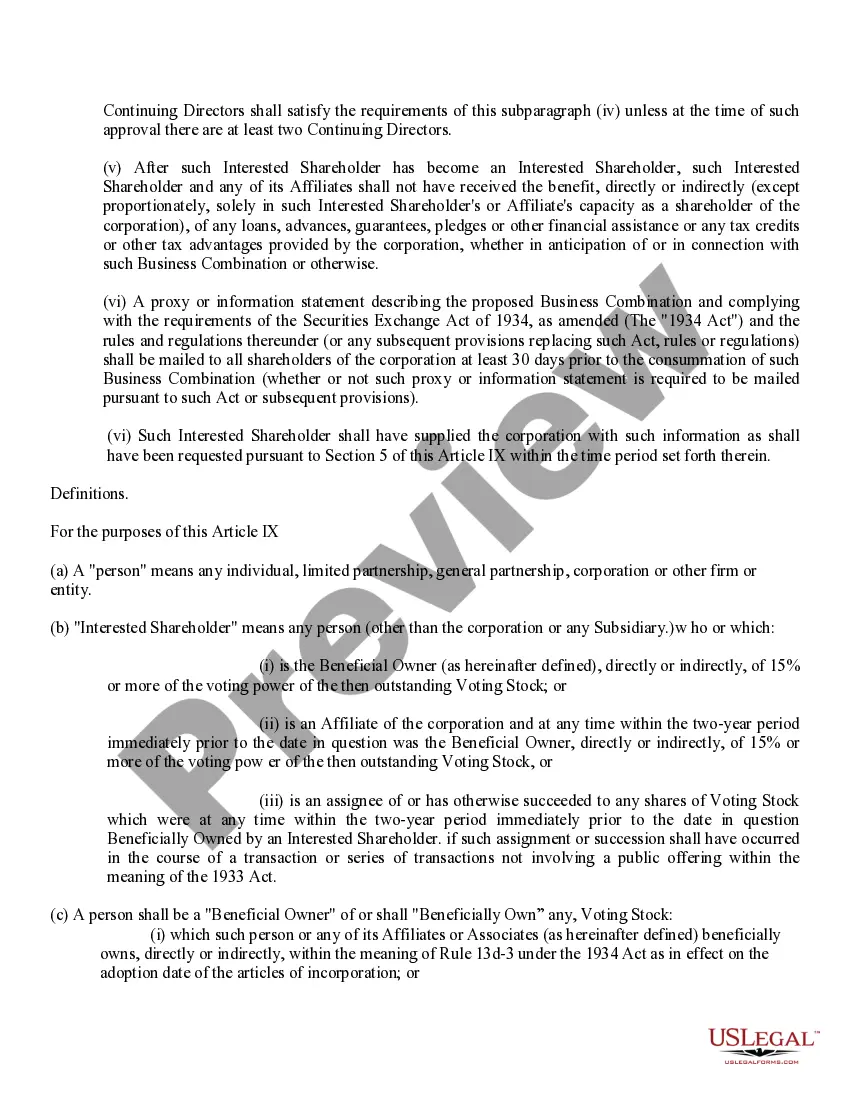
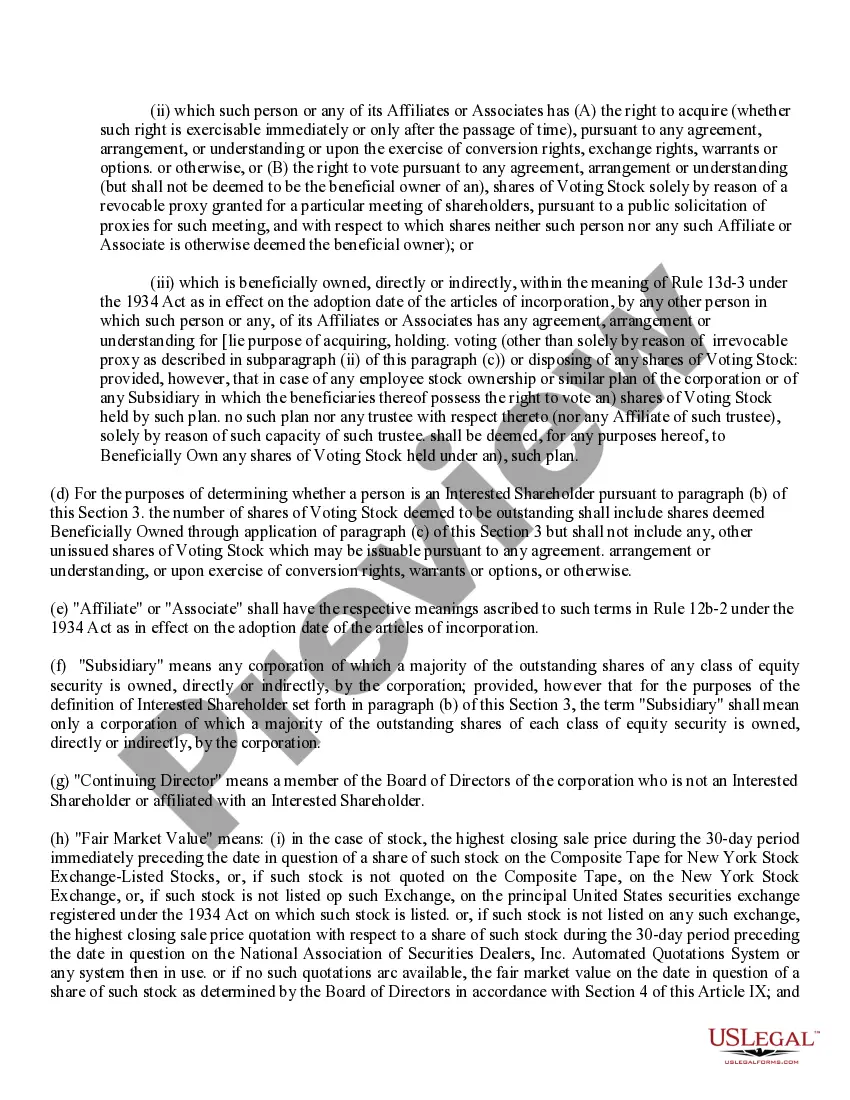
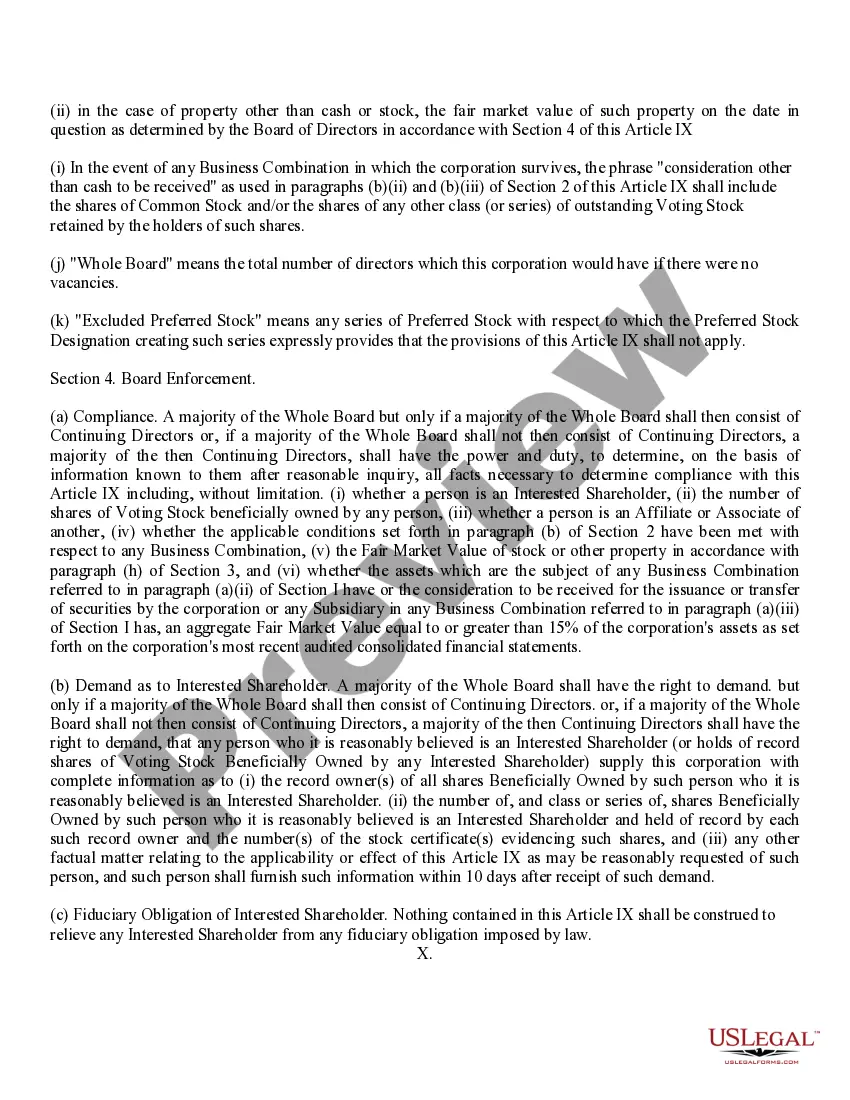
Re-incorporation
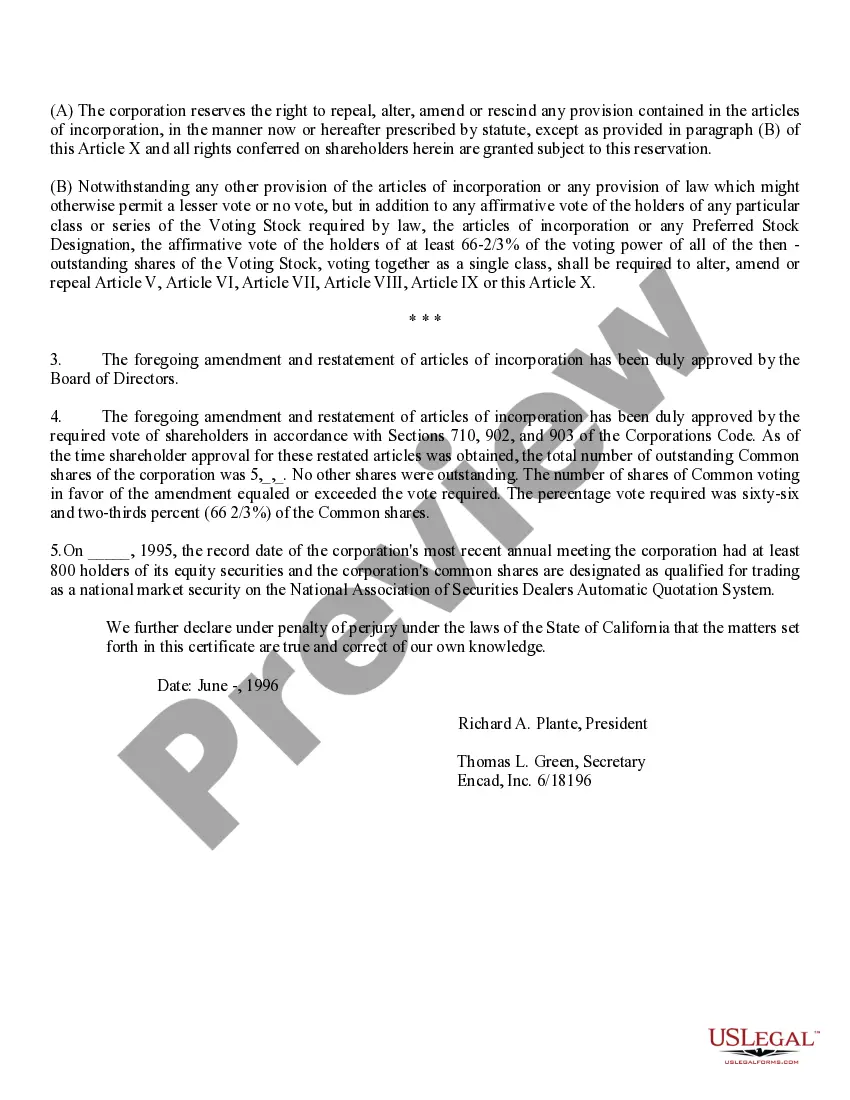
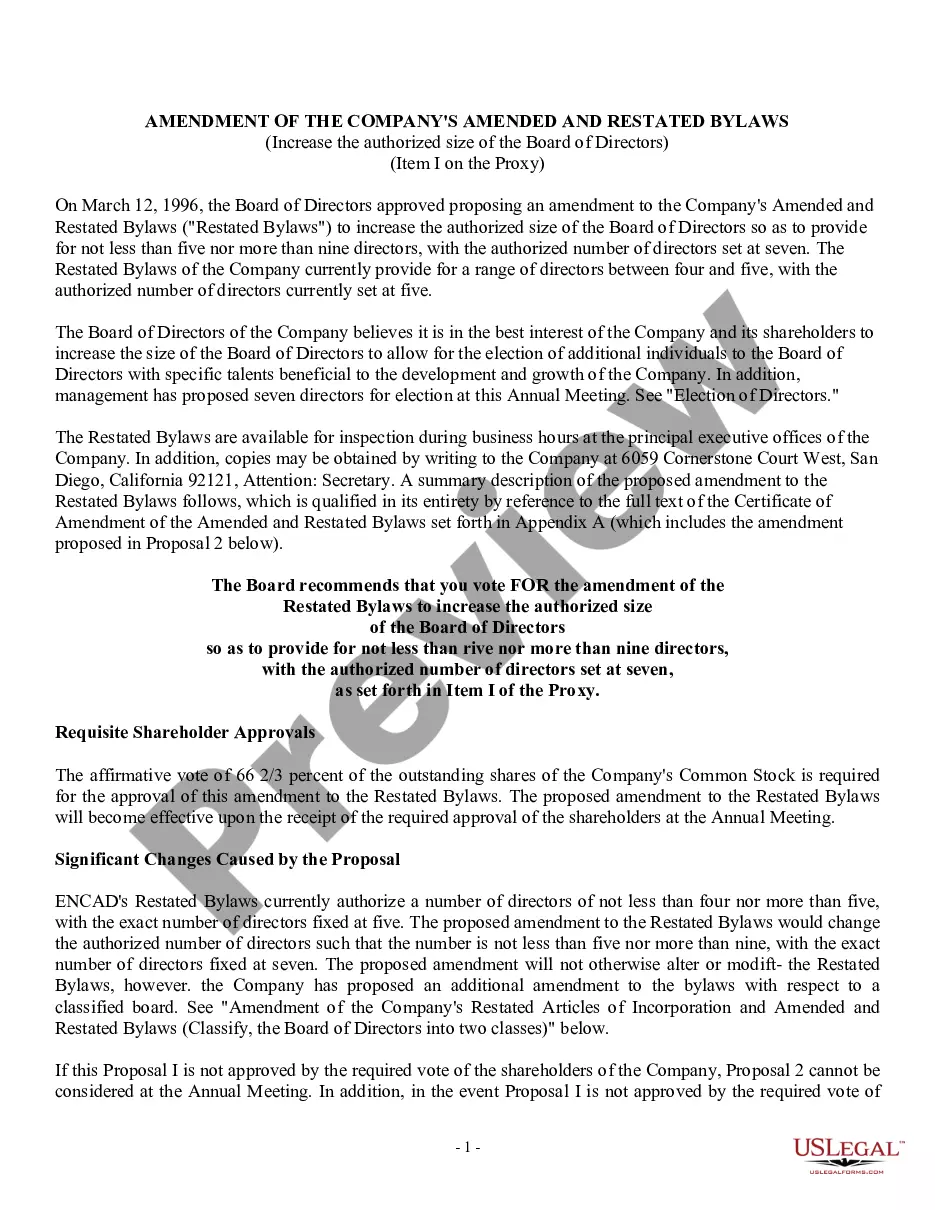
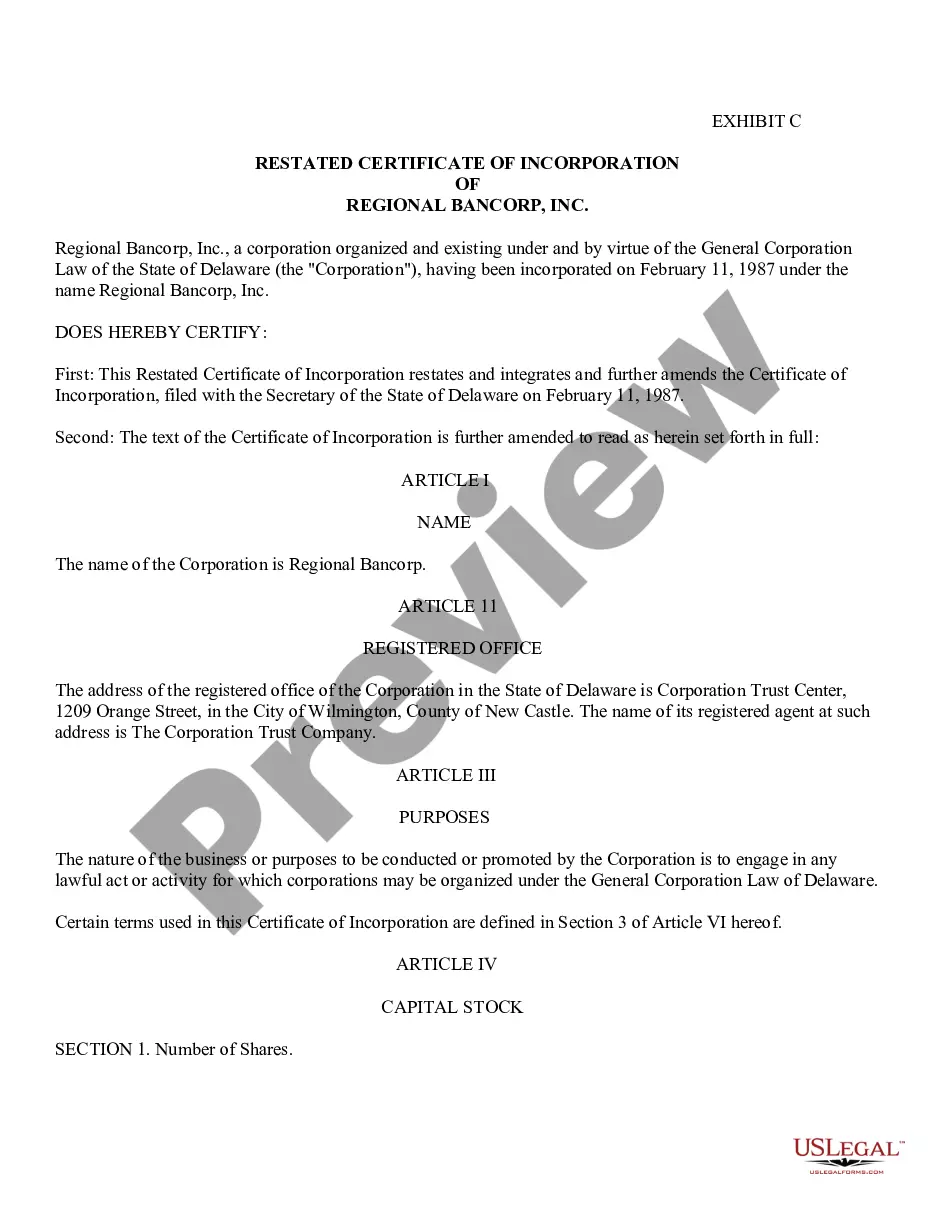
Description
Get your form ready online
Our built-in tools help you complete, sign, share, and store your documents in one place.
Make edits, fill in missing information, and update formatting in US Legal Forms—just like you would in MS Word.
Download a copy, print it, send it by email, or mail it via USPS—whatever works best for your next step.
Sign and collect signatures with our SignNow integration. Send to multiple recipients, set reminders, and more. Go Premium to unlock E-Sign.
If this form requires notarization, complete it online through a secure video call—no need to meet a notary in person or wait for an appointment.
We protect your documents and personal data by following strict security and privacy standards.

Make edits, fill in missing information, and update formatting in US Legal Forms—just like you would in MS Word.

Download a copy, print it, send it by email, or mail it via USPS—whatever works best for your next step.

Sign and collect signatures with our SignNow integration. Send to multiple recipients, set reminders, and more. Go Premium to unlock E-Sign.

If this form requires notarization, complete it online through a secure video call—no need to meet a notary in person or wait for an appointment.

We protect your documents and personal data by following strict security and privacy standards.
Looking for another form?






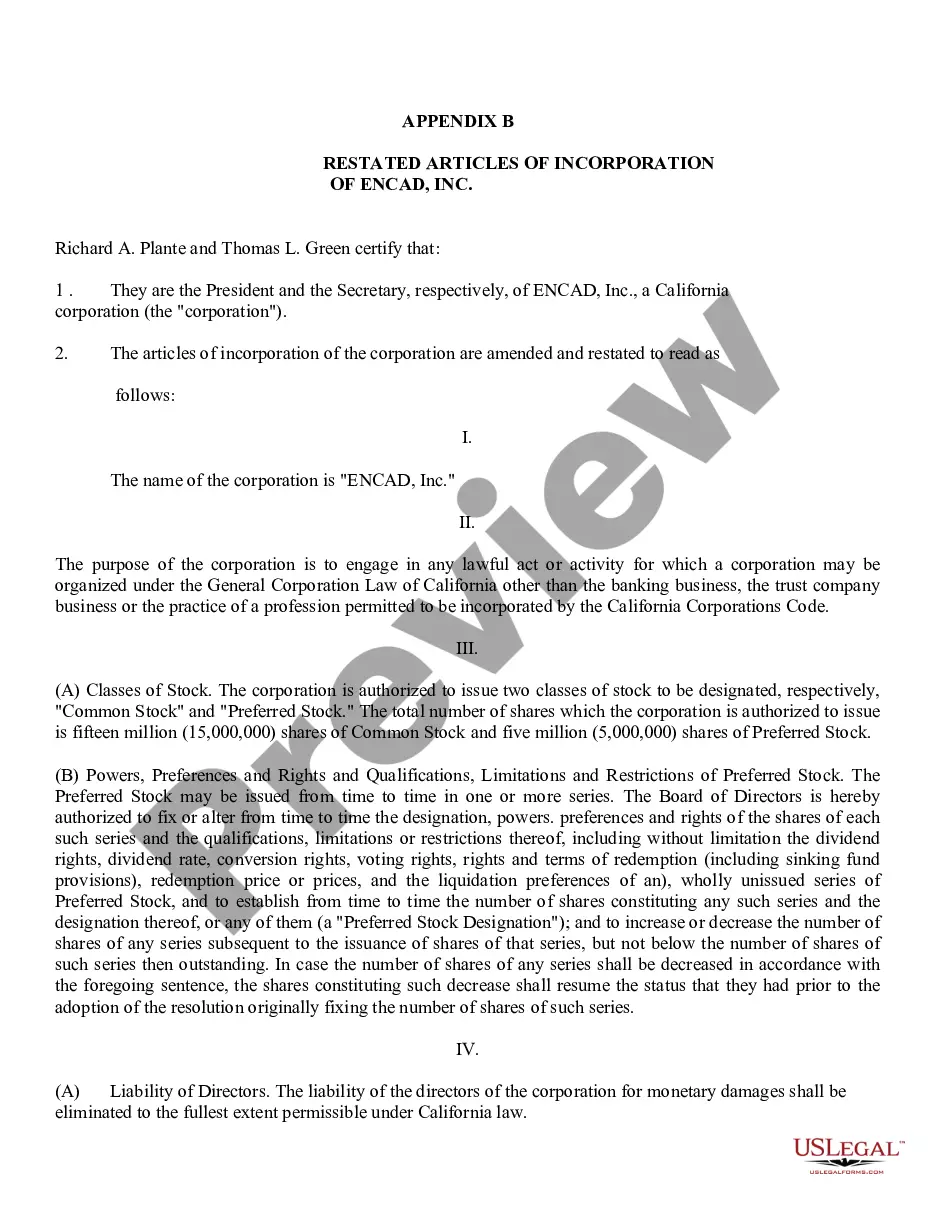
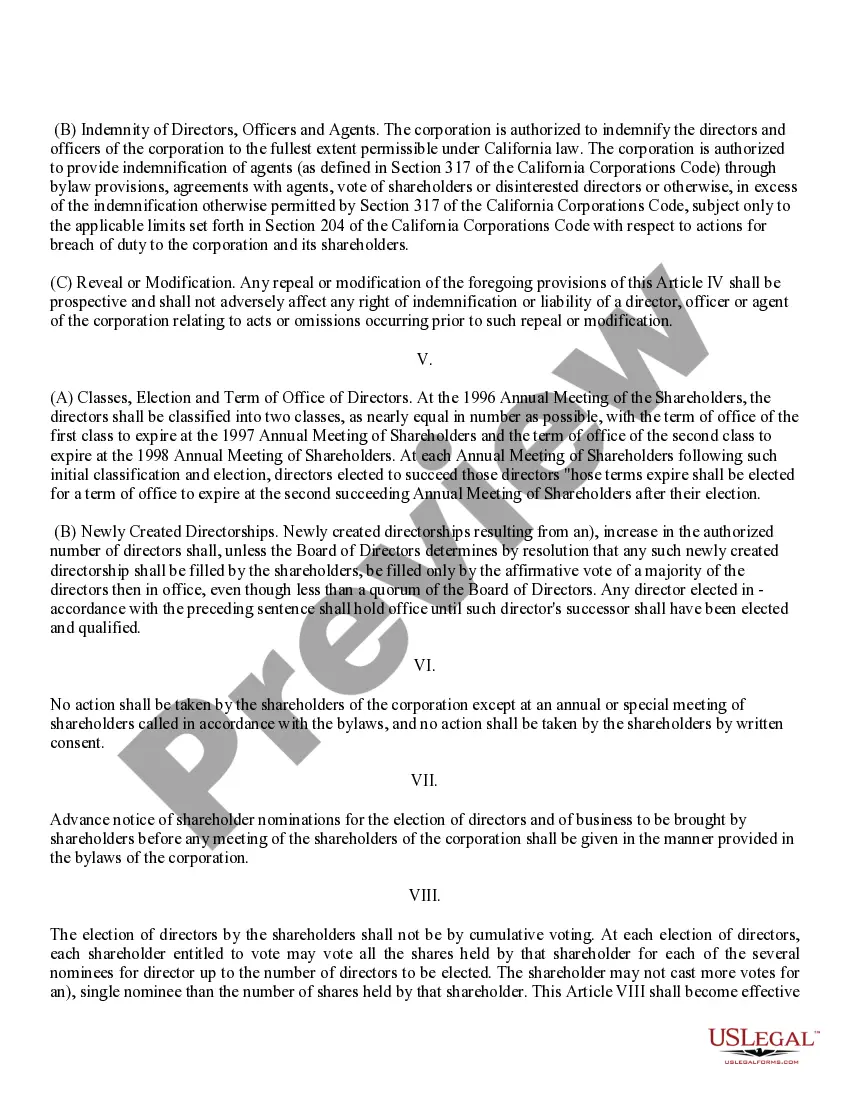
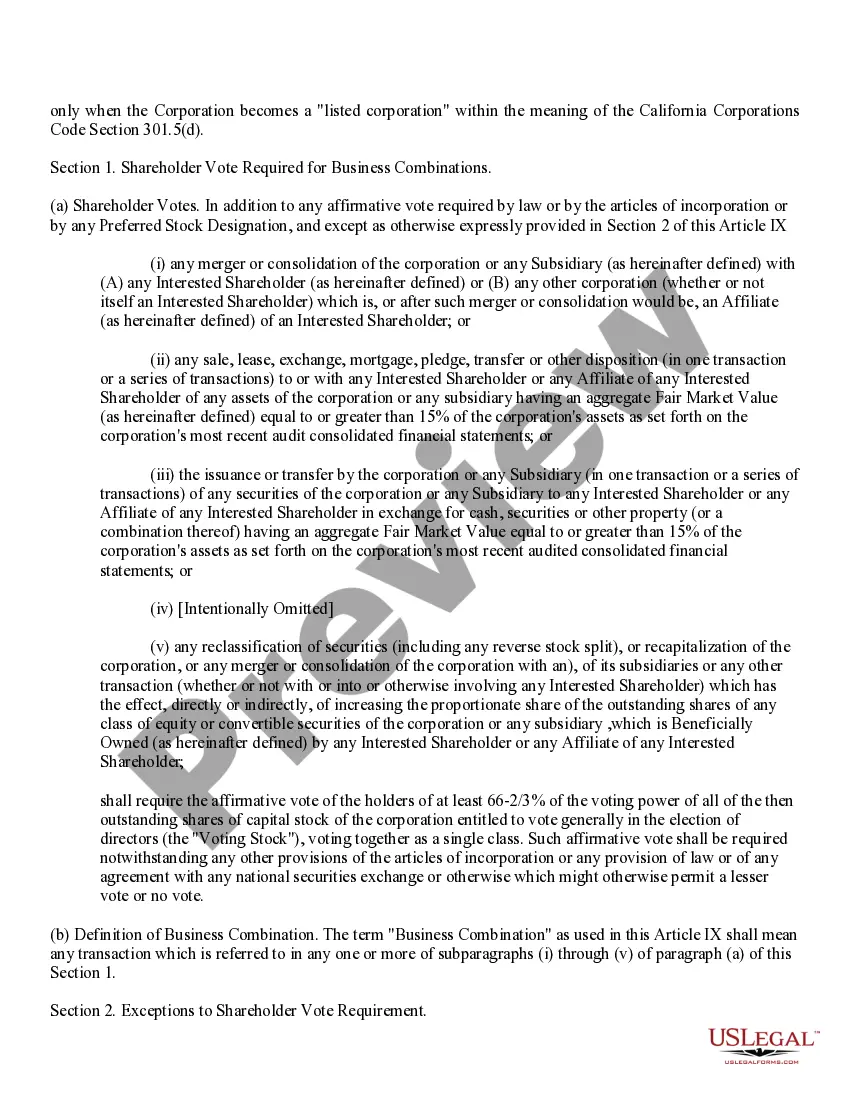
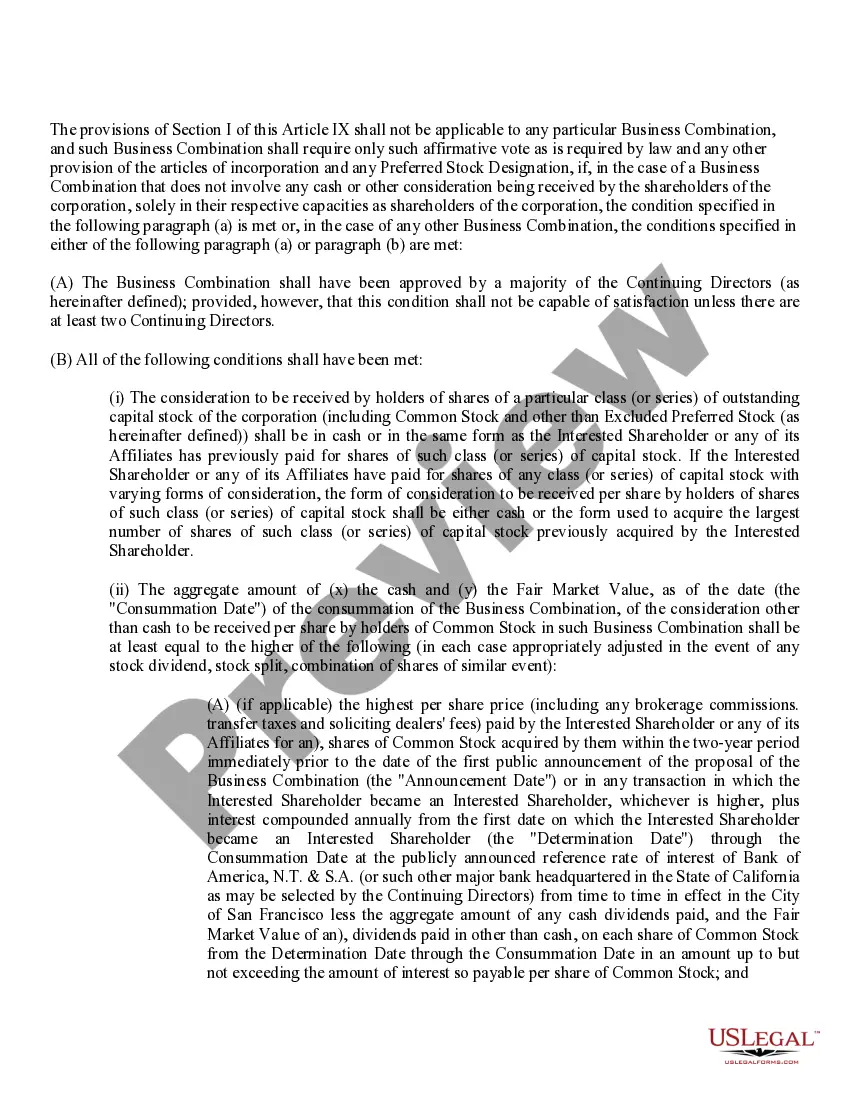
How to fill out Restated Articles Of Incorporation?
- Log into your existing account at US Legal Forms. If you haven't registered yet, create a new account to access the documents.
- Browse the extensive library and utilize the Preview mode for the re-incorporation form. Ensure it meets your needs and adheres to local jurisdiction requirements.
- If the desired form isn’t suitable, use the Search function to find the right template that fits your specific re-incorporation needs.
- Select your chosen document and click on the Buy Now button. Choose a subscription plan that best suits your needs.
- Complete your purchase using your preferred payment method, whether it's a credit card or PayPal.
- Once paid, download the form to your device. You can find it again at any time in the My Forms section of your account.
In conclusion, US Legal Forms provides a comprehensive solution for your re-incorporation needs, offering a vast library of customizable documents and expert assistance. Enjoy a seamless experience while ensuring your legal documents are precise and compliant.
Start your re-incorporation process today with US Legal Forms and take advantage of their robust resources!
Form popularity
FAQ
Reincorporation refers to the process of changing an organization's state of incorporation to a different jurisdiction. This shift is often pursued to enjoy improved legal protections, tax efficiencies, or operational benefits. By carefully evaluating the reasons behind reincorporation, you can position your business for future growth.
Deciding between incorporation and forming an LLC depends on various factors such as business goals, tax implications, and personal liability considerations. Corporations offer the potential for raising capital through stock, while LLCs provide more flexibility in management and taxation. Understanding the advantages of each will help you make an informed choice.
To reincorporate means to legally dissolve your company's registration in one state and establish it again in another. This process can help businesses take advantage of better regulatory environments or tax conditions. Essentially, it is an opportunity to refresh your company’s legal standing and operational framework.
To be incorporated, you need to choose a business structure, such as a corporation or LLC, and select a state for registration. After that, you will file articles of incorporation with the state, along with required fees. Using UsLegalForms can streamline this experience by offering you templates and instructions tailored for your specific needs.
Reincorporation can provide various benefits, such as better tax rates, more favorable regulations, or enhanced business flexibility. Companies may also consider reincorporation to attract investors or move closer to their primary customer base. Essentially, it can create a more conducive environment for growth and success.
To reincorporate, you'll first need to decide which state you want to move to, considering factors like taxes and business laws. Then, you will file the appropriate documents with both the existing state and the new state's Secretary of State office. Using a service like UsLegalForms can simplify this process by providing you with the necessary forms and guidance for a smooth transition.
A reincorporation proposal is a formal plan that outlines the process and benefits of moving a company's legal registration from one state to another. This proposal often addresses the reasons behind the move, such as favorable tax laws or more business-friendly regulations. By clearly articulating the rationale, stakeholders can understand the advantages of the new incorporation status.
Incorporation is the legal process of forming a corporate entity, which allows a business to operate independently of its owners. This step provides the company with its identity and grants it legal rights, such as entering contracts, suing, and being sued. Incorporation is crucial as it also limits the liability of owners, protecting personal assets from business-related debts. Re-incorporation can be seen as a necessary evolution for a corporation as it seeks to adapt to new challenges.
When a company decides to re-incorporate, it signifies a strategic choice to form a new corporation and dissolve the old one. This decision can lead to various benefits, including resource optimization and adapting to legal changes in different jurisdictions. Companies may choose to re-incorporate to benefit from better tax laws or to strengthen their brand presence in a new market. Engaging with platforms like USLegalForms can streamline this process effectively.
The meaning of re-incorporation centers on the establishment of a new corporate entity while ending the previous one. This process often allows businesses to rebrand and improve compliance with changing regulations. Moreover, re-incorporation can offer a fresh start with better strategic advantages, such as increased protection for shareholders. For businesses contemplating this step, it’s vital to understand all the implications and benefits.