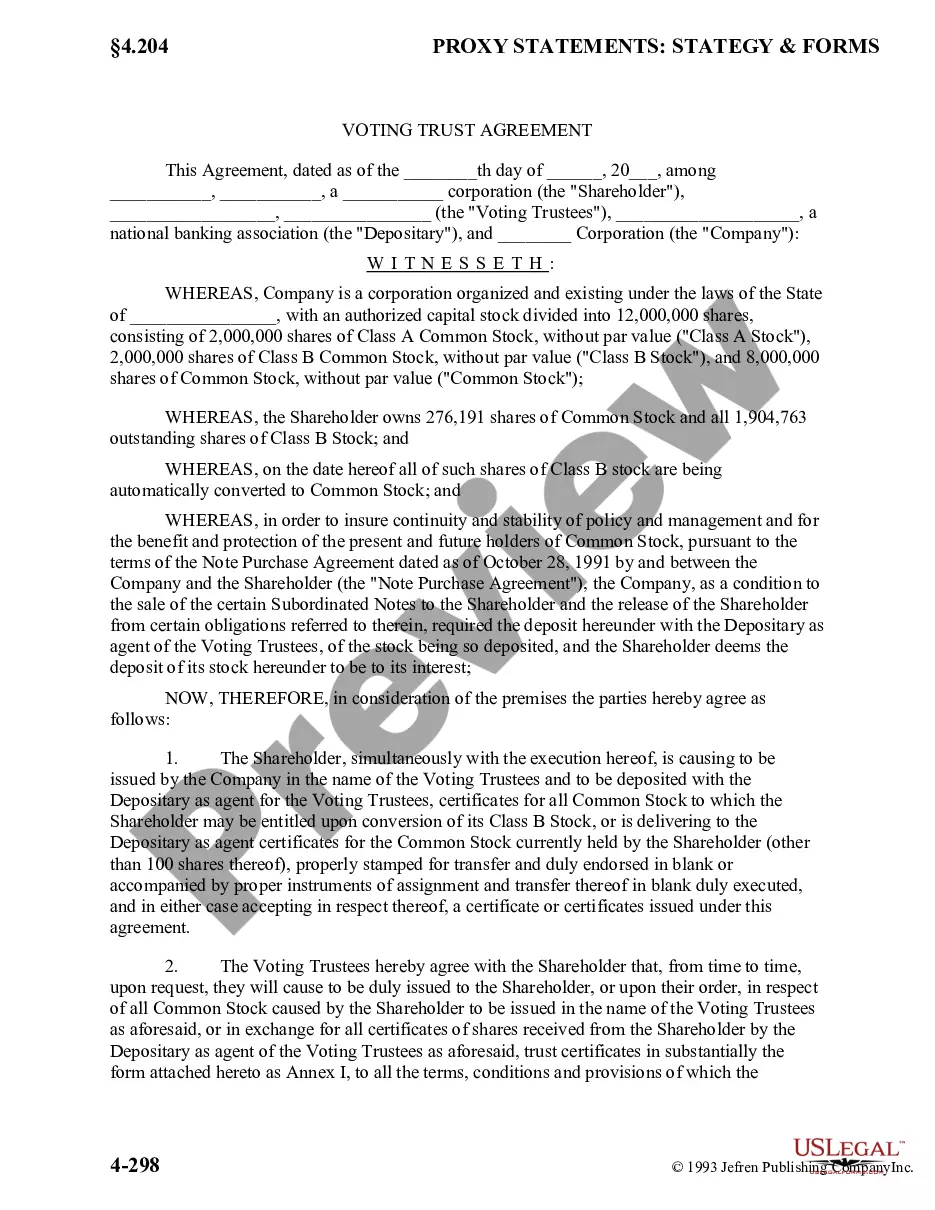
Trust Agreement Form With A Bank
Description
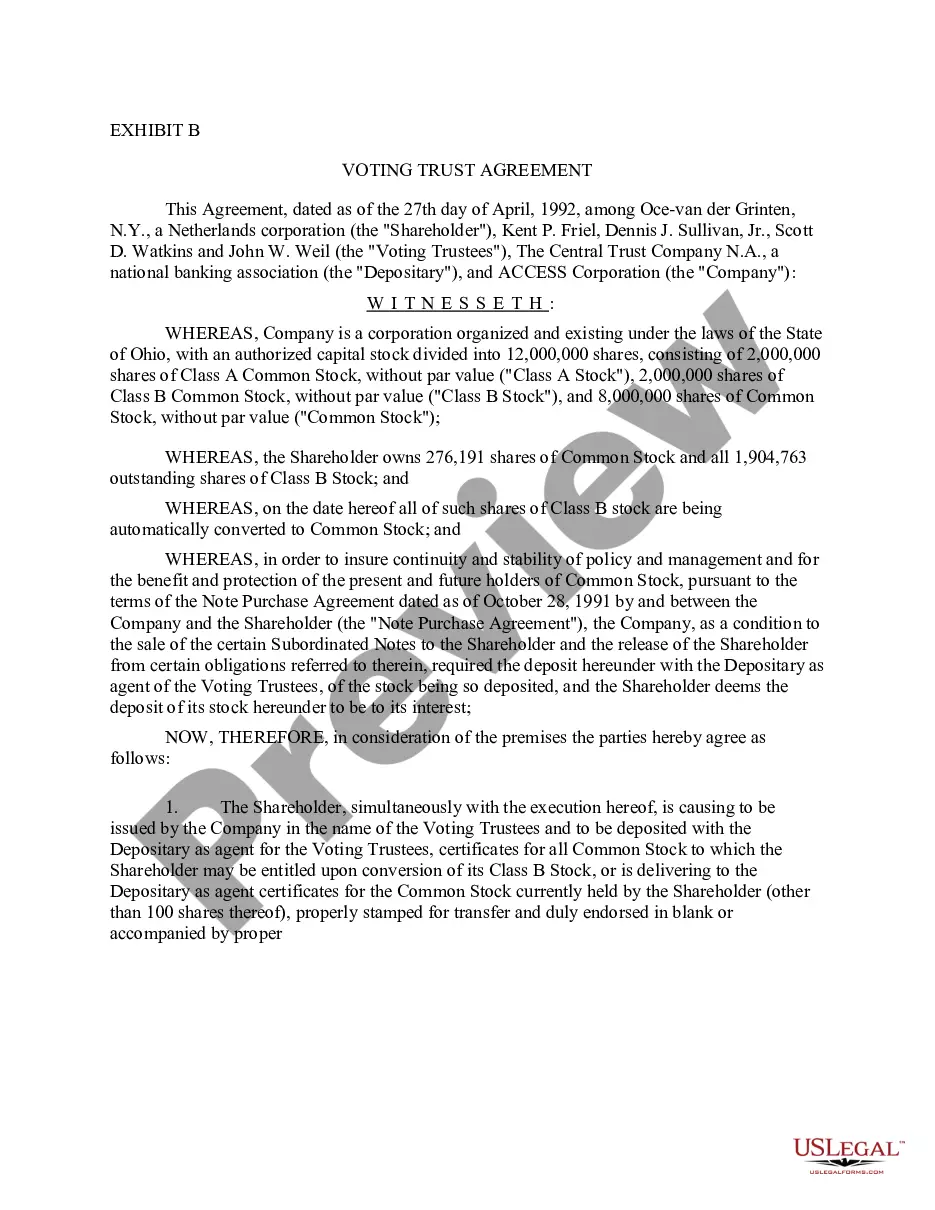
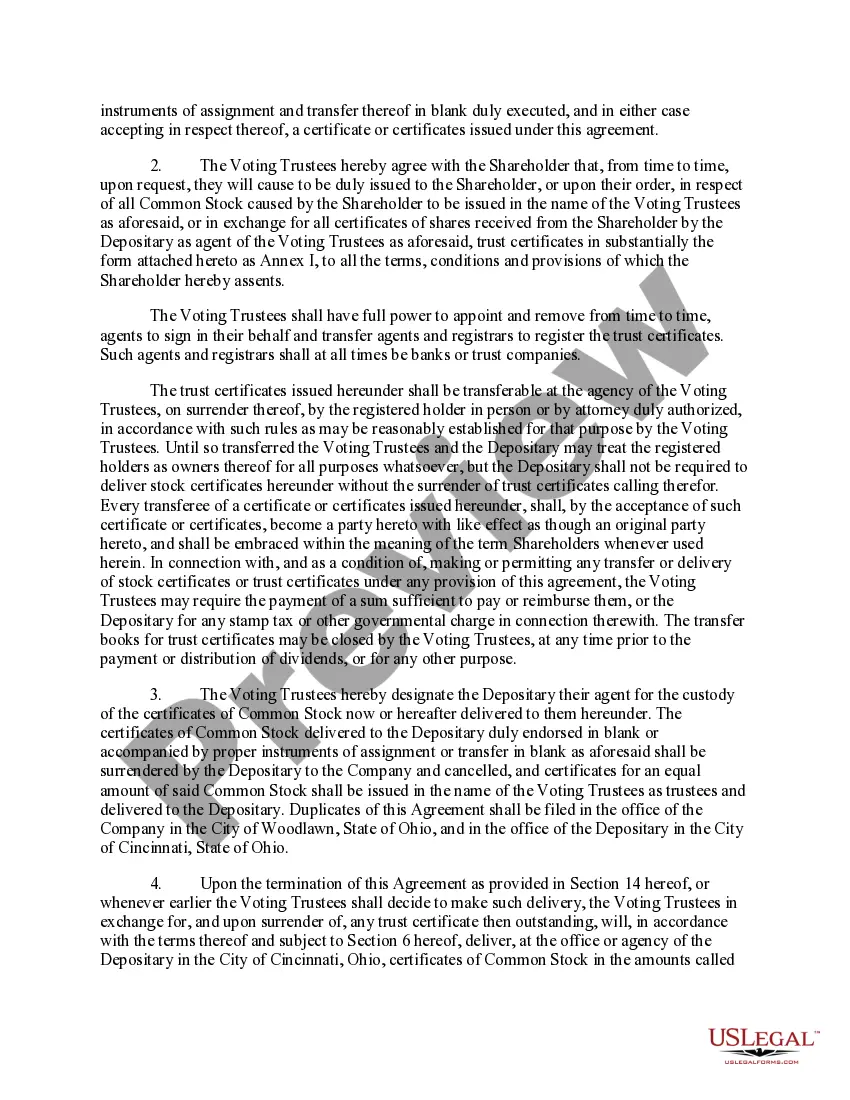
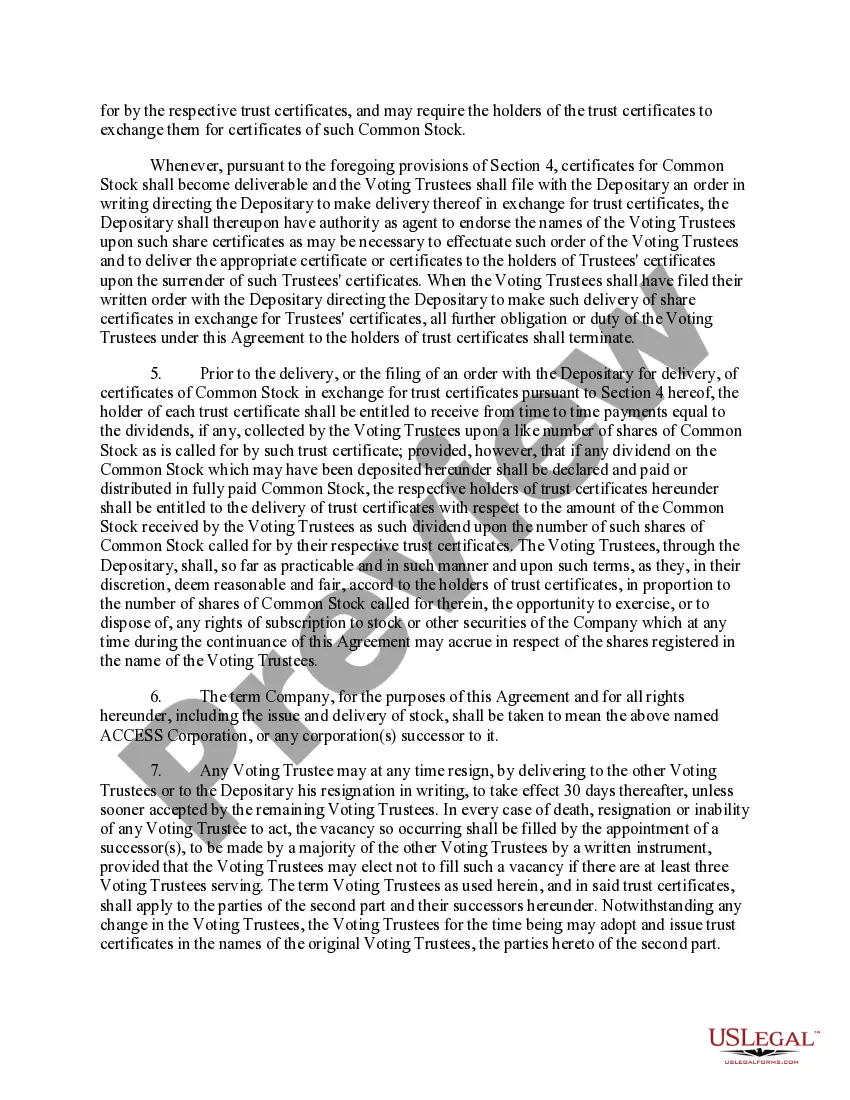
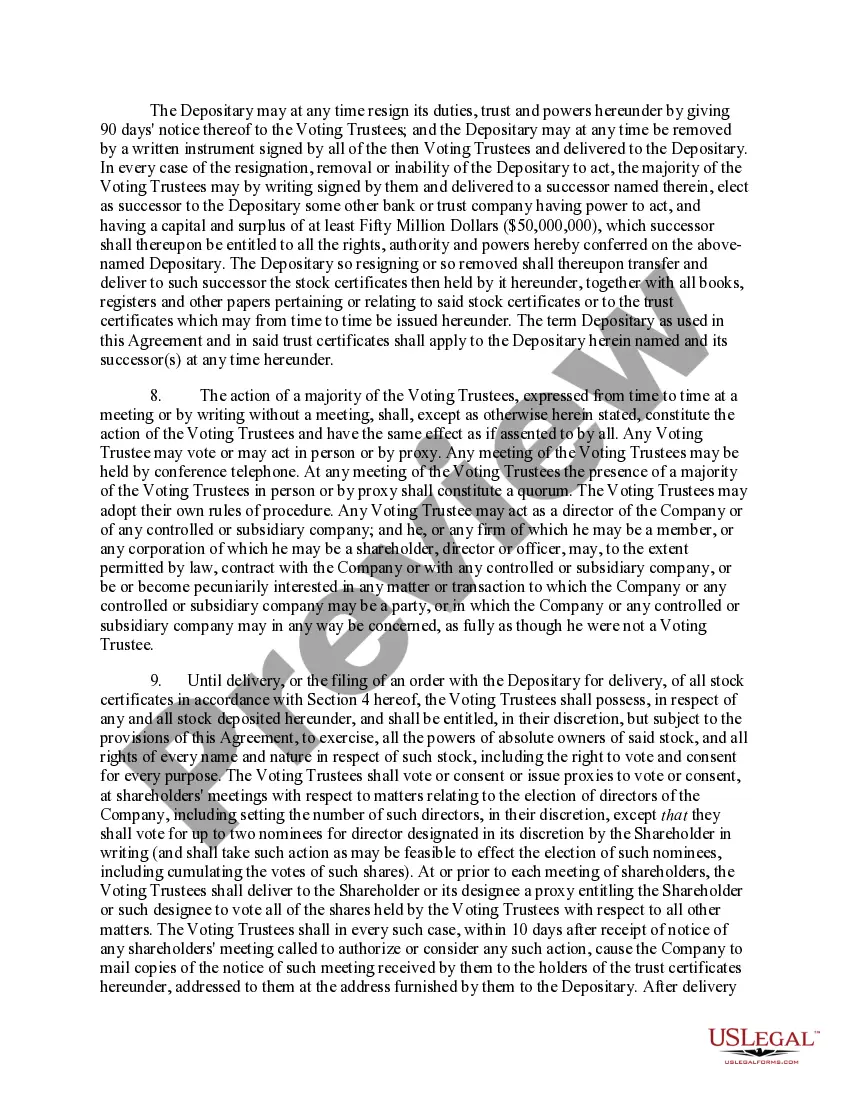
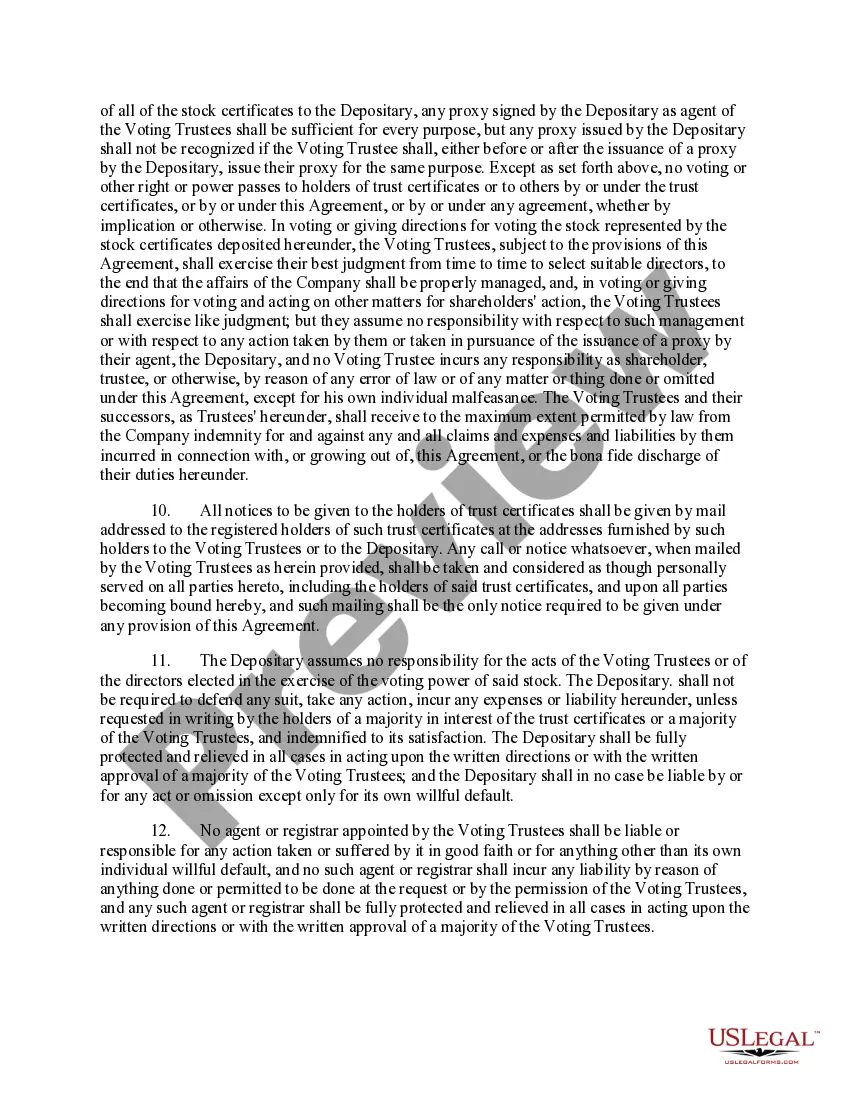
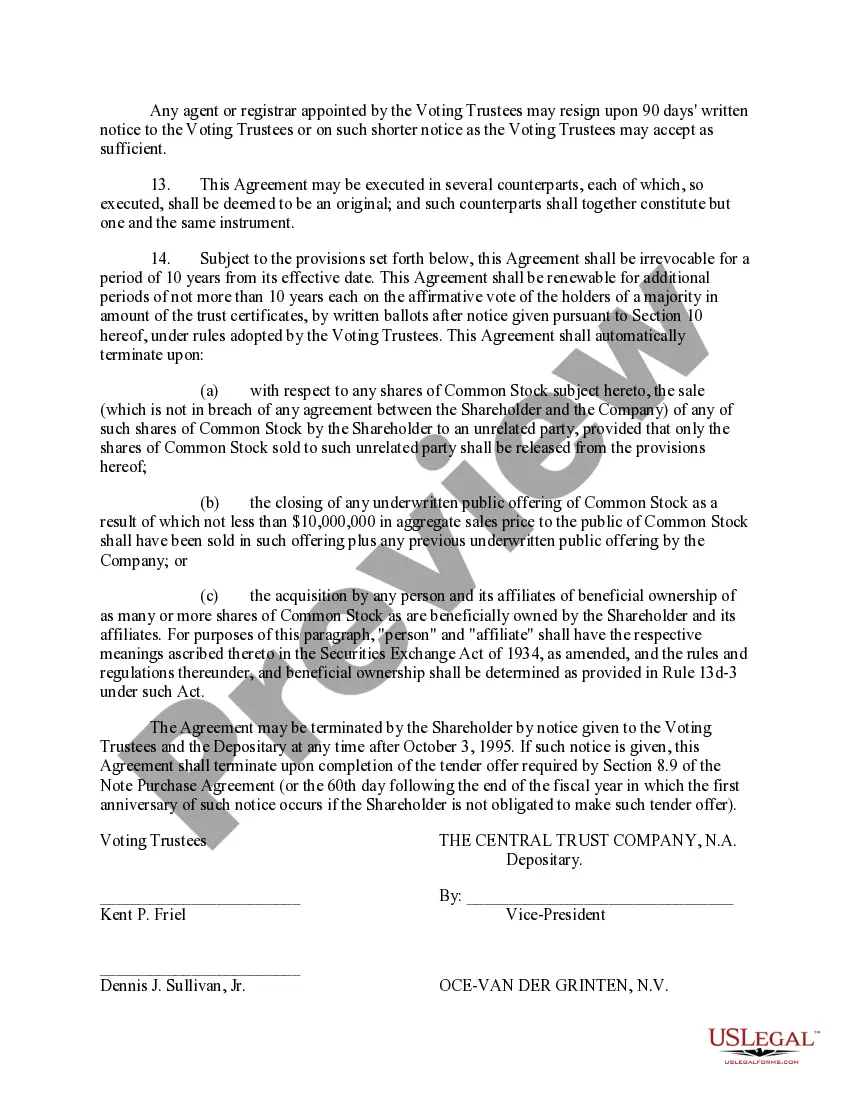
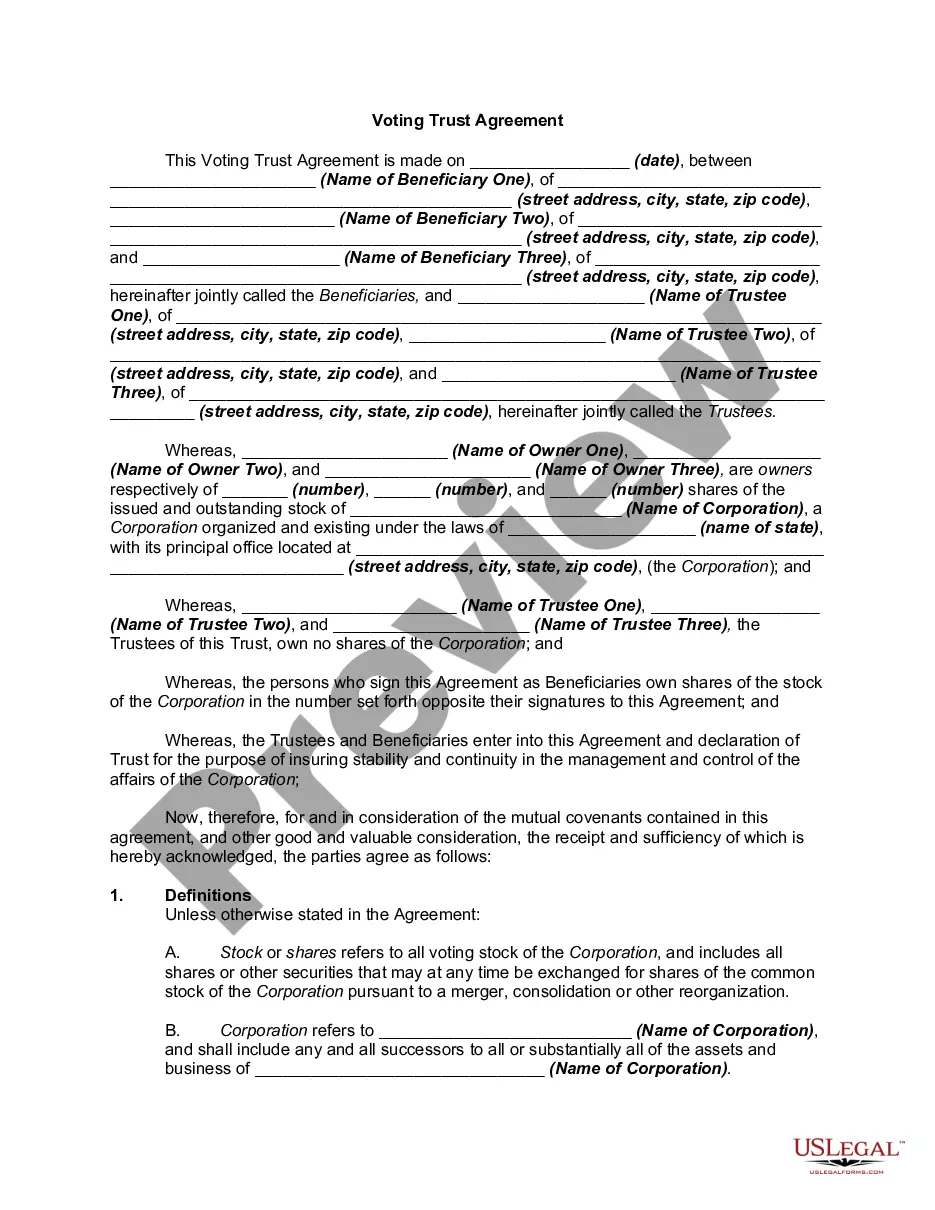
Get your form ready online
Our built-in tools help you complete, sign, share, and store your documents in one place.
Make edits, fill in missing information, and update formatting in US Legal Forms—just like you would in MS Word.
Download a copy, print it, send it by email, or mail it via USPS—whatever works best for your next step.
Sign and collect signatures with our SignNow integration. Send to multiple recipients, set reminders, and more. Go Premium to unlock E-Sign.
If this form requires notarization, complete it online through a secure video call—no need to meet a notary in person or wait for an appointment.
We protect your documents and personal data by following strict security and privacy standards.

Make edits, fill in missing information, and update formatting in US Legal Forms—just like you would in MS Word.

Download a copy, print it, send it by email, or mail it via USPS—whatever works best for your next step.

Sign and collect signatures with our SignNow integration. Send to multiple recipients, set reminders, and more. Go Premium to unlock E-Sign.

If this form requires notarization, complete it online through a secure video call—no need to meet a notary in person or wait for an appointment.

We protect your documents and personal data by following strict security and privacy standards.
Looking for another form?



How to fill out Voting Trust Agreement Between Oce-van Der Grinten, N.Y., Voting Trustees, The Central Trust Company N.A., And ACCESS Corp.?
- If you're a returning user, log in to your US Legal Forms account and locate the necessary trust agreement template. Click on the Download button, ensuring that your subscription is active. If it's expired, follow the instructions to renew it based on your plan.
- For first-time users, start by reviewing the available templates. Use the Preview mode to examine your desired trust agreement form closely, ensuring it complies with local jurisdiction requirements.
- If modifications are necessary, utilize the Search tab to find an alternative template that better fits your criteria.
- Once you find the right document, proceed to purchase it by selecting the Buy Now button. Choose your subscription plan and create an account to access all available resources.
- Complete your payment using a credit card or through your PayPal account to finalize your subscription.
- Finally, download your trust agreement form. Save it to your device and access it anytime from the My Forms section in your profile.
By following these straightforward steps, you'll have the trust agreement form you need in no time. US Legal Forms provides a robust library and expert assistance for precise document completion.
Start your journey towards effortless legal documentation today—visit US Legal Forms and simplify your legal needs!
Form popularity
FAQ
Yes, you can set up a trust with a bank. Banks often provide services to assist individuals in creating a trust, including the necessary trust agreement form with a bank. This form outlines how the trust will operate, who will be the trustee, and how the assets will be managed. By working with a bank, you can ensure compliance with legal requirements and streamline the process of establishing your trust.
Yes, you can set up a trust fund through many banks, and it usually starts with completing a trust agreement form with a bank. This process allows for straightforward management of assets and distribution according to your wishes. Your bank will provide necessary guidance throughout the setup, ensuring compliance with relevant laws. If you need assistance, platforms like uslegalforms can help simplify the process.
The ideal place to set up a trust often varies by individual circumstances, including financial and legal factors. You may opt for a bank that specializes in trust services or consult a financial advisor for personalized recommendations. Making the right choice involves filling out a trust agreement form with a bank that suits your needs. Consider both local and online banks, as each can provide unique advantages.
Choosing the best bank for a trust account largely depends on your specific needs and goals. Many banks offer specialized services for setting up a trust account, but it's beneficial to compare fees, services, and customer support. Research institutions that provide a straightforward trust agreement form with a bank, along with expert guidance. Remember, the best choice aligns with your financial strategy and offers robust support for your trust.
Yes, banks typically keep copies of trust documents to ensure proper management and compliance. When you fill out a trust agreement form with a bank, the institution will often retain a copy for their records. Moreover, keeping these documents on file helps in processing transactions and fulfilling the terms of the trust. It's always a good practice to ask your bank about their document retention policy.
One of the biggest mistakes parents make when setting up a trust fund is not being specific enough in their trust agreement. Vague terms can lead to confusion and disputes among beneficiaries. To prevent this, it is essential to create a detailed trust agreement form with a bank that clearly outlines your wishes and the distribution of assets.
A trust agreement in banking is a legal document that outlines how a trust will be managed and how assets will be distributed. It serves as a guide for the trustee and beneficiaries, detailing the responsibilities of each party. This agreement typically includes the trust agreement form with a bank, providing clear instructions for property management.
The person who creates a trust is commonly referred to as the grantor or trustor. They have the responsibility for outlining the terms of the trust in the agreement. The trust agreement form with a bank reflects the grantor's intentions for managing and distributing their assets.
A lawyer usually creates the certificate of trust, which serves as evidence of the trust's existence. This document may accompany your trust agreement form with a bank when you communicate with financial institutions. The certificate can simplify interactions with banks and other entities by confirming the trust's validity.
Generally, a lawyer is responsible for creating the trust and drafting the trust agreement form with a bank. While accountants may provide valuable financial guidance, they typically do not prepare legal documents. Collaborating with both a lawyer and an accountant can ensure that your trust is legally sound and financially effective.