Instructions Form Schedule C With Their
Description
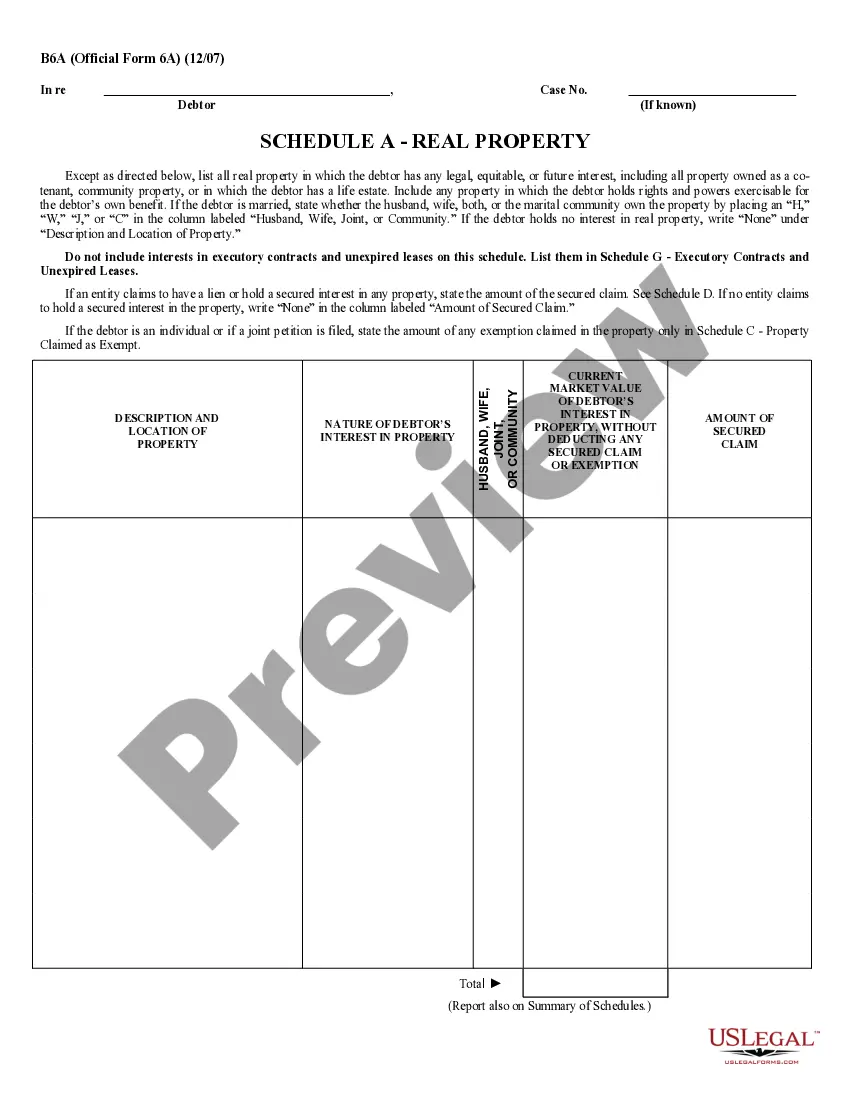
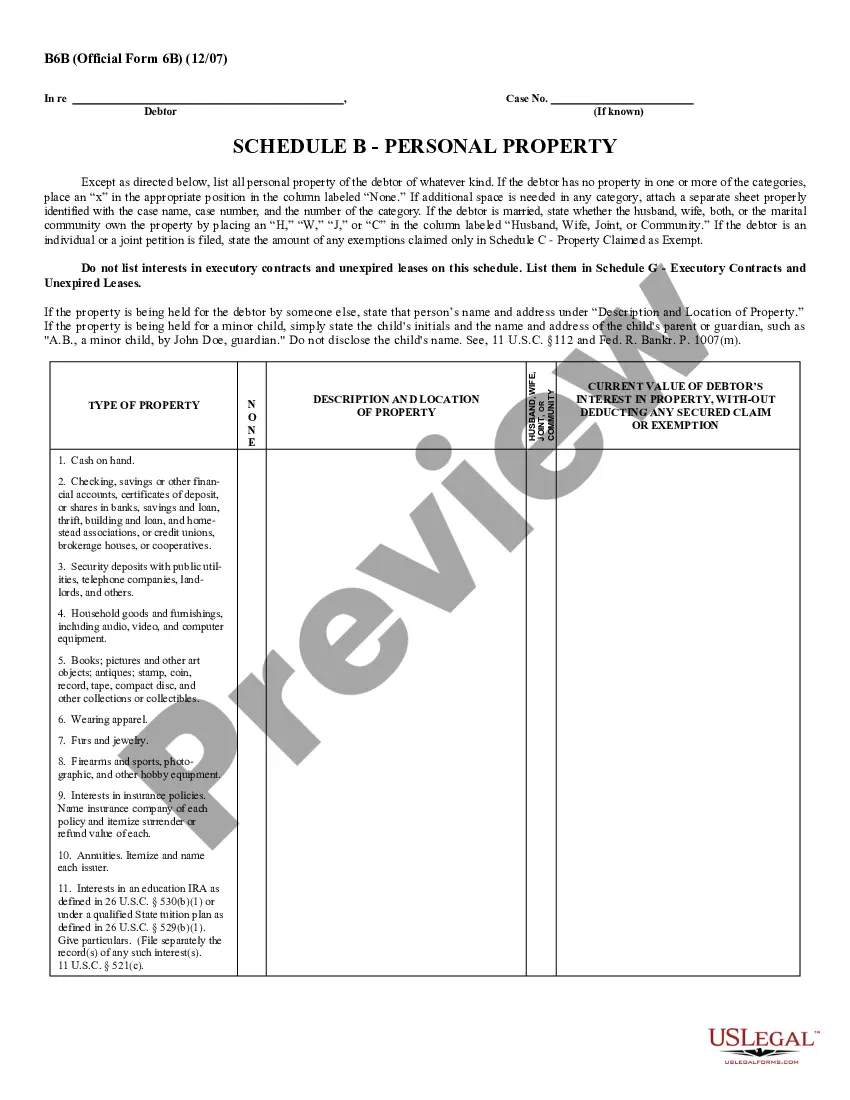



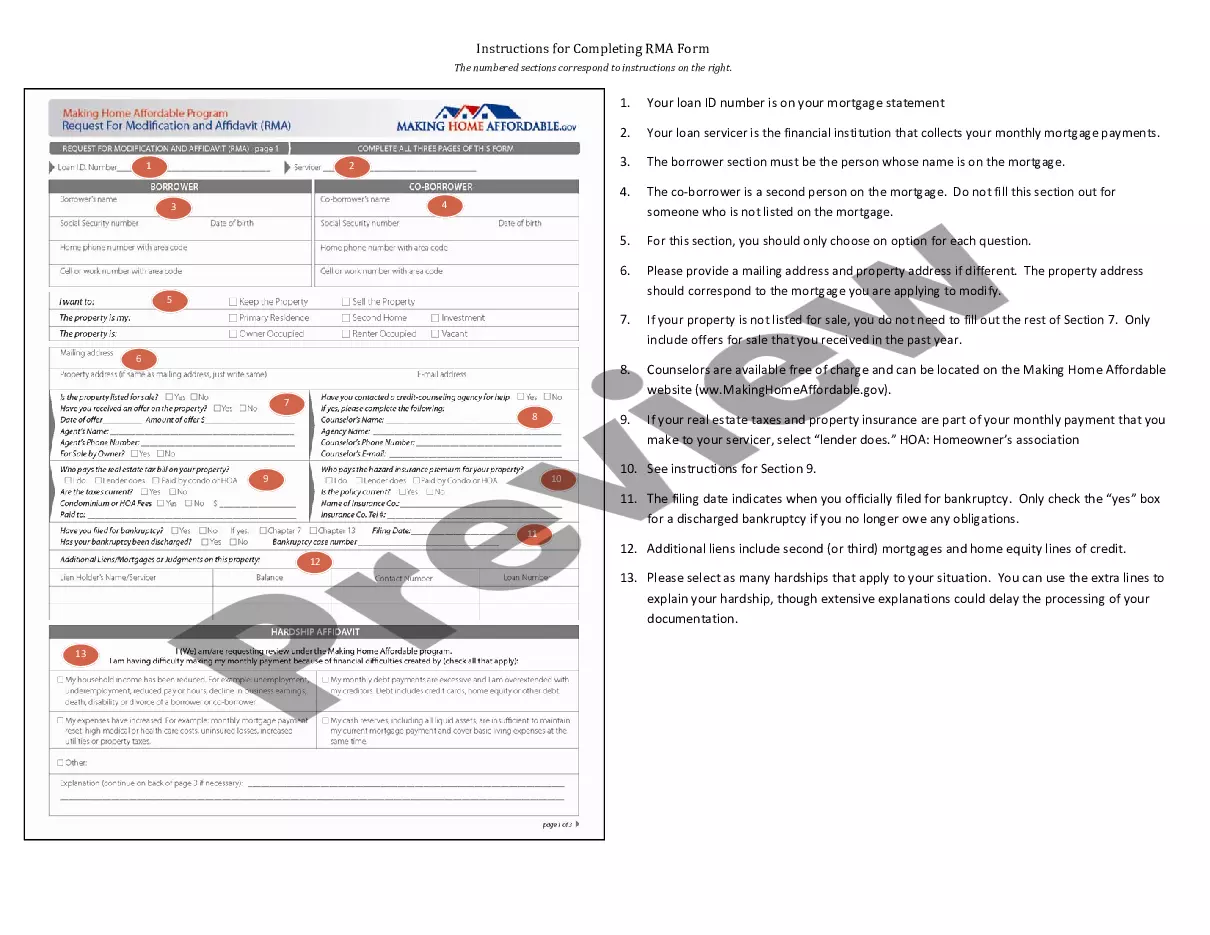
How to fill out Property Claimed As Exempt - Schedule C - Form 6C - Post 2005?
Regardless of whether it's for professional reasons or personal issues, everyone must deal with legal matters at some stage in their lives. Completing legal paperwork requires meticulous attention, starting with selecting the correct form template.
For example, if you select an incorrect version of the Instructions Form Schedule C With Their, it will be rejected upon submission. Thus, it is crucial to have a reliable source of legal documents such as US Legal Forms.
With a vast US Legal Forms catalog available, you don’t need to waste time searching for the right template online. Utilize the library’s user-friendly navigation to find the appropriate form for any occasion.
- Obtain the template you require by using the search field or catalog navigation.
- Review the form’s details to ensure it aligns with your situation, state, and locality.
- Click on the form’s preview to review it.
- If it is the wrong document, return to the search feature to find the Instructions Form Schedule C With Their template you need.
- Download the file when it meets your requirements.
- If you already possess a US Legal Forms account, simply click Log in to access previously stored files in My documents.
- In case you don’t have an account yet, you may acquire the form by clicking Buy now.
- Select the suitable pricing option.
- Complete the profile registration form.
- Choose your payment method: you can use a debit/credit card or PayPal account.
- Select the file format you desire and download the Instructions Form Schedule C With Their.
- Once it is downloaded, you can fill out the form using editing software or print it out and complete it by hand.
Form popularity
FAQ
You can obtain your Schedule C form directly from the IRS website, where they provide the most up-to-date version of the document. Additionally, you can find Instructions form schedule C with their guidelines clearly outlined to help you fill it out correctly. If you prefer a more streamlined approach, consider using US Legal Forms, which offers easy access to this form along with helpful instructions. This way, you can ensure that you have everything you need to file your taxes accurately and efficiently.
To file Schedule C, you need your business income, a list of expenses, and details about your business structure. Collect documentation such as receipts, bank statements, and invoices to support your claims. By following the Instructions form Schedule C with their requirements, you can ensure that all necessary information is accurately reported. Resources like US Legal Forms can assist you in gathering and organizing this information efficiently.
Several factors can trigger an IRS audit on Schedule C, including discrepancies in reported income, unusually high deductions, or claims that deviate from industry norms. Additionally, if your business expenses appear to be excessive in comparison to your income, it may raise a red flag. Understanding the Instructions form Schedule C with their insights can help you maintain accurate records and justify your claims. This proactive approach can reduce the likelihood of an audit.
Business owners often overlook deductions, fail to keep accurate records, or mix personal and business expenses. These mistakes can lead to overpaying taxes or complications during audits. When you follow the Instructions form Schedule C with their recommendations, you can avoid common pitfalls and ensure that your deductions are correctly claimed. Utilizing platforms like US Legal Forms can help streamline this process and provide clarity on tax obligations.
Returns and Allowances include cash or credit refunds you make to customers, rebates, and other allowances off the actual sales price. Individuals who don't make or buy products for resale as part of their business don't have returns or allowances to deduct from gross sales.
Line 19. Enter your deduction for contributions to a pension, profit-sharing, or annuity plan, or plan for the benefit of your employees. If the plan included you as a self-employed person, enter contributions made as an employer on your behalf on Form 1040, line 28, or Form 1040NR, line 28, not on Schedule C.
Actual Car Expenses include: Depreciation, License and Registration, Gas and Oil, Tolls and Parking fees, Lease Payments, Insurance, Garage Rent and Repairs and Tires. For more information regarding your Car and Truck Expenses, see section 4 of Publication 463.
Line 18 Office Expenses: Postage expenses (shipping paid by you to mail your orders). Line 22 Supplies: Not to be confused with inventoriable supplies, which are entered over in Part III. These are supplies that you will use up within one year of purchase, and they don't go in your finished goods.
Those taxpayers who choose the actual cost method may deduct those expenses related to the business use of the vehicle. These include gasoline, oil, repairs, license tags, insurance, and depreciation (subject to certain limits).