Exempt Property Definition
Description
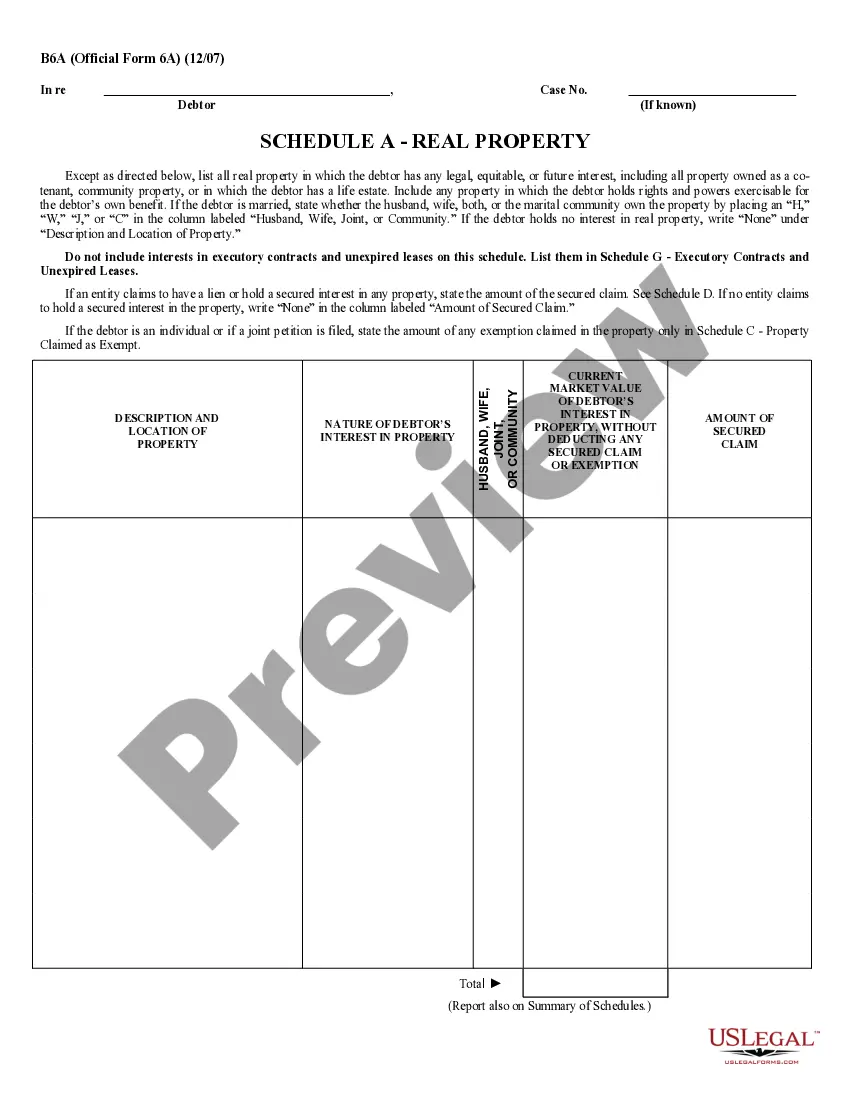
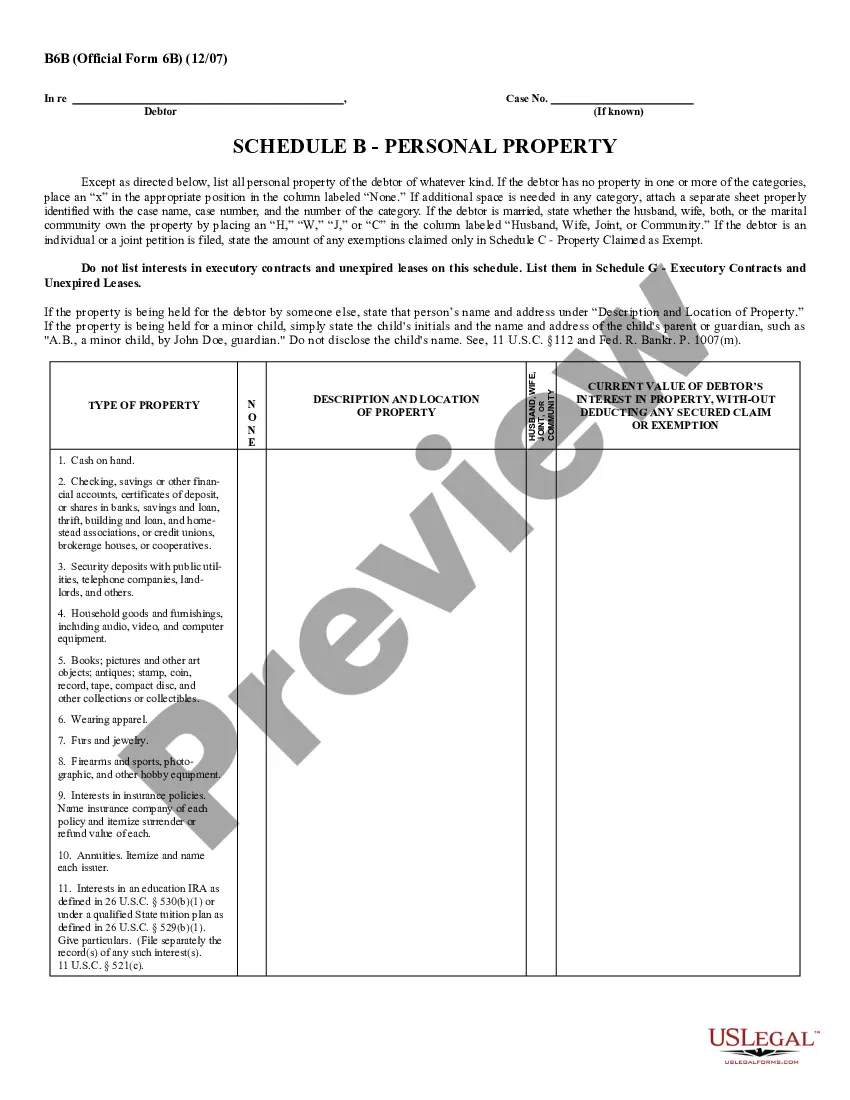


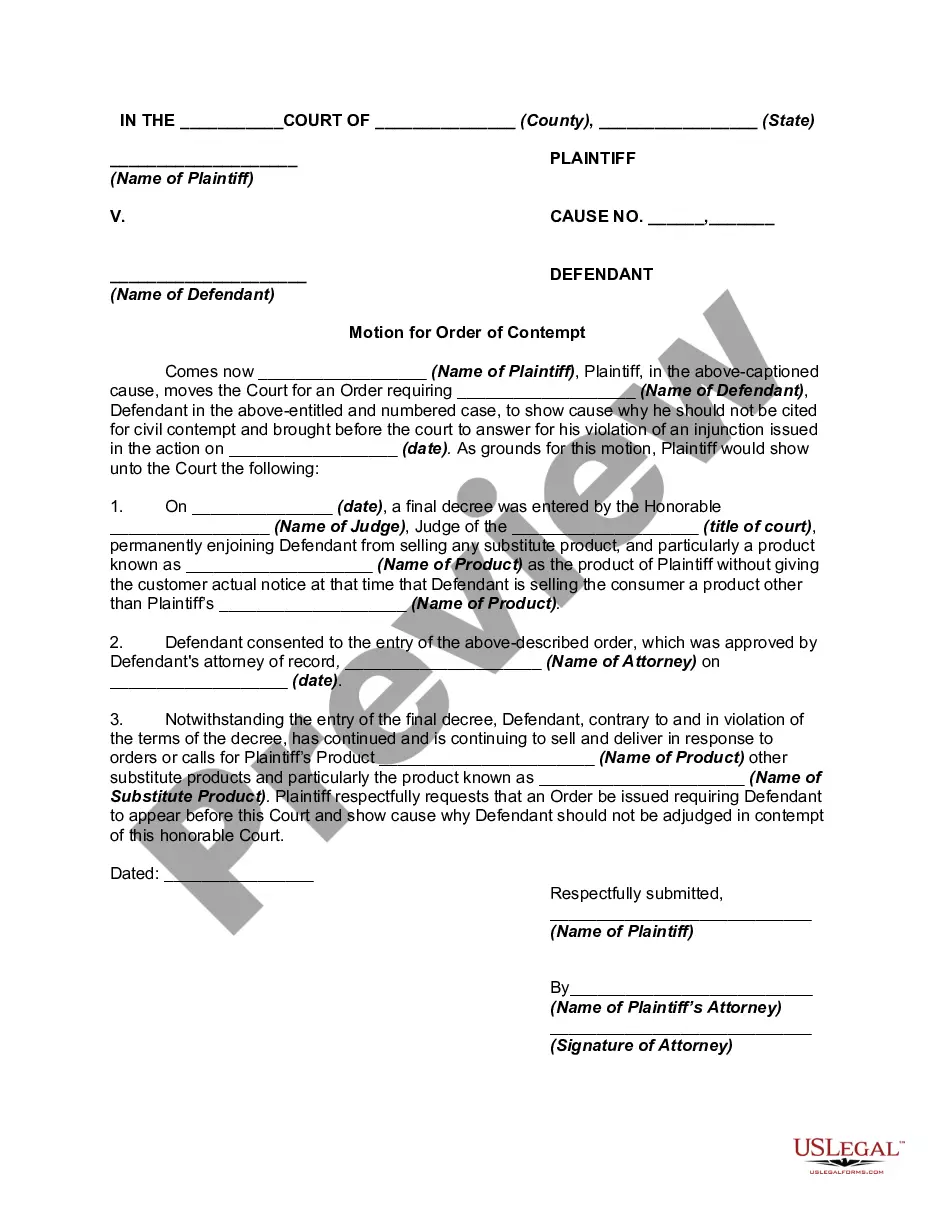

How to fill out Property Claimed As Exempt - Schedule C - Form 6C - Post 2005?
Working with legal paperwork and procedures can be a time-consuming addition to your entire day. Exempt Property Definition and forms like it typically need you to look for them and navigate the best way to complete them effectively. For that reason, regardless if you are taking care of financial, legal, or individual matters, using a extensive and practical web catalogue of forms on hand will significantly help.
US Legal Forms is the best web platform of legal templates, offering over 85,000 state-specific forms and a variety of tools that will help you complete your paperwork quickly. Explore the catalogue of appropriate documents accessible to you with just one click.
US Legal Forms offers you state- and county-specific forms offered at any time for downloading. Shield your document administration procedures with a high quality support that lets you put together any form within minutes without having additional or hidden charges. Simply log in to your profile, identify Exempt Property Definition and acquire it straight away within the My Forms tab. You may also gain access to previously saved forms.
Would it be the first time making use of US Legal Forms? Sign up and set up a free account in a few minutes and you will have access to the form catalogue and Exempt Property Definition. Then, adhere to the steps listed below to complete your form:
- Make sure you have found the correct form using the Preview feature and looking at the form description.
- Choose Buy Now when ready, and select the subscription plan that meets your needs.
- Press Download then complete, sign, and print the form.
US Legal Forms has 25 years of experience helping users handle their legal paperwork. Get the form you require today and streamline any process without breaking a sweat.
Form popularity
FAQ
Property That Is Not Exempt Items that the debtor usually has to give up include: Expensive musical instruments, unless the debtor is a professional musician. Collections of stamps, coins, and other valuable items. Family heirlooms.
Texas exempt property includes: The primary residence of a debtor (the ?homestead?) Cemetery plots purchased and intended for use by the family. Up to $50,000 of personal property for an individual. Up to $100,000 in personal items for a Texas family.
Exempt property is any property that creditors cannot seize and sell in order to satisfy debt during chapter 7 or chapter 13 bankruptcy. The type of property exempted differs from state to state but often includes clothes, home furnishings, retirement plans, and small amounts of equity in a house and car.
Common household items such as: Appliances, clothing, fuel for residence, furniture, and personal effects CCP § 704.020 Exempt if ?ordinarily and reasonably necessary to, and personally used or procured for use by, the judgment debtor and members of the judgment debtor's family at the judgment debtor's principal place ...
In fact, Texas offers some of the strongest protections in the United States for the ?homestead,? which is defined as a house and up to ten (10) acres of land in an urban area like the Houston-Galveston Metro area; a house and up to one-hundred (100) acres of rural land for a single person; and a house and up to two- ...