Organizational Chart For Coffee Shop
Description
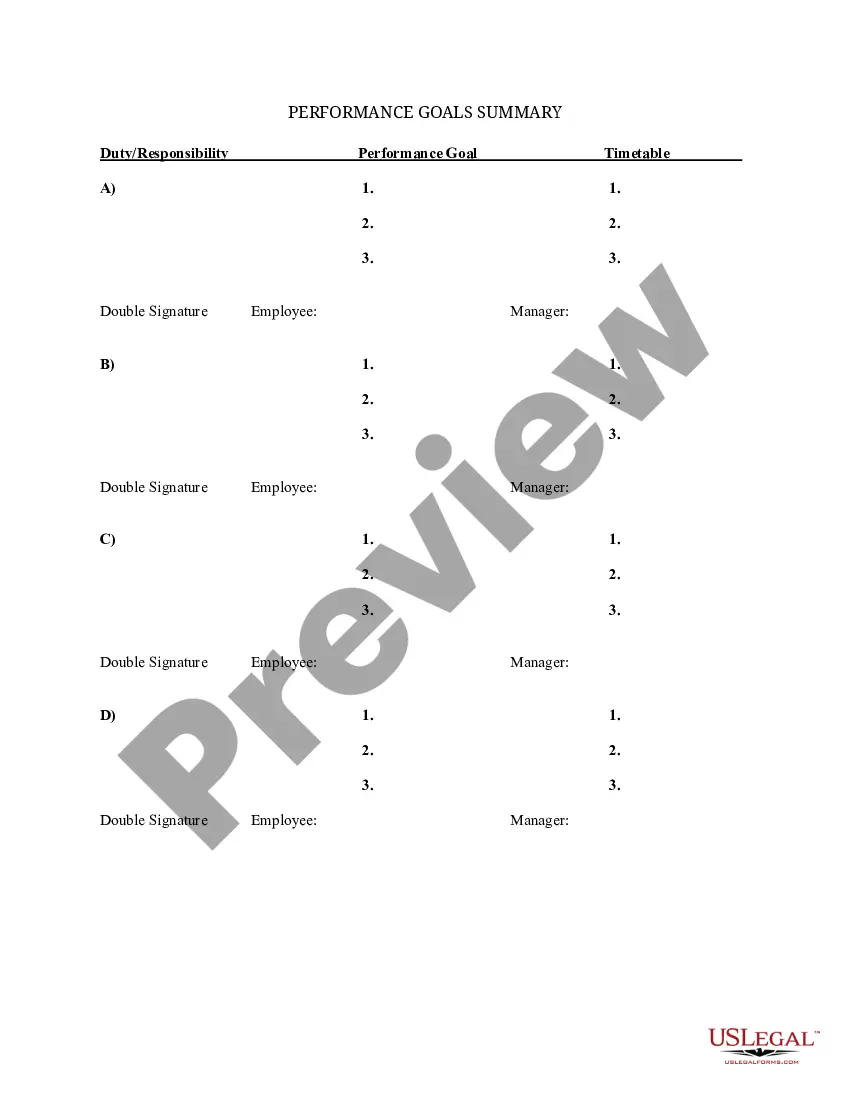
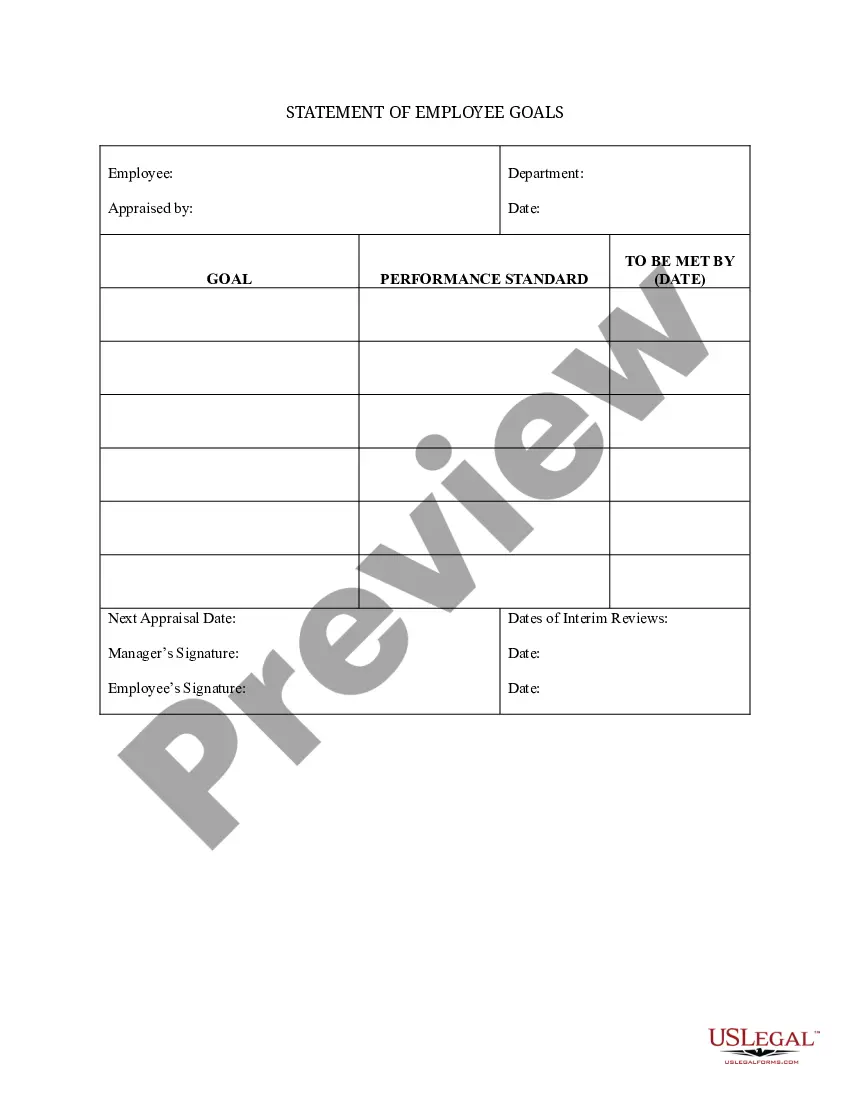

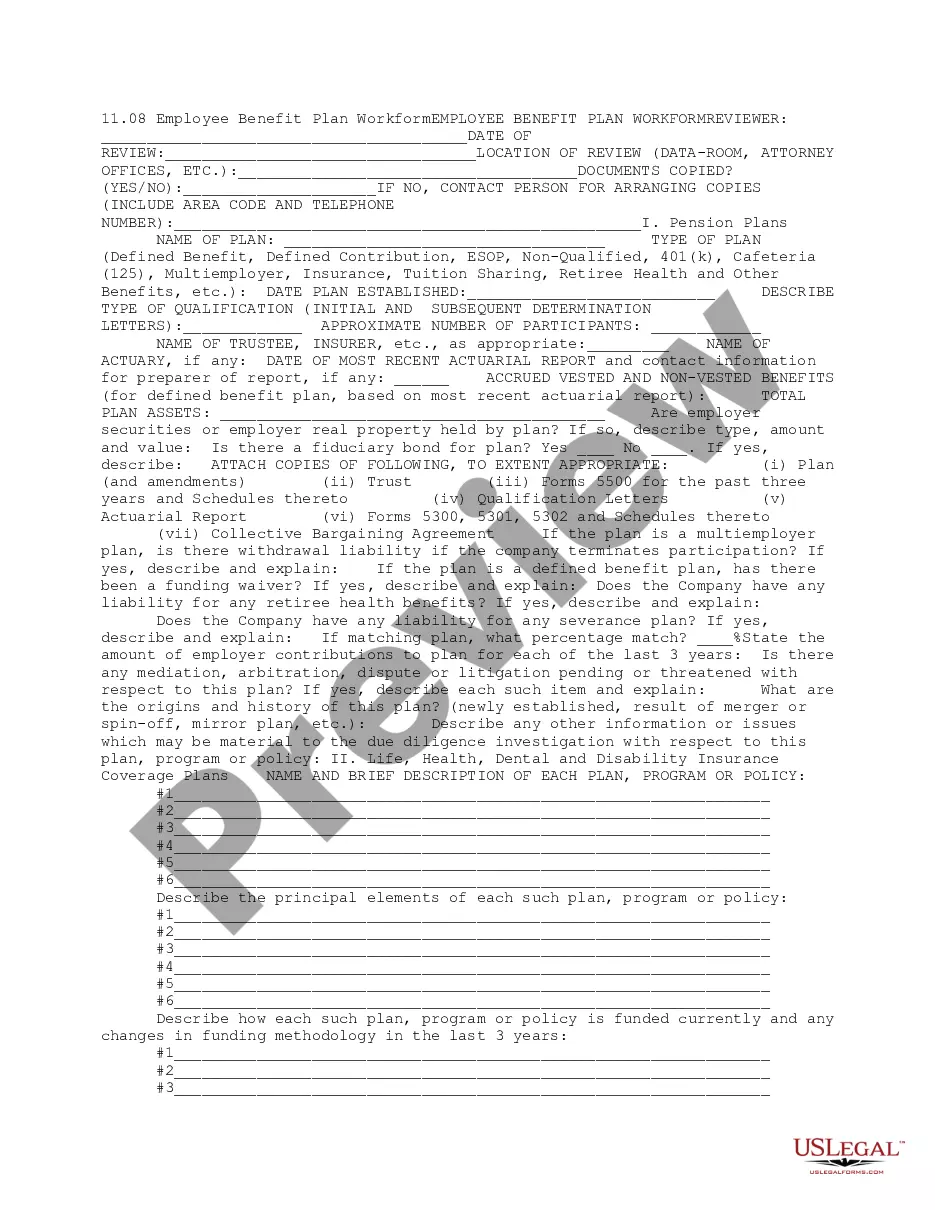

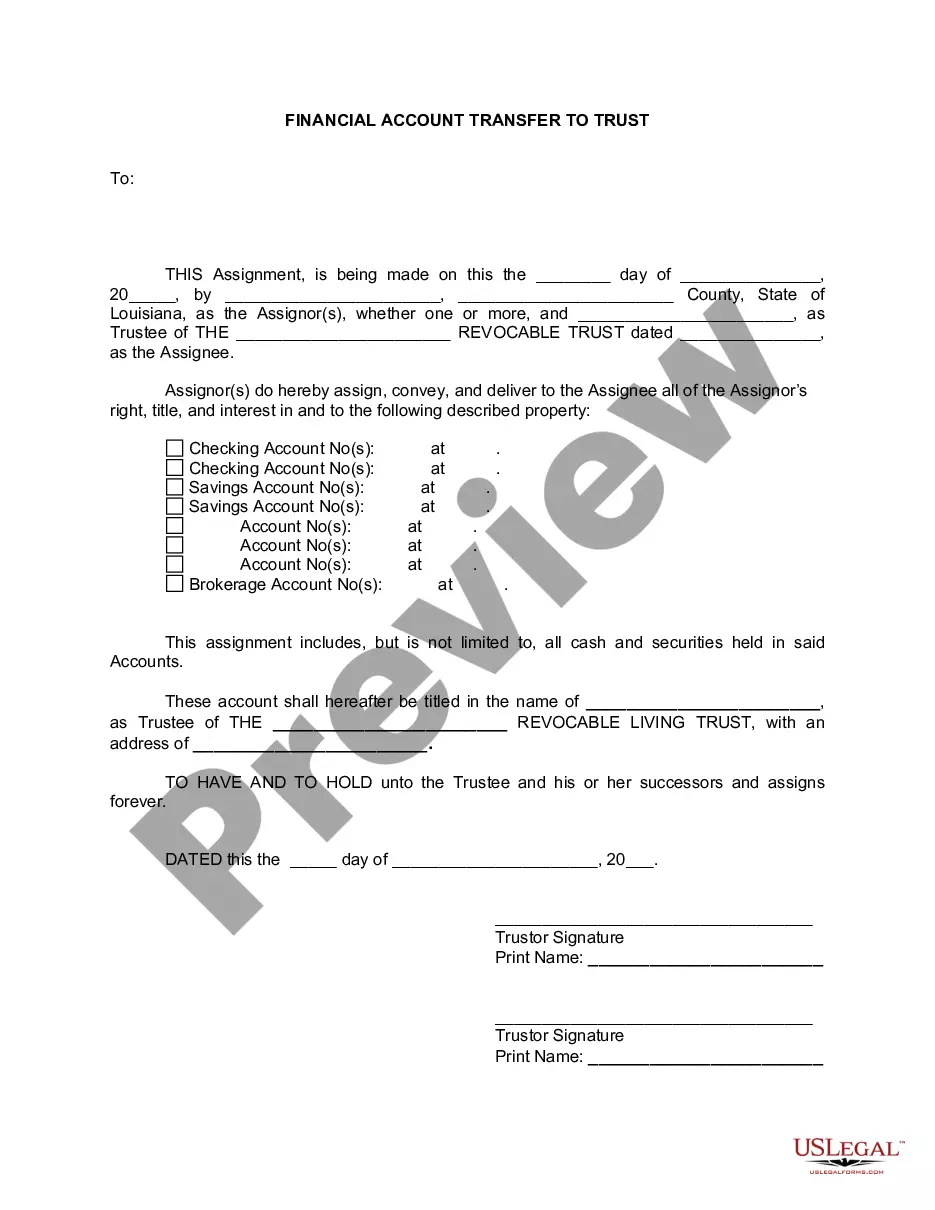


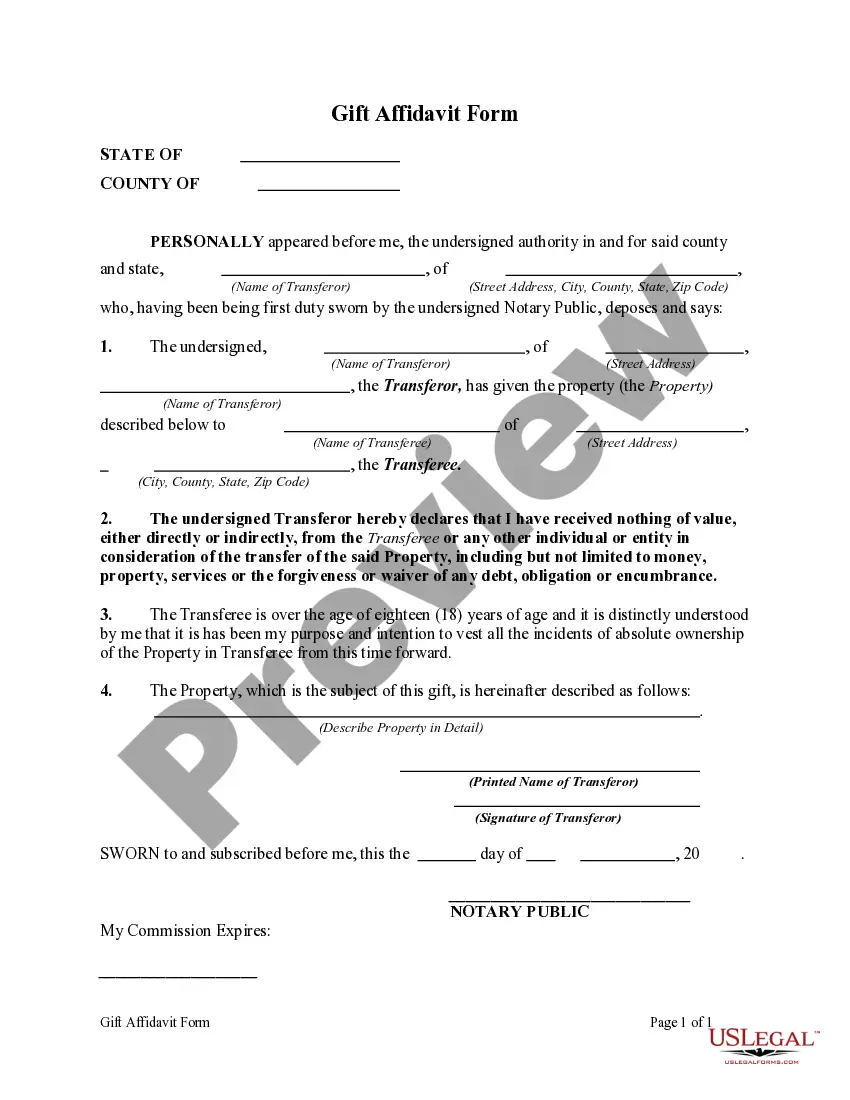
How to fill out Summary Of Departmental Goals - Individual Employee Chart?
Whether for commercial intentions or personal matters, everyone must encounter legal circumstances at some point in their lives.
Filling out legal documents requires meticulous focus, starting with selecting the appropriate form template.
Choose your desired file format and download the Organizational Diagram For Coffee Shop. Once it is saved, you can fill out the form using editing software or print it out and complete it by hand.
- For example, if you select an incorrect version of the Organizational Diagram For Coffee Shop, it will be denied upon submission.
- Thus, it is crucial to find a reliable provider of legal documents such as US Legal Forms.
- If you wish to acquire an Organizational Diagram For Coffee Shop template, follow these straightforward steps.
- Locate the template you require using the search feature or directory navigation.
- Review the form’s description to ensure it aligns with your circumstances, state, and county.
- Click on the form’s preview to examine it.
- If it is the wrong document, return to the search function to find the Organizational Diagram For Coffee Shop template you need.
- Download the file when it fulfills your requirements.
- If you already possess a US Legal Forms account, simply click Log in to access previously saved documents in My documents.
- If you don’t have an account yet, you can download the form by clicking Buy now.
- Choose the appropriate pricing option.
- Complete the account registration form.
- Select your payment method: you may utilize a credit card or PayPal account.
Form popularity
FAQ
To create an organizational chart for a coffee shop, start by identifying all key roles within your team. Next, outline who reports to whom and the relationships among different positions. Use simple design tools to visually represent this information, making it clear and accessible. Platforms like US Legal Forms can aid in creating professional charts, guiding you through the process and ensuring accuracy.
The organizational structure of a coffee shop typically includes several key roles, such as the owner, manager, baristas, and support staff. This structure helps define duties and communication within the team, ensuring smooth operations. An effective organizational chart for a coffee shop clearly illustrates these roles, highlighting reporting lines and responsibilities. By understanding this structure, you can enhance teamwork and efficiency.
Starbucks utilizes a functional organizational structure combined with elements of a matrix. This design allows for specialized teams in areas like operations, marketing, and product development. For coffee shops looking to emulate Starbucks, understanding their organizational chart can provide insights into efficient management and customer engagement strategies.
A coffee shop typically has several key departments, including management, customer service, and barista teams. It may also have specialized roles in marketing, finance, and supply management. Each department plays a vital role in the overall success of the business. Creating an organizational chart for a coffee shop helps to define these departments clearly and optimize workflows.
Starbucks employs a matrix organizational structure, balancing functional and product-focused tasks. This allows for effective management across diverse aspects, such as marketing and operations, while promoting collaboration between teams. By applying similar principles, other coffee shops can develop their own organizational chart that enhances collaboration and operational efficiency.
The business structure of a coffee shop can vary, but many operate as sole proprietorships or limited liability companies (LLCs). This structure allows for flexibility in management and shares profits directly with owners. Crafting an organizational chart for a coffee shop can clarify roles and responsibilities within this structure, ensuring clear communication and efficiency.
A coffee shop usually operates in a monopolistic competition market structure. This means it competes with other cafes but offers unique products and experiences. Each coffee shop differentiates itself through branding, menu items, and customer service. An organizational chart for a coffee shop can help highlight these unique offerings and streamline the competition.
The hierarchy of a cafe typically starts with the owner or manager at the top. Below this position, there may be assistant managers who oversee day-to-day operations. Then, there are team leaders, baristas, and kitchen staff. Understanding this structure can help you create an effective organizational chart for a coffee shop, which is essential for a smooth operation.
Employees in a coffee shop are typically organized by function and hierarchy. Baristas, kitchen staff, and customer service representatives report to management. This clear organization helps to enhance workflow, improve customer service, and maintain overall efficiency. Creating a well-defined organizational chart for coffee shop employees can dramatically improve team dynamics and performance.
Different types of managers in a cafe include the general manager, assistant managers, and specialty managers like a pastry or beverage manager. Each type has unique responsibilities that focus on various aspects of cafe operations. Recognizing these roles allows for better management practices and informs your organizational chart for coffee shop staff. With the right structure, each manager can excel in their duties.