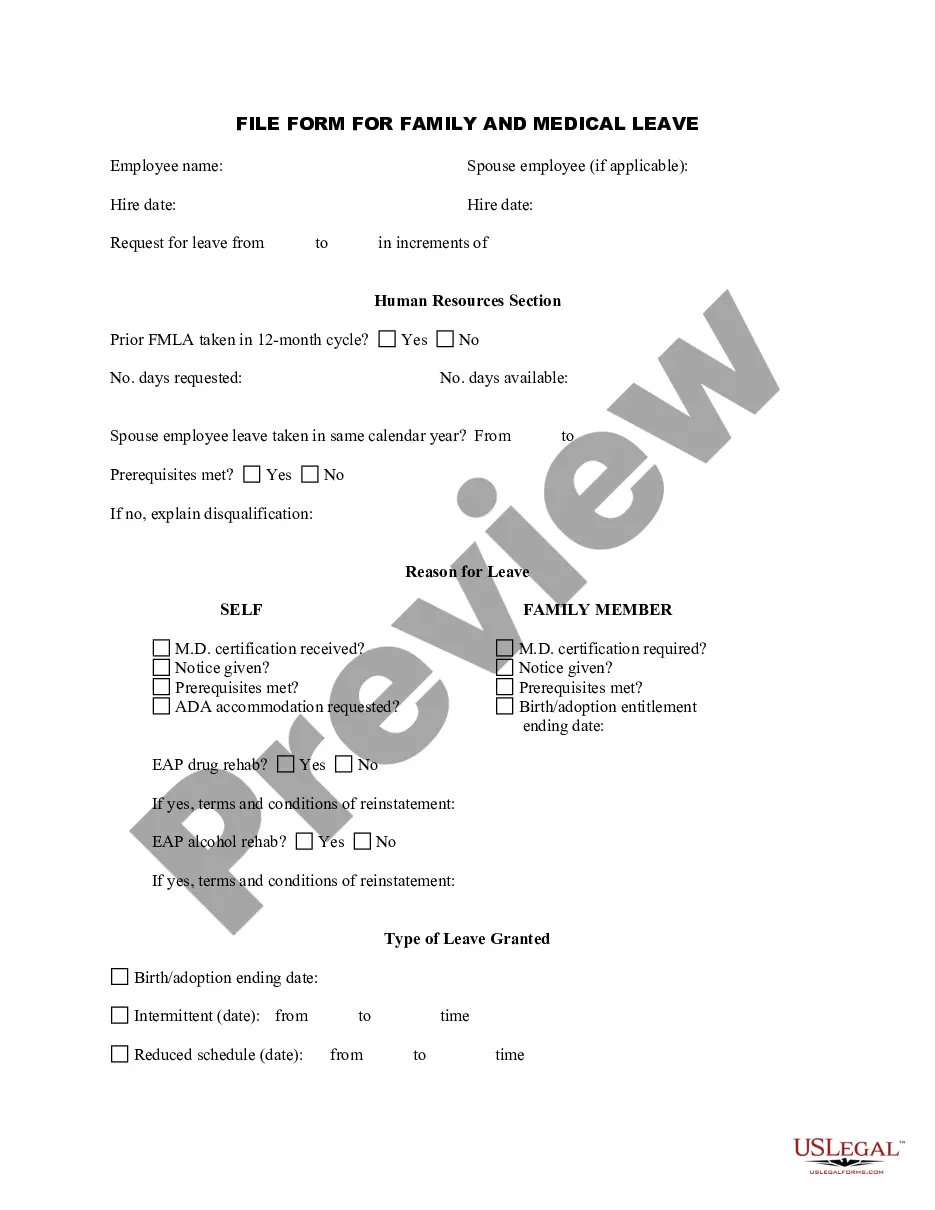
Washington State Fmla For Child Birth
Description
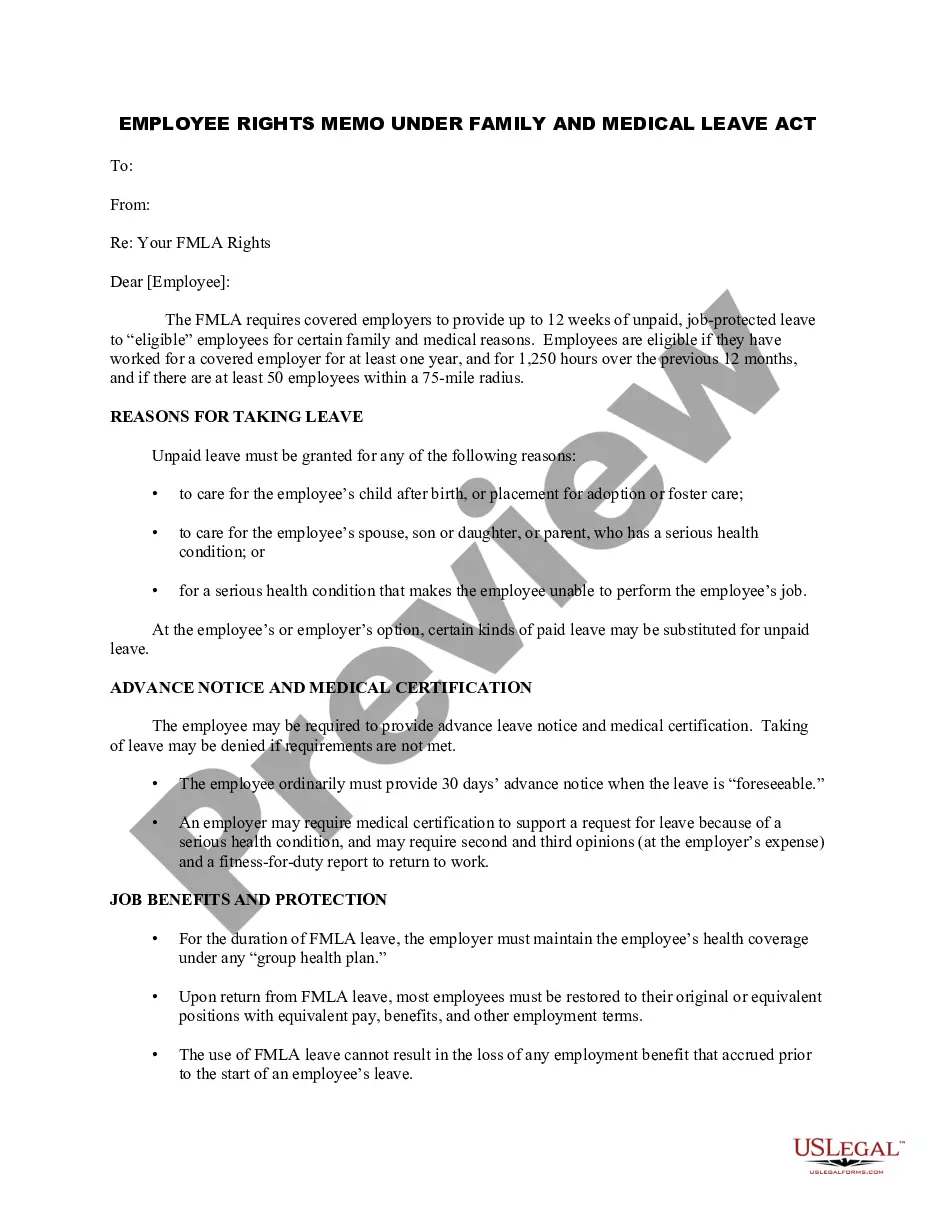
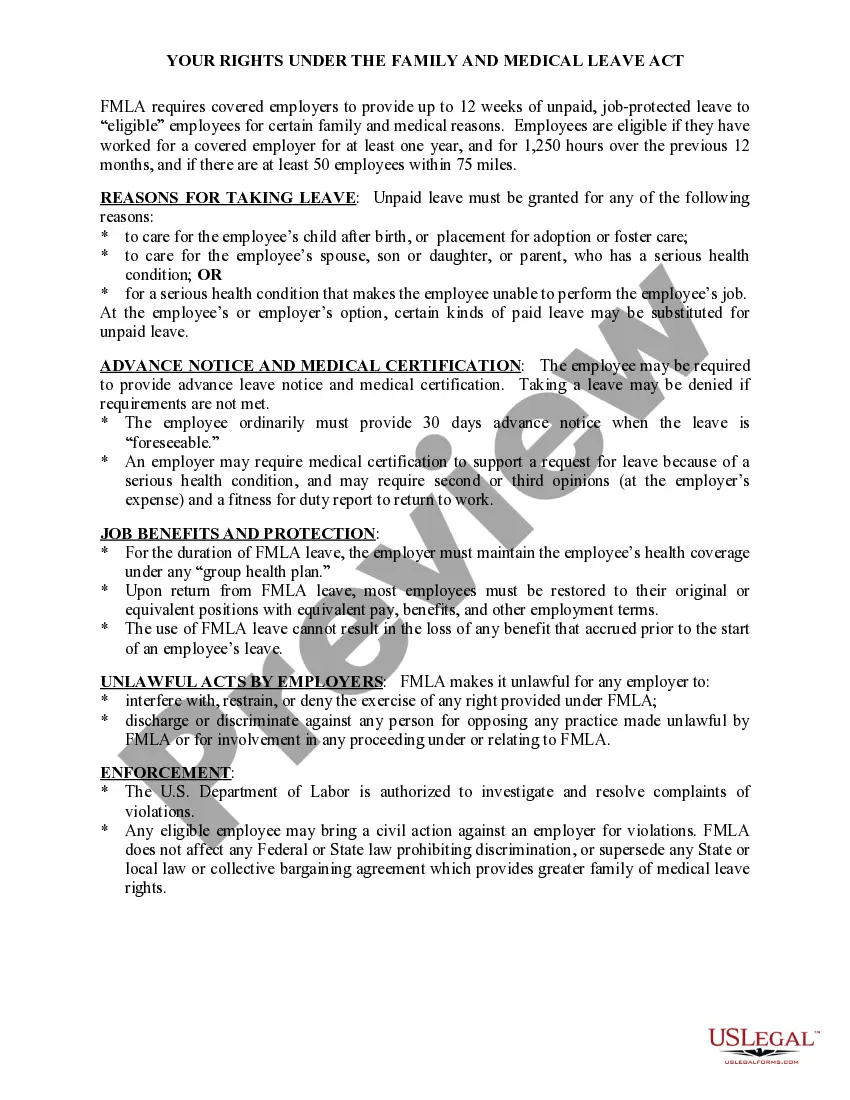
Get your form ready online
Our built-in tools help you complete, sign, share, and store your documents in one place.
Make edits, fill in missing information, and update formatting in US Legal Forms—just like you would in MS Word.
Download a copy, print it, send it by email, or mail it via USPS—whatever works best for your next step.
Sign and collect signatures with our SignNow integration. Send to multiple recipients, set reminders, and more. Go Premium to unlock E-Sign.
If this form requires notarization, complete it online through a secure video call—no need to meet a notary in person or wait for an appointment.
We protect your documents and personal data by following strict security and privacy standards.

Make edits, fill in missing information, and update formatting in US Legal Forms—just like you would in MS Word.

Download a copy, print it, send it by email, or mail it via USPS—whatever works best for your next step.

Sign and collect signatures with our SignNow integration. Send to multiple recipients, set reminders, and more. Go Premium to unlock E-Sign.

If this form requires notarization, complete it online through a secure video call—no need to meet a notary in person or wait for an appointment.

We protect your documents and personal data by following strict security and privacy standards.
Looking for another form?





How to fill out Employee Rights Memo Under The Family And Medical Leave Act?
Handling legal paperwork and processes can be a lengthy addition to your overall day.
Washington State Fmla For Child Birth and similar documents usually necessitate you to search for them and comprehend how to fill them out correctly.
Therefore, whether you are managing financial, legal, or personal issues, having a detailed and user-friendly online catalog of forms readily available will be beneficial.
US Legal Forms is the premier online platform for legal templates, providing over 85,000 state-specific forms and a variety of tools to assist you in completing your documents swiftly.
Is it your first time using US Legal Forms? Sign up and create a free account within a few minutes, granting you access to the form catalogue and Washington State Fmla For Child Birth. Then, follow the steps outlined below to complete your form.
- Explore the collection of suitable documents accessible to you with just a single click.
- US Legal Forms offers state- and county-specific forms available at any time for download.
- Safeguard your document management activities with high-quality services that enable you to create any form in minutes without any additional or hidden charges.
- Simply Log In to your account, find Washington State Fmla For Child Birth, and download it instantly from the My documents section.
- You can also retrieve previously saved forms.
Form popularity
FAQ
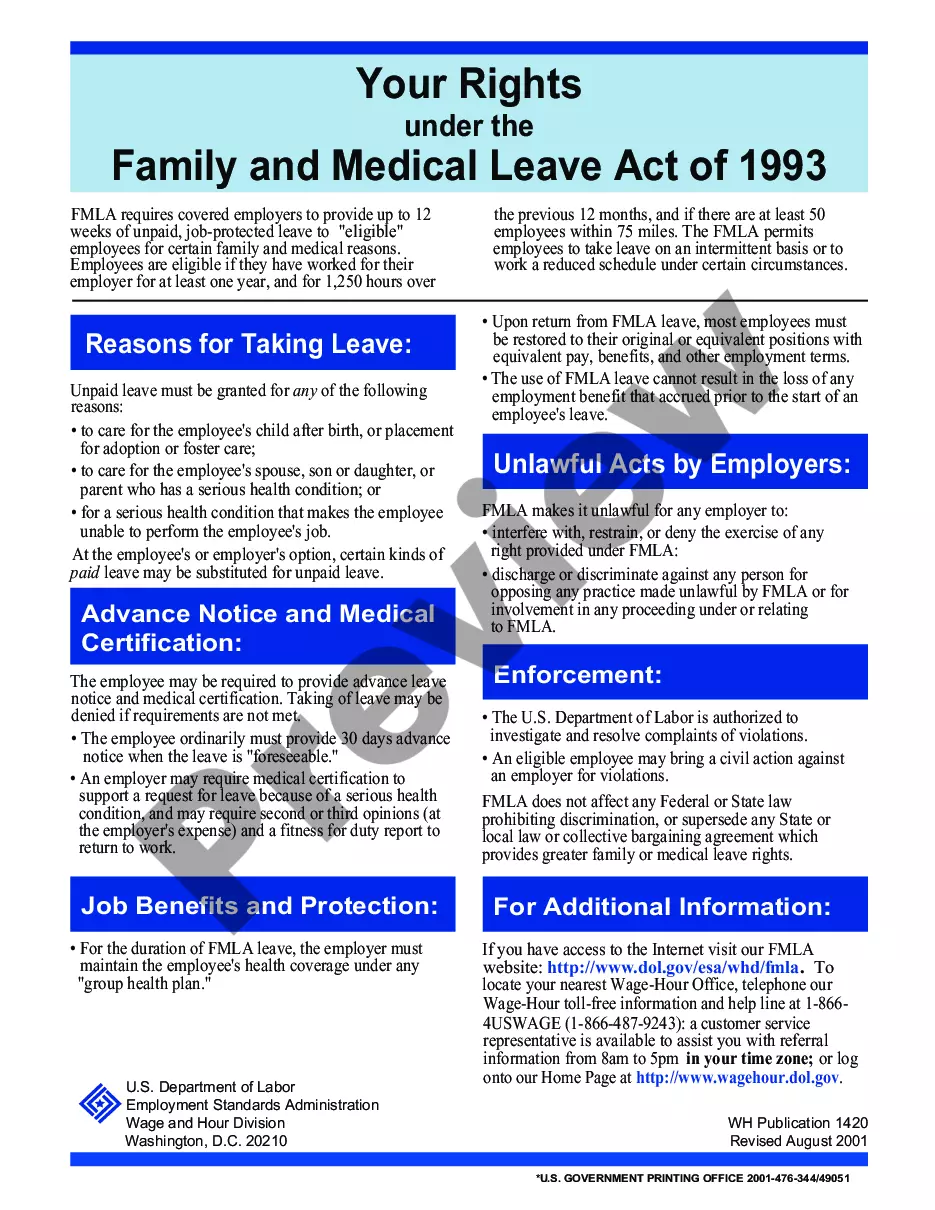
Although employees have job and benefit protections during Family and Medical Leave Act (FMLA) leave, they are not totally exempt from a layoff or other type of termination as long as the action is not related to FMLA leave.
During your leave, you'll log in to your account and file a claim each week to receive your pay. This should only take a few minutes. The claim will include the days and hours when you used your paid leave. You can also submit your claims by calling the Customer Care Team.
Under the state PFML, eligible employees are entitled to up to 12 weeks of family or medical leave, or a combination of the two up to 16 weeks annually. While on leave, you are entitled to partial wage replacement. This will be a percentage of your average weekly wage.
During pregnancy, you can apply for medical leave with signed documentation from your healthcare provider. But leave used during your pregnancy is drawn from the same bank of hours as the medical leave you'll use to recover from birth, so you'll want to plan ahead so you have enough hours to cover both.
We will determine your weekly benefit amount based on wages reported by your employer(s). You will receive up to 90 percent of your weekly pay?up to the maximum weekly benefit amount, which is updated yearly. Paid time off (PTO) reduces your weekly benefit amount.