Hostile Work Environment
Description
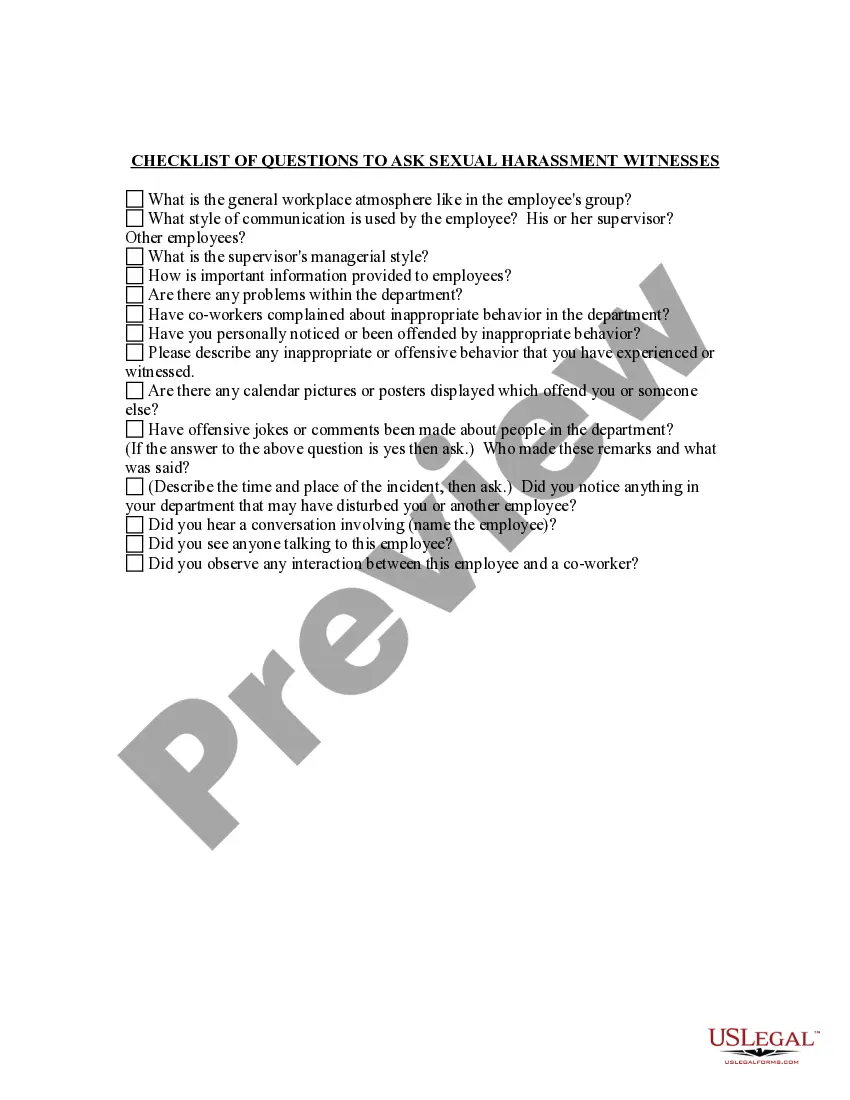
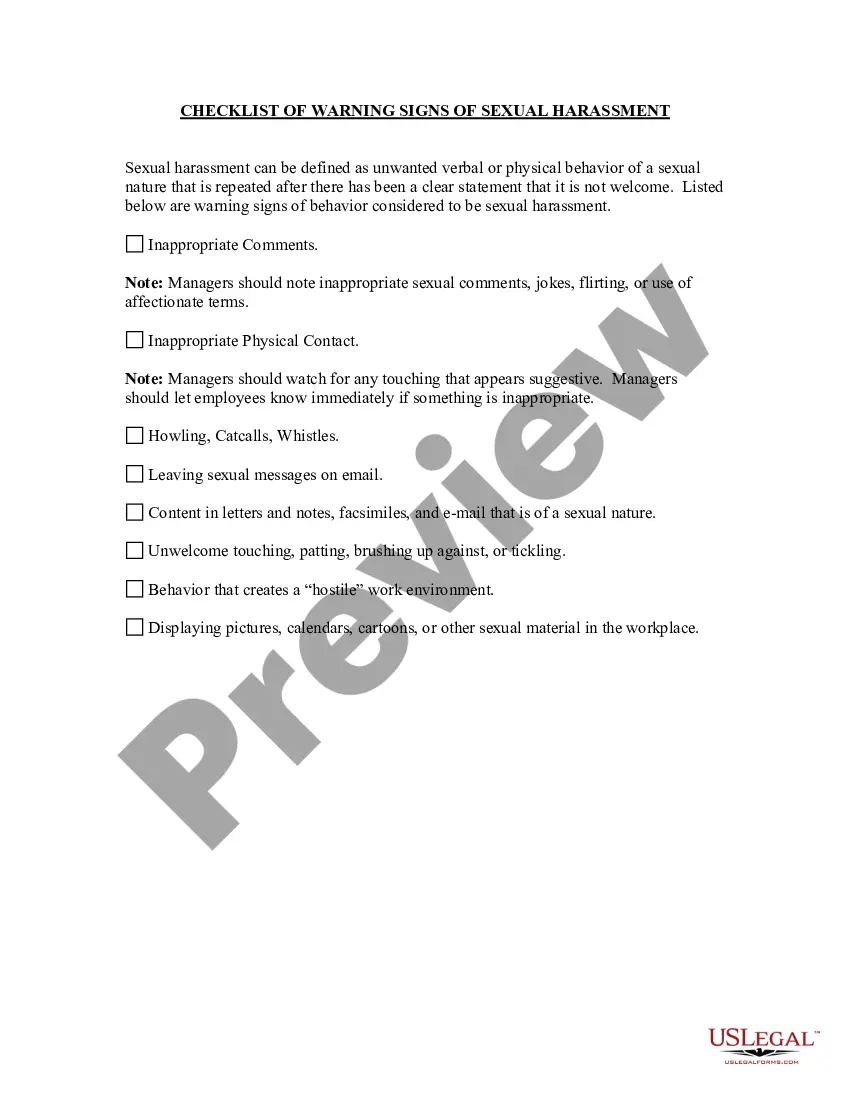
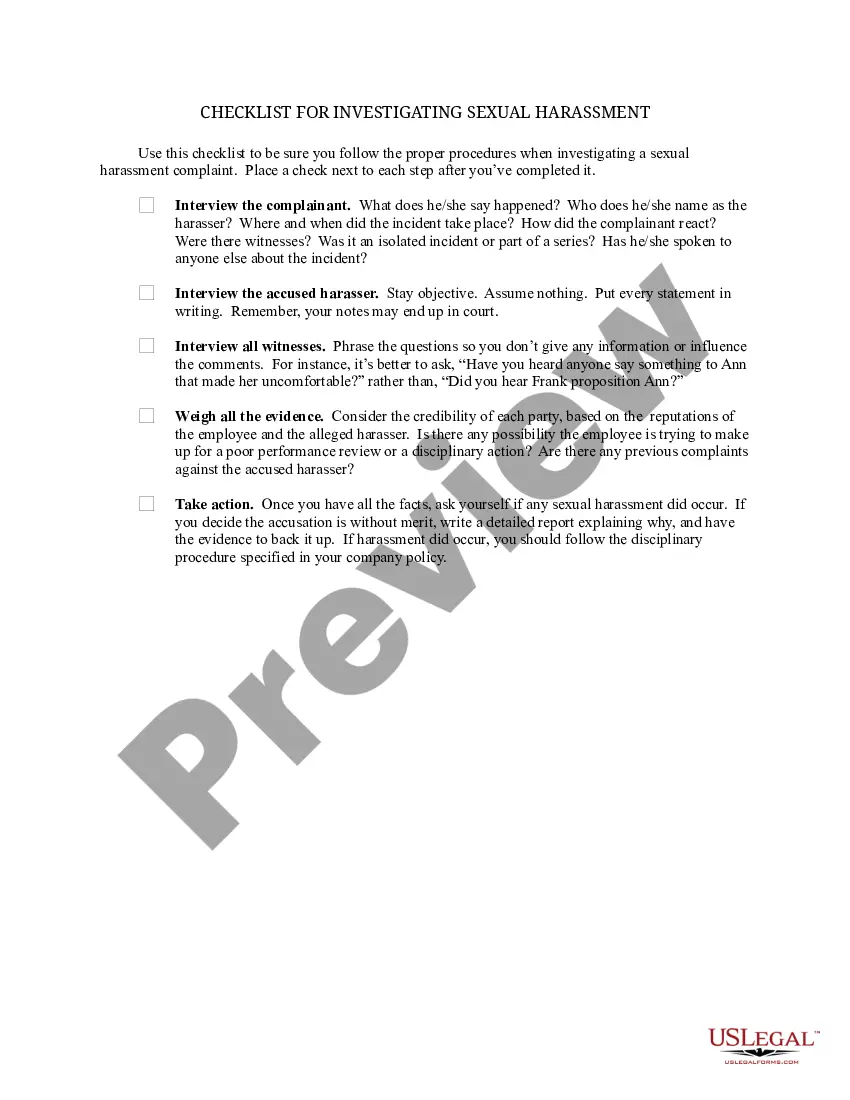
Get your form ready online
Our built-in tools help you complete, sign, share, and store your documents in one place.
Make edits, fill in missing information, and update formatting in US Legal Forms—just like you would in MS Word.
Download a copy, print it, send it by email, or mail it via USPS—whatever works best for your next step.
Sign and collect signatures with our SignNow integration. Send to multiple recipients, set reminders, and more. Go Premium to unlock E-Sign.
If this form requires notarization, complete it online through a secure video call—no need to meet a notary in person or wait for an appointment.
We protect your documents and personal data by following strict security and privacy standards.

Make edits, fill in missing information, and update formatting in US Legal Forms—just like you would in MS Word.

Download a copy, print it, send it by email, or mail it via USPS—whatever works best for your next step.

Sign and collect signatures with our SignNow integration. Send to multiple recipients, set reminders, and more. Go Premium to unlock E-Sign.

If this form requires notarization, complete it online through a secure video call—no need to meet a notary in person or wait for an appointment.

We protect your documents and personal data by following strict security and privacy standards.
Looking for another form?


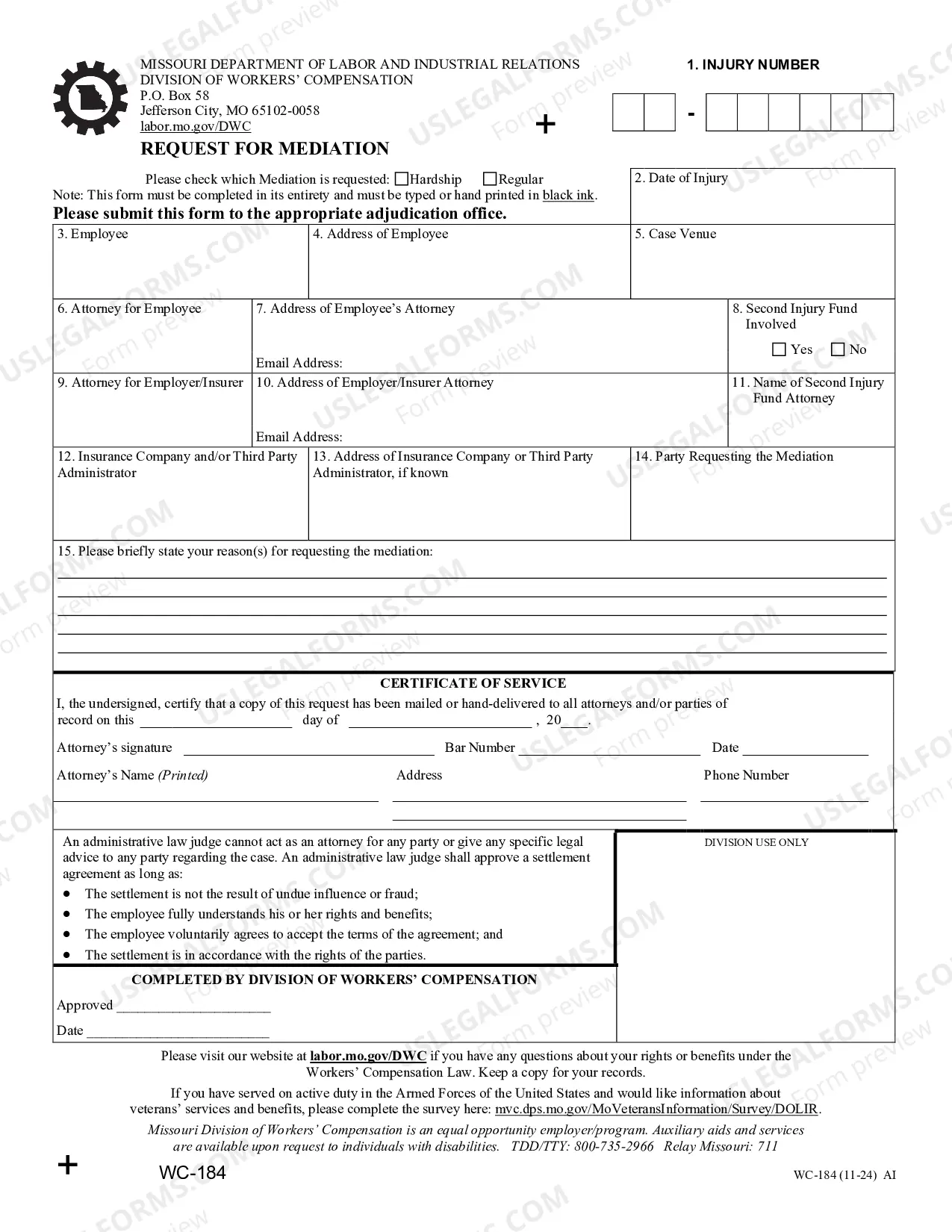
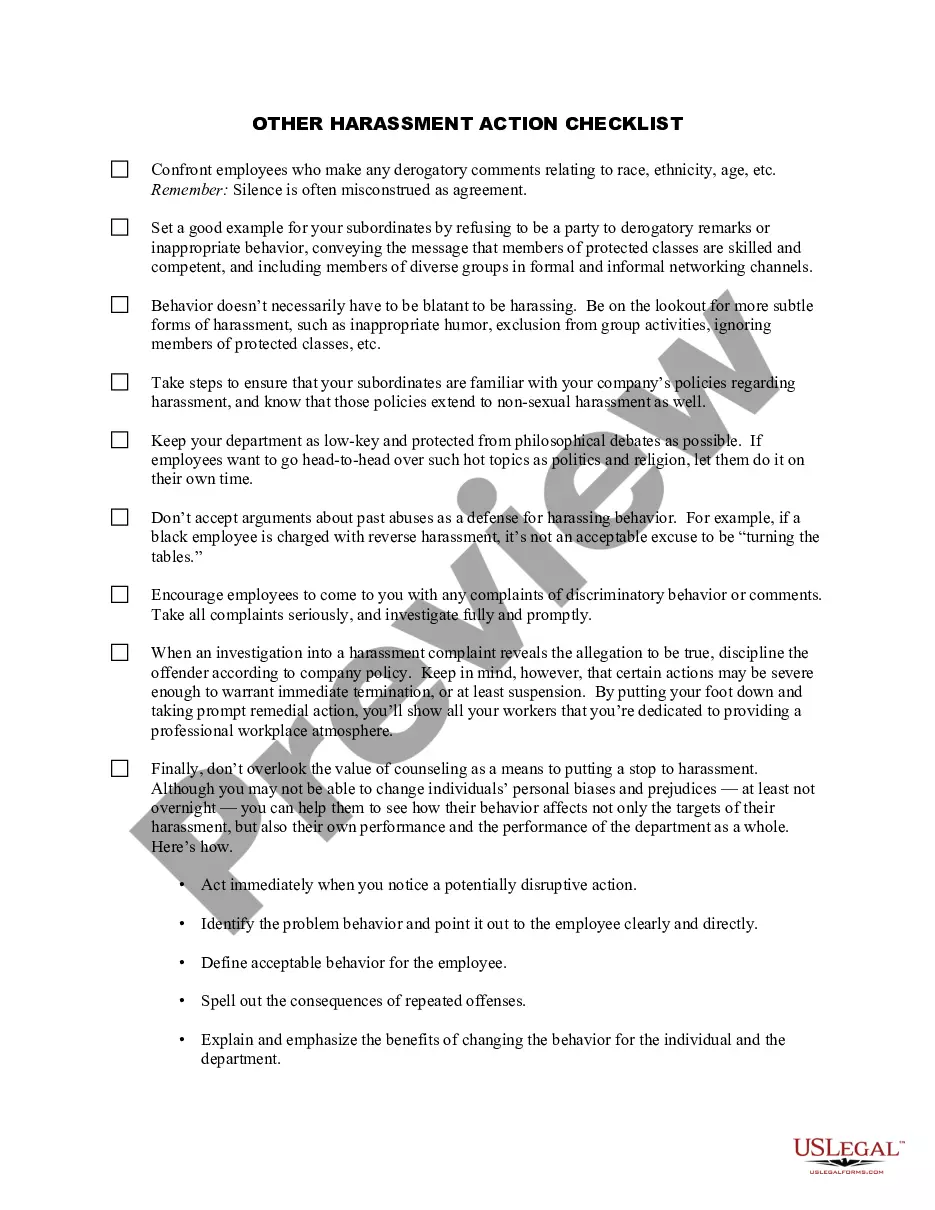
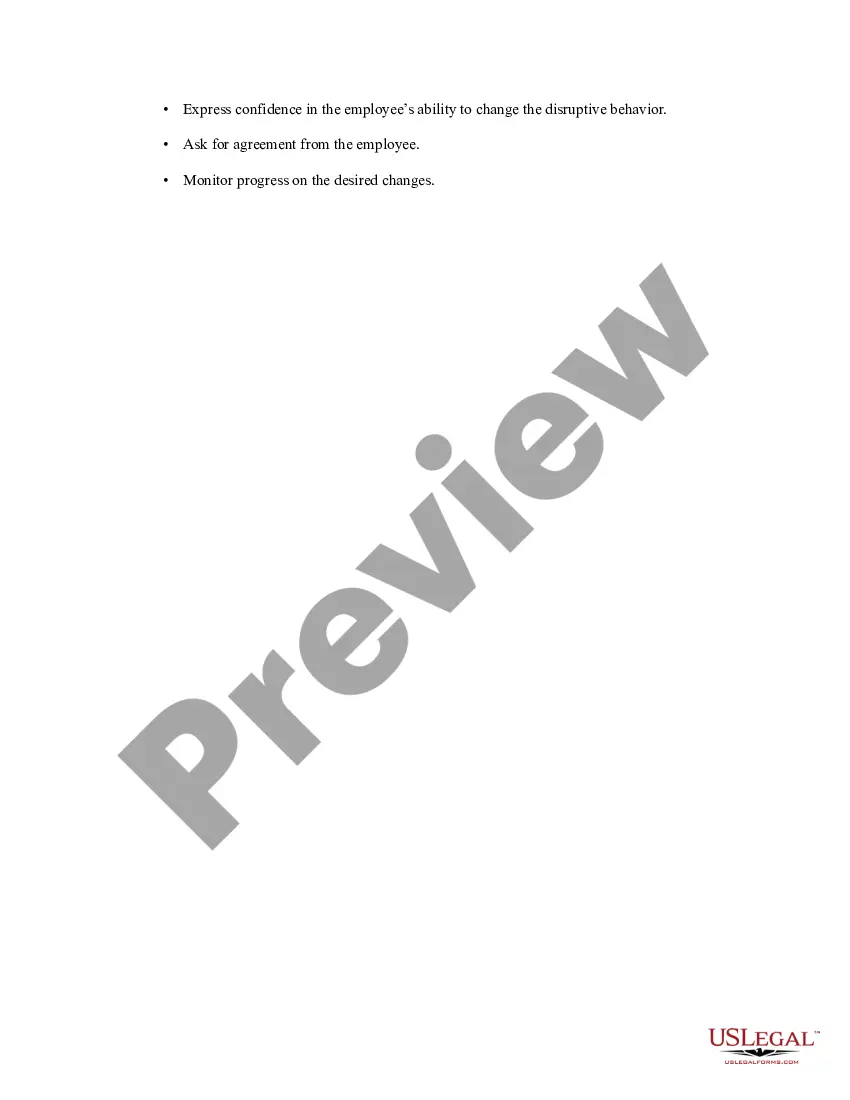
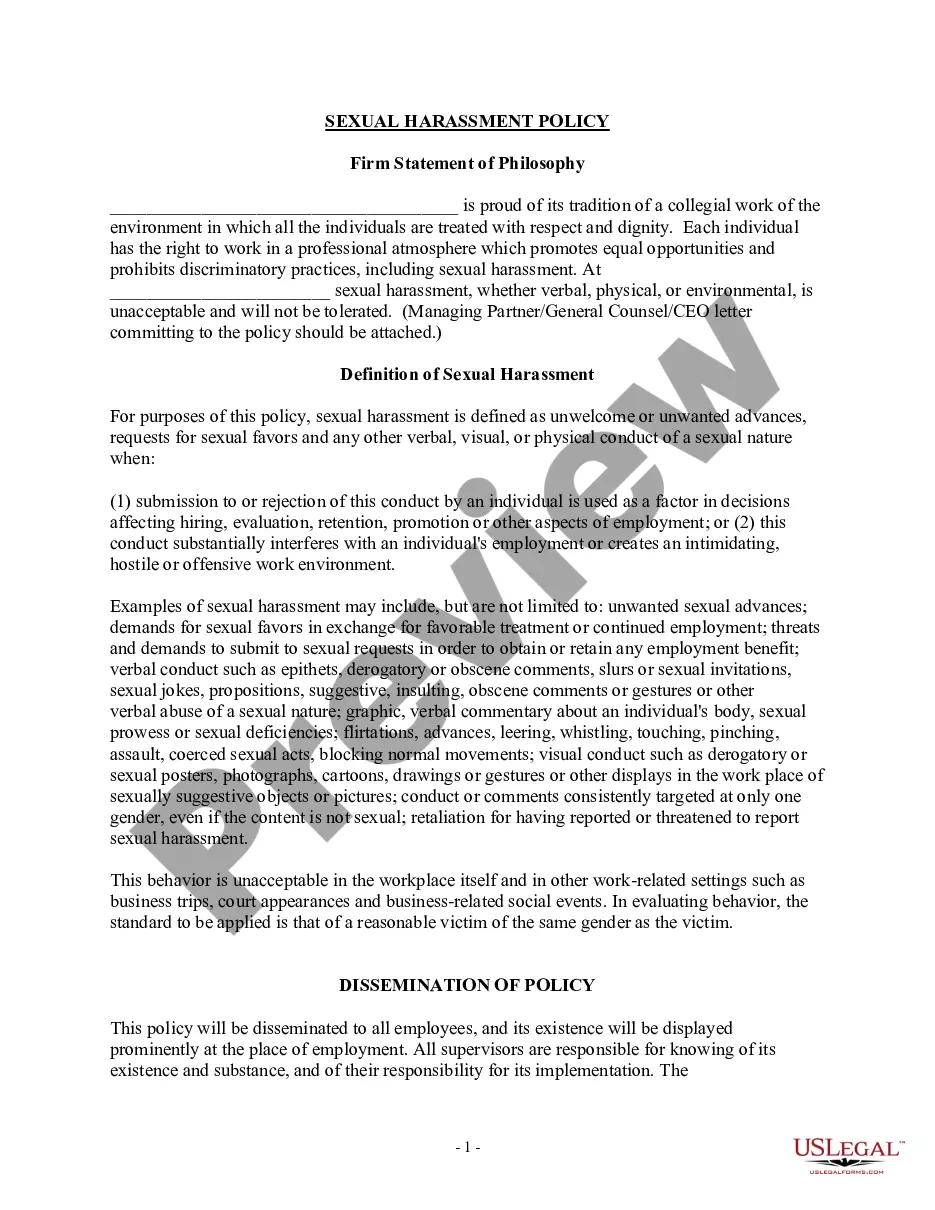
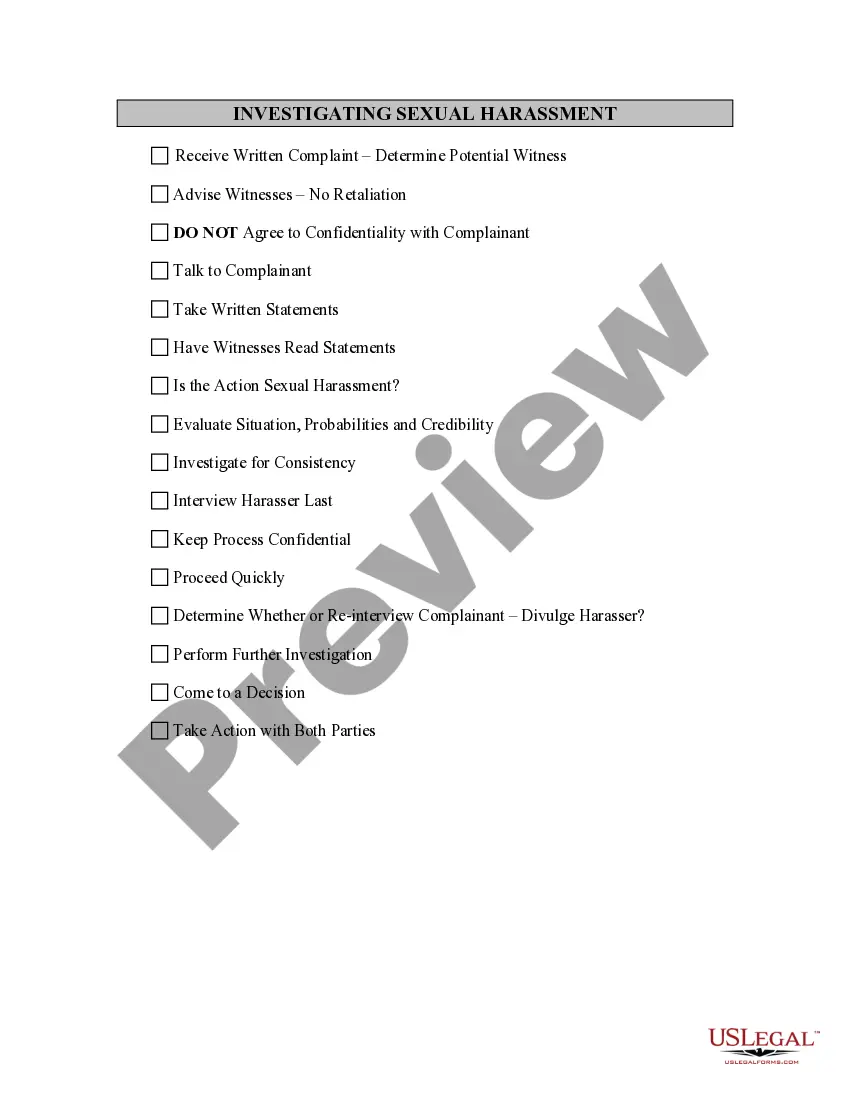
How to fill out Other Harassment Action Checklist - Workplace?
- Log in to your existing US Legal Forms account by clicking here and ensure your subscription is active. If it’s not, renew it according to your payment plan.
- Explore the Preview mode to examine the description of the legal forms available. Make sure the selected template aligns with your necessary requirements and complies with local jurisdiction.
- If needed, utilize the Search tab above to find other related documents. Confirm that the form matches your situation, then proceed to the next step.
- Select the document by clicking the Buy Now button and decide on your preferred subscription plan. You'll need to register an account to access the vast library.
- Complete your purchase by entering your credit card information or using PayPal for payment.
- After completing the transaction, download the form to your device for completion. You can access it anytime via the My Forms section in your profile.
By following these steps, you can efficiently obtain the necessary legal documents to address your hostile work environment.
Don't let workplace challenges overwhelm you. Take action now with US Legal Forms to protect your rights.
Form popularity
FAQ
Yes, you can resign from your job if you experience a hostile work environment. However, it’s essential to document your experiences and possibly seek legal advice before quitting, as resigning may affect your eligibility for unemployment benefits. Consulting with an attorney can provide clarity and help you protect your rights.
A hostile environment generally qualifies as one where an employee experiences pervasive harassment or discrimination based on personal characteristics like race, gender, or age. The behavior must create an intimidating or abusive atmosphere that interferes with work performance. Understanding these qualifications can help you recognize whether you are facing a legal issue.
If you find yourself in a hostile work environment, first document the specific behaviors that make it hostile. Then, report these incidents to your supervisor or human resources. If the situation does not improve, consider consulting with an attorney who specializes in employment law to explore your options.
Winning a hostile work environment claim often requires solid evidence and a clear understanding of your rights. Start by documenting incidents, reporting them to human resources, and seeking legal representation. An experienced attorney can help you navigate the legal landscape and advocate for your rights effectively.
Gathering evidence for a hostile work environment typically involves documenting incidents of harassment, keeping emails or messages, and obtaining witness testimonies. Detailed records can strengthen your case significantly, highlighting patterns of behavior that demonstrate the hostile nature of the work environment. The more substantial your evidence, the better your chances of resolving the issue.
Yes, an employee can be terminated if they create a toxic work environment. Employers have the right to ensure a healthy, productive workplace. If someone engages in harassment or bullying, it can result in disciplinary action or even termination, helping to preserve a positive work atmosphere for everyone.
Yes, you can sue your employer if you believe they are targeting you in a hostile work environment. This typically requires proving that the actions against you were severe, pervasive, and discriminatory. Seeking legal advice is a recommended first step, as an attorney can assess your case and guide you through the legal process.
You can refuse to work in a hostile environment if the conditions are unsafe or violate your rights. It’s essential to assess the situation carefully and document your reasons for refusing. Reporting the hostile conditions to your employer or HR is a crucial step that may protect you legally. Services like US Legal Forms can offer guidance on how to assert your rights in these challenging situations.
When a manager creates a hostile work environment, you should first document all inappropriate actions. This documentation will be important if you escalate the issue. You can try to have a candid conversation with your manager to express your concerns. If this does not help, consider reporting the behavior to HR and explore options available through resources provided by US Legal Forms to ensure your rights are protected.
If your boss is creating a hostile work environment, begin by documenting the behavior and collecting evidence. Afterward, consider addressing the issue directly with your boss if you feel safe doing so. If that doesn’t work, report the situation to HR or another authority in your organization. Leveraging support from services like US Legal Forms can provide you with essential resources and templates to navigate this process.