Entertainment Expenses For Employees Deductible
Description
Get your form ready online
Our built-in tools help you complete, sign, share, and store your documents in one place.
Make edits, fill in missing information, and update formatting in US Legal Forms—just like you would in MS Word.
Download a copy, print it, send it by email, or mail it via USPS—whatever works best for your next step.
Sign and collect signatures with our SignNow integration. Send to multiple recipients, set reminders, and more. Go Premium to unlock E-Sign.
If this form requires notarization, complete it online through a secure video call—no need to meet a notary in person or wait for an appointment.
We protect your documents and personal data by following strict security and privacy standards.

Make edits, fill in missing information, and update formatting in US Legal Forms—just like you would in MS Word.

Download a copy, print it, send it by email, or mail it via USPS—whatever works best for your next step.

Sign and collect signatures with our SignNow integration. Send to multiple recipients, set reminders, and more. Go Premium to unlock E-Sign.

If this form requires notarization, complete it online through a secure video call—no need to meet a notary in person or wait for an appointment.

We protect your documents and personal data by following strict security and privacy standards.
Looking for another form?









Form popularity
FAQ
The tax on video games in the US can depend on the jurisdiction, often falling under sales tax laws. The rates vary by state, typically being around 6% to 10%. If your business offers video games as part of employee entertainment or training, remember that these may qualify as entertainment expenses for employees deductible on your tax filings.
The entertainment tax in the US can vary greatly by state and locality, with no federal entertainment tax imposed. States and cities apply their own rates, often around 5% to 10%. For businesses, understanding local entertainment taxes is crucial to calculating and documenting entertainment expenses for employees deductible correctly.
In Chicago, the entertainment tax typically applies to activities such as concerts, theaters, and sporting events. This tax varies depending on the type of entertainment and the venue, often ranging from 3% to 9%. If you're considering using these events as deductions, you should document all related expenses, as they may fall under entertainment expenses for employees deductible.
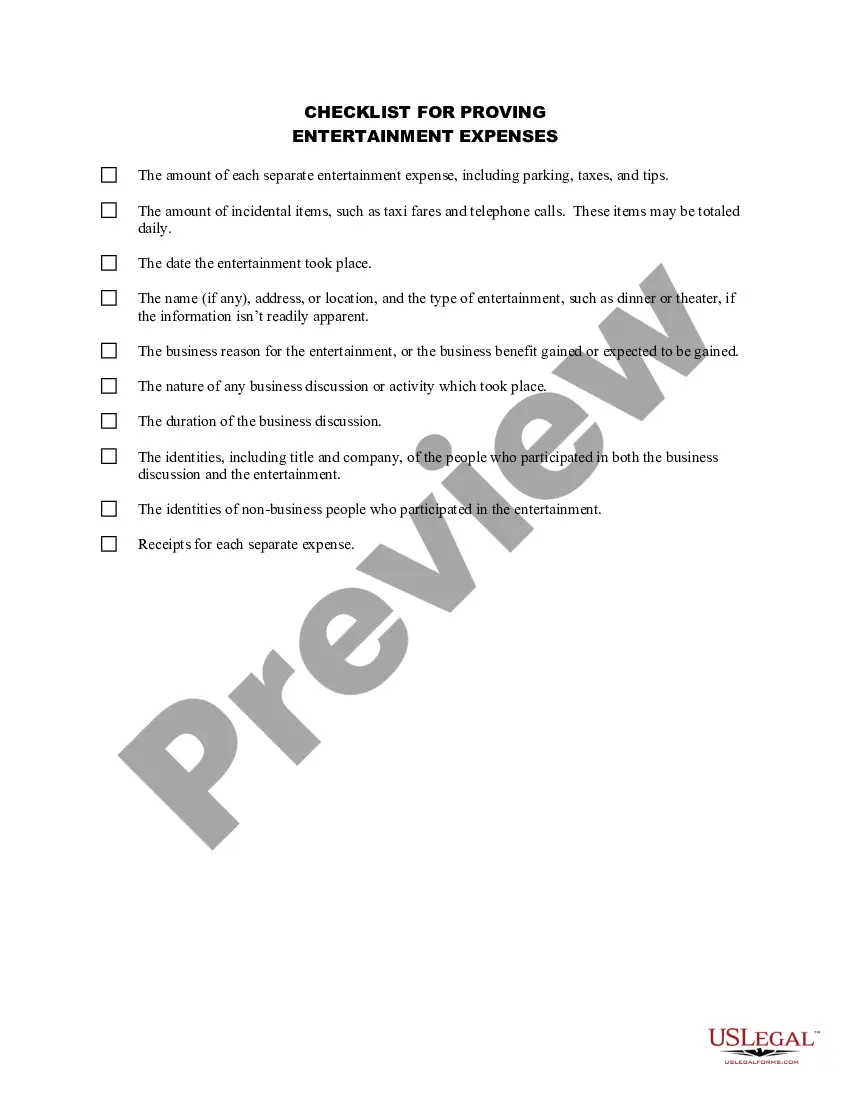
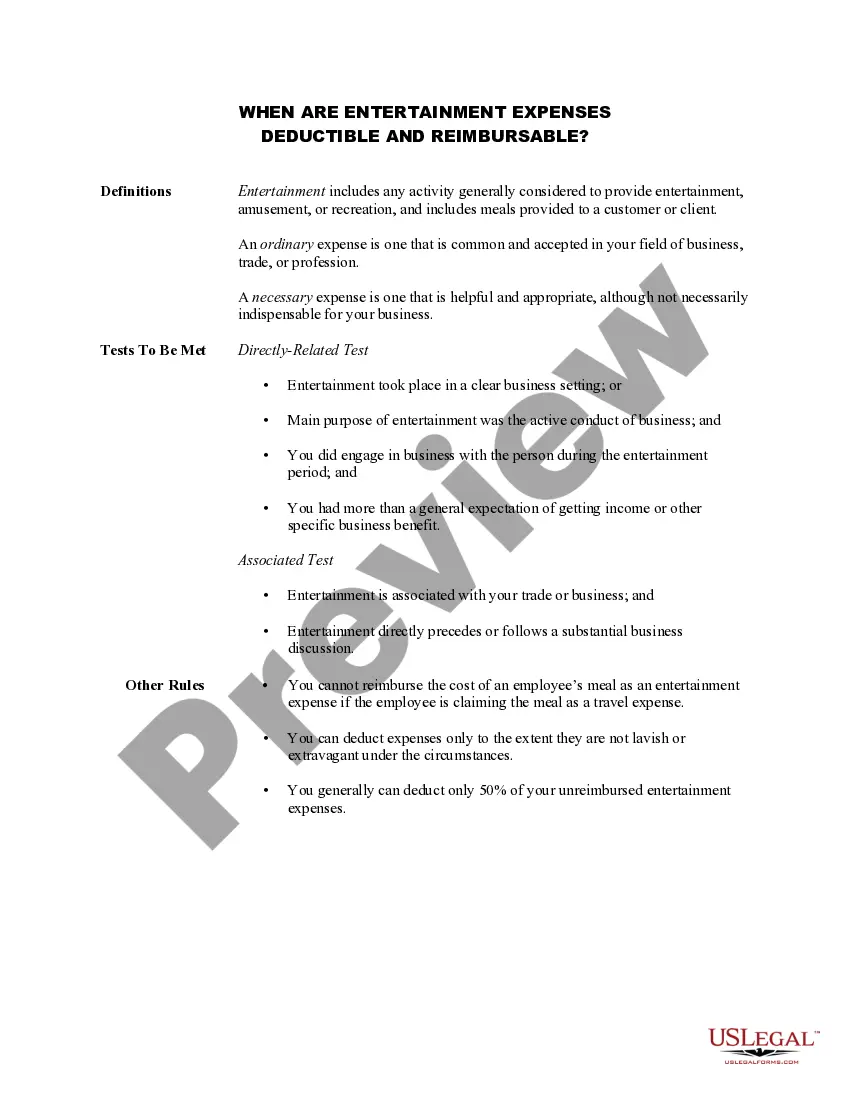
Entertainment expenses generally include costs related to meals, events, and activities that promote a business's interests or increase employee morale. Activities such as team outings, client dinners, or seminars qualify as entertainment expenses for employees deductible. To ensure that these expenses qualify, they must be directly connected to the business.
Yes, you can write off Netflix as a business expense if your employees use it for business purposes. If your company subscribes to Netflix for training or entertainment during work hours, those costs become entertainment expenses for employees deductible. However, it's essential to keep detailed records to justify this expense on your tax return.
Entertainment expenses generally include costs for meals, events, and activities that facilitate business functions. These expenses must directly relate to the taxpayer’s business operations to qualify as deductible. It's also important to keep thorough records and receipts for these costs. Engaging with resources such as US Legal Forms can help you better understand and document your entertainment expenses for employees deductible.
deductible expense can include personal travel or meals that do not benefit the business. The distinction is crucial for determining what qualifies under the tax code. Specifically, entertainment expenses for employees deductible must be directly tied to business purposes to be eligible for deduction. Familiarizing yourself with these distinctions helps in proper tax planning.
Several types of expenses are deemed non-deductible by the IRS. For instance, personal expenses that do not relate to business activities are typically not allowed on tax returns. Additionally, fines, penalties, and certain types of entertainment costs, unless they meet specific criteria, are also not deductible. Understanding these rules can help you navigate your financial obligations effectively.
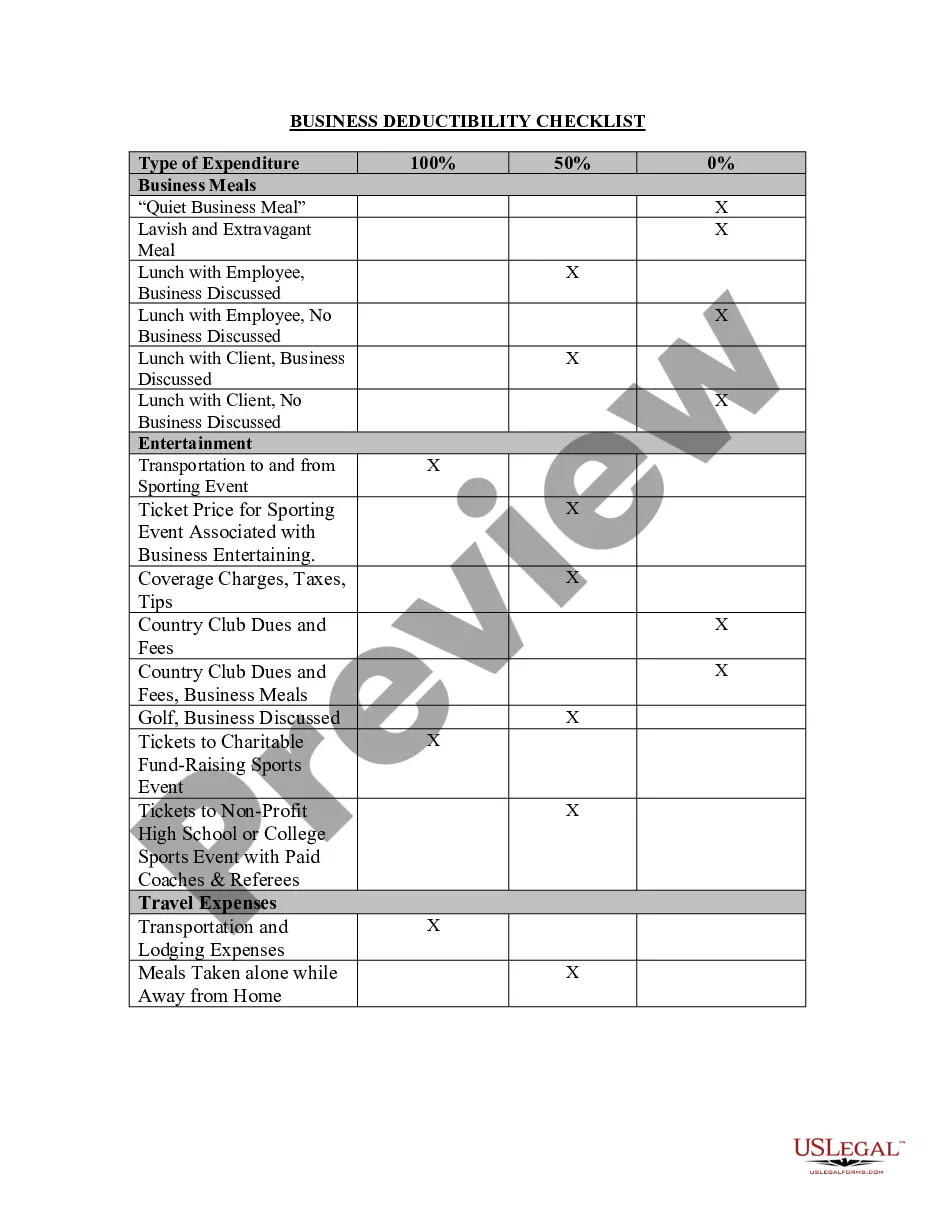
Entertainment expenses for employees may not always be deductible. In general, the IRS has strict rules about what qualifies, and many expenses related to entertainment have been eliminated or reduced. However, certain business-related entertainment costs can still count as deductible. It's essential to track these expenses meticulously and consult a tax professional for specific guidance.
The Tax Cuts and Jobs Act, enacted in December 2017, significantly changed the deductibility of entertainment expenses. While meals remain partially deductible under certain conditions, many traditional entertainment expenses, such as sporting events and theater tickets, became non-deductible. Keeping up to date with these changes helps businesses navigate what entertainment expenses for employees deductible to claim and allows for effective tax planning.