House Rental Agreement With Pool
Description
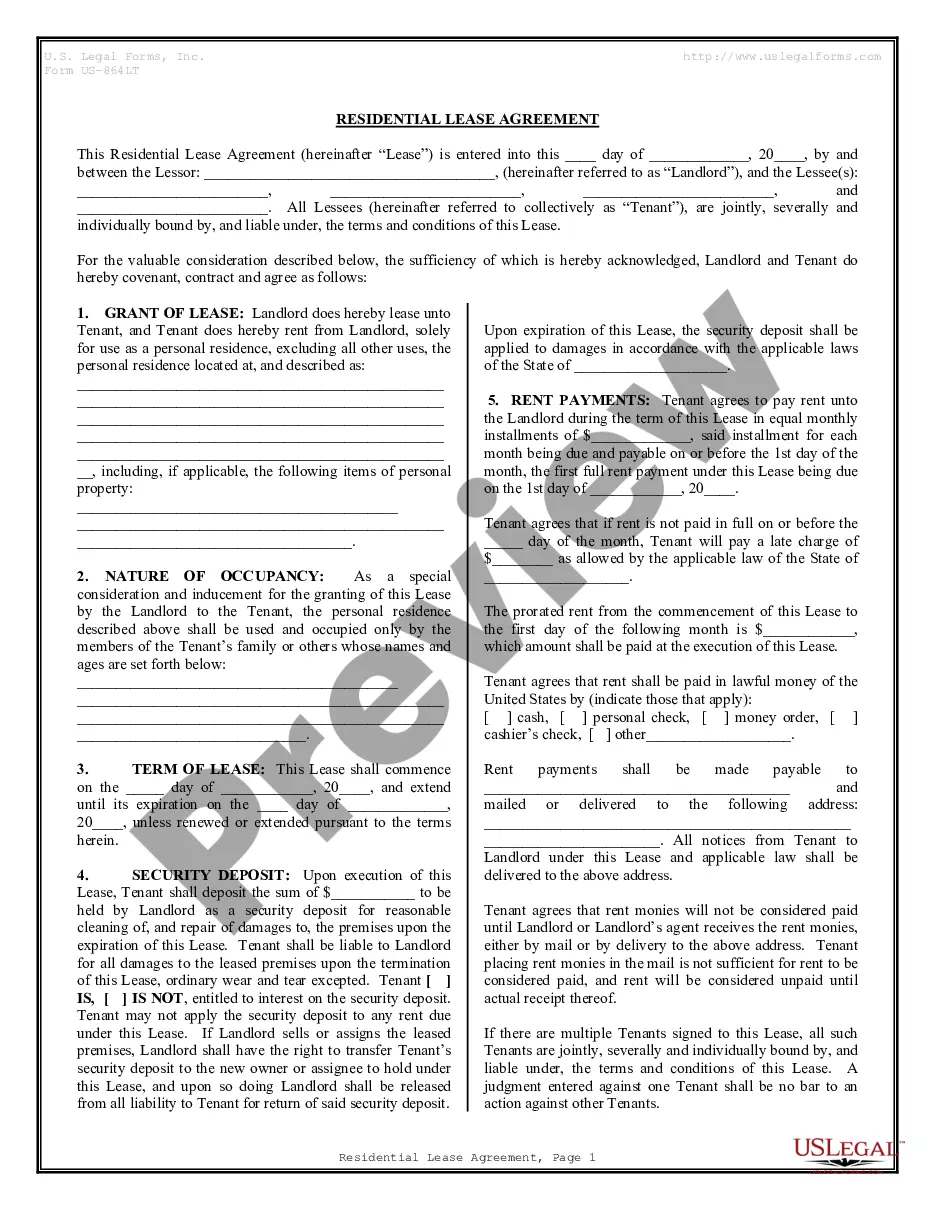

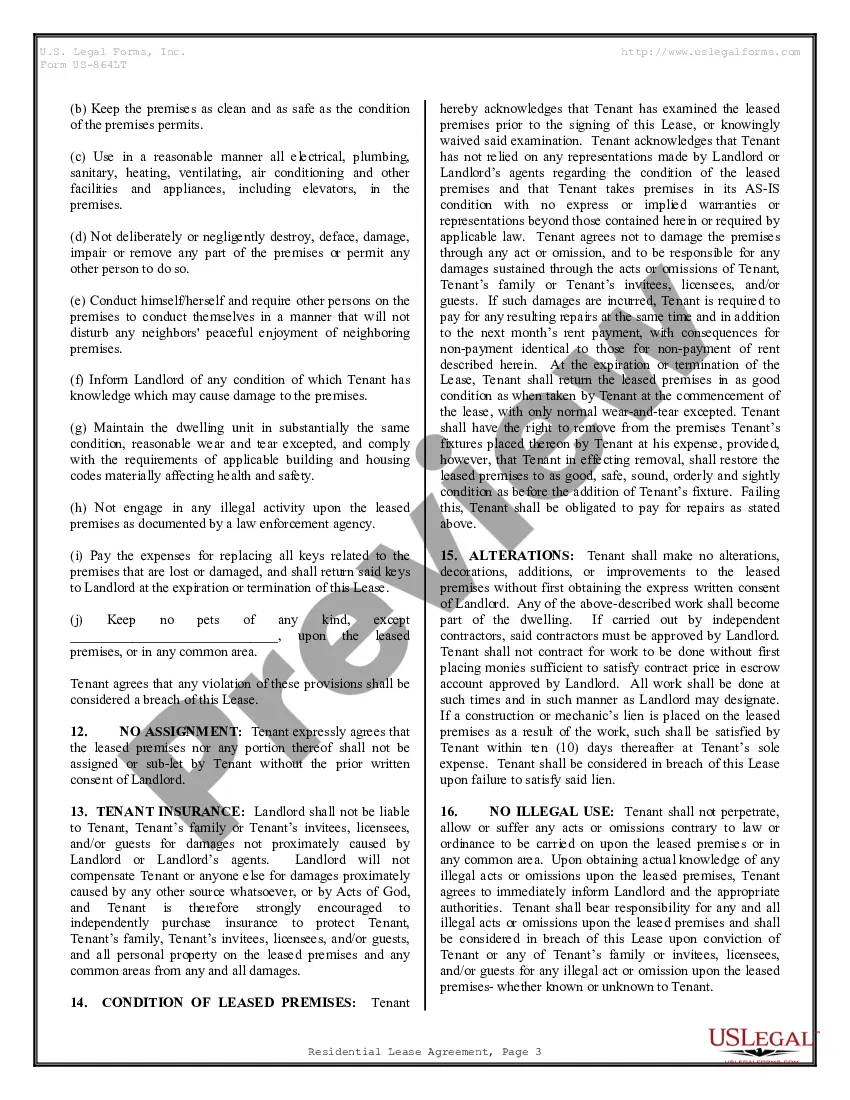
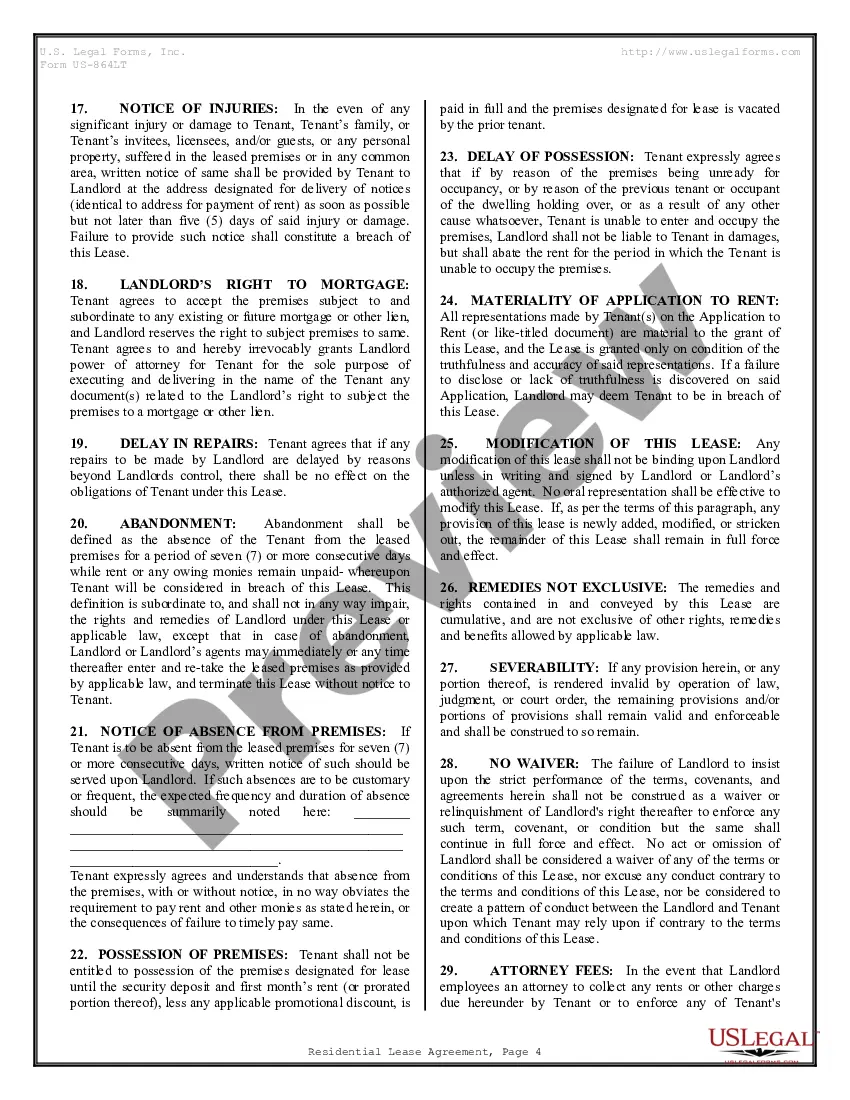
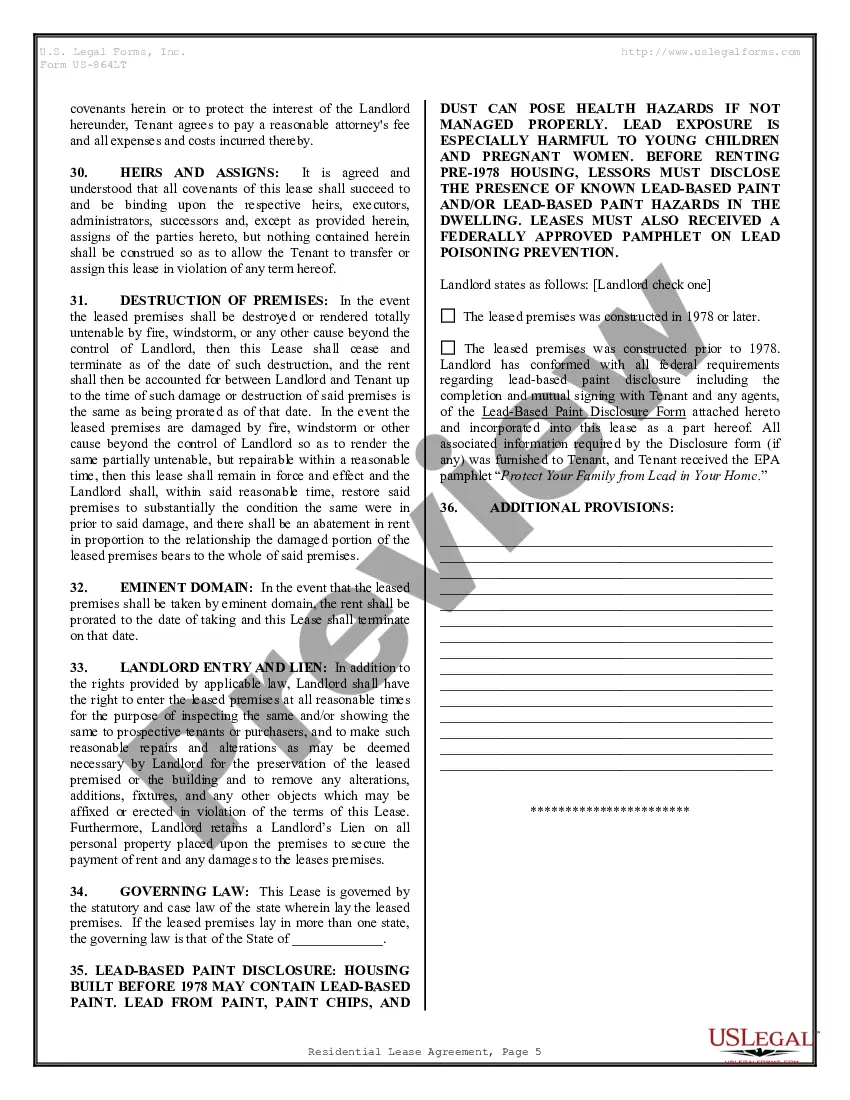
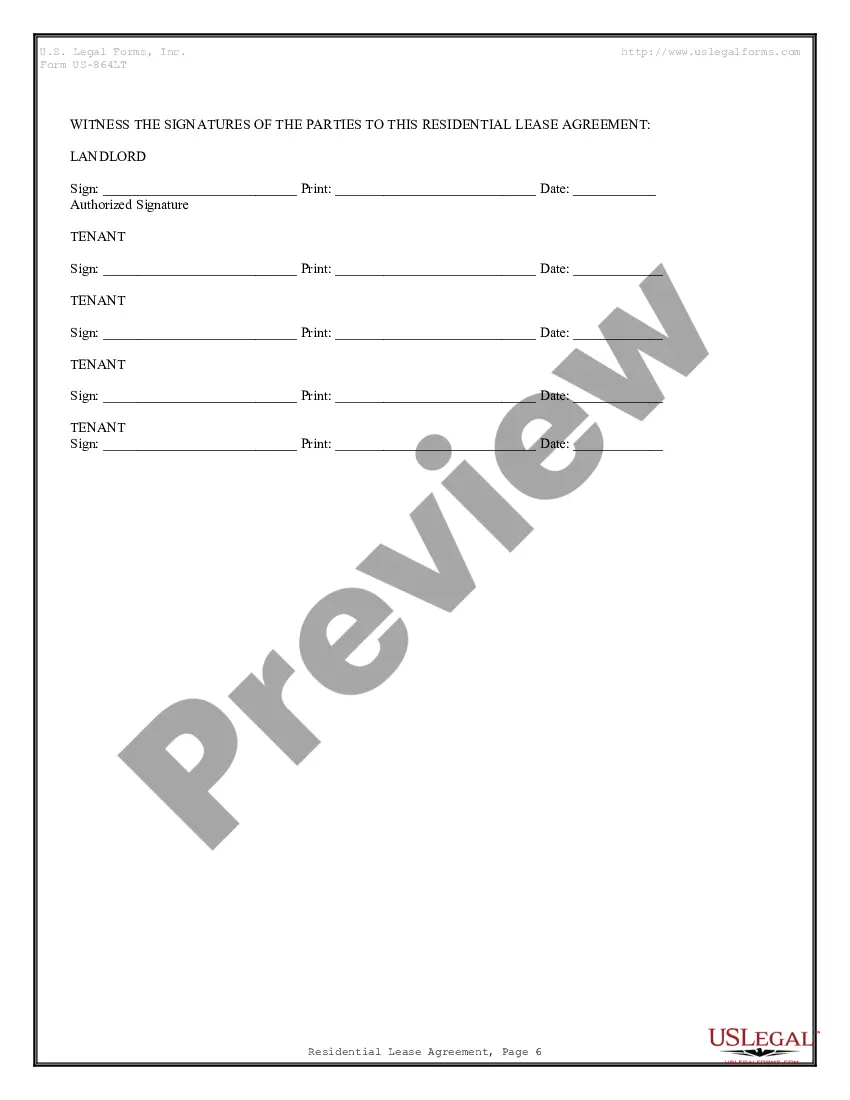
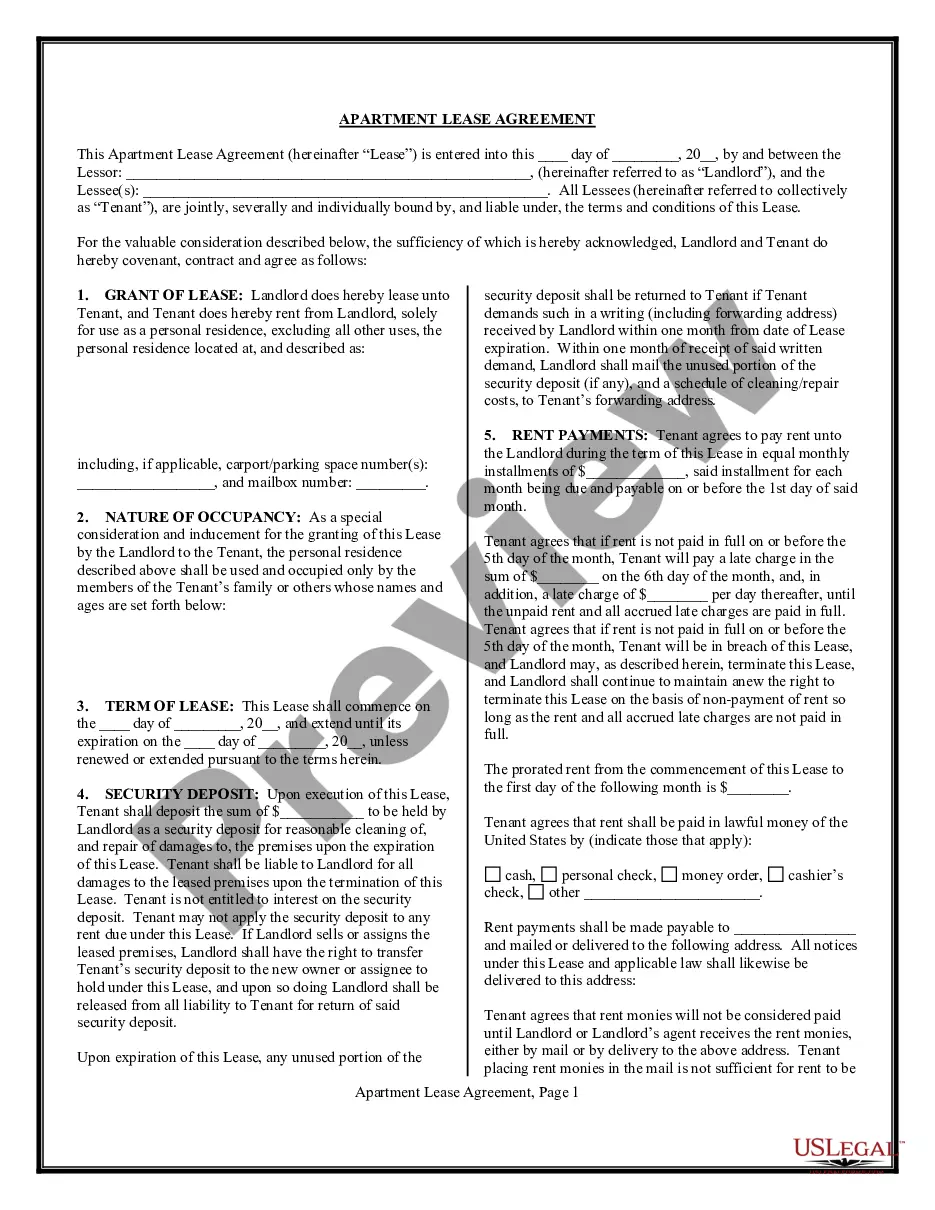
Get your form ready online
Our built-in tools help you complete, sign, share, and store your documents in one place.
Make edits, fill in missing information, and update formatting in US Legal Forms—just like you would in MS Word.
Download a copy, print it, send it by email, or mail it via USPS—whatever works best for your next step.
Sign and collect signatures with our SignNow integration. Send to multiple recipients, set reminders, and more. Go Premium to unlock E-Sign.
If this form requires notarization, complete it online through a secure video call—no need to meet a notary in person or wait for an appointment.
We protect your documents and personal data by following strict security and privacy standards.

Make edits, fill in missing information, and update formatting in US Legal Forms—just like you would in MS Word.

Download a copy, print it, send it by email, or mail it via USPS—whatever works best for your next step.

Sign and collect signatures with our SignNow integration. Send to multiple recipients, set reminders, and more. Go Premium to unlock E-Sign.

If this form requires notarization, complete it online through a secure video call—no need to meet a notary in person or wait for an appointment.

We protect your documents and personal data by following strict security and privacy standards.
Looking for another form?



How to fill out Sample Residential Rental Lease Agreement?
When you need to finalize a Residence Leasing Agreement With Swimming Pool in accordance with your local jurisdiction's laws and regulations, there can be several alternatives to choose from.
There's no requirement to examine every document to ensure it satisfies all the legal criteria if you are a US Legal Forms member.
It is a trustworthy source that can assist you in acquiring a reusable and current template on any topic.
Utilize the Preview mode and read the form description if applicable. Find another template via the Search bar in the header if necessary.
- US Legal Forms is the most comprehensive online directory with an archive of over 85k ready-to-use documents for business and personal legal situations.
- All templates are validated to adhere to each state's laws and regulations.
- Consequently, when downloading Residence Leasing Agreement With Swimming Pool from our platform, you can be assured that you possess a legitimate and up-to-date document.
- Retrieving the necessary sample from our platform is incredibly simple.
- If you already have an account, merely Log In to the system, ensure your subscription is active, and save the selected file.
- In the future, you can access the My documents section in your profile and keep access to the Residence Leasing Agreement With Swimming Pool at any time.
- If it's your first time using our library, please follow the instructions below.
- Review the suggested page and check it for alignment with your requirements.
Form popularity
FAQ
How much value does a pool add to a home? The experts are a split on how much a pool can contribute to a home's value. One HouseLogic study suggests an increase of 7 percent, at most, under ideal conditions, while HGTV reports that the average inground pool can up your property's value by 5 to 8 percent.
Having a pool may increase your property value (or not) Having a pool may dramatically increase your property value. In fact, if you live in Florida, Arizona, Southern California or any other warm weather locale, you may be more likely to resell your home if the property has a pool.
If your backyard space and your budget allow it, building a pool has several benefits: The value of your property increases. You can attract better tenants. It is a reliable long-term investment.
A swimming pool adds a little something special to your rental property. For one, it's an asset. Adding a pool can increase the value of your home by 5 to 8 percent, according to HGTV. Pools are also an amenity that will attract tenants, which will help you rent your home quickly and generate more income.
The short answer is yes -- landlords are required to maintain pools located on rental properties, at least when it comes to safety. This requirement falls under the general duty landlords have to properly maintain common areas and make the dwelling safe for habitation.