Sexual Harassment Work
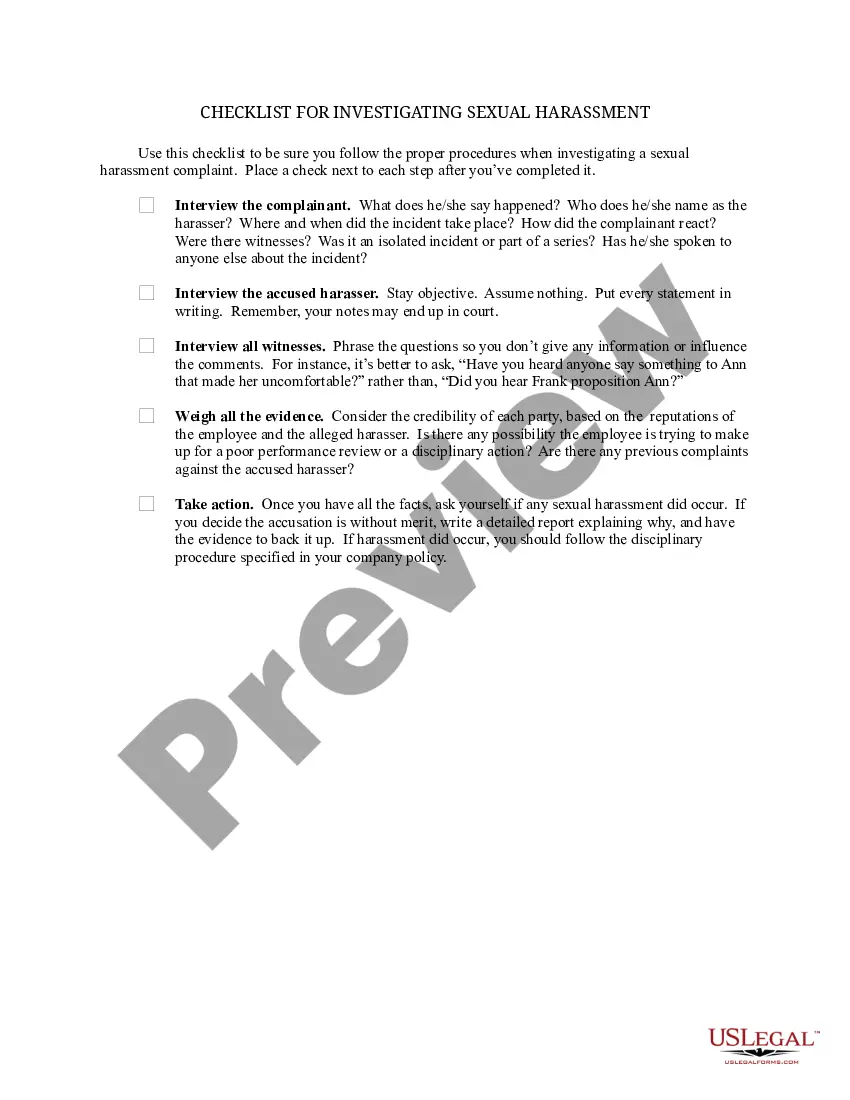
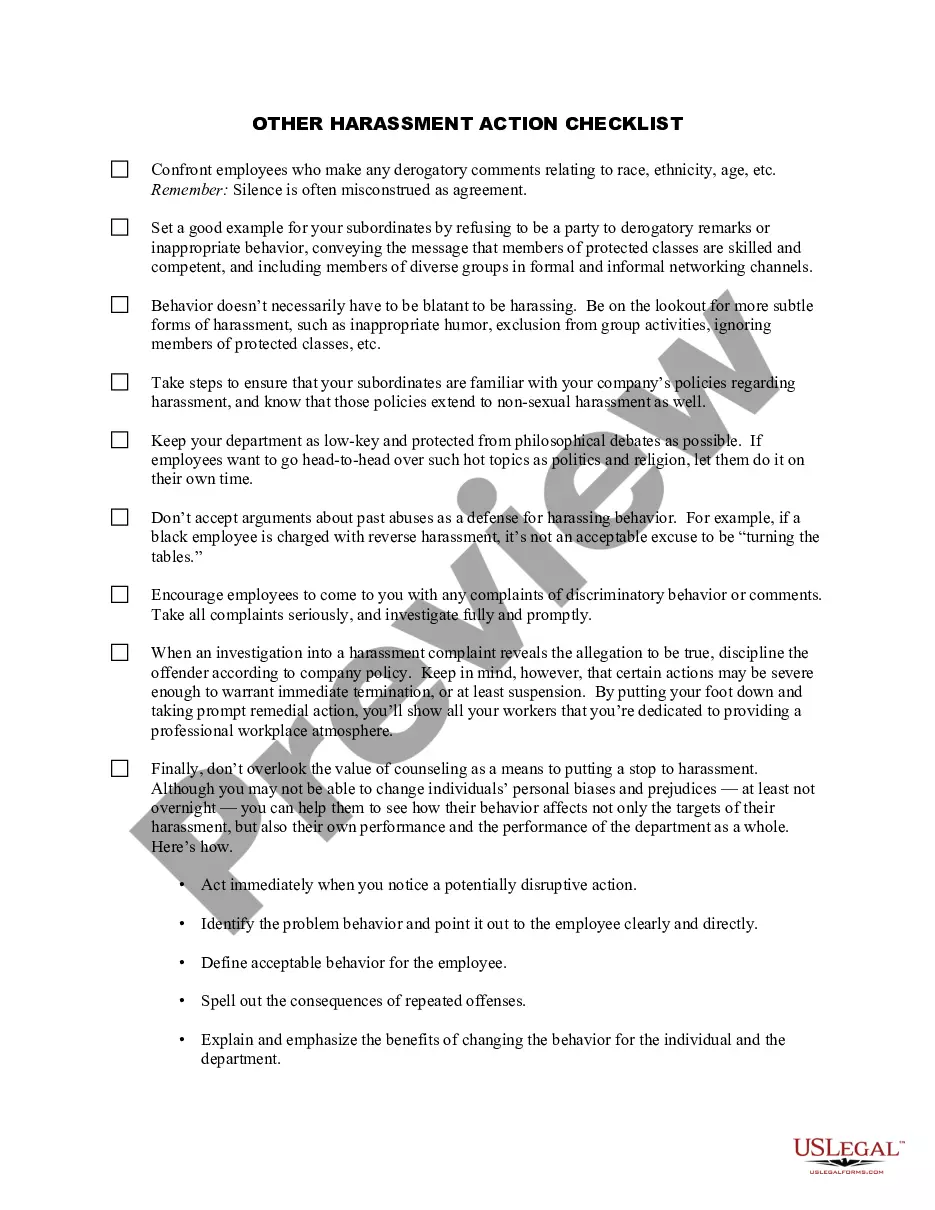
Description
Get your form ready online
Our built-in tools help you complete, sign, share, and store your documents in one place.
Make edits, fill in missing information, and update formatting in US Legal Forms—just like you would in MS Word.
Download a copy, print it, send it by email, or mail it via USPS—whatever works best for your next step.
Sign and collect signatures with our SignNow integration. Send to multiple recipients, set reminders, and more. Go Premium to unlock E-Sign.
If this form requires notarization, complete it online through a secure video call—no need to meet a notary in person or wait for an appointment.
We protect your documents and personal data by following strict security and privacy standards.

Make edits, fill in missing information, and update formatting in US Legal Forms—just like you would in MS Word.

Download a copy, print it, send it by email, or mail it via USPS—whatever works best for your next step.

Sign and collect signatures with our SignNow integration. Send to multiple recipients, set reminders, and more. Go Premium to unlock E-Sign.

If this form requires notarization, complete it online through a secure video call—no need to meet a notary in person or wait for an appointment.

We protect your documents and personal data by following strict security and privacy standards.
Looking for another form?







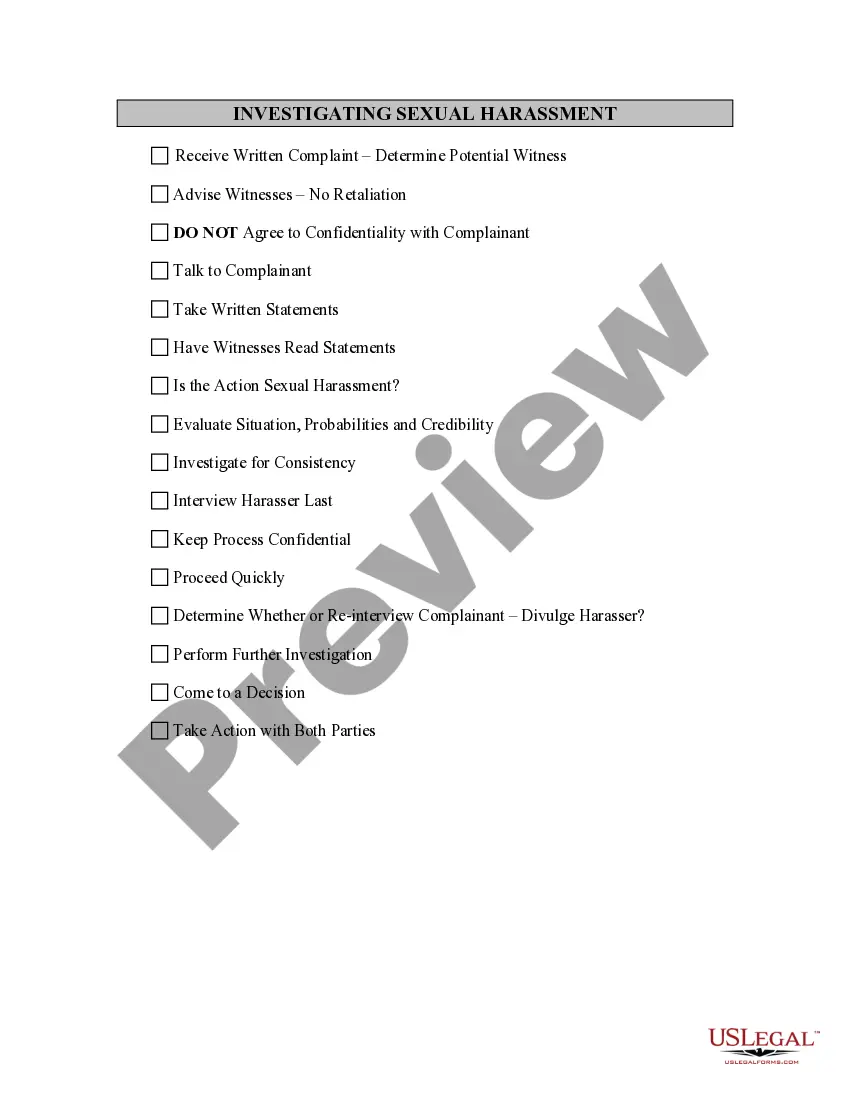
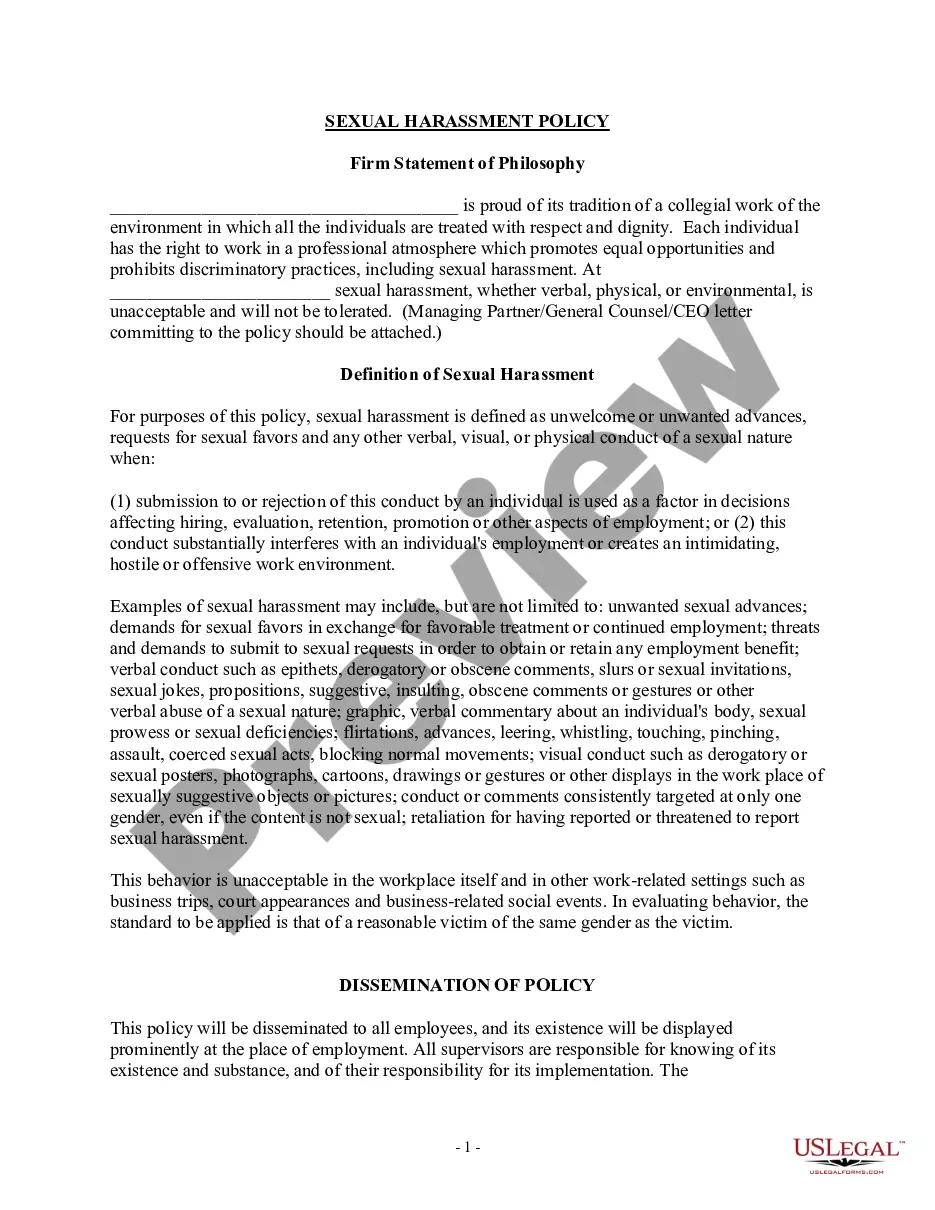
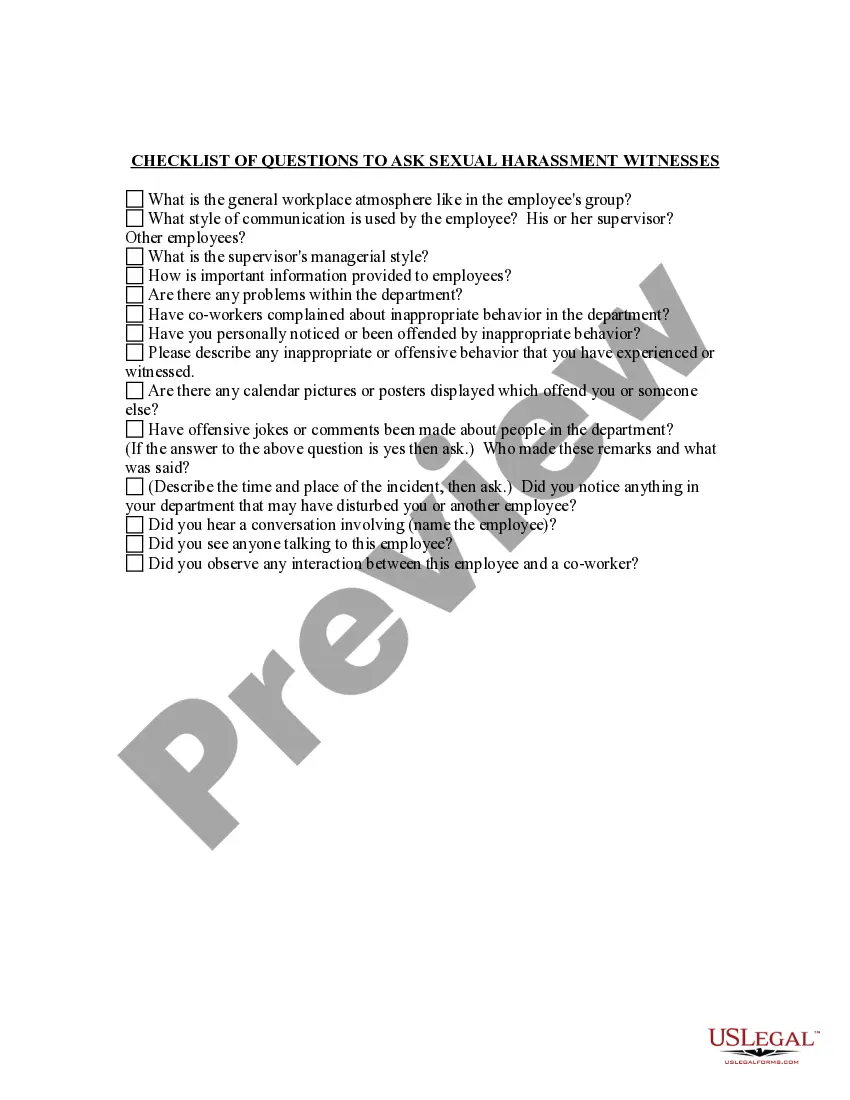
How to fill out Investigating Sexual Harassment Checklist - Workplace?
- If you're a returning user, log in to your account to access previous documents.
- Check your subscription status to ensure it is valid; renew if necessary.
- Browse the extensive legal library, reviewing form previews and descriptions to find the appropriate template for your needs.
- If needed, utilize the Search feature to discover other templates that meet your jurisdiction-specific requirements.
- Click on the 'Buy Now' button and select your desired subscription plan to gain access.
- Complete your purchase using your preferred payment method, either credit card or PayPal.
- Download your form directly to your device and retain access through the My Forms section.
By following these steps, you can ensure you have reliable legal documents to address sexual harassment issues in the workplace. The platform’s extensive library and user-friendly approach make it easier than ever to find forms that comply with legal standards.
Don't wait—empower yourself today with US Legal Forms and ensure you have the necessary resources at your fingertips!
Form popularity
FAQ
When addressing harassment at work, your written report should be clear and concise. Describe the incidents of sexual harassment work, highlighting their frequency and impact on your work environment. Provide any evidence you have, such as emails or witnesses who can corroborate your claims. Submitting this formal write-up to HR helps ensure that the matter is handled appropriately and that necessary measures are taken to create a respectful workplace.
To write someone up for sexual harassment work, start by documenting specific incidents, including dates, times, and details of what occurred. Clearly outline how their behavior has violated company policies and impacted you or your colleagues. This written account will serve as a formal record to support your claims. Consider sharing this document with HR, as they can guide you through the next steps in addressing the situation effectively.
When you report sexual harassment at work, the Human Resources department takes the matter seriously. They will typically conduct a thorough investigation, interviewing both you and the accused. HR aims to ensure a safe workplace by gathering all relevant information and may implement corrective actions based on the findings. It is essential to understand that your report will be treated confidentially, fostering trust in the process.
To effectively report sexual harassment work, first, gather evidence by noting the specifics of the incidents. Second, approach your supervisor or your workplace's HR team, as they are equipped to handle such matters. Third, follow up on your report, ensuring that appropriate actions are taken. Lastly, don’t hesitate to reach out for legal assistance if your situation does not improve, as professional support can be invaluable.
If you experience sexual harassment work, it is crucial to stay calm and document the incident in detail. Approach your supervisor or the HR department to report the behavior; they have a duty to investigate your claims. If your employer fails to act, consider seeking legal advice to understand your rights and options. Remember, you deserve a safe workplace, and taking action is a vital step toward achieving that.
When reporting sexual harassment work, begin by documenting all incidents, including dates and details. Next, report the behavior to your supervisor or human resources, as they are usually responsible for addressing such issues. Follow up to ensure that your report was received and understood. Finally, if necessary, seek external support from legal counsel or advocacy groups focused on workplace harassment.
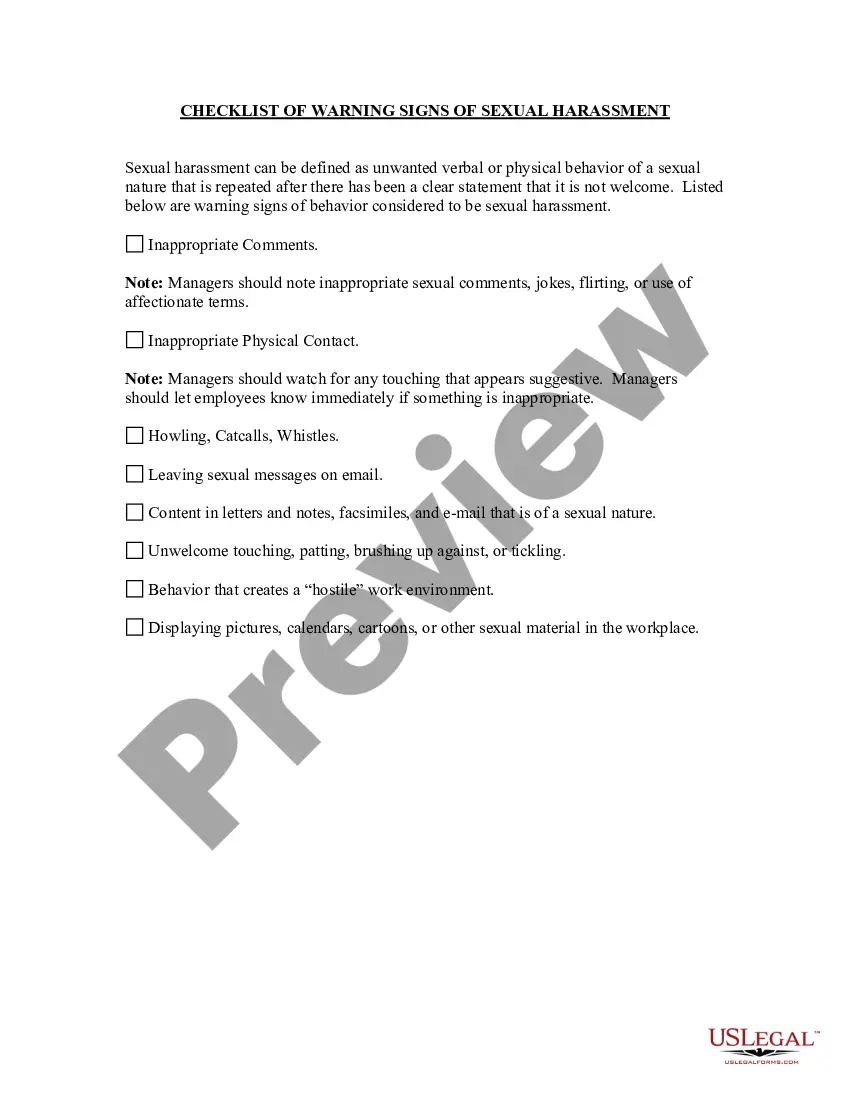
Sexual harassment work can manifest in various ways. Common examples include unwanted touching, inappropriate comments about someone's appearance, sharing explicit materials, and making threats related to job security based on sexual favors. Each of these actions creates a hostile work environment and undermines workplace integrity. Understanding these examples can help individuals identify and address harassment effectively.