Corrective Action With Example
Description
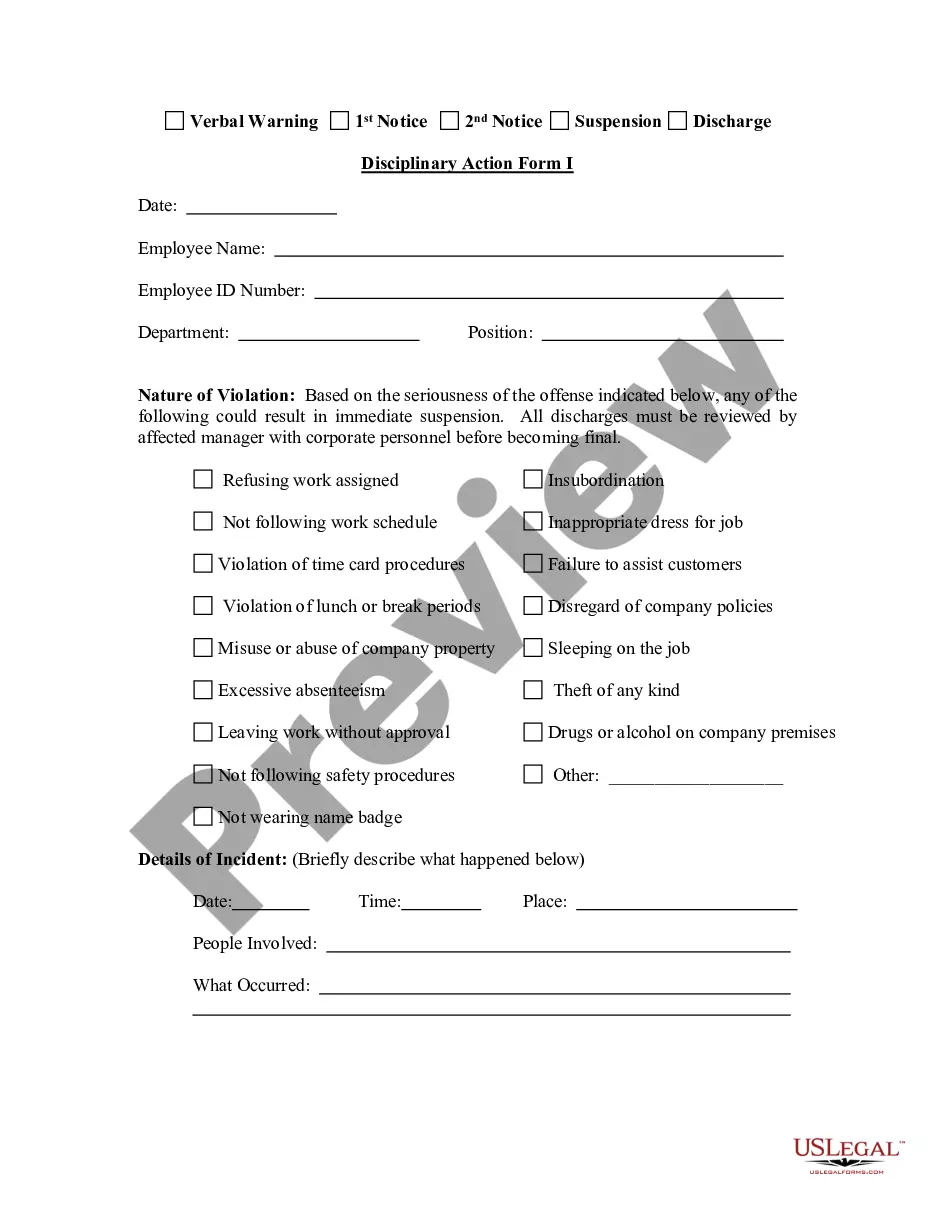
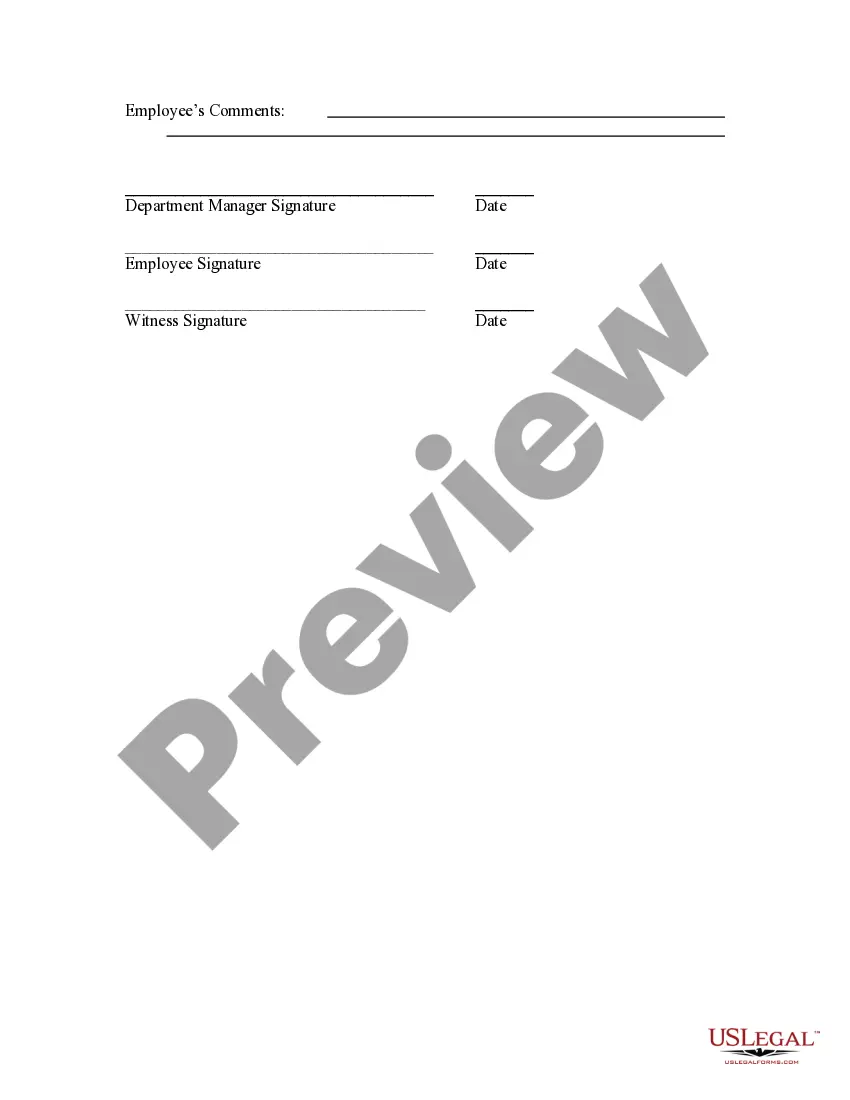
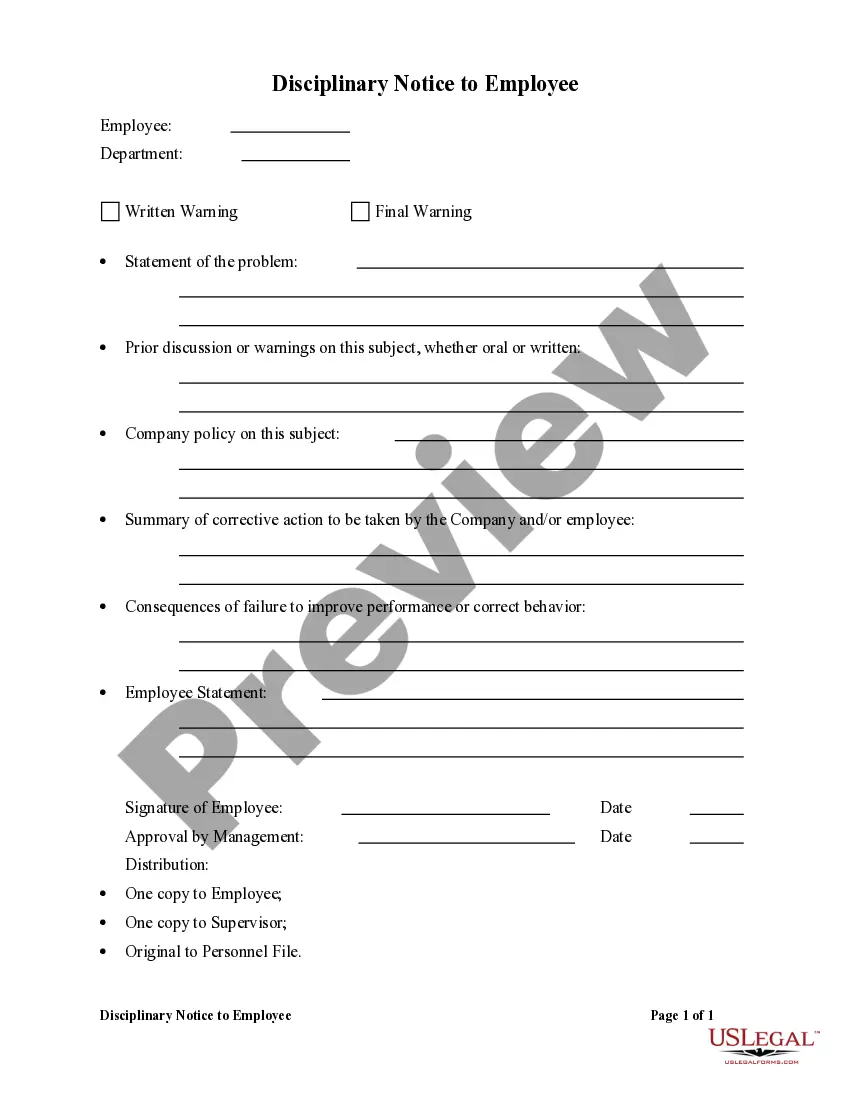
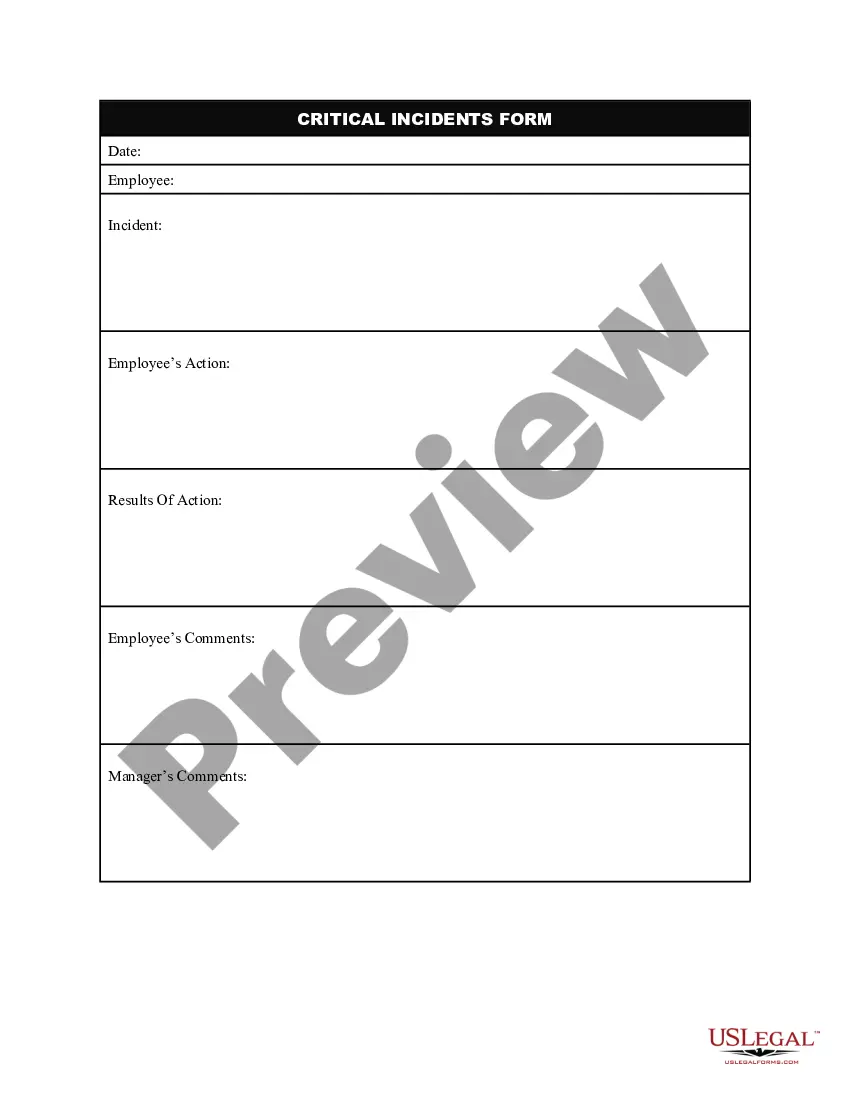
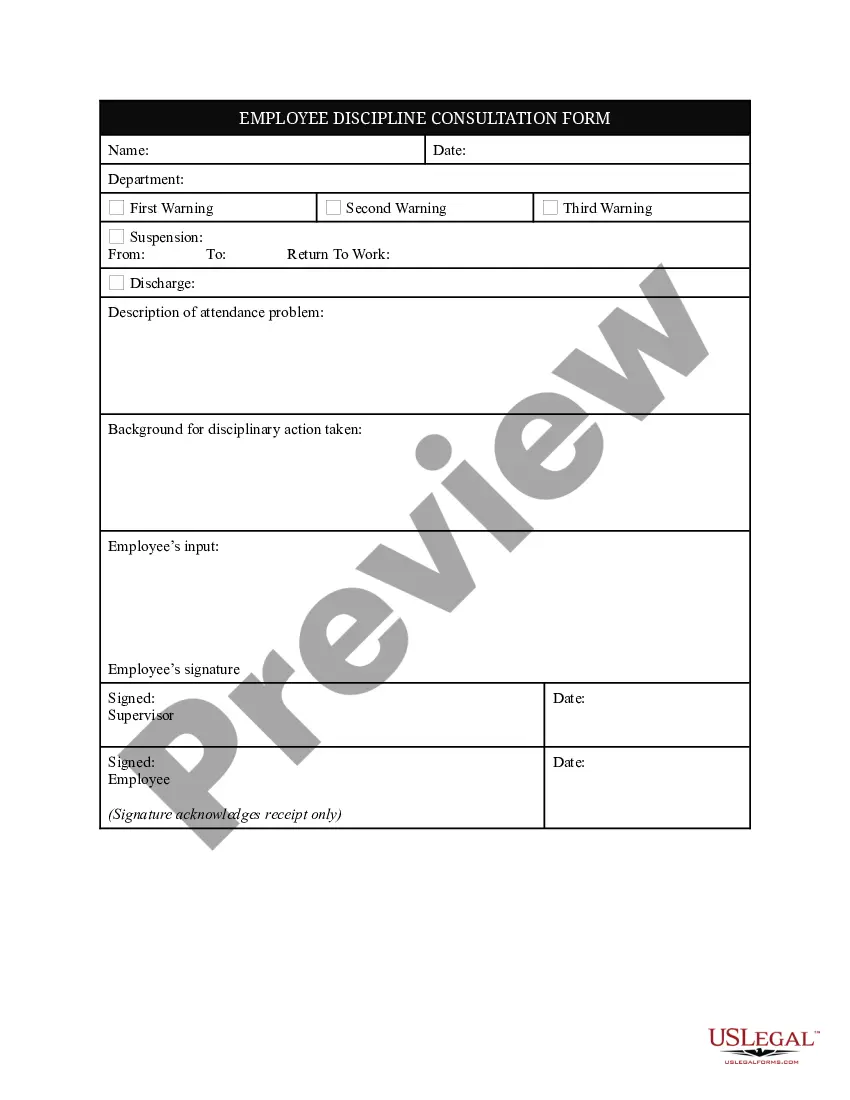

How to fill out Disciplinary Action Form I?
Managing legal documents and procedures can be a lengthy addition to your day.
Corrective Action With Example and similar forms frequently necessitate searching for them and comprehending how to fill them out correctly.
Therefore, whether you are dealing with financial, legal, or personal issues, having a comprehensive and user-friendly online library of forms readily available will be extremely beneficial.
US Legal Forms is the leading online platform for legal templates, providing more than 85,000 state-specific forms along with numerous tools to assist you in completing your documents swiftly.
Simply Log In to your account, find Corrective Action With Example, and download it immediately from the My documents section. You can also access forms you have previously saved.
- Browse the collection of pertinent documents accessible to you with just a single click.
- US Legal Forms supplies state- and county-specific forms available for download at any time.
- Safeguard your document management processes by utilizing a high-quality service that enables you to create any form within minutes without any additional or concealed charges.
Form popularity
FAQ
An example of a corrective action could be adjusting a manufacturing process that repeatedly produces defects. The corrective action would involve identifying the malfunctioning equipment, outlining the immediate fixes, and establishing a maintenance schedule to prevent recurrence. This example showcases the importance of addressing issues proactively and ensuring a continuous improvement process. With tools from US Legal Forms, you can easily document and implement effective corrective actions.
In a corrective action plan, be sure to write a detailed account of the issue along with its impact. Include specific corrective actions that will be implemented, the responsible parties for each action, and the timeframe for completion. Furthermore, offer steps to ensure that similar issues do not occur again, making your plan robust. An example of a well-defined corrective action can provide great insight into what is needed.
When filling out a corrective action form, first define the issue clearly and provide a description of the context. Include information on the root cause and proposed corrective actions, including timelines and responsible individuals. Don’t forget to add how these actions can prevent the issue from happening again. Using US Legal Forms can make this process more straightforward with structured templates.
Filling out a CAPA form requires precise attention to detail. Begin by documenting the issue, including any relevant data and observations. Next, describe the corrective action with example steps to resolve the issue, followed by the preventative actions to avoid future problems. You can utilize platforms like US Legal Forms to access templates that simplify capturing this information accurately.
To write a good corrective action, start by identifying the root cause of the problem. Clearly outline the steps that will be taken to fix the issue. To enhance clarity, ensure that your plan includes who is responsible for each step and a timeline for completion. An effective corrective action with example includes addressing the problem's source and implementing measures to prevent recurrence.
When writing a corrective action, include a clear description of the problem and the context in which it occurred. Follow this by detailing the specific corrective steps that will be taken, as well as the individuals responsible for these actions. Additionally, explain how you will measure success and track progress. Using a platform like USLegalForms can streamline this process, providing templates for effective corrective action with example applications.
The four types of corrective actions include immediate, preventive, detective, and compensatory actions. Immediate actions address the problem right away, while preventive actions aim to stop similar issues from occurring in the future. Detective actions focus on identifying potential issues before they escalate, and compensatory actions provide temporary solutions while a permanent fix is developed. Understanding these types helps organizations implement effective corrective action with example scenarios.
To write a corrective action, identify the issue clearly and outline the factors that led to it. Next, propose specific steps that will address the problem, ensuring these steps are actionable and measurable. You might include a timeline for implementation and a method for verifying the effectiveness of the corrective action. An example of a corrective action could be adjusting a workflow to prevent recurring issues.
Examples of corrective strategies include root cause analysis, employee retraining, process redesign, policy updates, and technology upgrades. Each strategy aims to address specific issues to foster continuous improvement. A corrective action with example could involve implementing a new software tool that streamlines processes, leading to fewer errors and increased efficiency.
The five areas for corrective action include process improvement, employee training, quality control, resource allocation, and compliance with regulations. Each area requires assessing current practices and determining effective changes. For instance, corrective action with example may focus on improving training programs to enhance employee performance and reduce errors.