Work Sick Ill With No Experience
Description
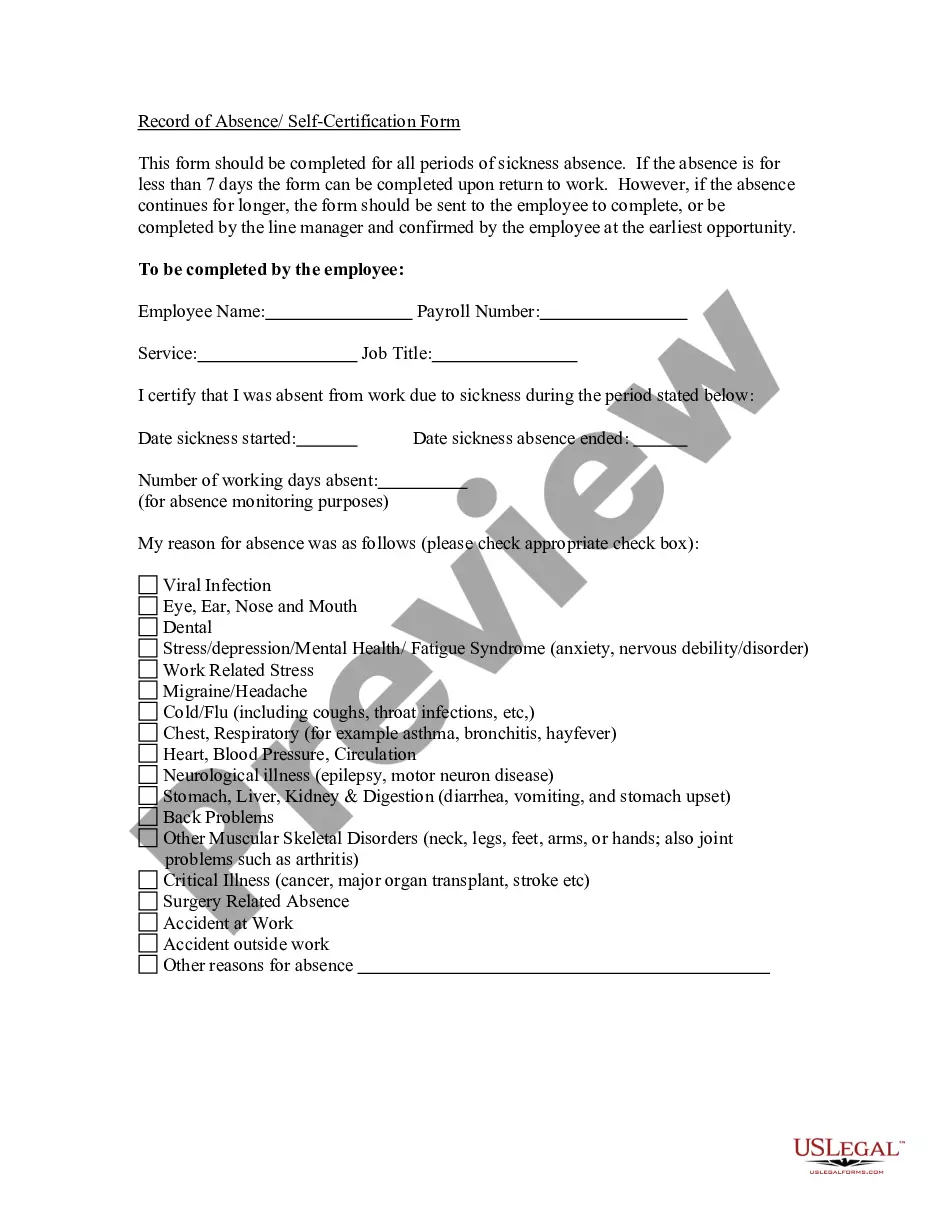
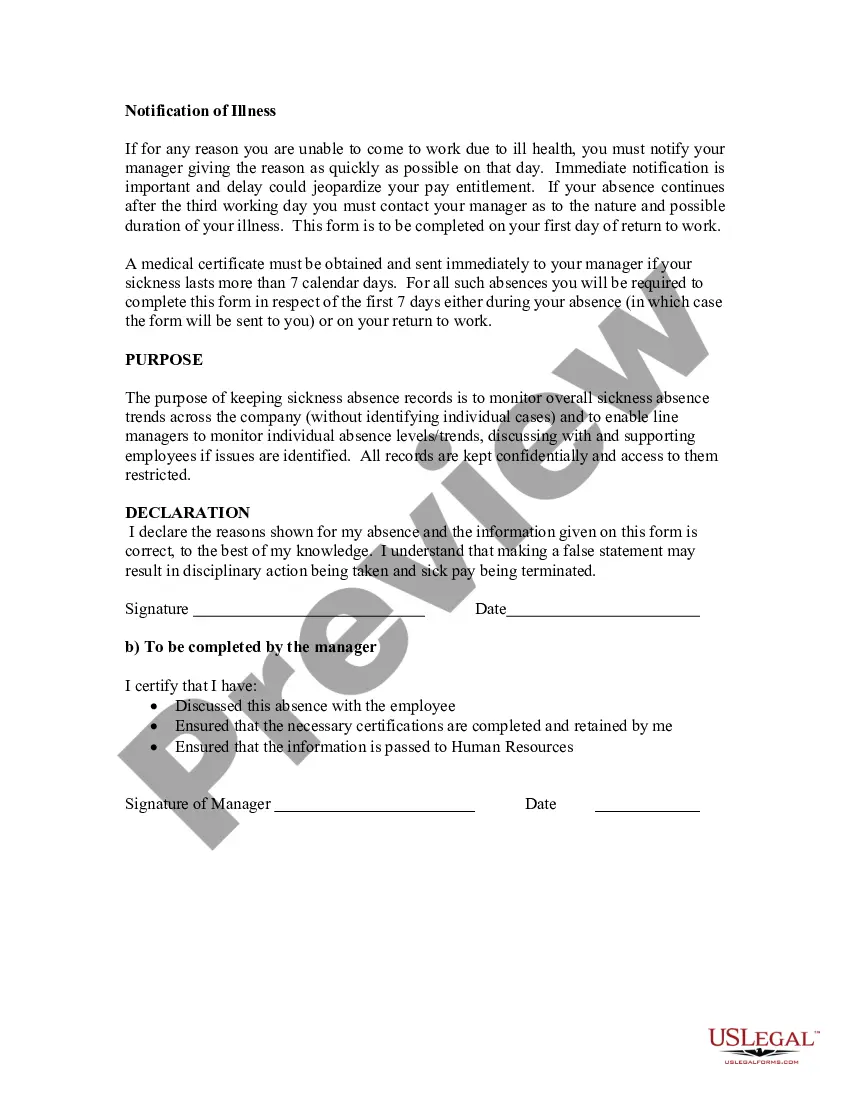
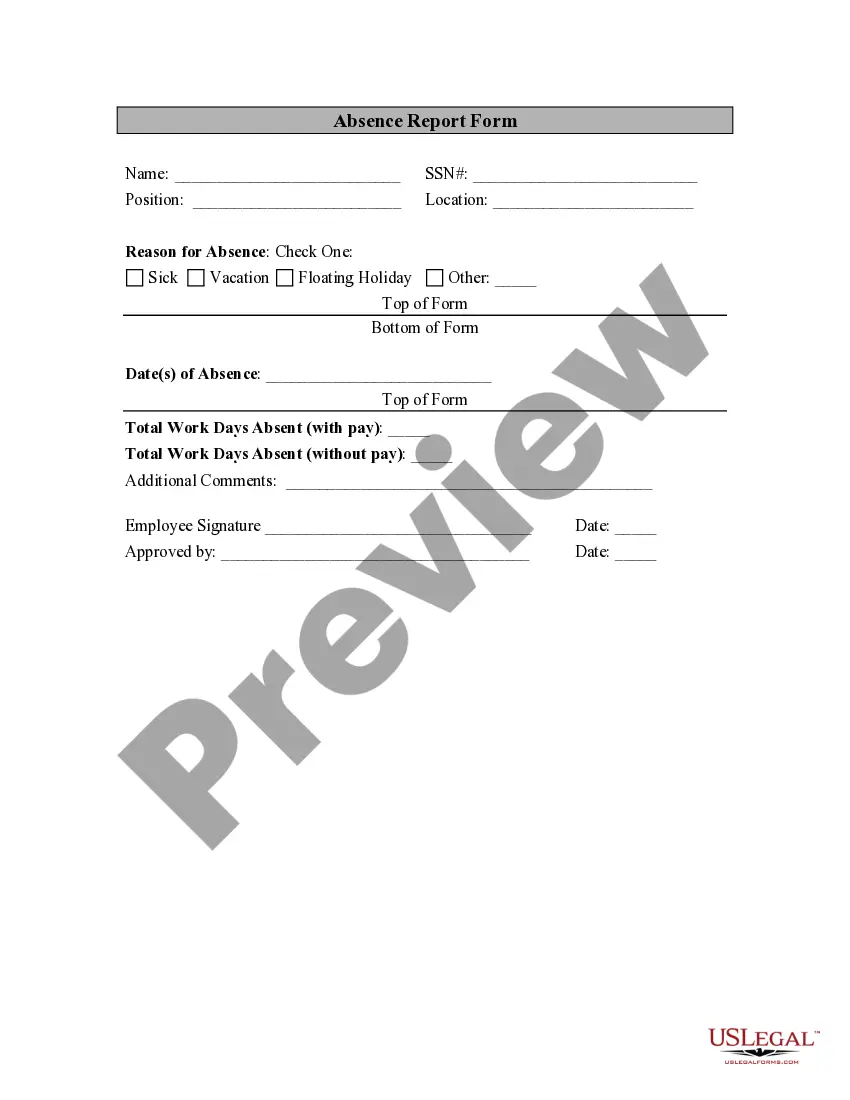
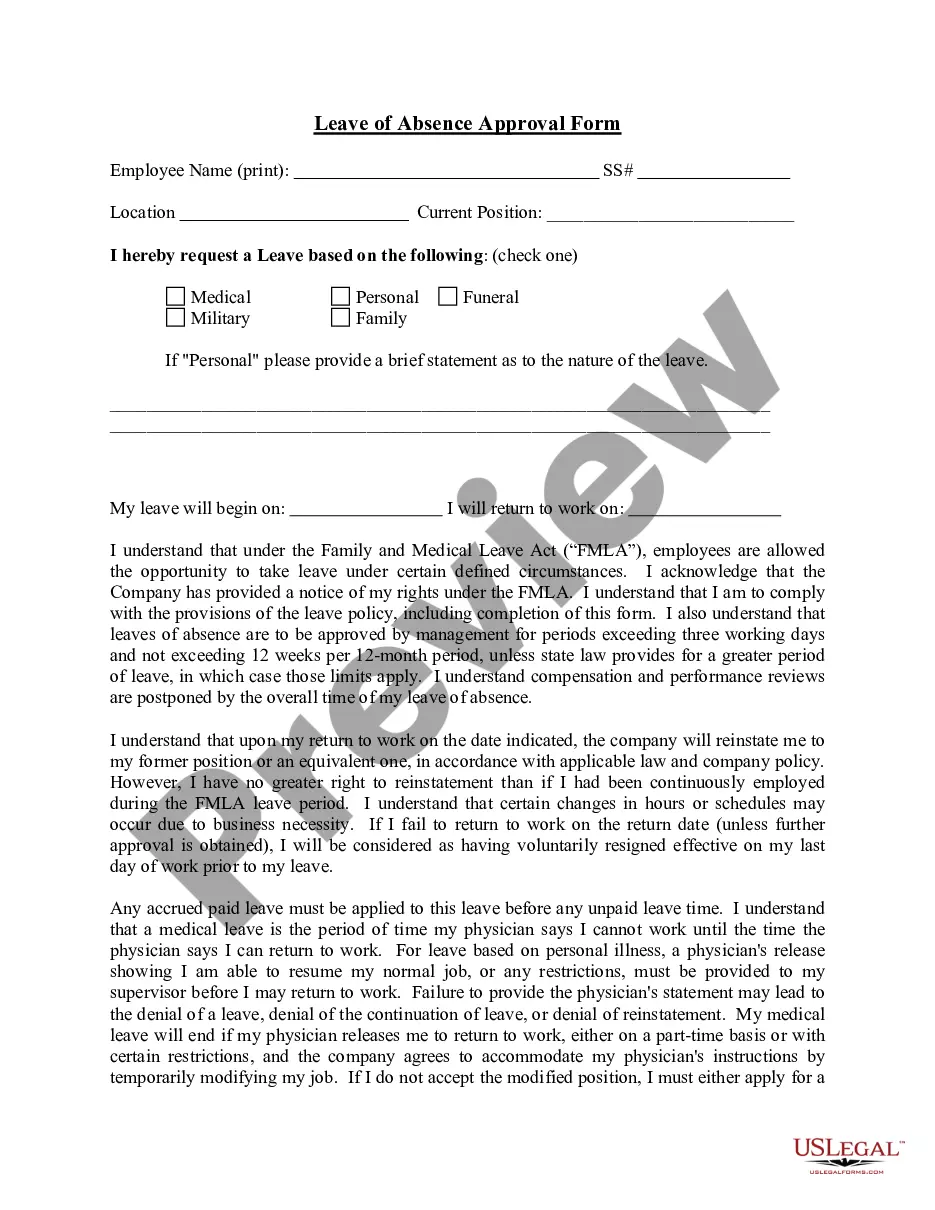

Get your form ready online
Our built-in tools help you complete, sign, share, and store your documents in one place.
Make edits, fill in missing information, and update formatting in US Legal Forms—just like you would in MS Word.
Download a copy, print it, send it by email, or mail it via USPS—whatever works best for your next step.
Sign and collect signatures with our SignNow integration. Send to multiple recipients, set reminders, and more. Go Premium to unlock E-Sign.
If this form requires notarization, complete it online through a secure video call—no need to meet a notary in person or wait for an appointment.
We protect your documents and personal data by following strict security and privacy standards.

Make edits, fill in missing information, and update formatting in US Legal Forms—just like you would in MS Word.

Download a copy, print it, send it by email, or mail it via USPS—whatever works best for your next step.

Sign and collect signatures with our SignNow integration. Send to multiple recipients, set reminders, and more. Go Premium to unlock E-Sign.

If this form requires notarization, complete it online through a secure video call—no need to meet a notary in person or wait for an appointment.

We protect your documents and personal data by following strict security and privacy standards.
Looking for another form?






How to fill out Record Of Absence - Self-Certification Form?
- If you are a returning user, log in to your account and download the required form template by clicking the Download button, ensuring your subscription is up-to-date.
- If you are new to our service, begin by exploring the Preview mode to review the form descriptions carefully, ensuring it suits your needs and meets local requirements.
- Should you discover any discrepancies, utilize the Search tab above to find an alternative template that better fits your needs.
- Purchase the document by clicking the Buy Now button. Select your desired subscription plan and create an account for full access to our library.
- Complete your purchase by entering your credit card information or using your PayPal account for payment.
- Finally, download your selected form and save it to your device. You can also access it later in the My Forms section of your profile.
In conclusion, US Legal Forms offers an excellent platform for individuals seeking to navigate legal documentation, particularly in unforeseen situations like working while ill. With a robust collection of templates and expert assistance available, you can comply with legal requirements easily.
Start your journey today by accessing US Legal Forms and simplifying your legal document needs!
Form popularity
FAQ
If you find yourself needing to work sick, there are steps you can take to manage your situation effectively. Stay hydrated, take regular breaks, and communicate openly with your team about your condition. Try to focus on essential tasks rather than your full workload. For additional support, consider using platforms like uslegalforms to explore your rights and options when dealing with work sick ill with no experience.
Yes, skipping work when you feel ill is often the best choice. Working sick can hinder your ability to recover and could lead to spreading illness to coworkers. It's essential to prioritize your health and consider informing your employer to maintain clear communication. Overall, taking time off when you feel unwell promotes a healthier work environment for everyone.
In many cases, you cannot legally be forced to work while sick, especially if your illness impacts your ability to perform. Employers should respect your right to take sick leave, particularly if you explain your situation. However, some workplaces may have policies regarding attendance that can complicate matters. If you find yourself in this position, consult resources like uslegalforms to understand your rights better.
You should consider your health before deciding to work sick. Forcing yourself to work while ill can lead to prolonged recovery times and may affect your performance. If you’re struggling, it’s beneficial to communicate with your employer about your condition. Remember, prioritizing your health ultimately helps maintain productivity in the long run.
Working while sick may not be an OSHA violation, but it can lead to unsafe work conditions. If your health condition compromises safety, your employer should address the situation. Remember, if you feel pressured to work sick ill with no experience, consider reaching out for professional advice to safeguard your rights.
You generally have the right to leave work if you are ill, as your health is paramount. Informing your supervisor about your situation can help facilitate a smoother process. If you are facing difficulties with your employer regarding sick leave, tools like USLegalForms can help you navigate your rights effectively.
While it's generally risky to work sick, you typically cannot be fired solely for that reason. However, if your illness significantly impacts your performance, it might lead to disciplinary actions. Seeking legal guidance from platforms like USLegalForms can assist you in understanding your rights regarding working sick ill with no experience.
Typically, your employer cannot force you to work when you're sick, especially if your condition impacts your performance or safety. However, company policies on sick leave vary. If you face pressure to work sick ill with no experience, discussing your rights and options with HR can help clarify your situation.
OSHA does not explicitly prohibit working while sick; however, it emphasizes employee safety. Working sick ill with no experience can pose safety risks to both you and your coworkers. It's crucial to communicate with your employer if your illness affects your ability to perform tasks safely.
OSHA recognizes that working in cold conditions can be dangerous. Employers must take steps to protect employees from the cold, including providing proper clothing and breaks for warmth. If you work sick ill with no experience in cold environments, you should alert your employer about your condition. Proper procedures can help prevent both illness and injury.