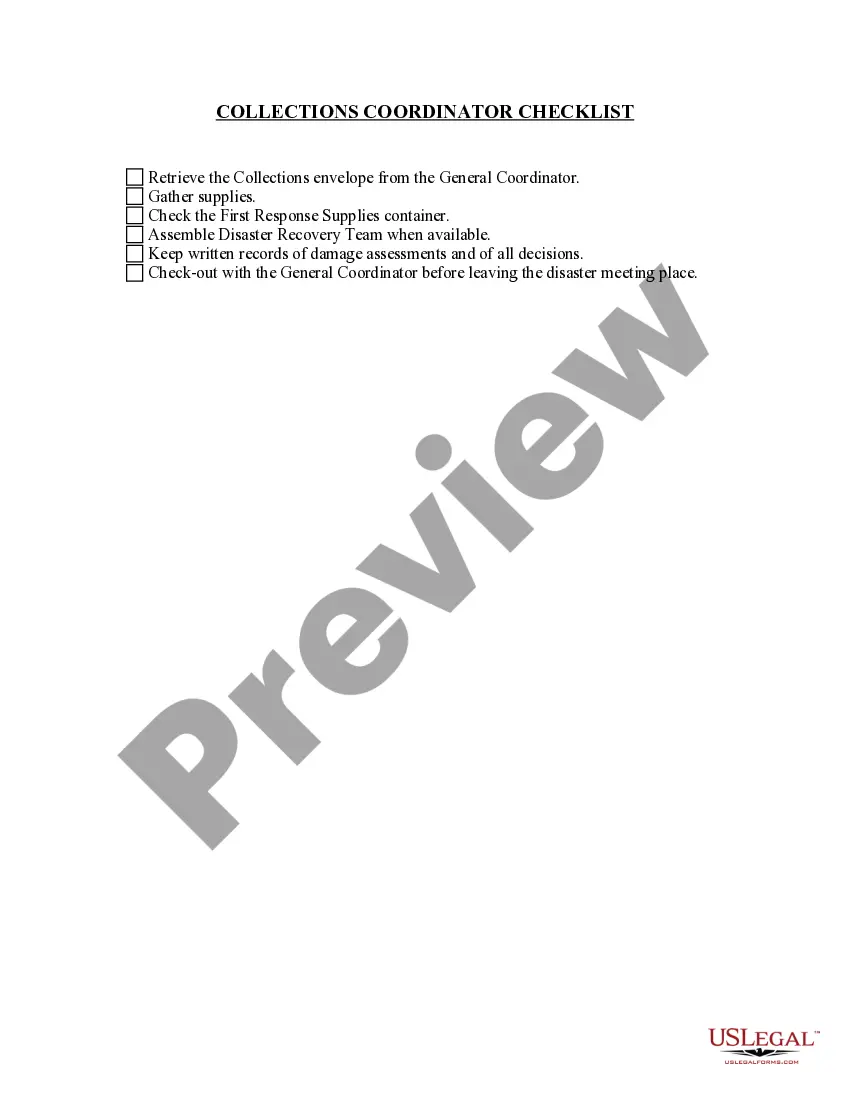
Data Collection Checklist For Iep
Description
Get your form ready online
Our built-in tools help you complete, sign, share, and store your documents in one place.
Make edits, fill in missing information, and update formatting in US Legal Forms—just like you would in MS Word.
Download a copy, print it, send it by email, or mail it via USPS—whatever works best for your next step.
Sign and collect signatures with our SignNow integration. Send to multiple recipients, set reminders, and more. Go Premium to unlock E-Sign.
If this form requires notarization, complete it online through a secure video call—no need to meet a notary in person or wait for an appointment.
We protect your documents and personal data by following strict security and privacy standards.

Make edits, fill in missing information, and update formatting in US Legal Forms—just like you would in MS Word.

Download a copy, print it, send it by email, or mail it via USPS—whatever works best for your next step.

Sign and collect signatures with our SignNow integration. Send to multiple recipients, set reminders, and more. Go Premium to unlock E-Sign.

If this form requires notarization, complete it online through a secure video call—no need to meet a notary in person or wait for an appointment.

We protect your documents and personal data by following strict security and privacy standards.
Looking for another form?
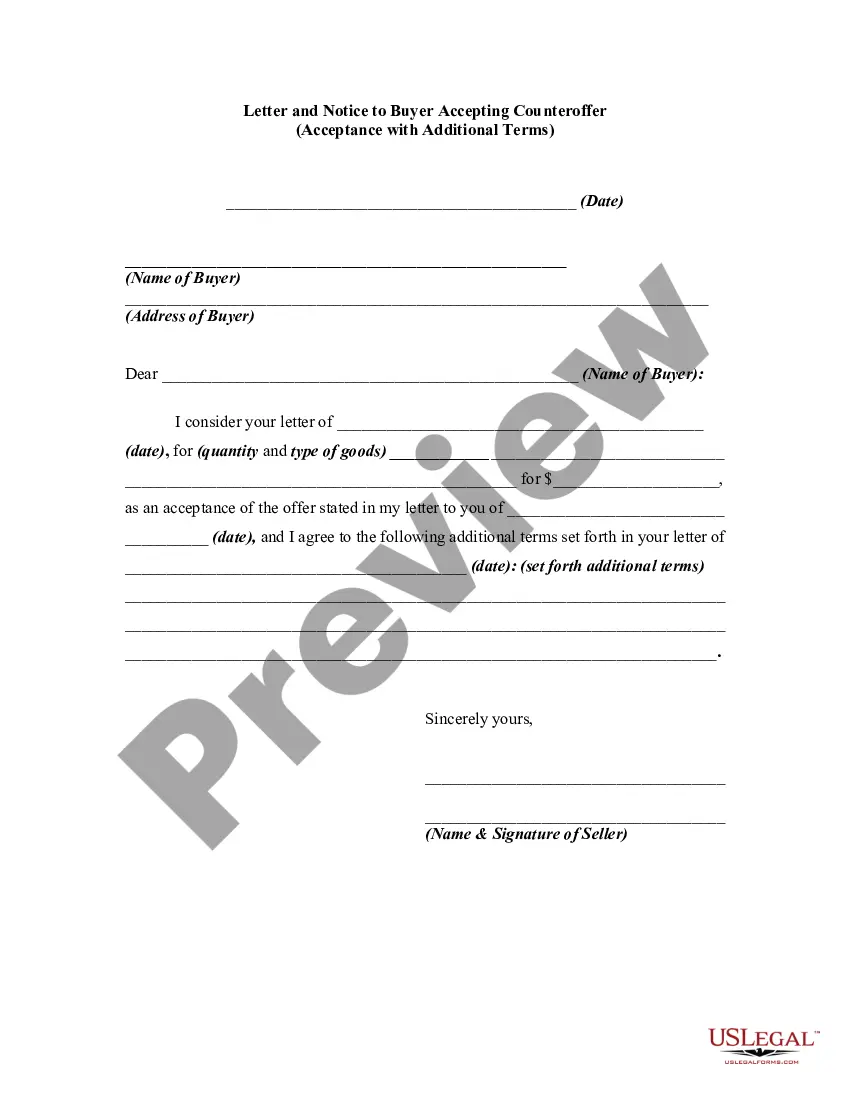







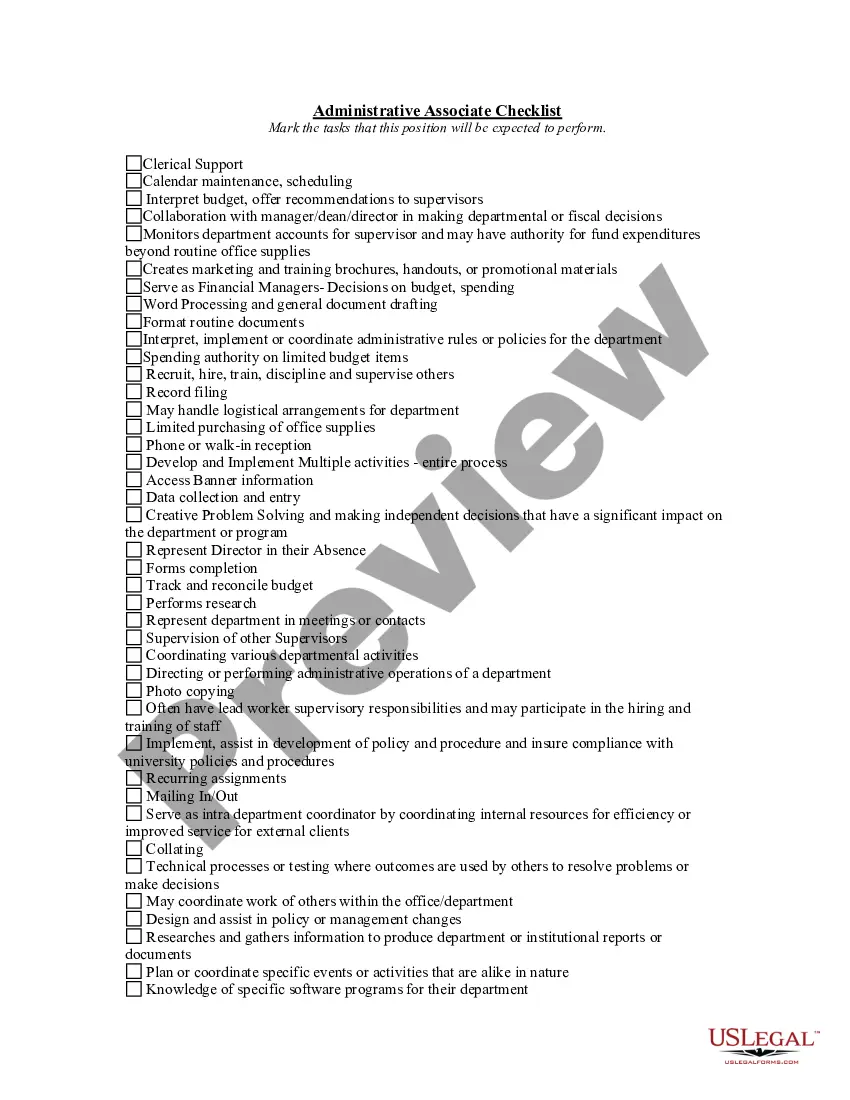
How to fill out Collections Coordinator Checklist?
Whether for corporate reasons or personal matters, everyone inevitably encounters legal issues at some point in their lives.
Completing legal paperwork requires meticulous care, beginning with selecting the right form template.
With a comprehensive US Legal Forms catalog available, you no longer have to waste time searching for the appropriate template online. Leverage the library's user-friendly navigation to find the right form for any circumstance.
- Acquire the template you require by using the search bar or catalog browsing.
- Review the form's description to ensure it aligns with your circumstances, state, and local area.
- Click on the form's preview to review it.
- If it is the wrong form, return to the search function to locate the Data Collection Checklist For Iep version you require.
- Obtain the template if it meets your needs.
- If you already possess a US Legal Forms account, click Log in to access previously stored documents in My documents.
- If you have not created an account yet, you may download the form by clicking Buy now.
- Select the correct pricing option.
- Complete the profile registration form.
- Choose your payment method: you may use a credit card or PayPal account.
- Select the file format you prefer and download the Data Collection Checklist For Iep.
- Once saved, you can fill out the form using editing software or print it for manual completion.
Form popularity
FAQ
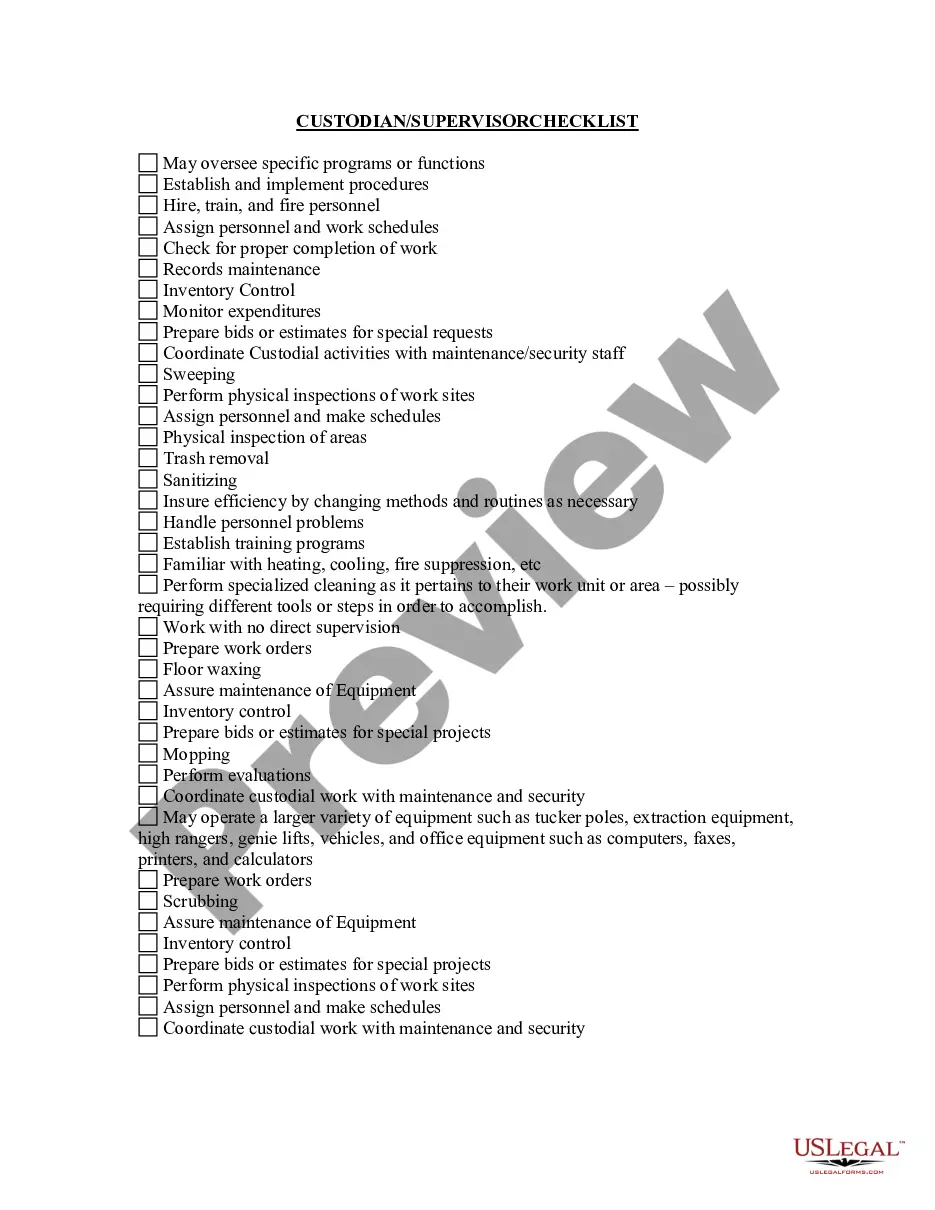
To collect baseline data for an IEP, start by measuring the student's current skills and performance levels. This can involve initial assessments or observations across various settings. A data collection checklist for IEP is beneficial here, as it helps you clearly outline the starting point for each goal, ensuring you track progress methodically.
A data gathering checklist is a structured tool that helps educators collect, organize, and analyze student data effectively. It can include various data points specific to the IEP goals and objectives. Using a data collection checklist for IEP simplifies the process, ensuring consistency and providing clear documentation of student progress.
An example of data collection could be a teacher maintaining a log of a student's participation in class discussions. This log can help track engagement over time. Incorporating a data collection checklist for IEP will enable educators to systematically review this data and align it with the student's IEP goals.
Examples of data collection for IEP encompass progress reports, standardized test scores, and daily behavior logs. These examples illustrate varied approaches to gathering essential information about a student's abilities. By applying a data collection checklist for IEP, you can ensure all relevant information is captured, leading to more informed instructional decisions.
Types of data collection in IEP include formal assessments, observations, and anecdotal records. Each method provides unique insights into student performance and progress. Using a data collection checklist for IEP can help educators easily categorize and manage the data collected, making it easier to track overall student development.
You collect data for special education by systematically observing and recording student performance. Begin by identifying specific goals outlined in the IEP. Regularly document progress toward these goals to provide comprehensive insight into each student's needs. Utilizing a data collection checklist for IEP can streamline this process, ensuring thorough tracking.
Progress monitoring data for IEP goals should be collected regularly, typically once every two to four weeks. Frequent collection allows you to adjust instruction based on the student’s ongoing performance, using a reliable data collection checklist for iep to streamline the process. Consistency in monitoring empowers educators and families to support the student’s growth effectively.
Collecting data for IEP goals involves using methods like tracking student work, conducting tests, and noting behavior changes. Implement a data collection checklist for iep that includes the types of measurements you will use. This structured approach ensures you have clear evidence to monitor progress and make informed decisions tailored to each student's needs.
To effectively collect data for an IEP, start by defining specific goals and objectives for the student. Utilize various tools, such as observations, assessments, and checklists, including a detailed data collection checklist for iep. Regularly record the student's performance and progress over time, ensuring you have a comprehensive view of their development.
A checklist in data collection serves as a structured tool that guides individuals through the necessary steps to gather essential information. Specifically for an Individualized Education Program (IEP), a data collection checklist for iep can help educators and parents ensure they collect all relevant data needed for assessments and planning. Using such a checklist enhances accuracy and efficiency in gathering data, making it easier to track a student's progress. Ultimately, adopting a data collection checklist for iep streamlines the process and supports informed decision-making.