Hipaa Notice Of Privacy Practices For Dental Offices
Description
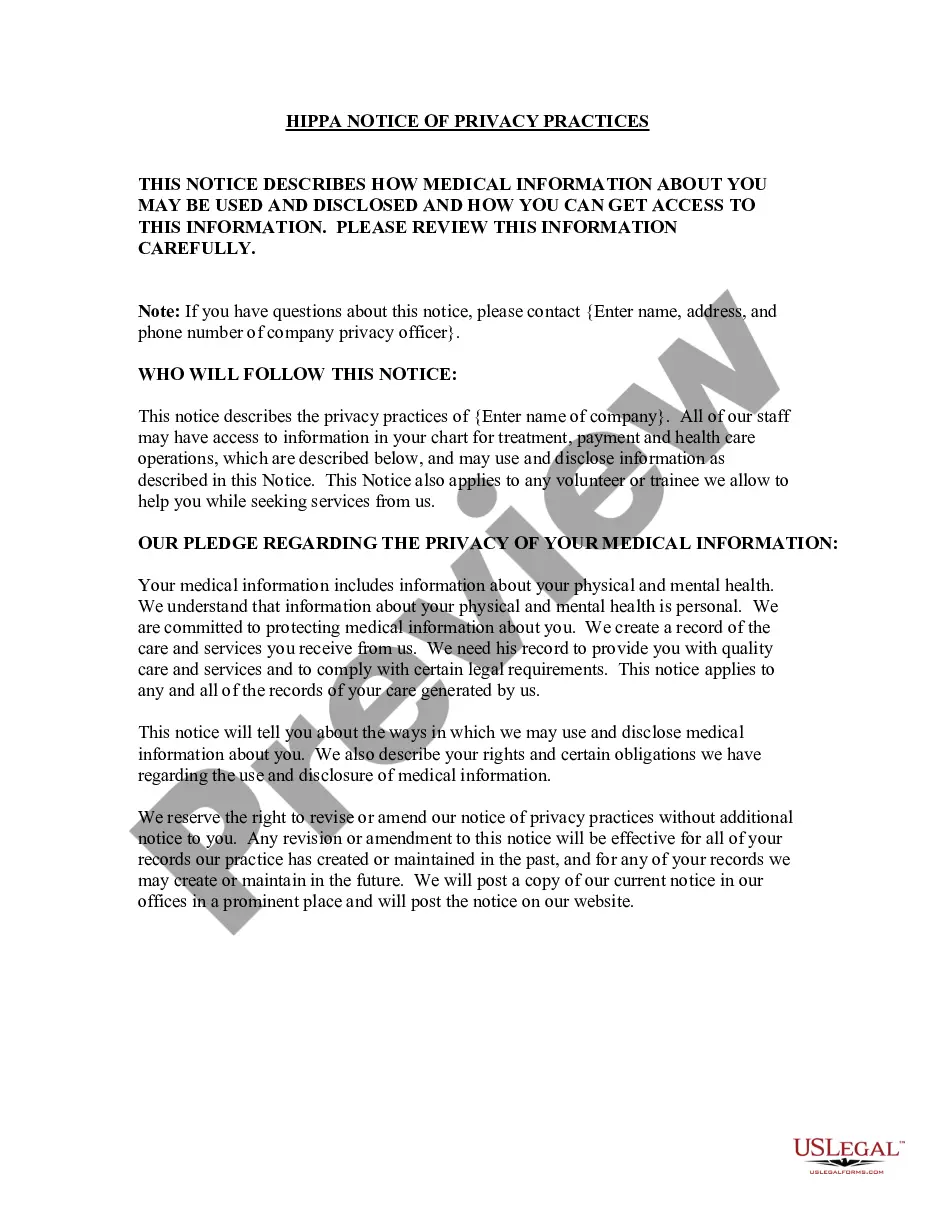
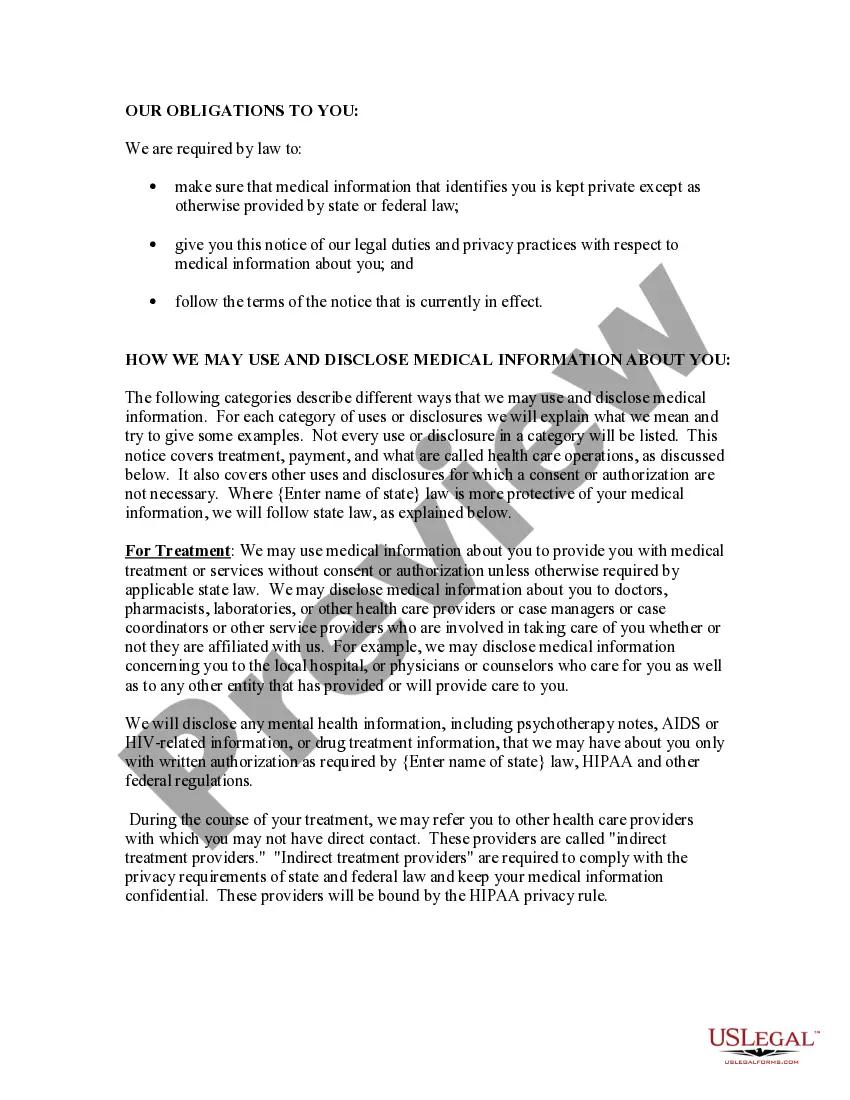
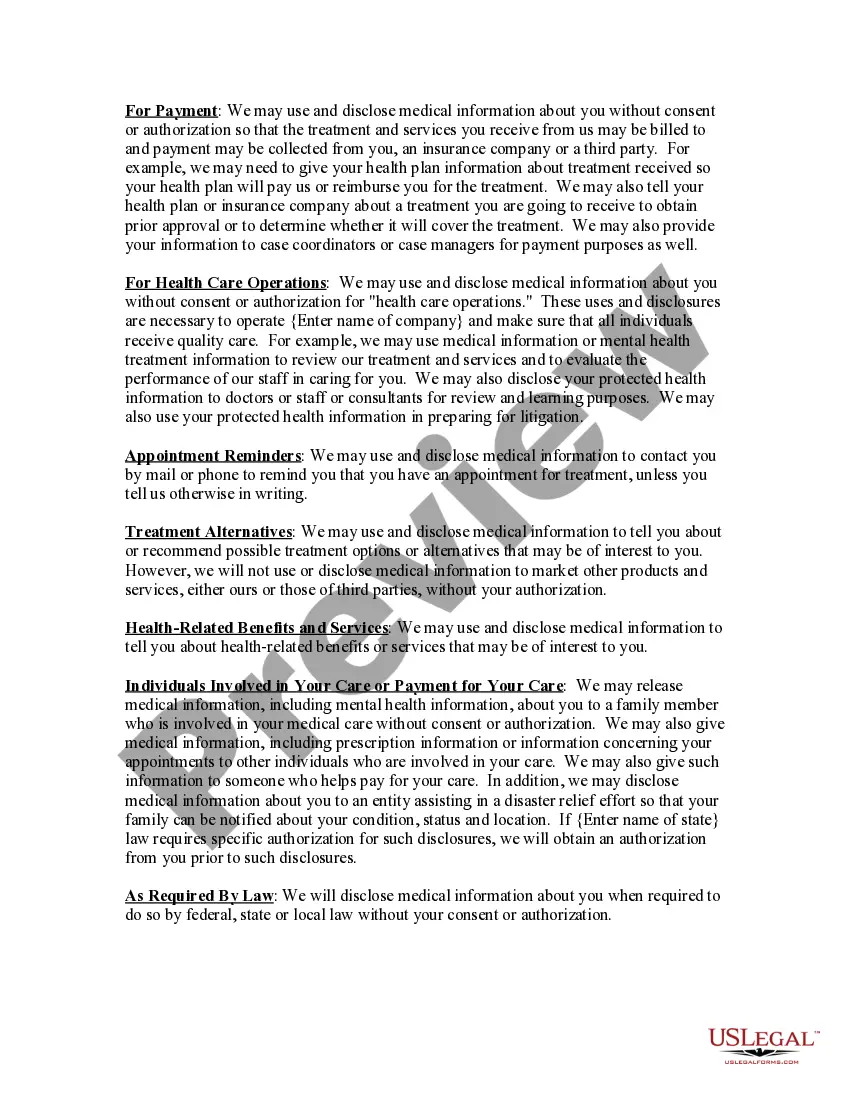
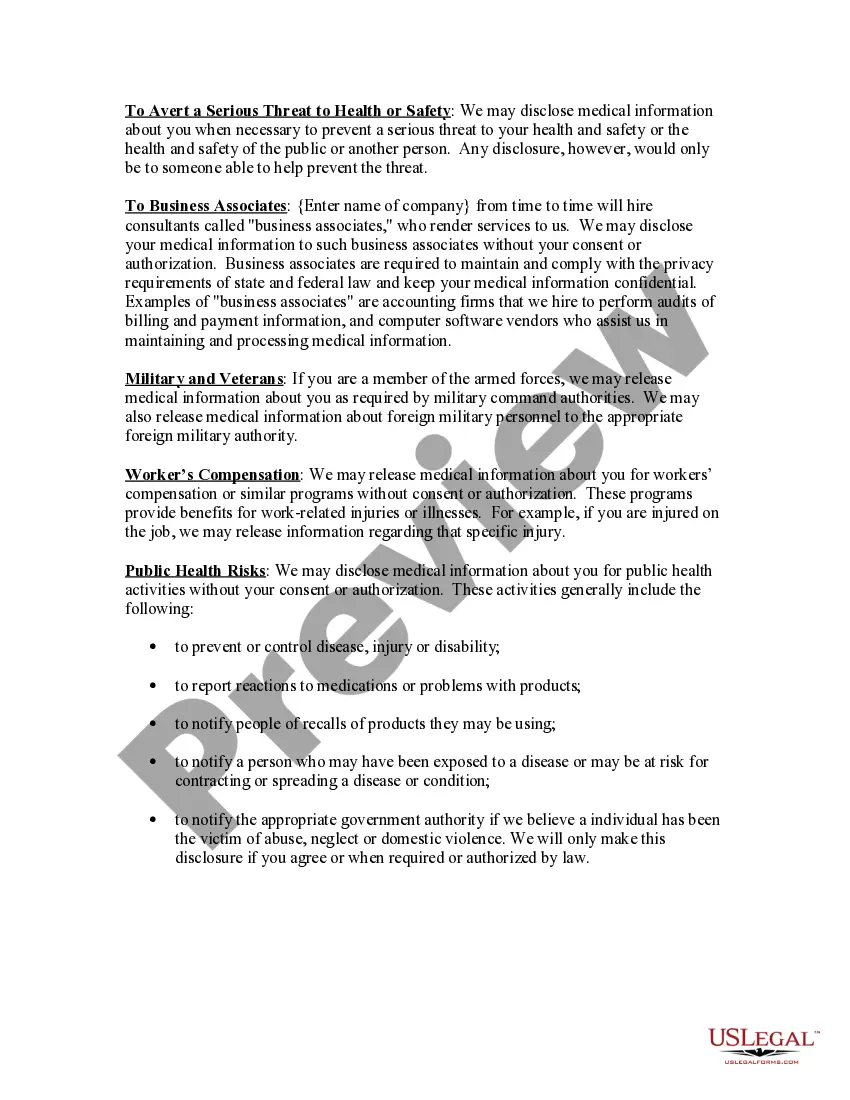

Get your form ready online
Our built-in tools help you complete, sign, share, and store your documents in one place.
Make edits, fill in missing information, and update formatting in US Legal Forms—just like you would in MS Word.
Download a copy, print it, send it by email, or mail it via USPS—whatever works best for your next step.
Sign and collect signatures with our SignNow integration. Send to multiple recipients, set reminders, and more. Go Premium to unlock E-Sign.
If this form requires notarization, complete it online through a secure video call—no need to meet a notary in person or wait for an appointment.
We protect your documents and personal data by following strict security and privacy standards.

Make edits, fill in missing information, and update formatting in US Legal Forms—just like you would in MS Word.

Download a copy, print it, send it by email, or mail it via USPS—whatever works best for your next step.

Sign and collect signatures with our SignNow integration. Send to multiple recipients, set reminders, and more. Go Premium to unlock E-Sign.

If this form requires notarization, complete it online through a secure video call—no need to meet a notary in person or wait for an appointment.

We protect your documents and personal data by following strict security and privacy standards.
Looking for another form?
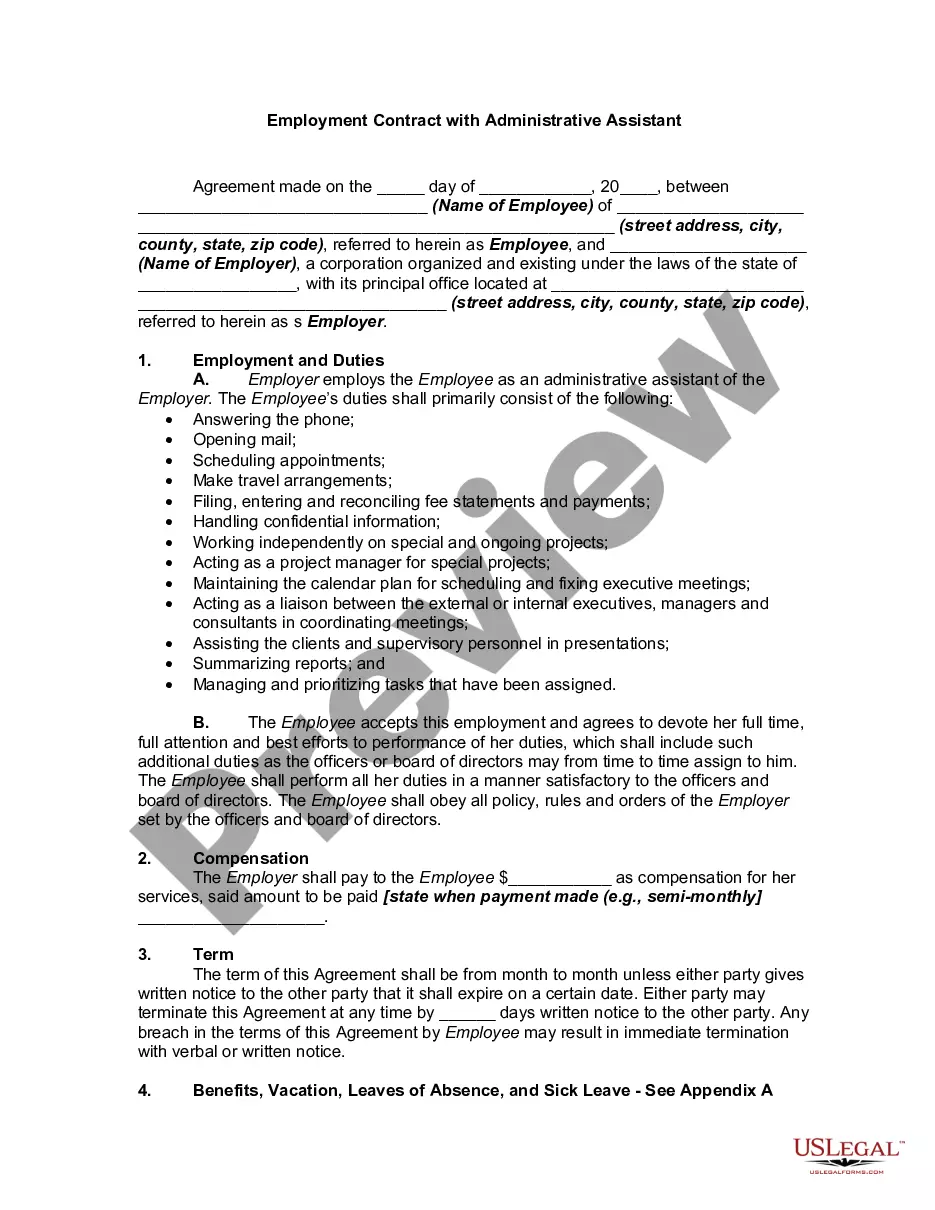
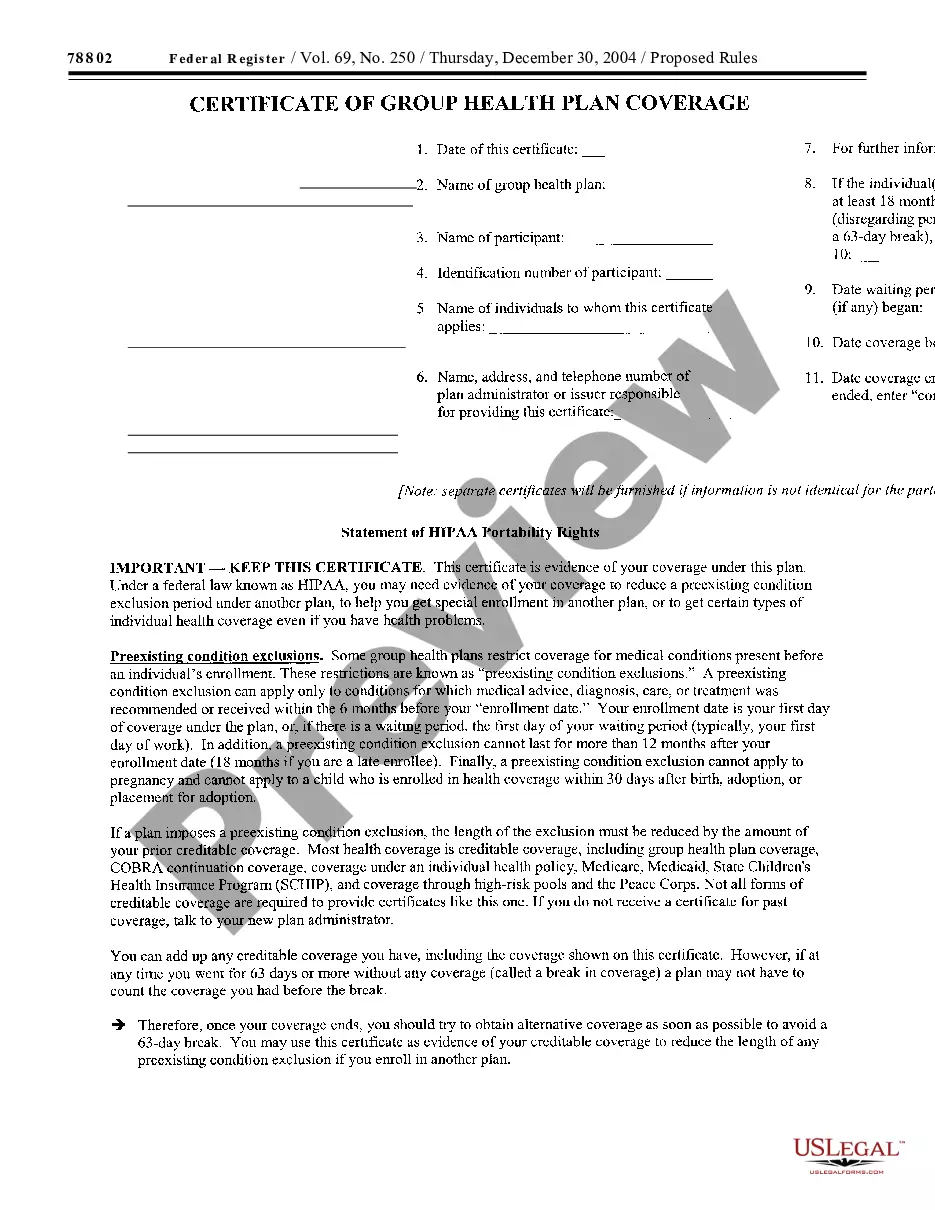
How to fill out HIPAA Notice Of Privacy Practices?
Creating legal documents from the ground up can frequently be overwhelming.
Some situations may demand hours of investigation and a significant amount of money spent.
If you're seeking a simpler and more cost-effective method for producing Hipaa Notice Of Privacy Practices For Dental Offices or any other documentation without excessive hurdles, US Legal Forms is perpetually at your disposal.
Our online repository of over 85,000 current legal forms encompasses nearly every facet of your financial, legal, and personal concerns. With just a few clicks, you can swiftly obtain state- and county-compliant forms meticulously crafted for you by our legal professionals.
Examine the document preview and descriptions to ensure you've located the form you're seeking.
- Utilize our platform whenever you require a dependable and trustworthy service to effortlessly find and download the Hipaa Notice Of Privacy Practices For Dental Offices.
- If you're familiar with our services and have previously established an account with us, simply Log In to your account, select the template, and download it or re-download it at any moment in the My documents section.
- Not registered yet? No problem. It requires minimal time to sign up and browse the catalog.
- But before rushing to download the Hipaa Notice Of Privacy Practices For Dental Offices, adhere to these suggestions.
Form popularity
FAQ
Confidential information encompasses any data that a patient shares with their dental provider that should be kept private. This includes health histories, treatment information, and payment methods. Protecting this information is fundamental to maintaining trust and legal compliance within dental practices, particularly under the guidelines of the HIPAA notice of privacy practices for dental offices.
Confidential information in a dental office includes patients' personal health information, treatment plans, billing details, and any correspondence regarding their care. This sensitive data must be handled with care to adhere to HIPAA regulations. Using tools like Quizlet can help staff understand and remember what constitutes confidential information, ensuring compliance.
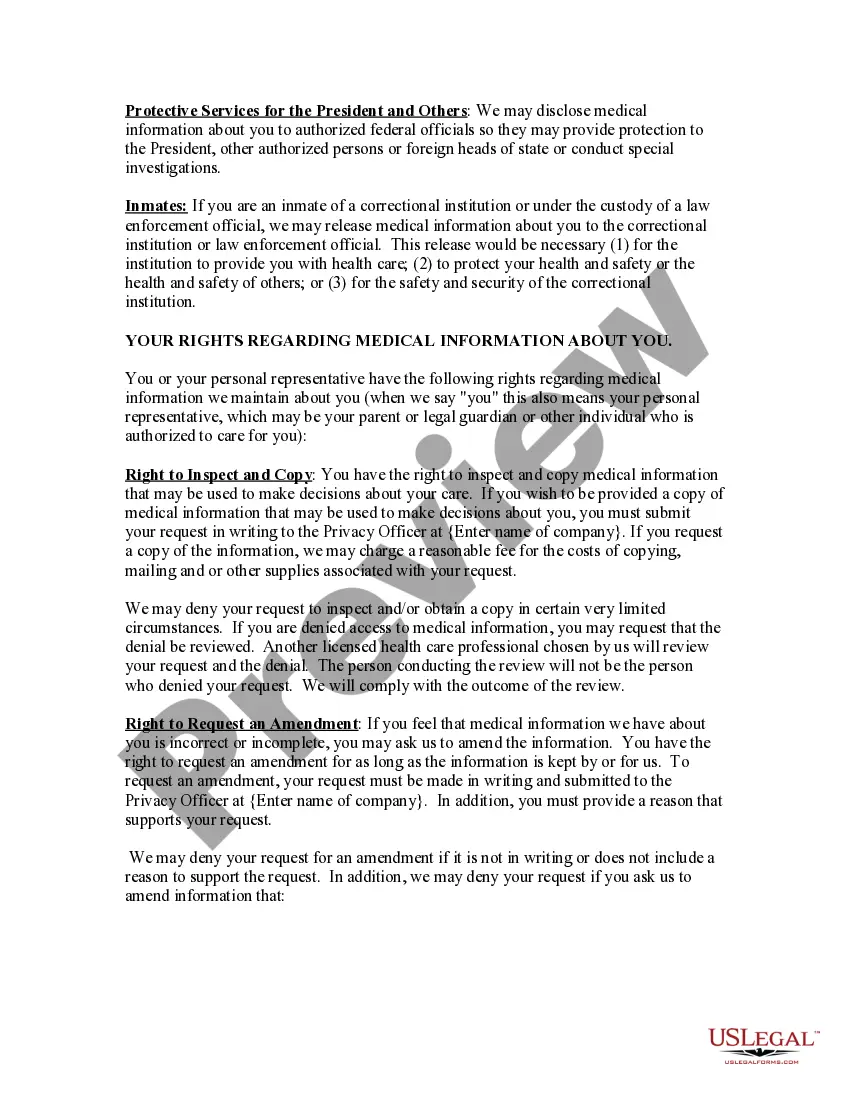
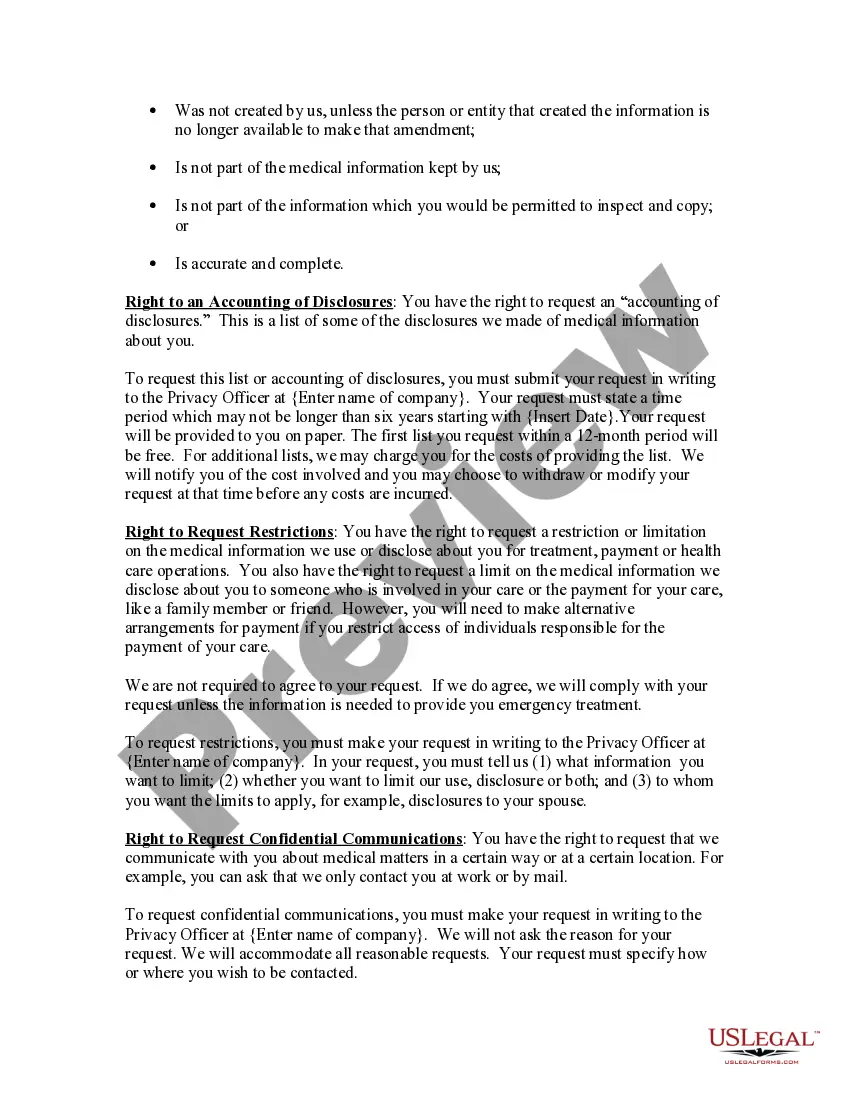
Under HIPAA and the notice of privacy practices for dental offices, patients have several important rights. They can access their health records, request corrections to their information, and receive an accounting of disclosures made by the dental office. Additionally, patients have the right to restrict certain information sharing and complain if they feel their rights have been violated.
Confidentiality in the dental setting refers to the obligation to protect patients' private health information. This involves ensuring that personal data, treatment records, and payment information are kept secure and shared only with authorized personnel. Maintaining confidentiality fosters a safe environment for patients to disclose sensitive information, which is crucial for effective dental care.
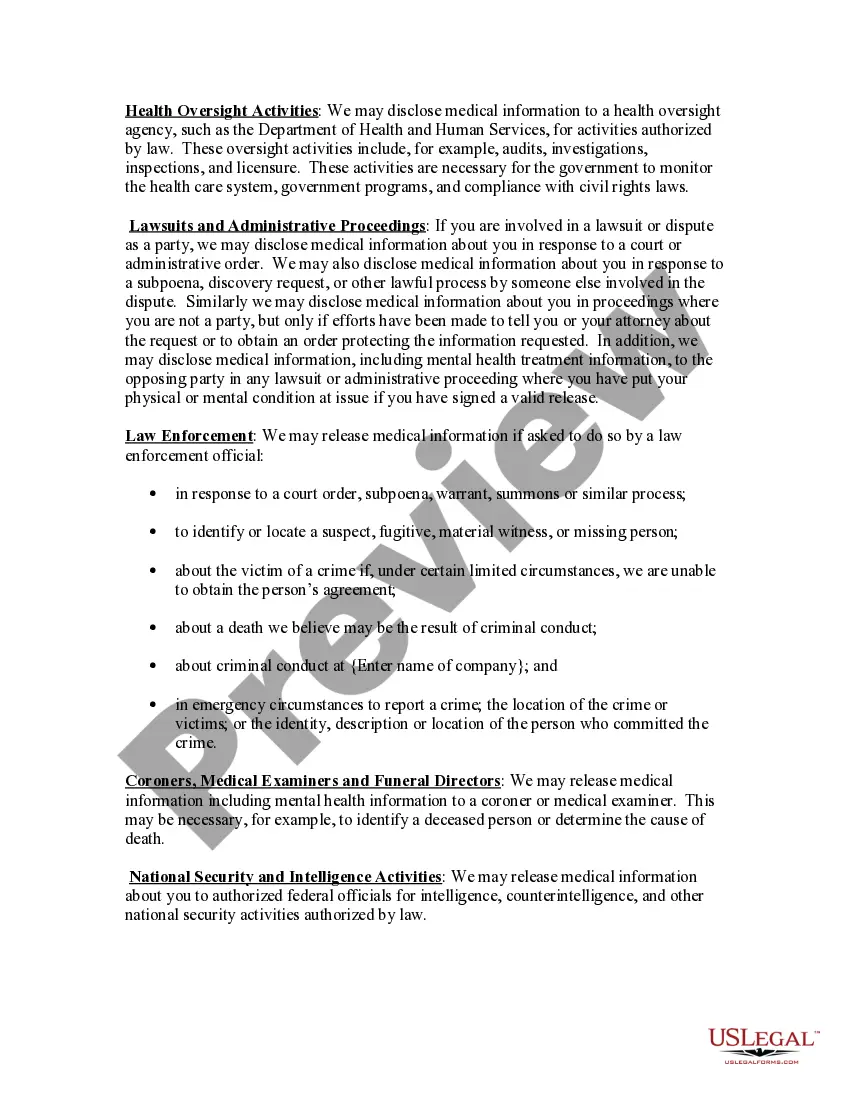
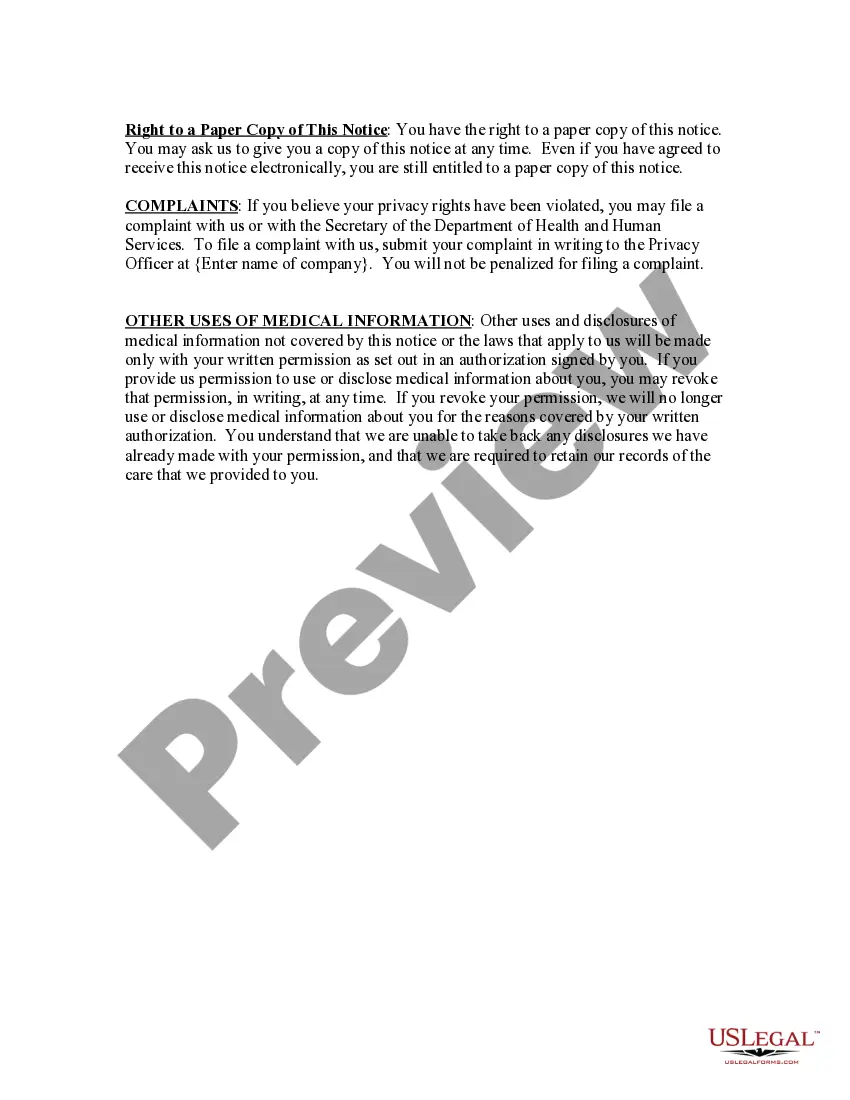
The HIPAA notice of privacy practices for dental offices must include details about how your dental practice uses and shares patient information. It should outline patients' rights regarding their health information, the practice's responsibilities to protect that information, and how patients can file a complaint if they believe their rights have been violated. Providing this information clearly helps establish trust between patients and the dental office.
Providers must distribute a HIPAA notice of privacy practices at the first point of contact with a patient. This ensures patients are informed about how their information will be used and protected. Additionally, dental offices should provide updated copies whenever changes occur, reinforcing their commitment to privacy and compliance with the HIPAA regulations.
Yes, dentists are bound by patient confidentiality laws that are reinforced by HIPAA. This means they cannot share patient information without consent unless legally required. By adhering to the HIPAA notice of privacy practices for dental offices, dentists maintain trust and protect the confidentiality of their patients' sensitive health information.
HIPAA applies to dental practices that engage in electronic billing and transactions related to patient care. If a dental office processes patient information in any electronic form, it must comply with HIPAA regulations. To ensure compliance, dental practices should prominently display their HIPAA notice of privacy practices for dental offices, outlining how they manage patient information.
Yes, dentistry is covered by HIPAA. Dental practices that handle patient health information must follow the regulations set forth by HIPAA. This means that these practices need to create and maintain a HIPAA notice of privacy practices for dental offices to ensure compliance and protect patient data.
HIPAA does not apply in certain settings, including most employers and life insurance companies. Additionally, personal health information may fall outside HIPAA protections when discussed in non-healthcare contexts. Therefore, while dental practices must adhere to the HIPAA notice of privacy practices for dental offices, not all businesses that handle health information are subject to these regulations.