Notice For Moving Out
Description
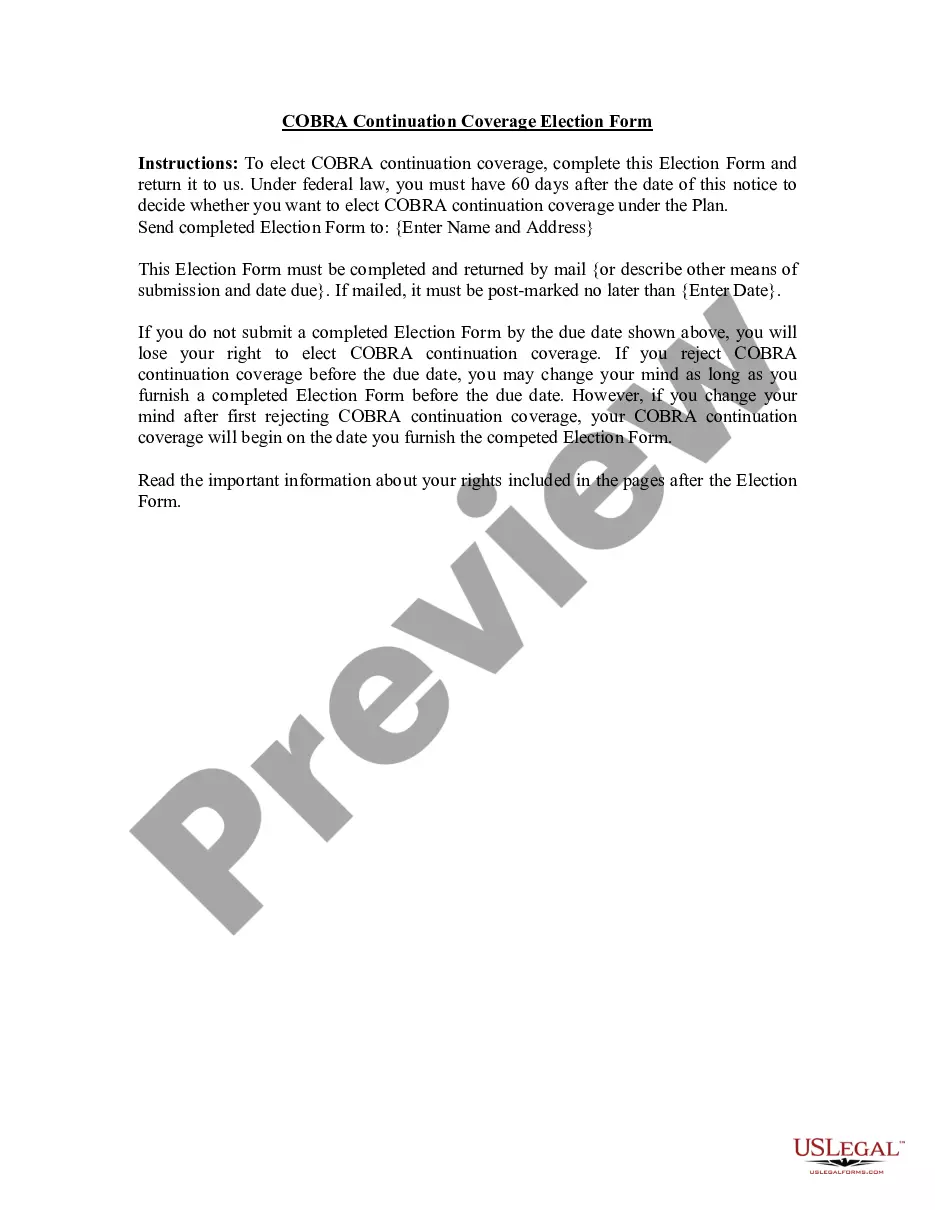
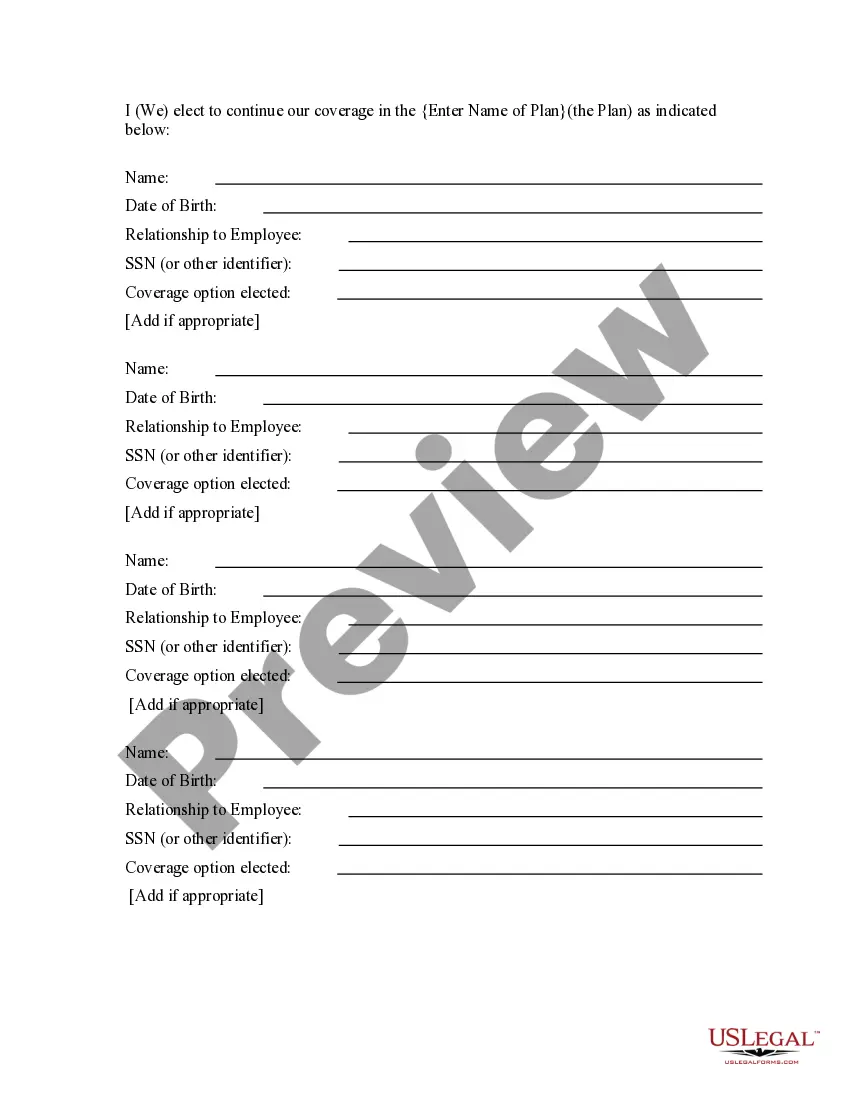
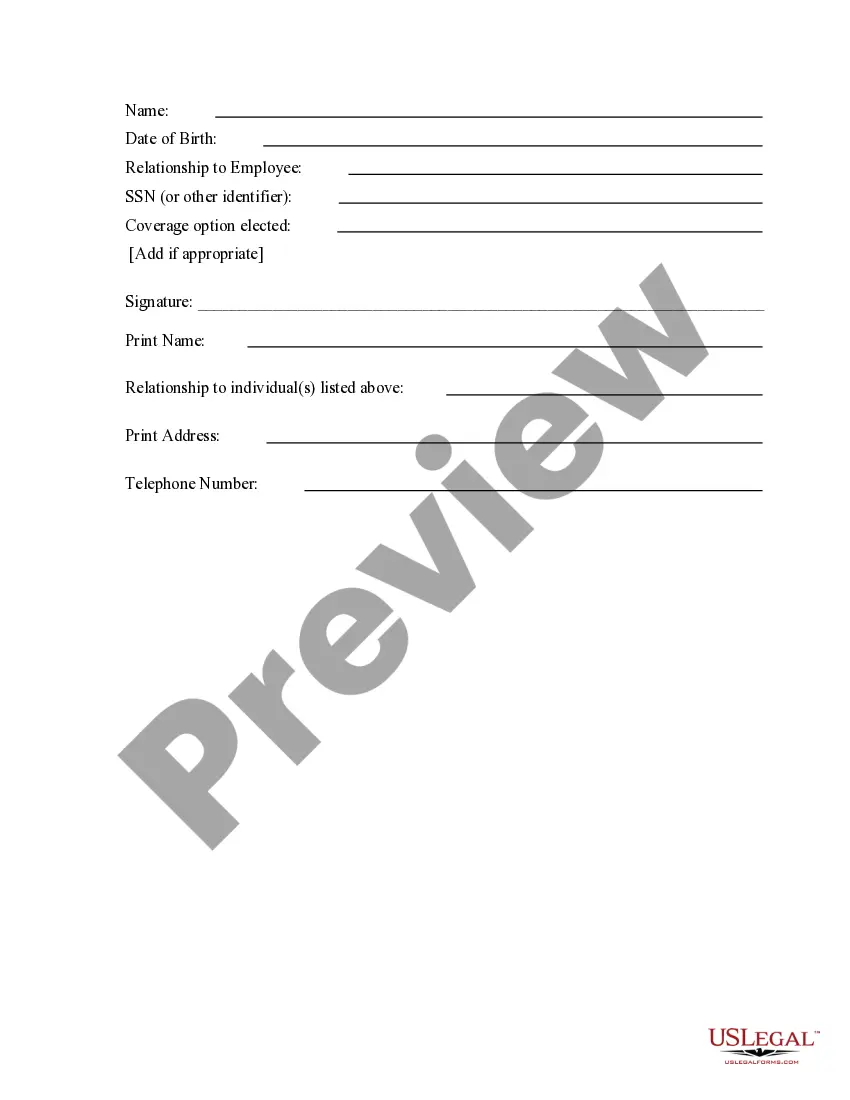
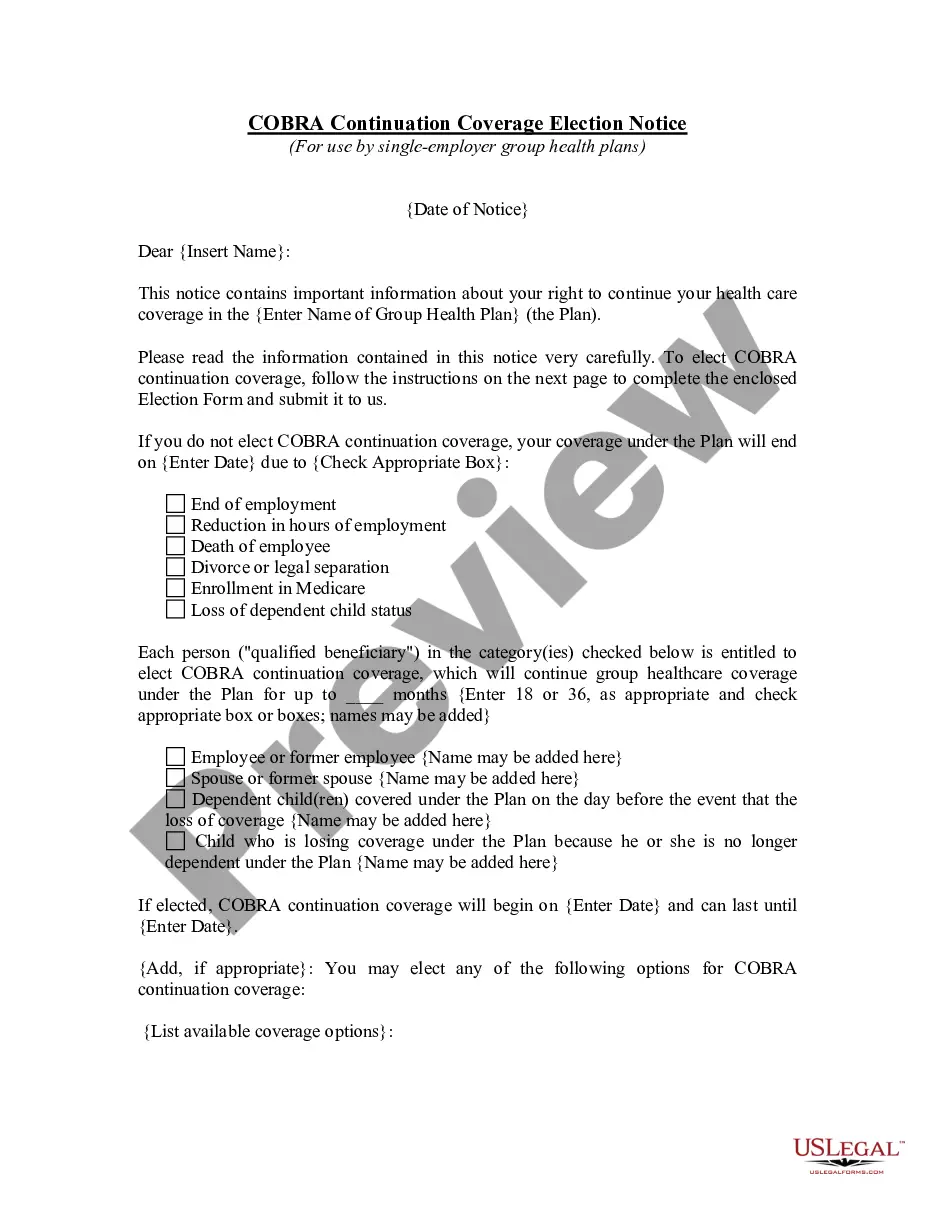
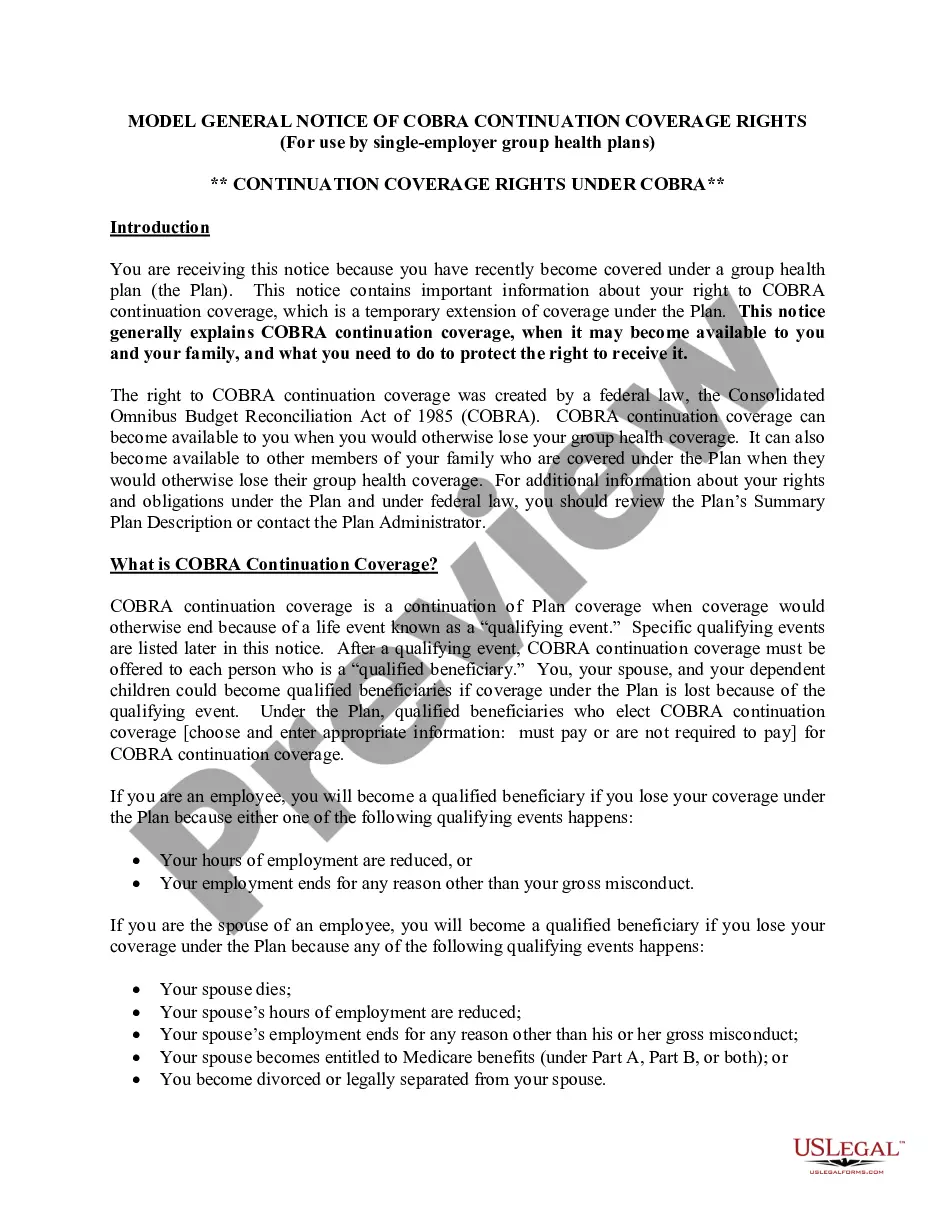
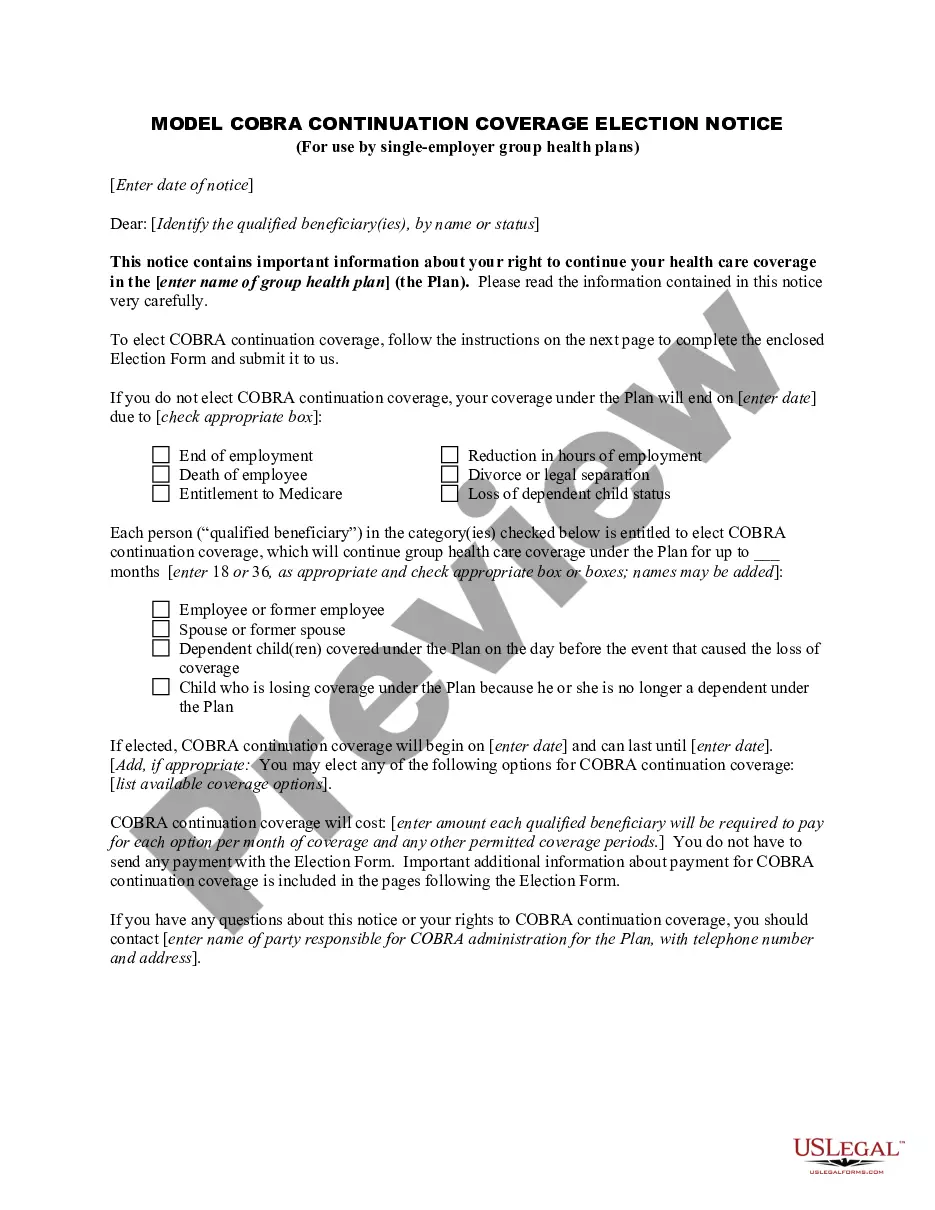




How to fill out COBRA Continuation Coverage Election Form?
Creating legal documents from the ground up can occasionally be somewhat daunting.
Certain situations may require extensive research and significant financial commitment.
If you’re searching for a more uncomplicated and cost-effective method for drafting Notice For Moving Out or any other forms without unnecessary obstacles, US Legal Forms is readily available.
Our online repository of over 85,000 current legal templates encompasses nearly every aspect of your financial, legal, and personal issues.
Examine the document preview and details to ensure you have located the correct document. Verify that the selected form complies with your state and county’s regulations and laws. Choose the appropriate subscription plan to obtain the Notice For Moving Out. Download the form and then complete, sign, and print it out. US Legal Forms has built a strong reputation and boasts over 25 years of experience. Join us today and make form execution a straightforward and efficient process!
- With just a few clicks, you can swiftly access state- and county-specific templates carefully assembled for you by our legal experts.
- Utilize our website whenever you require a dependable service to quickly find and download the Notice For Moving Out.
- If you’re a returning user and have previously registered with us, simply Log In to your account, choose the form, and download it right away or retrieve it anytime later in the My documents section.
- Don’t have an account? No worries. It takes minimal time to sign up and browse the catalog.
- However, before proceeding directly to download the Notice For Moving Out, consider these suggestions.
Form popularity
FAQ
In Texas, a notice for moving out typically requires you to provide a written statement to your landlord stating your intent to vacate. This notice must include your move-out date and should be delivered according to the terms outlined in your lease. Always check for specific notice periods based on your rental agreement to avoid any complications.
Writing a notice letter for moving out requires a straightforward approach. Start by clearly stating your intent to vacate, include your move-out date, and provide your new address for return of the security deposit. For convenience, consider using templates available on platforms like US Legal Forms to ensure you cover all necessary details.
Email can count as a written notice to vacate, but this largely depends on your lease terms. It's crucial to review your agreement to see if it allows electronic communications for such notices. If permitted, ensure that your email includes all pertinent information to avoid disputes.
A notice for moving out may be considered invalid if it does not meet the required notice period, lacks a signature, or fails to provide necessary details like the move-out date. Additionally, if it is delivered in an unauthorized manner, it might not hold legal weight. Always verify your local regulations and your lease agreement to ensure compliance.
To give notice that you are moving, draft a clear notice for moving out, stating your intention to vacate. Include essential details such as the move-out date and your forwarding address. Deliver this notice through an agreed-upon method, whether that's via email or physical delivery as specified in your lease.
Yes, a written notice for moving out can be an email. However, it is essential to ensure that email is considered an acceptable form of written communication in your lease agreement. Always retain a copy of the sent email and any replies to safeguard your interests.
A notice for moving out can indeed be sent via email, provided that your lease agreement allows it. It's important to confirm that your landlord accepts email notifications as a valid form of communication. Remember to keep a copy of the email and any responses for your records.
Failing to give 30 days’ notice before moving may result in financial consequences, such as losing your security deposit. Additionally, your landlord can take legal action for breach of contract based on your lease agreement. Being proactive by providing a timely notice for moving out helps you avoid these issues. Consider consulting resources like uslegalforms for more guidance on this matter.
If you're planning to move out, giving your roommate at least 30 days' notice is a common practice. This provides them with adequate time to adjust and find a replacement if necessary. Review any lease agreements for specific terms about notice periods. A clear discussion can help maintain harmony during your transition.
When asking someone to move out, it's generally advisable to give at least 30 days' notice. This allows the tenant time to find a new place without unnecessary stress. Keep in mind that local regulations or your lease may require a different period. Respectful communication during this process fosters a better relationship.