Consent Form Sample For Survey
Description
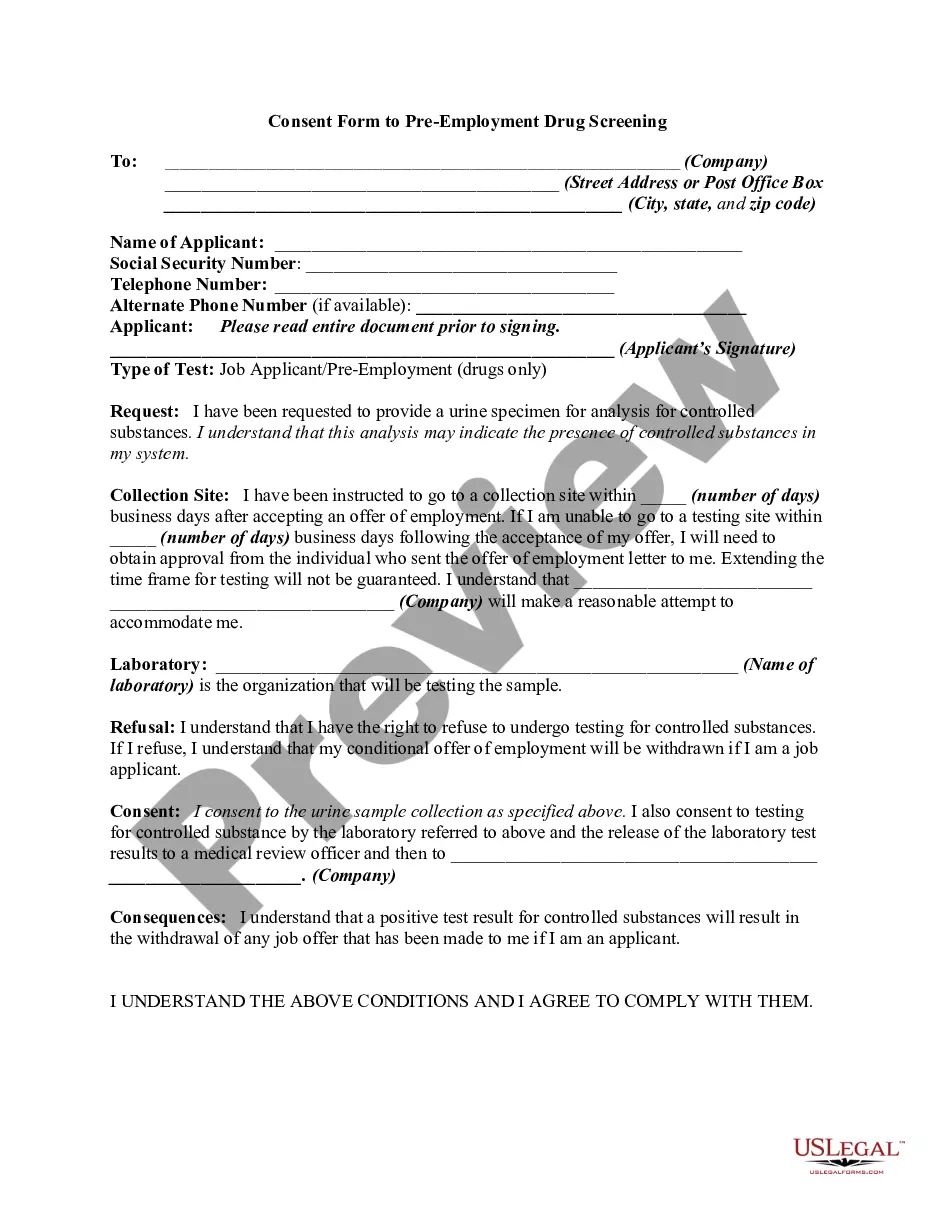
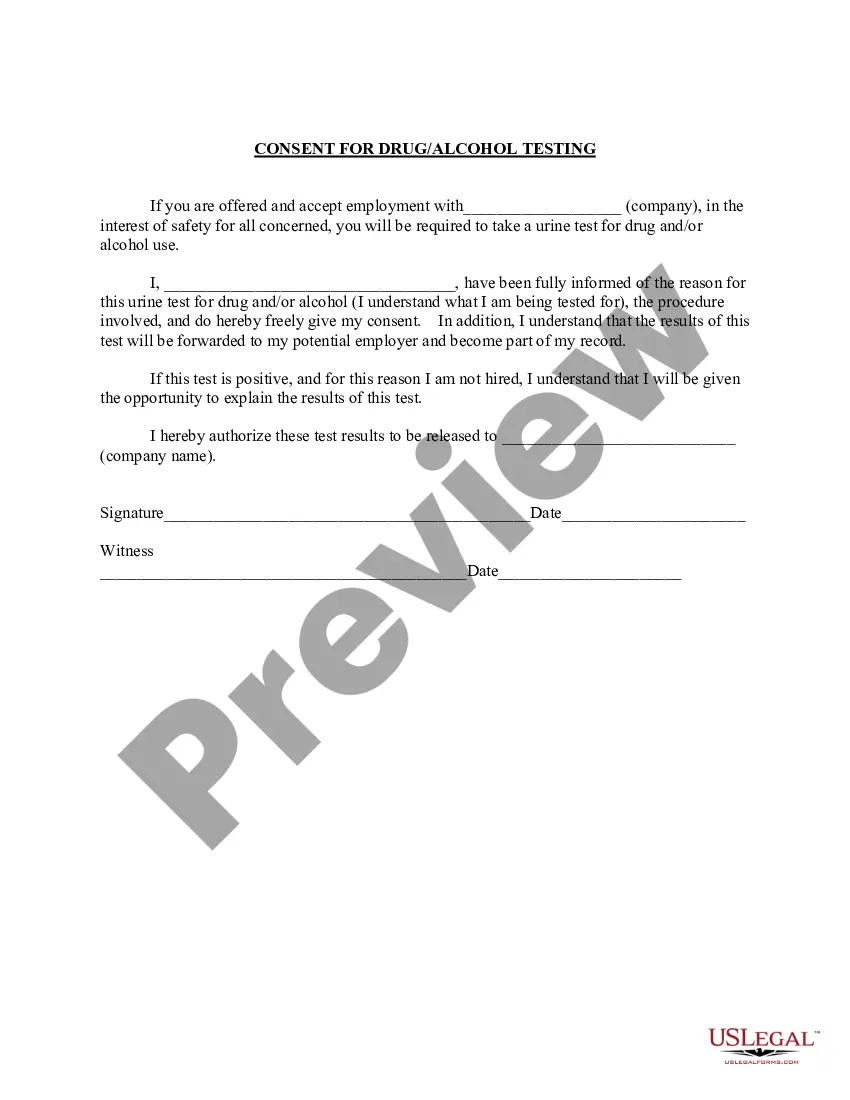
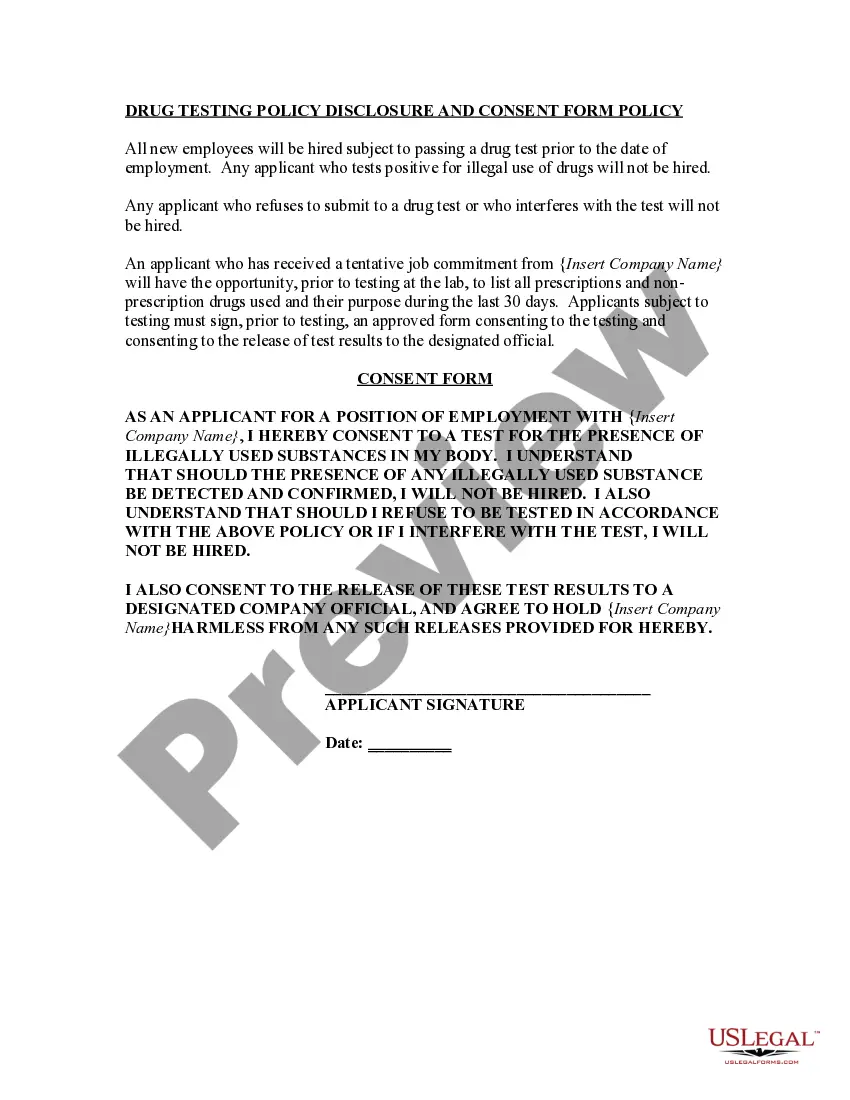
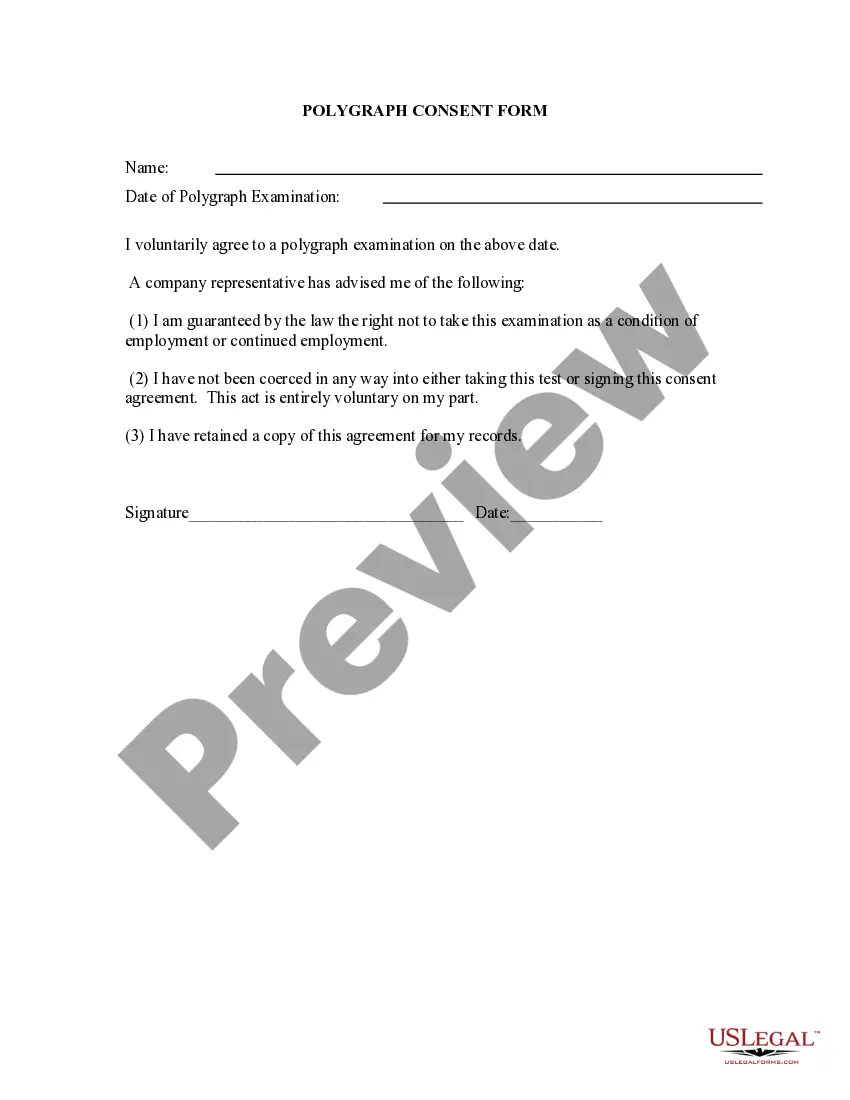
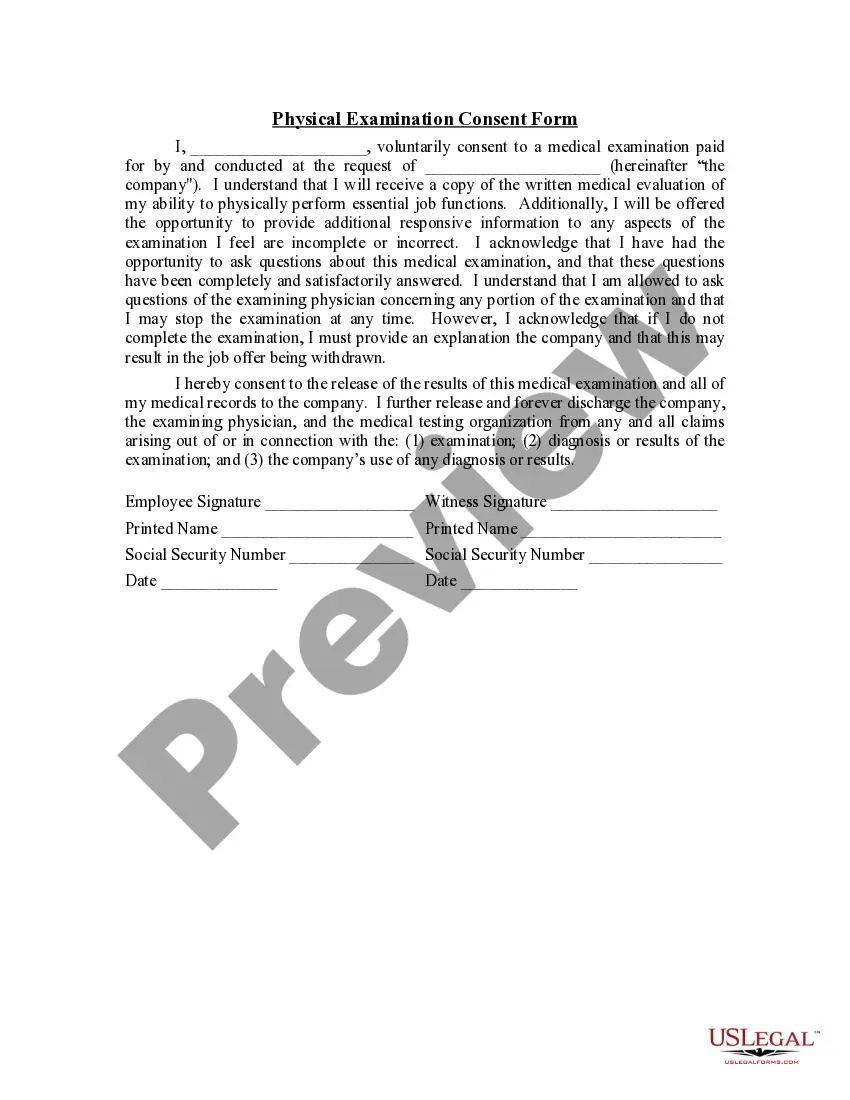
How to fill out Physical Examination Consent Form?
Handling legal paperwork and processes could be a lengthy addition to your day.
Consent Form Example For Survey and similar documents generally necessitate you to look for them and comprehend how to fill them out effectively.
Consequently, if you are managing financial, legal, or personal issues, having a thorough and straightforward online directory of forms readily available will be extremely beneficial.
US Legal Forms is the leading online resource for legal templates, providing over 85,000 state-specific forms along with various resources to help you complete your documents swiftly.
Is this your first time using US Legal Forms? Create and establish a free account in just a few minutes and you will gain access to the form library and Consent Form Example For Survey. Afterward, follow the steps outlined below to fill out your form.
- Explore the collection of pertinent documents available to you with just a single click.
- US Legal Forms provides state- and county-specific forms that are accessible at any time for download.
- Safeguard your document management processes using a premium service that enables you to create any form within minutes at no extra or concealed fees.
- Simply Log In to your account, locate Consent Form Example For Survey, and download it immediately from the My documents section.
- You can also access previously saved forms.
Form popularity
FAQ
I consent voluntarily to be a participant in this study and understand that I can refuse to answer questions and I can withdraw from the study at any time, without having to give a reason. I understand that taking part in the study involves [???????????????????].
Use Clear and Understandable Language: Write the consent form in clear, concise, and plain language. Avoid using technical jargon or complex terminology that may confuse the reader. Use simple sentences and break down complex information into easily digestible sections.
Write directly to the reader, as though you are explaining the facts in person. Informed consent language should be written in the second person (?you?), not in the first person (?I?). Minimize passive voice to the extent possible.
For example, if you use a pop-up to request consent to a newsletter, you can ask them to enter their email address using a clear phrase and an explicitly labeled button to obtain valid consent. Check out an example of the right and wrong ways to write this type of consent request below.
The consent form must state that participation is voluntary and that refusal to participate will not result in any penalty or any loss of benefits that the person is otherwise entitled to receive.