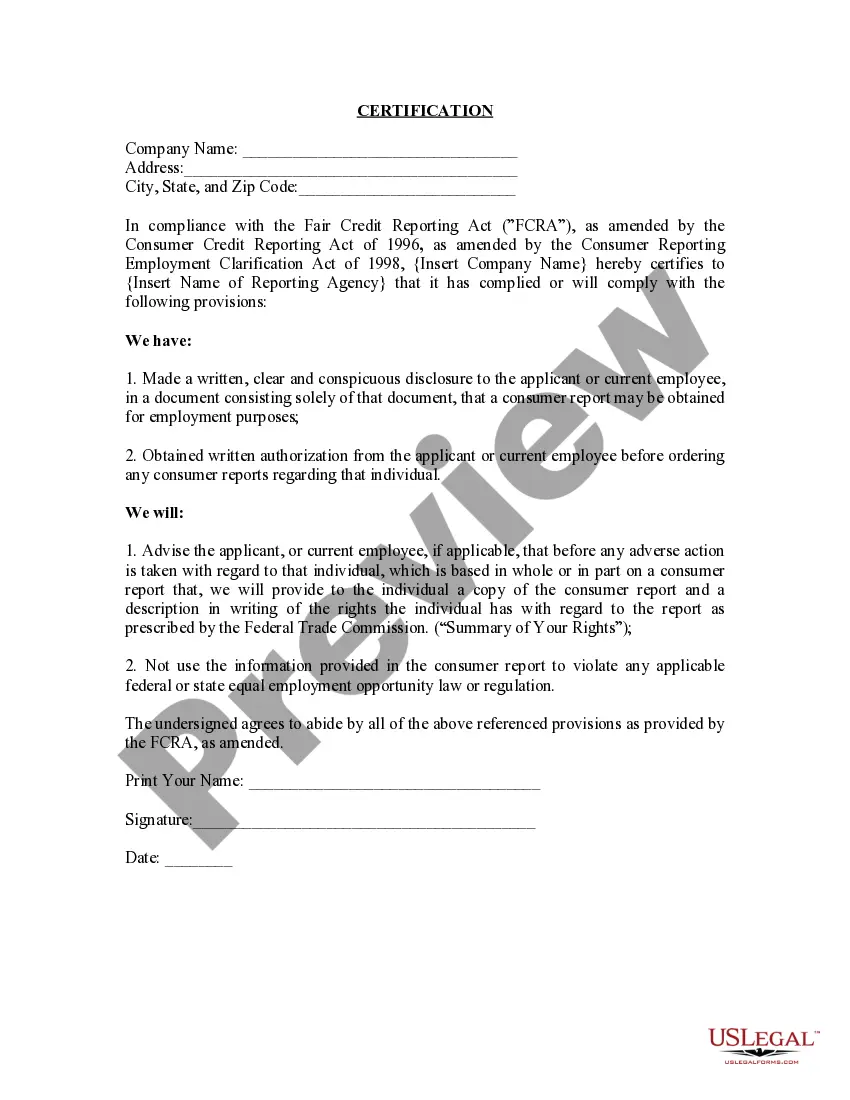
Fcra Deals With
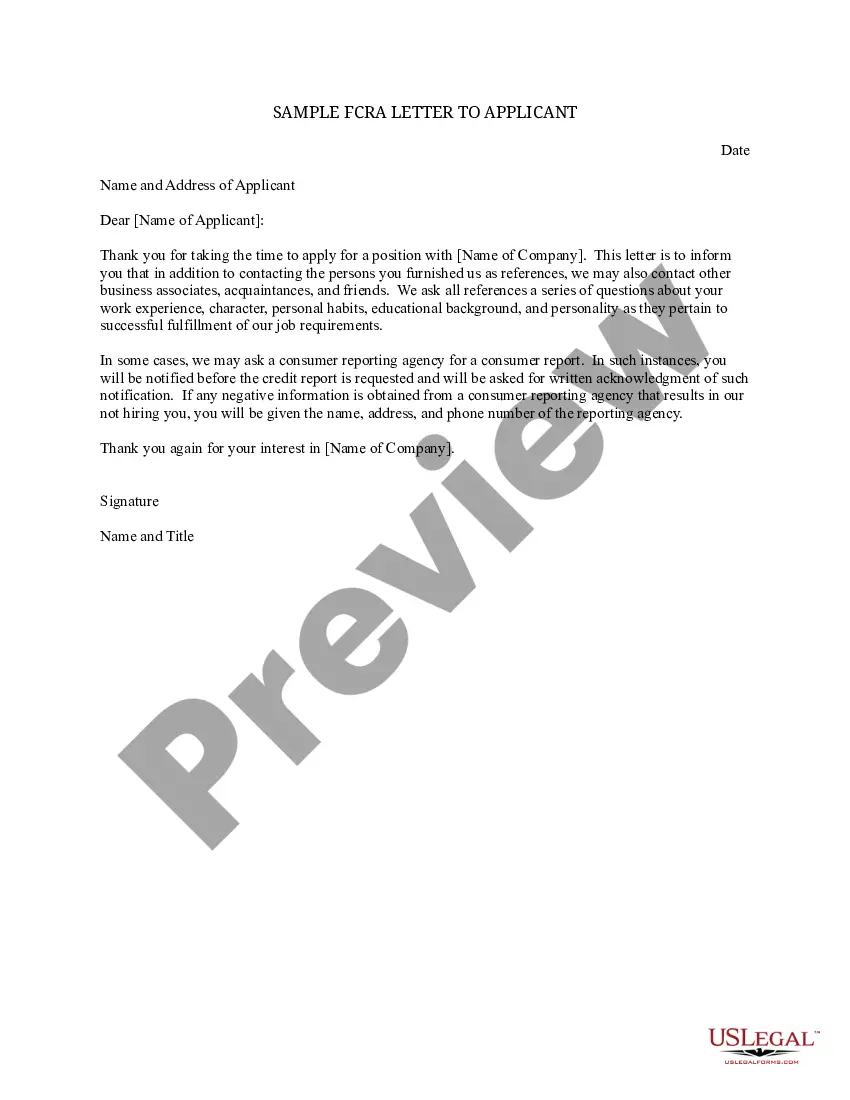
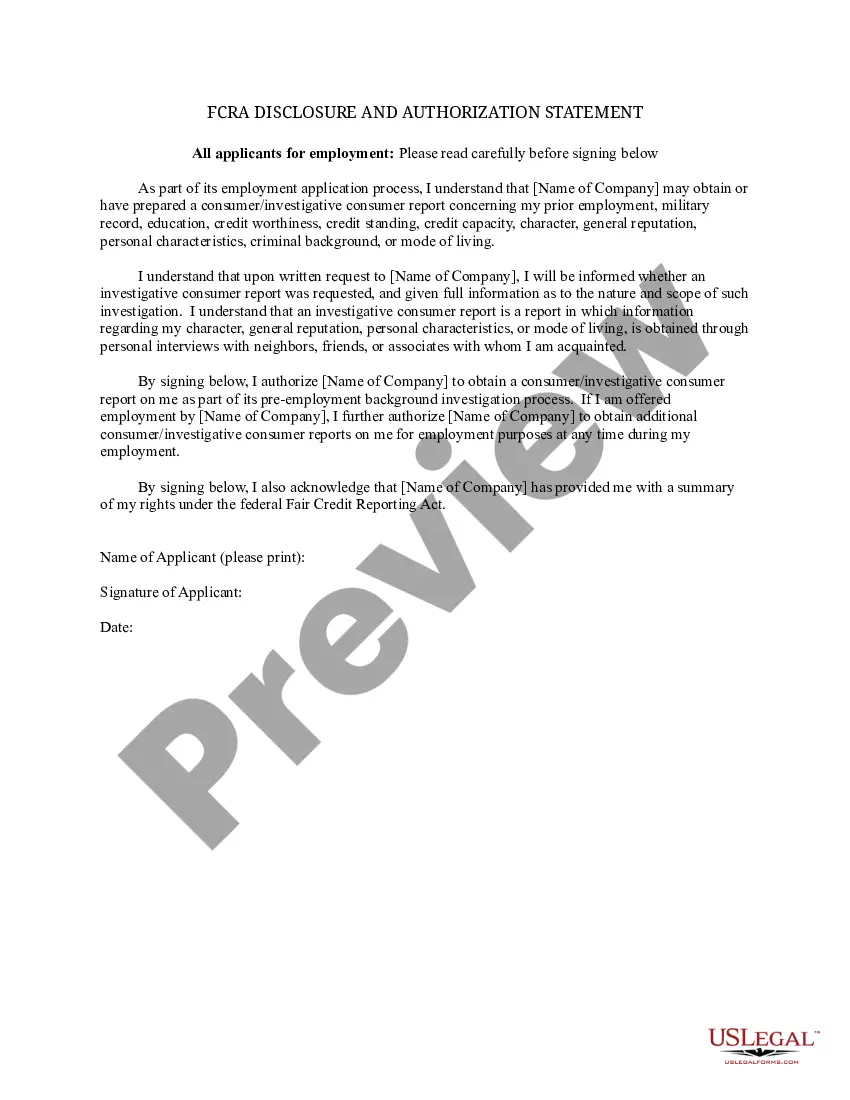
Description
Get your form ready online
Our built-in tools help you complete, sign, share, and store your documents in one place.
Make edits, fill in missing information, and update formatting in US Legal Forms—just like you would in MS Word.
Download a copy, print it, send it by email, or mail it via USPS—whatever works best for your next step.
Sign and collect signatures with our SignNow integration. Send to multiple recipients, set reminders, and more. Go Premium to unlock E-Sign.
If this form requires notarization, complete it online through a secure video call—no need to meet a notary in person or wait for an appointment.
We protect your documents and personal data by following strict security and privacy standards.

Make edits, fill in missing information, and update formatting in US Legal Forms—just like you would in MS Word.

Download a copy, print it, send it by email, or mail it via USPS—whatever works best for your next step.

Sign and collect signatures with our SignNow integration. Send to multiple recipients, set reminders, and more. Go Premium to unlock E-Sign.

If this form requires notarization, complete it online through a secure video call—no need to meet a notary in person or wait for an appointment.

We protect your documents and personal data by following strict security and privacy standards.
Looking for another form?




How to fill out FCRA Certification Letter To Consumer Reporting Agency?
- If you're a returning user, log into your account to access your forms. Ensure your subscription is active to avoid interruptions.
- If you're new to US Legal Forms, start by checking the Preview mode and form description of documents. This ensures you select the correct form that aligns with your local jurisdiction's requirements.
- Should you need another template, use the Search tab to find the right form if you notice any inconsistencies.
- Purchase your document by clicking the Buy Now button, and select your preferred subscription plan. You need to create an account to unlock the full library access.
- Complete your purchase by entering your credit card details or using PayPal to finalize your subscription.
- Finally, download your form and save it to your device. You can access it anytime from the My Forms section of your profile.
By using US Legal Forms, you can access an extensive library of over 85,000 legal documents, making it easier to find what you need quickly and efficiently.
In conclusion, US Legal Forms helps streamline the process of obtaining legal documentation, empowering you with the necessary tools to handle your legal needs. Start today and experience the ease of access to a robust collection of forms!
Form popularity
FAQ
The Fair Credit Reporting Act (FCRA) is a federal law that helps protect your privacy by regulating how personal information is collected and used by credit reporting agencies. In simple terms, it ensures that your credit information is accurate and that you have the right to view and dispute incorrect entries. Knowing what the FCRA deals with empowers consumers to take control of their financial information and make informed decisions.
An example of a consumer report according to the FCRA is a background check performed when an individual applies for a job. This report may include credit information, criminal history, and other personal data relevant to the employment decision. Grasping what constitutes a consumer report is vital, as the FCRA deals with the regulations that govern how this information is collected and used.
While a credit report is a type of consumer report focused on financial information, a consumer report encompasses a broader range of data. It might include credit history, employment records, and even public records like criminal data. Understanding this distinction is crucial, as the FCRA deals with various aspects of the information contained in these reports, ensuring they are used responsibly.
FCRA deals with the 7 year rule by stating that most negative information, such as late payments and collections, can only be reported for seven years. This time limit helps to ensure that past mistakes do not haunt consumers indefinitely. Understanding this rule can help you regain control over your credit history and improve your credit score after negative events have passed.
FCRA deals with several key aspects of consumer credit rights, including the accuracy of credit reports, the process for disputing inaccuracies, and the way lenders can utilize credit information. It also covers the responsibilities of credit bureaus, ensuring they comply with data accuracy rules. Understanding these provisions can help you assert your rights in various financial situations.
FCRA deals with protecting consumers against errors and misinformation in credit reporting that can lead to wrongful denials of credit. It also safeguards against unauthorized access to your credit information. The act requires that consumers be informed if negative information is used against them in credit decisions, promoting transparency in the lending process.
FCRA deals with prohibiting the inclusion of certain information in credit reports, such as outdated negative information. Specifically, it restricts reporting on bankruptcies older than ten years and collection accounts older than seven years. Additionally, credit bureaus must not provide reports without a permissible purpose, which safeguards your privacy.
FCRA deals with protecting consumers from inaccurate or misleading information in their credit reports. It ensures that credit bureaus maintain accurate records and that consumers have the ability to dispute any erroneous entries. This protection allows you to maintain your financial integrity and obtain fair lending terms.
The FCRA prohibits entities from using your credit information for unauthorized purposes, such as making credit decisions without your consent. It also restricts the dissemination of your personal information without proper justification. By understanding what the FCRA deals with, you empower yourself to protect your information and hold violators accountable.
An example of an FCRA violation occurs when a company obtains your credit report without a valid reason or your authorization. This situation compromises your privacy and rights under the FCRA. If you believe that a company has mistakenly or fraudulently accessed your report, it may indicate a violation of your rights that you can address.