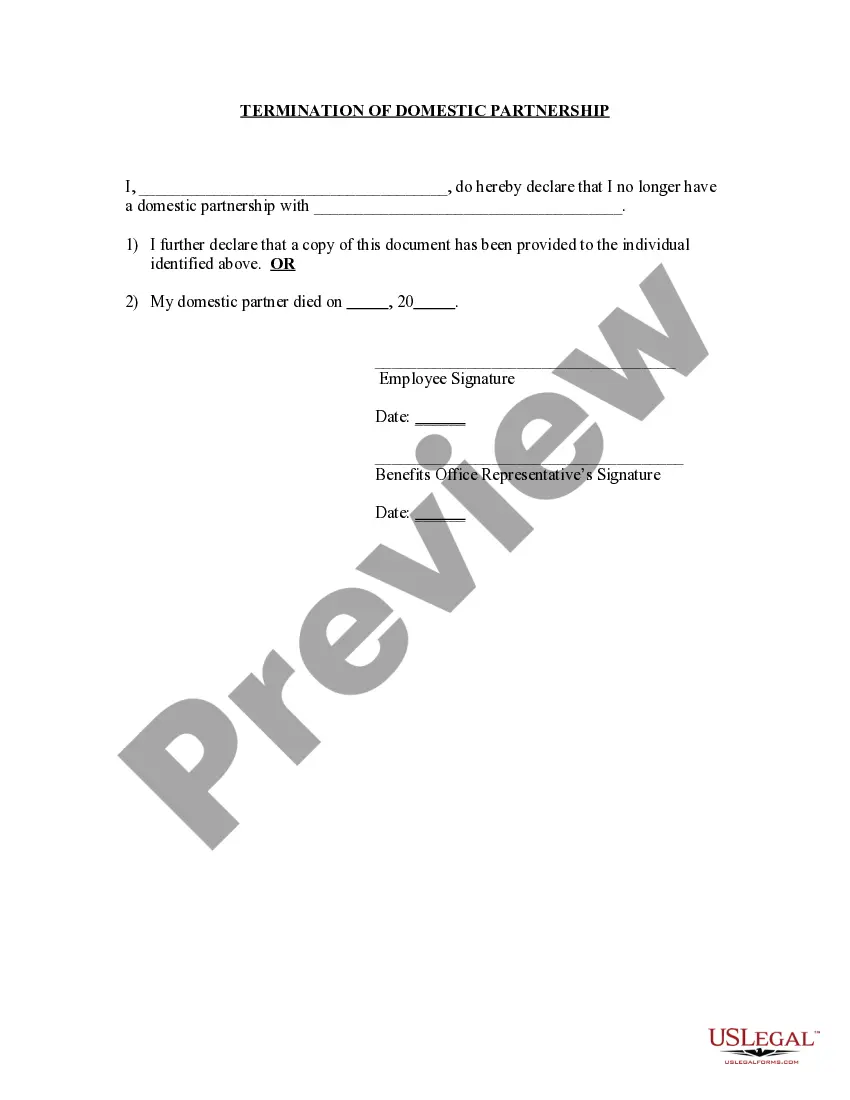
Termination Domestic Partnership For A Child
Description
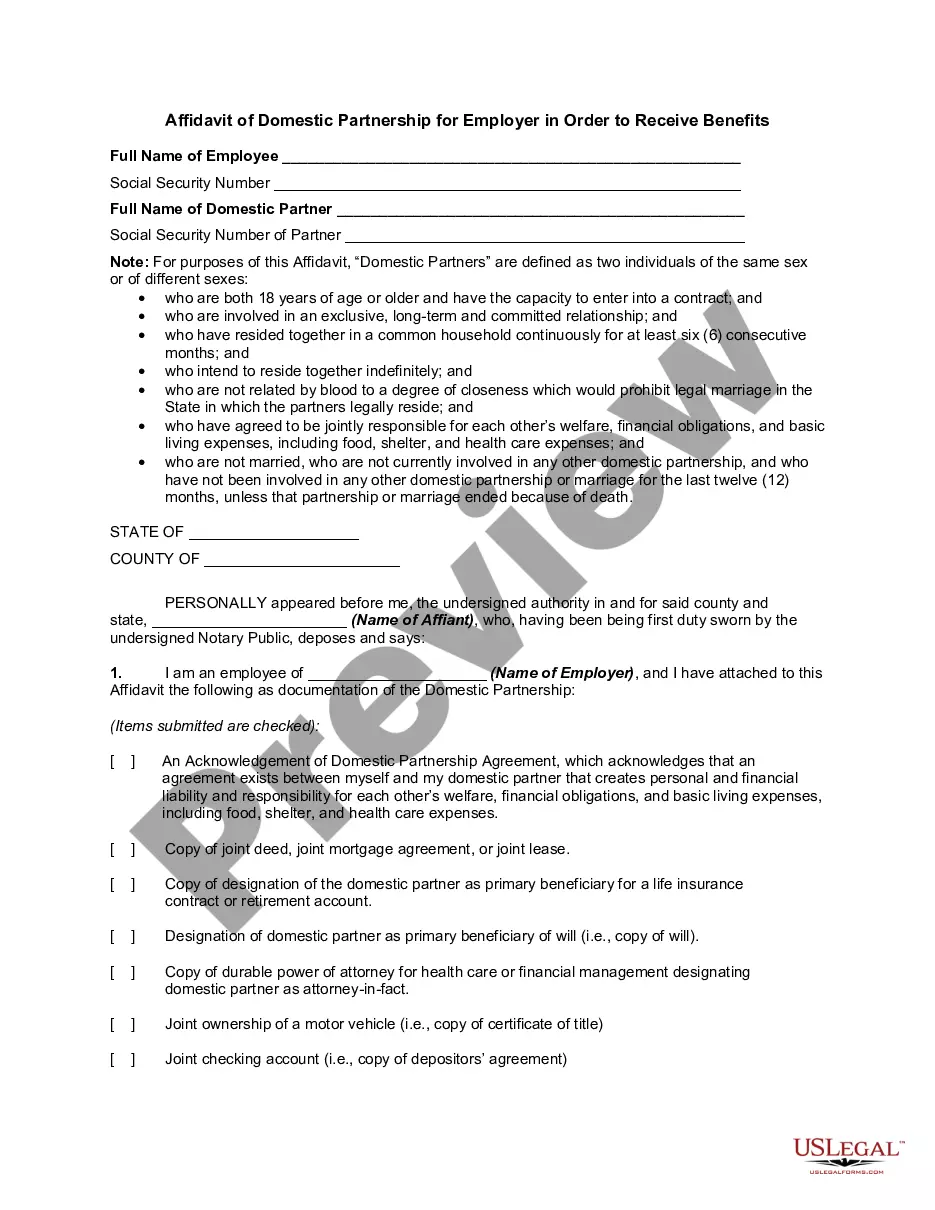
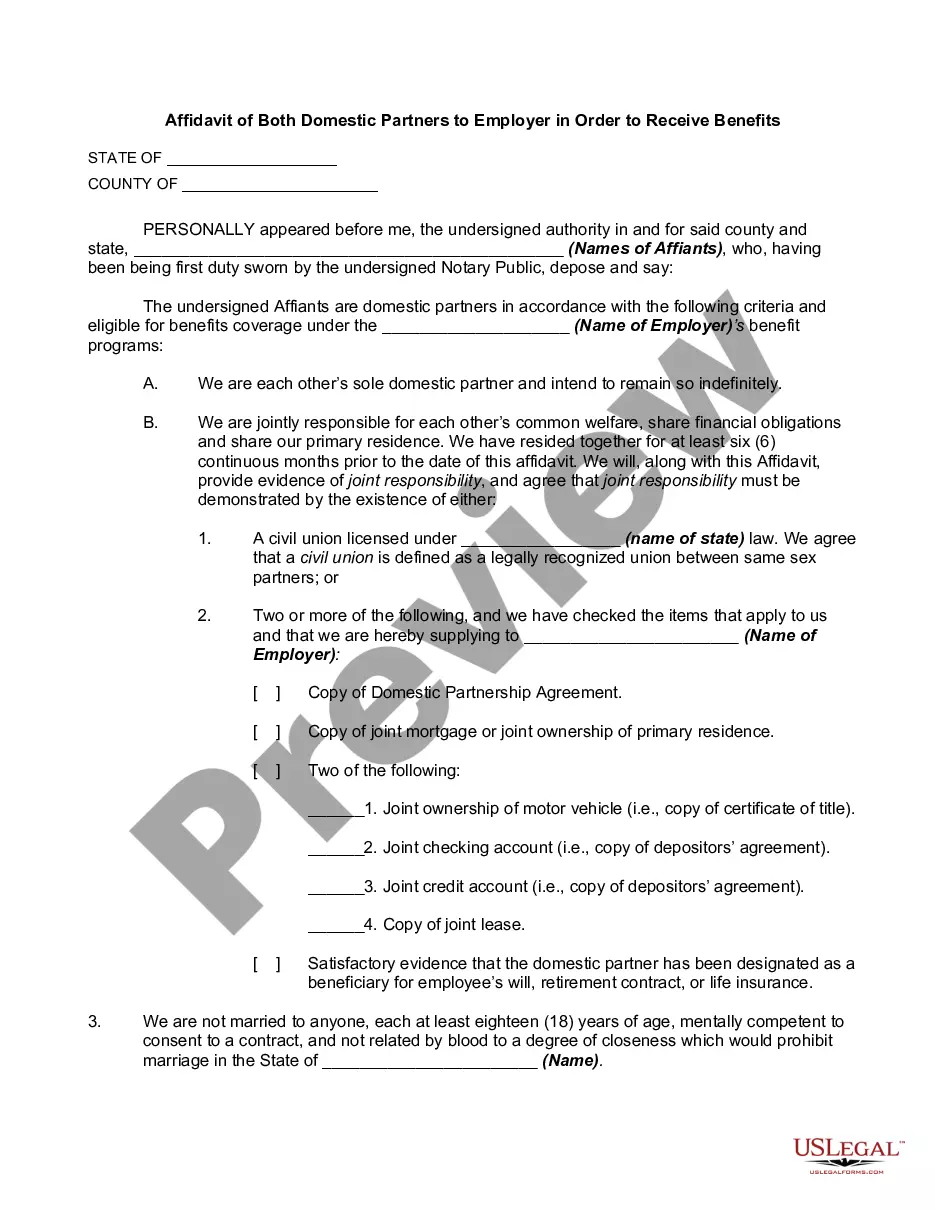
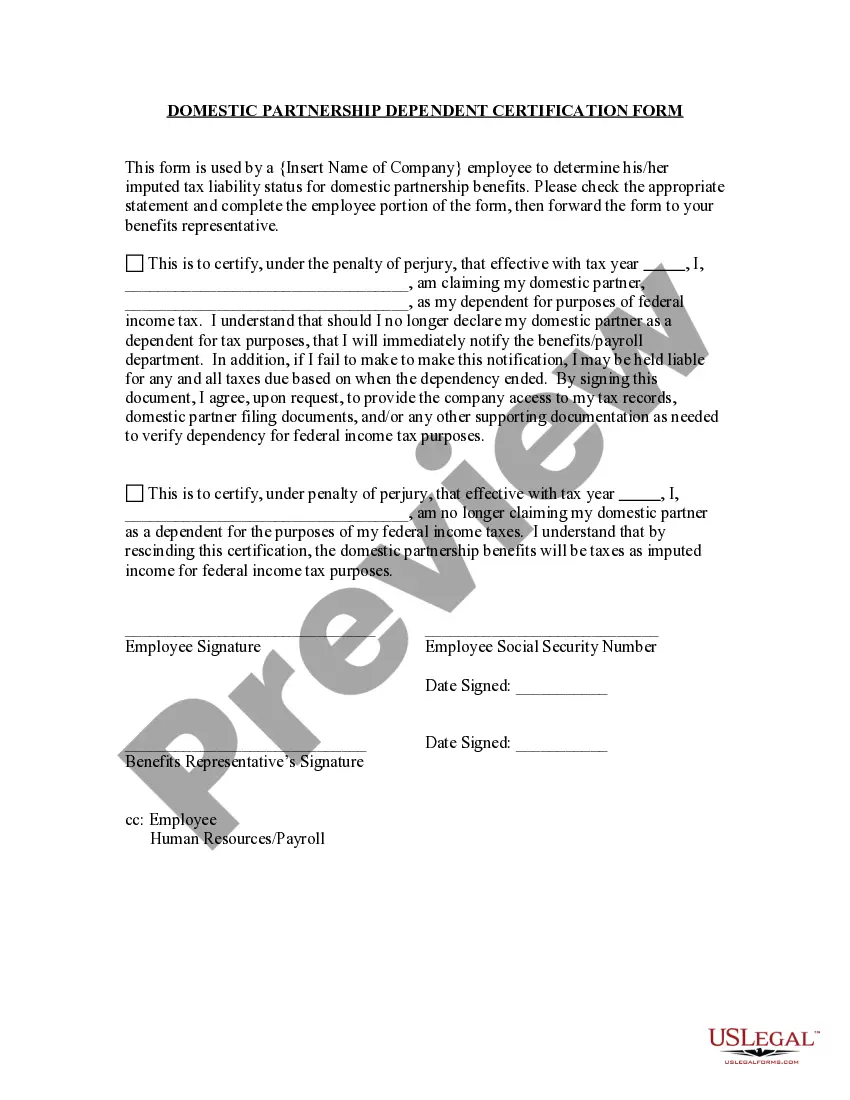
Get your form ready online
Our built-in tools help you complete, sign, share, and store your documents in one place.
Make edits, fill in missing information, and update formatting in US Legal Forms—just like you would in MS Word.
Download a copy, print it, send it by email, or mail it via USPS—whatever works best for your next step.
Sign and collect signatures with our SignNow integration. Send to multiple recipients, set reminders, and more. Go Premium to unlock E-Sign.
If this form requires notarization, complete it online through a secure video call—no need to meet a notary in person or wait for an appointment.
We protect your documents and personal data by following strict security and privacy standards.

Make edits, fill in missing information, and update formatting in US Legal Forms—just like you would in MS Word.

Download a copy, print it, send it by email, or mail it via USPS—whatever works best for your next step.

Sign and collect signatures with our SignNow integration. Send to multiple recipients, set reminders, and more. Go Premium to unlock E-Sign.

If this form requires notarization, complete it online through a secure video call—no need to meet a notary in person or wait for an appointment.

We protect your documents and personal data by following strict security and privacy standards.
Looking for another form?








How to fill out Termination Of Domestic Partnership?
- If you're a returning user, log in to your US Legal Forms account and access the necessary form template by clicking the Download button. Confirm that your subscription is active; if expired, renew it to maintain your access.
- If this is your first visit, start by reviewing the Preview mode and description of the available forms to ensure you select one that aligns with your needs.
- If you need a different document, utilize the search bar to explore additional templates that are more suited to your circumstances.
- Once you've found the correct form, proceed to purchase. Click the Buy Now button and select your desired subscription plan. An account registration will be necessary for resource access.
- Complete your payment by entering your credit card details or using your PayPal account to finalize your subscription.
- Download the completed form to your device and find it again in the My Forms section of your account whenever needed.
By leveraging US Legal Forms, you gain access to a wealth of resources that empower you to manage your legal documents effectively. Their extensive library ensures you have the tools you need to create documents accurately and confidently.
Take control of your legal journey today—visit US Legal Forms to explore their comprehensive collection of templates designed specifically for your needs.
Form popularity
FAQ
If you own the house, you have the right to decide whether to allow your boyfriend to stay. However, initiating eviction requires following local laws, including proper notice. During the termination of a domestic partnership for a child, it can be beneficial to explore legal options and support to ensure a fair resolution for everyone involved.
Evicting a domestic partner requires understanding the legal process and state-specific laws. Landlords typically need to provide written notice and give time for the tenant to respond before filing for eviction. If you are considering the termination of a domestic partnership for a child, professional legal assistance can help ensure that the process respects the rights of all parties involved.
In Washington state, eviction rules vary based on the reason for eviction and the type of tenancy. Generally, landlords must provide written notice before initiating eviction proceedings. If the eviction is related to termination of a domestic partnership for a child, it is vital to seek appropriate legal advice to navigate the complexities involved.
A child in a domestic partnership refers to any biological or adopted child living with the partners. This status grants the child certain rights to support, healthcare, and inheritance within the partnership. Therefore, when discussing the termination of a domestic partnership for a child, it is crucial to address the implications for custody and financial responsibilities.
In New Jersey, domestic partnership laws allow couples to register their relationship and gain certain rights. To qualify, both partners must be at least 18 years old, share a common residence, and not be related by blood. It's essential to understand that the termination of a domestic partnership for a child may involve considerations regarding custody and support, emphasizing the need for legal guidance.
Legally terminating a domestic partnership offers clarity and legal protection for both partners and children involved during the termination of a domestic partnership for a child. It allows for the fair division of assets and responsibilities, ensuring that legal obligations are met. Additionally, successful termination can reduce conflicts and provide a sense of closure, promoting healthier co-parenting in the future. Utilizing services like USLegalForms can make this process smoother and more organized.
To dissolve a domestic partnership in Texas, both partners must file for dissolution through the court, especially when children are involved and custody matters are at stake during the termination of a domestic partnership for a child. This process requires attention to detail regarding property, debts, and parenting arrangements. It is advisable to gather necessary documentation and seek legal guidance to navigate the specifics of your case. Resources like USLegalForms can help streamline your dissolution process efficiently.
A dissolution of domestic partnership is the legal termination of a domestic partnership, which may involve complex child custody issues during the termination of a domestic partnership for a child. This means both parties must address their financial and parental responsibilities to move forward effectively. Each state's laws may vary, so understanding your specific situation is important. Seeking legal assistance can help simplify the process and ensure fair outcomes for all involved.
Dissolution of partnership refers to the formal process of ending a legal partnership, which can significantly impact child custody and support arrangements during the termination of a domestic partnership for a child. This process often requires the division of shared assets and responsibilities. Understanding the implications of this dissolution is crucial, especially for families with children. Legal advice can guide you through protecting your interests and ensuring a smooth transition.
Evicting a domestic partner can be complex, especially when it involves child custody during the termination of a domestic partnership for a child. Generally, one partner must be legally recognized as the primary resident before proceeding with eviction. It is important to understand state laws and potential legal protections for both parties and children involved. Consulting a legal expert can provide clarity on your rights and responsibilities in this situation.