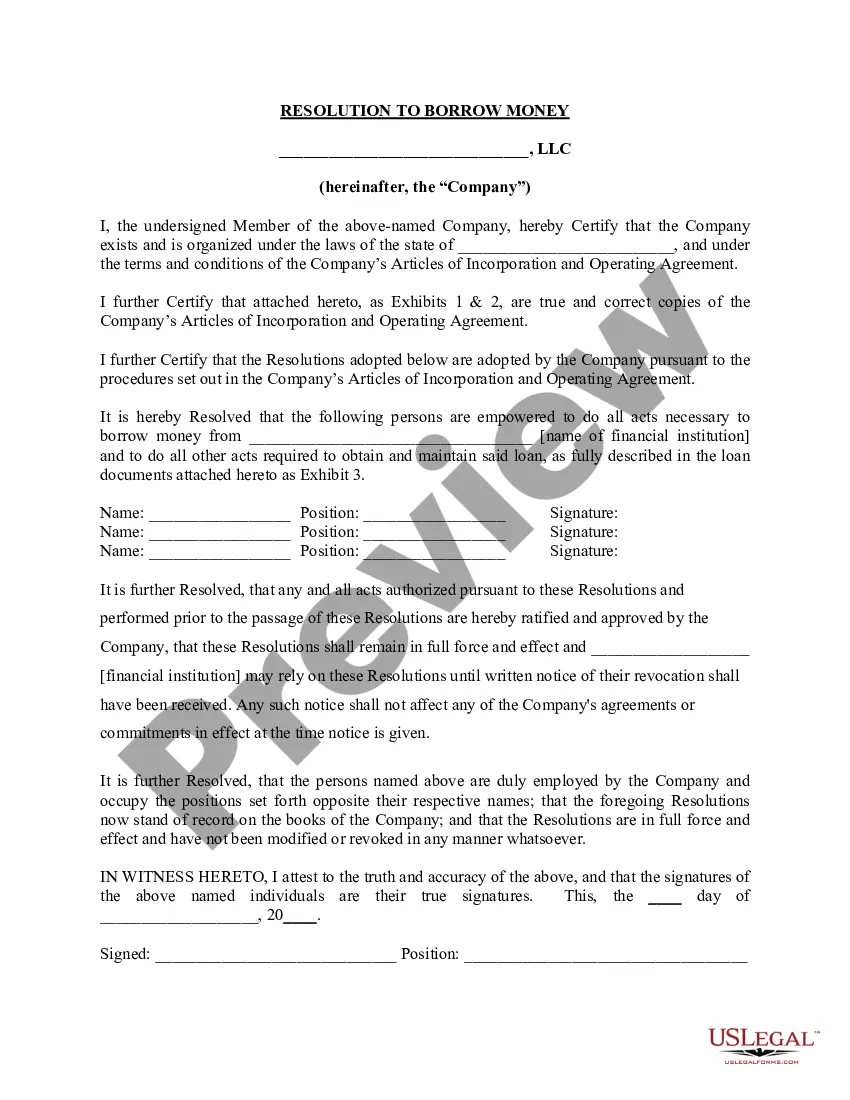
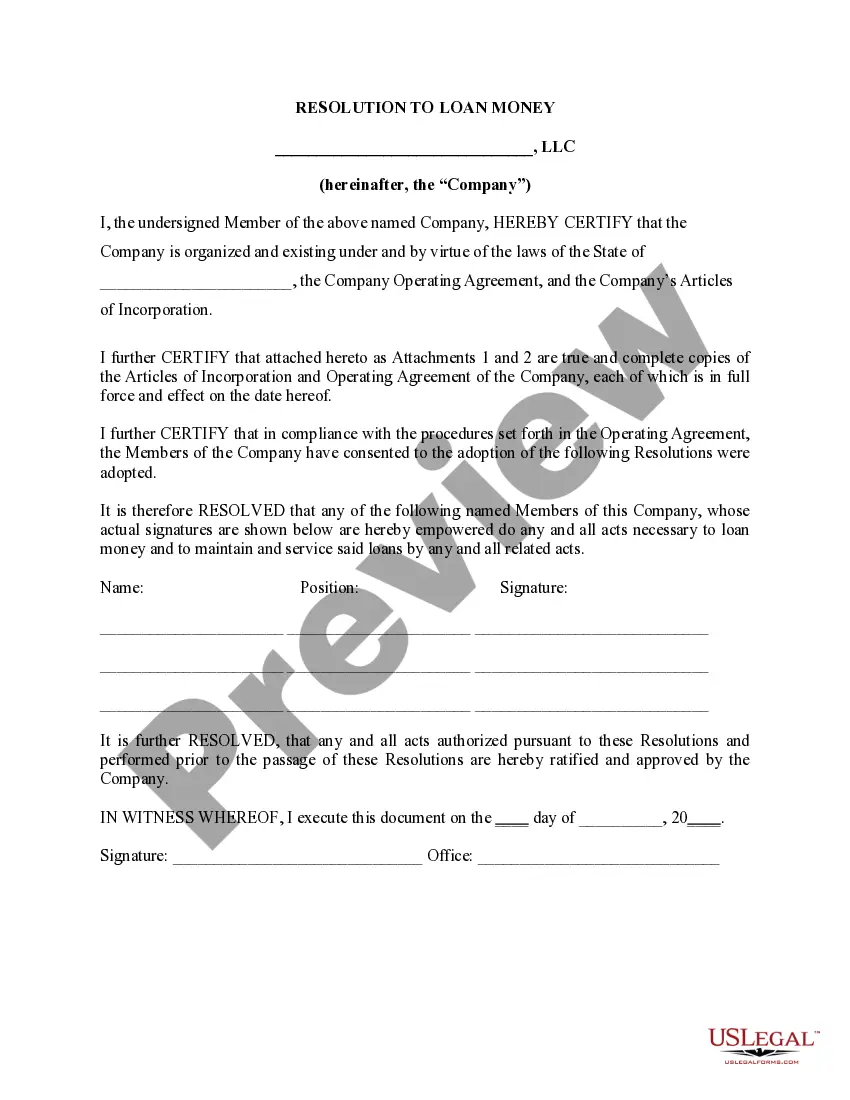
Shareholder Resolution Vs Director Resolution
Description
Get your form ready online
Our built-in tools help you complete, sign, share, and store your documents in one place.
Make edits, fill in missing information, and update formatting in US Legal Forms—just like you would in MS Word.
Download a copy, print it, send it by email, or mail it via USPS—whatever works best for your next step.
Sign and collect signatures with our SignNow integration. Send to multiple recipients, set reminders, and more. Go Premium to unlock E-Sign.
If this form requires notarization, complete it online through a secure video call—no need to meet a notary in person or wait for an appointment.
We protect your documents and personal data by following strict security and privacy standards.

Make edits, fill in missing information, and update formatting in US Legal Forms—just like you would in MS Word.

Download a copy, print it, send it by email, or mail it via USPS—whatever works best for your next step.

Sign and collect signatures with our SignNow integration. Send to multiple recipients, set reminders, and more. Go Premium to unlock E-Sign.

If this form requires notarization, complete it online through a secure video call—no need to meet a notary in person or wait for an appointment.

We protect your documents and personal data by following strict security and privacy standards.
Looking for another form?
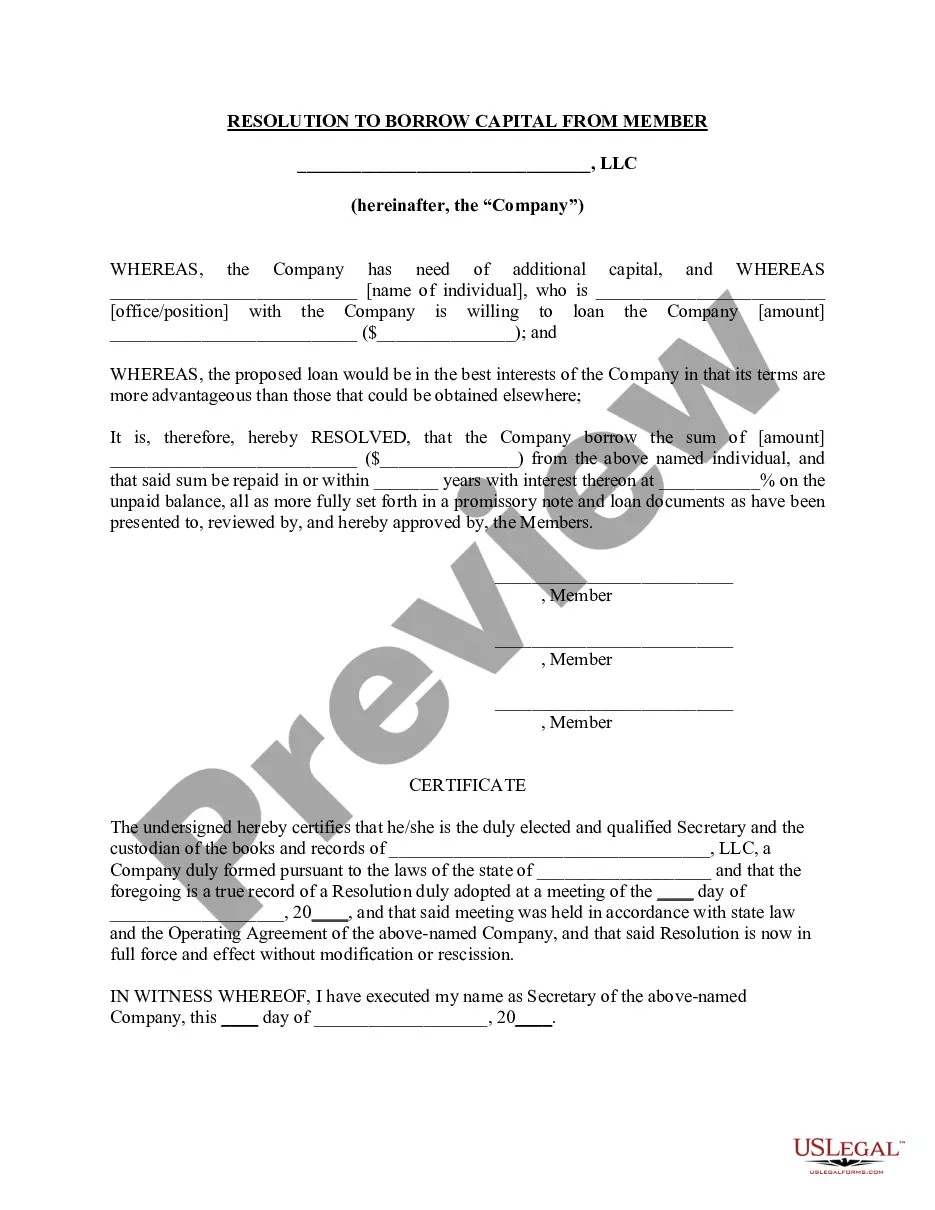
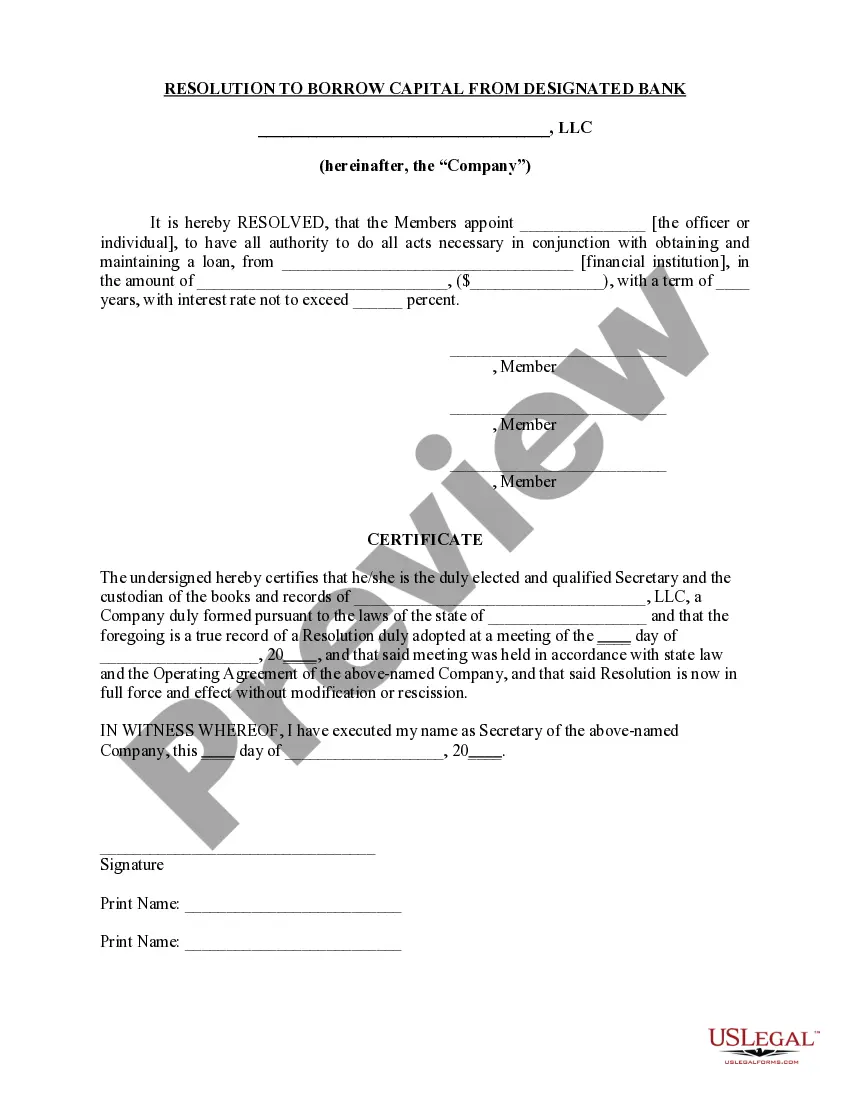
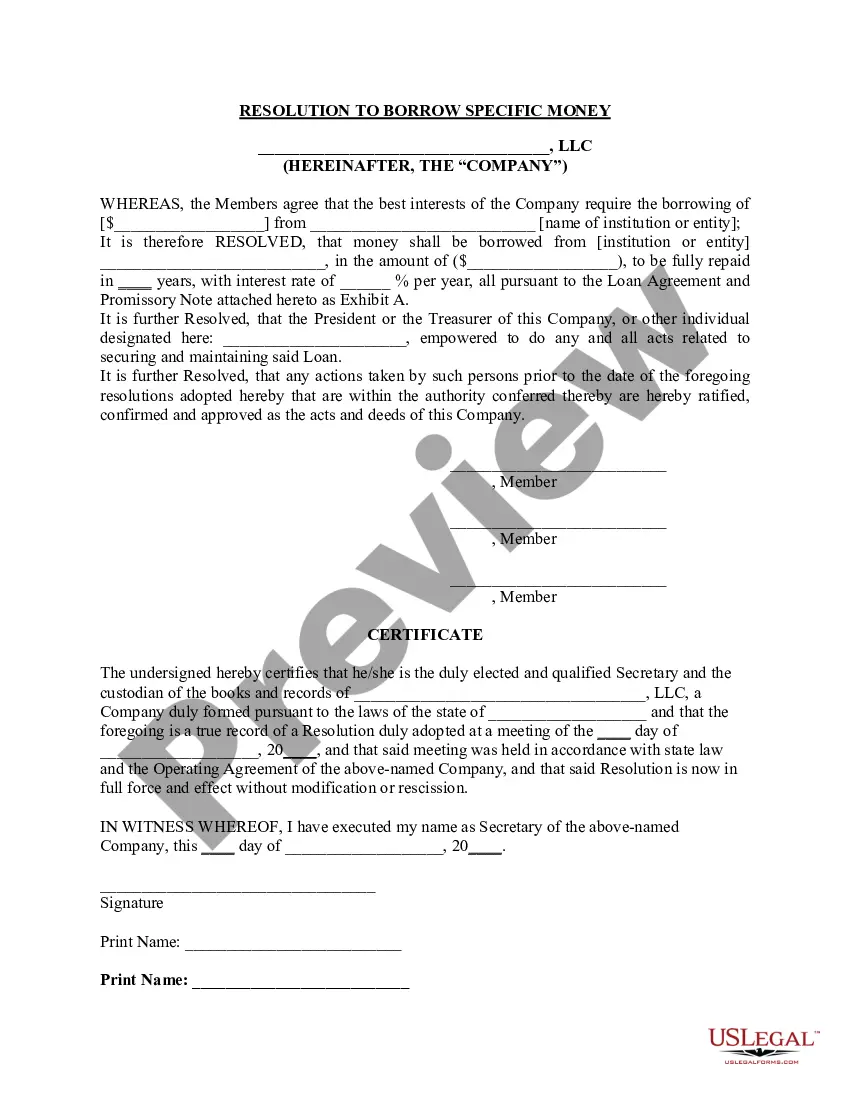
How to fill out Resolution Of Meeting Of LLC Members To Borrow Money?
Legal paperwork handling can be daunting, even for the most experienced professionals.
When searching for a Shareholder Resolution Vs Director Resolution and lacking the time to dedicate to finding the correct and current version, the processes can be taxing.
US Legal Forms caters to all your requirements, from personal to commercial documentation, in a single platform.
Leverage advanced tools to fill out and manage your Shareholder Resolution Vs Director Resolution.
Here are the steps to follow once you access the form you require: Verify it is the correct document by previewing it and reviewing its details. Ensure that the template is sanctioned in your state or county. Click Buy Now when you're ready. Choose a subscription option. Select the format you need, and Download, fill it out, sign, print, and send your document. Enjoy the US Legal Forms online catalog, supported by 25 years of experience and reliability. Transform your routine document handling into a seamless and user-friendly experience today.
- Access a wealth of articles, guides, and resources pertinent to your circumstances and requirements.
- Save time and energy searching for the documents you need by utilizing US Legal Forms’ sophisticated search and Preview feature to obtain Shareholder Resolution Vs Director Resolution.
- If you hold a subscription, Log In to your US Legal Forms account, locate the document, and acquire it.
- Visit the My documents section to review the documents you have previously downloaded and manage your folders as you prefer.
- If this is your initial experience with US Legal Forms, create an account to gain unlimited access to all platform advantages.
- A comprehensive online form database can be transformative for anyone aiming to manage these matters efficiently.
- US Legal Forms is a leading provider of online legal documents, offering over 85,000 region-specific legal forms available to you at any time.
- With US Legal Forms, you can access legal and organizational documents tailored to your state or county.
Form popularity
FAQ
What should shareholder resolutions include? Your corporation's name. Date, time and location of meeting. Statement that all shareholders agree to the resolution. Confirmation of the necessary quorum for business to be conducted. Names of shareholders present or voting by proxy. Number of shares for each voting shareholder.
An ordinary resolution is used by shareholders in situations where the directors have no authority to make a decision. Typically, these types of decisions include: paying dividends. appointing and removing directors.
Shareholder Resolutions are either passed as special or ordinary resolutions. Ordinary resolutions are usually for routine company business passed with a simple majority.
Board directors and shareholders are the only members of the company that can make company resolutions. When the board of directors make a formal decision, it is referred to as a board resolution, whereas when the company shareholders make a formal decision, it is referred to as a shareholder resolution.
And shareholders who have at least 75% of the voting rights are normally able to pass special resolutions, thus rendering them able to, single-handedly, make changes that are fundamental to the company. This includes: Amending its articles of association.