Llc Limited Companies File For Tax Return
Description
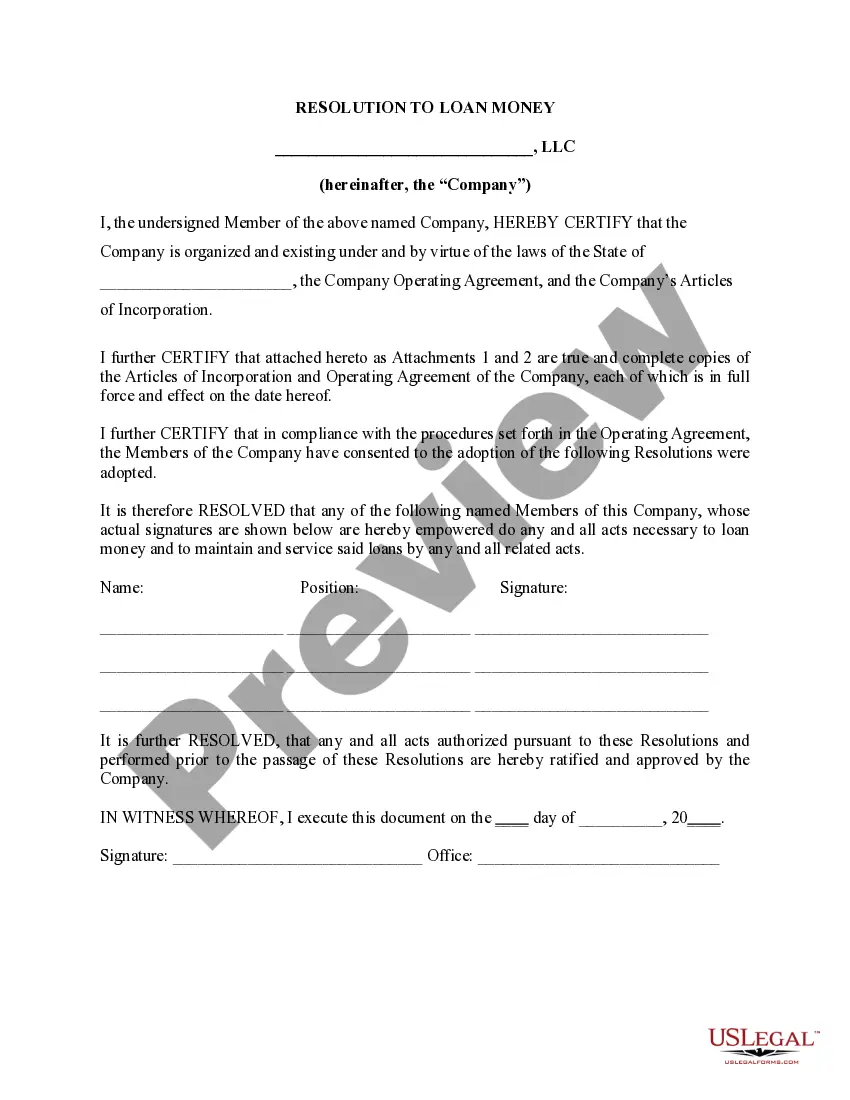
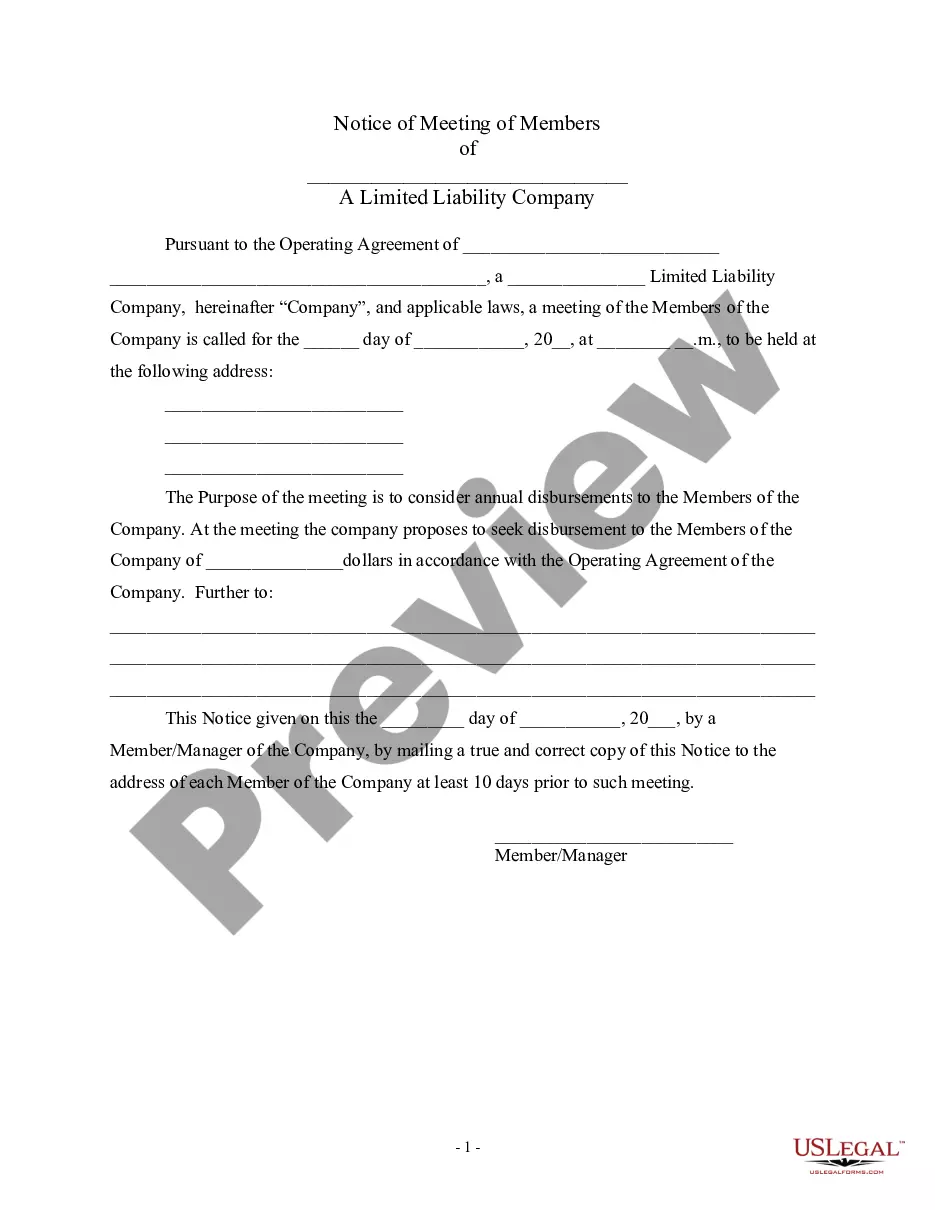
Get your form ready online
Our built-in tools help you complete, sign, share, and store your documents in one place.
Make edits, fill in missing information, and update formatting in US Legal Forms—just like you would in MS Word.
Download a copy, print it, send it by email, or mail it via USPS—whatever works best for your next step.
Sign and collect signatures with our SignNow integration. Send to multiple recipients, set reminders, and more. Go Premium to unlock E-Sign.
If this form requires notarization, complete it online through a secure video call—no need to meet a notary in person or wait for an appointment.
We protect your documents and personal data by following strict security and privacy standards.

Make edits, fill in missing information, and update formatting in US Legal Forms—just like you would in MS Word.

Download a copy, print it, send it by email, or mail it via USPS—whatever works best for your next step.

Sign and collect signatures with our SignNow integration. Send to multiple recipients, set reminders, and more. Go Premium to unlock E-Sign.

If this form requires notarization, complete it online through a secure video call—no need to meet a notary in person or wait for an appointment.

We protect your documents and personal data by following strict security and privacy standards.
Looking for another form?
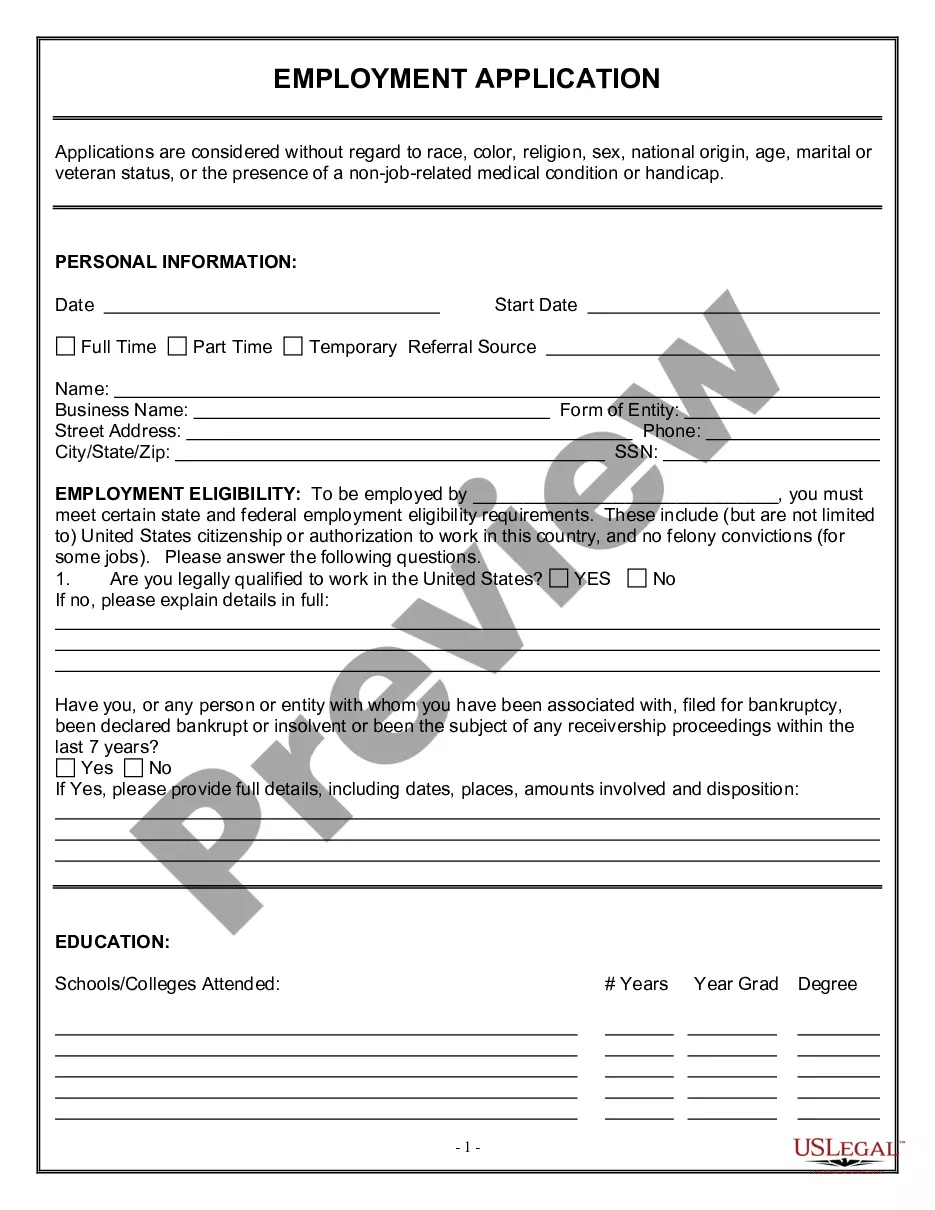








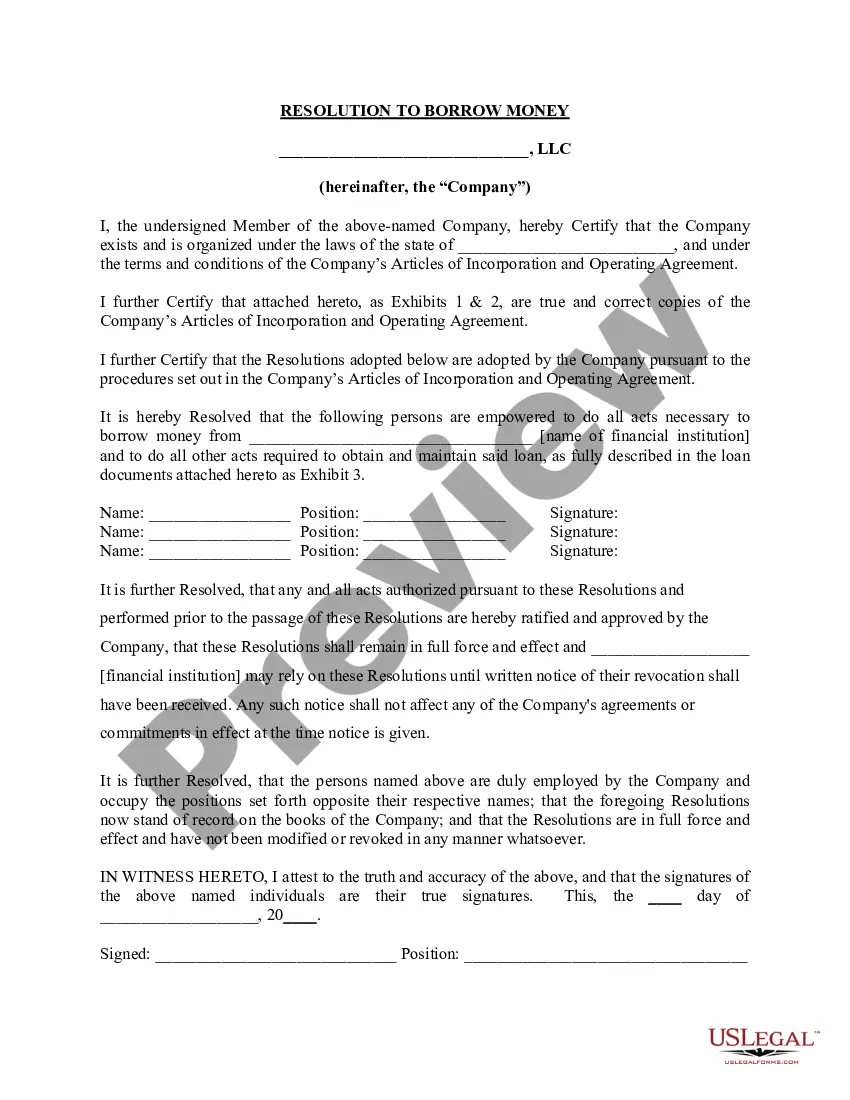
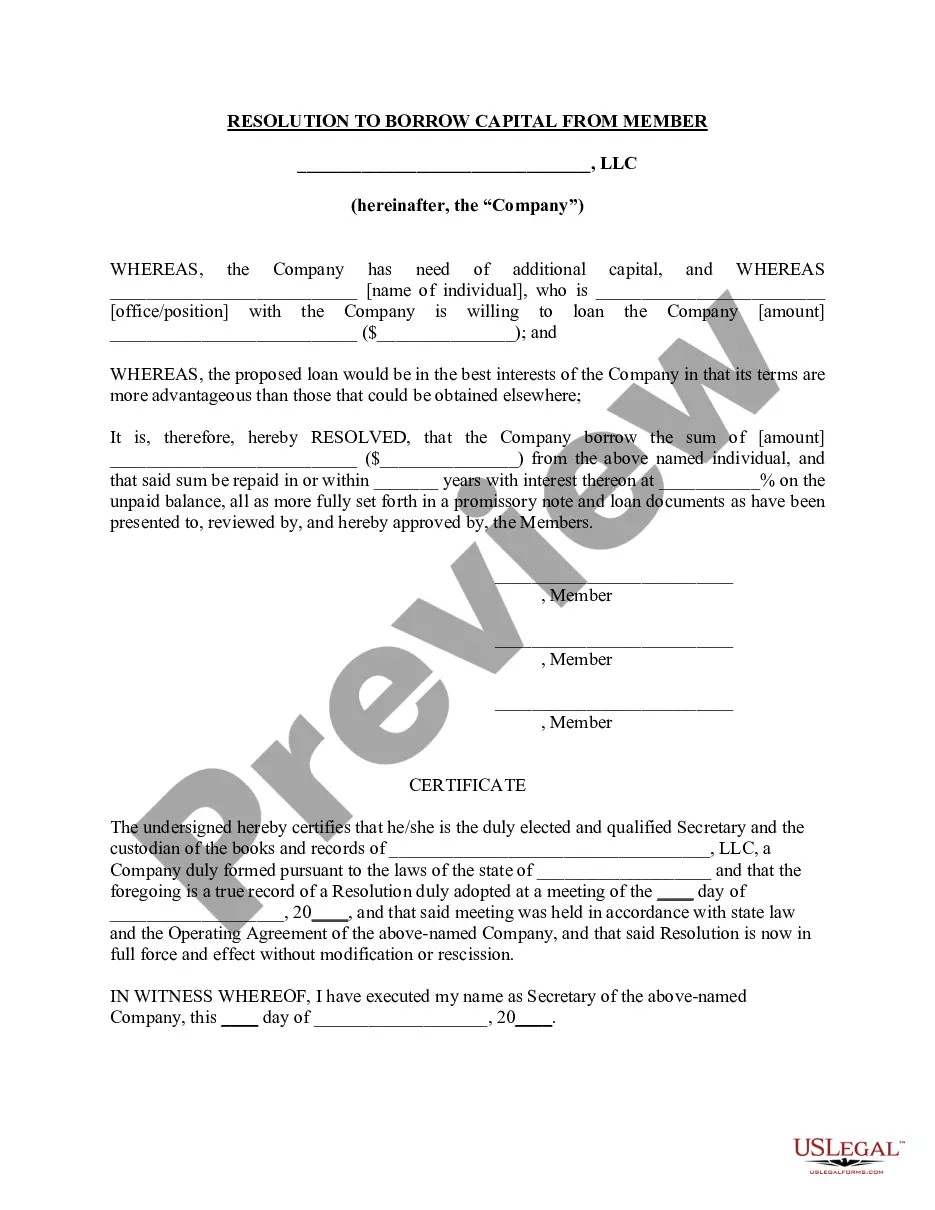
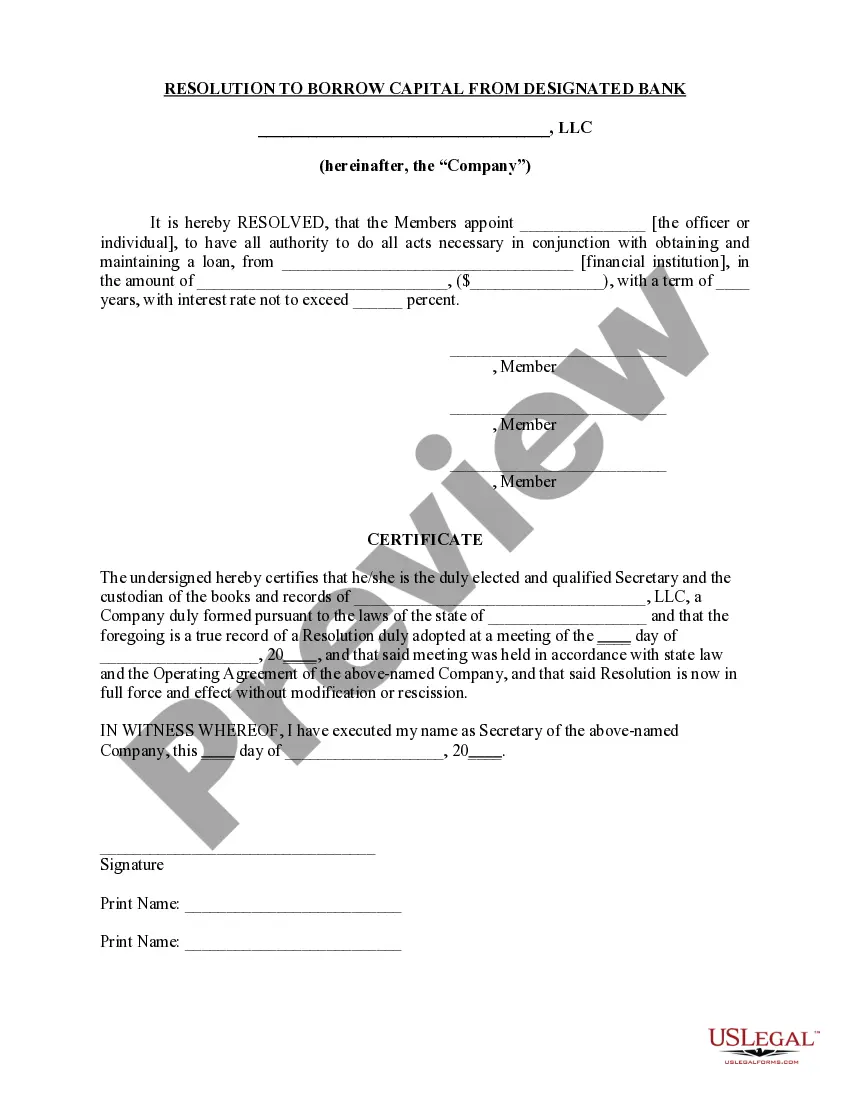
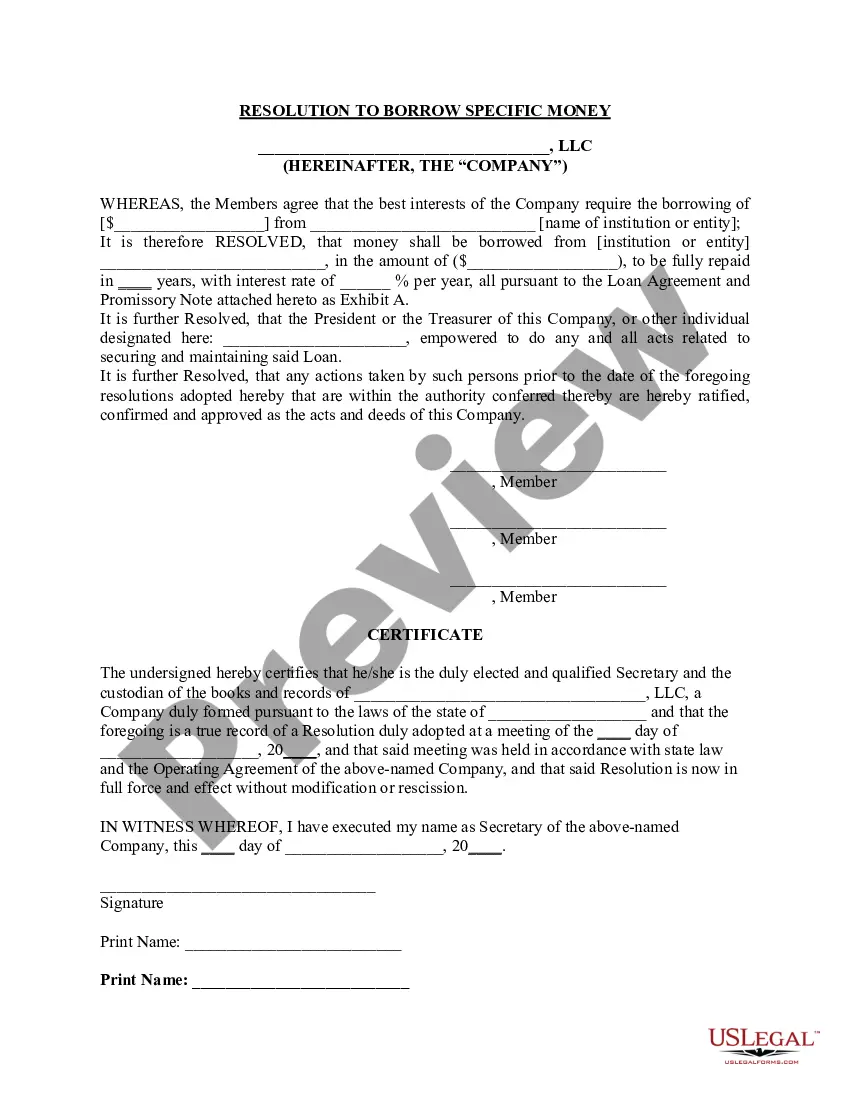
How to fill out Resolution Of Meeting Of LLC Members To Borrow Money?
- If you're an existing user, log in to your account and locate your required form template. Click the Download button and ensure your subscription is current; if it’s expired, renew it.
- For new users, begin by exploring the Preview mode and detailed form descriptions. This step ensures you select the right document that aligns with your specific requirements and jurisdiction.
- Use the Search tab for alternative templates if you encounter any mismatches. Once you find the appropriate form, proceed to the next stage.
- To purchase the document, click the Buy Now button and choose a suitable subscription plan. You will need to create an account to gain access to the full library of forms.
- Complete your purchase using your credit card or PayPal to activate your subscription.
- Finally, download your form onto your device. You can revisit and manage your documents anytime through the My Forms section.
With US Legal Forms, you gain access to over 85,000 legally sound and editable templates, more than what competitors provide for similar costs. This platform not only simplifies the filing of tax returns for your LLC but also offers expert assistance in document completion.
Don't let the complexities of tax filings overwhelm you; leverage the benefits of US Legal Forms today and streamline your filing process!
Form popularity
FAQ
There's no specific threshold at which an LLC must start paying taxes, as the tax obligations depend on the overall income and deductions of the business. Profits from LLCs are reported on individual tax returns, and once the net income exceeds certain limits, taxes become due. However, it's important to note that even if your LLC has little income, you are still required to file a tax return. To ensure compliance, consider utilizing platforms like UsLegalForms, which can help you navigate tax filing for LLC limited companies.
An LLC can directly impact your personal taxes because its income is typically reported on your personal tax return. When LLC limited companies file for tax return, any profits or losses pass through to you, which means they could affect your overall tax liability. This structure allows you to take advantage of certain deductions. Therefore, it's vital to consult a tax professional to understand how your LLC's income will affect your personal tax situation.
If your LLC fails to file taxes, it may face significant penalties and interest on any unpaid tax obligations. Additionally, the IRS may initiate an audit, which can lead to further complications and potential legal issues. Your LLC may also lose its status, resulting in more severe financial consequences. To avoid these headaches, it is essential for LLC limited companies to file for tax return on time to maintain good standing.
For single owner LLCs, taxes are typically filed using Schedule C as part of the owner's personal tax return. This means that the income and expenses from the LLC are reported directly on your Form 1040. This approach simplifies the process, as single owner LLCs are considered disregarded entities for tax purposes. Therefore, it’s crucial for you to maintain accurate records to ensure that all income is reported correctly when LLC limited companies file for tax return.
An LLC must report its earnings regardless of the amount; however, different thresholds might trigger specific filing requirements. For instance, an LLC, even with minimal earnings, must comply with state and federal rules regarding taxes. Thus, it’s important to understand how LLC limited companies file for tax return to know when and how to report your income. Keeping detailed records is essential for meeting these requirements efficiently.
Yes, an LLC must still file a tax return even if it has no income for a given year. Most states require that LLCs file an informational return to remain compliant. By understanding how LLC limited companies file for tax return, you can ensure you meet these obligations, avoiding potential penalties down the line. It’s always better to stay in the clear regarding filings, even during lean years.
The choice between filing Form 1065 or Form 1120 depends on how your LLC is classified for tax purposes. Multi-member LLCs typically file Form 1065, while single-member LLCs may opt for Form 1120 if they choose to be taxed as a corporation. Understanding how LLC limited companies file for tax return can help you determine the form that fits your situation best. Accurate filing is crucial to comply with tax laws.
The best tax option for an LLC depends on its structure and goals. Generally, LLCs can choose to be taxed as a sole proprietorship, partnership, or corporation. Many find that being classified as an S corporation helps maximize tax benefits while keeping personal liability protection intact. To determine which choice suits you best, understanding how Llc limited companies file for tax return under different options is essential.
An LLC must file taxes regardless of its income level, because all limited companies must report their earnings to the IRS. However, there isn't a specific minimum income that triggers the requirement to file a tax return. Even if an LLC has no income, it must still file a tax return to stay compliant. This ensures that Llc limited companies file for tax return accurately and maintain good standing.
If you have an LLC, you should consider using TurboTax Self-Employed or TurboTax Business for multi-member LLCs. These versions are specifically designed to address the needs of business owners, providing tools tailored to LLC tax filing. They also incorporate insights on how LLC limited companies file for tax return, making it easier to navigate your responsibilities.