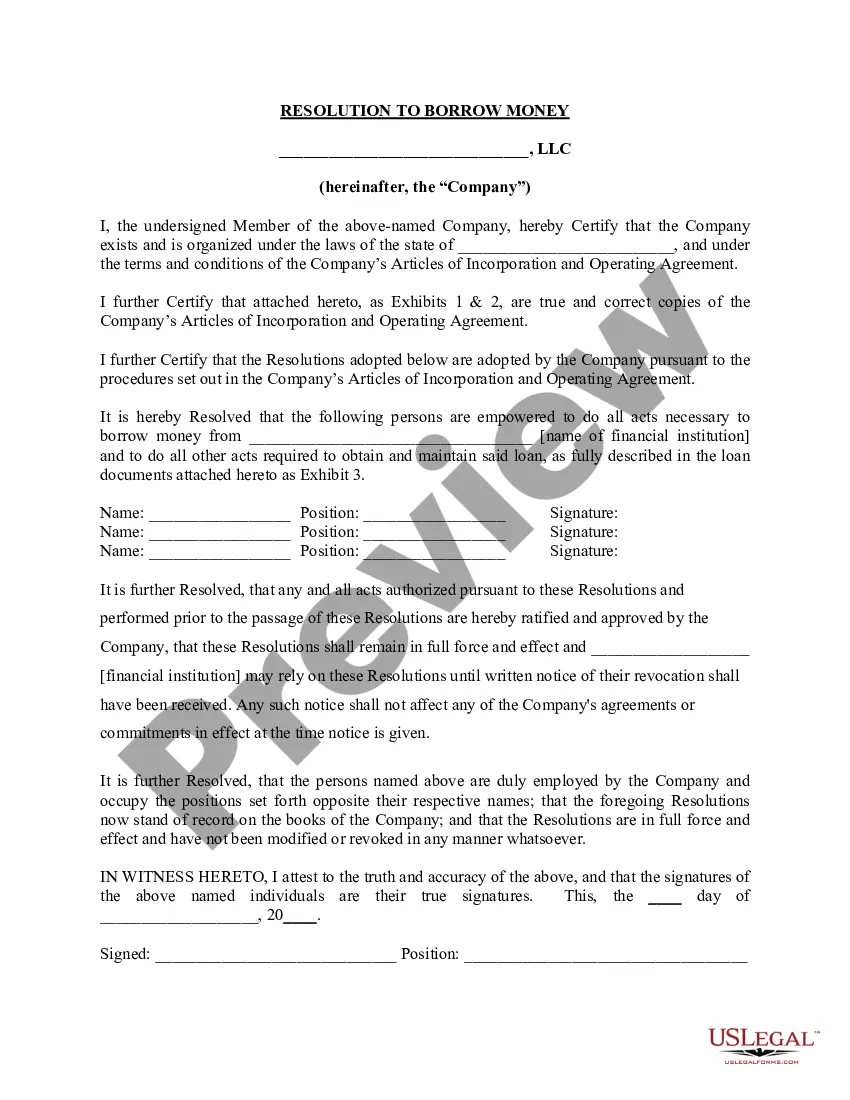
Llc Form Limited For Tax Purposes
Description
Get your form ready online
Our built-in tools help you complete, sign, share, and store your documents in one place.
Make edits, fill in missing information, and update formatting in US Legal Forms—just like you would in MS Word.
Download a copy, print it, send it by email, or mail it via USPS—whatever works best for your next step.
Sign and collect signatures with our SignNow integration. Send to multiple recipients, set reminders, and more. Go Premium to unlock E-Sign.
If this form requires notarization, complete it online through a secure video call—no need to meet a notary in person or wait for an appointment.
We protect your documents and personal data by following strict security and privacy standards.

Make edits, fill in missing information, and update formatting in US Legal Forms—just like you would in MS Word.

Download a copy, print it, send it by email, or mail it via USPS—whatever works best for your next step.

Sign and collect signatures with our SignNow integration. Send to multiple recipients, set reminders, and more. Go Premium to unlock E-Sign.

If this form requires notarization, complete it online through a secure video call—no need to meet a notary in person or wait for an appointment.

We protect your documents and personal data by following strict security and privacy standards.
Looking for another form?








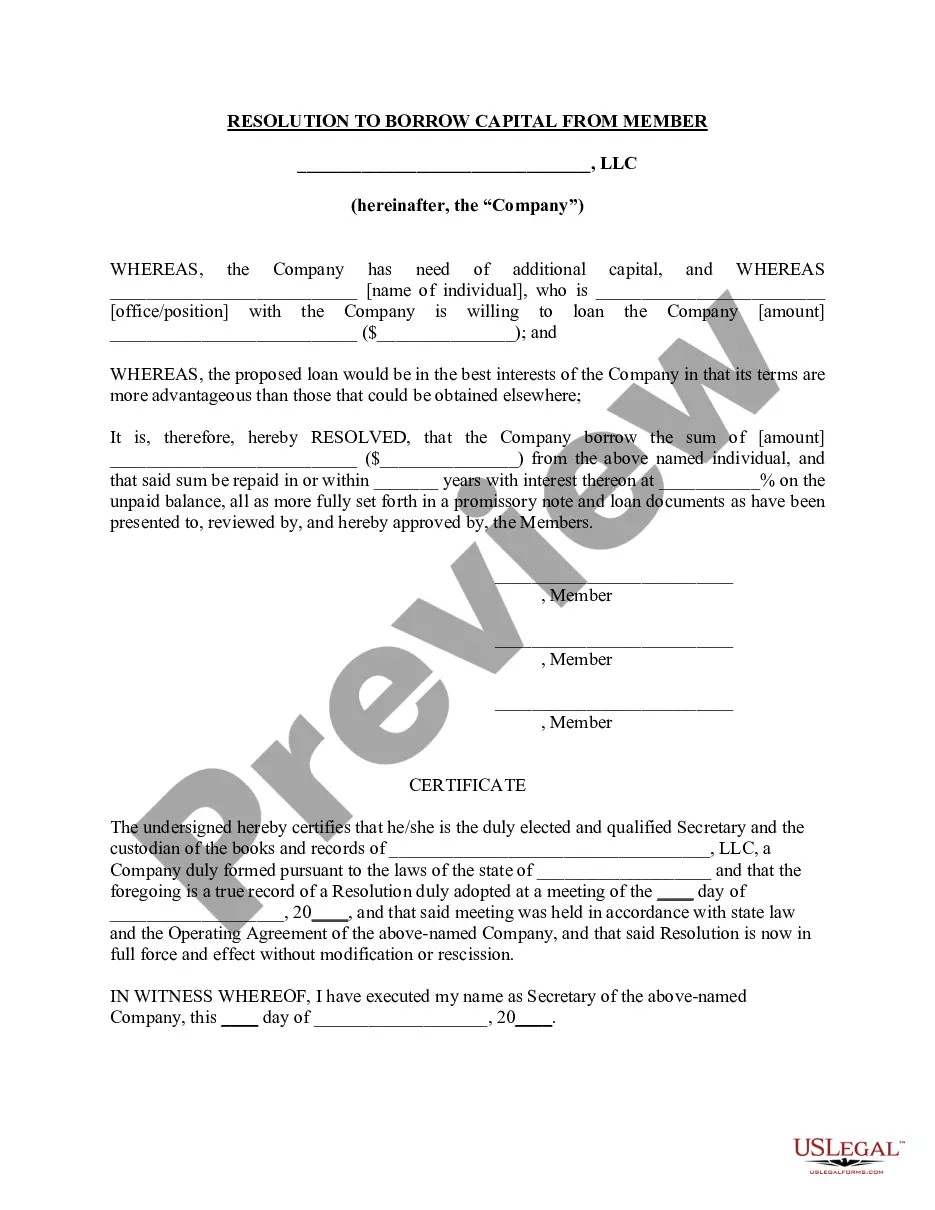
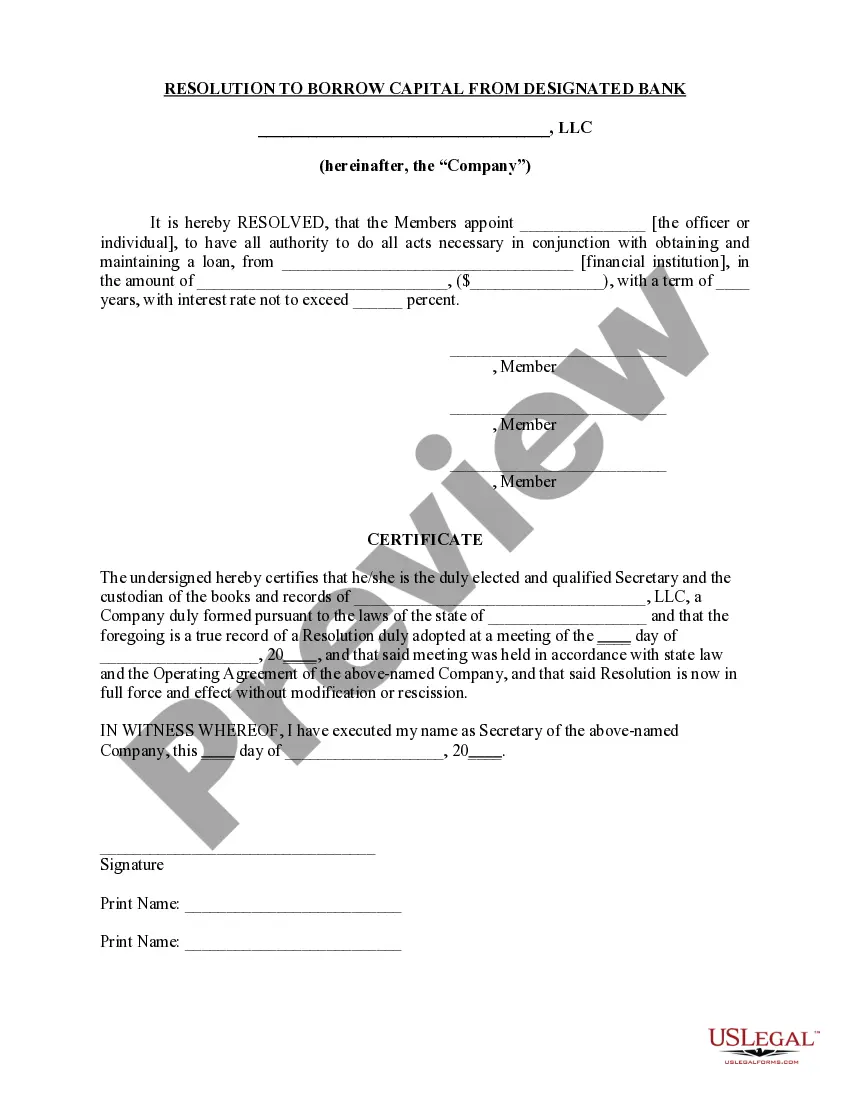
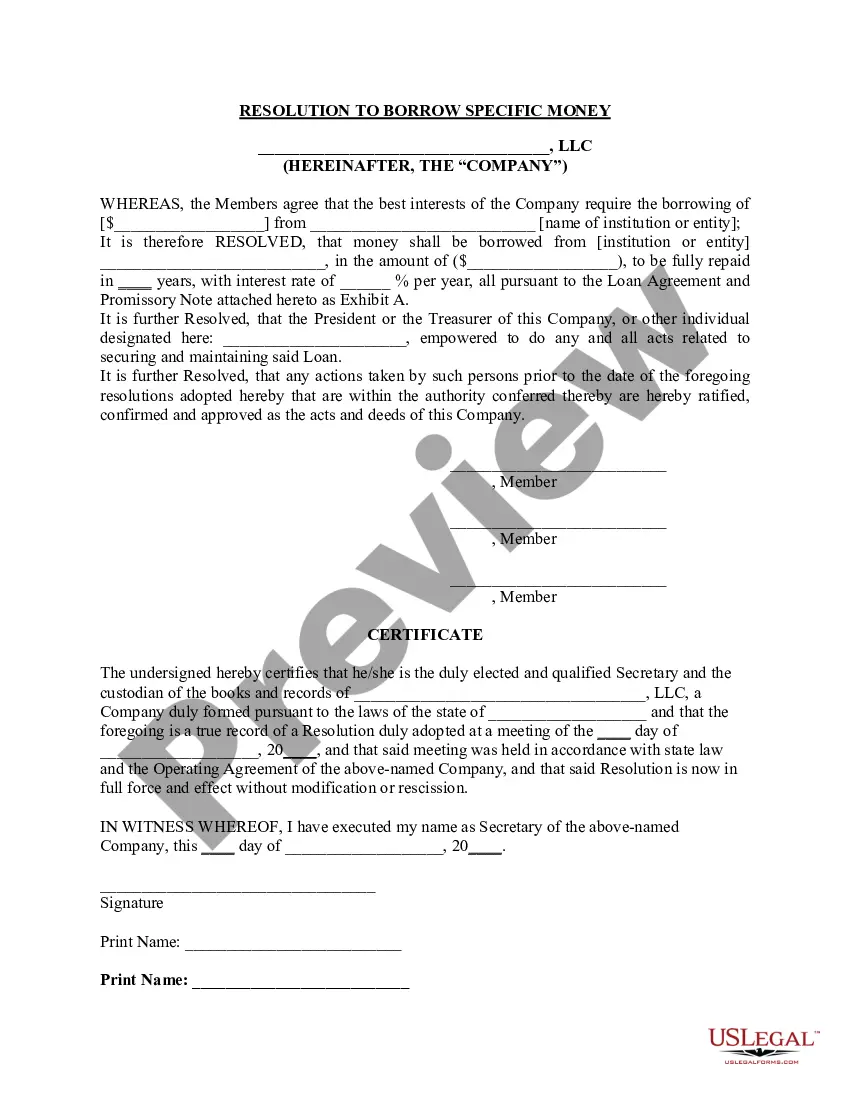
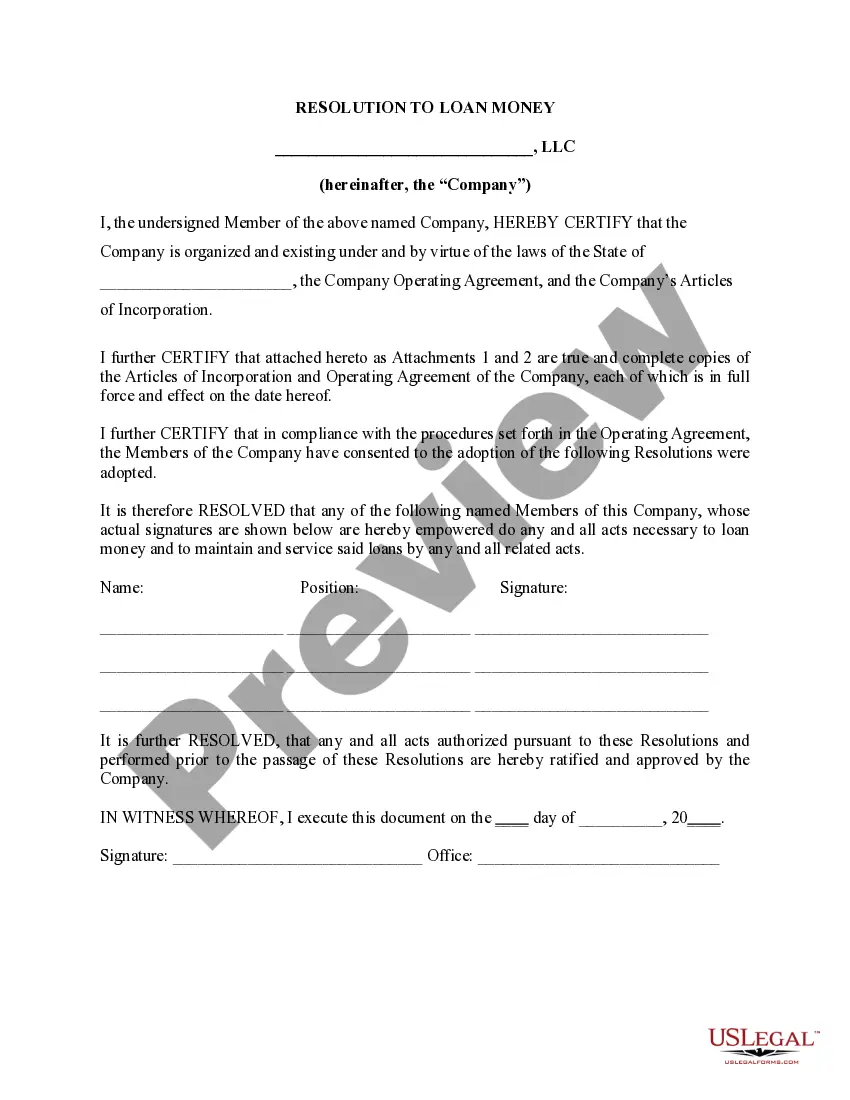
How to fill out Resolution Of Meeting Of LLC Members To Borrow Money?
- If you're a returning user, log in to your account. Confirm your subscription is active before proceeding to download the necessary form template.
- For first-time users, start by checking the preview and description of the LLC form limited for tax purposes. This ensures you select the correct document that aligns with your local jurisdiction's requirements.
- If the initial form you reviewed doesn't meet your needs, utilize the Search tab to locate a different template.
- Once satisfied, purchase the document by clicking the Buy Now button and selecting your desired subscription plan. Create an account to gain full access to the legal forms library.
- Complete your purchase by entering your credit card information or opting for PayPal to finalize your subscription.
- After payment, download the form to your device, and access it anytime from the My Forms section of your account.
Utilizing US Legal Forms not only simplifies the process of obtaining essential legal documents but also offers a robust collection that saves you time and money. With over 85,000 fillable and editable forms, you can find everything from LLC formation to tax-related documentation.
Now that you know how to obtain your LLC form limited for tax purposes, take action today to secure your business's legal needs. Start your journey with US Legal Forms and experience effortless document management!
Form popularity
FAQ
Generally, an LLC with no income may still be required to file a tax return or information return, depending on its classification. Filing even without income helps maintain the LLC’s compliance and can prevent unnecessary penalties. It is wise to stay informed about these requirements to keep your LLC form limited for tax purposes in good standing.
The amount an LLC can make before taxes depend on its tax structure and the current tax laws. For instance, single-member LLCs often report income on personal tax returns and may not owe taxes until reaching a certain income level. To better understand your specific situation regarding your LLC form limited for tax purposes, consider accessing resources or tools like US Legal Forms.
An LLC must file taxes if it generates any income, regardless of the amount. However, if the income is below certain thresholds, the filing requirements could vary based on how the LLC is taxed. It is crucial to stay informed about the income limits to ensure compliance with your LLC form limited for tax purposes.
When considering how to treat your LLC for tax purposes, you have the option to select how you want your LLC taxed. It can be treated as a sole proprietorship, partnership, or corporation. This choice impacts your tax liability and helps optimize your LLC form limited for tax purposes. Consulting a tax professional can provide tailored advice to your specific situation.
Yes, LLCs can receive tax refunds, particularly if they overpay their estimated taxes throughout the year. If the LLC is taxed as a partnership or sole proprietorship, any overpayments can lead to a refund when filing taxes. Understanding the tax obligations associated with your LLC form limited for tax purposes is essential to navigate this process effectively.
The best tax classification for your LLC typically depends on your revenue, number of members, and overall business strategy. For many, a partnership or S corporation classification can provide optimal tax treatment by avoiding double taxation. To ensure you make the right choice for your llc form limited for tax purposes, consider using platforms like uslegalforms to streamline the process and get expert assistance tailored to your needs.
Choosing between classifying your LLC as a corporation or a disregarded entity depends on your business needs and goals. A disregarded entity allows for simpler tax treatment, as profits and losses are reported on your personal tax return. In contrast, corporation status can provide additional liability protection and tax advantages, making it crucial to analyze how you want your llc form limited for tax purposes to function.
The decision between classifying your LLC as an S Corp or C Corp hinges on several factors, including your expected income and future plans. An S Corp may benefit you with pass-through taxation, while a C Corp can reinvest earnings without immediate tax liability. Carefully evaluate your situation with a tax advisor to determine the optimal choice for your llc form limited for tax purposes.
To classify your LLC for tax purposes, you must decide if you want it to be treated as a sole proprietorship, partnership, S corporation, or C corporation. The classification affects your overall tax obligations and can help optimize tax benefits. Consulting with a tax professional can guide you through these options, particularly if you aim to minimize your liabilities in the llc form limited for tax purposes.
An LLC is classified as a hybrid business structure that combines features of both corporations and partnerships. This classification offers limited liability protection for its owners, while also providing flexibility in management and tax treatment. Especially for those looking to reduce their tax burden, understanding the classification of your LLC is vital when considering how to approach your llc form limited for tax purposes.