Form Limited Liability Companies For The Us
Description
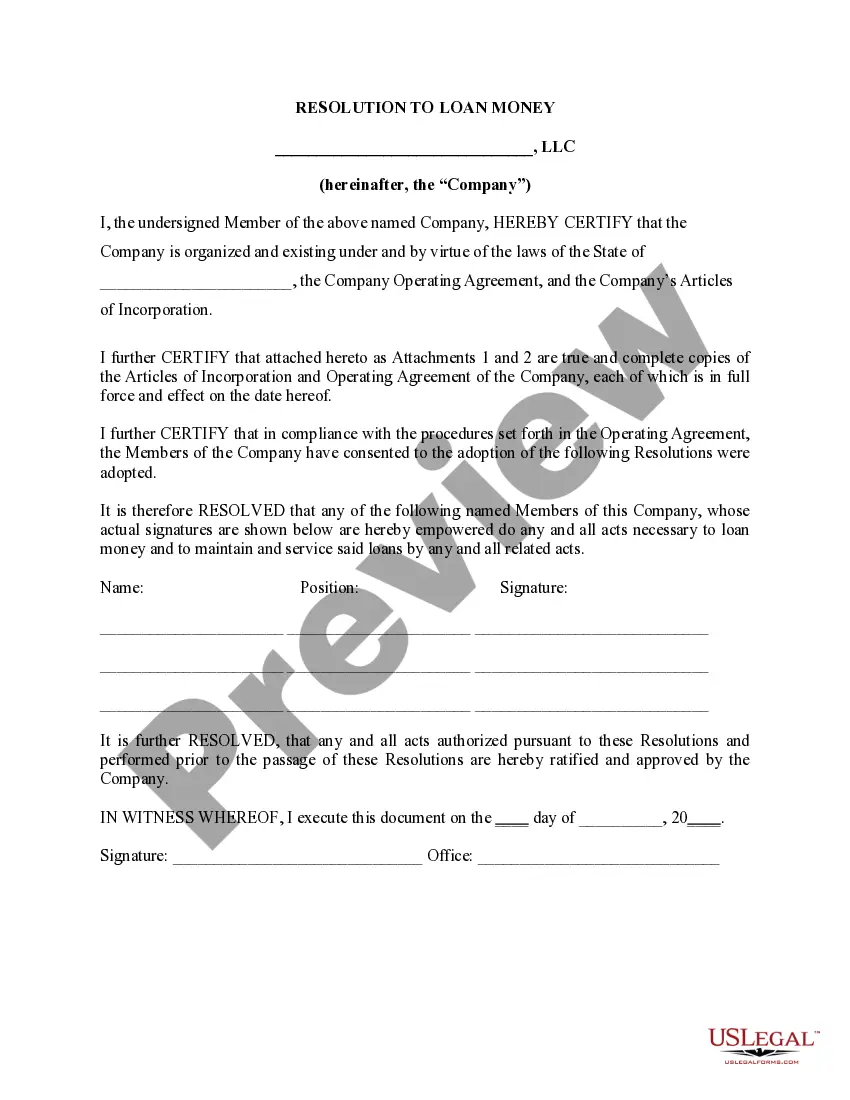
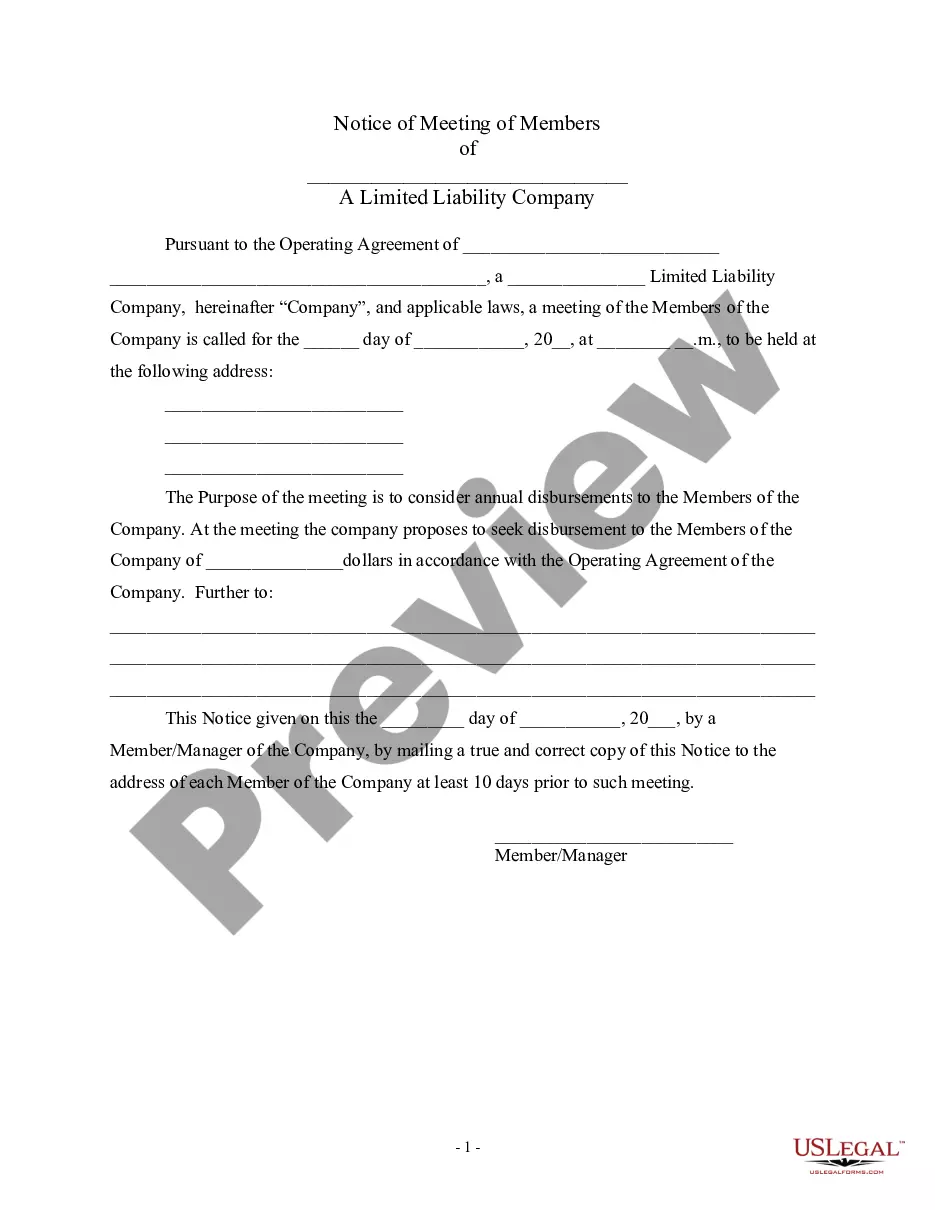
Get your form ready online
Our built-in tools help you complete, sign, share, and store your documents in one place.
Make edits, fill in missing information, and update formatting in US Legal Forms—just like you would in MS Word.
Download a copy, print it, send it by email, or mail it via USPS—whatever works best for your next step.
Sign and collect signatures with our SignNow integration. Send to multiple recipients, set reminders, and more. Go Premium to unlock E-Sign.
If this form requires notarization, complete it online through a secure video call—no need to meet a notary in person or wait for an appointment.
We protect your documents and personal data by following strict security and privacy standards.

Make edits, fill in missing information, and update formatting in US Legal Forms—just like you would in MS Word.

Download a copy, print it, send it by email, or mail it via USPS—whatever works best for your next step.

Sign and collect signatures with our SignNow integration. Send to multiple recipients, set reminders, and more. Go Premium to unlock E-Sign.

If this form requires notarization, complete it online through a secure video call—no need to meet a notary in person or wait for an appointment.

We protect your documents and personal data by following strict security and privacy standards.
Looking for another form?




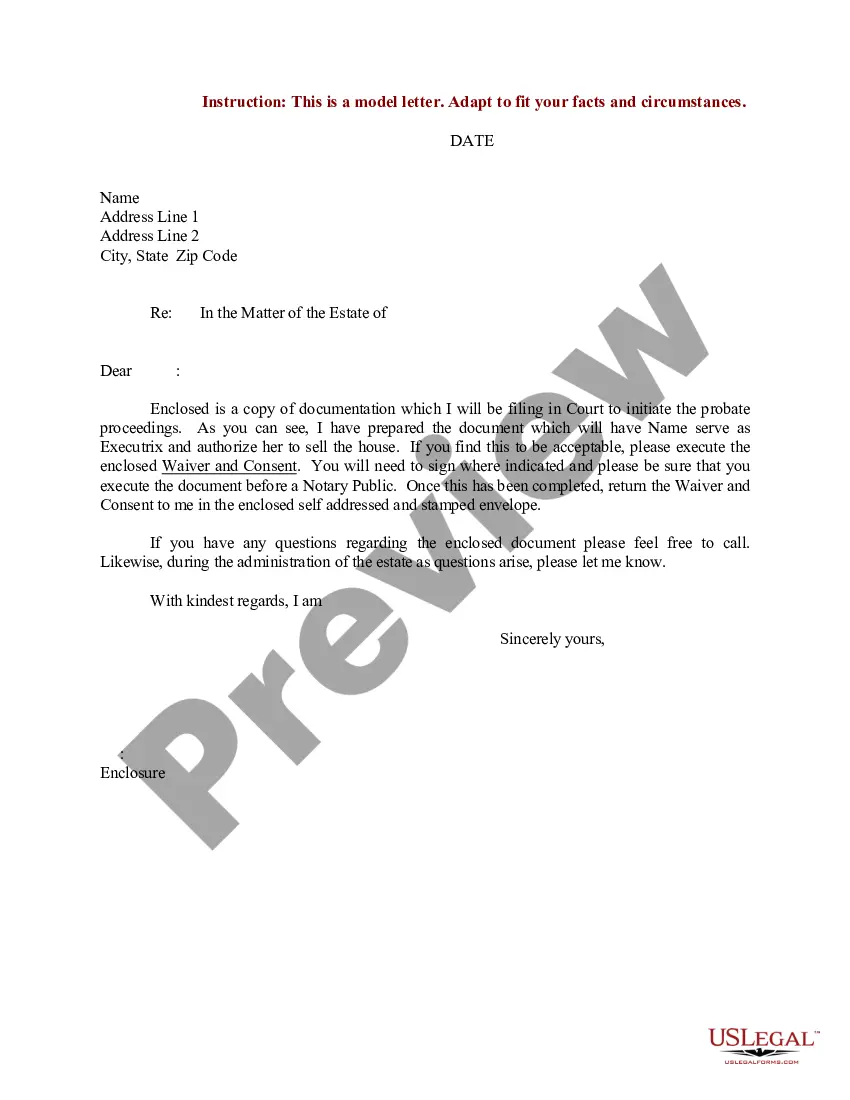





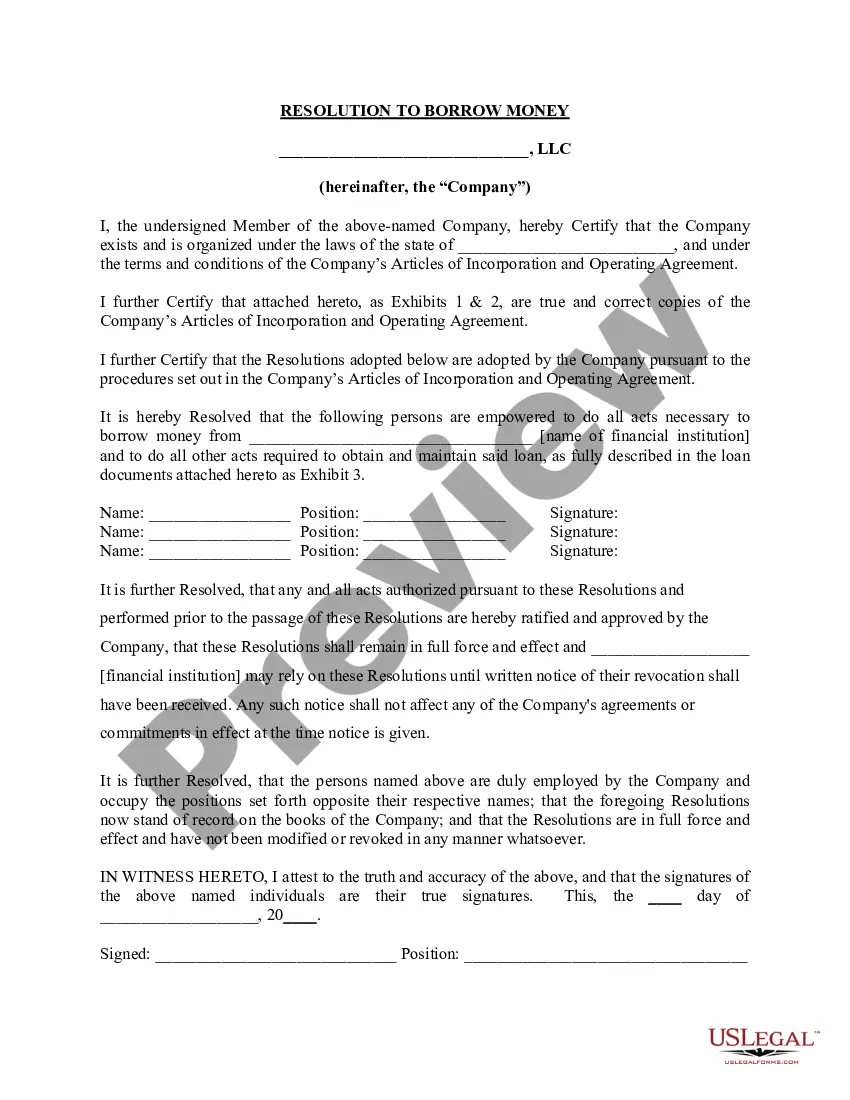
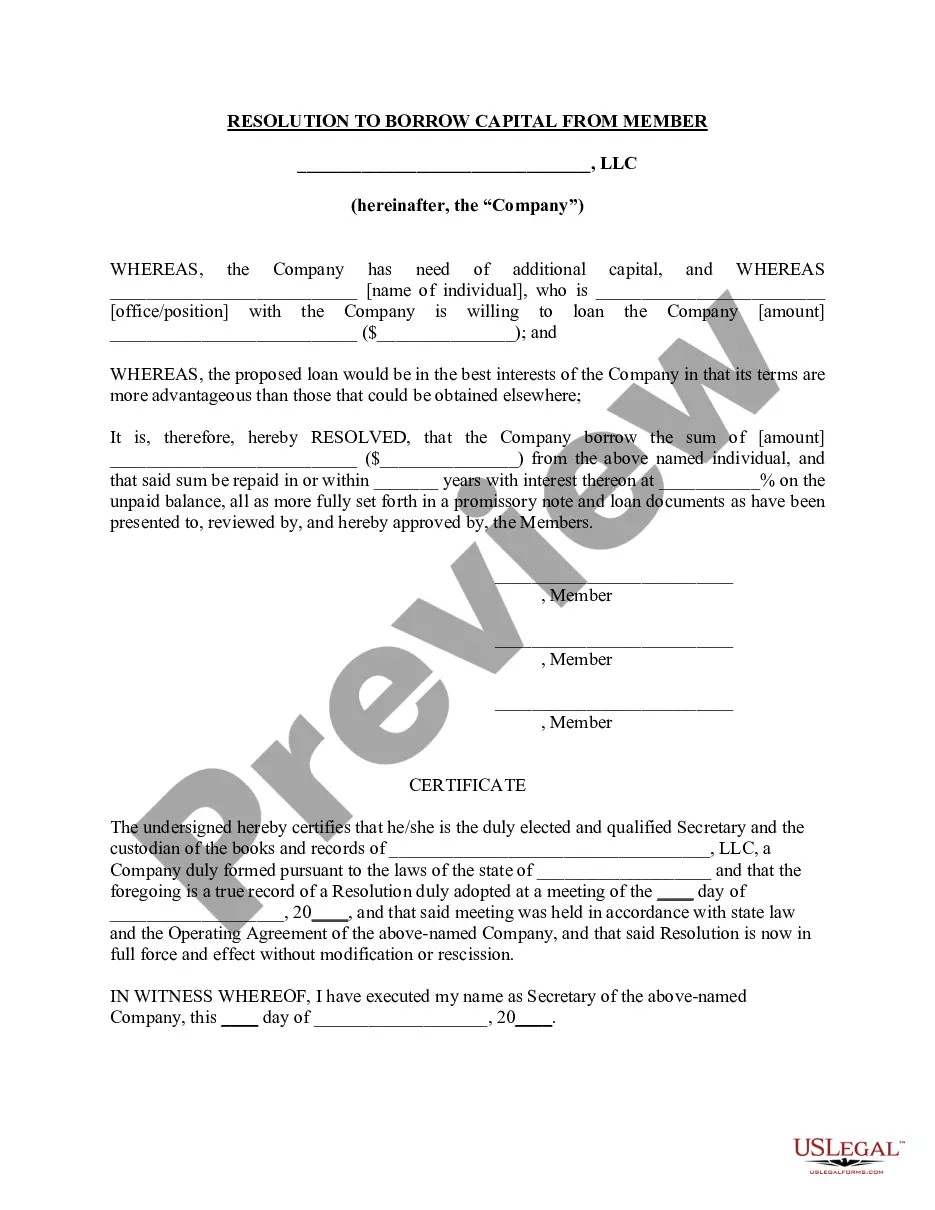
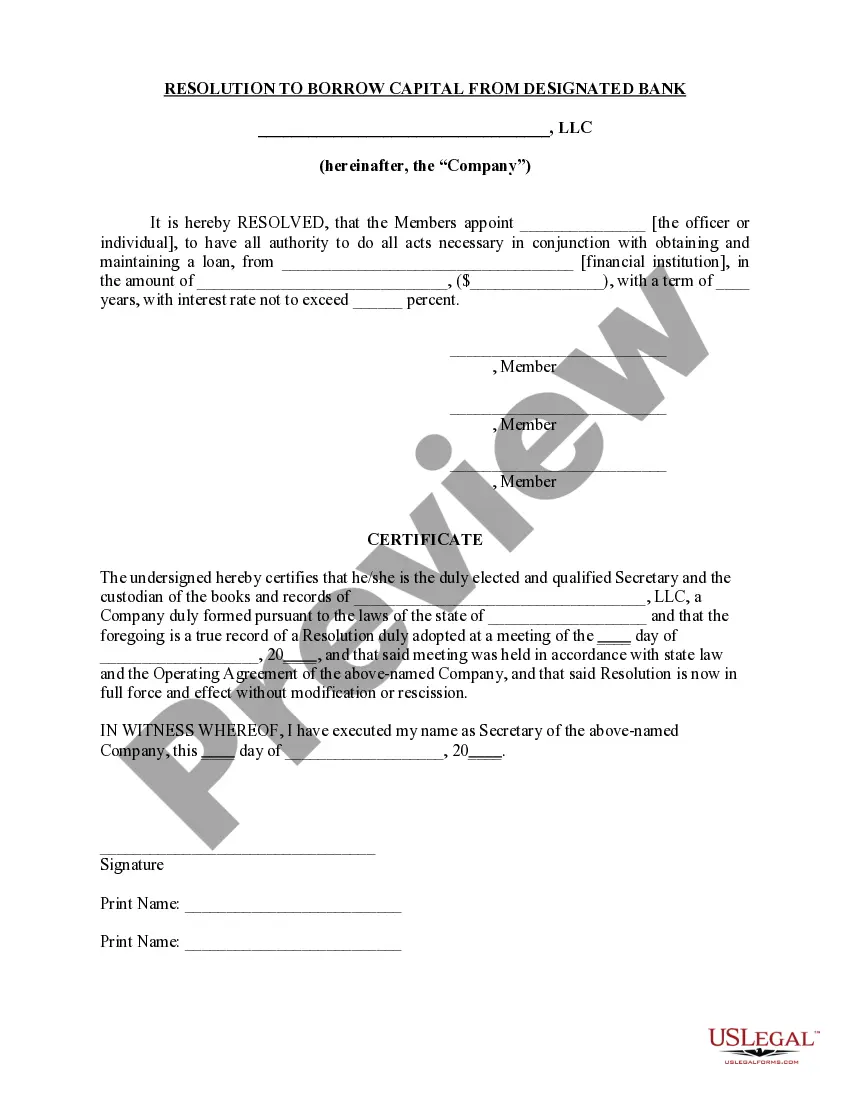
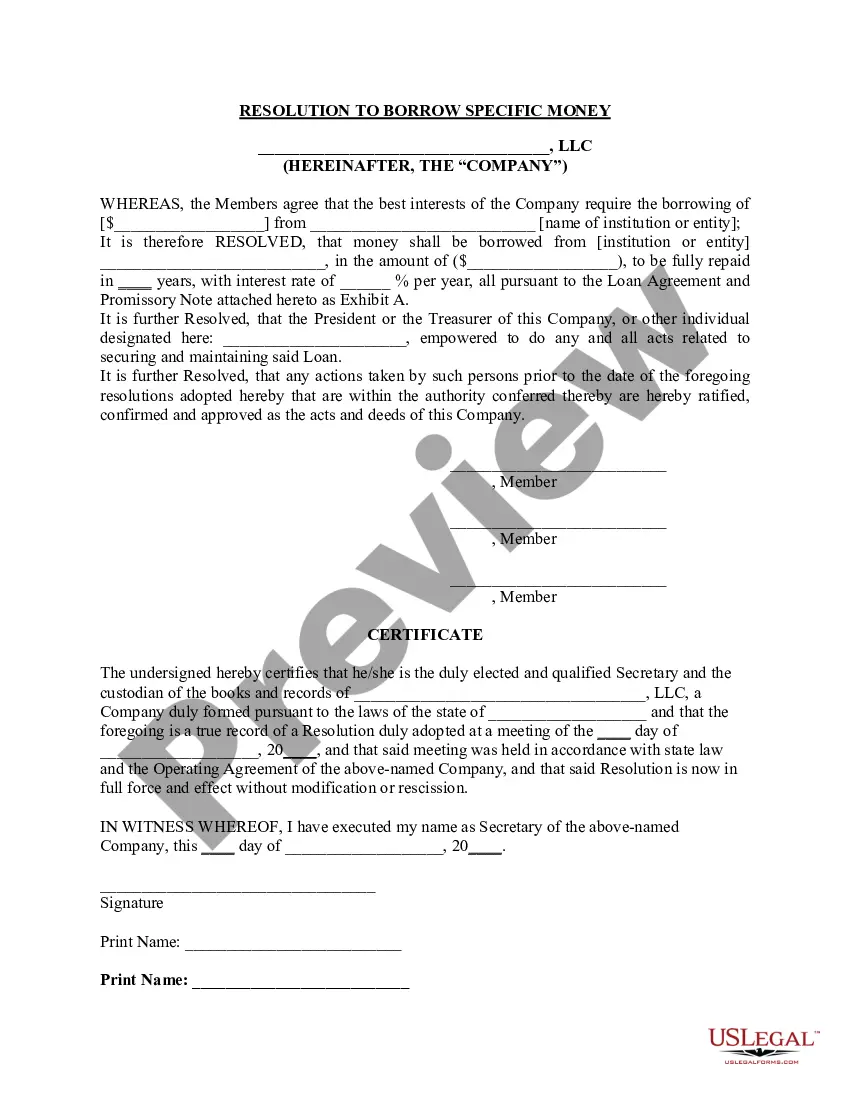
How to fill out Resolution Of Meeting Of LLC Members To Borrow Money?
- Start by logging in to your US Legal Forms account. If you are new, create an account first.
- Browse the available templates in Preview mode. Confirm that you have selected a form suitable for your LLC needs.
- If you need a different template, use the Search function to find alternatives that meet your requirements.
- Proceed to purchase the document by clicking on the Buy Now button and selecting your subscription plan.
- Complete the payment using your credit card or PayPal account for access to the forms library.
- Finally, download your completed form to your device and access it anytime from the My Forms section of your profile.
By utilizing US Legal Forms, you benefit from a robust collection of over 85,000 fillable and editable legal forms. This vast resource allows for an efficient and accurate completion of legal documents that empower both individuals and attorneys alike.
Take control of your business formation today. Explore US Legal Forms and simplify your journey to securing your LLC!
Form popularity
FAQ
In the US, the equivalent of a limited liability partnership (LLP) for your business structure is also referred to as an LLP. This structure protects partners from personal liability for business debts, while allowing them to manage the business directly. If you are looking to form limited liability companies for the US and think an LLP may suit your needs, consider how it offers flexibility and liability protection for your business operations.
When you form limited liability companies for the US, it's important to understand the distinction between S Corporations and C Corporations. An LLC can choose how it wants to be taxed, either as a sole proprietorship, partnership, S Corp, or C Corp. If you elect S Corp status, your income passes through to your personal tax return, avoiding double taxation. Conversely, if you remain a C Corp, the company pays taxes at the corporate level.
LLC should always be written as 'LLC' following the name of the company. For instance, if your company name is 'Sample Business', you should refer to it as 'Sample Business LLC'. This format helps to clearly identify your business structure and provides legal clarity. When you look to form limited liability companies for the US, ensuring correct terminology is crucial for compliance.
An example of a limited liability company in the US is 'XYZ Consulting LLC'. This designation shows that the company operates in the consulting field while offering liability protection to its owners. Other businesses, from tech startups to service providers, also form limited liability companies for the US, often using services like US Legal Forms to ensure compliance and ease of formation.
Writing a limited liability company involves drafting the necessary documents, including the Articles of Organization. You’ll want to clearly state the LLC's name, purpose, duration, and the names of the members. Each state has its own regulations, so make sure to adhere to the specific rules when you form limited liability companies for the US. Online resources can guide you through this process with ease.
To write an LLC example, you should start with the name of your limited liability company followed by the phrase 'LLC'. Next, include the purpose of your business, the registered agent's name and address, and any other details required by your state. Remember, different states may have specific requirements, so it’s wise to consult resources that guide you on how to form limited liability companies for the US.
Yes, you can file your LLC separately, especially if you are forming multiple LLCs or want to keep each business entity distinct. This approach can offer various benefits, including asset protection and easier management of finances. To streamline the process of forming limited liability companies for the US, consider using US Legal Forms, which provides tools to assist you throughout your filing journey.
A single owner LLC typically files taxes as a sole proprietorship, reporting income on Schedule C of their personal tax return. This simplifies the tax process, avoiding the complexities of corporate taxation. By using resources from US Legal Forms, you can navigate this filing process easily and ensure you don't miss any important tax benefits available for limited liability companies for the US.
Failing to file taxes for your LLC can lead to serious repercussions, such as penalties and potential loss of your legal structure. It's essential to understand that even if you do not conduct business, the IRS may still require filings. To avoid complications, consider utilizing resources available on US Legal Forms to ensure you understand the tax obligations for limited liability companies for the US.
Yes, you can have an LLC and decide not to engage in business activities. However, it is important to remain aware of any requirements that apply without active operations. States may require annual filings or fees even for inactive LLCs. Utilizing tools from US Legal Forms can help you stay compliant while managing your LLC effectively.