Poligraf Test
Description
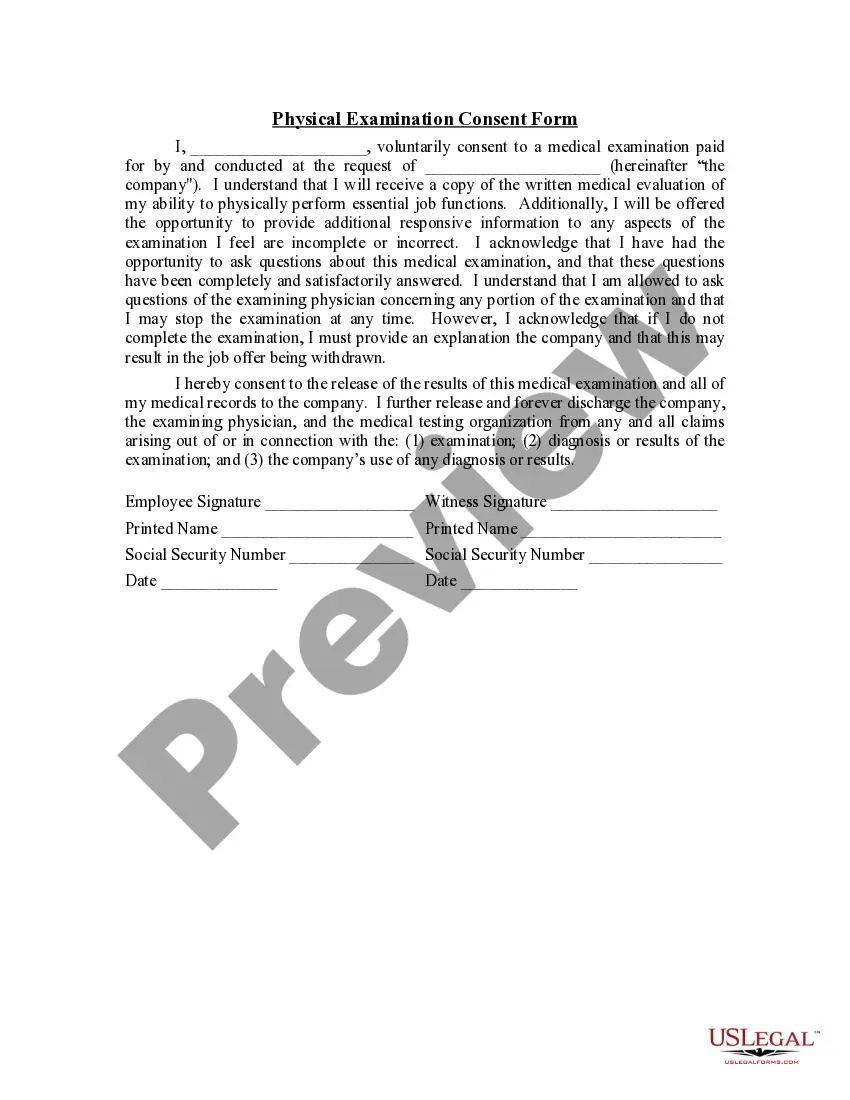

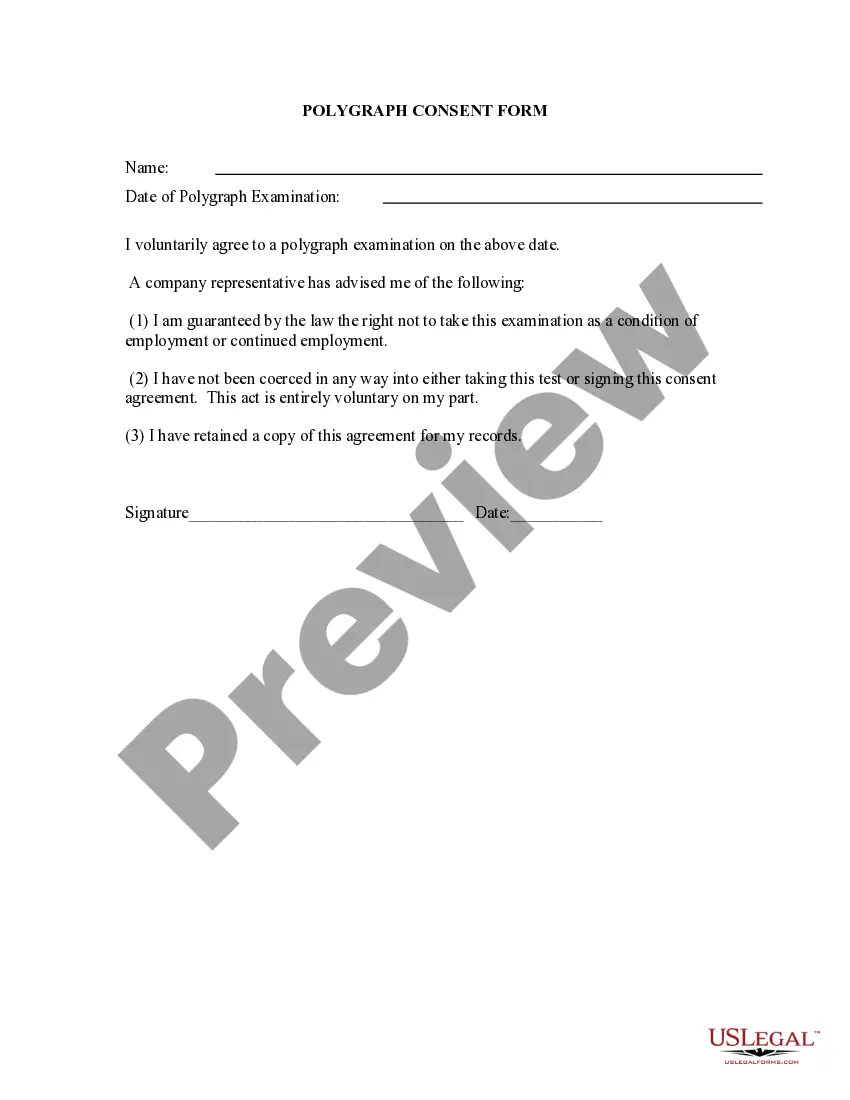
How to fill out Polygraph Consent Form?
- If you are a returning user, start by logging into your account and selecting the required form. Ensure your current subscription is active; if not, renew it based on your plan.
- For first-time users, begin by reviewing the Preview mode and detailed description of the desired form to confirm it fits your specific legal needs and local regulations.
- If the chosen document doesn’t meet your criteria, use the Search tab to find an alternate template that aligns with your requirements.
- Next, click on the Buy Now button to select a subscription plan, and create an account to unlock the extensive library of forms.
- Proceed to complete your purchase by entering your payment information via credit card or PayPal.
- Lastly, download your form to your device, allowing you to fill it out. Access it anytime through the My Forms section of your account.
In conclusion, US Legal Forms streamlines the process of acquiring legal documents like the Poligraf test forms. The library is filled with over 85,000 templates that cater to various legal needs. Don't hesitate to explore and utilize these resources for a hassle-free experience.
Start your journey today by accessing US Legal Forms and ensure you have the right documents at your fingertips!
Form popularity
FAQ
Yes, it is possible to fail a Poligraf test even if you are not lying. Factors such as personal anxiety, misunderstandings of questions, and physical reactions can lead to misleading results. Your body's stress responses may trigger false alarms, causing the system to register lies where none exist. Being aware of these influences can prepare you better for the experience.
Certain conditions can disqualify you from taking a Poligraf test. For example, if you have severe anxiety or any medical conditions that may interfere with your response, you might not be a suitable candidate. Additionally, a history of substance abuse can affect your eligibility. Understanding these disqualifiers can help set your expectations for the process.
Yes, it is possible to fail a Poligraf test and still get hired, depending on the employer's policies. Some employers may consider other factors, such as your overall qualifications and interview performance. They might view the test as one piece of a larger picture rather than the sole determinant of your suitability. Recognizing the nuances of the hiring process can be beneficial.
Several elements can throw off your results during a Poligraf test. Anxiety, medications, and even certain physical conditions can affect your body’s reactions. If you are nervous or have health issues, these factors might lead to inaccurate readings. Understanding how to manage these conditions can enhance your test performance.
A variety of factors can disqualify you on a polygraph test. For instance, inconsistencies in your responses, signs of stress, or history of deceit can impact results. It's crucial to maintain calmness during the Poligraf test to present genuine answers. Preparing ahead of time can help ensure that you approach the test with confidence.
A polygraph test is used primarily to assess whether someone is being truthful or deceptive about specific issues. Common applications include criminal investigations, employee screening, and pre-employment evaluations. Many organizations, including those on the US Legal platform, rely on the polygraph test to ensure honesty in various situations. Ultimately, the polygraph test serves as a vital tool for gathering credible information and establishing trust.
The accuracy of the lie detector test, often referred to as a polygraph test, has been a topic of debate. While some studies suggest that polygraph tests can be around 85% to 90% accurate, they are not foolproof. Factors such as the skill of the examiner and the emotional state of the person being tested can greatly influence the results. It's important to remember that the polygraph test is just one tool in assessing truthfulness.
The odds of passing a polygraph test can vary based on several factors, including the individual's state of mind and the specific circumstances surrounding the test. Many people have a strong understanding of the questions being asked and can prepare accordingly. However, the polygraph test evaluates physiological responses, which can sometimes lead to false positives or negatives. Therefore, it is crucial to approach the polygraph test with honesty and clarity.
Several factors may disqualify someone from taking a Poligraf test. Health issues, such as certain mental disorders or neurological conditions, can affect results and lead to disqualification. Furthermore, existing legal issues or inability to provide informed consent may prevent you from participating.
In general, yes, anyone can request a Poligraf test, but there are exceptions. Individuals with certain medical conditions or legal restraining orders may be disqualified. Always check with a certified examiner to understand your eligibility and any requirements.