Work Policy Form With 2 Points
Description
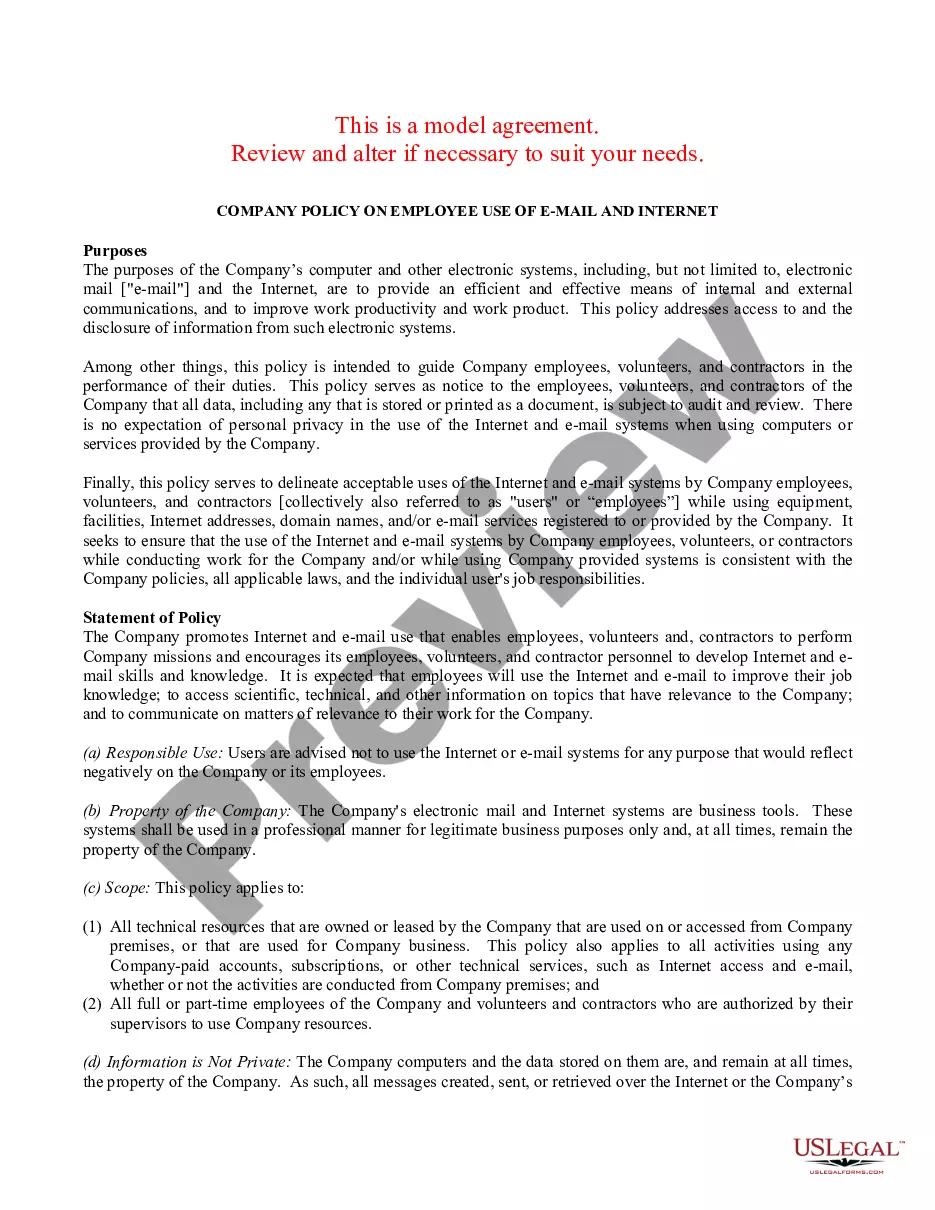
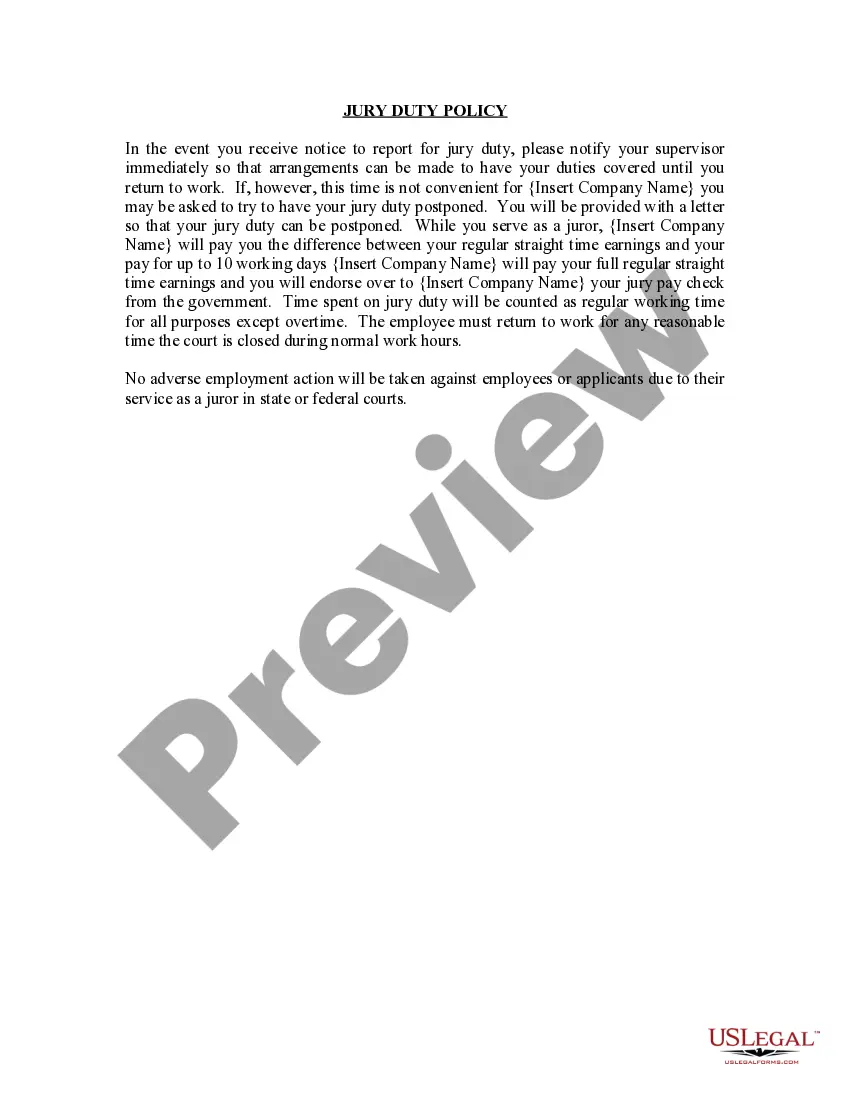
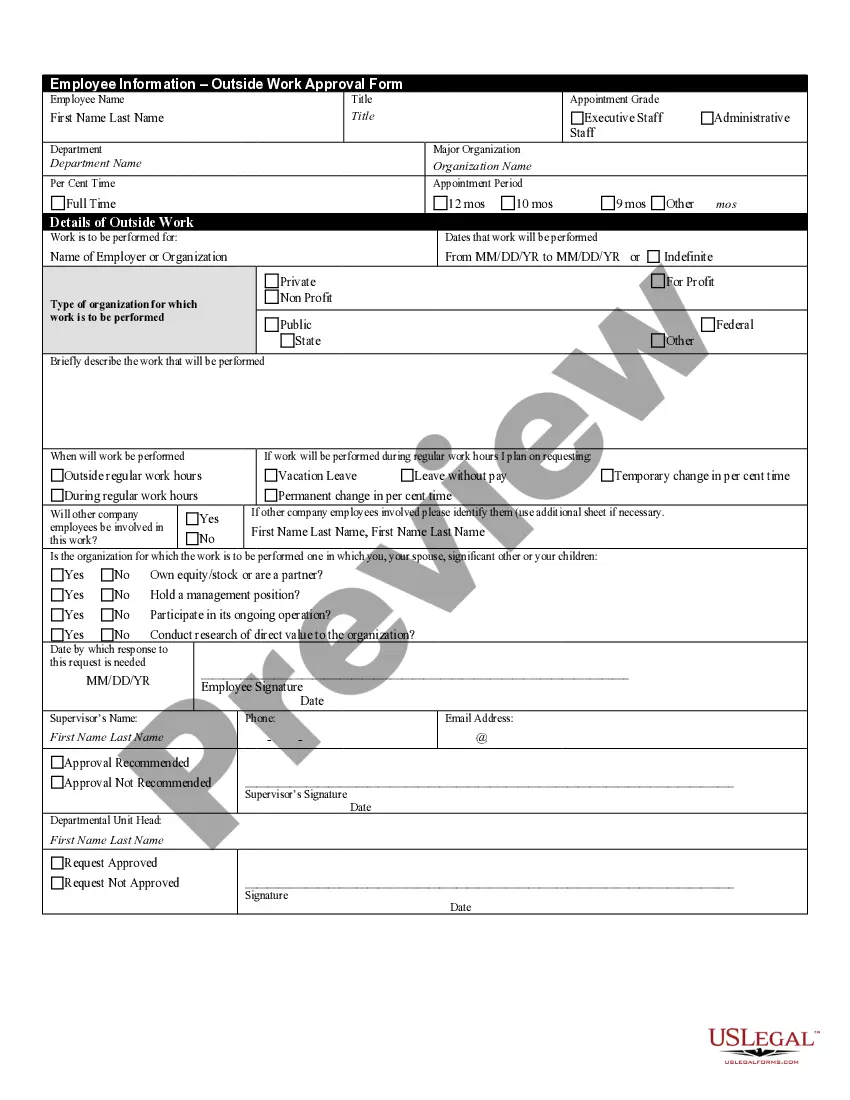
Get your form ready online
Our built-in tools help you complete, sign, share, and store your documents in one place.
Make edits, fill in missing information, and update formatting in US Legal Forms—just like you would in MS Word.
Download a copy, print it, send it by email, or mail it via USPS—whatever works best for your next step.
Sign and collect signatures with our SignNow integration. Send to multiple recipients, set reminders, and more. Go Premium to unlock E-Sign.
If this form requires notarization, complete it online through a secure video call—no need to meet a notary in person or wait for an appointment.
We protect your documents and personal data by following strict security and privacy standards.

Make edits, fill in missing information, and update formatting in US Legal Forms—just like you would in MS Word.

Download a copy, print it, send it by email, or mail it via USPS—whatever works best for your next step.

Sign and collect signatures with our SignNow integration. Send to multiple recipients, set reminders, and more. Go Premium to unlock E-Sign.

If this form requires notarization, complete it online through a secure video call—no need to meet a notary in person or wait for an appointment.

We protect your documents and personal data by following strict security and privacy standards.
Looking for another form?
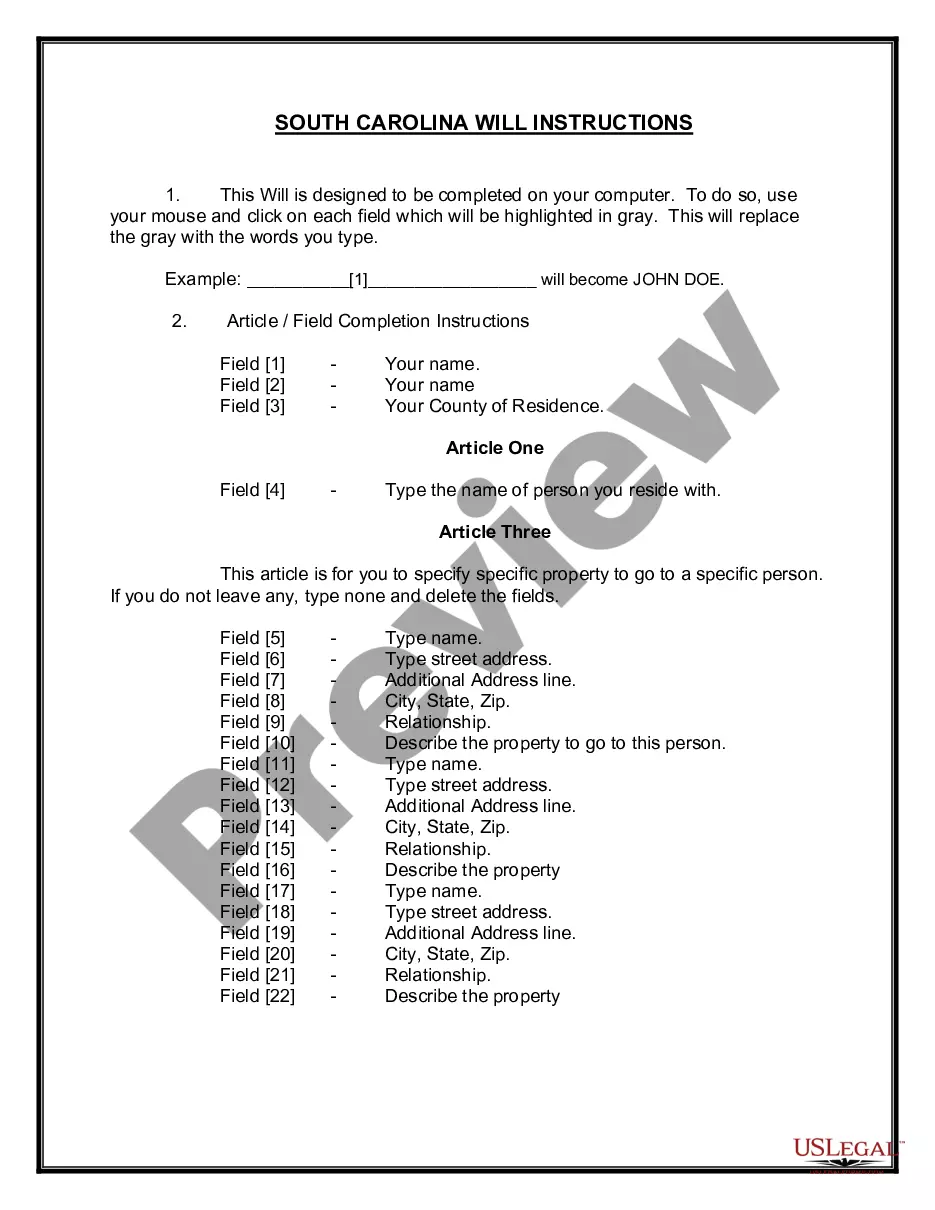



How to fill out Outside Work - Strict Policy?
Regardless of whether for commercial reasons or personal matters, everyone inevitably has to handle legal issues at some stage in their life.
Completing legal paperwork requires meticulous attention, starting with selecting the correct form template.
With a vast collection of US Legal Forms available, you won't waste time searching for the appropriate sample online. Take advantage of the library’s easy navigation to find the right template for any circumstance.
- For example, if you select an incorrect version of a Work Policy Form With 2 Points, it will be denied upon submission.
- Thus, it's essential to find a reliable source of legal documents such as US Legal Forms.
- If you wish to acquire a Work Policy Form With 2 Points template, follow these straightforward steps.
- Retrieve the sample you require using the search bar or catalog navigation.
- Review the form’s details to confirm it aligns with your situation, state, and locality.
- Click on the form’s preview to inspect it.
- If it is not the correct document, return to the search feature to locate the Work Policy Form With 2 Points template you need.
- Download the template once it satisfies your requirements.
- If you possess a US Legal Forms account, simply click Log in to access previously stored templates in My documents.
- If you do not have an account yet, you can obtain the form by clicking Buy now.
- Select the correct pricing option.
- Complete the account registration form.
- Choose your payment method: you can either use a credit card or PayPal account.
- Select the document format you prefer and download the Work Policy Form With 2 Points.
- Once it is saved, you can fill out the form using editing software or print it and complete it manually.
Form popularity
FAQ
An example of a work policy is a social media policy. This policy guides employees on how to represent the company on social media platforms, detailing do's and don'ts for posting. A well-defined social media policy helps protect the company's reputation while allowing employees to engage professionally online.
Some examples of workplace policies include harassment policies, remote work policies, and performance evaluation policies. Harassment policies define unacceptable behavior and reporting procedures, while remote work policies outline expectations for employees working from home. Performance evaluation policies provide a framework for assessing employee performance and growth.
To write a work policy, start by identifying the specific issue or area that needs regulation. Clearly outline the purpose of the policy, followed by detailed procedures and expectations. Finally, review and revise the policy to ensure clarity and compliance with legal standards, and consider using a work policy form with 2 points for structure.
A simple example of a policy is a dress code policy. This policy specifies the expected attire for employees while at work, including appropriate clothing types and any restrictions. By setting clear expectations, a dress code policy helps maintain a professional atmosphere within the workplace.
Two common examples of workplace policies are attendance policies and workplace safety policies. Attendance policies outline expectations for employee presence, including punctuality and absence reporting procedures. Workplace safety policies provide guidelines to ensure a safe working environment, detailing safety practices and emergency procedures.
An employee attendance point system is an absence management method that gives out points each time a team member is late or absent for the entire day. One point might not mean much, but once the points rack up, they can lead to different levels of discipline for the team member (even being fired).
3 points if you call off four hours or more before your shift.
A points system is one way to reward workers when they do the things you want them to do. Throughout a set period (a week, month, quarter, or year), employees can rack up points that will eventually lead to a benefit, like a gift, a day off, a bonus, a better parking spot, or a host of other rewards.
An attendance point system is an absence policy that penalizes employees with points every time they are late or absent for a shift. Accruing a certain number of these points results in disciplinary action, and with enough points, termination.
Example of an Attendance Point System: Late Arrival: If an employee arrives up to 30 minutes late, they are assigned 0.5 points. If they arrive more than 30 minutes late, it's 1 point. Early Departure: Leaving up to 30 minutes before the official end of the workday results in 0.5 points.
