Work Employee Outside Forecast
Description
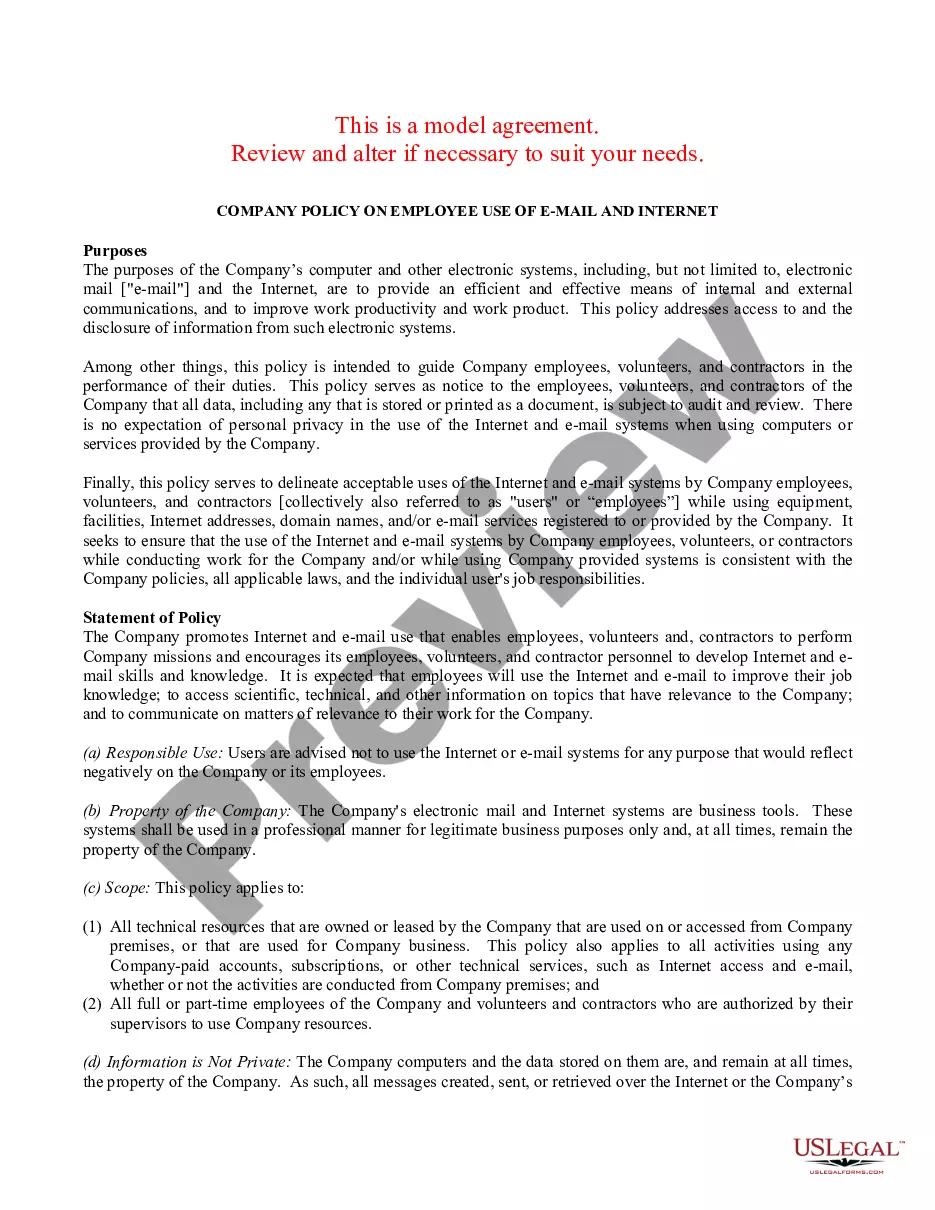
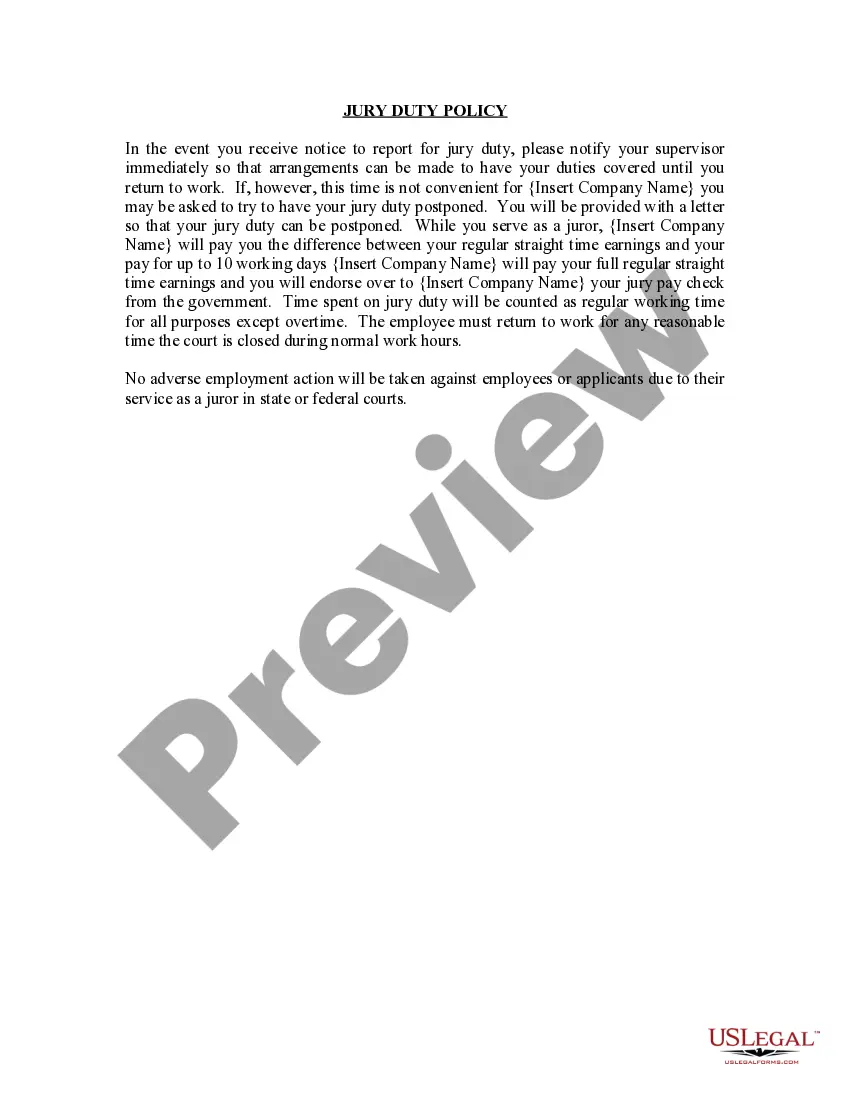
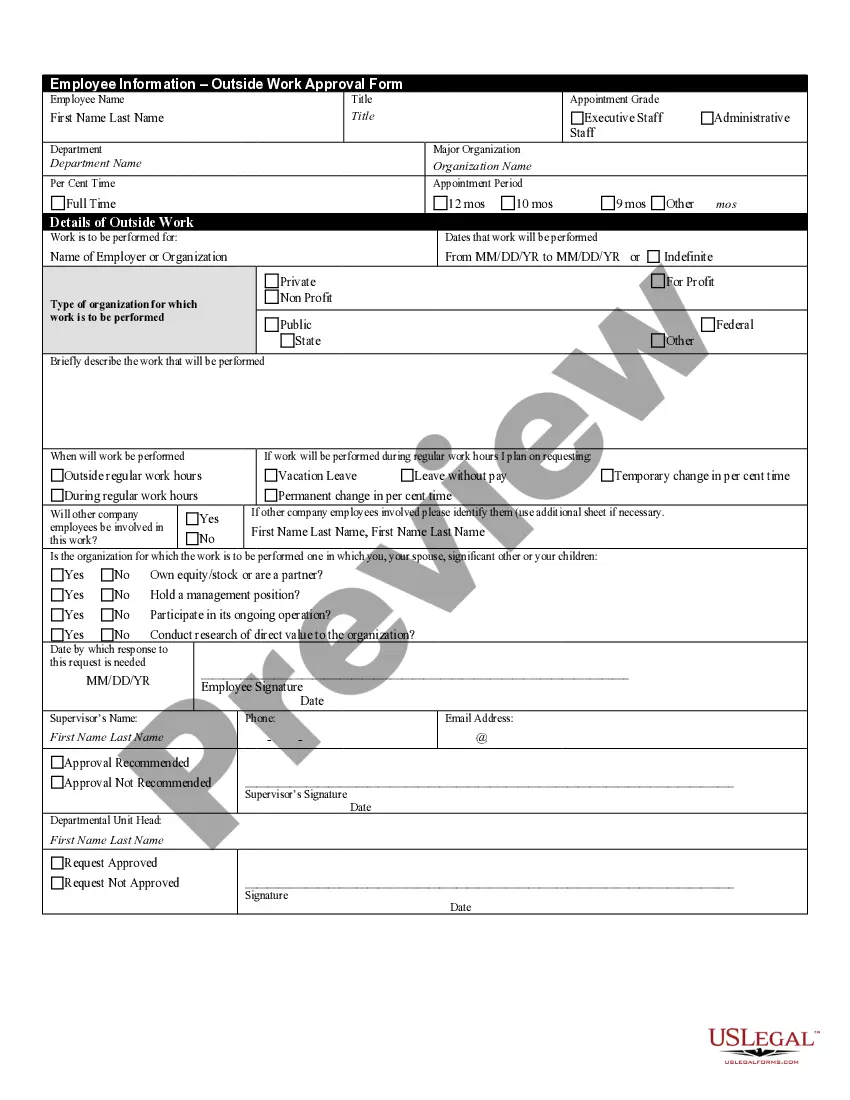
Get your form ready online
Our built-in tools help you complete, sign, share, and store your documents in one place.
Make edits, fill in missing information, and update formatting in US Legal Forms—just like you would in MS Word.
Download a copy, print it, send it by email, or mail it via USPS—whatever works best for your next step.
Sign and collect signatures with our SignNow integration. Send to multiple recipients, set reminders, and more. Go Premium to unlock E-Sign.
If this form requires notarization, complete it online through a secure video call—no need to meet a notary in person or wait for an appointment.
We protect your documents and personal data by following strict security and privacy standards.

Make edits, fill in missing information, and update formatting in US Legal Forms—just like you would in MS Word.

Download a copy, print it, send it by email, or mail it via USPS—whatever works best for your next step.

Sign and collect signatures with our SignNow integration. Send to multiple recipients, set reminders, and more. Go Premium to unlock E-Sign.

If this form requires notarization, complete it online through a secure video call—no need to meet a notary in person or wait for an appointment.

We protect your documents and personal data by following strict security and privacy standards.
Looking for another form?










How to fill out Outside Work - Strict Policy?
Creating legal documents from the ground up can occasionally be daunting.
Certain situations may require extensive research and significant financial investment.
If you’re looking for a simpler and more affordable method of drafting the Work Employee Outside Forecast or other documents without facing obstacles, US Legal Forms is always available to assist you.
Our online repository of over 85,000 contemporary legal documents encompasses nearly every facet of your financial, legal, and personal matters. With just a few clicks, you can swiftly acquire state- and county-specific forms meticulously crafted for you by our legal professionals.
Examine the document preview and descriptions to ensure you are selecting the correct form. Verify if the template you choose meets your state and county requirements. Select the appropriate subscription option to purchase the Work Employee Outside Forecast. Download the document, and then complete, certify, and print it. US Legal Forms prides itself on a flawless reputation and over 25 years of expertise. Join us today and make form completion effortless and efficient!
- Utilize our platform whenever you need dependable services to effortlessly locate and download the Work Employee Outside Forecast.
- If you are familiar with our services and have already set up an account, simply Log In, find the template, and download it or re-download it anytime in the My documents section.
- Not yet registered? No worries. Registration takes only a few minutes and allows you to browse the library.
- However, before diving into downloading the Work Employee Outside Forecast, keep these tips in mind.
Form popularity
FAQ
The legal working temperature varies depending on the state, but generally, employers are advised to ensure safe working conditions for employees outdoors. Many experts recommend not allowing work in temperatures below 20 degrees Fahrenheit without proper precautions. It is crucial to monitor the work employee outside forecast and provide employees with adequate protective gear and frequent breaks to minimize health risks. Always check your local laws for specific guidelines to maintain compliance.
To announce inclement weather to employees, you can use multiple communication channels to ensure everyone receives the message promptly. Start by sending a company-wide email detailing the weather forecast and any necessary changes to work schedules. Additionally, utilize messaging apps or a dedicated employee portal to reinforce your announcement. This proactive approach helps your team prepare for potential weather-related disruptions and aligns with your work employee outside forecast.
OSHA has specific guidelines to protect workers from extreme temperatures. These regulations emphasize the importance of monitoring weather forecasts to ensure safe working conditions when you must work employees outside. Employers must take measures like providing water and rest breaks to prevent heat-related illnesses. By staying informed of the work employee outside forecast, you can further safeguard your team's well-being on the job.
Calling out during a snow storm may have different consequences based on your employer's policies regarding attendance and inclement weather. If your workplace has guidelines that allow for safe call-outs during dangerous conditions, you should feel secure in taking that day off. However, it’s important to communicate with your employer and follow proper procedures. Understanding your rights in these circumstances can assist you in making informed decisions when facing harsh weather outside the forecast.
Yes, you can report a coworker for inappropriate behavior outside of work if it affects the workplace environment or violates company policies. Gather sufficient evidence and report your concerns through the appropriate channels at your workplace. It's important to maintain professionalism while addressing issues that may impact team dynamics. Open communication can help uphold a positive work atmosphere, regardless of activities outside the forecast.
Employers can mandate attendance during inclement weather, especially if the work environment is deemed safe. However, employees should assess their safety when confronted with hazardous conditions. If you believe the situation is unsafe, express your concerns to your supervisor promptly. Familiarizing yourself with your company's policies regarding unsafe weather helps you better manage your work attendance outside the forecast.
Inclement weather can qualify as an excused absence depending on your employer's policies and local labor laws. If your company has a clear inclement weather policy that outlines when safety concerns lead to excused absences, it's essential to follow that guideline. Always keep communication open with your employer to clarify your status during such weather events. Being informed helps you handle attendance matters effectively even when the forecast predicts rough conditions.
Yes, an employer can require you to report to work during bad weather unless specified otherwise in company policies or local laws. However, the safety of employees should always be a priority for any business. If you find yourself in a dangerous situation, you should communicate your concerns with management. Knowing your rights related to extreme weather can help you work effectively outside the forecast.
An inclement weather policy outlines the procedures and expectations for employees when severe weather impacts normal operations. This policy typically includes guidelines for communication, safety measures, and how weather conditions affect work attendance. Understanding this policy is crucial for any worker, as it can directly influence how you navigate risky situations. For personalized templates, you may explore resources on the US Legal Forms platform.
Explaining an inclement weather policy involves clarifying its purpose and the specific measures it includes. Make it clear that the policy is designed to protect employees and maintain workplace safety. Use relatable examples and case studies to illustrate how this policy helps manage risks associated with severe weather. Providing accessible explanations fosters a better understanding, especially for those who may be concerned about working outside the forecast.
