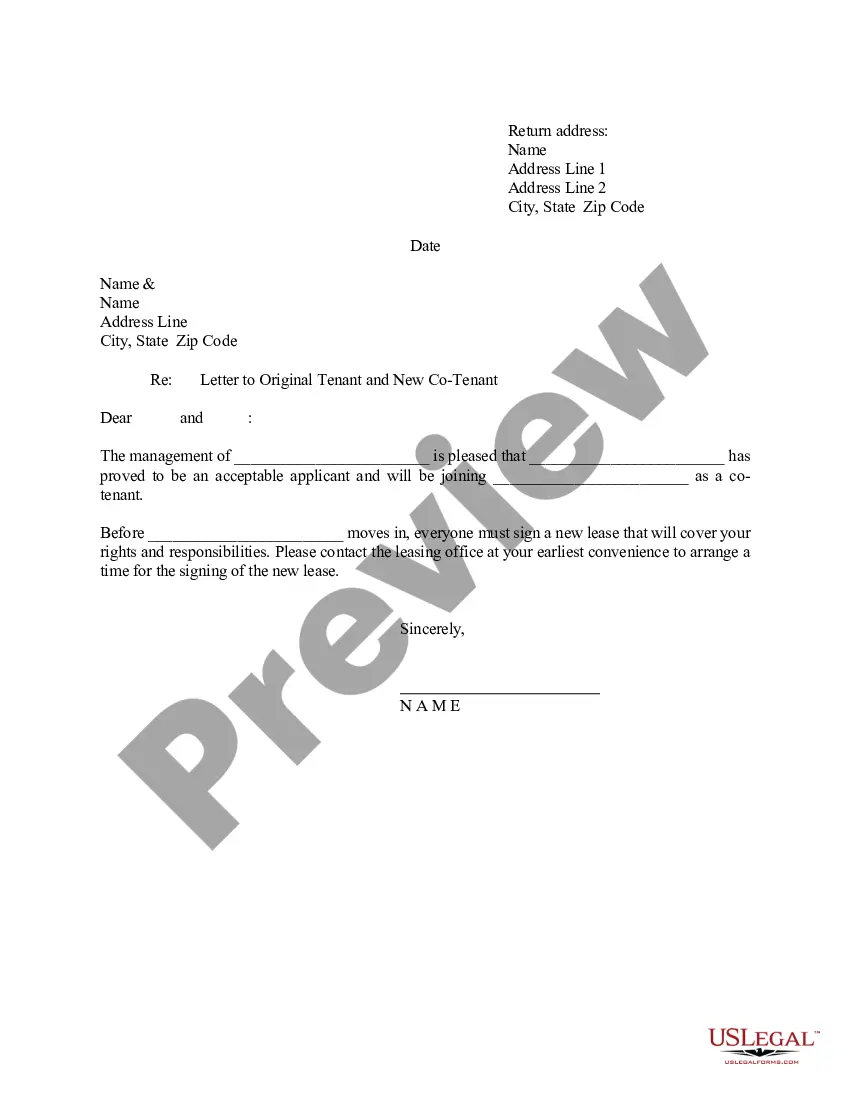
Letter Tenant Their For Food Stamps
Description
Get your form ready online
Our built-in tools help you complete, sign, share, and store your documents in one place.
Make edits, fill in missing information, and update formatting in US Legal Forms—just like you would in MS Word.
Download a copy, print it, send it by email, or mail it via USPS—whatever works best for your next step.
Sign and collect signatures with our SignNow integration. Send to multiple recipients, set reminders, and more. Go Premium to unlock E-Sign.
If this form requires notarization, complete it online through a secure video call—no need to meet a notary in person or wait for an appointment.
We protect your documents and personal data by following strict security and privacy standards.

Make edits, fill in missing information, and update formatting in US Legal Forms—just like you would in MS Word.

Download a copy, print it, send it by email, or mail it via USPS—whatever works best for your next step.

Sign and collect signatures with our SignNow integration. Send to multiple recipients, set reminders, and more. Go Premium to unlock E-Sign.

If this form requires notarization, complete it online through a secure video call—no need to meet a notary in person or wait for an appointment.

We protect your documents and personal data by following strict security and privacy standards.
Looking for another form?
Form popularity
FAQ
Start a letter to a tenant with a warm greeting, using their name to personalize the message. Clearly state the letter's purpose early on, whether it is about rent, maintenance, or updates involving their food stamps. Using a friendly tone can help make the message more relatable and invite an open line of communication. This initial connection sets a constructive tone for the rest of your correspondence.
Writing a notice of your intent to move out involves clarity and providing a timeline. Include your move-out date, and express gratitude for the time spent at the property. If relevant, mention any procedures for returning security deposits or how it may relate to any food stamps they receive. A clear notice ensures there are no misunderstandings as you prepare to leave.
To write a letter to your tenant, start with a friendly greeting, followed by the purpose of your communication. Be clear and concise when addressing any issues or updates, especially about rent or food stamps. You can also include a call to action, inviting them to discuss any concerns. Remember, a well-structured letter can simplify important discussions.
When crafting a letter to ask a tenant to move out nicely, be respectful and empathetic. State the reason for the move-out request without dwelling on negatives. Emphasize any potential assistance relating to their food stamps and encourage them to reach out if they have questions. This gentle tone fosters goodwill and maintains positive relations.
A good tenant letter is clear, polite, and to the point. For instance, if you are reminding your tenant about their rent due date or discussing maintenance concerns, include specific details. You may mention the importance of communication for discussing issues related to their food stamps and how it might affect rental assistance. Using the 'letter tenant their for food stamps' approach ensures your tenant understands their responsibilities.
SNAP verifies rent by reviewing documentation that proves your housing costs. This may include lease agreements, rent receipts, and any other relevant paperwork. Providing a 'Letter tenant their for food stamps' can clarify your rental situation and support your SNAP application. Ensure you include all financial information, as it helps streamline the verification process.
To prove rent income, you can provide documentation such as lease agreements, rent statements, or bank statements showing regular payments. It's essential to maintain accurate records of all transactions related to rent. Creating a 'Letter tenant their for food stamps' can also support your evidence by clearly outlining rental income and payment history. For best results, consider using US Legal Forms to draft your proof letter.
To write an appeal letter for SNAP benefits, clearly indicate that you are appealing the decision made about your application or benefits. Start by providing your personal details, including your case number, and state the reason for the appeal. Be sure to include any supporting documents or evidence that strengthen your stance. The more organized and clear your letter is, the better the chances of a favorable outcome.
Writing a letter for assistance requires clarity and sincerity. Begin your letter with your name and contact information, followed by a respectful greeting. Clearly outline the type of assistance you need—be it financial aid, food assistance, or other resources—and explain your current situation. Including details about your challenges can empower your request, making your need evident to the recipient.
When writing an appeal letter for food stamps, start by clearly stating your intention to appeal the decision regarding your application. Include relevant details, such as your case number, and describe the reasons you believe the decision was incorrect. Support your argument with factual information and evidence, if available. This letter should be concise and respectful, emphasizing your need for assistance.