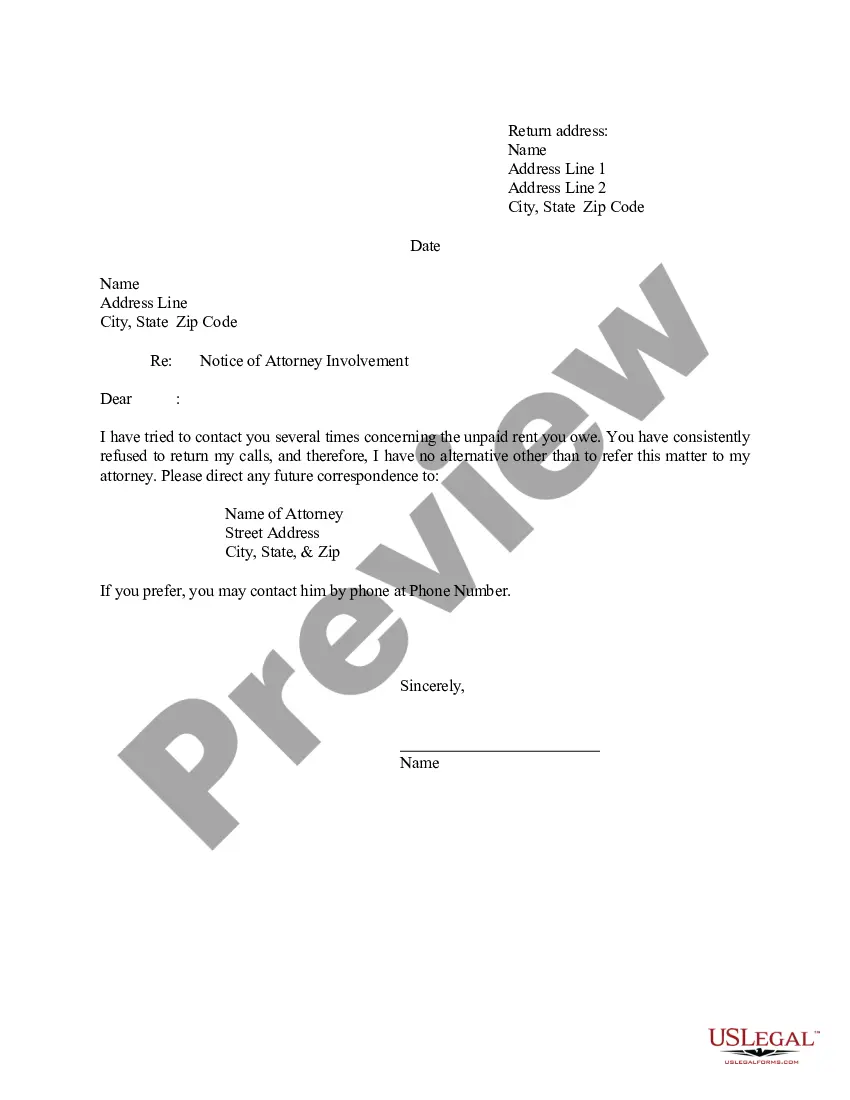
Tenant Attorneys Fort Myers
Description
Get your form ready online
Our built-in tools help you complete, sign, share, and store your documents in one place.
Make edits, fill in missing information, and update formatting in US Legal Forms—just like you would in MS Word.
Download a copy, print it, send it by email, or mail it via USPS—whatever works best for your next step.
Sign and collect signatures with our SignNow integration. Send to multiple recipients, set reminders, and more. Go Premium to unlock E-Sign.
If this form requires notarization, complete it online through a secure video call—no need to meet a notary in person or wait for an appointment.
We protect your documents and personal data by following strict security and privacy standards.

Make edits, fill in missing information, and update formatting in US Legal Forms—just like you would in MS Word.

Download a copy, print it, send it by email, or mail it via USPS—whatever works best for your next step.

Sign and collect signatures with our SignNow integration. Send to multiple recipients, set reminders, and more. Go Premium to unlock E-Sign.

If this form requires notarization, complete it online through a secure video call—no need to meet a notary in person or wait for an appointment.

We protect your documents and personal data by following strict security and privacy standards.
Looking for another form?


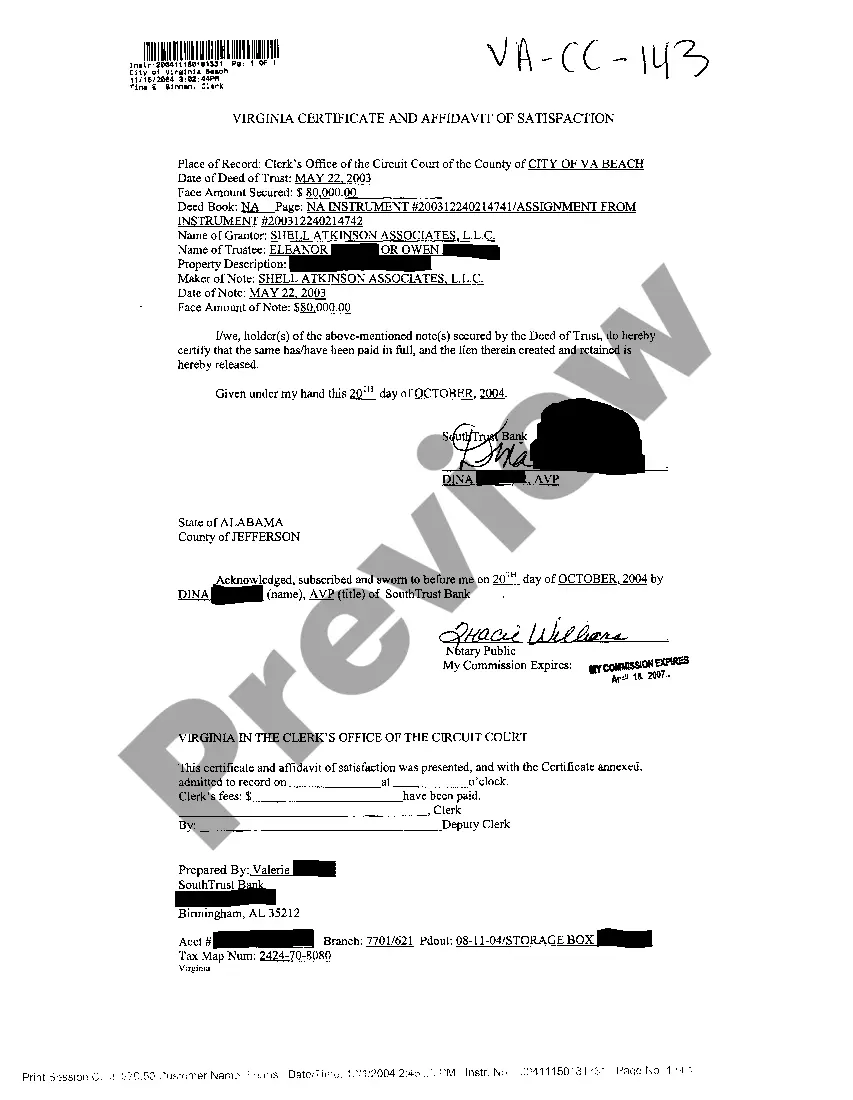






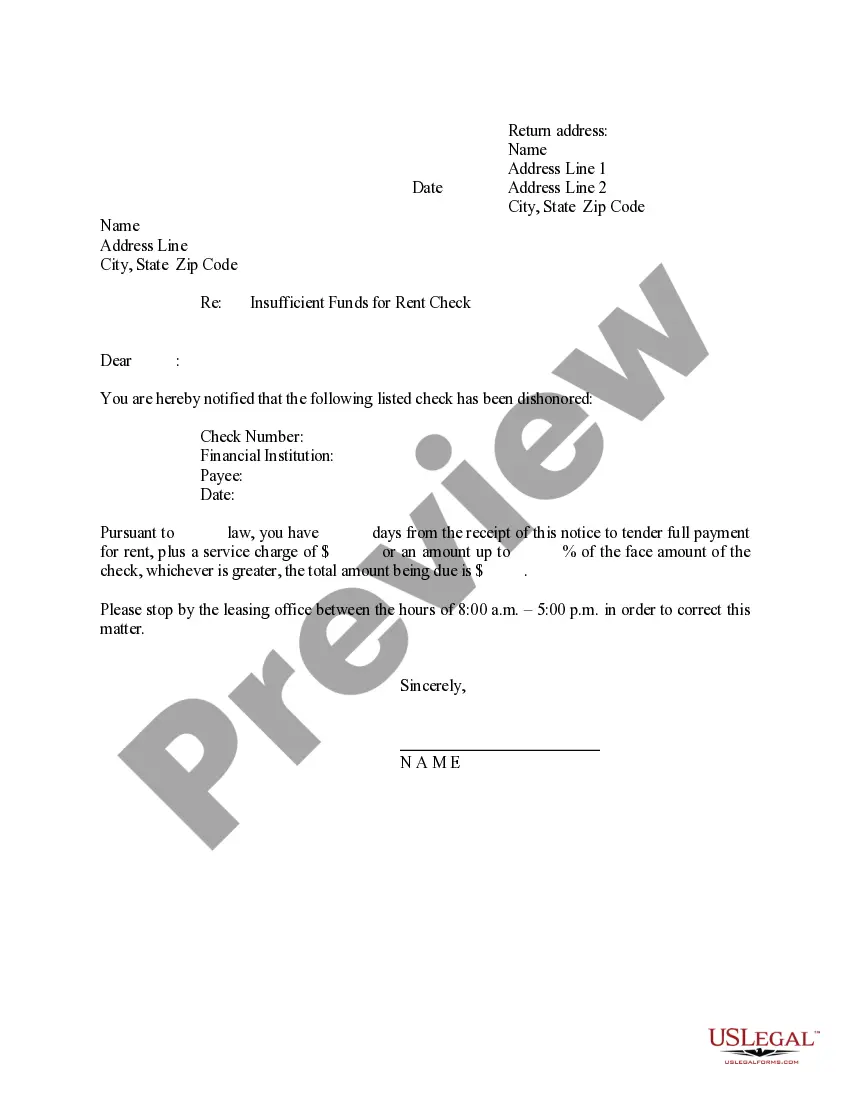
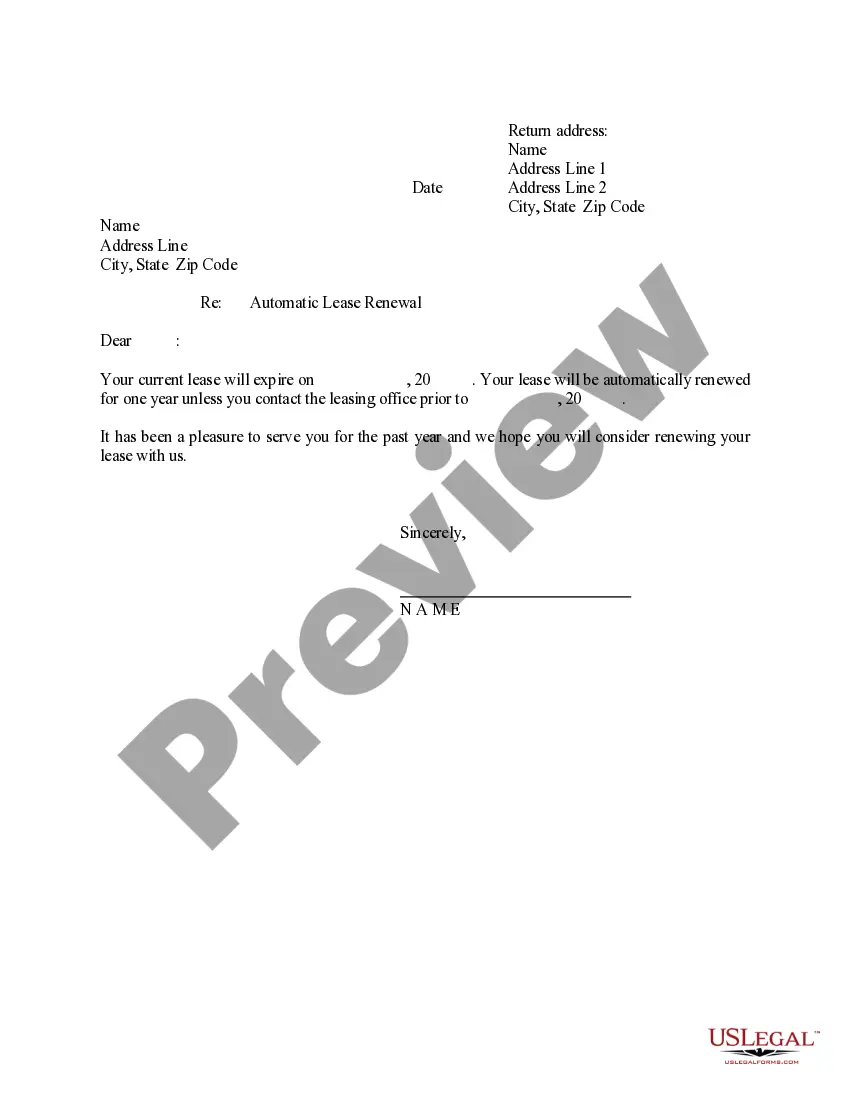
How to fill out Letter - Notification To Renter Of Attorneys Involvement In The Collection Of Unpaid Rent?
Whether for commercial interests or personal concerns, everyone must deal with legal matters at some point in their lives.
Completing legal documentation requires meticulous attention, starting from selecting the correct form template.
With an extensive US Legal Forms library available, you won’t have to waste time searching for the correct template online. Use the library’s straightforward navigation to find the right template for any circumstance.
- Locate the template you require by using the search option or navigating through the catalog.
- Review the form’s details to confirm it corresponds with your case, state, and area.
- Click on the form’s preview to inspect it.
- If it is the incorrect document, return to the search tool to find the Tenant Attorneys Fort Myers example you need.
- Download the document if it fits your requirements.
- If you already possess a US Legal Forms account, click Log in to access previously saved templates in My documents.
- If you haven’t created an account yet, you can acquire the form by clicking Buy now.
- Select the appropriate pricing tier.
- Complete the profile signup form.
- Choose your payment option: utilize a credit card or PayPal.
- Select the document format you prefer and download the Tenant Attorneys Fort Myers.
- Once it is downloaded, you can fill out the form using editing software or print it and complete it by hand.
Form popularity
FAQ
Florida: Guests become tenants when they stay for over 14 days within six months, or seven nights in a row.
Substantial involvement in the specialty of real estate law ? 40% or more ? in the three years immediately preceding application; 45 hours of approved real estate law certification continuing legal education in the three years immediately preceding application; Peer review; and, A written examination.
When a person pays rent to live in a house, apartment, condominium or mobile home, the renter becomes a tenant governed by Florida law. It doesn't matter whether payment is made weekly, monthly or at other regular periods.
For instance, tenants sign a legally binding contract with the landlord and are responsible for paying rent and following lease terms. However, an occupant is simply authorized to live in a rental with the landlord's permission. As such, they sometimes have different responsibilities or protections than tenants.
A ?Tenant? is defined as a person entitled to occupy a property under a rental agreement. (Fla. Stat. § 83.43).