Legal Proposal Letter Without Prejudice
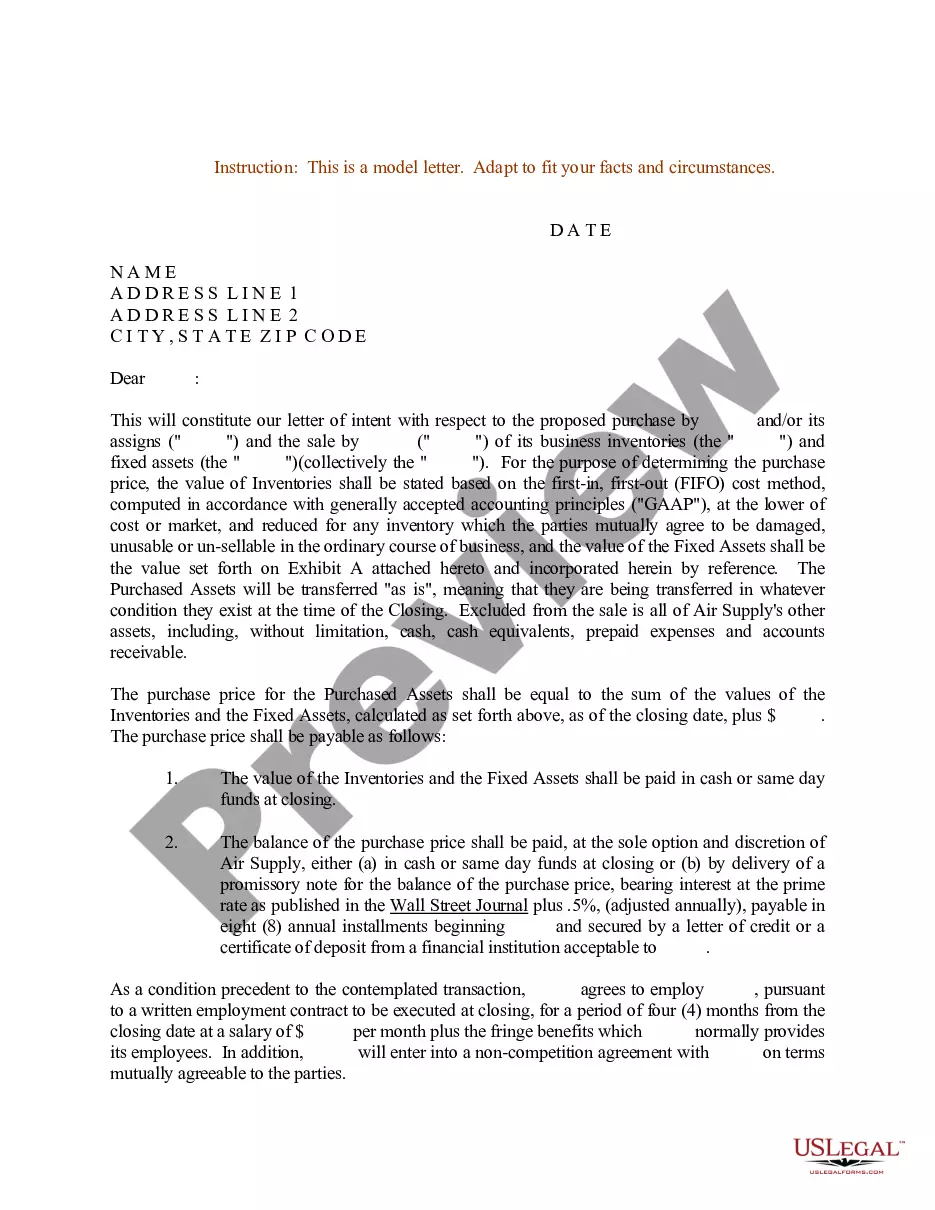
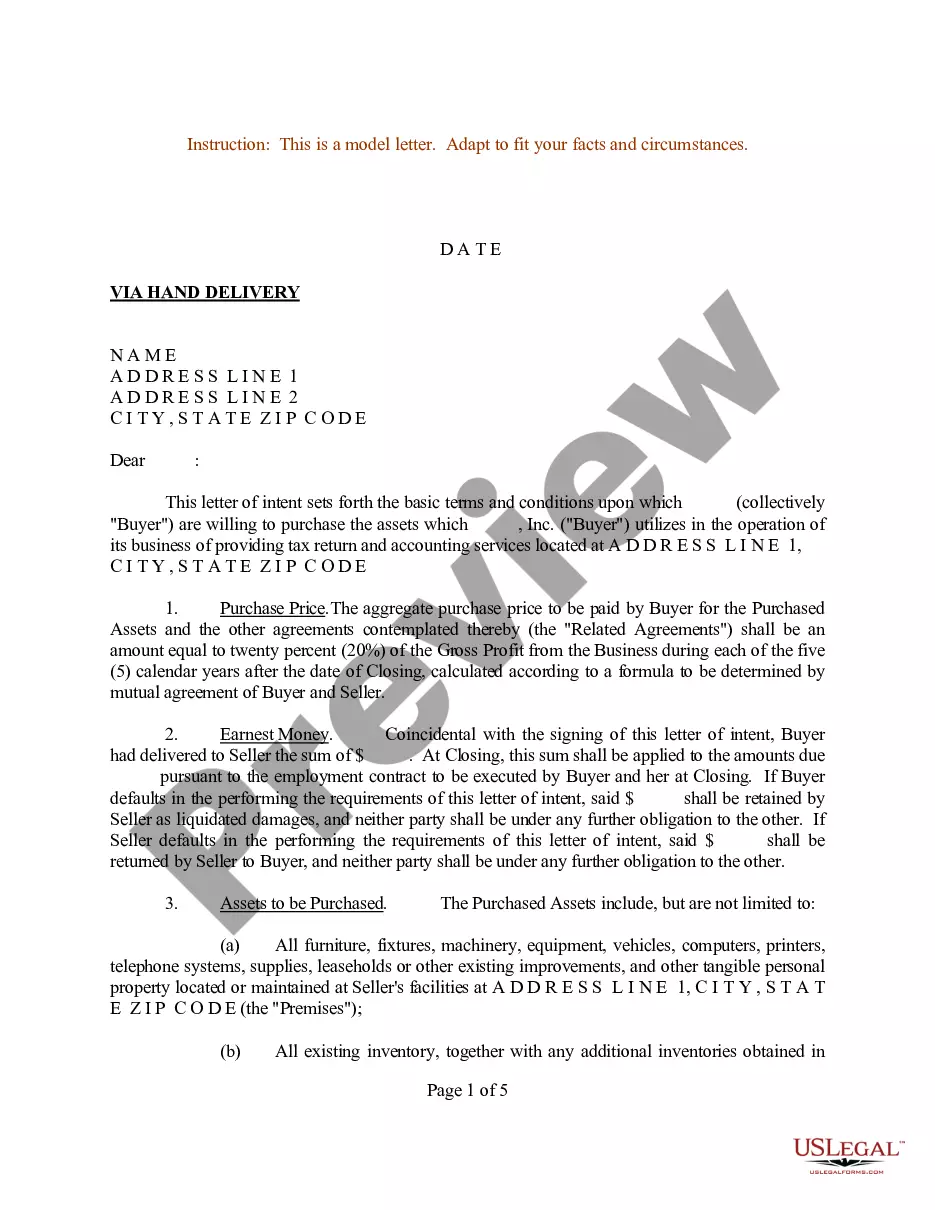
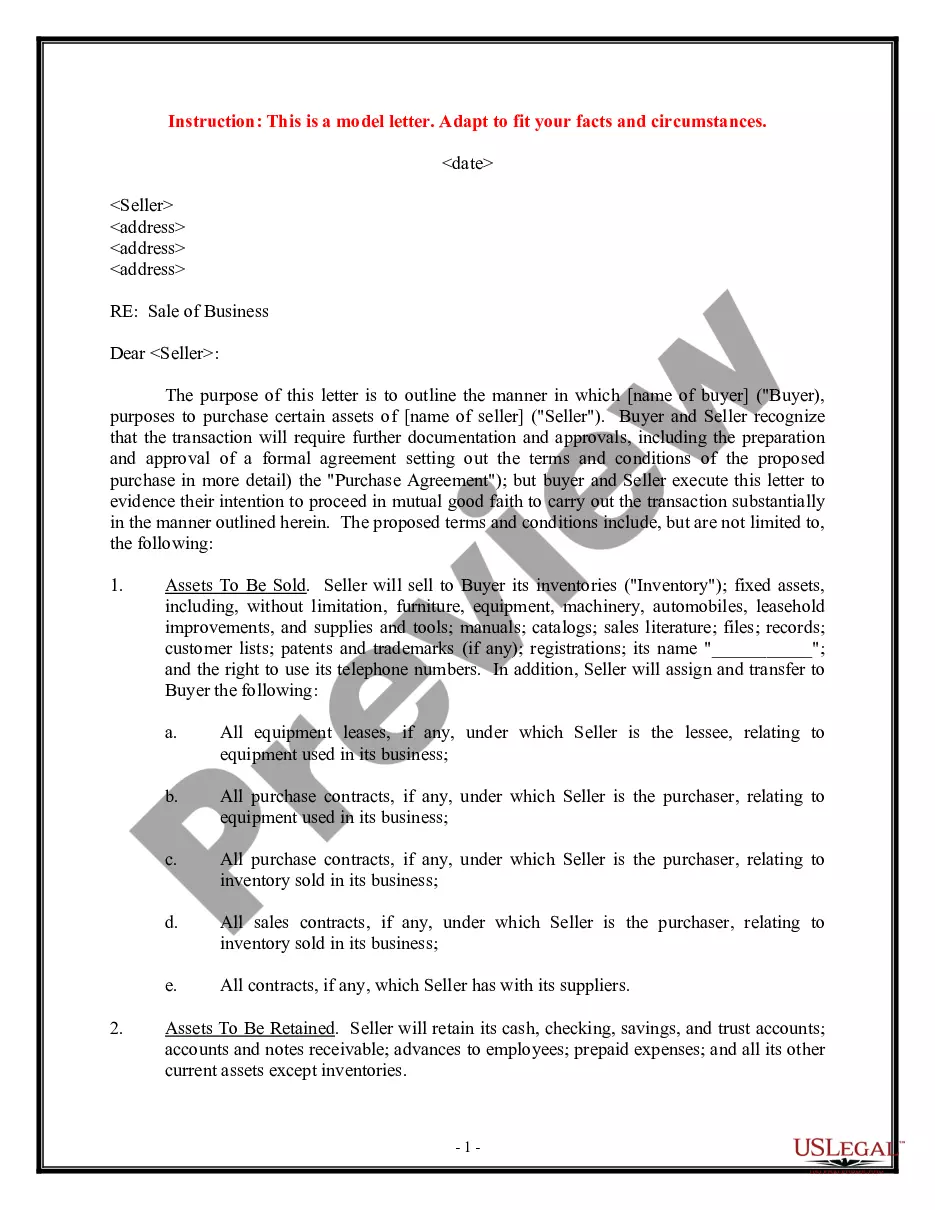
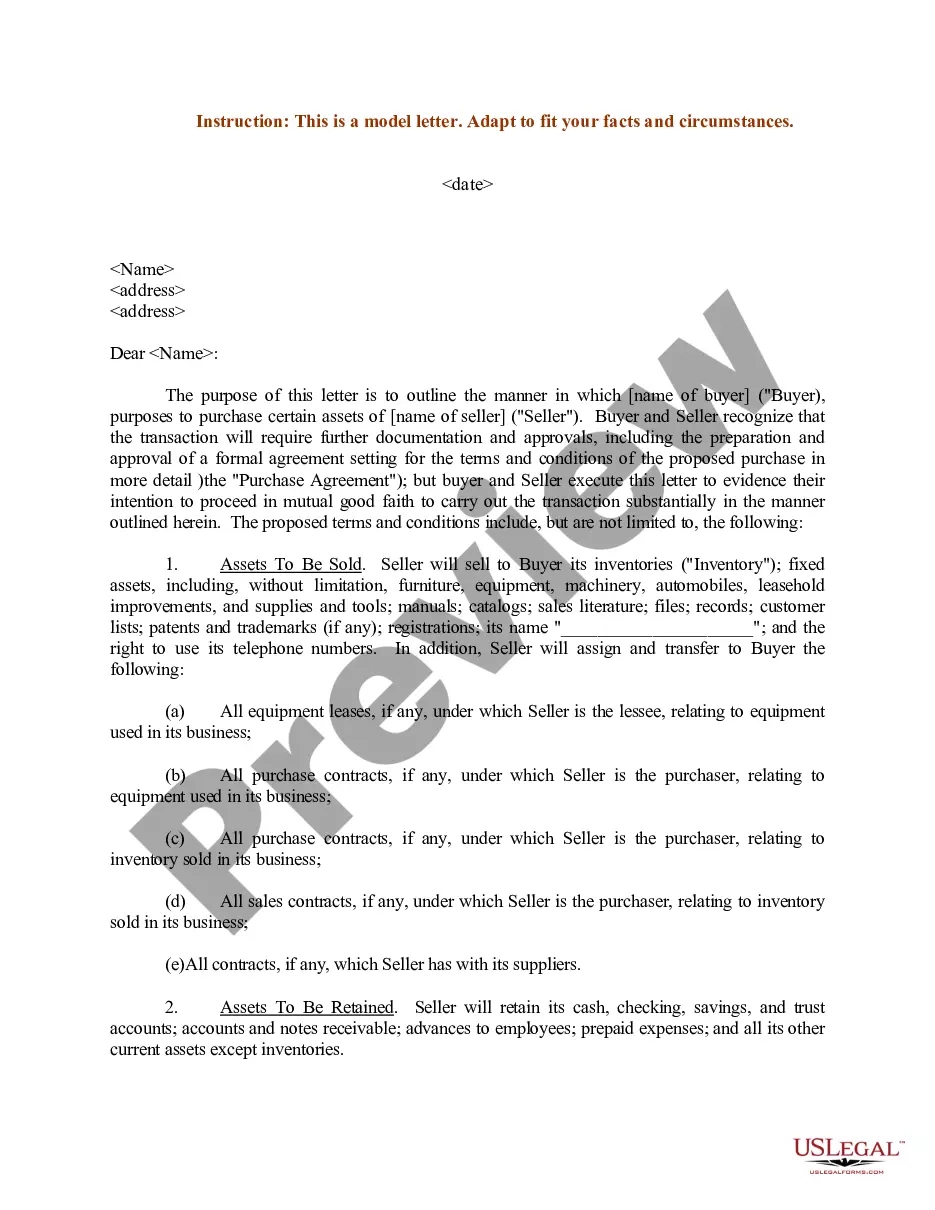
Description
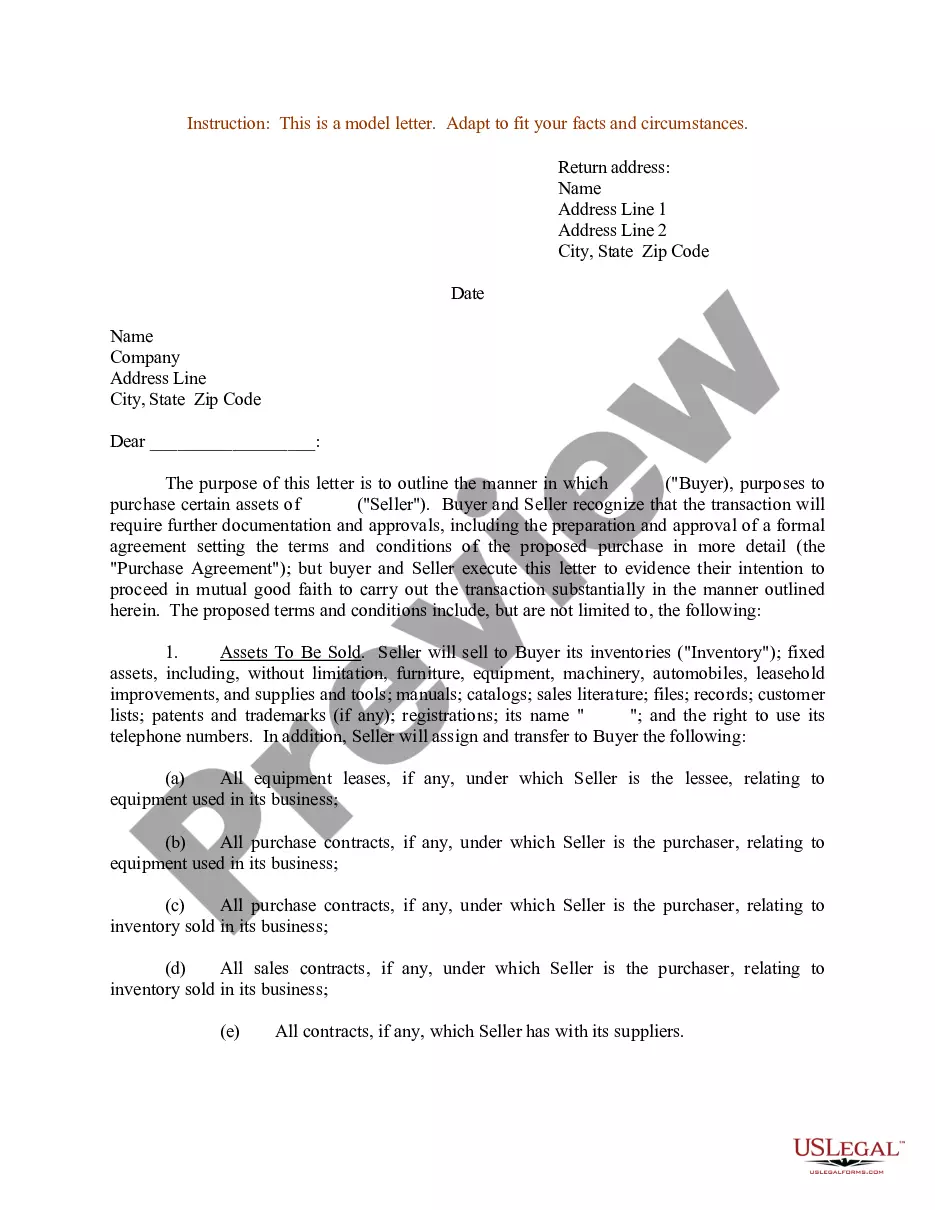
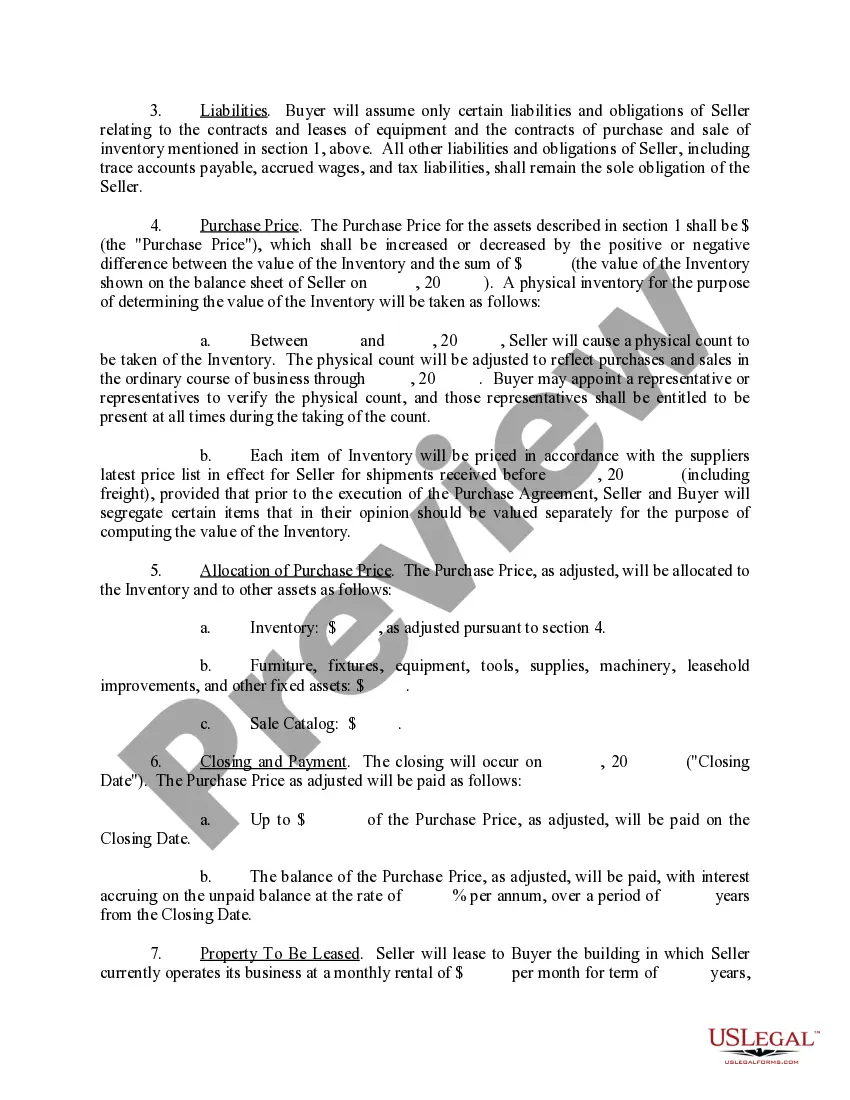
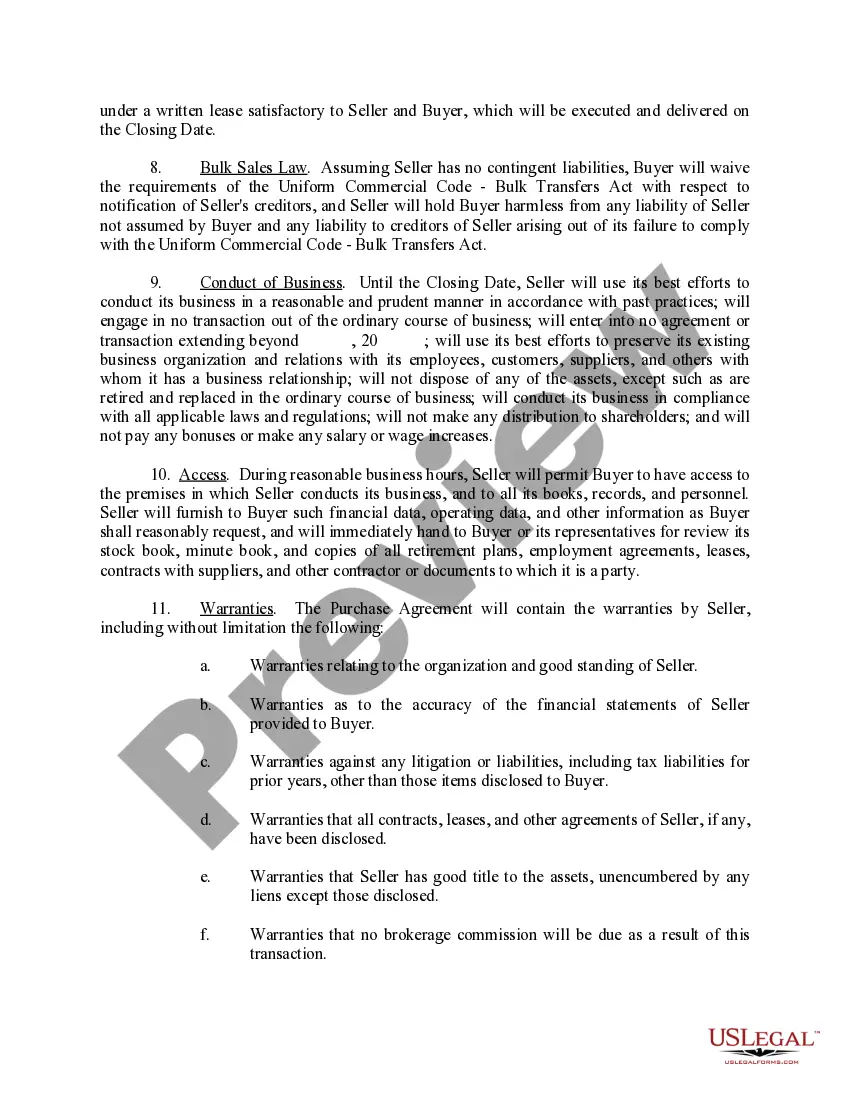
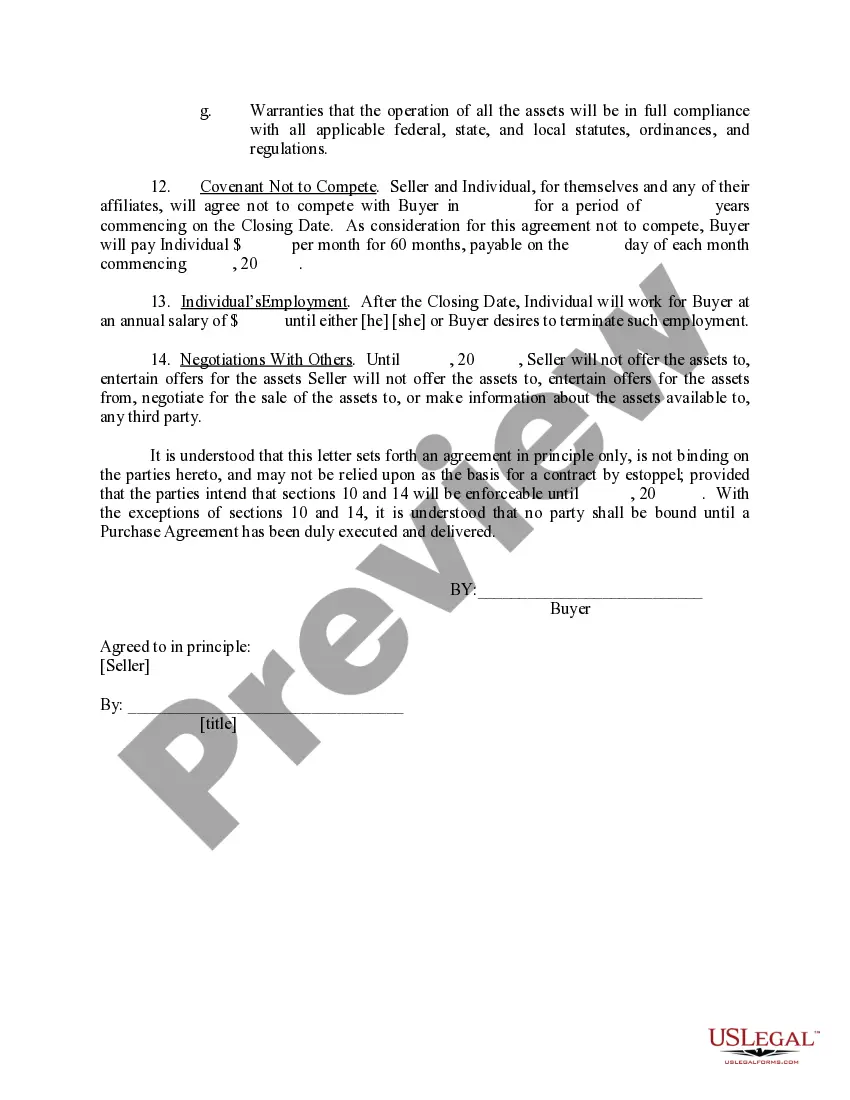
Get your form ready online
Our built-in tools help you complete, sign, share, and store your documents in one place.
Make edits, fill in missing information, and update formatting in US Legal Forms—just like you would in MS Word.
Download a copy, print it, send it by email, or mail it via USPS—whatever works best for your next step.
Sign and collect signatures with our SignNow integration. Send to multiple recipients, set reminders, and more. Go Premium to unlock E-Sign.
If this form requires notarization, complete it online through a secure video call—no need to meet a notary in person or wait for an appointment.
We protect your documents and personal data by following strict security and privacy standards.

Make edits, fill in missing information, and update formatting in US Legal Forms—just like you would in MS Word.

Download a copy, print it, send it by email, or mail it via USPS—whatever works best for your next step.

Sign and collect signatures with our SignNow integration. Send to multiple recipients, set reminders, and more. Go Premium to unlock E-Sign.

If this form requires notarization, complete it online through a secure video call—no need to meet a notary in person or wait for an appointment.

We protect your documents and personal data by following strict security and privacy standards.
Looking for another form?


How to fill out Sample Letter For Outline Of Proposal To Purchase Certain Assets By The Buyer?
There's no longer a requirement to spend time searching for legal documents to adhere to your local state laws.
US Legal Forms has gathered all of them in one location and made them easily accessible.
Our website offers over 85k templates for any business and personal legal needs organized by state and area of application.
Select the most suitable pricing plan and register for an account or Log In. Complete payment for your subscription with a card or via PayPal to proceed. Choose the file format for your Legal Proposal Letter Without Prejudice and download it to your device. Print your form to fill it out manually or upload the sample if you prefer to do it in an online editor. Preparing formal documentation under federal and state laws is quick and easy with our platform. Try US Legal Forms today to keep your paperwork organized!
- All forms are properly drafted and verified for accuracy, so you can trust in getting an up-to-date Legal Proposal Letter Without Prejudice.
- If you are familiar with our platform and already possess an account, ensure your subscription is active before accessing any templates.
- Log In to your account, select the document, and click Download.
- You can also revisit all saved documents whenever necessary by opening the My documents tab in your profile.
- If you haven't engaged with our platform previously, the process will involve a few more steps to complete.
- Check the page content closely to confirm it contains the sample you need.
- Utilize the form description and preview options if available.
- Use the Search bar above to look for another template if the previous one does not meet your needs.
- Click Buy Now next to the template name when you locate the right one.
Form popularity
FAQ
To settle without prejudice means that any agreements reached during negotiations cannot be brought before a court as evidence. When you choose to use a legal proposal letter without prejudice, you ensure that both parties can propose and accept settlement terms without fear of repercussion. This option provides a safety net for honest discussions while protecting the legal rights of both parties. Settling without prejudice can result in a more favorable and sensible resolution for all involved.
'Without prejudice' refers to a legal term that protects statements made during negotiations from being used in court. Essentially, when you use a legal proposal letter without prejudice, it signals that you are discussing a possible resolution without admitting liability or affecting your legal rights. In simple terms, it allows you to speak openly and honestly about potential settlements while safeguarding your position should the matter proceed to litigation. This assurance can help facilitate constructive dialogue between the parties.
The without prejudice process allows parties to discuss settlement offers without the risk of those statements being used later in court. This means that if you create a legal proposal letter without prejudice, you can negotiate freely, knowing that your discussions remain confidential. Typically, this process involves exchanging written communications where both parties explore possible resolutions. This approach fosters open negotiations that can lead to more amicable outcomes.
The phrase 'without any prejudice' means that the actions or communications made cannot be used later against a party in a legal context. It ensures that individuals can engage in honest discussions without the fear of legal repercussions. Using a legal proposal letter without prejudice exemplifies this principle, as it protects the integrity of negotiations while maximizing open communication.
Being dismissed without prejudice generally works in favor of the party who initiated the dismissal. This outcome allows them to refile their case in the future without being barred by a legal judgment. When utilizing a legal proposal letter without prejudice, this concept reassures parties of their legal rights while casting a positive light on further negotiation opportunities.
'Without prejudice' signifies discussions or offers made during negotiations that do not affect a party's legal rights. This term is crucial in creating a safe space for dialogue where parties can openly share ideas without fear of repercussions. In a legal proposal letter without prejudice, this protection is essential as both parties seek a resolution.
An example of 'without prejudice' is when one party makes a proposal to settle a dispute without admitting liability. If they draft a legal proposal letter without prejudice, it allows them to communicate terms while protecting their legal rights. Thus, both sides can negotiate freely and explore solutions without risk.
When an attorney states 'without prejudice,' they indicate that the communication will not affect their client's legal rights. This means any offers made or statements shared cannot be brought up in court should the negotiation fail. It is a vital principle that ensures open dialogue without legal consequences, typically employed in a legal proposal letter without prejudice.
A letter of no prejudice, often referred to as a legal proposal letter without prejudice, serves as a communication tool during negotiations. This letter allows the sender to discuss settlement terms without risking that their words will be admitted as evidence in court. Many use this format to protect their legal standings while seeking a resolution.
An example of 'without prejudice to' occurs when a party negotiates a settlement while communicating that their legal rights remain intact. For instance, if you send a legal proposal letter without prejudice, it shows you are open to discussion but not giving up any legal claims. This phrase allows parties to explore options without fearing that their statements will be used against them later.
