Appeal Letter For College
Description
Get your form ready online
Our built-in tools help you complete, sign, share, and store your documents in one place.
Make edits, fill in missing information, and update formatting in US Legal Forms—just like you would in MS Word.
Download a copy, print it, send it by email, or mail it via USPS—whatever works best for your next step.
Sign and collect signatures with our SignNow integration. Send to multiple recipients, set reminders, and more. Go Premium to unlock E-Sign.
If this form requires notarization, complete it online through a secure video call—no need to meet a notary in person or wait for an appointment.
We protect your documents and personal data by following strict security and privacy standards.

Make edits, fill in missing information, and update formatting in US Legal Forms—just like you would in MS Word.

Download a copy, print it, send it by email, or mail it via USPS—whatever works best for your next step.

Sign and collect signatures with our SignNow integration. Send to multiple recipients, set reminders, and more. Go Premium to unlock E-Sign.

If this form requires notarization, complete it online through a secure video call—no need to meet a notary in person or wait for an appointment.

We protect your documents and personal data by following strict security and privacy standards.
Looking for another form?




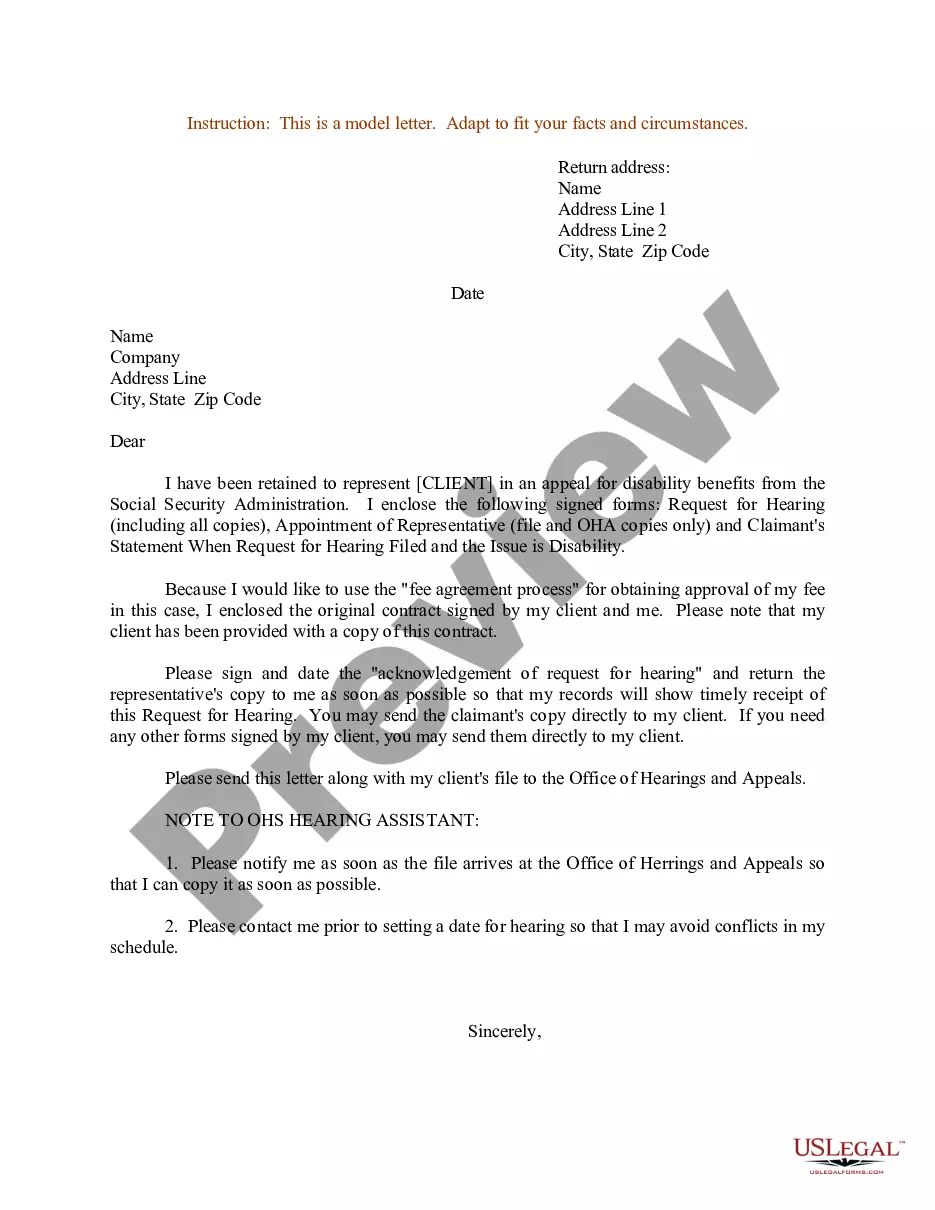
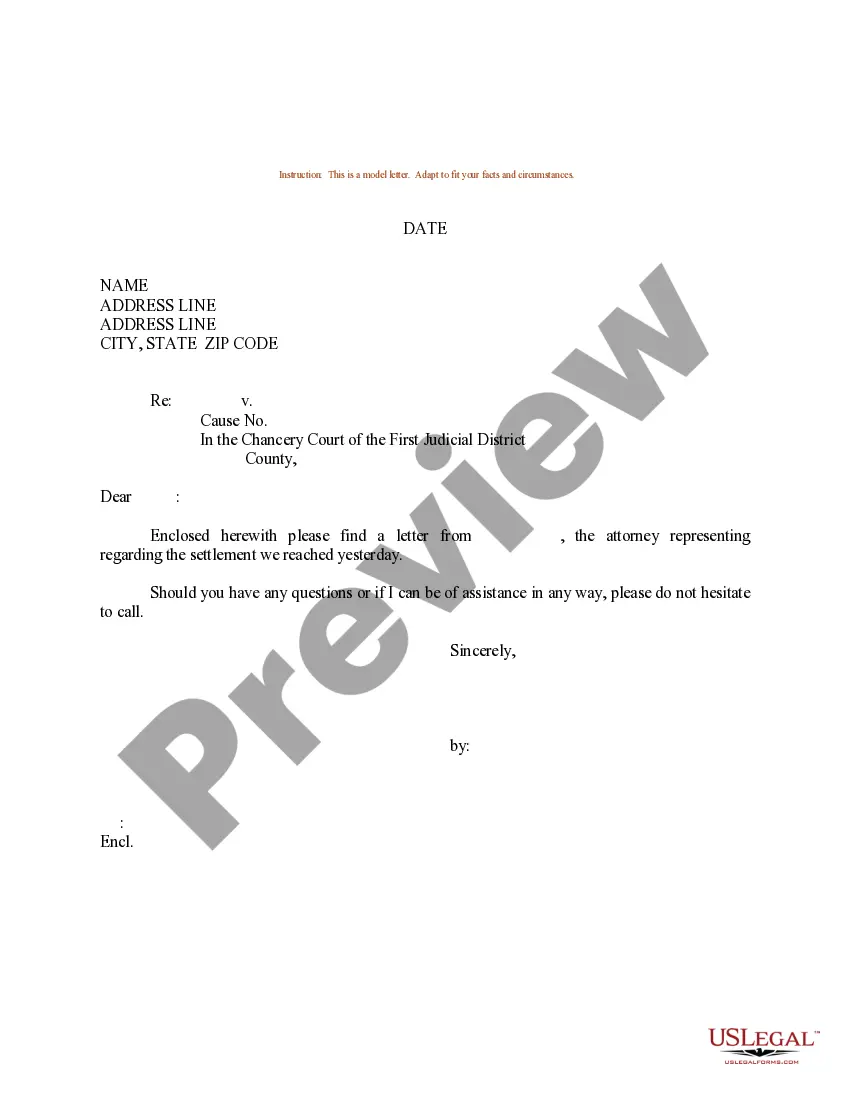
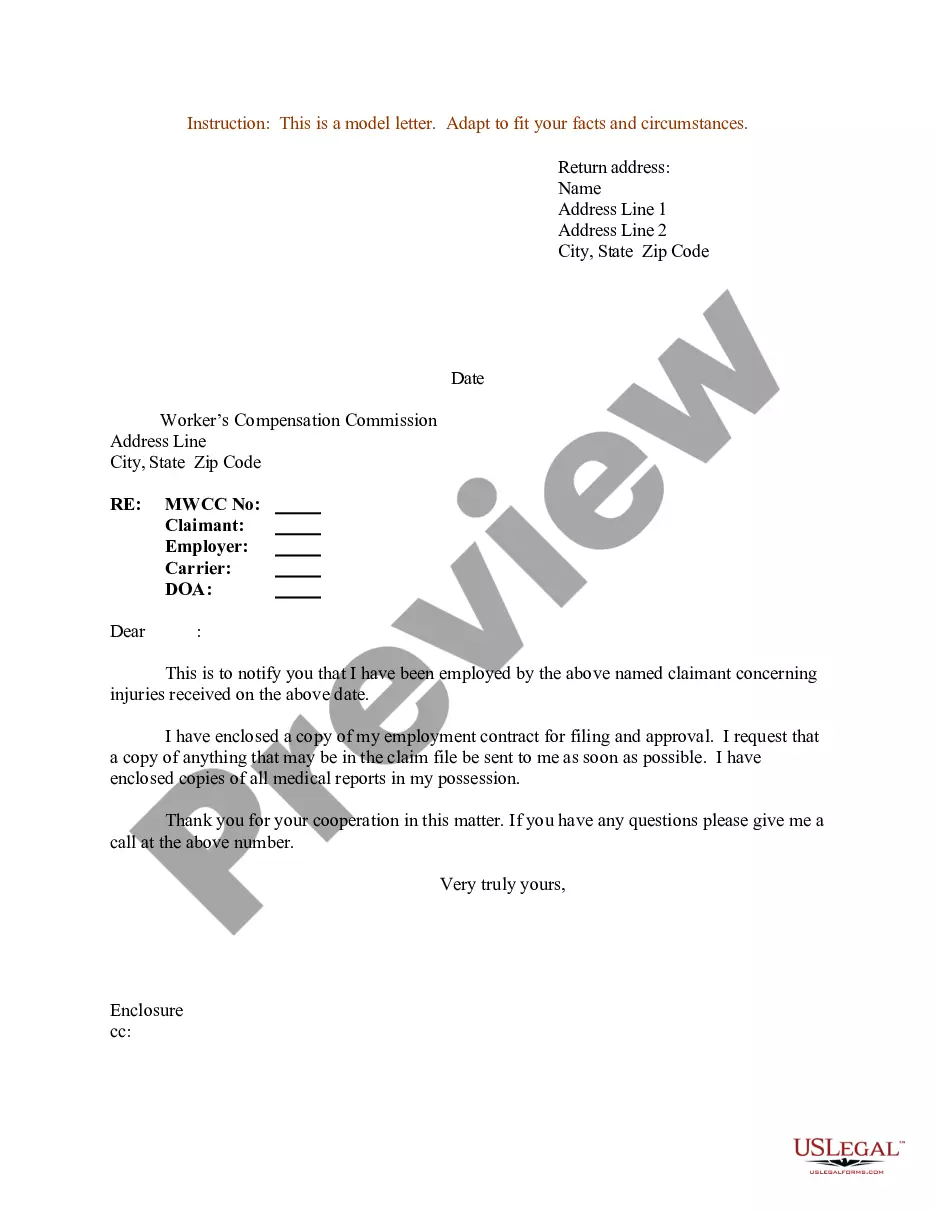
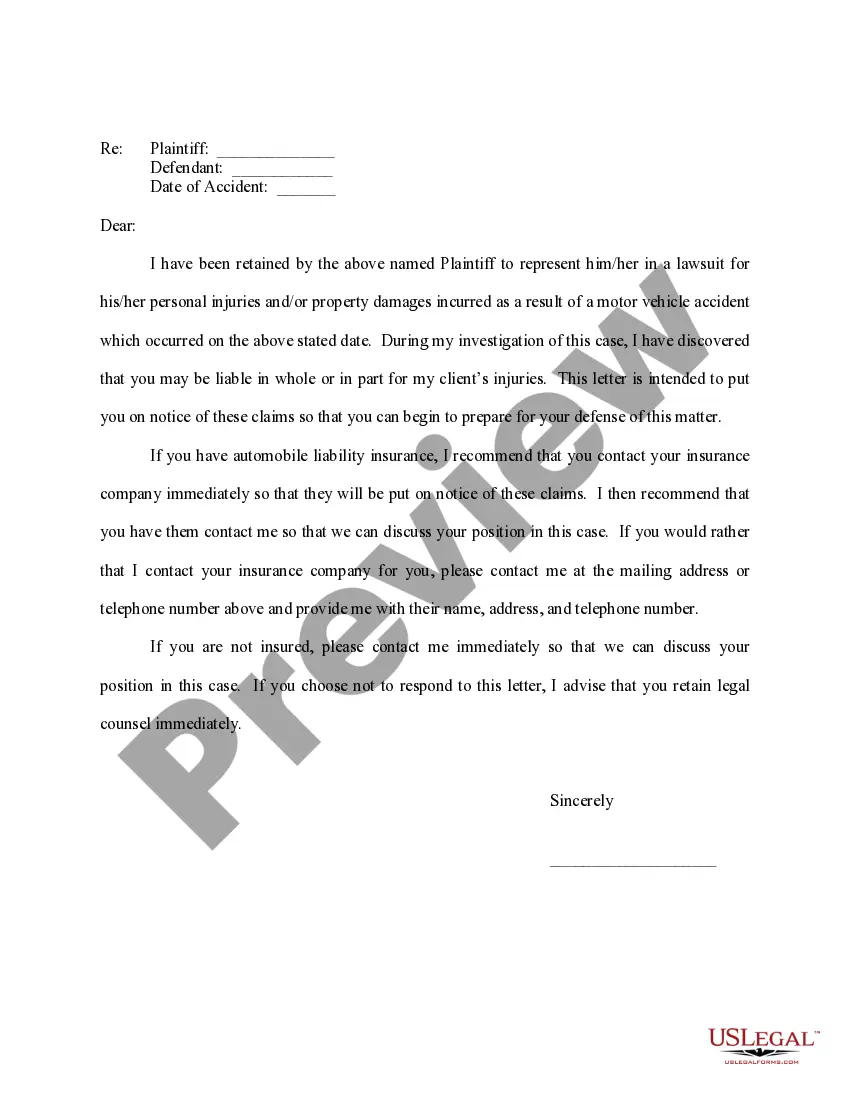
How to fill out Sample Letter For Notification Of Representation In An Appeal For Disability Benefits?
- Start by logging into your existing US Legal Forms account. If you don’t have an account yet, you will need to create one first.
- Browse through the extensive library to find the appropriate appeal letter form. Review the form description carefully to ensure it fits your needs and meets your jurisdiction’s standards.
- In case you don’t find the right letter, use the search feature to locate additional templates that may be more suitable.
- Once you find the right form, click on the 'Buy Now' button to select a subscription plan. Registering an account will provide access to various legal resources.
- Complete your purchase by entering your payment information, either through credit card or PayPal.
- Download the appeal letter template to your device. Your form will also be available in the 'My Forms' section of your profile for future access.
Using US Legal Forms allows you to navigate the process efficiently, empowering you to produce high-quality legal documents effortlessly.
Don't hesitate to take the first step towards your academic goals. Visit US Legal Forms today to access a vast array of legal documents tailored to your needs!
Form popularity
FAQ
To appeal your college tuition, start by reviewing the specific policies of your college. Prepare an appeal letter for college that outlines your financial situation and explains why you believe your tuition should be reconsidered. Attach any supporting documents, such as income statements or financial aid letters. Finally, make sure to submit your appeal by the deadlines set by your institution for timely review.
When writing an appeal letter for college, organize your letter into clear sections: introduction, body, and conclusion. Begin with a brief introduction of who you are, followed by a detailed explanation of your circumstances or mistakes. Use clear and concise language while maintaining a respectful tone. End by thanking the review committee for their time and consideration of your appeal.
To write a powerful appeal letter for college, start by clearly stating your purpose in the opening paragraph. Include specific reasons for your appeal, supported by evidence and a respectful tone. Be honest about your situation, and express your commitment to your academic goals. Finally, conclude with a polite request for consideration, ensuring your letter reflects your determination.
To write a good appeal letter for college, start by clearly stating your purpose and providing a respectful tone. Include any relevant new information that supports your case, such as improved grades or personal circumstances. Make sure to follow the college's guidelines regarding the appeal letter for college, and keep it concise yet persuasive. A well-crafted appeal letter can significantly strengthen your chances for a favorable review.
Yes, you can appeal a college rejection letter. Many colleges have a formal process for submitting an appeal letter for college. It's essential to provide valid reasons for your appeal, such as new achievements or circumstances not previously considered. By effectively communicating your case in your appeal letter for college, you might change the decision in your favor.
To write a good academic appeal, start by carefully reading your school's appeal guidelines, as each institution may have different requirements. Be sure to structure your appeal letter for college logically, presenting your facts and arguments in a straightforward manner. Always focus on your future potential and how you plan to rectify past performance issues, ensuring that your letter reflects a proactive attitude toward your education.
Good grounds for appeal often include new evidence, procedural errors, or circumstances beyond your control impacting your performance. For instance, personal health issues or errors in grading can be strong reasons to challenge a decision effectively. Using these types of grounds in your appeal letter for college demonstrates a legitimate basis for your request, which can resonate positively with the review committee.
In your appeal letter for college, your reason should be based on factual information that led to the academic decision. Common reasons include extenuating circumstances, misunderstandings regarding grading policies, or errors in the evaluation of your work. Clearly explaining these aspects allows you to advocate for yourself effectively and prompts the committee to reconsider their decision.
The success rate of college appeals varies by institution and circumstances surrounding each case, but many colleges do review appeals carefully. Overall, providing compelling reasons for an appeal letter for college significantly increases your chances of a favorable outcome. However, students should remain realistic about possible outcomes and prepare for both acceptance and rejection.
To make an effective appeal letter for college, begin with a clear and concise introduction stating the purpose of the letter. Include specific details about the academic decision you are appealing and the factors influencing your performance. Conclude with a thoughtful plan that emphasizes how you intend to demonstrate academic improvement moving forward.