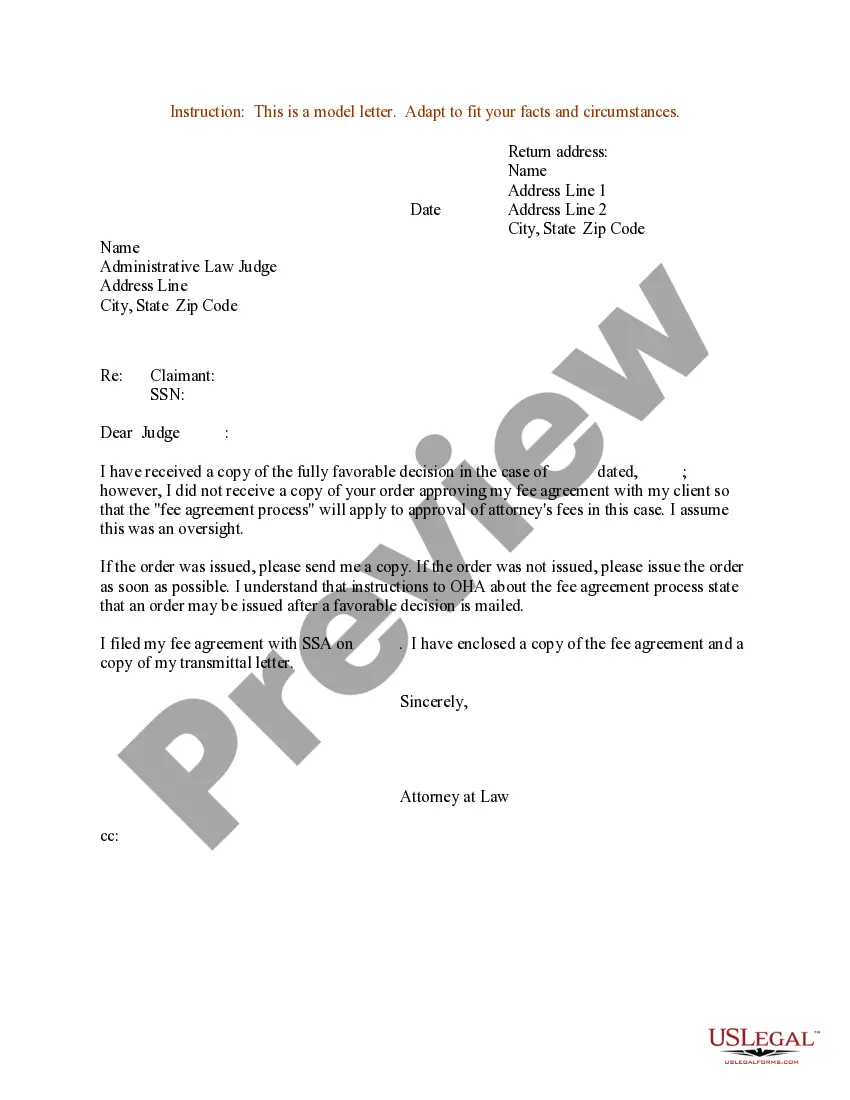
Letter To Judge For Expungement
Description
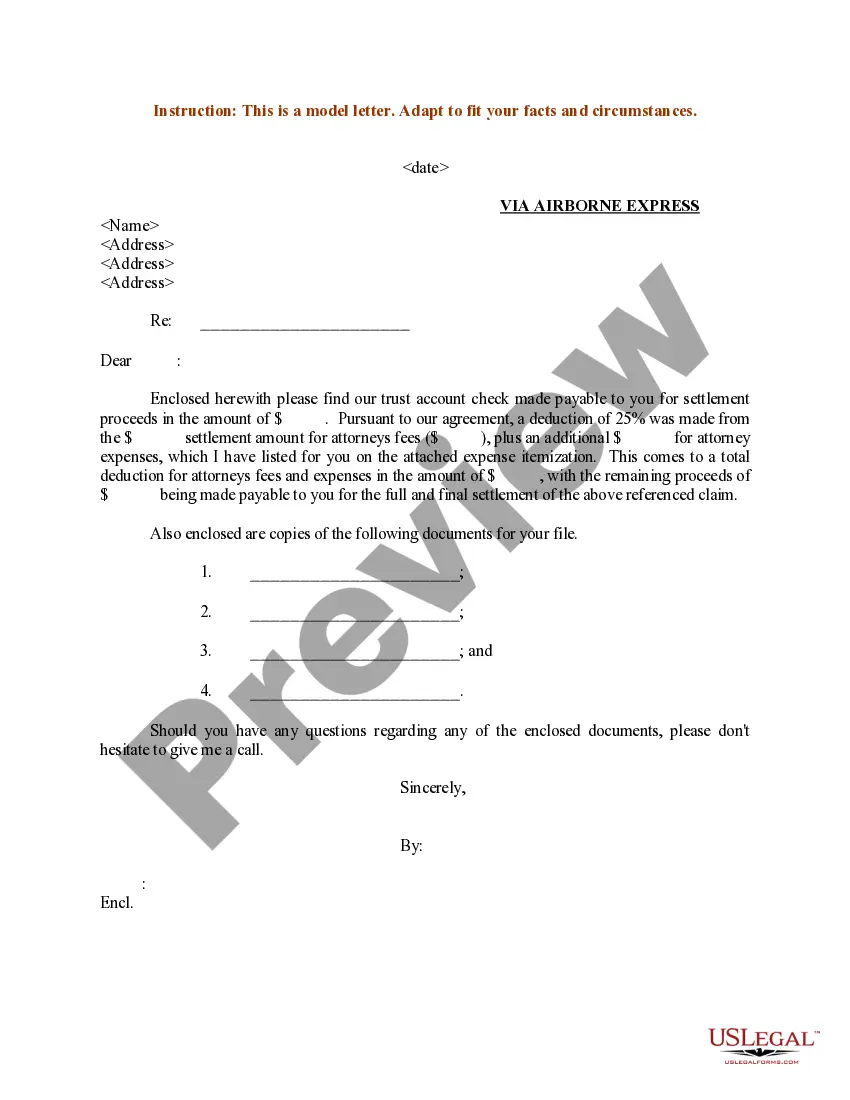
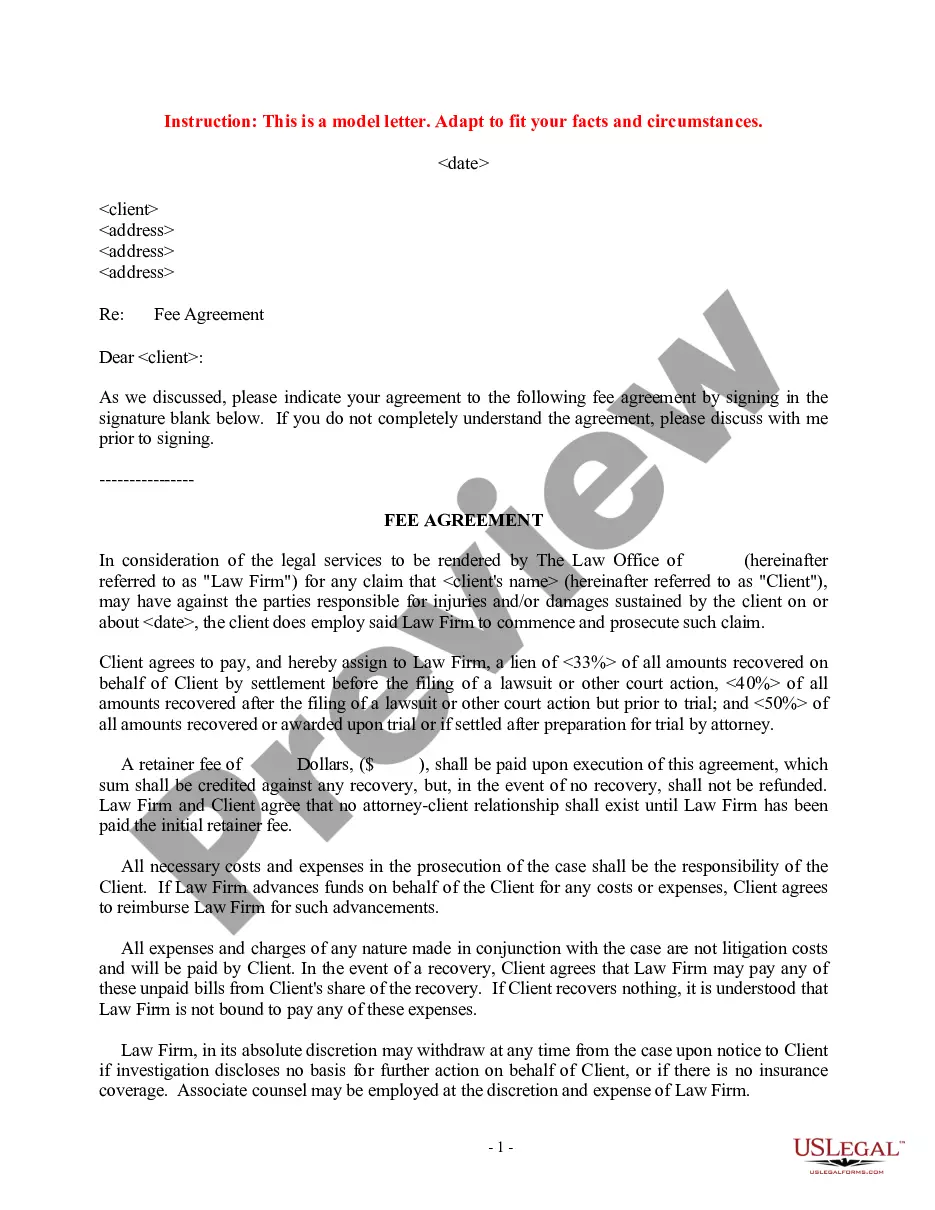
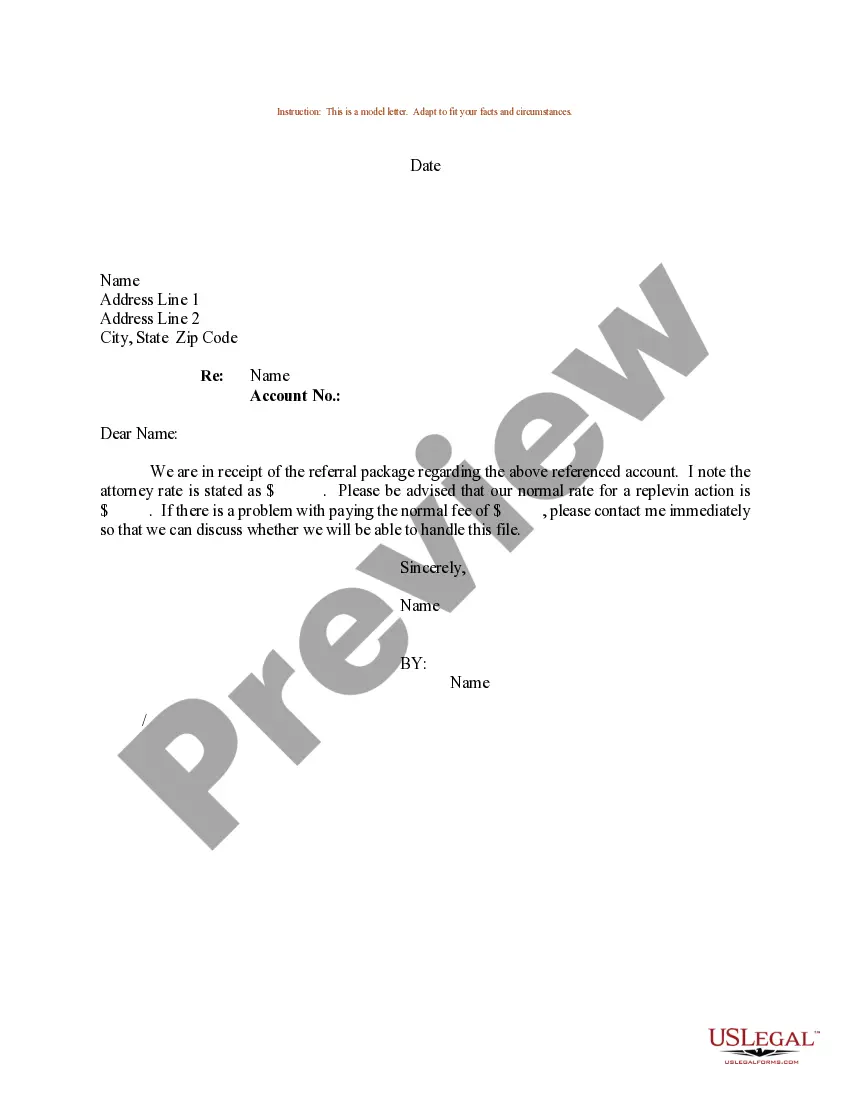
Get your form ready online
Our built-in tools help you complete, sign, share, and store your documents in one place.
Make edits, fill in missing information, and update formatting in US Legal Forms—just like you would in MS Word.
Download a copy, print it, send it by email, or mail it via USPS—whatever works best for your next step.
Sign and collect signatures with our SignNow integration. Send to multiple recipients, set reminders, and more. Go Premium to unlock E-Sign.
If this form requires notarization, complete it online through a secure video call—no need to meet a notary in person or wait for an appointment.
We protect your documents and personal data by following strict security and privacy standards.

Make edits, fill in missing information, and update formatting in US Legal Forms—just like you would in MS Word.

Download a copy, print it, send it by email, or mail it via USPS—whatever works best for your next step.

Sign and collect signatures with our SignNow integration. Send to multiple recipients, set reminders, and more. Go Premium to unlock E-Sign.

If this form requires notarization, complete it online through a secure video call—no need to meet a notary in person or wait for an appointment.

We protect your documents and personal data by following strict security and privacy standards.
Looking for another form?
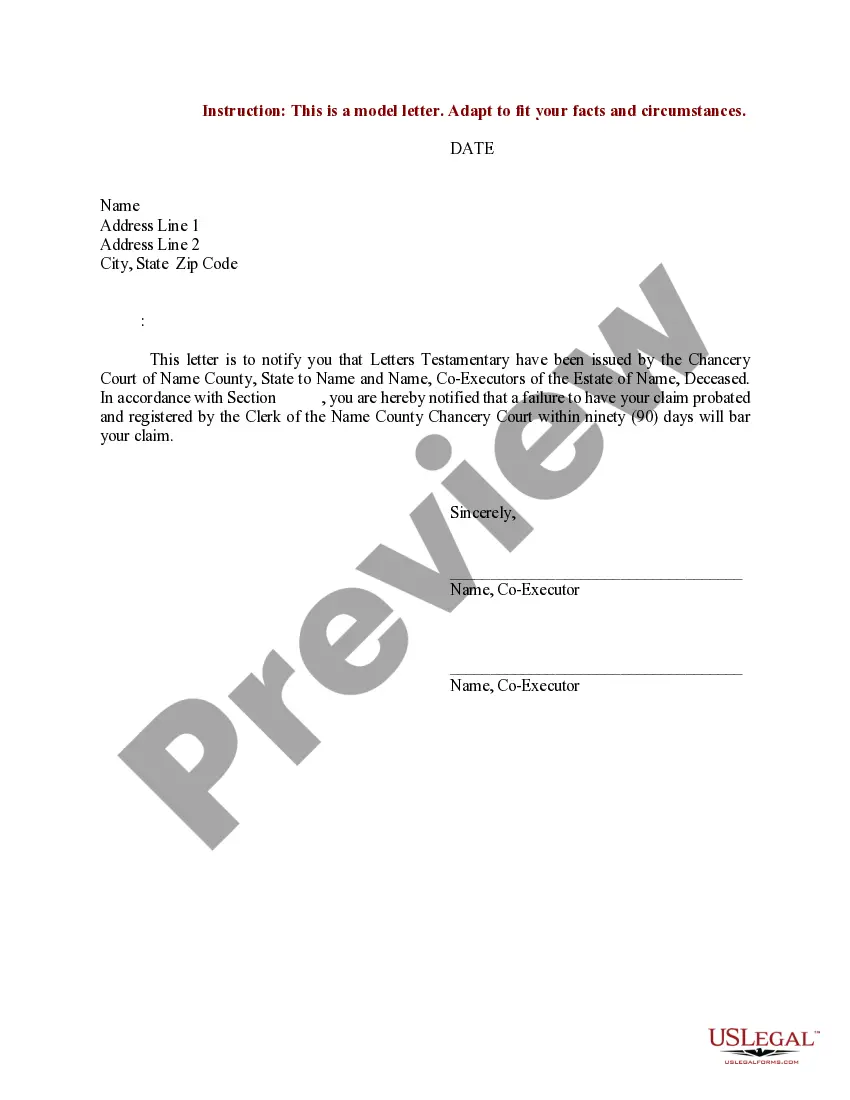
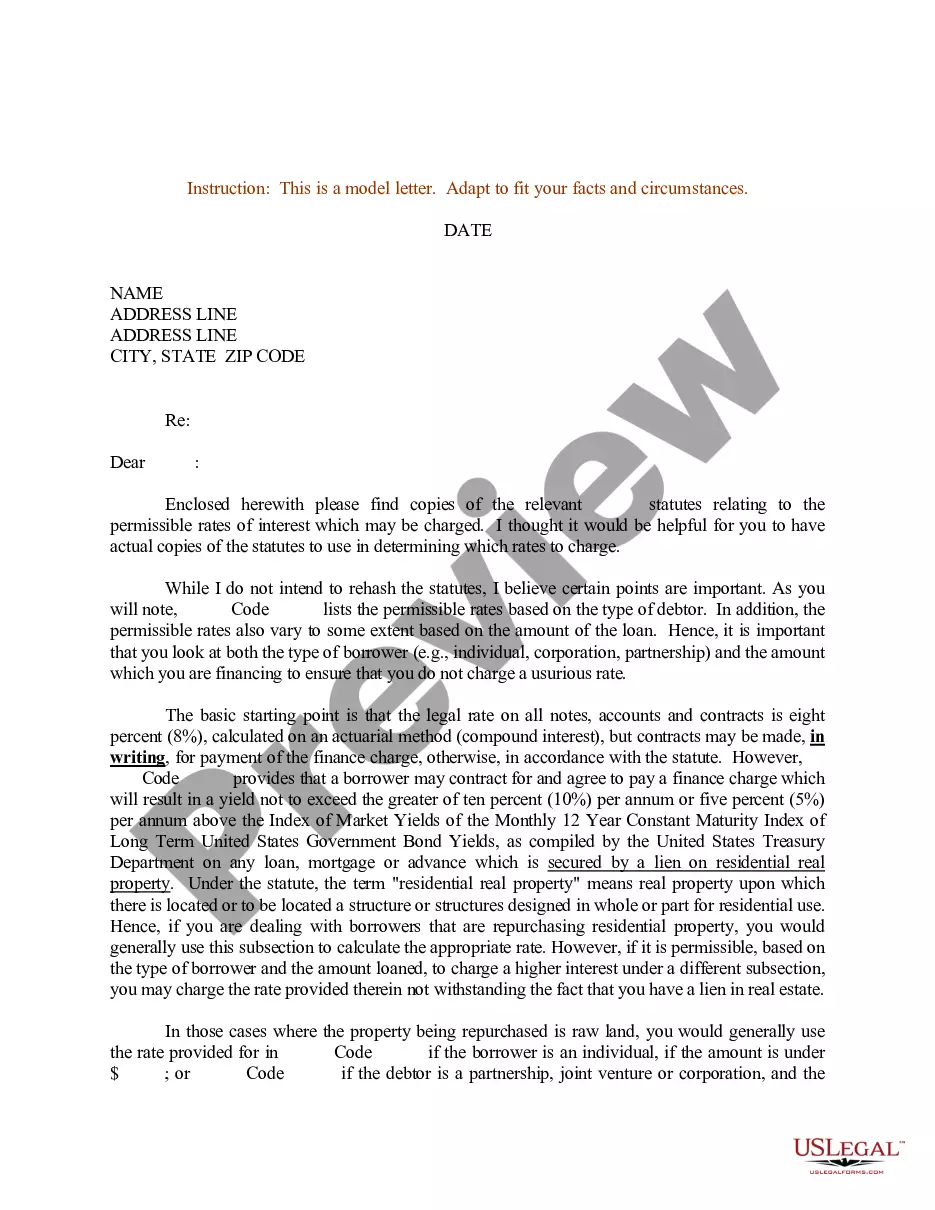
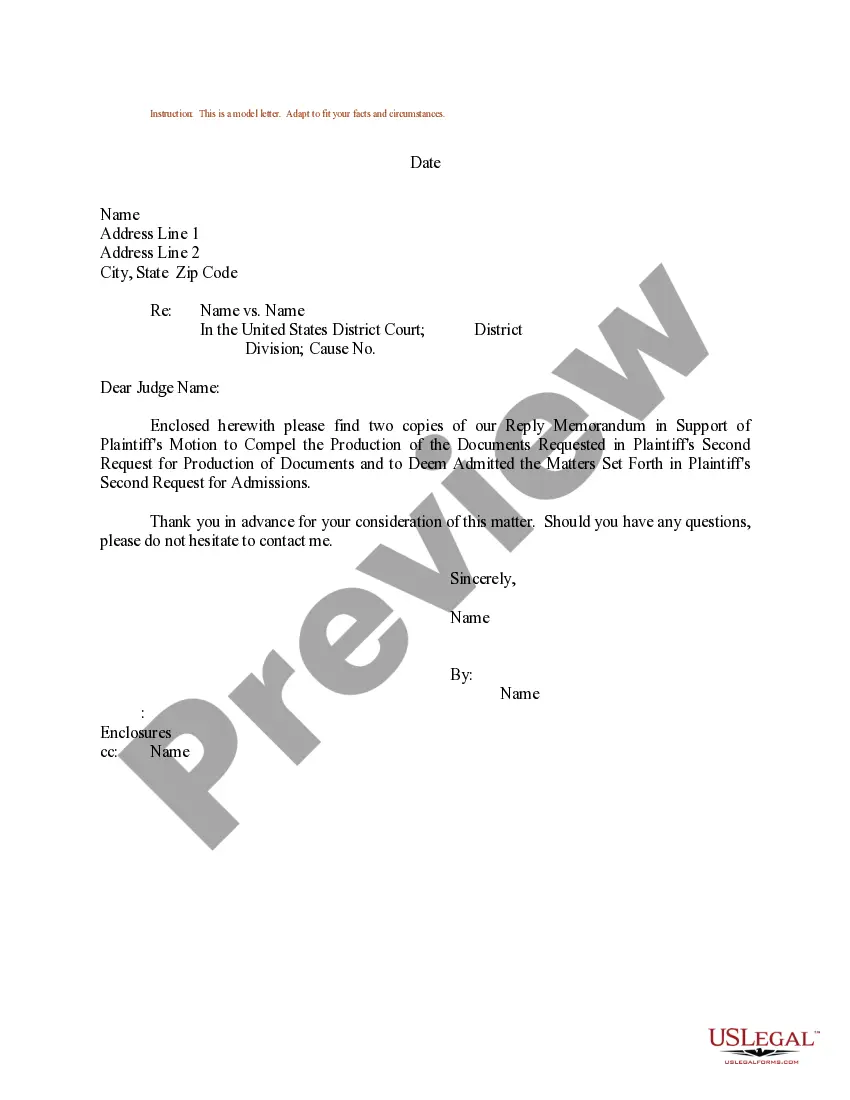
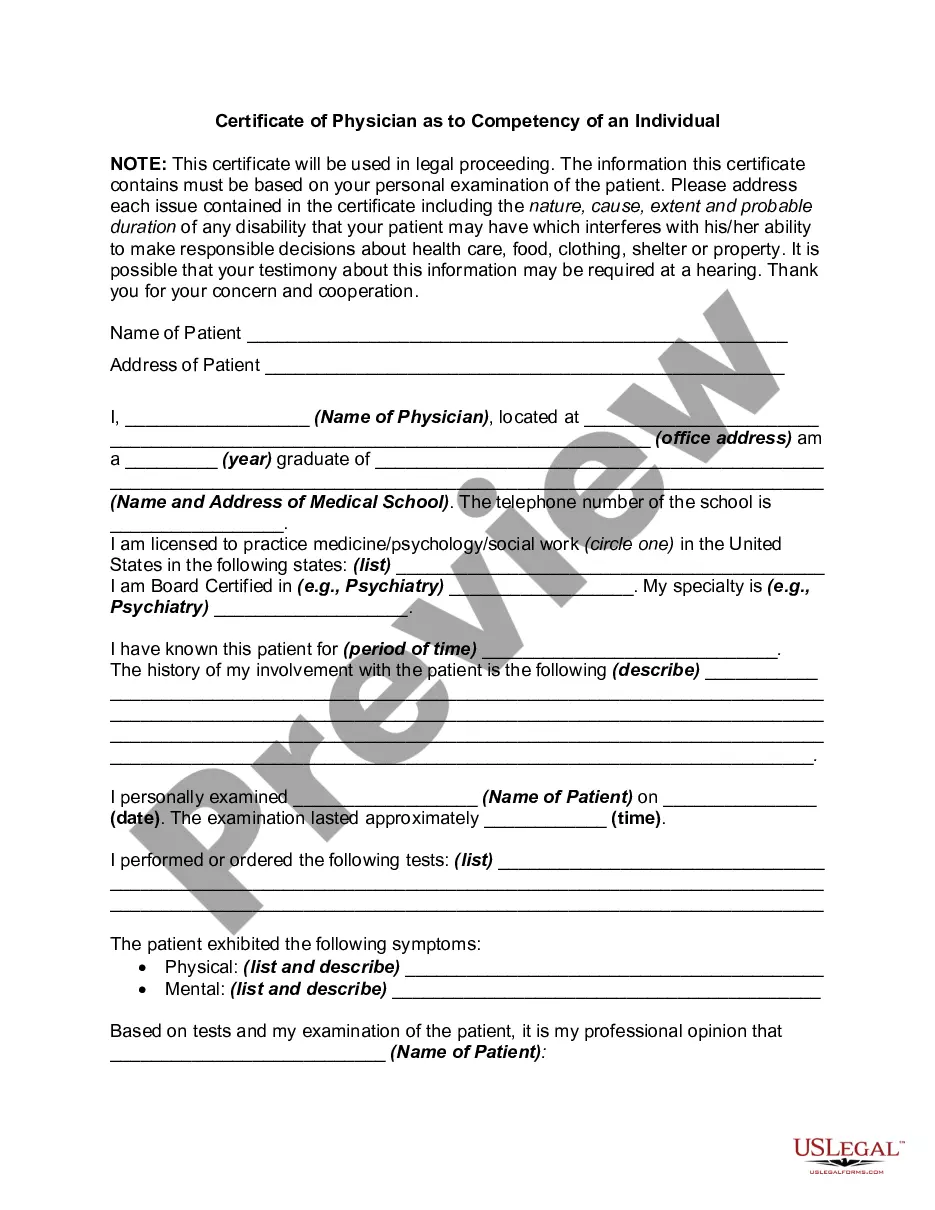
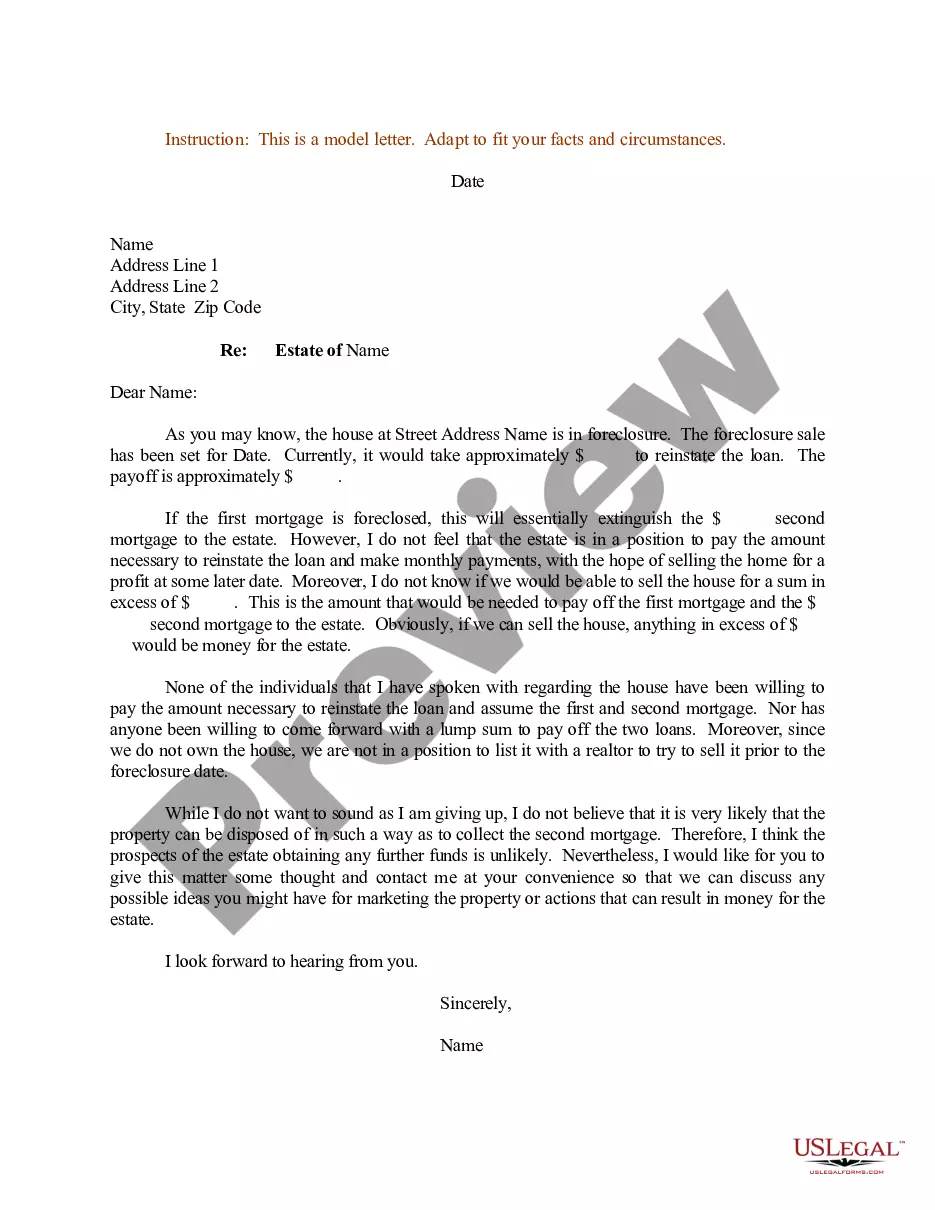
How to fill out Sample Letter For Letter To Judge Seeking Approval Of Attorney's Fees?
The Correspondence To Judge For Expunction displayed on this site is a reusable official template crafted by expert attorneys in accordance with federal and local statutes and regulations.
For over 25 years, US Legal Forms has supplied individuals, organizations, and legal practitioners with more than 85,000 validated, state-specific documents for any business and personal event. It’s the fastest, easiest, and most reliable method to acquire the documentation you require, as the service ensures bank-level data safety and anti-malware safeguards.
Select the format you desire for your Correspondence To Judge For Expunction (PDF, DOCX, RTF) and save the sample on your device.
- Search for the document you need and review it.
- Browse the file you searched and preview it or verify the form description to ensure it meets your requirements. If it doesn’t, utilize the search bar to find the appropriate one. Click Buy Now when you have discovered the template you require.
- Register and Log In.
- Select the pricing plan that fits you and create an account. Use PayPal or a credit card to make an immediate payment. If you already have an account, Log In and check your subscription to continue.
- Acquire the editable template.
Form popularity
FAQ
Formatting a letter to a judge involves a few key components. Start with your address at the top, followed by the date, and then the court's address. Use a respectful salutation, write clearly and concisely, and include a formal closing. Finally, remember to proofread your letter before submission, as a well-formatted letter enhances your credibility when presenting a letter to judge for expungement.
To write a letter to a judge to reduce a sentence, clearly express your request at the beginning of the letter. Provide compelling reasons, such as changed circumstances or demonstrated rehabilitation, that justify the reduction. Be sure to maintain a respectful tone and include any supporting documentation. Utilizing templates available on USLegalForms can streamline this process and ensure all necessary elements are included.
Expungement refers to the legal process of removing a criminal record from public view. An example of this would be when an individual successfully petitions the court to expunge a conviction for a minor offense after completing all terms of their sentence. This allows the individual to move forward without the stigma of a criminal record. A letter to judge for expungement plays a crucial role in initiating this process.
An example letter for expungement should start with your personal information, including your name and address. Then, formally request expungement, detailing the case number and reasons why expungement is warranted. It is beneficial to highlight any rehabilitation efforts you have made. For a complete and effective letter, consider using resources from platforms like USLegalForms for guidance.
To write a letter to a judge to dismiss a case, begin by addressing the judge respectfully. Clearly state your request for dismissal and provide reasons based on facts or legal grounds. Include any supporting documentation if applicable, and be concise while maintaining a respectful tone throughout. Remember to include your contact information for any follow-up.
In Minnesota, certain crimes are not eligible for expungement, including violent crimes like homicide, some sexual offenses, and felony convictions of specific types. If you want to understand if your situation qualifies, a letter to judge for expungement is indeed necessary to request the removal of specific records. To ensure you effectively navigate this process, resources like US Legal Forms can help you compile the required documentation and guide you through the legal intricacies.
The process of expungement in Minnesota can vary depending on several factors, including the complexity of your case and the court’s schedule. Generally, after filing a letter to judge for expungement, it may take several months to finalize the decision. However, it can take longer if you face objections or if there are multiple parties involved. For a smoother experience, consider using US Legal Forms to ensure all necessary documents are correctly prepared.
To write a letter to a judge for expungement, start by addressing the judge properly. Include your full name, case number, and the date at the top of the letter. Clearly state your request for expungement and provide a brief background of your case, explaining why you believe it deserves a second chance. For a more structured approach, you might consider using platforms like US Legal Forms, which offer templates that can guide you in crafting a compelling letter to a judge for expungement.
To write an effective letter to the judge for expungement, start by introducing yourself and stating the purpose of your letter clearly. Use a respectful tone, and provide details about your past offense, the time elapsed since, and any positive changes in your life. Include your reasons for seeking expungement and express gratitude for the judge's consideration of your request.
In Minnesota, specific crimes are generally not eligible for expungement, including violent crimes and certain sexual offenses. Understanding these restrictions can be key before you pursue expungement. Be sure to consult legal resources or professionals when drafting your letter to judge for expungement to frame your case properly based on your situation.