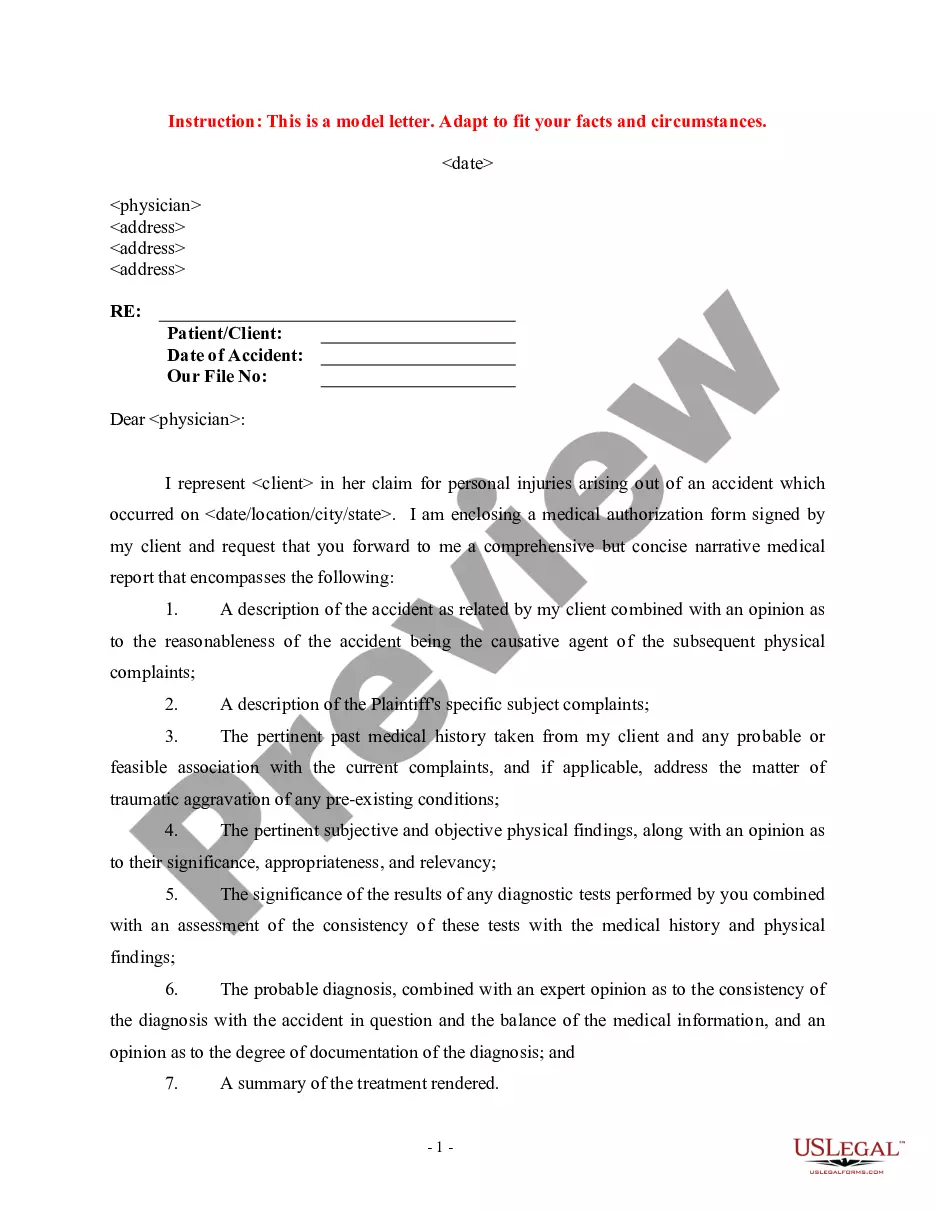
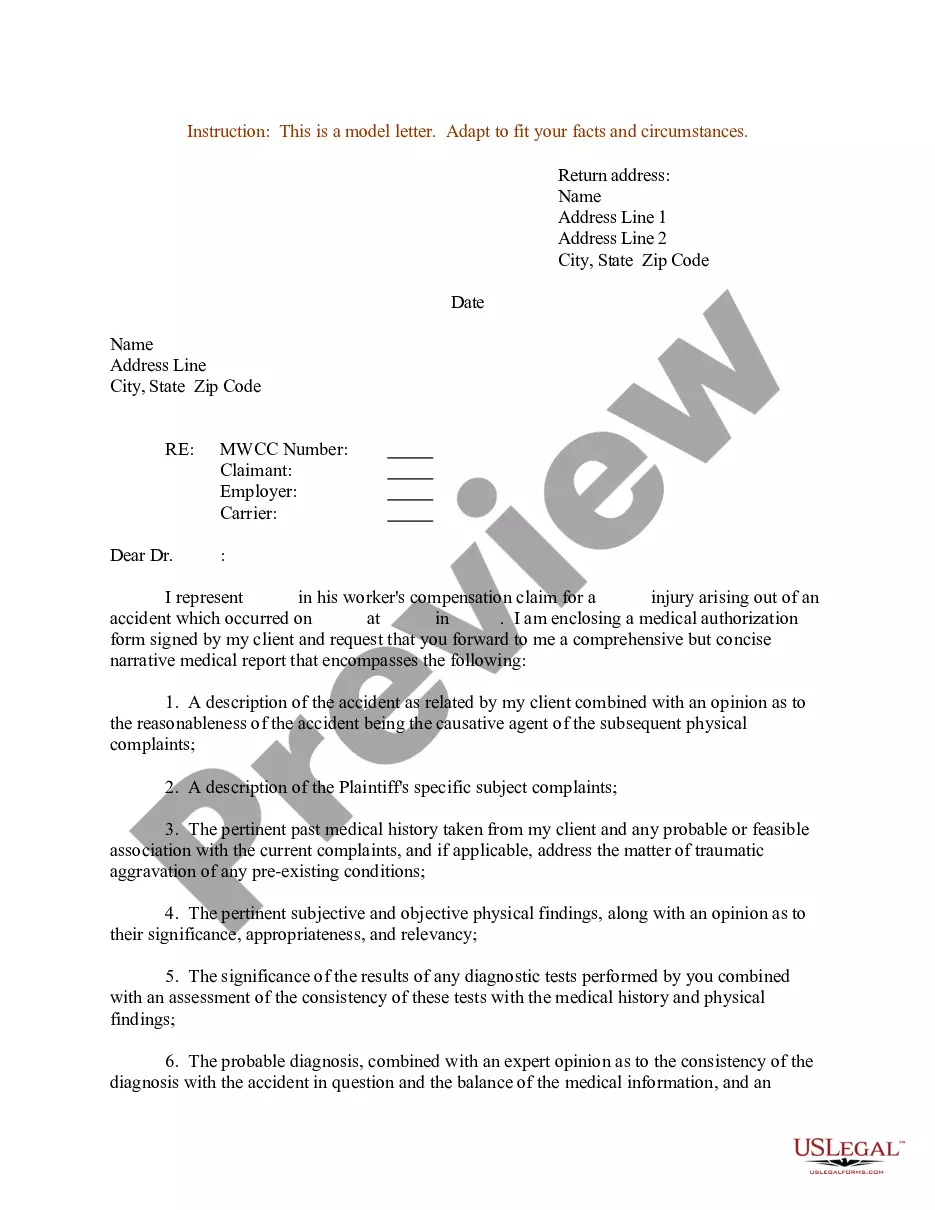
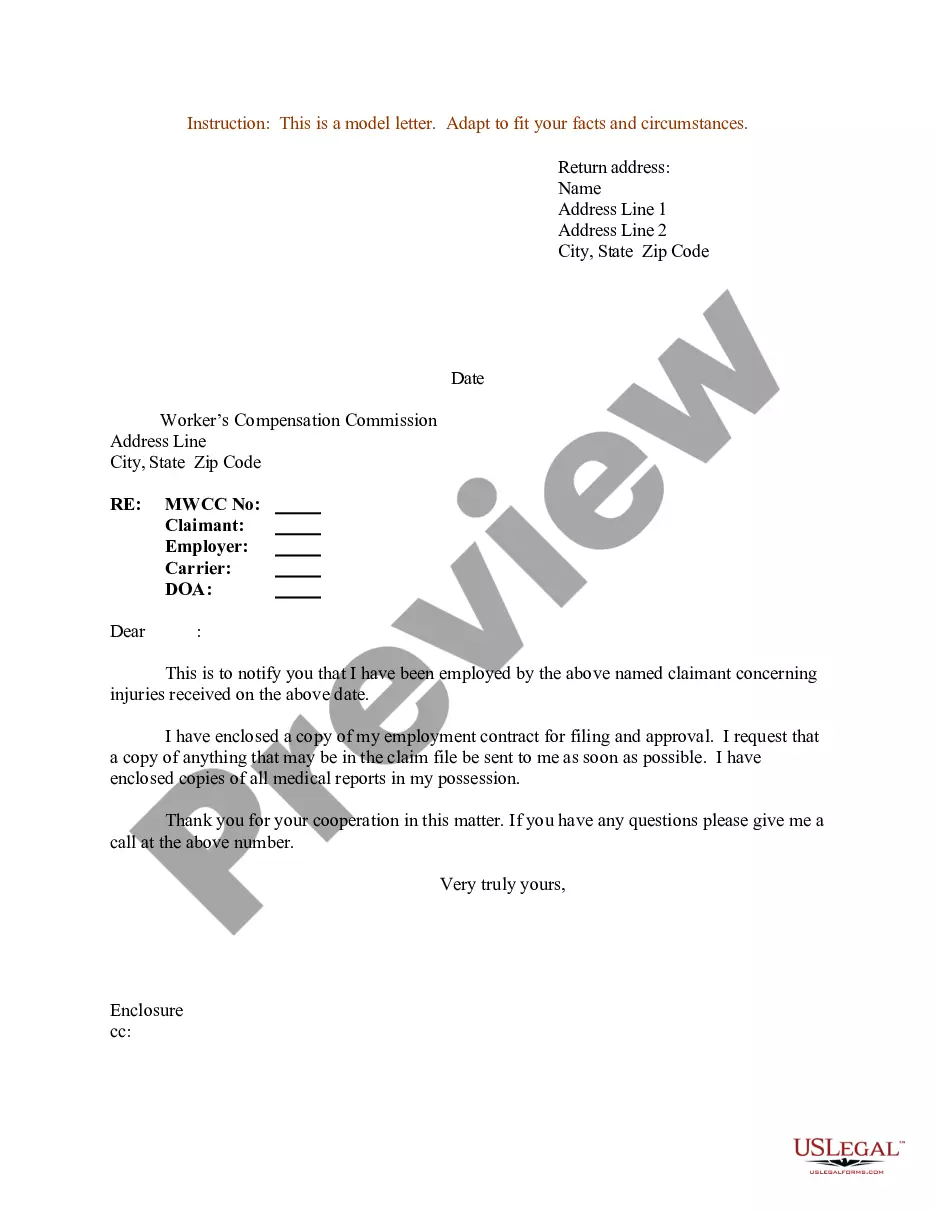
Enclosure On Letter Format
Description
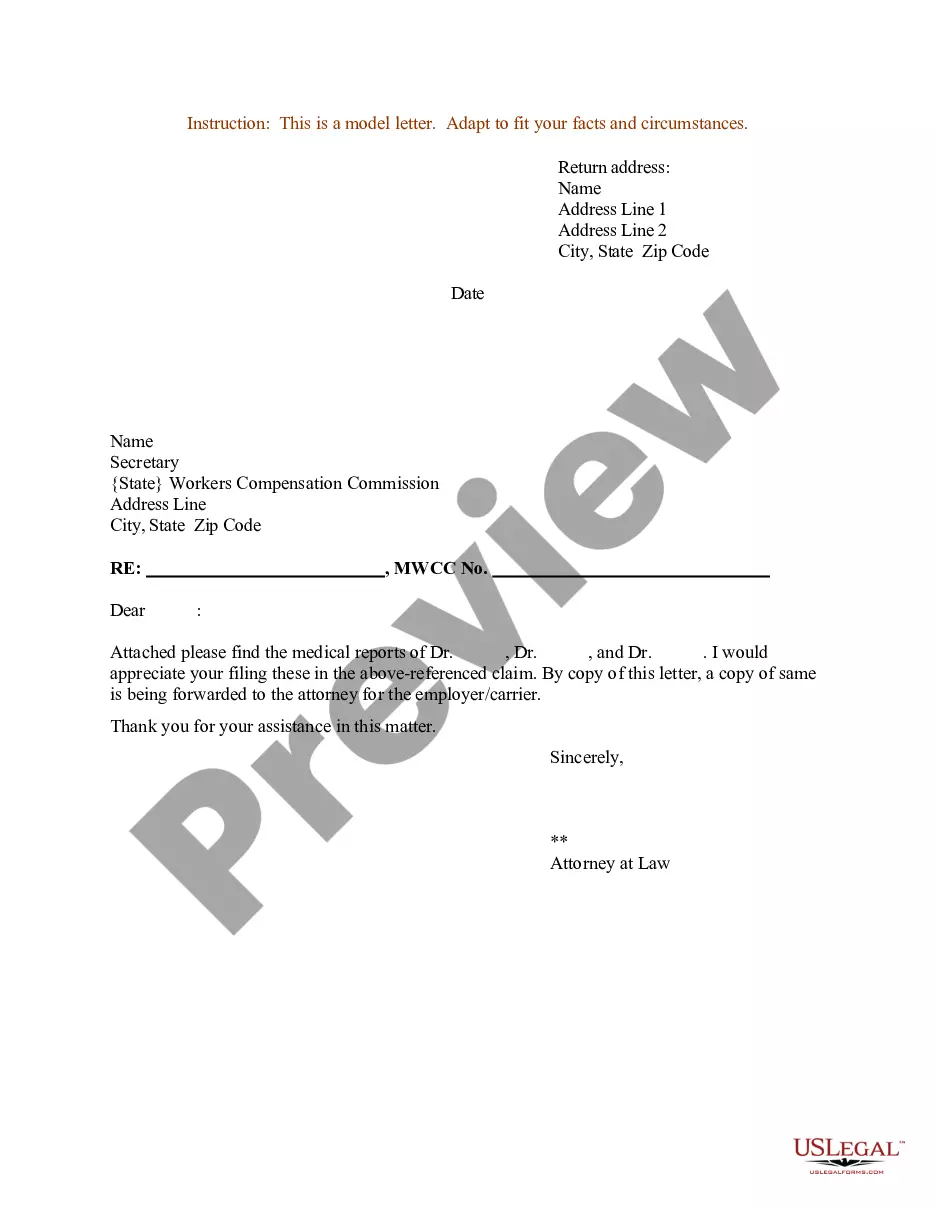
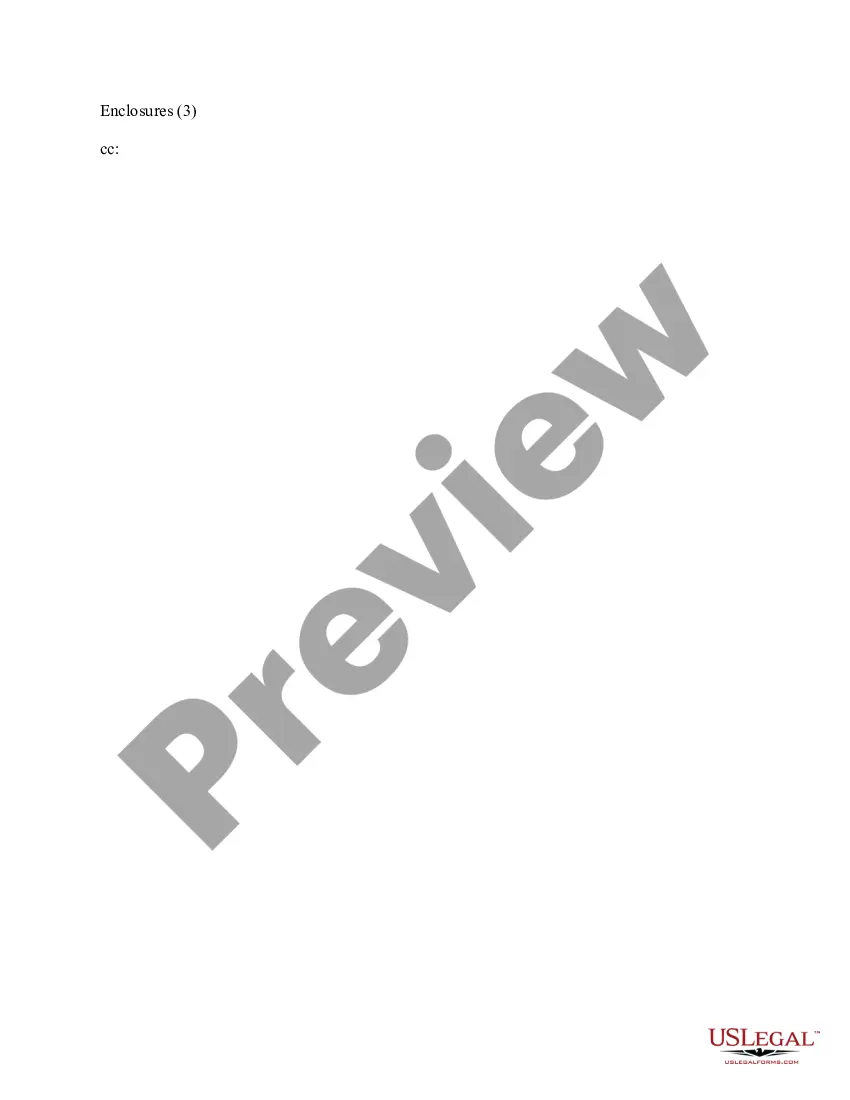
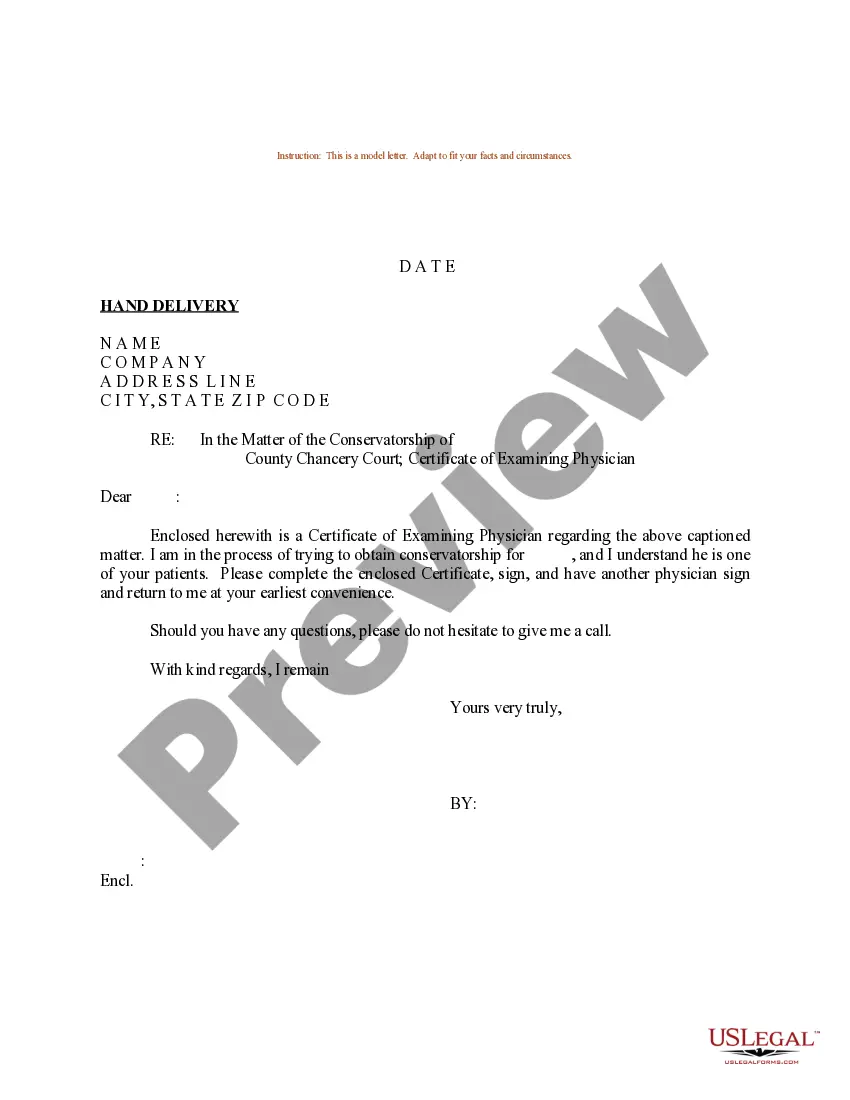
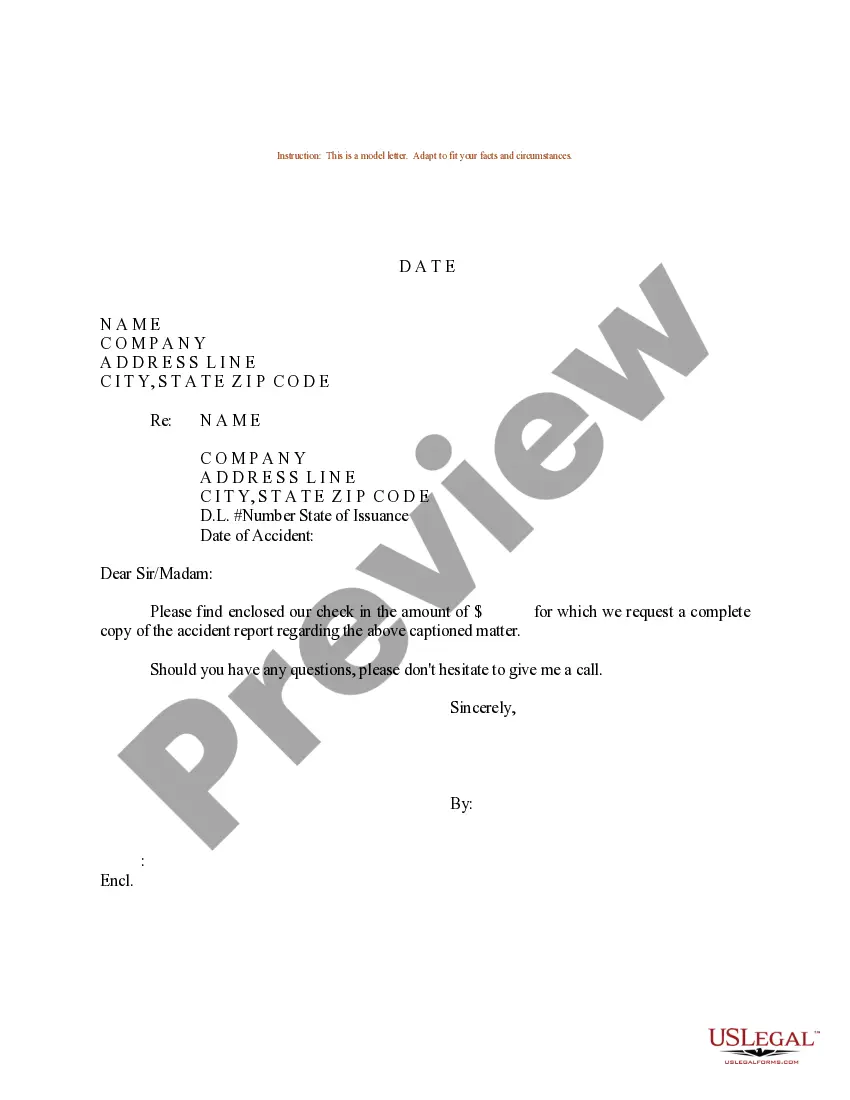
Get your form ready online
Our built-in tools help you complete, sign, share, and store your documents in one place.
Make edits, fill in missing information, and update formatting in US Legal Forms—just like you would in MS Word.
Download a copy, print it, send it by email, or mail it via USPS—whatever works best for your next step.
Sign and collect signatures with our SignNow integration. Send to multiple recipients, set reminders, and more. Go Premium to unlock E-Sign.
If this form requires notarization, complete it online through a secure video call—no need to meet a notary in person or wait for an appointment.
We protect your documents and personal data by following strict security and privacy standards.

Make edits, fill in missing information, and update formatting in US Legal Forms—just like you would in MS Word.

Download a copy, print it, send it by email, or mail it via USPS—whatever works best for your next step.

Sign and collect signatures with our SignNow integration. Send to multiple recipients, set reminders, and more. Go Premium to unlock E-Sign.

If this form requires notarization, complete it online through a secure video call—no need to meet a notary in person or wait for an appointment.

We protect your documents and personal data by following strict security and privacy standards.
Looking for another form?
How to fill out Sample Letter For Enclosure Of Medical Reports?
Regardless of whether it's for corporate reasons or personal issues, everyone must handle legal matters at some stage in their life.
Filling out legal documents demands meticulous care, starting with selecting the correct form template.
Once it is saved, you can complete the form using editing software or print it out and fill it in manually. With an extensive US Legal Forms catalog available, you do not have to waste time searching for the correct sample online. Utilize the library’s easy navigation to find the right template for any circumstance.
- For example, if you select an incorrect version of the Enclosure On Letter Format, it will be rejected upon submission.
- Hence, it is crucial to have a reliable source for legal documents such as US Legal Forms.
- If you wish to obtain an Enclosure On Letter Format template, follow these straightforward steps.
- Retrieve the necessary sample by using the search bar or browsing the catalog.
- Review the form’s details to confirm it suits your situation, state, and county.
- Click on the form’s preview to inspect it.
- If it is the incorrect form, return to the search feature to find the Enclosure On Letter Format sample you require.
- Download the template once it aligns with your needs.
- If you possess a US Legal Forms account, simply click Log in to access previously saved files in My documents.
- If you do not have an account yet, you may obtain the form by clicking Buy now.
- Select the suitable pricing plan.
- Complete the account registration form.
- Choose your payment method: either a credit card or a PayPal account.
- Select the document format you desire and download the Enclosure On Letter Format.
Form popularity
FAQ
To fill up and indicate an enclosure, write your letter clearly, and once completed, add a notation like 'Enclosure' at the end. Be sure to specify what documents you are enclosing, either through a list or short description. This clarity helps prevent confusion for the recipient regarding what additional information they have received. The enclosure on letter format enhances the professionalism of your communication.
This service cost $99.95 for an Adult or Minor name change.
Spousal support, or alimony, is a key part of every divorce case. Under Idaho law, the spouse who committed adultery may have to pay more alimony. On the other hand, if the spouse who is less financially stable was the one who committed adultery, the court may award less alimony because they were at fault.
Serving Divorce Paperwork in Idaho If your spouse is not willing to cooperate, you need someone over 18 in the county where your spouse lives to serve divorce papers. Typically, a sheriff or professional process server does this for a fee.
Idaho is a fault and no-fault state. It is not necessary to show that either one of the parties was at fault. One statutory basis for a divorce in Idaho is that there is no reasonable likelihood that the marriage can be preserved and, therefore, the marriage is irretrievably broken.
Filing for divorce involves several important steps you will need to follow to ensure that you abide by Idaho's procedure. The 2022 court filing fee is $207 and the waiting period to receive a final divorce decree from an Idaho court is a minimum of 21 days after the filing and service of process.
In Idaho, marital property division follows the community property law. The spouses have equal rights over any debts and assets they acquired during their marriage. The law refers to these assets and debts as community property.
The ?no-fault" ground for divorce in Idaho is called "irreconcilable difference." You can also divorce if living separately for at least five years. The fault-based grounds for divorce included: Adultery. Extreme cruelty or inflicting serious physical or mental harm on your spouse.
For fault-based divorces, acceptable grounds include adultery, extreme cruelty, willful desertion of at least one year, willful neglect, habitual drunkenness for at least a year, living separately for at least five years, a felony conviction and one spouse being a resident in a mental institution for at least three ...