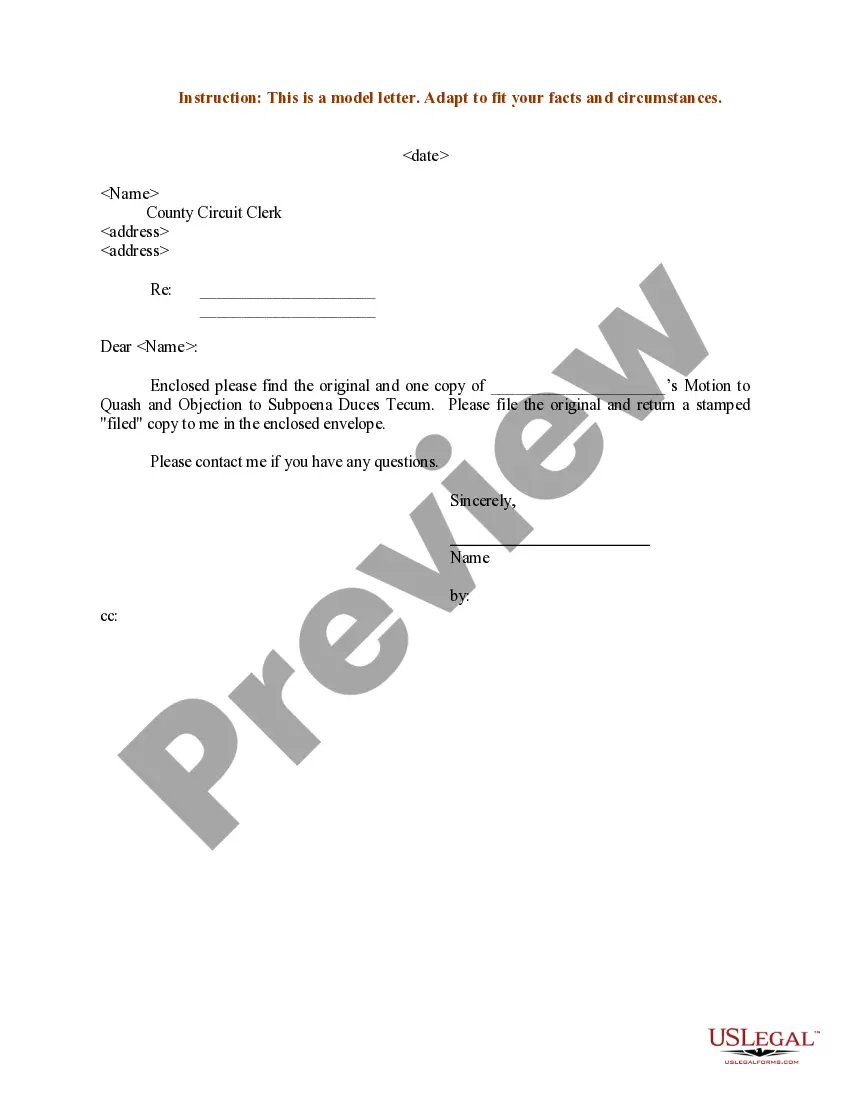
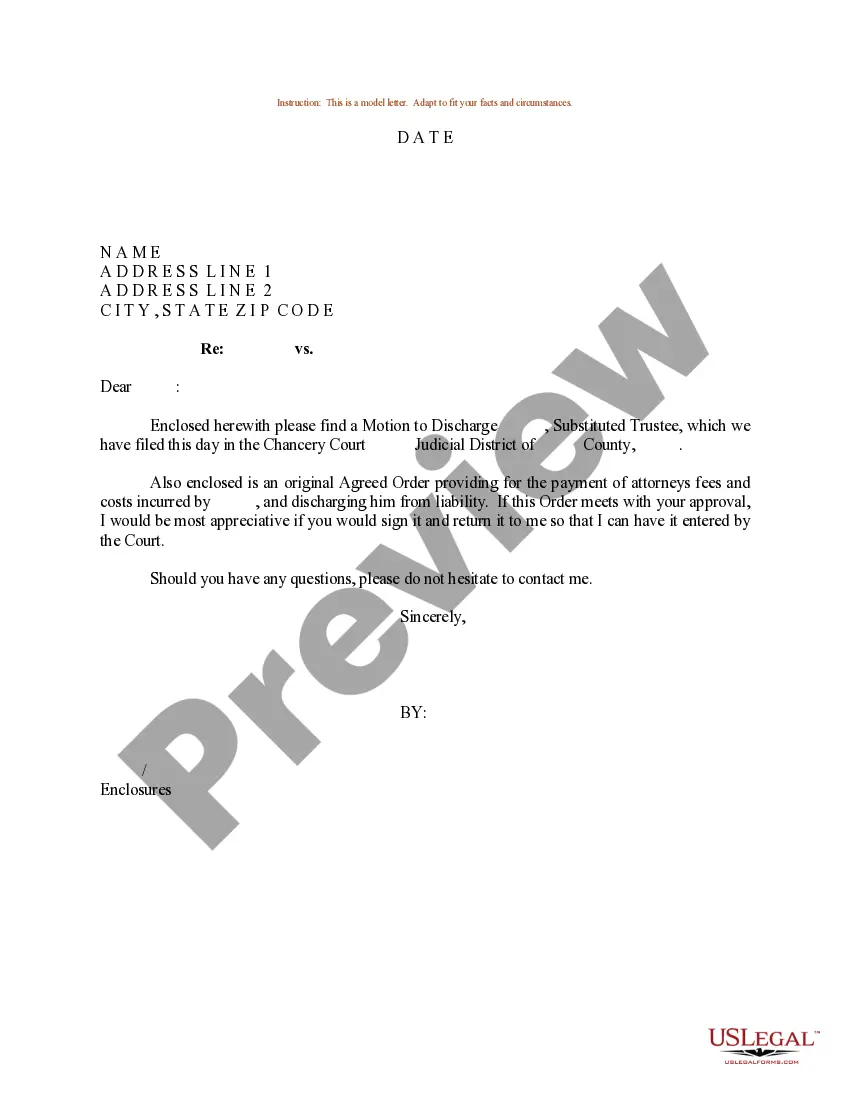
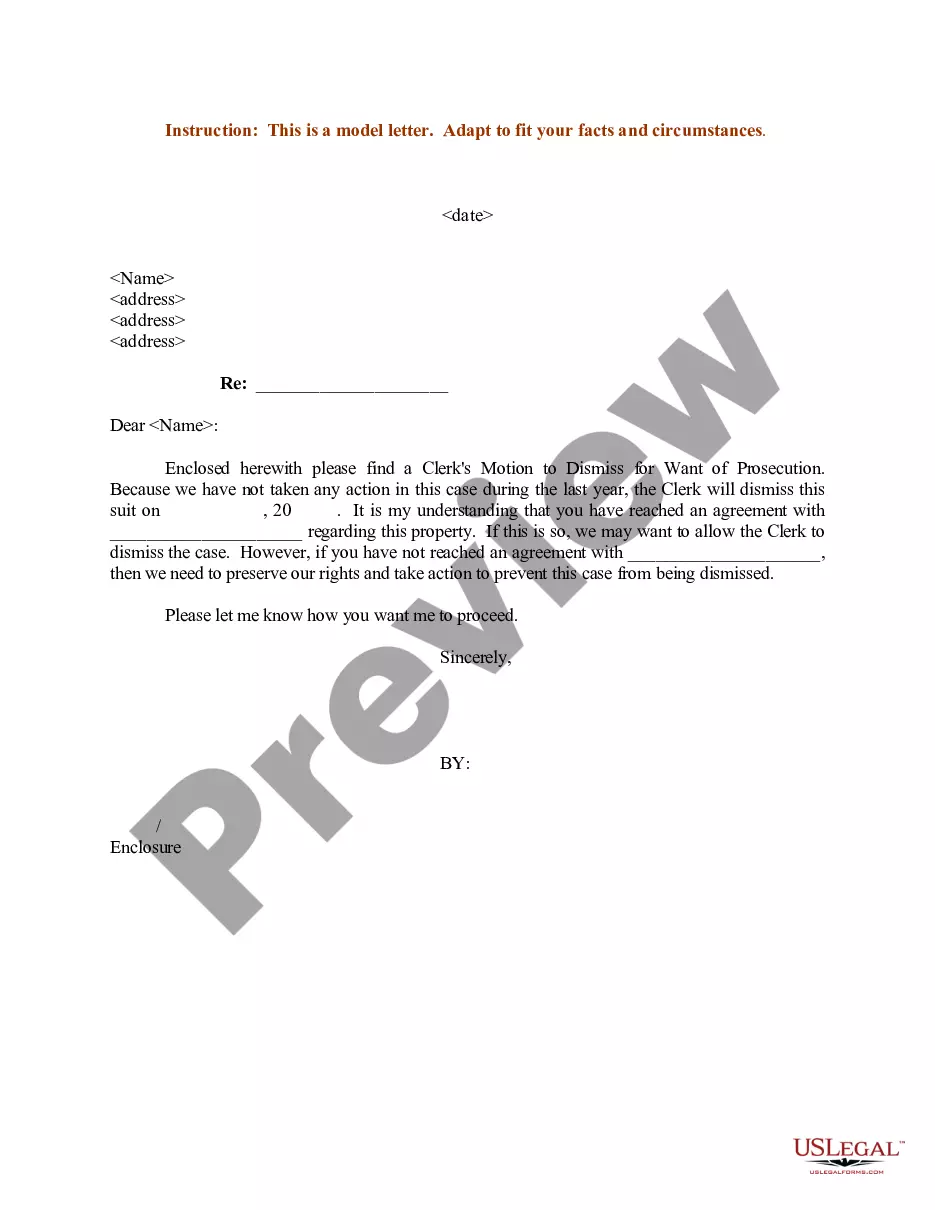
Sample Motion To Quash Unlawful Detainer
Description

Get your form ready online
Our built-in tools help you complete, sign, share, and store your documents in one place.
Make edits, fill in missing information, and update formatting in US Legal Forms—just like you would in MS Word.
Download a copy, print it, send it by email, or mail it via USPS—whatever works best for your next step.
Sign and collect signatures with our SignNow integration. Send to multiple recipients, set reminders, and more. Go Premium to unlock E-Sign.
If this form requires notarization, complete it online through a secure video call—no need to meet a notary in person or wait for an appointment.
We protect your documents and personal data by following strict security and privacy standards.

Make edits, fill in missing information, and update formatting in US Legal Forms—just like you would in MS Word.

Download a copy, print it, send it by email, or mail it via USPS—whatever works best for your next step.

Sign and collect signatures with our SignNow integration. Send to multiple recipients, set reminders, and more. Go Premium to unlock E-Sign.

If this form requires notarization, complete it online through a secure video call—no need to meet a notary in person or wait for an appointment.

We protect your documents and personal data by following strict security and privacy standards.
Looking for another form?
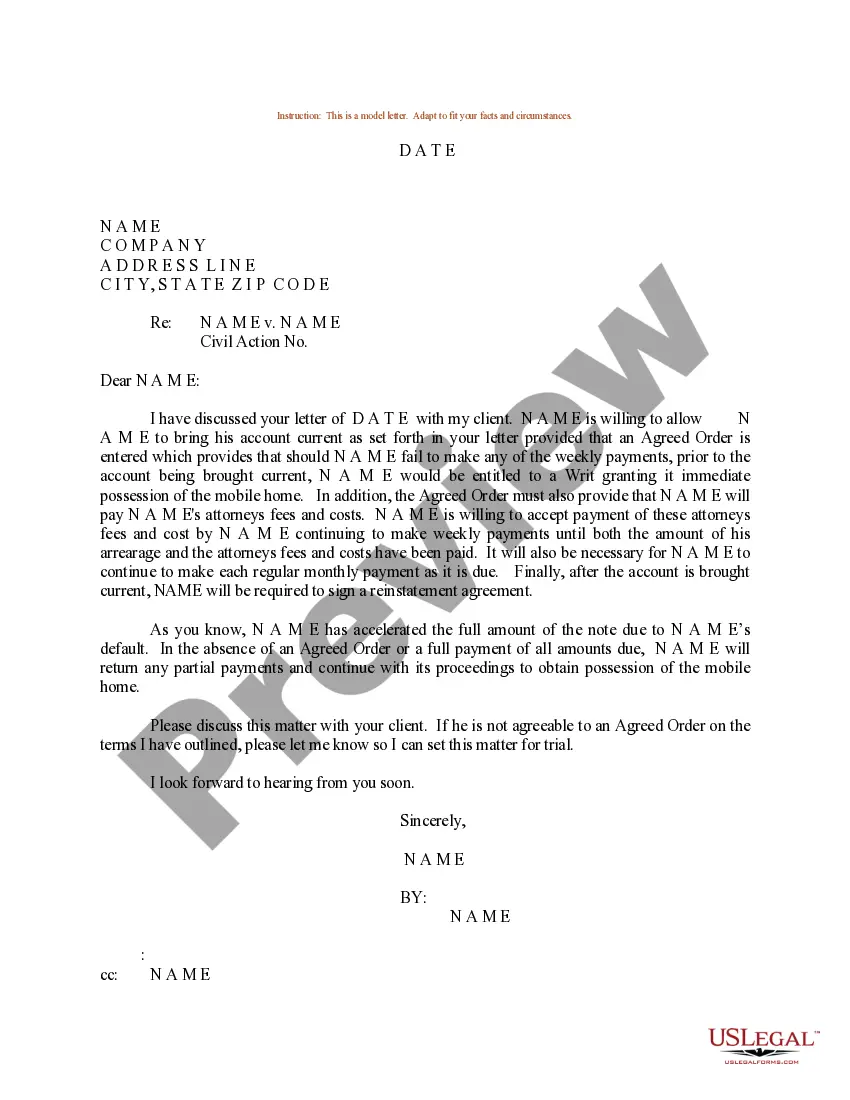
How to fill out Sample Letter For Motion To Quash?
It’s clear that you can’t transform into a legal expert right away, nor can you determine how to swiftly create a Sample Motion To Quash Unlawful Detainer without possessing a distinct set of abilities.
Drafting legal documents is a lengthy process that necessitates particular training and expertise. So why not entrust the development of the Sample Motion To Quash Unlawful Detainer to the professionals.
With US Legal Forms, one of the largest legal document repositories, you can find everything from judicial papers to templates for office correspondence. We recognize how essential compliance and observance of national and state laws and regulations are. That’s why, on our platform, all templates are tailored to specific locations and are current.
You can access your documents again from the My documents section at any time. If you’re an existing customer, you can simply Log In, and find and download the template from the same section.
Regardless of the intent behind your documentation—be it financial and legal, or personal—our platform meets your needs. Experience US Legal Forms today!
- Begin by finding the form you require using the search bar at the upper section of the page.
- Preview it (if this option is available) and review the accompanying description to determine whether Sample Motion To Quash Unlawful Detainer is what you need.
- Restart your search if you require any other form.
- Sign up for a free account and select a subscription plan to purchase the template.
- Click Buy now. Once the payment is processed, you can download the Sample Motion To Quash Unlawful Detainer, complete it, print it, and send or mail it to the appropriate individuals or organizations.
Form popularity
FAQ
A motion to quash an unlawful detainer is a legal request to challenge the validity of a landlord's eviction proceedings against a tenant. This motion aims to stop the eviction process when the tenant believes the unlawful detainer action lacks sufficient legal grounds. By using a sample motion to quash unlawful detainer, individuals can learn how to effectively draft their own motion to protect their rights as tenants. The uslegalforms platform offers valuable resources that help you navigate this process smoothly.
To write a letter to remove someone from your home, clearly outline the reasons for the request and specify a timeframe for them to leave. Be respectful, yet firm, in your language to maintain clarity. Additionally, consulting a sample motion to quash unlawful detainer can provide insight into structuring your message effectively.
When writing an eviction letter, start with a formal greeting, state the reason for the eviction, and provide a clear deadline. Include any relevant details, such as payment disputes or lease violations. For your reference, you might want to look at a sample motion to quash unlawful detainer to gain a better understanding of legal language and format.
An effective eviction letter clearly states the reason for eviction and provides a timeline for moving out. For instance, an eviction letter might say, 'Due to repeated lease violations, you are required to vacate the property within 30 days.' Using a sample motion to quash unlawful detainer can help ensure your letter aligns with legal standards.
Eviction rules in North Dakota require landlords to provide a valid reason, such as lease violations or non-payment. Landlords must provide written notice and follow the appropriate legal procedures to initiate an eviction lawsuit. For detailed guidance, a sample motion to quash unlawful detainer can help clarify complicated aspects of the eviction process.
To dismiss an unlawful detainer in California, you must file a motion in court. Your motion should state the grounds for dismissal and include supporting documents. It's advisable to reference a sample motion to quash unlawful detainer to ensure your motion meets legal requirements and increases your chances of success.
In California, a motion to quash must comply with specific requirements outlined by state law. You need to file the motion in the proper court and within a timely manner after receiving the summons. Additionally, ensure your motion includes supportive legal arguments and any necessary documentation. Utilizing a quality resource like US Legal Forms can assist you in drafting an effective sample motion to quash unlawful detainer.
When a decision is quashed, it means that the court invalidates that decision, effectively nullifying its effects. This action typically means that the case must be revisited or that further legal procedures are necessary. If you have filed a sample motion to quash unlawful detainer, successfully quashing a decision can provide significant relief and reset the legal landscape of your case.
Someone might file a motion to quash to challenge the legitimacy of an unlawful detainer action against them. This legal approach helps protect individual rights and interests by questioning the court's jurisdiction or asserting improper service of documents. Filing a sample motion to quash unlawful detainer can stop the legal process from moving forward, which could save you time and resources.
A motion to quash and a motion to dismiss are related, but they serve different purposes. A motion to quash specifically challenges the validity of a legal document like a summons or subpoena. In contrast, a motion to dismiss addresses the overall merits of a case. Understanding these distinctions is essential when considering filing a sample motion to quash unlawful detainer.