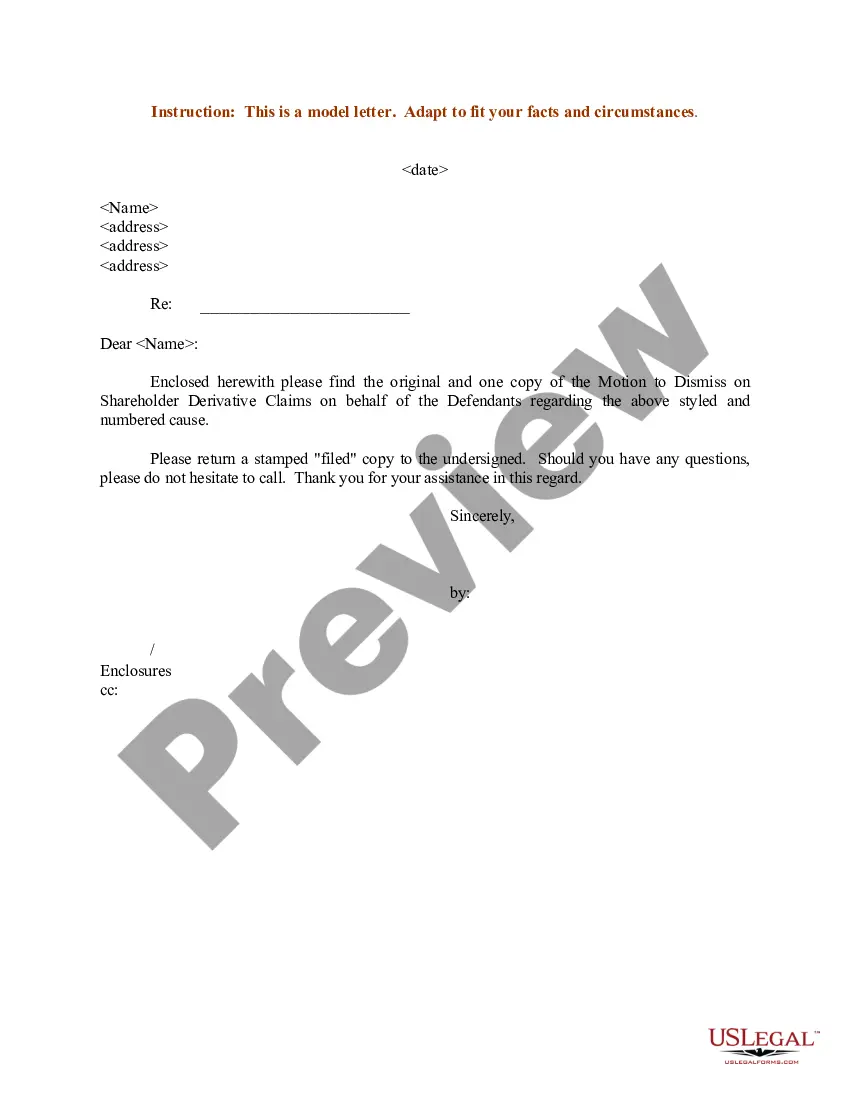
Derivative Claims By Shareholders
Description
Get your form ready online
Our built-in tools help you complete, sign, share, and store your documents in one place.
Make edits, fill in missing information, and update formatting in US Legal Forms—just like you would in MS Word.
Download a copy, print it, send it by email, or mail it via USPS—whatever works best for your next step.
Sign and collect signatures with our SignNow integration. Send to multiple recipients, set reminders, and more. Go Premium to unlock E-Sign.
If this form requires notarization, complete it online through a secure video call—no need to meet a notary in person or wait for an appointment.
We protect your documents and personal data by following strict security and privacy standards.

Make edits, fill in missing information, and update formatting in US Legal Forms—just like you would in MS Word.

Download a copy, print it, send it by email, or mail it via USPS—whatever works best for your next step.

Sign and collect signatures with our SignNow integration. Send to multiple recipients, set reminders, and more. Go Premium to unlock E-Sign.

If this form requires notarization, complete it online through a secure video call—no need to meet a notary in person or wait for an appointment.

We protect your documents and personal data by following strict security and privacy standards.
Looking for another form?







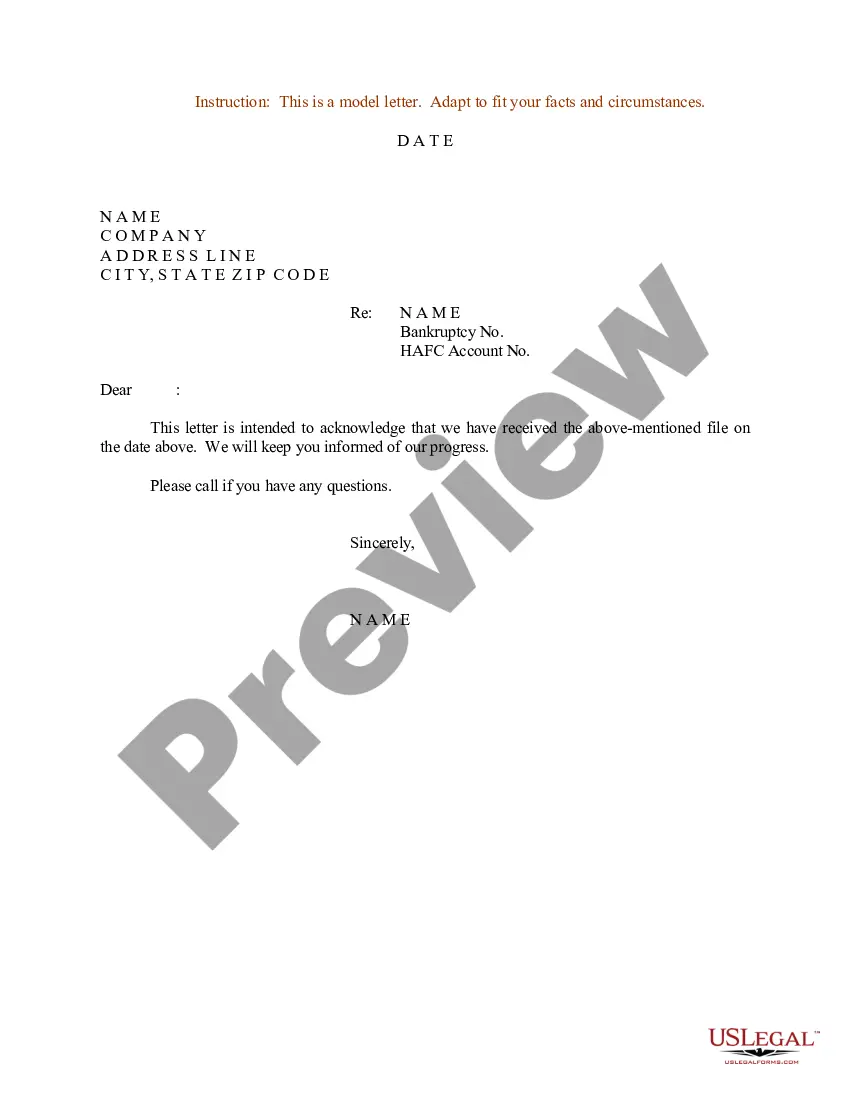
How to fill out Sample Letter Regarding Motion To Dismiss On Shareholder Derivative Claims?
Whether for commercial purposes or for personal issues, everyone must confront legal circumstances at some stage in their life. Filling out legal documents necessitates meticulous attention, starting from selecting the suitable form template. For instance, if you pick an incorrect version of a Derivative Claims By Shareholders, it will be denied once you submit it. Hence, it is crucial to obtain a trustworthy source of legal documents like US Legal Forms.
If you wish to acquire a Derivative Claims By Shareholders template, adhere to these straightforward steps: Obtain the template you require using the search bar or catalog browsing. Review the form’s description to confirm it aligns with your situation, state, and county. Click on the form’s preview to examine it. If it is the incorrect form, return to the search feature to find the Derivative Claims By Shareholders template you need. Obtain the file if it meets your specifications. If you already possess a US Legal Forms account, simply click Log in to access previously saved documents in My documents. If you do not have an account yet, you can download the form by clicking Buy now. Choose the appropriate pricing option. Complete the profile registration form. Select your payment method: utilize a credit card or PayPal account. Choose the file format you desire and download the Derivative Claims By Shareholders. Once saved, you can fill out the form using editing software or print it and complete it by hand.
With a comprehensive US Legal Forms catalog available, you do not need to waste time searching for the correct template online. Utilize the library’s intuitive navigation to find the suitable template for any occasion.
- Whether for commercial purposes or personal issues, everyone must confront legal circumstances.
- Filling out legal documents necessitates meticulous attention.
- Selecting the suitable form template is crucial.
- If you pick an incorrect version of a Derivative Claims By Shareholders, it will be denied.
- It is crucial to obtain a trustworthy source of legal documents.
- Adhere to straightforward steps to acquire a Derivative Claims By Shareholders template.
- Review the form’s description to confirm it aligns with your situation.
- Return to the search feature for the correct Derivative Claims By Shareholders template.
- Access previously saved documents if you have a US Legal Forms account.
- Complete the profile registration form for a new account.
- Choose the appropriate pricing option and download the file.
Form popularity
FAQ
The distinction between direct and derivative shareholder claims lies in the nature of the harm and who it affects. Direct claims are filed by shareholders for personal injuries or damages, while derivative claims address wrongs done to the corporation itself. Understanding this difference is crucial for shareholders to determine the appropriate legal path. Seeking guidance can clarify which type of claim best suits your situation.
Removing a 50% shareholder can be complex and often requires adherence to corporate bylaws and state laws. Typically, this process may involve negotiating a buyout, seeking legal grounds for removal due to misconduct, or convening a shareholder vote. It’s advisable to consult with legal experts to ensure compliance with regulations and to protect the company's interests. Tools like USLegalForms can assist in navigating these legal frameworks.
The remedies available in shareholder derivative suits can vary based on the case. Common outcomes include monetary damages awarded to the corporation, changes in corporate governance, or court orders mandating specific actions by directors. The goal of these remedies is to restore the corporation's integrity and protect shareholder interests. Working with legal professionals can enhance your chances of achieving favorable outcomes.
Shareholder derivative claims are legal actions taken by shareholders to address wrongs committed against the corporation. These claims can involve issues such as breaches of fiduciary duty or corporate mismanagement. The objective is to hold those responsible accountable and recover damages for the corporation. Understanding the specifics of these claims can empower shareholders to take meaningful action.
A shareholder derivative claim is a lawsuit brought by a shareholder on behalf of a corporation, typically against its directors or officers. This type of claim arises when the corporation suffers harm, and the shareholders seek to address that harm when the company itself fails to act. Derivative claims by shareholders aim to protect the interests of the corporation and its shareholders. Engaging with legal services can provide guidance on how to proceed with such claims.
Not every shareholder can initiate a derivative claim. Generally, only a shareholder who has maintained their shares during the time of the alleged wrongdoing can file. This requirement ensures that the claim is based on a genuine stake in the company. If you believe you have a valid claim, consulting with a legal professional can help clarify your standing.
A derivative action may be settled, voluntarily dismissed, or compromised only with the court's approval. Notice of a proposed settlement, voluntary dismissal, or compromise must be given to shareholders or members in the manner that the court orders.
Pursuing a Derivative Action Shareholders must prove they will fairly represent the interests of the company; and. Shareholders must formally demand, in writing, the company's board take action on the basis of suspected misconduct.
What are some examples of shareholder derivative lawsuits? Decisions made by the company that put the shareholders at financial risk. Conduct that instigates an investigation between the Department of Justice (DOJ), or other government entities. Insider trading. Corporate asset wasting. Accounting problems.