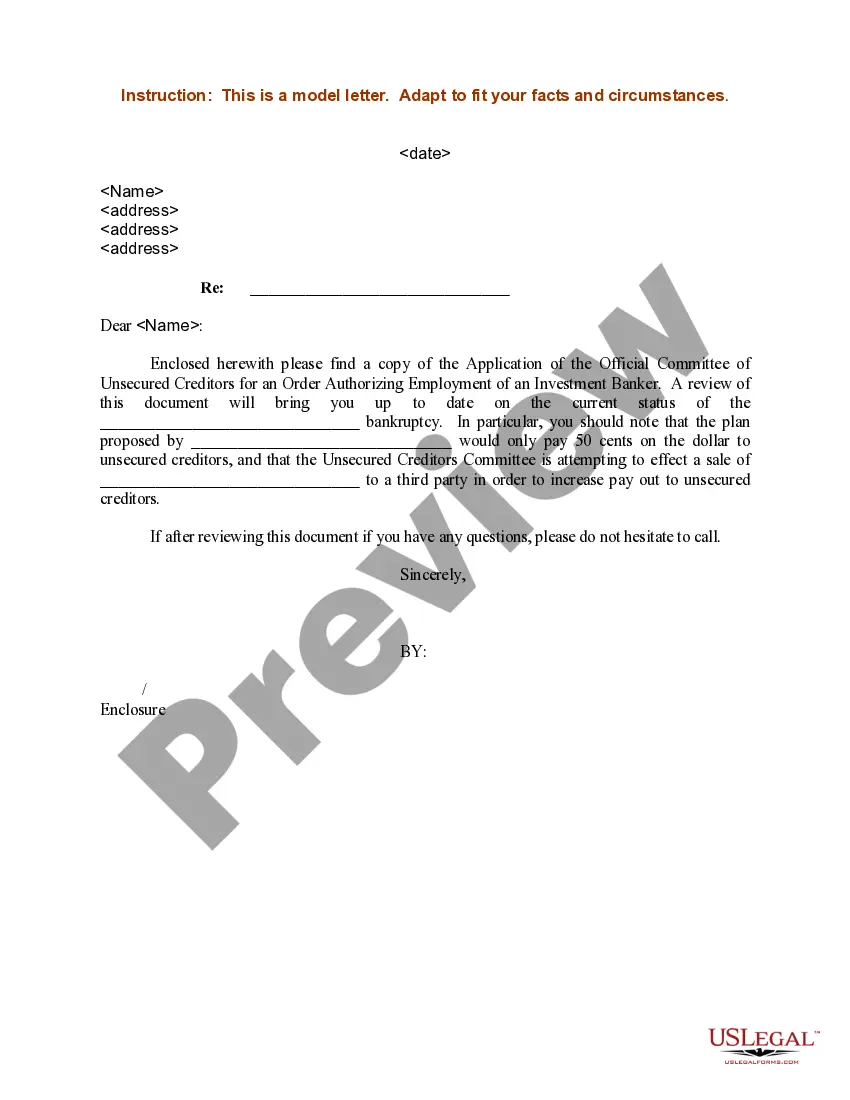
Unsecured Creditors In Liquidation Example
Description
Get your form ready online
Our built-in tools help you complete, sign, share, and store your documents in one place.
Make edits, fill in missing information, and update formatting in US Legal Forms—just like you would in MS Word.
Download a copy, print it, send it by email, or mail it via USPS—whatever works best for your next step.
Sign and collect signatures with our SignNow integration. Send to multiple recipients, set reminders, and more. Go Premium to unlock E-Sign.
If this form requires notarization, complete it online through a secure video call—no need to meet a notary in person or wait for an appointment.
We protect your documents and personal data by following strict security and privacy standards.

Make edits, fill in missing information, and update formatting in US Legal Forms—just like you would in MS Word.

Download a copy, print it, send it by email, or mail it via USPS—whatever works best for your next step.

Sign and collect signatures with our SignNow integration. Send to multiple recipients, set reminders, and more. Go Premium to unlock E-Sign.

If this form requires notarization, complete it online through a secure video call—no need to meet a notary in person or wait for an appointment.

We protect your documents and personal data by following strict security and privacy standards.
Looking for another form?
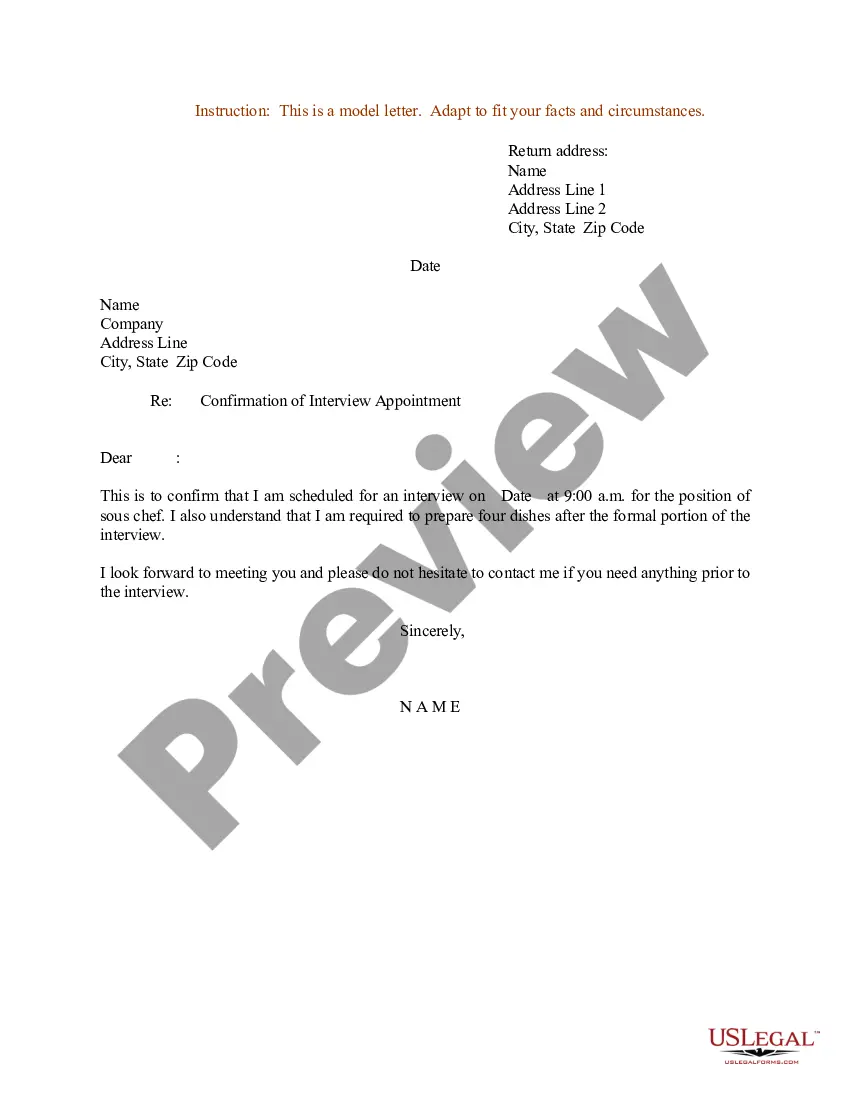








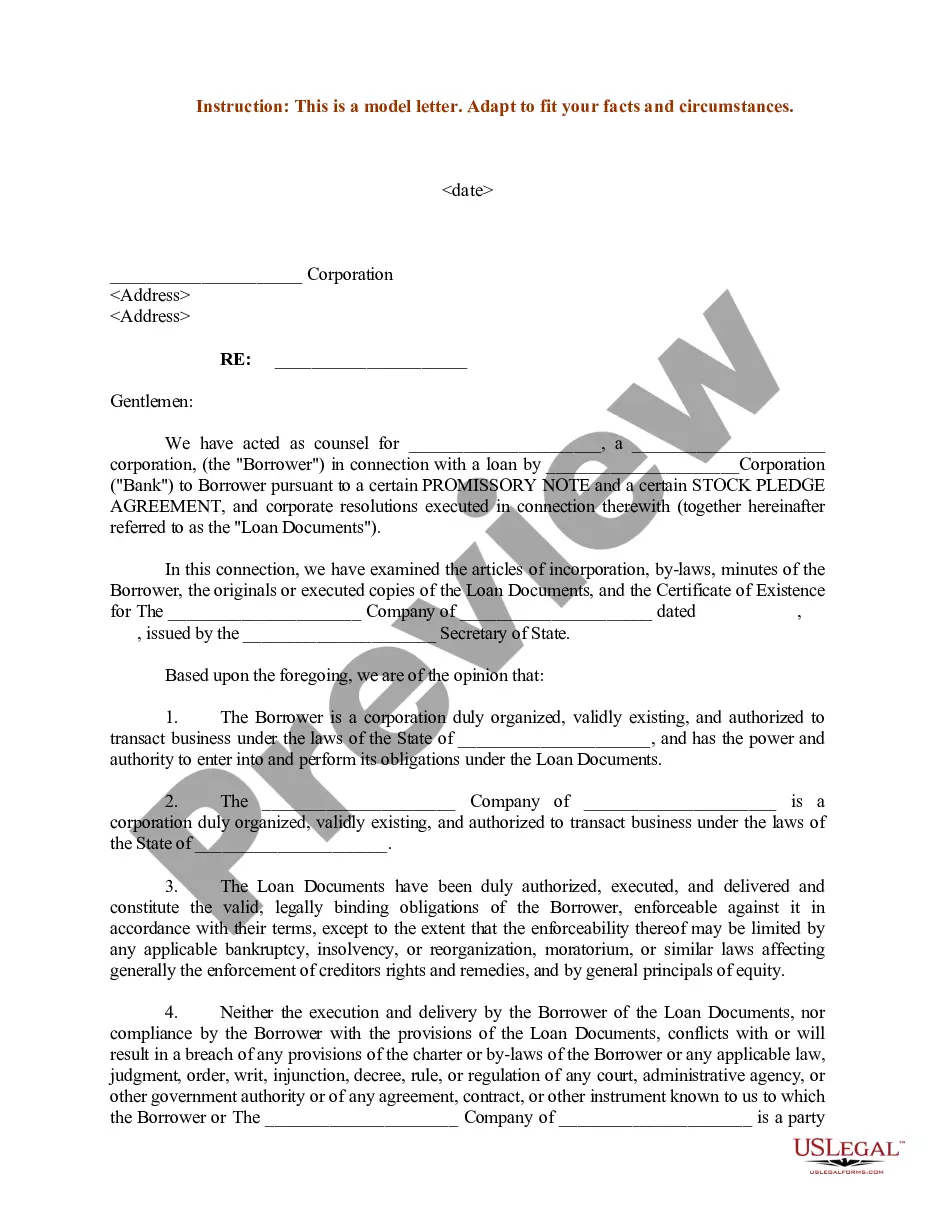
How to fill out Sample Letter For Application Of Unsecured Creditors For An Order Authorizing Employment Of Investment Banker?
Dealing with legal paperwork and procedures can add considerable time to your daily routine.
Unsecured Creditors In Liquidation Example and similar forms frequently necessitate that you locate them and comprehend the optimal way to fill them out accurately.
Thus, if you are managing financial, legal, or personal affairs, utilizing a comprehensive and user-friendly online directory of forms when required will be of significant help.
US Legal Forms is the top online service for legal templates, providing over 85,000 state-specific forms along with a variety of tools to assist you in completing your documents with ease.
Simply Log In to your account, find Unsecured Creditors In Liquidation Example, and obtain it immediately via the My documents tab. You also have the option to access previously saved forms.
- Browse the collection of relevant documents available to you with a single click.
- US Legal Forms gives you access to state- and county-specific forms available for download at any time.
- Enhance your document management processes with a premium service that allows you to complete any form in minutes without extra or hidden fees.
Form popularity
FAQ
Unsecured creditors include suppliers, customers, contractors, and clients of the insolvent company, who must make a claim for repayment of their debt. As we've mentioned, it's common for this group of creditors to receive no dividend at all from the liquidation process as they fall at the end of the payment hierarchy.
Also known as general creditor and general unsecured creditor. A creditor holding an unsecured claim, or having no liens against a debtor's property.
An unsecured creditor is a creditor that can claim monies that they are owed from a company only after secured creditors have done so. They rank above shareholders, but will only receive an amount of money that is deemed available through the prior sale of assets and after the secured creditors claims.
Some of the most common types of unsecured creditors include credit card companies, utilities, landlords, hospitals and doctor's offices, and lenders that issue personal or student loans (though education loans carry a special exception that prevents them from being discharged).
They are generally the largest group of creditors and come after preferential creditors in terms of payment priority in liquidation. Unsecured creditors may include providers of unsecured loans, suppliers, contractors, and landlords, but they all rank equally and are paid a percentage of available funds, if any exist.