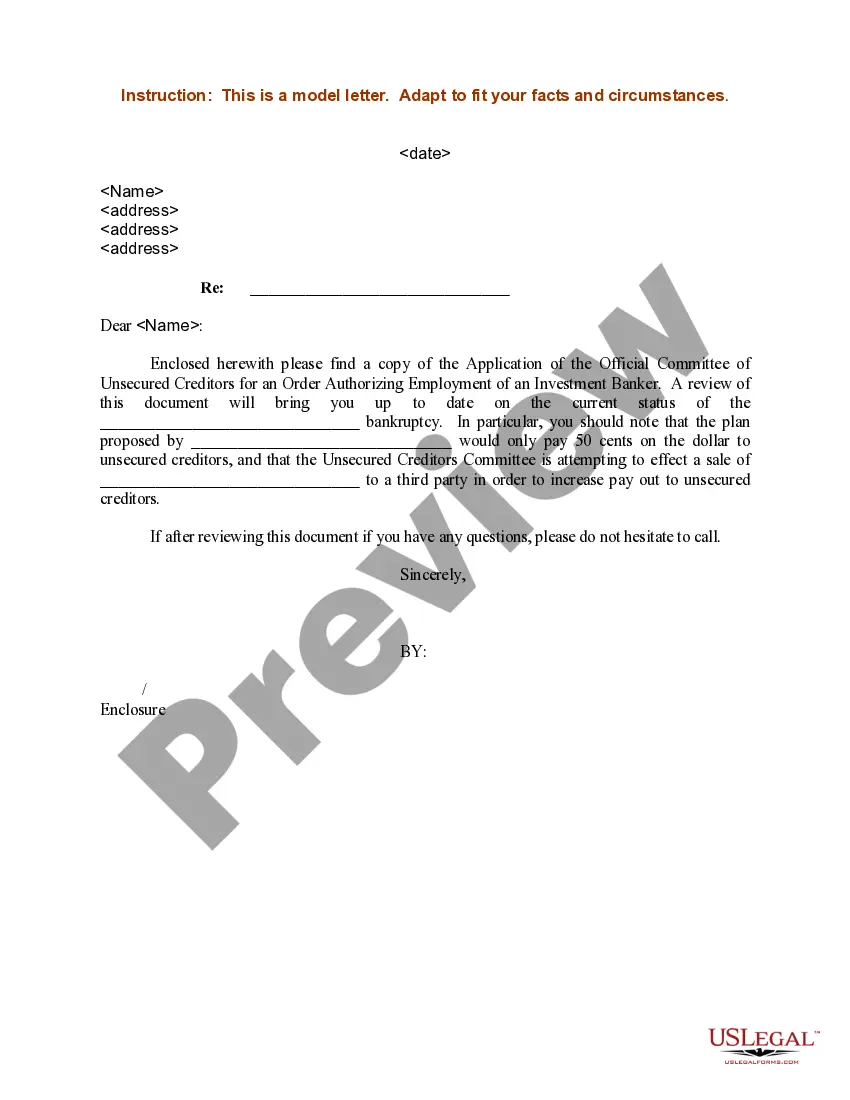
Unsecured Creditor With Pod
Description
Get your form ready online
Our built-in tools help you complete, sign, share, and store your documents in one place.
Make edits, fill in missing information, and update formatting in US Legal Forms—just like you would in MS Word.
Download a copy, print it, send it by email, or mail it via USPS—whatever works best for your next step.
Sign and collect signatures with our SignNow integration. Send to multiple recipients, set reminders, and more. Go Premium to unlock E-Sign.
If this form requires notarization, complete it online through a secure video call—no need to meet a notary in person or wait for an appointment.
We protect your documents and personal data by following strict security and privacy standards.

Make edits, fill in missing information, and update formatting in US Legal Forms—just like you would in MS Word.

Download a copy, print it, send it by email, or mail it via USPS—whatever works best for your next step.

Sign and collect signatures with our SignNow integration. Send to multiple recipients, set reminders, and more. Go Premium to unlock E-Sign.

If this form requires notarization, complete it online through a secure video call—no need to meet a notary in person or wait for an appointment.

We protect your documents and personal data by following strict security and privacy standards.
Looking for another form?








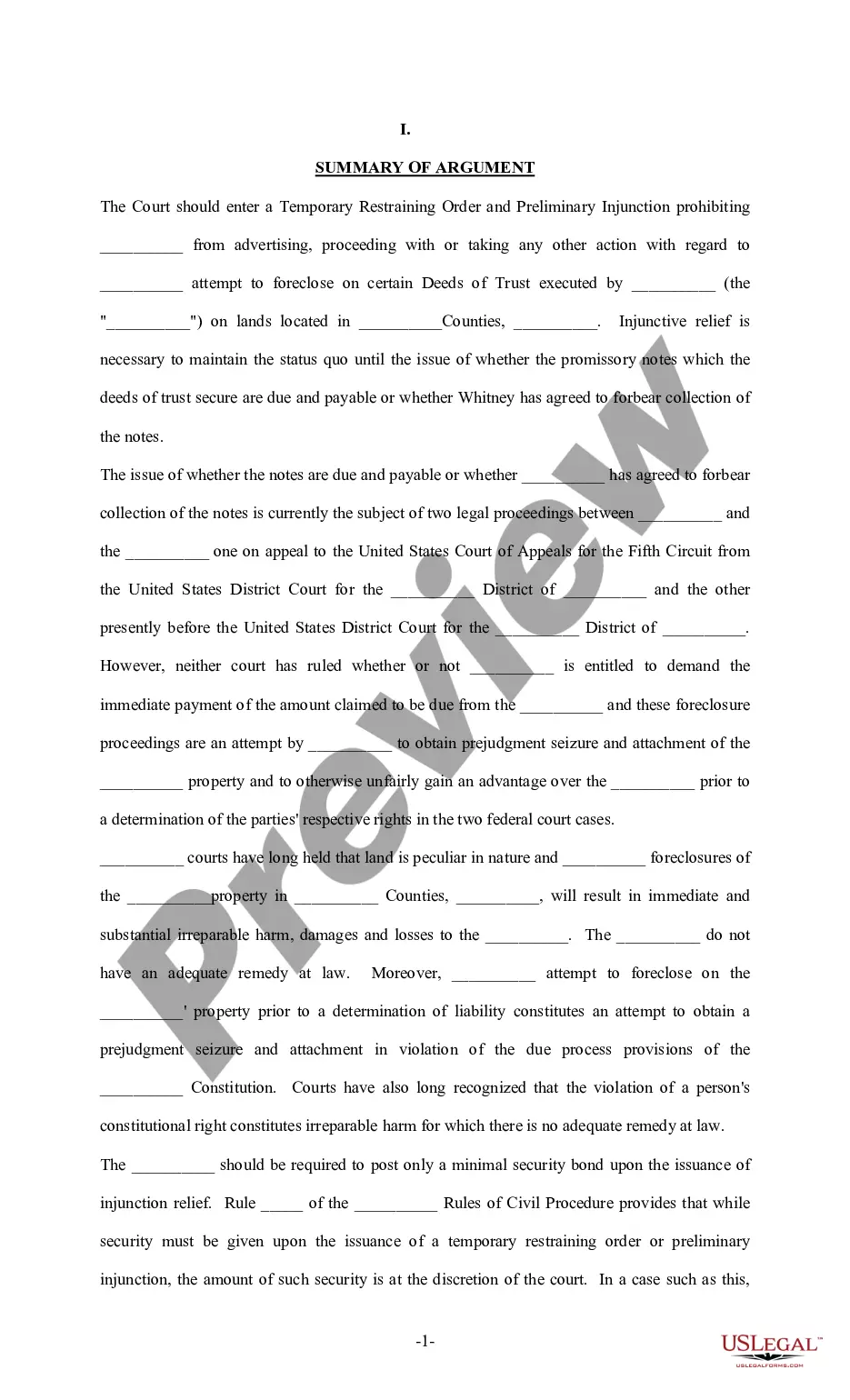
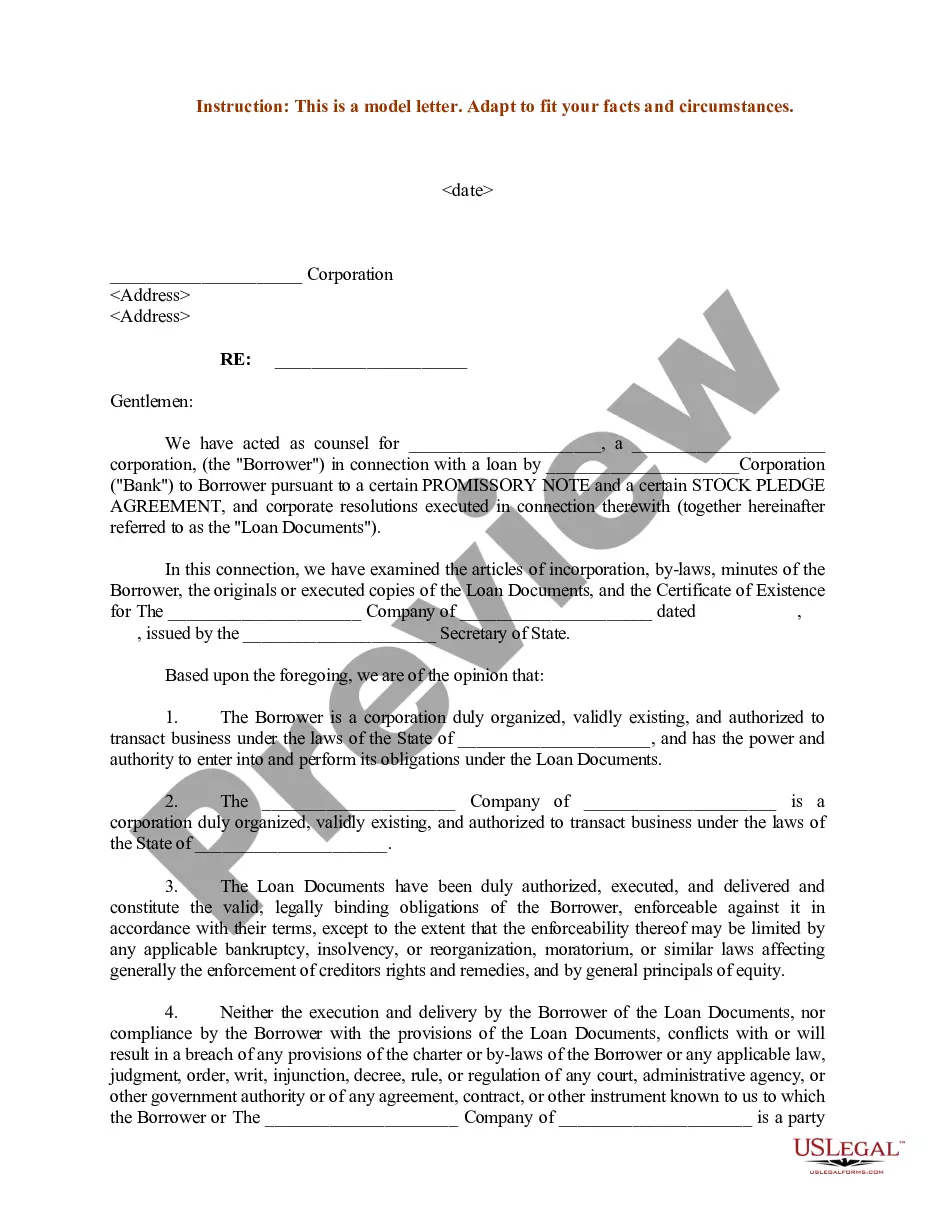
How to fill out Sample Letter For Application Of Unsecured Creditors For An Order Authorizing Employment Of Investment Banker?
It’s well known that you cannot instantly become a legal expert, nor can you easily figure out how to swiftly create Unsecured Creditor With Pod without possessing a specific skill set.
Assembling legal documents is a lengthy procedure that necessitates certain training and abilities. So why not entrust the preparation of the Unsecured Creditor With Pod to the professionals.
With US Legal Forms, one of the most comprehensive libraries of legal documents, you can discover everything from court forms to templates for internal business communications. We recognize how crucial compliance and adherence to federal and local statutes and regulations are. That’s why, on our platform, all templates are location-specific and up-to-date.
Click Buy now. Once the payment is finalized, you can download the Unsecured Creditor With Pod, fill it out, print it, and send or mail it to the appropriate individuals or entities.
You can access your forms again from the My documents tab at any time. If you’re an existing client, you can simply Log In and find and download the template from the same tab.
- Commence with our platform and acquire the form you require in just a few minutes.
- Locate the document you need using the search bar at the top of the page.
- Preview it (if this option is available) and review the supporting description to ascertain if Unsecured Creditor With Pod is what you seek.
- Start your search anew if you require any additional template.
- Sign up for a free account and select a subscription plan to purchase the template.
Form popularity
FAQ
Proof of debt from a creditor is documentation demonstrating the validity of a debt. This can include invoices, contracts, or statements that confirm the obligation the borrower has towards the creditor. Unsecured creditors with POD often present this evidence during legal or bankruptcy proceedings to support their claims.
The unsecured creditor gets no such protection; its best method of repayment from its debtor is voluntary repayment. Otherwise, short of bankruptcy proceedings, the unsecured creditor must sue and win a judgment to get repaid on a defaulted debt.
Meanwhile, repayment to unsecured creditors is generally dependent on bankruptcy proceedings or successful litigation. An unsecured creditor must first file a legal complaint in court and obtain a judgment before proceeding with collection through wage garnishment and other types of liquidated borrower-owned assets.
Rights of unsecured creditors The judge will give the creditor a judgment against you if the creditor shows that you have failed to repay the loan. Once creditors have a judgment, they can ask the sheriff to take property you own, such as a car, and sell it to pay off the debt.
In general, preferred creditors take precedence over unsecured creditors. However, in some jurisdictions, as you can see above, preferred creditors are more likely to get paid than secured creditors whose security is floating, while, at the same time, taking a back seat to those with a fixed charge.
Unsecured creditors include suppliers, customers, contractors, and clients of the insolvent company, who must make a claim for repayment of their debt. As we've mentioned, it's common for this group of creditors to receive no dividend at all from the liquidation process as they fall at the end of the payment hierarchy.