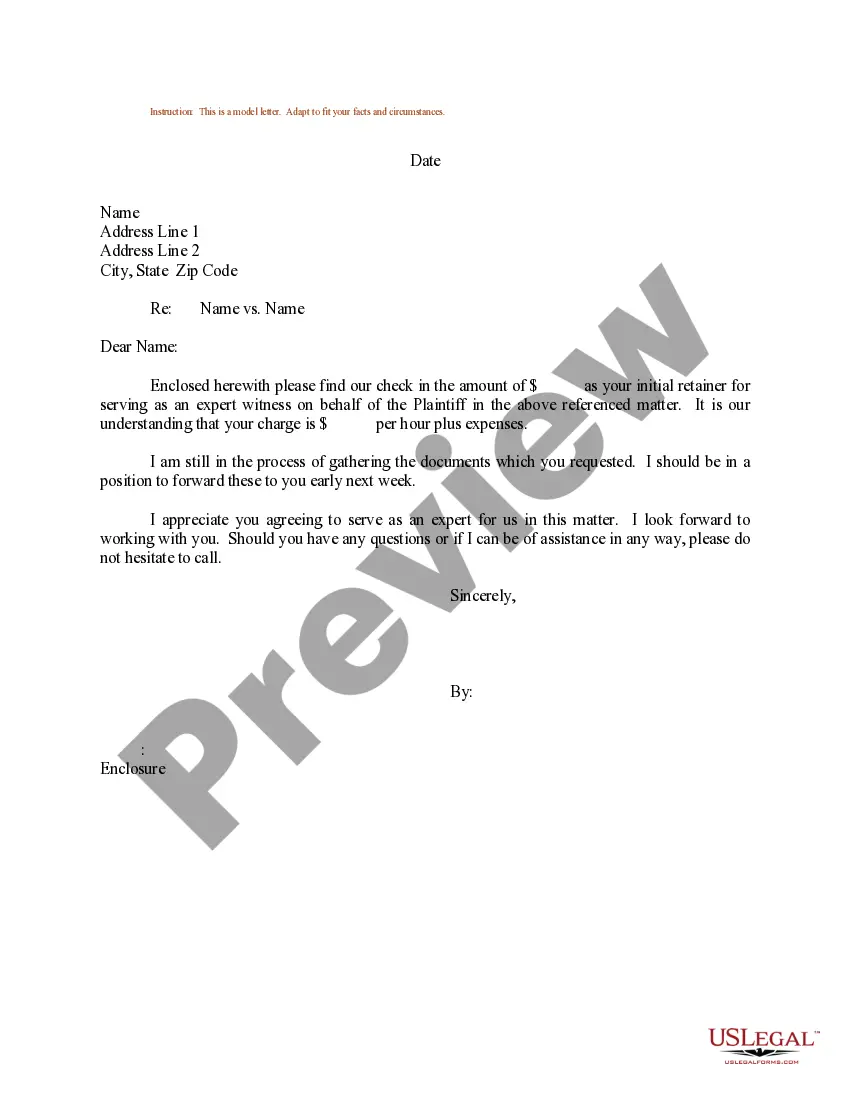
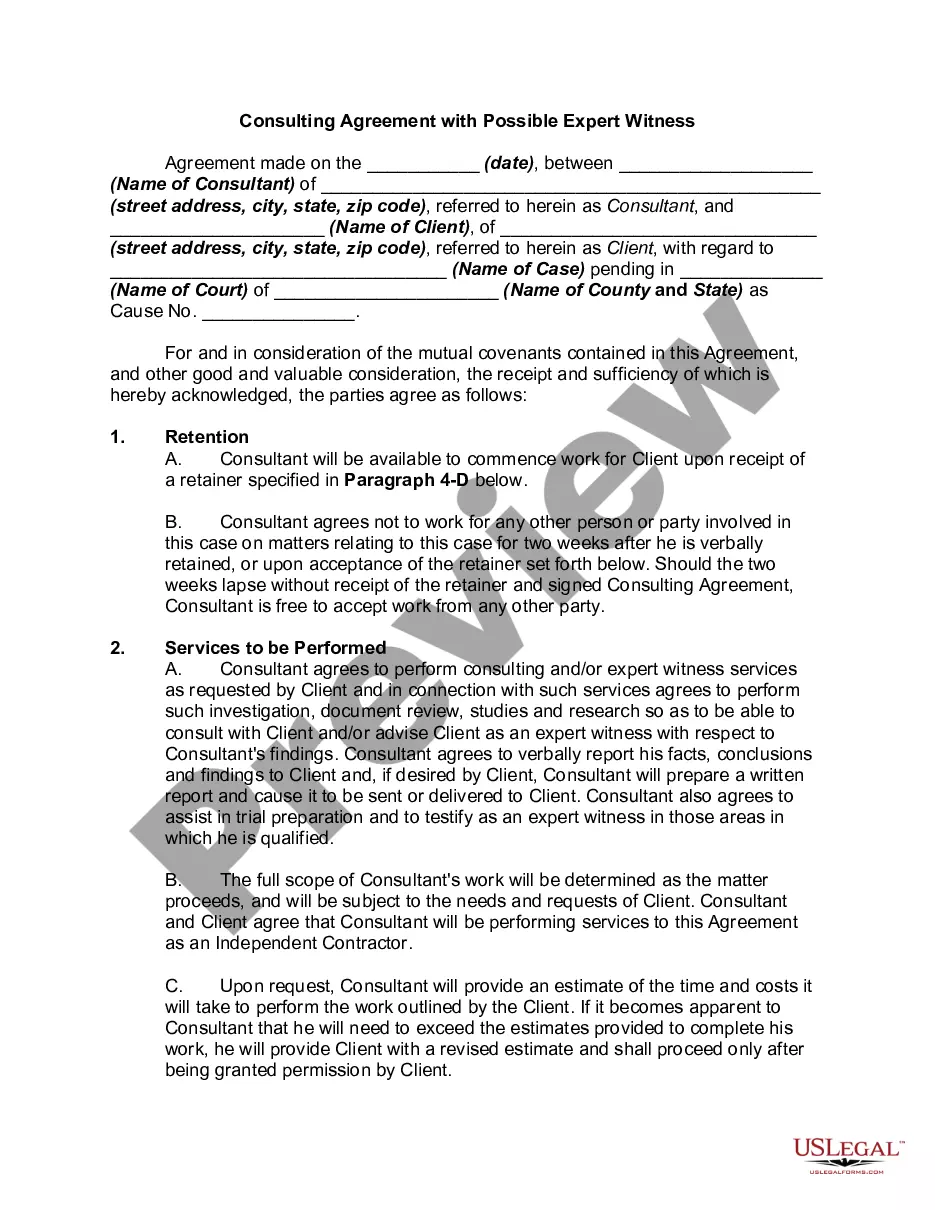
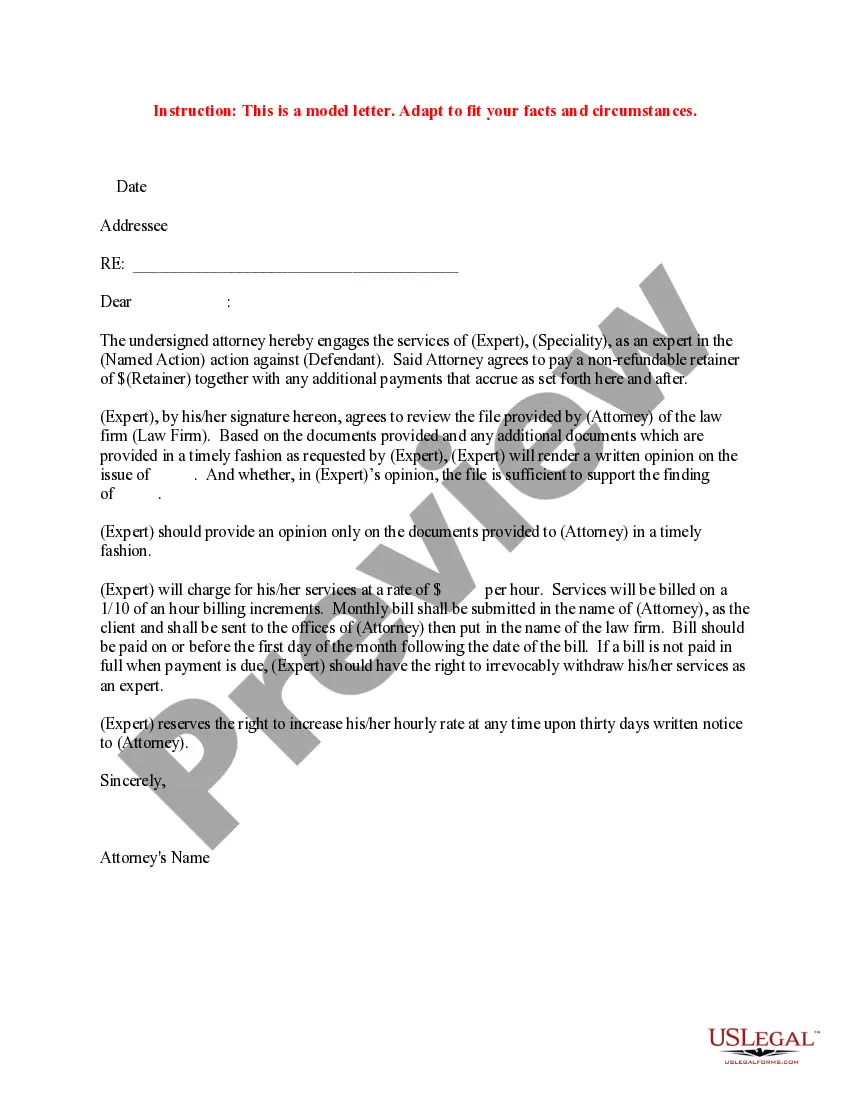
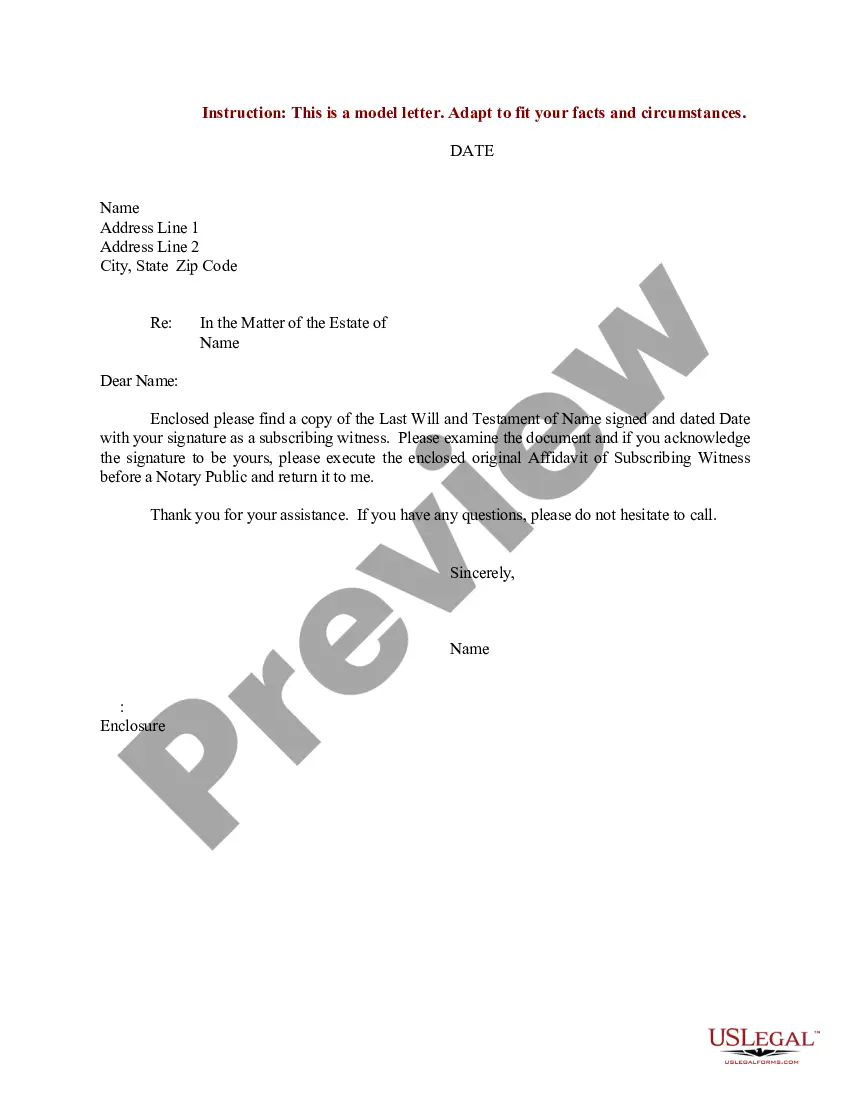
Sample Witness Letter For Court
Description

Get your form ready online
Our built-in tools help you complete, sign, share, and store your documents in one place.
Make edits, fill in missing information, and update formatting in US Legal Forms—just like you would in MS Word.
Download a copy, print it, send it by email, or mail it via USPS—whatever works best for your next step.
Sign and collect signatures with our SignNow integration. Send to multiple recipients, set reminders, and more. Go Premium to unlock E-Sign.
If this form requires notarization, complete it online through a secure video call—no need to meet a notary in person or wait for an appointment.
We protect your documents and personal data by following strict security and privacy standards.

Make edits, fill in missing information, and update formatting in US Legal Forms—just like you would in MS Word.

Download a copy, print it, send it by email, or mail it via USPS—whatever works best for your next step.

Sign and collect signatures with our SignNow integration. Send to multiple recipients, set reminders, and more. Go Premium to unlock E-Sign.

If this form requires notarization, complete it online through a secure video call—no need to meet a notary in person or wait for an appointment.

We protect your documents and personal data by following strict security and privacy standards.
Looking for another form?
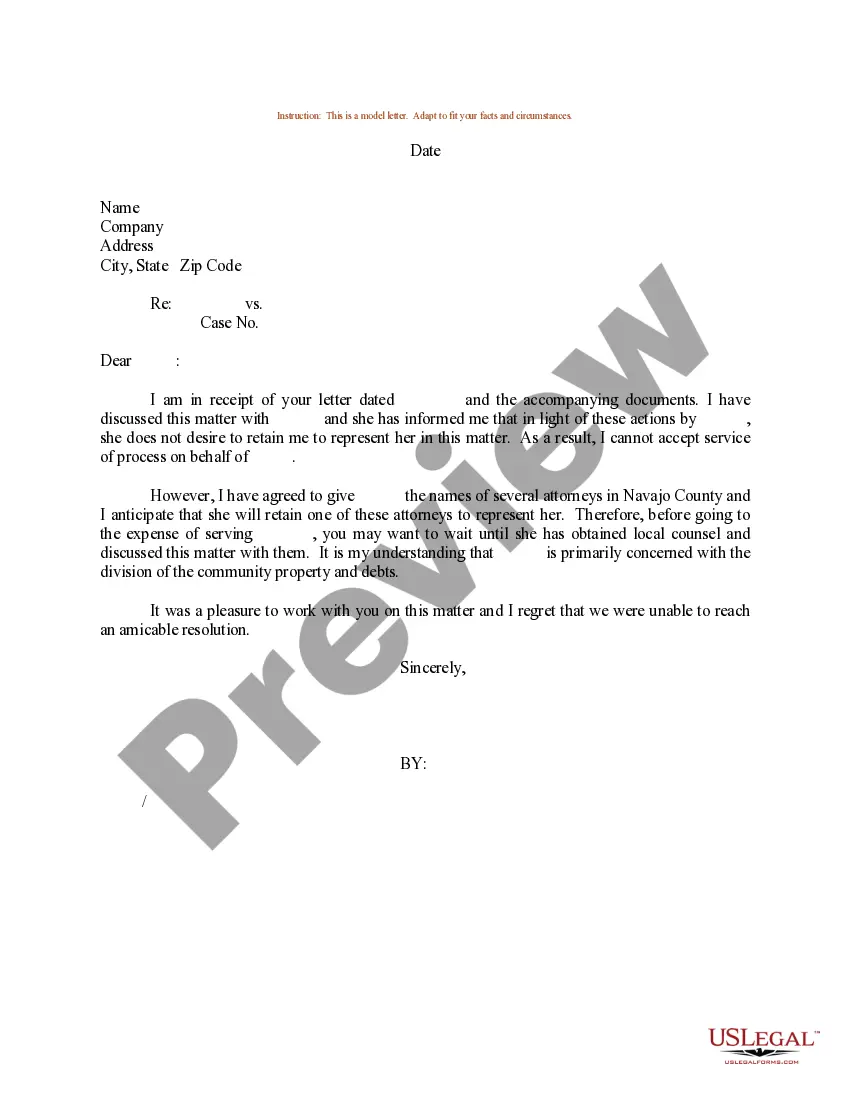
How to fill out Sample Letter For Retainer For Expert Witness?
There’s no longer a need to spend countless hours searching for legal documents to adhere to your local state laws.
US Legal Forms has gathered all of them in a single location and enhanced their availability.
Our platform offers over 85,000 templates for any business and personal legal needs organized by state and purpose of use.
Preparing official documentation in accordance with federal and state regulations is quick and simple with our library. Explore US Legal Forms today to keep your paperwork organized!
- All forms are expertly crafted and verified for accuracy, so you can trust in obtaining a current Sample Witness Letter For Court.
- If you are acquainted with our service and already possess an account, ensure your subscription is active before accessing any templates.
- Log In to your account, select the document, and click Download.
- You can also retrieve all saved documents whenever needed by accessing the My documents tab in your profile.
- If you have never used our service before, the process will require a few additional steps to finalize.
- Here’s how new users can find the Sample Witness Letter For Court in our library.
- Scrutinize the page content closely to confirm it contains the sample you need.
- To assist with this, utilize the form description and preview options if available.
Form popularity
FAQ
To write a letter supporting someone in court, start with a clear introduction of your relationship to the individual. Discuss specific positive qualities or actions that underscore their character and merit. Make your case logically and compassionately, ensuring you remain respectful and factual. You might find helpful formats in a sample witness letter for court as you write your own letter.
Anyone who knows the individual well can write a character witness letter, as long as they can provide informed insights. Typically, these letters come from friends, family members, co-workers, or community leaders who can affirm the person's character. Highlighting personal experiences or observations will enhance the letter's impact. For ideas, consult a sample witness letter for court to see effective examples.
To obtain a witness statement, reach out to individuals who observed the relevant event and explain its importance. Schedule a convenient time for them to provide their account and ask specific questions to guide their statement. It's important to keep their responses focused and organized to maintain clarity. Reviewing a sample witness letter for court can offer insights into what a witness statement should look like.
Yes, you can write a letter to a judge on behalf of someone, and it should be done thoughtfully. Address the judge respectfully and clearly state your relationship to the person involved. Your letter should articulate the person’s character or circumstances relevant to the case. Consulting a sample witness letter for court can help structure your letter effectively.
To craft a witness letter for court, start by stating your personal details and the context in which you witnessed the events. Be clear and concise in describing what you observed, avoiding embellishments or assumptions. It is crucial to maintain an objective tone, as your credibility is key. For guidance, you can look at a sample witness letter for court to ensure you include all necessary elements.
When writing a character letter for someone for court, start by explaining who you are and your relationship to the person. Focus on positive traits and provide specific examples that highlight their character. This letter should convey your belief in their integrity, as well as how they contribute positively to the community. A well-structured character letter can serve as a powerful tool, much like a sample witness letter for court.
To write a letter on behalf of someone, begin by addressing the letter appropriately, including the recipient's name and title. Clearly state your relationship with the individual and the purpose of the letter upfront. Use a polite, formal tone throughout, and provide specific facts or examples that support your position. For a clear format or example, refer to a sample witness letter for court.
To write a witness letter for the court, begin with a formal salutation, followed by your name and contact information. Clearly state your relationship to the case, then describe the relevant observations in a logical order. By adhering to these guidelines, you can construct a solid sample witness letter for court that effectively communicates the necessary information.
Formatting a witness statement for court involves organizing your information clearly. Use headings and paragraphs to separate sections, starting with your identification, followed by the incident details. Following a structured format will enhance your sample witness letter for court, making it easier for judges and lawyers to review.
To write a simple witness statement, start with your personal information, then proceed to describe the events in chronological order. Be factual and straightforward, focusing on what you saw and heard. This approach makes it easier to create a sample witness letter for court that courts will find credible.