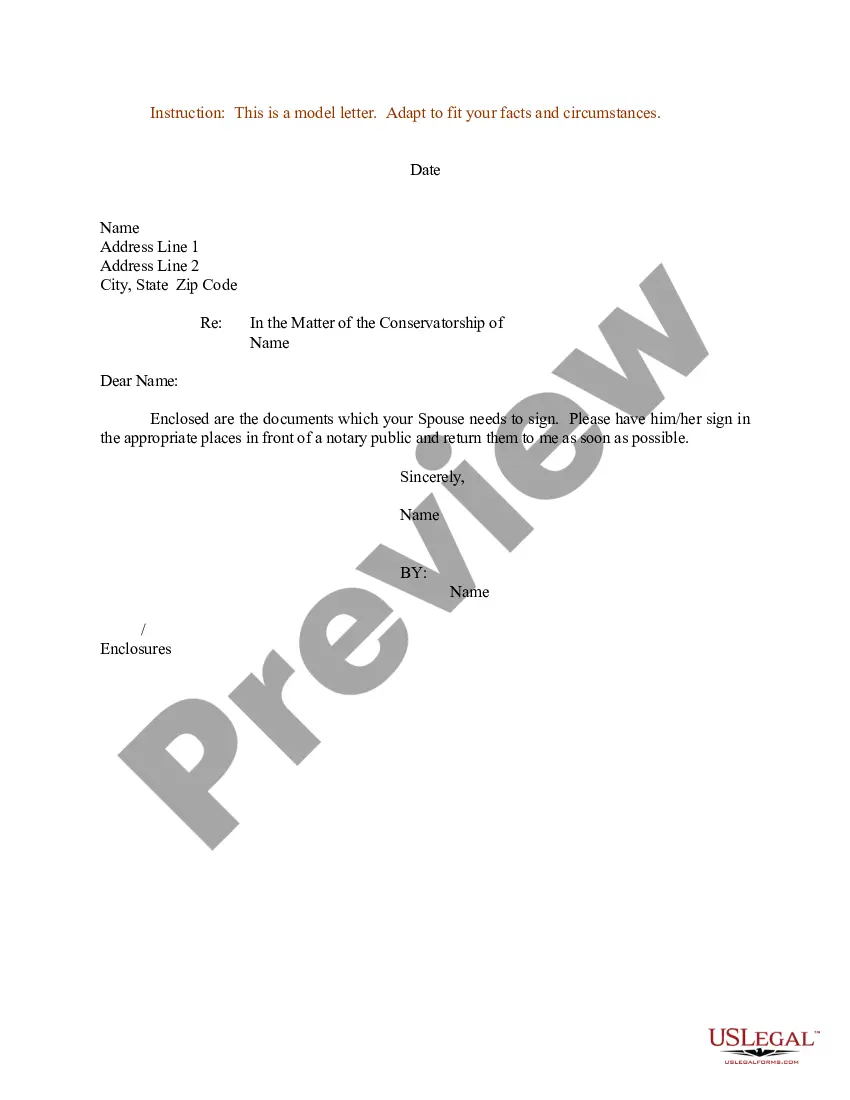
Sample Disability Letter From Spouse For Mental Health
Description
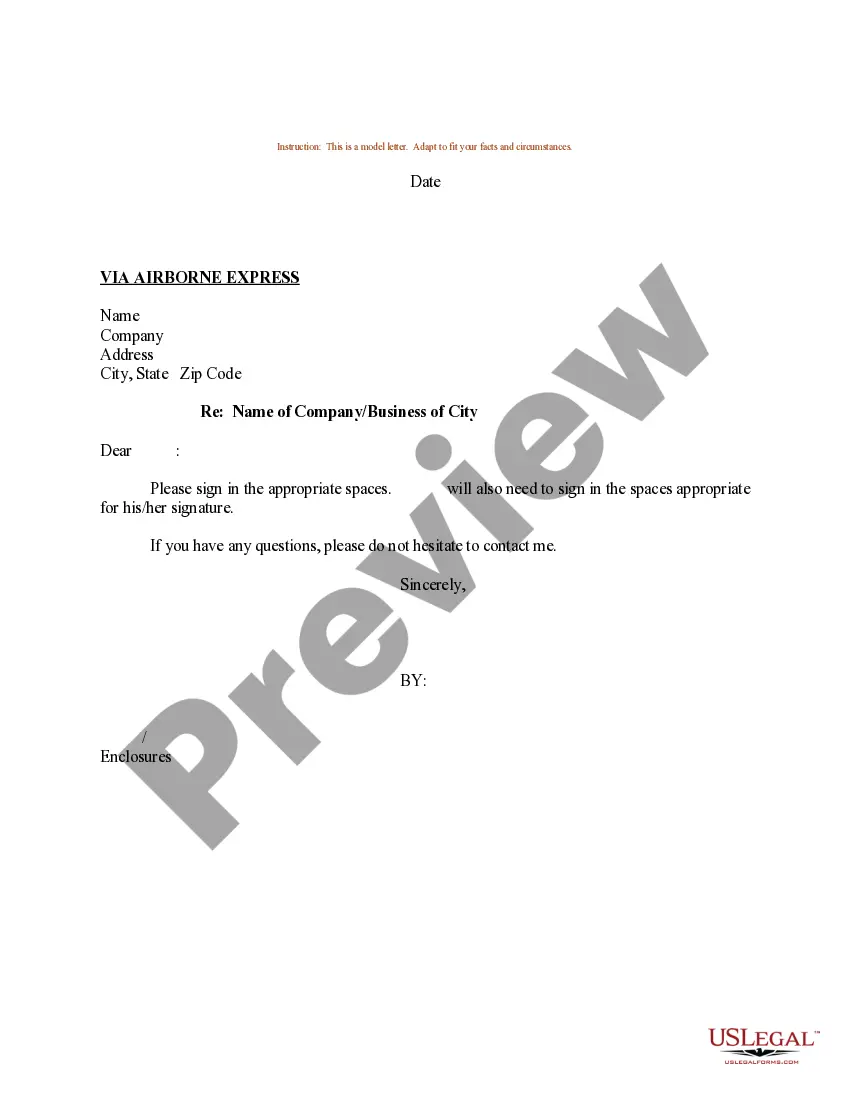
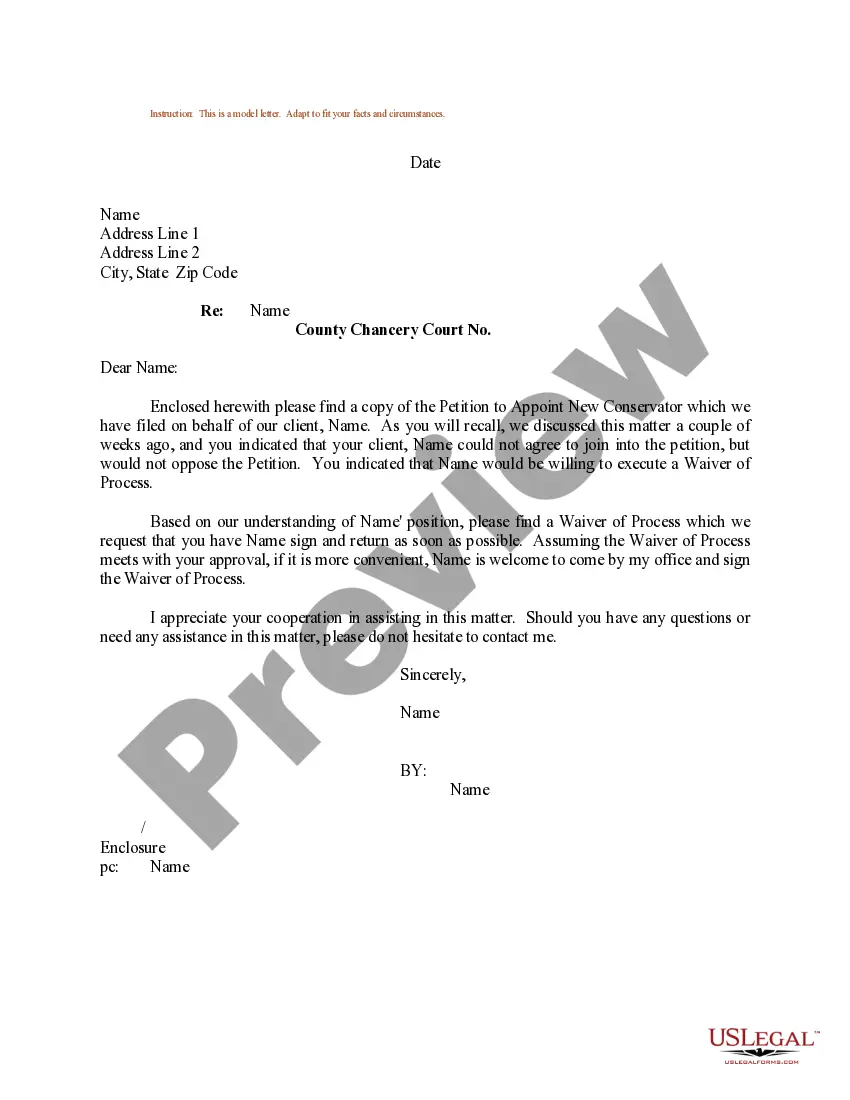
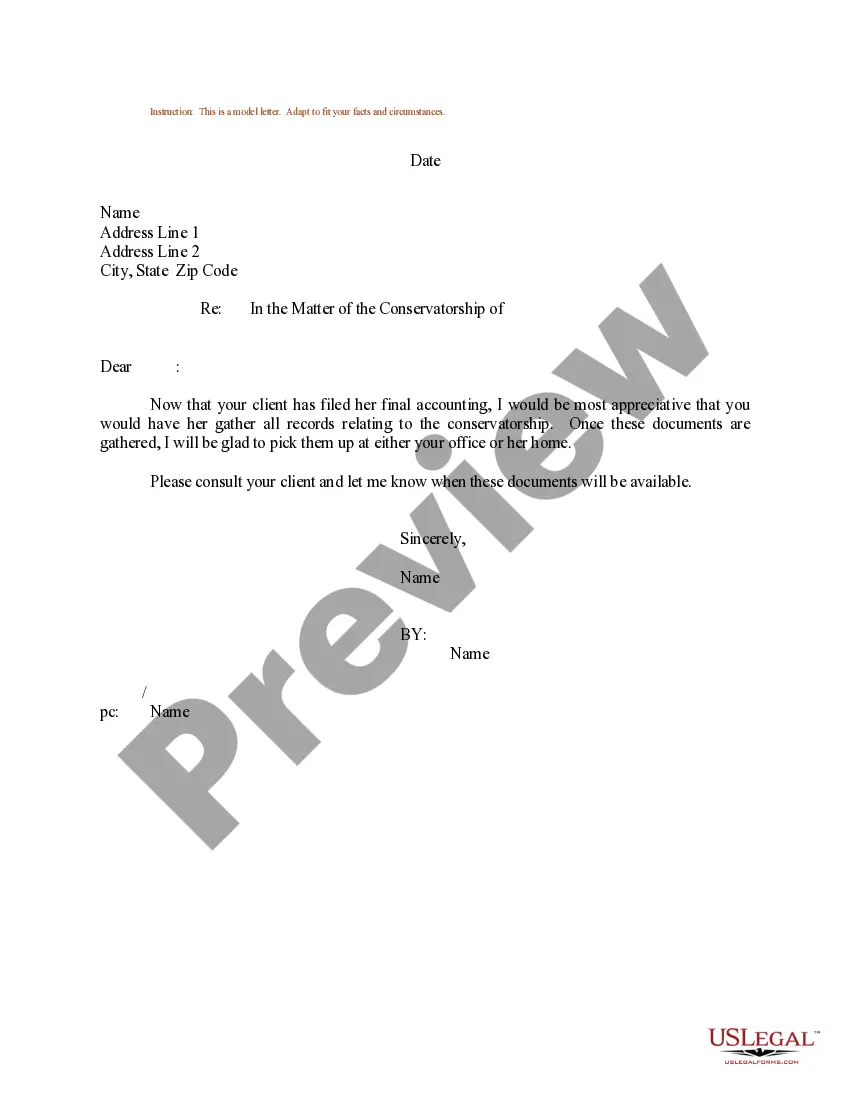
Get your form ready online
Our built-in tools help you complete, sign, share, and store your documents in one place.
Make edits, fill in missing information, and update formatting in US Legal Forms—just like you would in MS Word.
Download a copy, print it, send it by email, or mail it via USPS—whatever works best for your next step.
Sign and collect signatures with our SignNow integration. Send to multiple recipients, set reminders, and more. Go Premium to unlock E-Sign.
If this form requires notarization, complete it online through a secure video call—no need to meet a notary in person or wait for an appointment.
We protect your documents and personal data by following strict security and privacy standards.

Make edits, fill in missing information, and update formatting in US Legal Forms—just like you would in MS Word.

Download a copy, print it, send it by email, or mail it via USPS—whatever works best for your next step.

Sign and collect signatures with our SignNow integration. Send to multiple recipients, set reminders, and more. Go Premium to unlock E-Sign.

If this form requires notarization, complete it online through a secure video call—no need to meet a notary in person or wait for an appointment.

We protect your documents and personal data by following strict security and privacy standards.
Looking for another form?
How to fill out Sample Letter For Spouse Signature?
The Example Disability Letter From Partner For Mental Health presented on this site is a versatile official template crafted by experienced attorneys in alignment with national and local statutes and guidelines.
For over 25 years, US Legal Forms has assisted individuals, enterprises, and legal practitioners with more than 85,000 authenticated, state-specific documents for various business and personal events. It’s the quickest, simplest, and most reliable method to secure the paperwork you require, as the service assures the utmost level of data safety and anti-malware safeguards.
Join US Legal Forms to access confirmed legal templates for every situation in life.
- Search for the document you require and examine it.
- Register and Log Into your account.
- Acquire the editable template.
- Fill out and endorse the documentation.
- Redownload your documents as needed.
Form popularity
FAQ
For a photo to be eligible for copyright protection, it must have been created after 1978 and registered with the US Copyright Office before being published or distributed. Without proper registration, the image may not be eligible for copyright protection and could be subject to unauthorized use by someone else.
Because a photo copyright release form isn't standardized, photographers create their own document, then have it notarized or approved by an attorney. Use business letterhead paper to create the document. ... State who owns the copyright. ... Describe and name the images(s) to be released. ... Explain the release usage.
How Do You Write a Release Form? The first step in writing is identifying all parties involved, including the releaser and the release. Specify the activity or event in detail, such as a photo shoot, a video production, or a performance. Clearly specify what is being released, whether liability, claims, or damages.
A photo copyright release is an authorization to copy, distribute, or otherwise use specified copyrighted photos at will. This authorization is given by the owner of these images (the ?releasor?) to another person (the ?releasee?). Unless otherwise noted, the release does not expire.
However, photo releases should contain the following components: Names. Names of both parties should be included in a photo release to properly identify who is either granting or receiving permission to use the photos. Terms. ... Description of the shoot. ... Agreement statement. ... Dated signature.
A photo release form allows an individual or photographer to obtain consent from the other party in order to use photographs for personal or commercial use. The releasing party, the ?releasor,? can choose to give away the rights to the images for free or charge a fee or royalty.
I understand that my image may be edited, copied, exhibited, published or distributed and waive the right to inspect or approve the finished product wherein my likeness appears. Additionally, I waive any right to royalties or other compensation arising or related to the use of my image or recording.
It is generally accepted to snap a photo of a person in a public place without a release form. However, if you use that photo for specific commercial purposes, like promoting a product, it's better to be safe and get the release form.