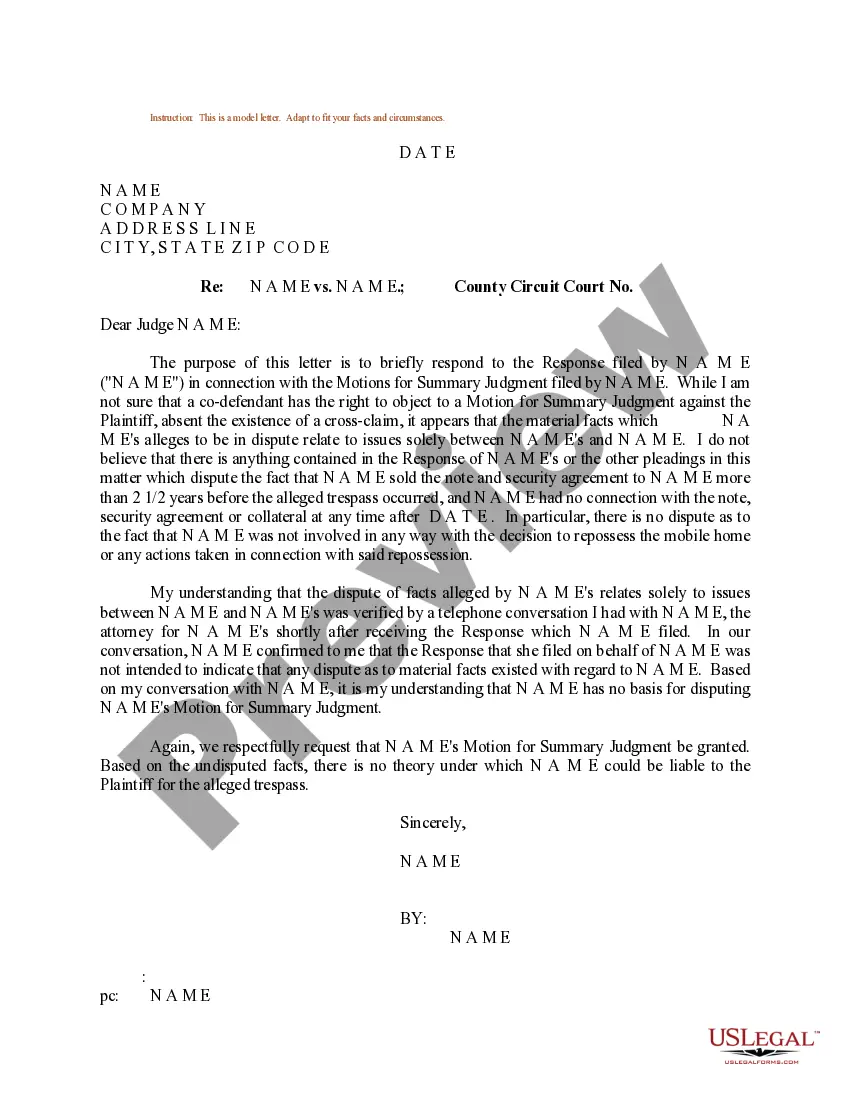
Sample Motion Legal With Withdraw Guilty Plea
Description
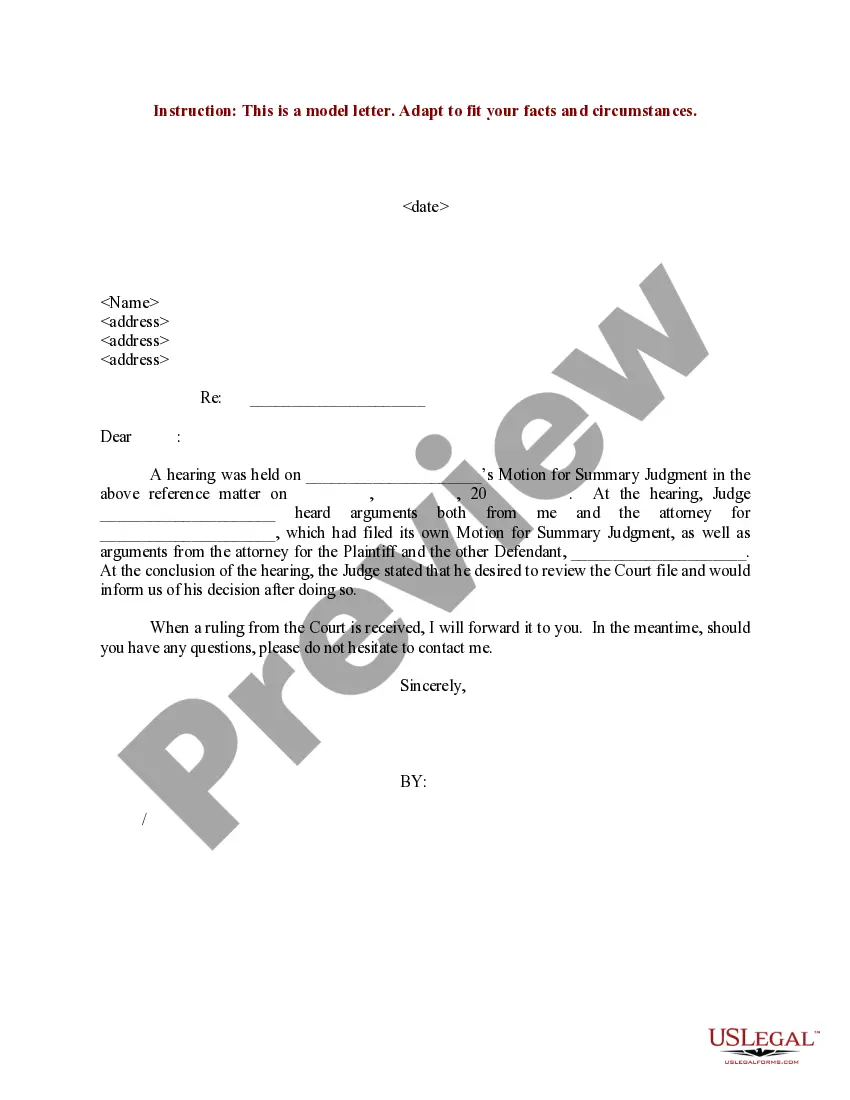
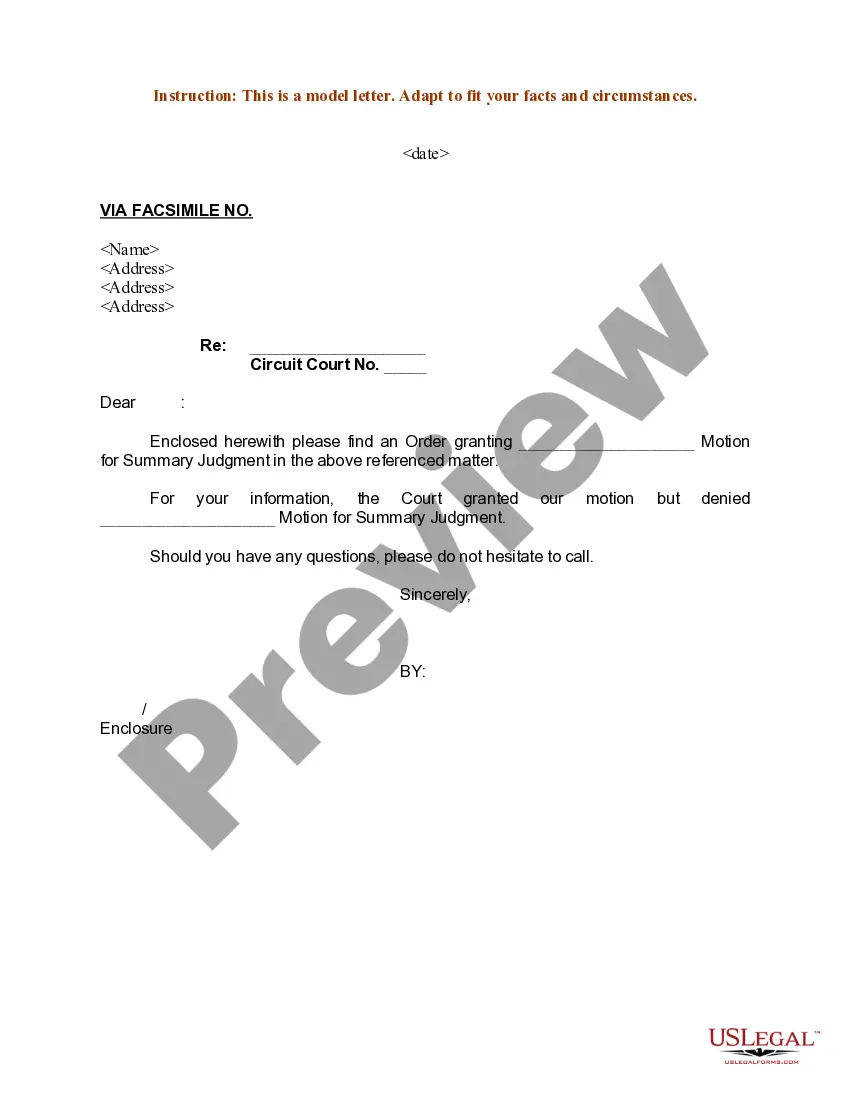
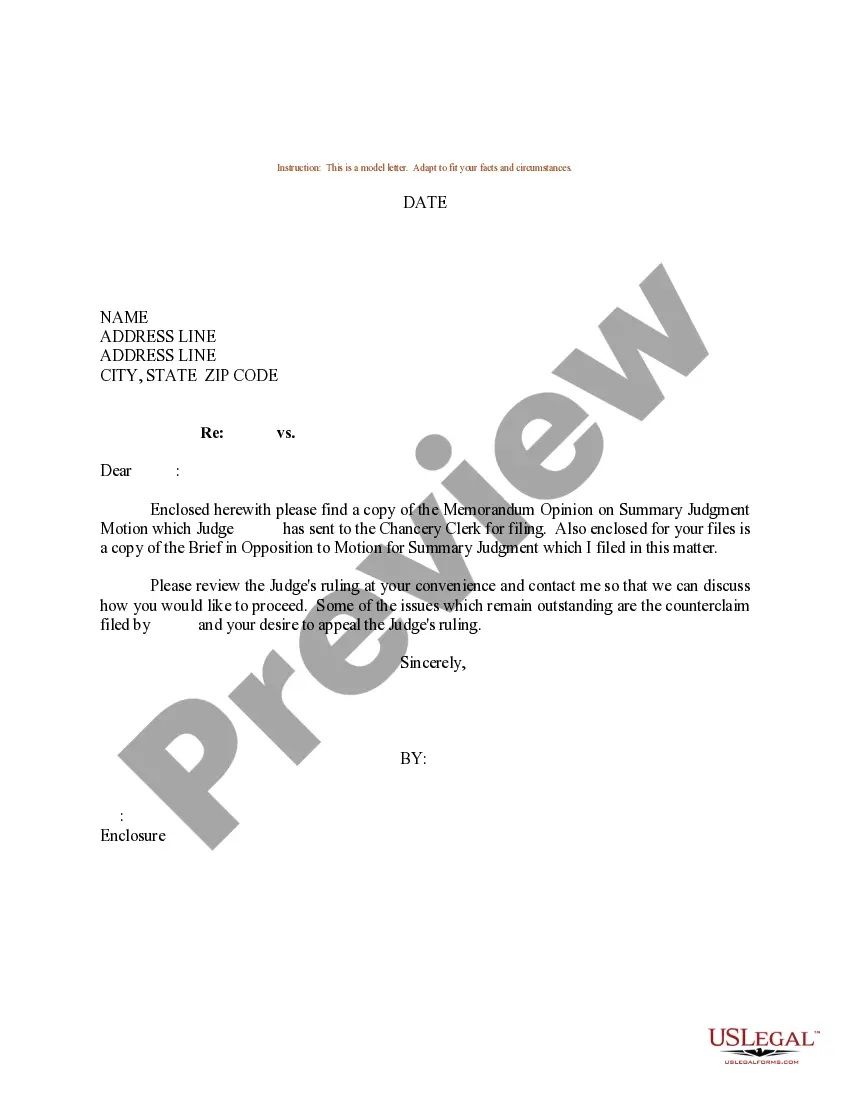
Get your form ready online
Our built-in tools help you complete, sign, share, and store your documents in one place.
Make edits, fill in missing information, and update formatting in US Legal Forms—just like you would in MS Word.
Download a copy, print it, send it by email, or mail it via USPS—whatever works best for your next step.
Sign and collect signatures with our SignNow integration. Send to multiple recipients, set reminders, and more. Go Premium to unlock E-Sign.
If this form requires notarization, complete it online through a secure video call—no need to meet a notary in person or wait for an appointment.
We protect your documents and personal data by following strict security and privacy standards.

Make edits, fill in missing information, and update formatting in US Legal Forms—just like you would in MS Word.

Download a copy, print it, send it by email, or mail it via USPS—whatever works best for your next step.

Sign and collect signatures with our SignNow integration. Send to multiple recipients, set reminders, and more. Go Premium to unlock E-Sign.

If this form requires notarization, complete it online through a secure video call—no need to meet a notary in person or wait for an appointment.

We protect your documents and personal data by following strict security and privacy standards.
Looking for another form?
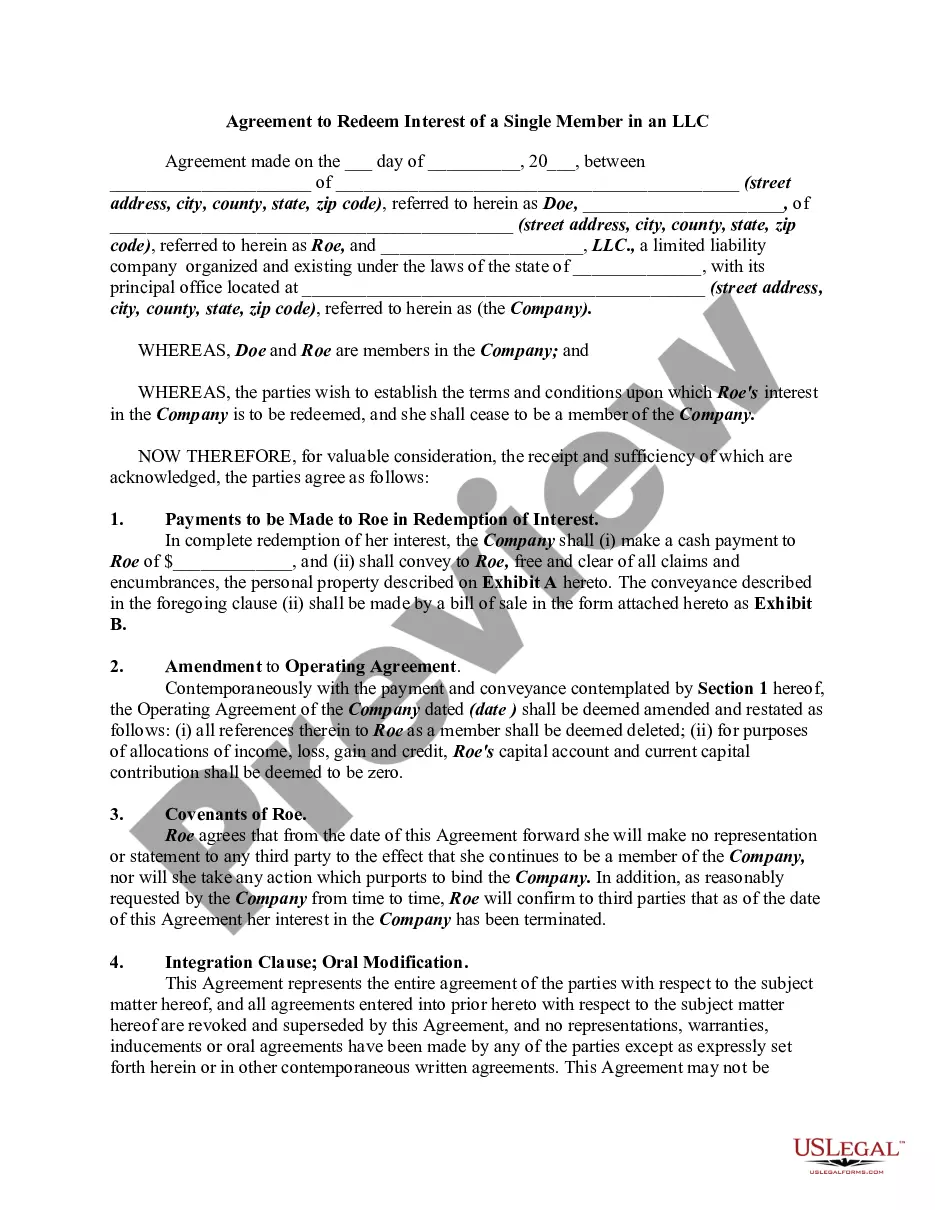
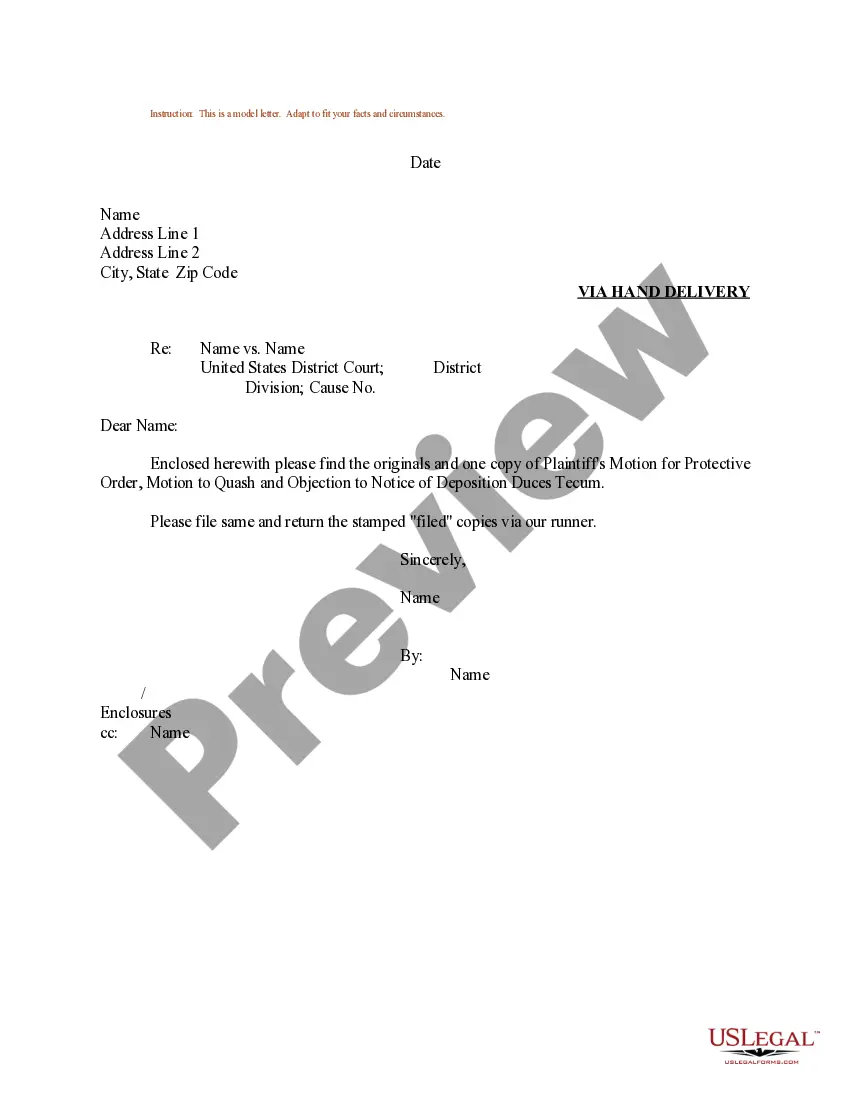
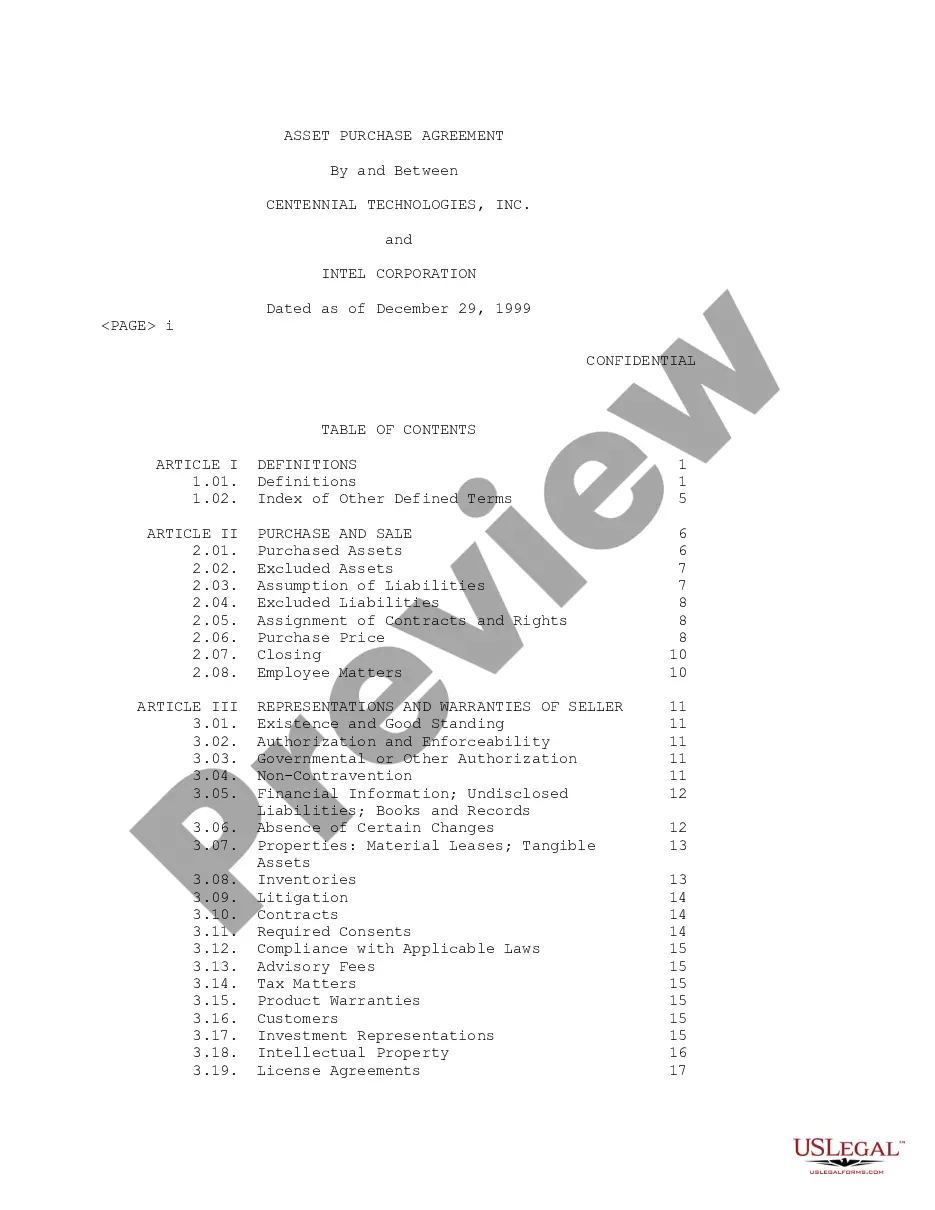

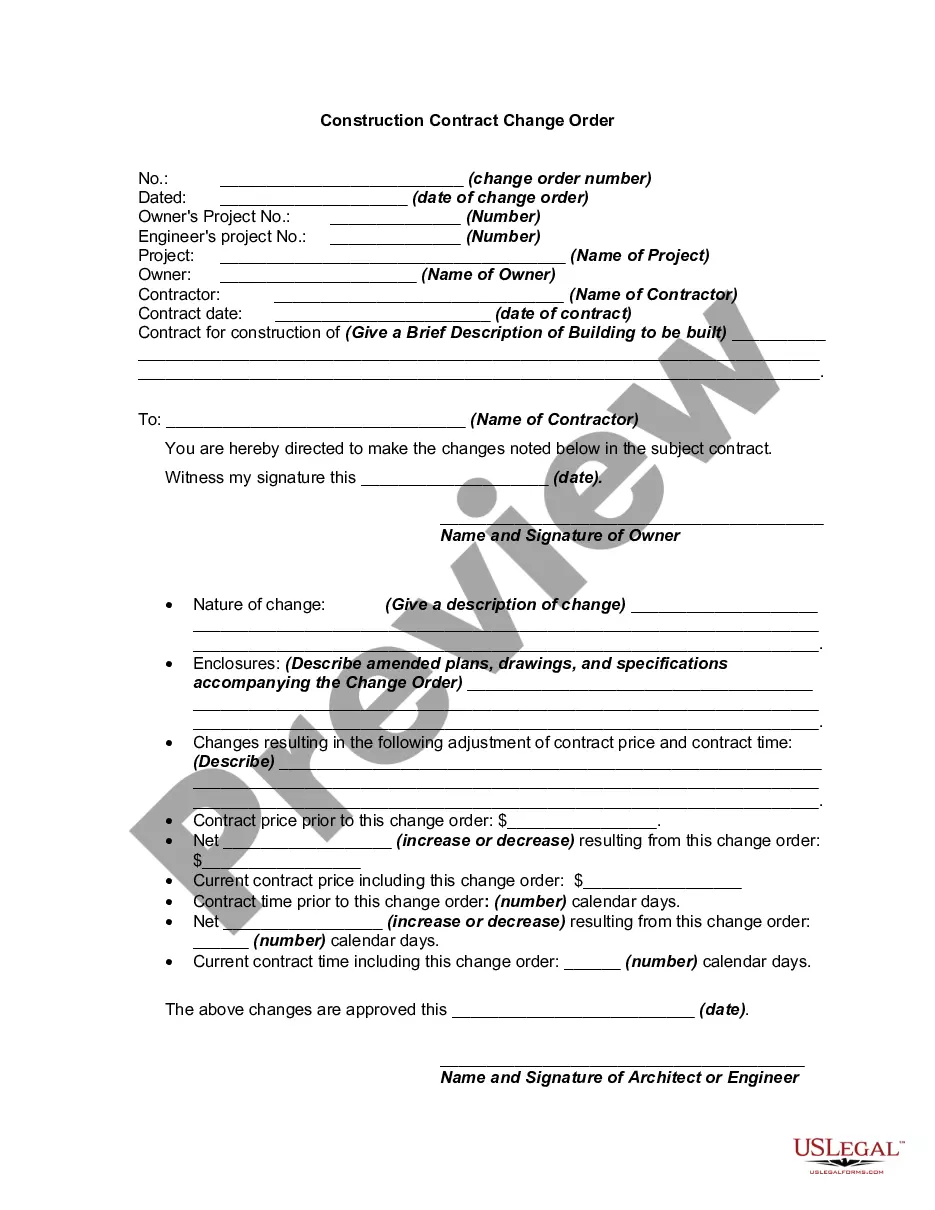
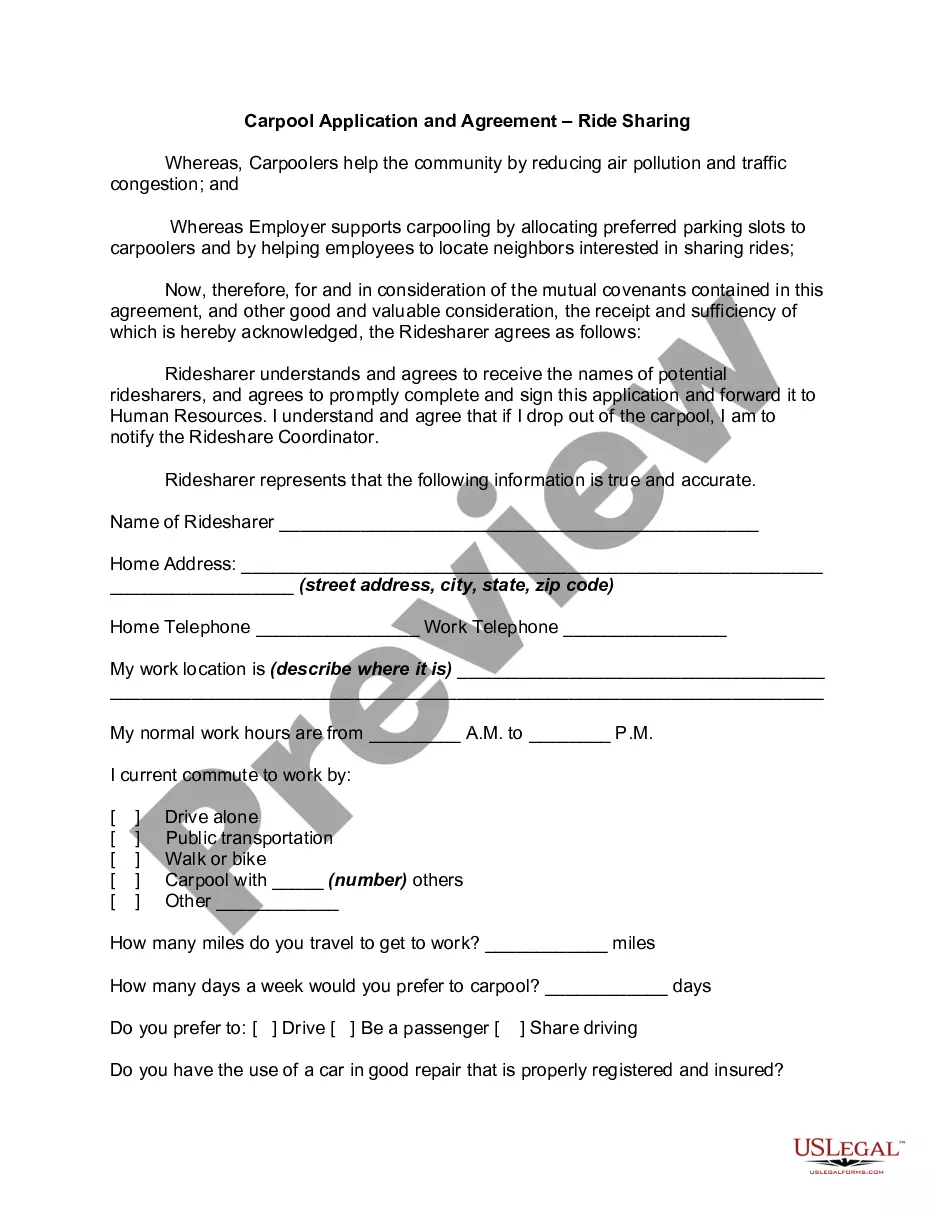

How to fill out Sample Letter For Response In Connection With Motions For Summary Judgment?
The Example Motion Legal With Revoke Guilty Plea you observe on this page is a versatile legal template created by expert attorneys in accordance with federal and local laws.
For over 25 years, US Legal Forms has offered individuals, organizations, and legal experts more than 85,000 authenticated, state-specific documents for any professional and personal situation. It’s the fastest, simplest, and most trustworthy method to acquire the paperwork you require, as the service ensures the utmost level of data security and malware prevention.
Register with US Legal Forms to have validated legal templates for all of life’s situations readily available.
- Search for the document you need and review it.
- Browse the file you searched and preview it or examine the form description to verify it meets your requirements. If it doesn’t, utilize the search option to find the appropriate one. Click Buy Now when you have found the template you need.
- Subscribe and sign in.
- Choose the pricing plan that fits you and register for an account. Use PayPal or a credit card to make a quick payment. If you already have an account, Log In and verify your subscription to proceed.
- Acquire the editable template.
- Select the format you desire for your Example Motion Legal With Revoke Guilty Plea (PDF, Word, RTF) and download the sample to your device.
- Complete and sign the documents.
- Print the template to fill it out manually. Alternatively, use an online multifunctional PDF editor to quickly and accurately fill out and sign your form with an eSignature.
- Download your documents again.
- Utilize the same document again whenever required. Access the My documents tab in your profile to redownload any previously purchased forms.
Form popularity
FAQ
To change your name legally as an adult, you must petition the court for permission to do so. An adult is 18 years or older in age. The petition must be filed in the county where you live. Fingerprints are required for all name changes, except where a previous name is being restored.
The chance of success in these cases is less than 10% [1]. Another study found that summary judgment is mostly granted in Title VII cases, for example, cases involving equal pay or employment discrimination [2]. When it comes to federal cases, summary judgments are filed in 17% of total cases.
A motion for summary judgment under Florida law is a document that's ultimately used to bring a case to a close or move it forward within the legal system. It's a way for one party to request that the court rule on a particular issue in a case.
In support of a motion for summary judgment, the County's motion must be supported by written testimony (i.e. under oath, in the form of an affidavit, declaration, a deposition, or hearing transcript from another proceeding), supporting documentation, or other admissible evidence.
A motion must include ? in a single document no longer than twenty-five pages inclusive of all parts ? a concise statement of the precise relief requested, a statement of the basis for the request, and a legal memorandum supporting the request.
Florida Rule of Civil Procedure 1.510(c)(5) states that the nonmovant's response to the motion for summary judgment, and its supporting facts, must be served at least twenty days before the time fixed for the hearing. The language of this provision must be deemed mandatory by the legislature's use of the word 'must.
Critically, the new Rule 1.510 requires that a summary judgment motion ?must be filed at least 40 days before the time fixed for a hearing,? and that ?the nonmovant must respond with its supporting factual position at least 20 days before the hearing.? In re Amendments to Florida Rule of Civil Procedure 1.510 II, 317 ...
Summary Administration may be filed when the value of the entire estate does not exceed $75,000.00 or when the decedent has been dead for more than two (2) years. A petition for summary administration may be filed by any beneficiary, heir at law, or person nominated as personal representative in the decedent's will.