Summon Letter From Barangay Sample
Description
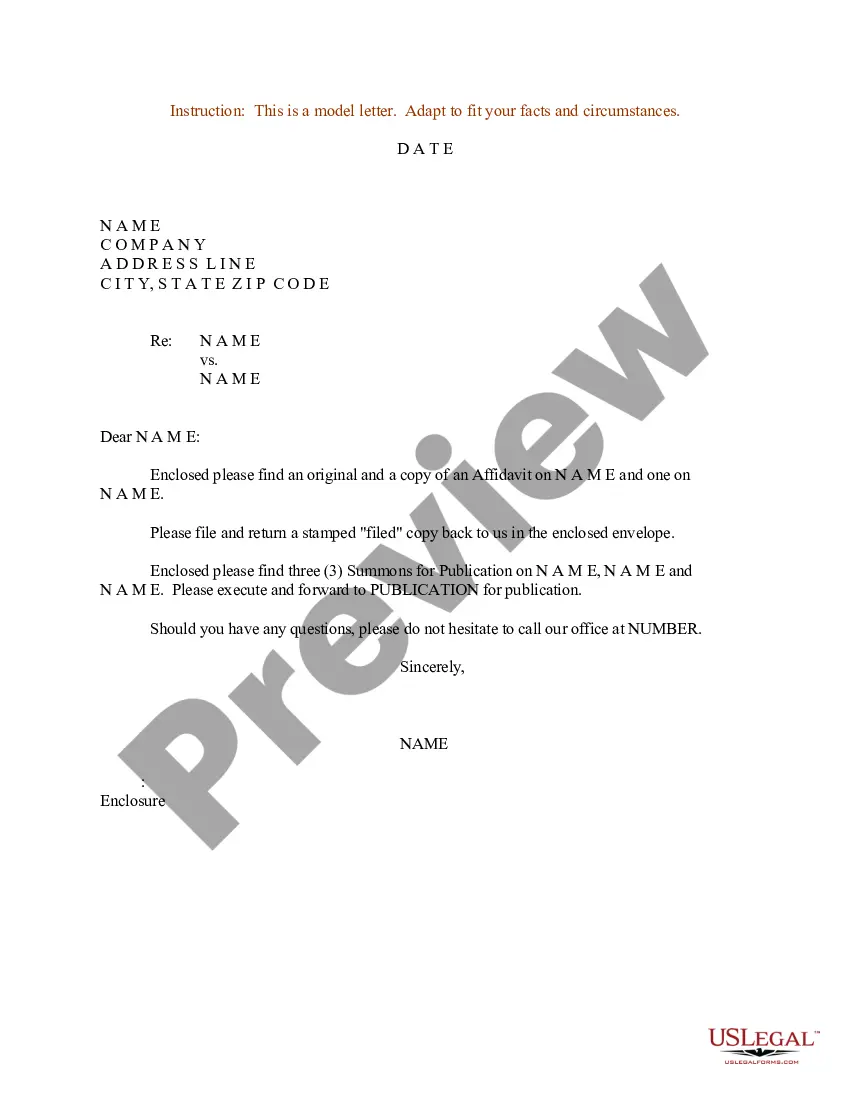
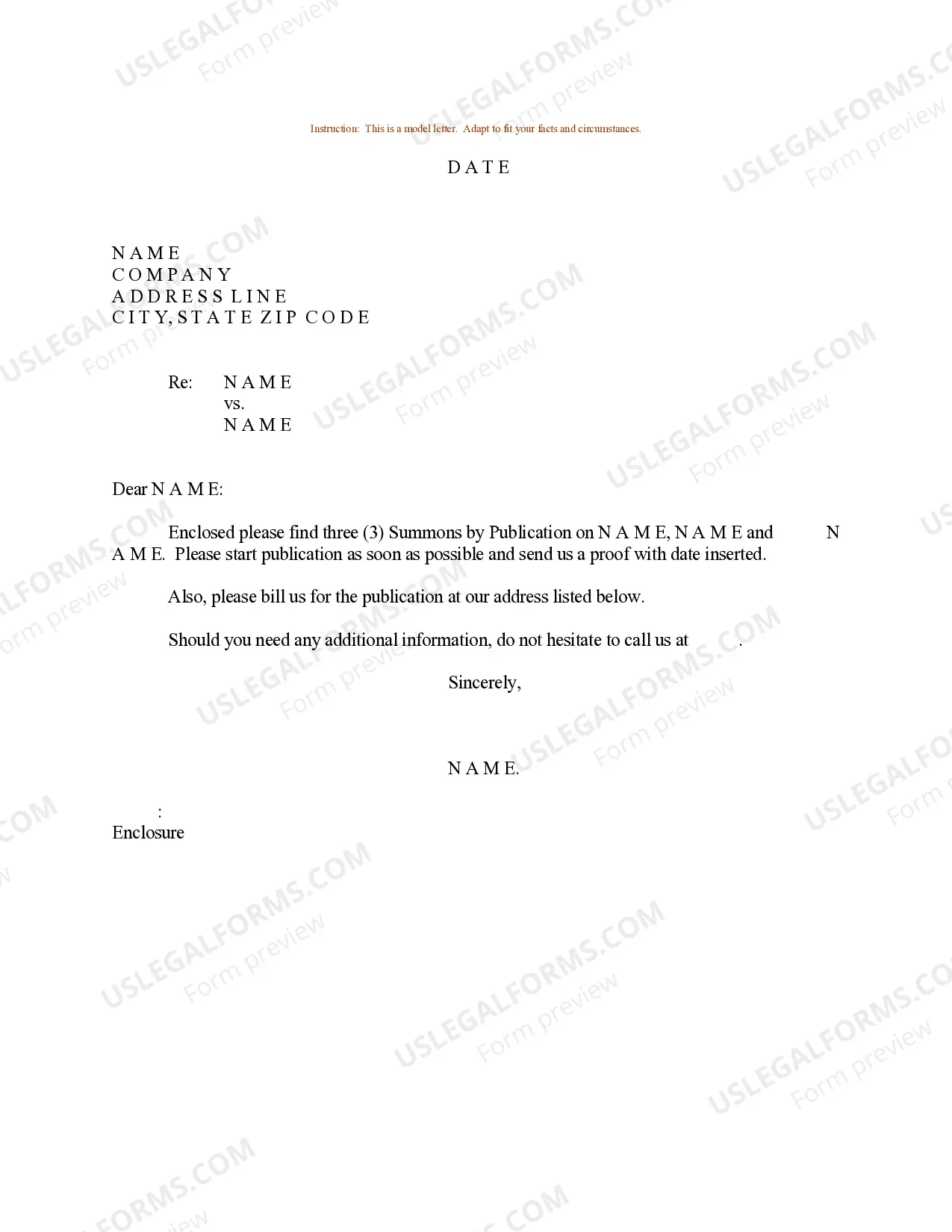
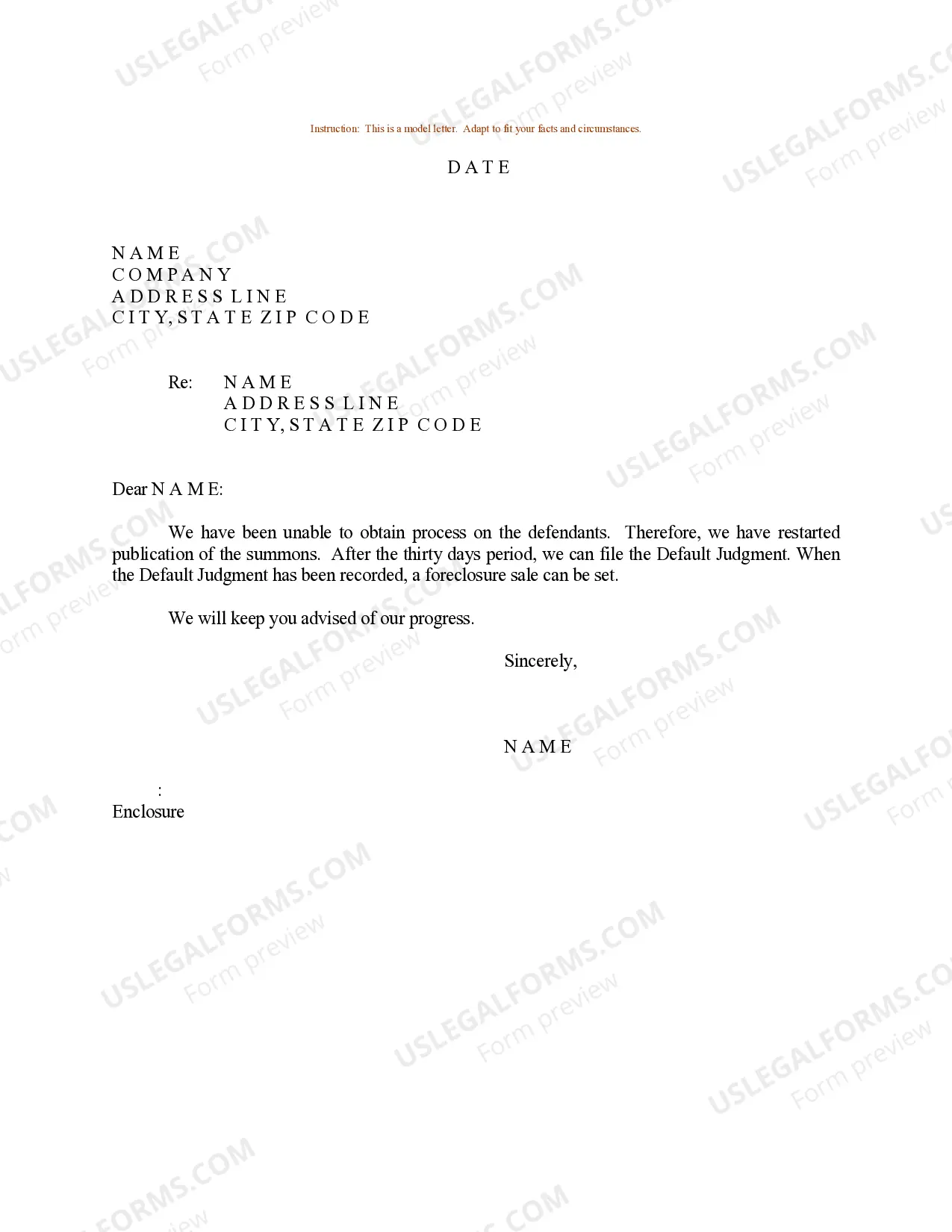
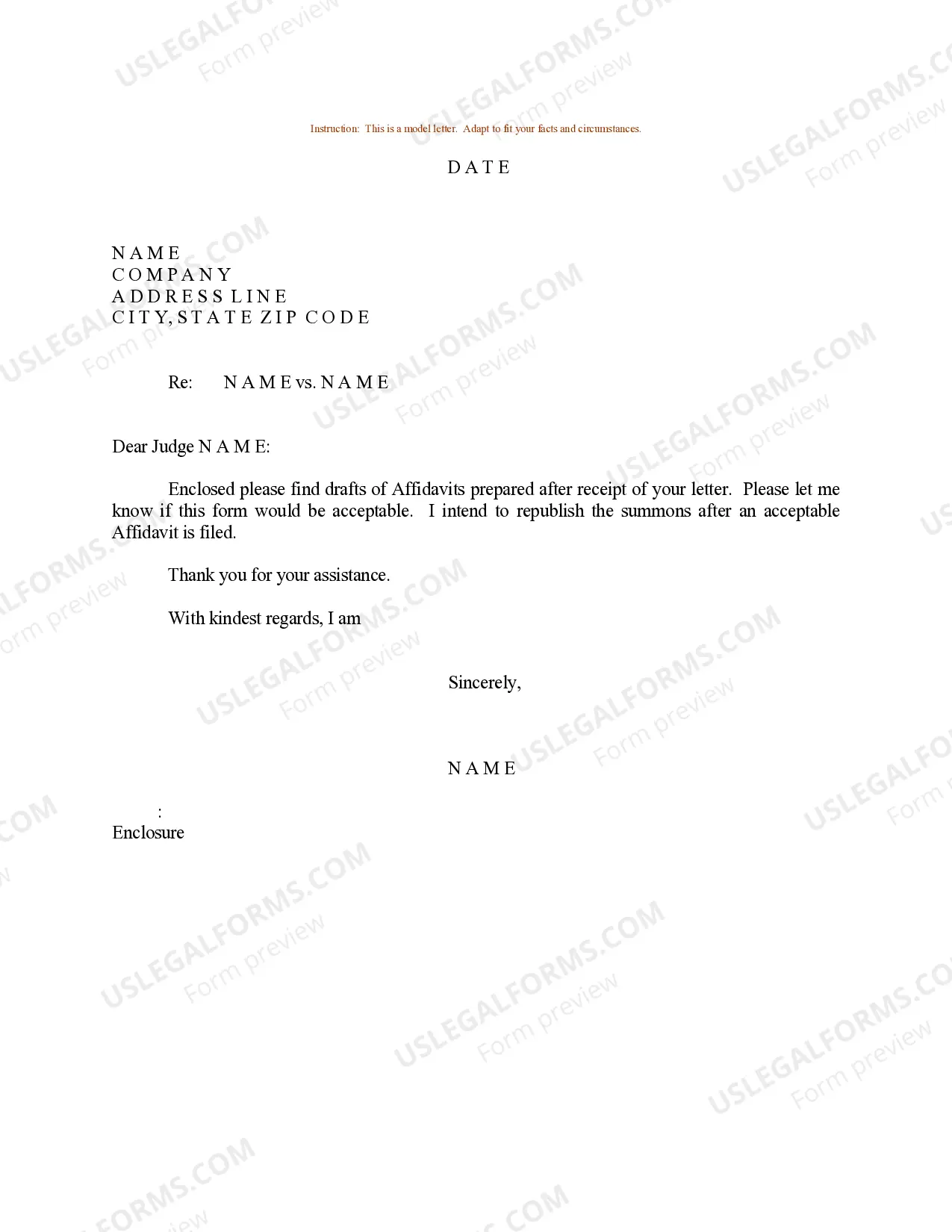
Get your form ready online
Our built-in tools help you complete, sign, share, and store your documents in one place.
Make edits, fill in missing information, and update formatting in US Legal Forms—just like you would in MS Word.
Download a copy, print it, send it by email, or mail it via USPS—whatever works best for your next step.
Sign and collect signatures with our SignNow integration. Send to multiple recipients, set reminders, and more. Go Premium to unlock E-Sign.
If this form requires notarization, complete it online through a secure video call—no need to meet a notary in person or wait for an appointment.
We protect your documents and personal data by following strict security and privacy standards.

Make edits, fill in missing information, and update formatting in US Legal Forms—just like you would in MS Word.

Download a copy, print it, send it by email, or mail it via USPS—whatever works best for your next step.

Sign and collect signatures with our SignNow integration. Send to multiple recipients, set reminders, and more. Go Premium to unlock E-Sign.

If this form requires notarization, complete it online through a secure video call—no need to meet a notary in person or wait for an appointment.

We protect your documents and personal data by following strict security and privacy standards.
Looking for another form?

How to fill out Sample Letter For Package Of Letters?
The Sample Summon Letter From Barangay displayed on this page is a reusable legal document created by expert attorneys in compliance with national and local regulations.
For over 25 years, US Legal Forms has offered individuals, businesses, and lawyers access to more than 85,000 validated, state-specific forms for any business and personal situation. It’s the quickest, easiest, and most reliable method to acquire the documents you require, as the service promises bank-level data security and anti-malware safeguards.
Create an account with US Legal Forms to have verified legal templates for all of life’s situations readily available.
- Search for the document you require and review it.
- Browse through the sample you searched for and preview it or examine the form description to ensure it meets your needs. If it doesn’t, use the search bar to locate the appropriate one. Click Buy Now when you’ve found the template you need.
- Register and sign in.
- Select the pricing plan that fits you and create an account. Use PayPal or a credit card for quick payment. If you already possess an account, Log In and verify your subscription to proceed.
- Obtain the editable template.
- Choose the format you prefer for your Sample Summon Letter From Barangay (PDF, Word, RTF) and save the template on your device.
- Complete and sign the documents.
- Print the template to fill it out manually. Alternatively, use an online versatile PDF editor to quickly and accurately fill out and sign your form with an eSignature.
- Download your documents again.
- Reopen the document whenever necessary. Go to the My documents tab in your profile to redownload any previously saved forms.
Form popularity
FAQ
How do you write a Summon? Every summons includes the following: the names of the plaintiff(s) and defendant(s), the case number, the place where the lawsuit has been filed, the name and address of the plaintiffs lawyer or the plaintiff, and the date by which the defendant has to respond to the lawsuit.
Summons, also called Citation, in law, document issued by a court ordering a specific person to appear at a specific time for some specific purpose. It is issued either directly to the person or to a law officer who must carry out the instructions.
A summons is a court form which notifies the defendant that they are being sued and lists the day the defendant needs to appear in court (the Return Date). The court has no power to hear a case until the defendant is served the summons and complaint. The plaintiff selects both the Return Date and the trial date.
What Does the Law Say About Summonses? Under the Rules of Court of the Philippines, specifically Rule 14, a summons must include specific details, including the complaint or cause of action, to inform the defendant of the nature and basis of the claim. Failure to include these details may render the summons defective.