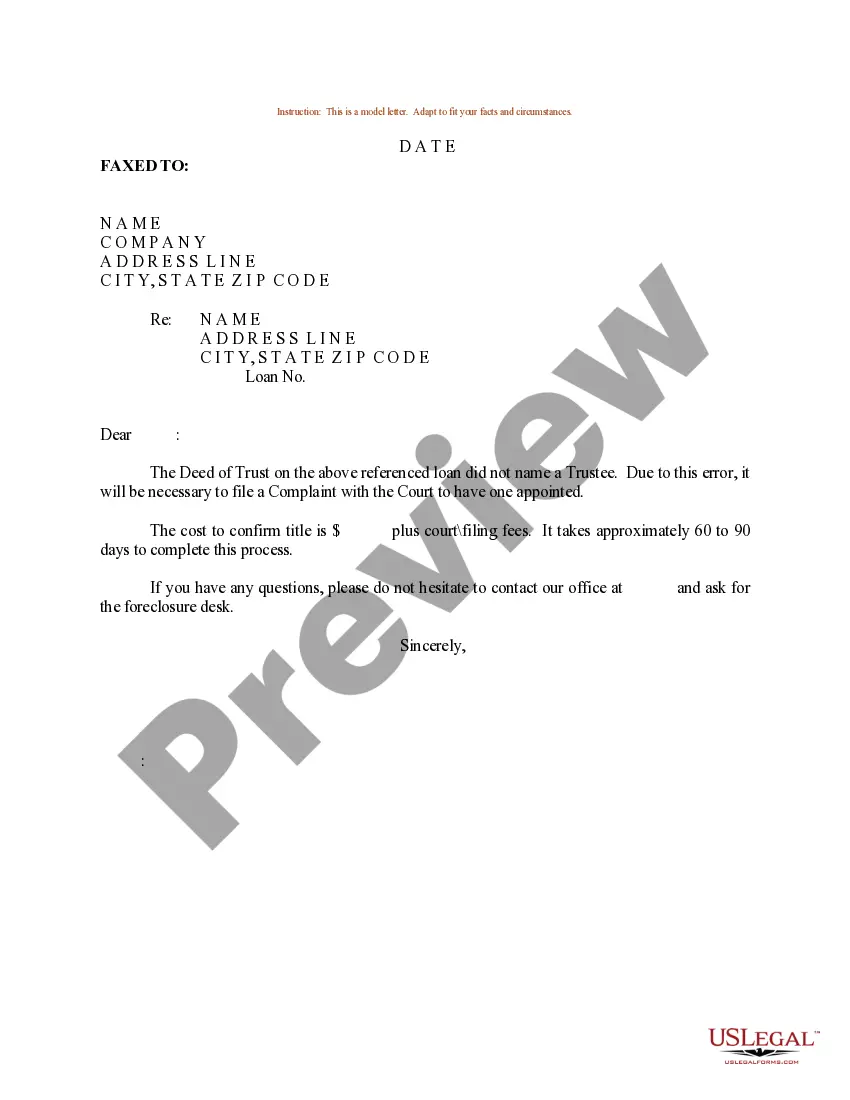
Trustee Letter To Beneficiaries
Description
Get your form ready online
Our built-in tools help you complete, sign, share, and store your documents in one place.
Make edits, fill in missing information, and update formatting in US Legal Forms—just like you would in MS Word.
Download a copy, print it, send it by email, or mail it via USPS—whatever works best for your next step.
Sign and collect signatures with our SignNow integration. Send to multiple recipients, set reminders, and more. Go Premium to unlock E-Sign.
If this form requires notarization, complete it online through a secure video call—no need to meet a notary in person or wait for an appointment.
We protect your documents and personal data by following strict security and privacy standards.

Make edits, fill in missing information, and update formatting in US Legal Forms—just like you would in MS Word.

Download a copy, print it, send it by email, or mail it via USPS—whatever works best for your next step.

Sign and collect signatures with our SignNow integration. Send to multiple recipients, set reminders, and more. Go Premium to unlock E-Sign.

If this form requires notarization, complete it online through a secure video call—no need to meet a notary in person or wait for an appointment.

We protect your documents and personal data by following strict security and privacy standards.
Looking for another form?
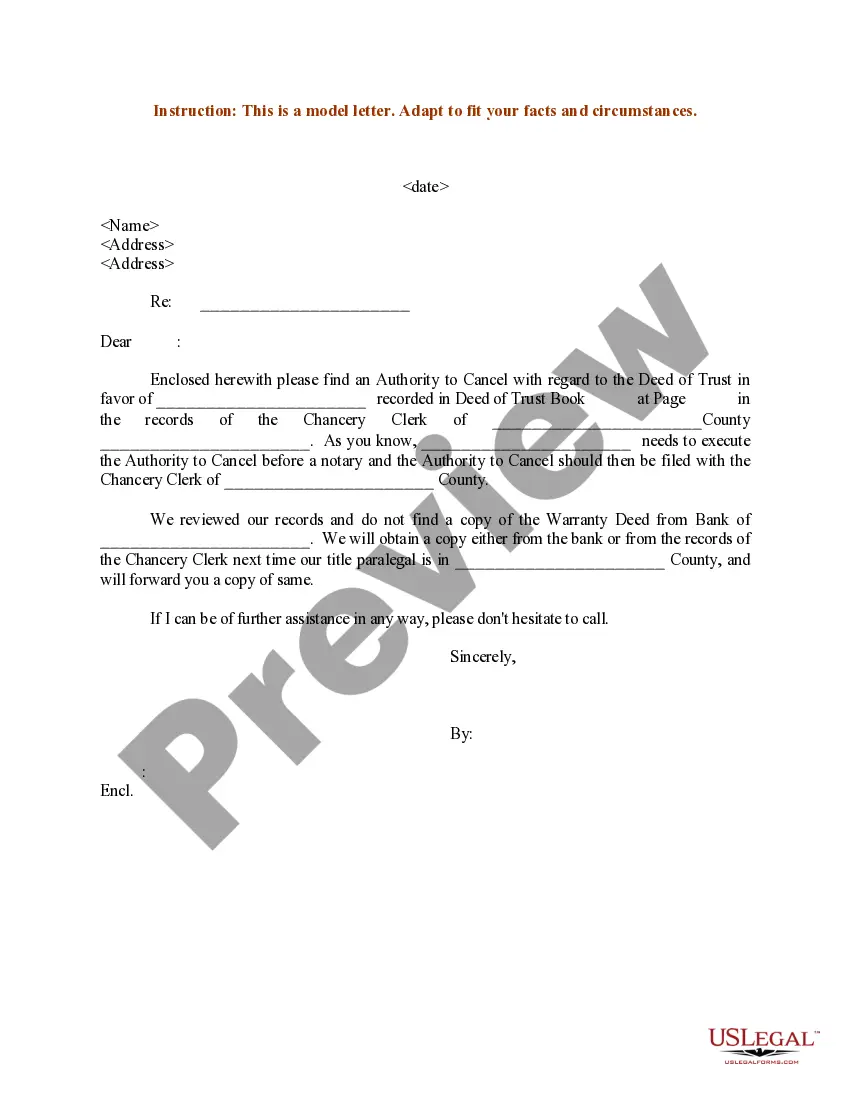
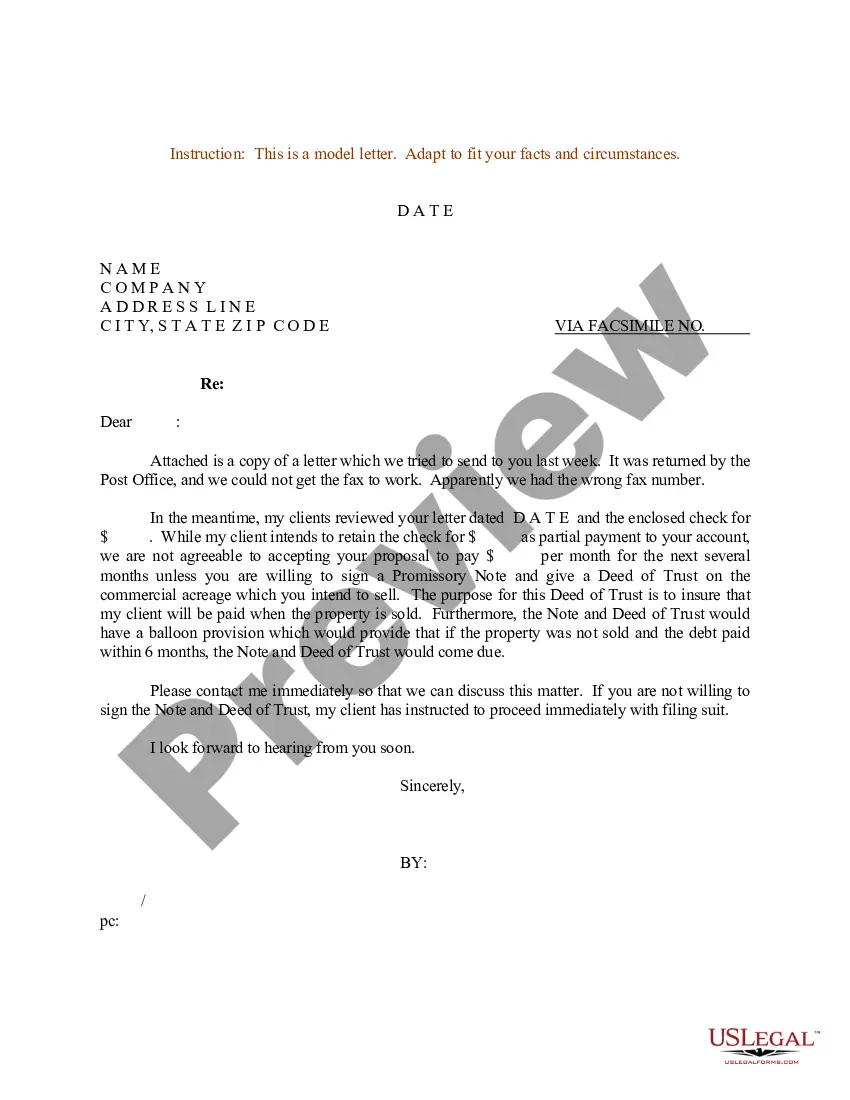
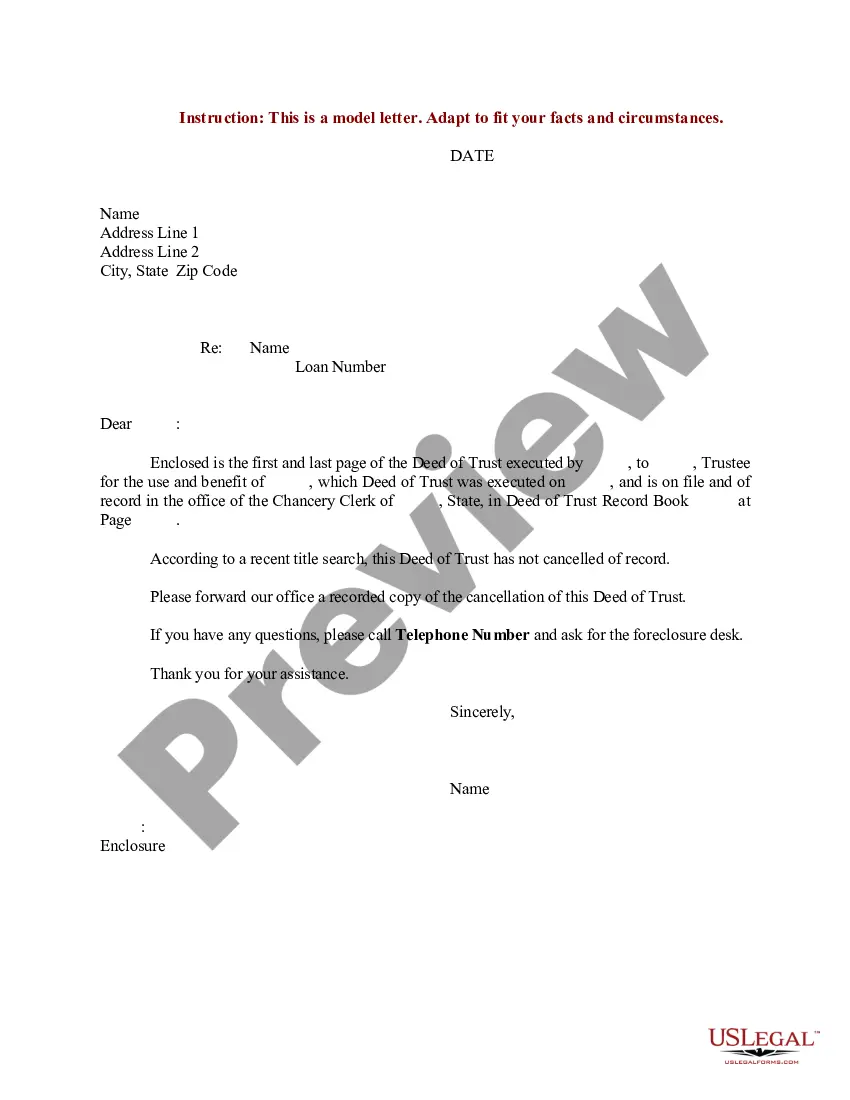
How to fill out Sample Letter For Naming A Trustee To A Deed Of Trust?
Obtaining legal documents that adhere to national and local policies is essential, and the web provides a multitude of selections to consider.
However, what’s the benefit of spending time searching for the properly composed Trustee Letter To Beneficiaries example online when the US Legal Forms virtual library already holds such documents in one location.
US Legal Forms is the largest online legal repository featuring over 85,000 editable templates created by lawyers for any commercial and personal situation. They are easy to navigate with all files categorized by state and intended use. Our specialists stay updated with legal modifications, ensuring that your documents are always current and compliant when you obtain a Trustee Letter To Beneficiaries from our platform.
Click Buy Now when you’ve found the appropriate form and select a subscription package. Establish an account or Log In and complete payment via PayPal or a credit card. Choose the best format for your Trustee Letter To Beneficiaries and download it. All documents you find through US Legal Forms are reusable. To re-download and complete previously saved forms, open the My documents section in your account. Make the most of the most comprehensive and user-friendly legal document service!
- Securing a Trustee Letter To Beneficiaries is quick and straightforward for both existing and new users.
- If you already possess an account with an active subscription, Log In and download the required document sample in the appropriate format.
- If you’re a newcomer to our site, adhere to the instructions below.
- Examine the template using the Preview functionality or via the text outline to verify it suits your needs.
- Search for another example using the search option at the top of the site if necessary.
Form popularity
FAQ
Here are some things to consider when drafting a letter to your executor or trustee. Your thoughts about wealth. ... Describe key players in the family. ... What matters to you? ... Give your trustee the power to make decisions, even when that means saying no.
The grantor can opt to have the beneficiaries receive trust property directly without any restrictions. The trustee can write the beneficiary a check, give them cash, and transfer real estate by drawing up a new deed or selling the house and giving them the proceeds.
To leave property to your living trust, name your trust as beneficiary for that property, using the trustee's name and the name of the trust. For example: John Doe as trustee of the John Doe Living Trust, dated January 1, 20xx.
?Letters of Trusteeship? is a court document giving the nominated trustee of a trust created under a Last Will and Testament (?Will?) the power to act. Such a trust is called a testamentary trust because it is created in a Will.
Start by addressing the letter to the beneficiaries, using their full names or any appropriate title such as "Dear Beneficiaries". Provide a brief introduction explaining the purpose of the letter, such as informing the beneficiaries about an inheritance or a distribution of assets.