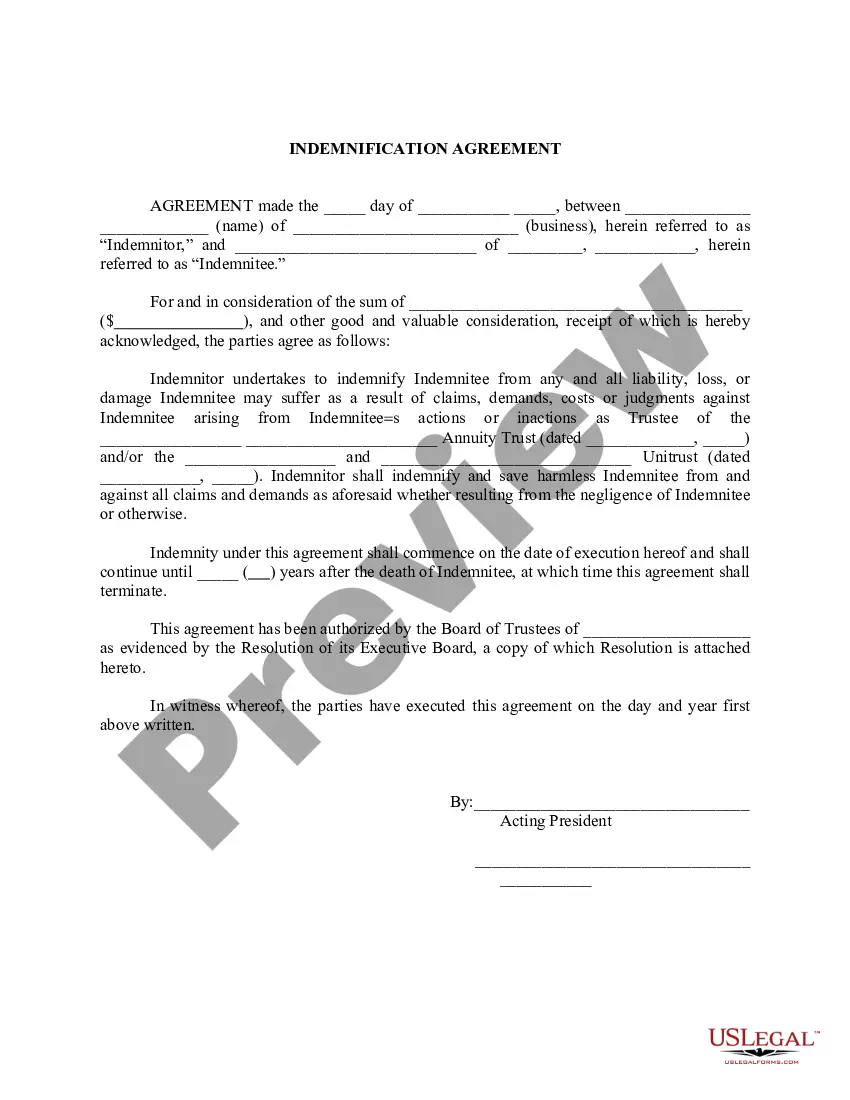
Indemnification Clause For Rental Property
Description
Get your form ready online
Our built-in tools help you complete, sign, share, and store your documents in one place.
Make edits, fill in missing information, and update formatting in US Legal Forms—just like you would in MS Word.
Download a copy, print it, send it by email, or mail it via USPS—whatever works best for your next step.
Sign and collect signatures with our SignNow integration. Send to multiple recipients, set reminders, and more. Go Premium to unlock E-Sign.
If this form requires notarization, complete it online through a secure video call—no need to meet a notary in person or wait for an appointment.
We protect your documents and personal data by following strict security and privacy standards.

Make edits, fill in missing information, and update formatting in US Legal Forms—just like you would in MS Word.

Download a copy, print it, send it by email, or mail it via USPS—whatever works best for your next step.

Sign and collect signatures with our SignNow integration. Send to multiple recipients, set reminders, and more. Go Premium to unlock E-Sign.

If this form requires notarization, complete it online through a secure video call—no need to meet a notary in person or wait for an appointment.

We protect your documents and personal data by following strict security and privacy standards.
Looking for another form?
How to fill out Indemnification Agreement For A Trust?
It’s well known that you cannot instantly become a legal authority, nor can you swiftly learn how to prepare an Indemnification Clause For Rental Property without possessing a specialized skill set.
Assembling legal documents is a lengthy process that necessitates specific training and expertise. Therefore, why not entrust the creation of the Indemnification Clause For Rental Property to the professionals.
With US Legal Forms, one of the most comprehensive legal template collections, you can discover anything from court documents to templates for internal communication.
If you require a different template, start your search again.
Create a free account and choose a subscription plan to buy the form. Click Buy now. Once the payment is completed, you can acquire the Indemnification Clause For Rental Property, fill it out, print it, and send or mail it to the appropriate individuals or entities.
- We recognize how vital compliance and adherence to federal and state regulations are.
- That’s the reason all templates on our platform are location-specific and current.
- Here’s how you can begin using our website and obtain the document you require in just a few minutes.
- Locate the document you need using the search bar at the top of the page.
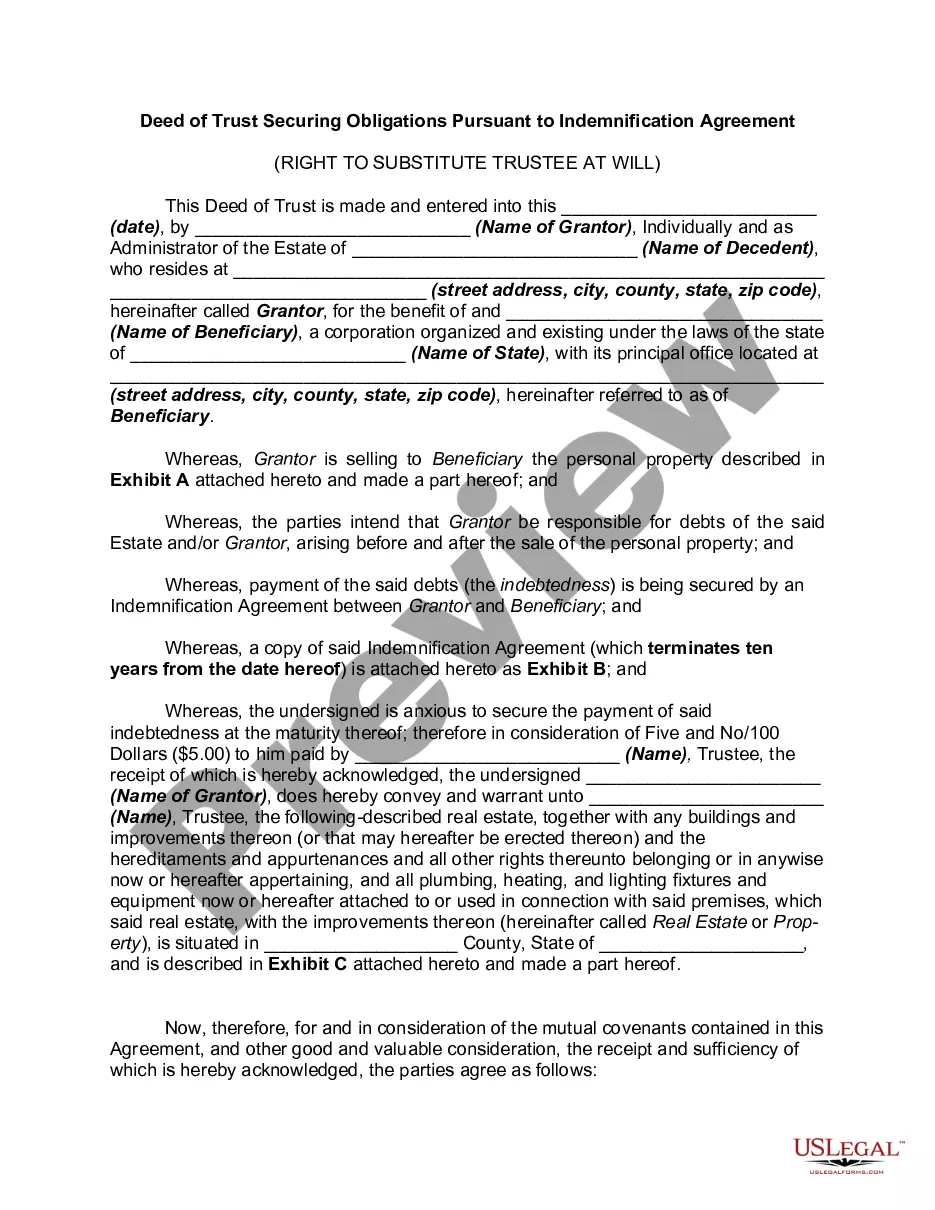
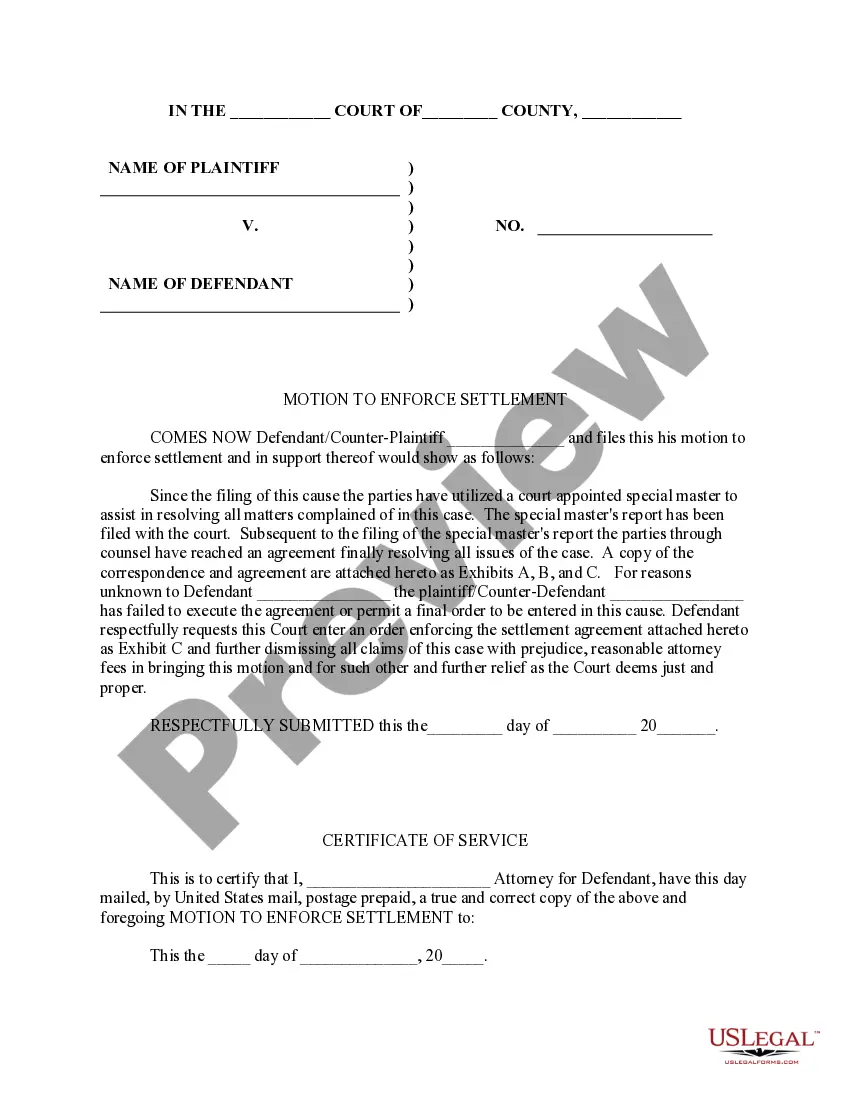
- Preview it (if this feature is available) and read the accompanying description to assess if the Indemnification Clause For Rental Property is what you are looking for.
Form popularity
FAQ
The indemnification clause for a rental property is a provision that outlines the responsibilities of landlords and tenants regarding liability for damages or losses. This clause defines who is responsible for covering costs related to claims or injuries that may arise during the rental period. Including this clause in your rental agreement is essential for protecting both parties.
Agreeing to an indemnification clause can provide valuable protection for both landlords and tenants. It establishes clear expectations regarding liability and helps prevent disputes. However, you should carefully review the terms to ensure they are fair and reasonable before signing any rental agreement.
Indemnification clauses for rental property can hold up in court if they are clearly written and legally enforceable. Courts often uphold these clauses as long as they comply with state laws and do not violate public policy. It is advisable to consult legal experts when drafting these clauses to ensure their validity.
The indemnification of a landlord clause protects landlords from liabilities arising from tenant actions or negligence. This clause ensures that tenants will cover any damages or legal costs incurred by the landlord due to tenant-related issues. It is an important provision that helps landlords manage risk effectively.
The indemnity clause for a tenant typically requires the tenant to compensate the landlord for damages or losses caused by the tenant’s actions. This can include property damage, legal fees, or third-party claims. Understanding this clause is essential for tenants to know their responsibilities and potential liabilities.
A typical indemnification clause for rental property outlines the responsibilities of each party regarding losses or damages. It generally specifies that one party will compensate the other for specified claims, losses, or damages incurred. This clear definition helps protect both landlords and tenants from unexpected liabilities.
If there is no indemnification clause for rental property, landlords and tenants may face increased liability. Without this clause, parties may be unable to protect themselves from potential losses or legal claims. This absence can lead to costly disputes, making it crucial to include an indemnification clause in rental agreements.
To invoke an indemnification clause for rental property, first, review the terms outlined in your rental agreement. Identify the specific events or circumstances that trigger the clause. Next, formally notify the other party, typically in writing, about the situation that necessitates invoking the indemnification clause. Lastly, ensure you document all communications and gather any necessary evidence to support your claim.
An example of an indemnity clause might read: 'The tenant agrees to indemnify and hold the landlord harmless from any claims arising from the tenant's use of the property.' This straightforward language clearly outlines the tenant's responsibility in case of legal issues. Utilizing an indemnification clause for rental property can significantly reduce misunderstandings and protect both parties involved in the lease.
The indemnification clause for a tenant states that tenants are responsible for compensating landlords for any claims, damages, or losses that arise during their occupancy. This clause protects landlords from financial liability related to tenant actions or negligence. For tenants, understanding this clause is crucial, as it emphasizes their responsibility in maintaining the property and conducting themselves appropriately.