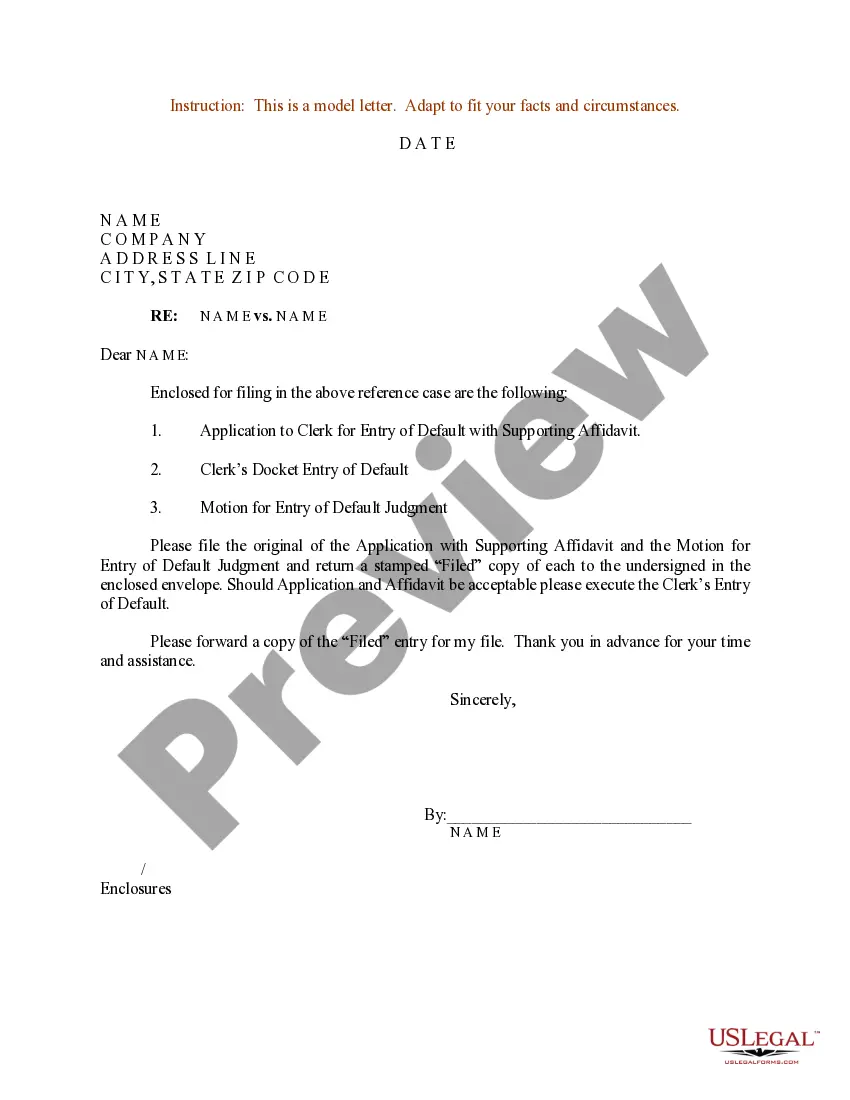
Enclosure Formal Letter
Description
Get your form ready online
Our built-in tools help you complete, sign, share, and store your documents in one place.
Make edits, fill in missing information, and update formatting in US Legal Forms—just like you would in MS Word.
Download a copy, print it, send it by email, or mail it via USPS—whatever works best for your next step.
Sign and collect signatures with our SignNow integration. Send to multiple recipients, set reminders, and more. Go Premium to unlock E-Sign.
If this form requires notarization, complete it online through a secure video call—no need to meet a notary in person or wait for an appointment.
We protect your documents and personal data by following strict security and privacy standards.

Make edits, fill in missing information, and update formatting in US Legal Forms—just like you would in MS Word.

Download a copy, print it, send it by email, or mail it via USPS—whatever works best for your next step.

Sign and collect signatures with our SignNow integration. Send to multiple recipients, set reminders, and more. Go Premium to unlock E-Sign.

If this form requires notarization, complete it online through a secure video call—no need to meet a notary in person or wait for an appointment.

We protect your documents and personal data by following strict security and privacy standards.
Looking for another form?




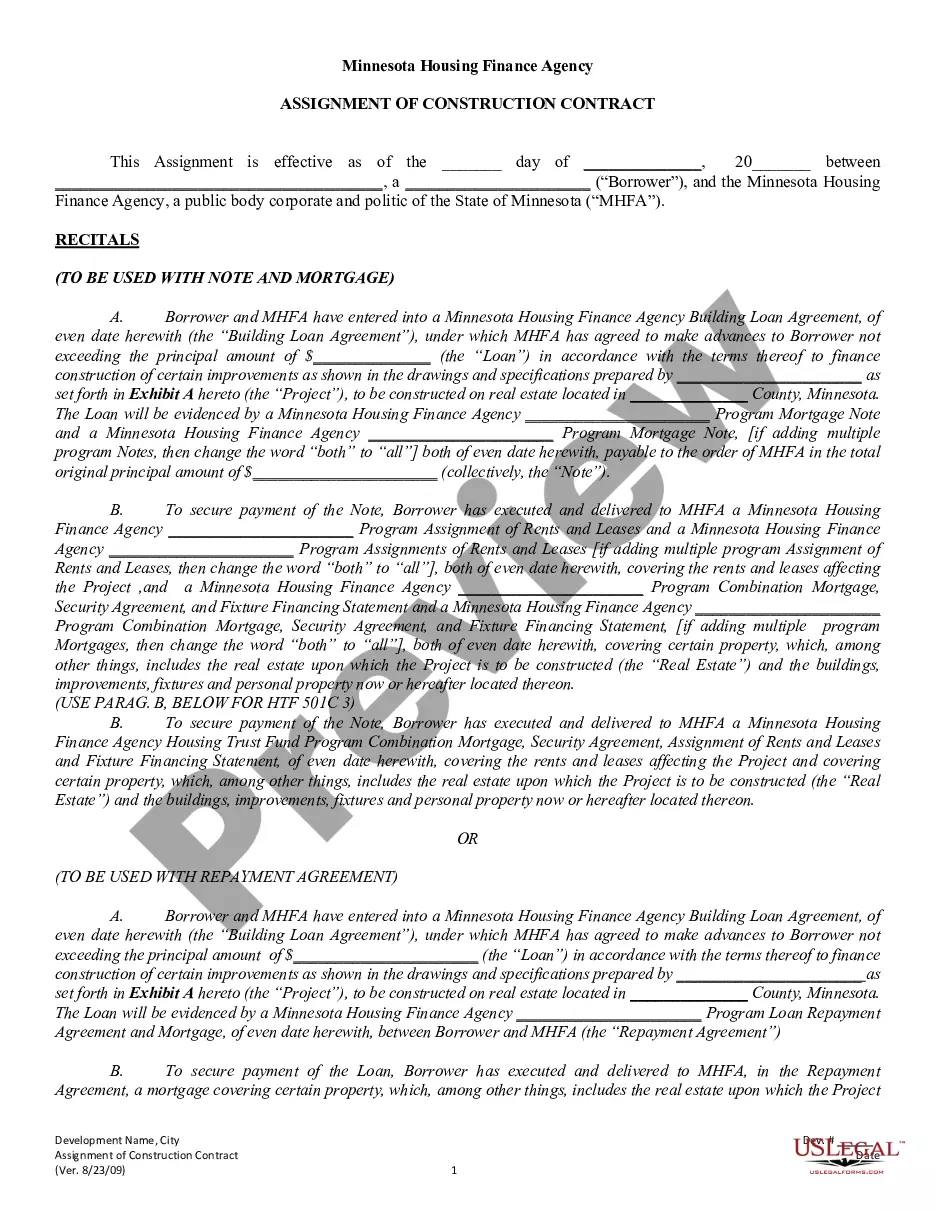

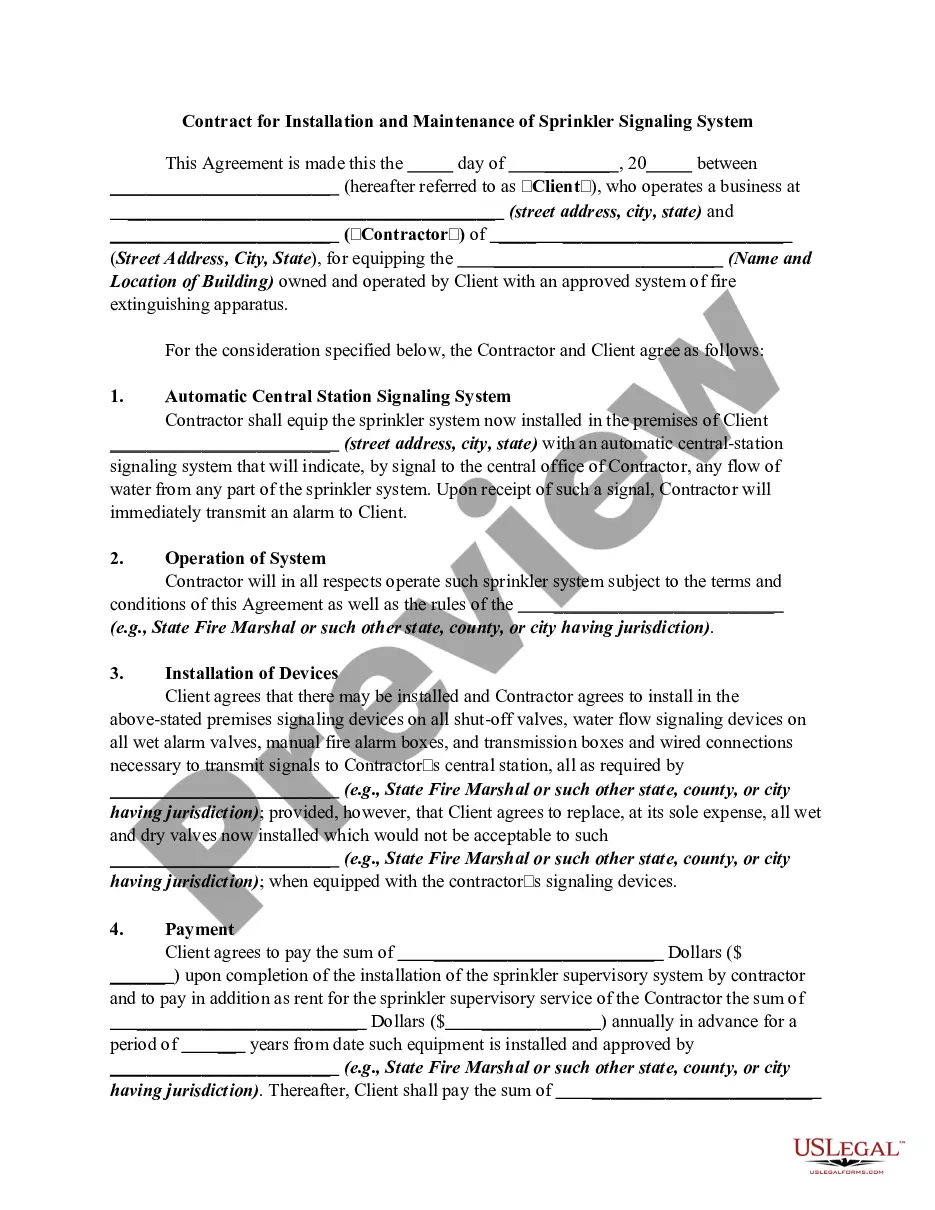
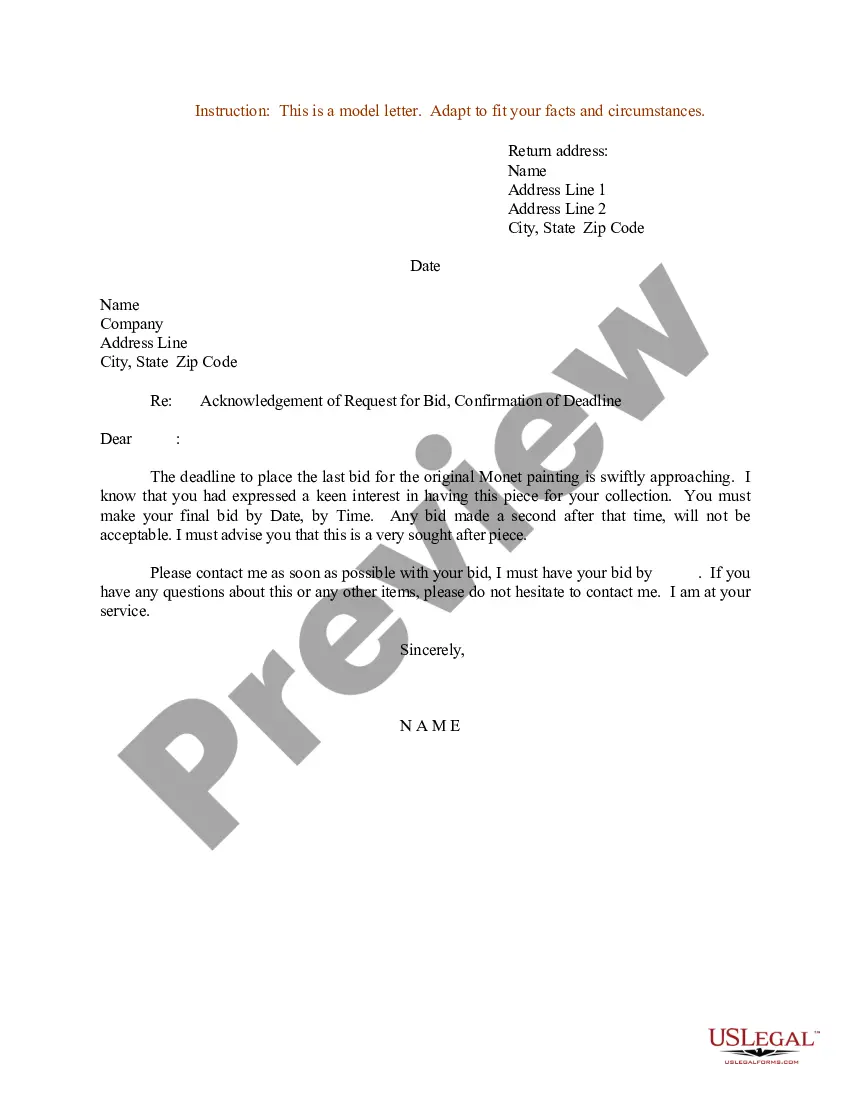
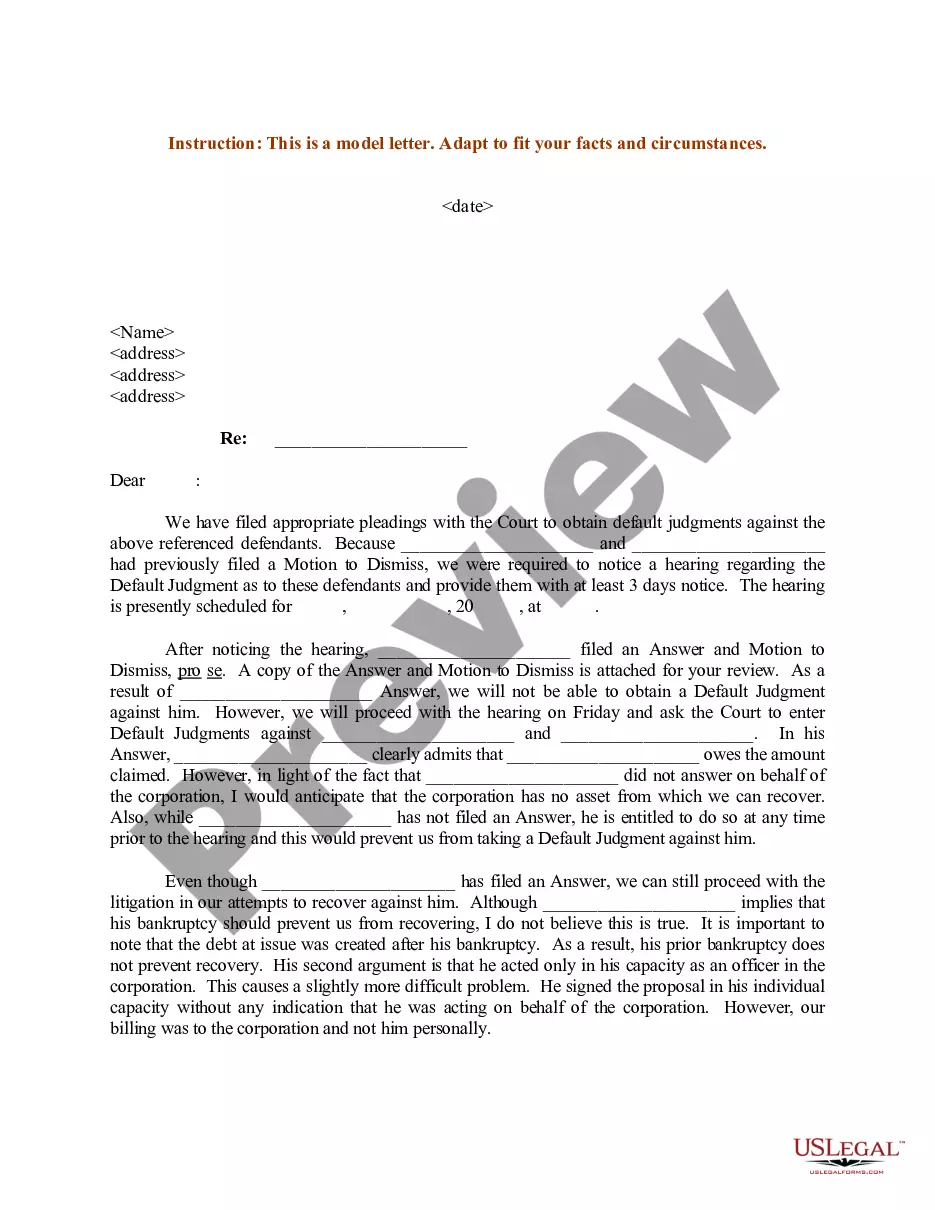
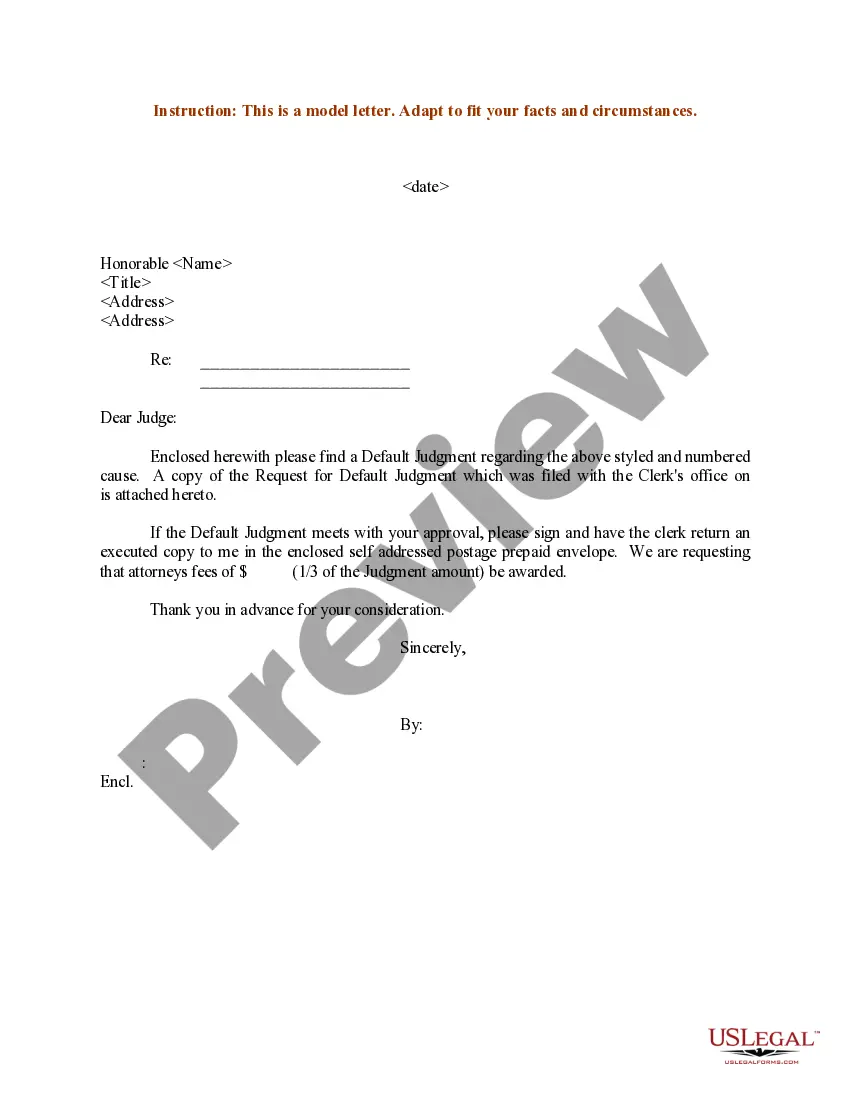
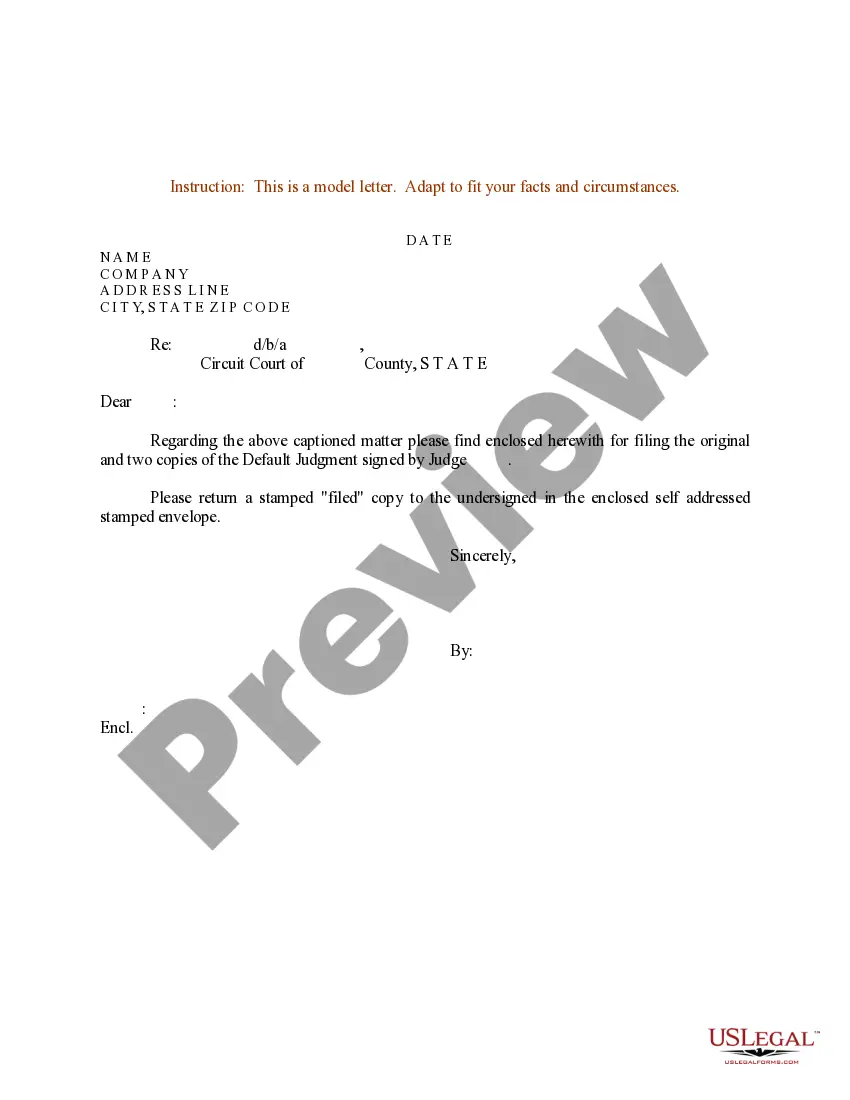
How to fill out Sample Letter For Enclosure Of Clerk's Docket Entry Of Default?
Individuals typically link legal documentation with something intricate that only an expert can manage.
In a certain sense, this is accurate, as preparing an Enclosure Formal Letter requires considerable knowledge in subject specifics, including state and municipal laws.
Nonetheless, with US Legal Forms, everything has become more straightforward: pre-made legal documents for any personal and business event specific to state regulations are compiled in a single online directory and are now accessible to everyone.
All templates in our directory are reusable: once procured, they are kept in your profile. You can access them as needed via the My documents tab. Discover all the benefits of using the US Legal Forms platform. Subscribe today!
- US Legal Forms provides over 85k current documents categorized by state and application area, so locating an Enclosure Formal Letter or any other specific template only requires a few minutes.
- Previously registered users with an active subscription need to Log In to their account and click Download to acquire the document.
- New users on the platform need to create an account and subscribe before they can save any documentation.
- Here’s a detailed guide on how to obtain the Enclosure Formal Letter.
- Scrutinize the page content thoroughly to confirm it meets your needs.
- Review the form description or check it through the Preview option.
- Search for another template using the Search field above if the previous one isn't suitable.
- Select Buy Now when you identify the appropriate Enclosure Formal Letter.
- Choose a pricing plan that aligns with your needs and financial situation.
- Create an account or sign in to move forward to the payment section.
- Complete your subscription payment via PayPal or with your credit card.
- Select the file format and click Download.
- Print your document or upload it to an online editor for quicker completion.
Form popularity
FAQ
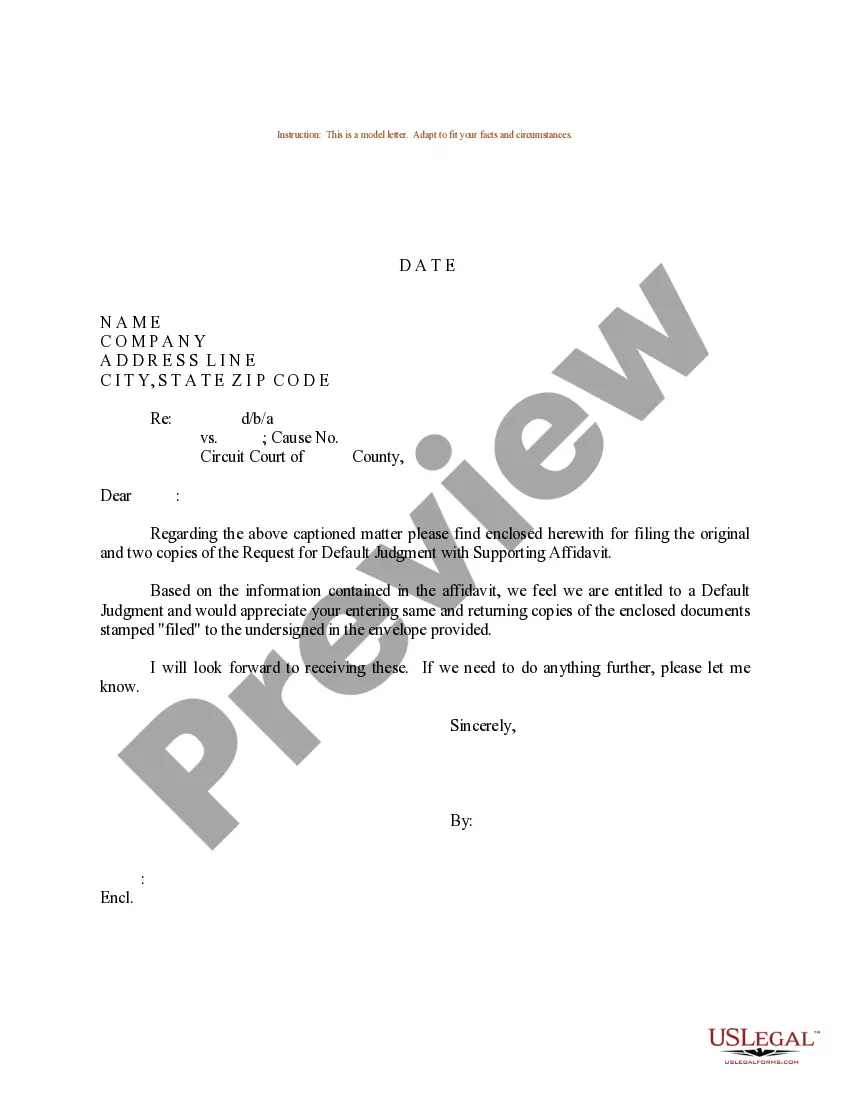
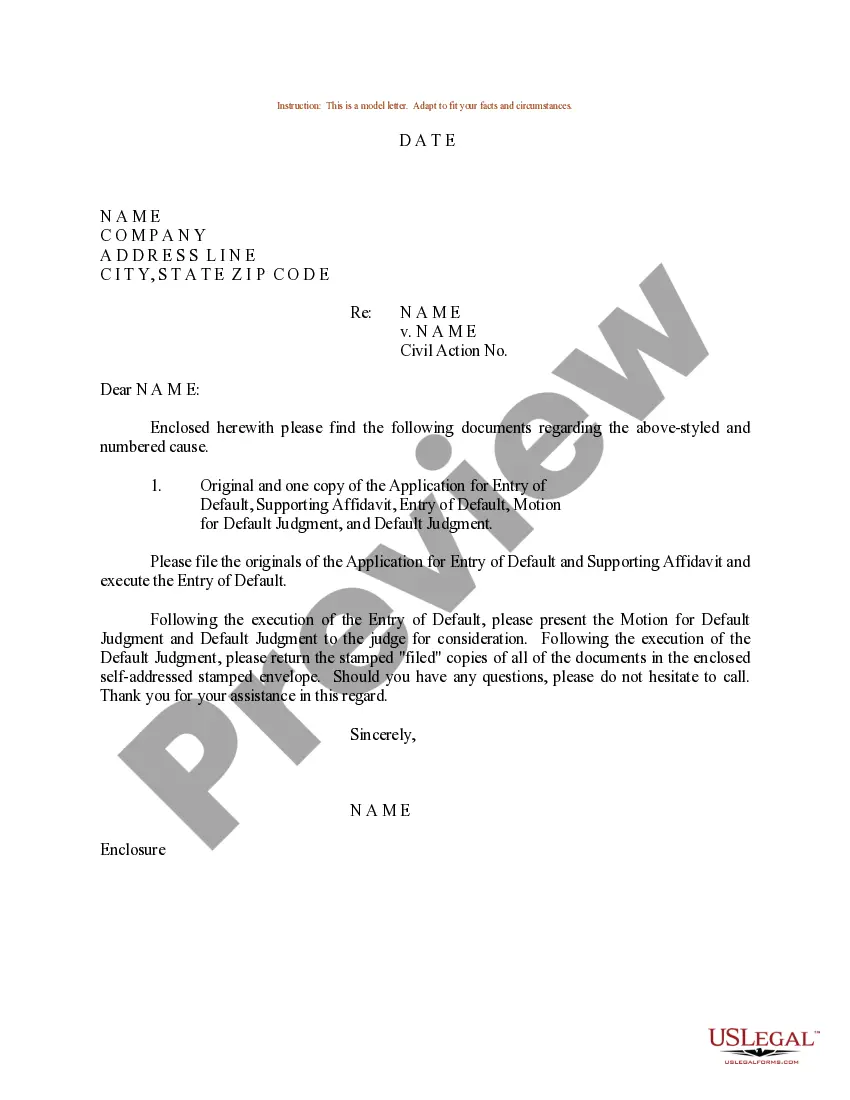
The proper way to indicate enclosures on a letter is to include the label 'Enclosure' at the bottom of the page, ideally under your signature. Make sure to list each document that is enclosed, as this provides your recipient with detailed context. This approach is essential for maintaining professionalism and clarity in your enclosure formal letter.
When listing items in a formal letter, use bullet points or numbers for clarity and easy reading. Structure your list so that it covers key points that support your main argument. Remember, a well-organized list can enhance the professionalism of your enclosure formal letter, making your message more effective.
To fill up and indicate an enclosure, start by ensuring the enclosure is mentioned before closing the letter. Clearly label it with the word 'Enclosure' and include a description of each document. Doing this creates a more structured enclosure formal letter, helping your recipient navigate through the information you provided.
In a business letter, list any CC recipients under the signature line, clearly indicating their names and titles. For enclosures, add a line that says 'Enclosure' followed by a list of the documents included. This method keeps your enclosure formal letter professional and organized.
To indicate enclosures in an email, include a brief note at the end of your message, mentioning that you have attached documents. You can write 'Please find the enclosed documents' or 'Attached are the documents for your review.' This clarity will help your recipient understand the contents of your enclosure formal letter.
In an enclosure, you can include additional documents that support or provide more detail about your letter. Common items such as reports, contracts, or brochures often accompany a formal letter. Always ensure that these items are relevant and contribute to the overall purpose of your communication.
When labeling an enclosure in a formal letter, place the word 'Enclosure' below your signature block. You may also add the name of each document you are including. This helps the recipient know exactly what to expect, making your enclosure formal letter clear and organized.
An enclosure in a formal letter refers to any document that accompanies the main letter, providing additional context or information. Common examples include receipts, reports, or forms that support the content of the letter. Clearly labeling these enclosures helps recipients easily understand what documents they should review. Always strive for clarity in your enclosure formal letter to maintain professionalism.
To list CC and enclosures in a letter, start with the enclosure section below your signature, listing each document clearly. Follow this with the 'cc' line, where you mention the recipients' names who will receive copies of the letter. This method makes it easy for readers to identify what is included with your letter. Proper formatting is crucial, so using an enclosure formal letter template can be beneficial.
In a formal letter, you should place the 'cc' line after the enclosure information. This order ensures that recipients first see what additional documents are included. Maintaining this sequence enhances the letter's readability and professionalism. Consider using platforms like uslegalforms to ensure your enclosure formal letter meets all formatting standards.