An Example Of Hearing Notice To Tenant For A Tenant
Description
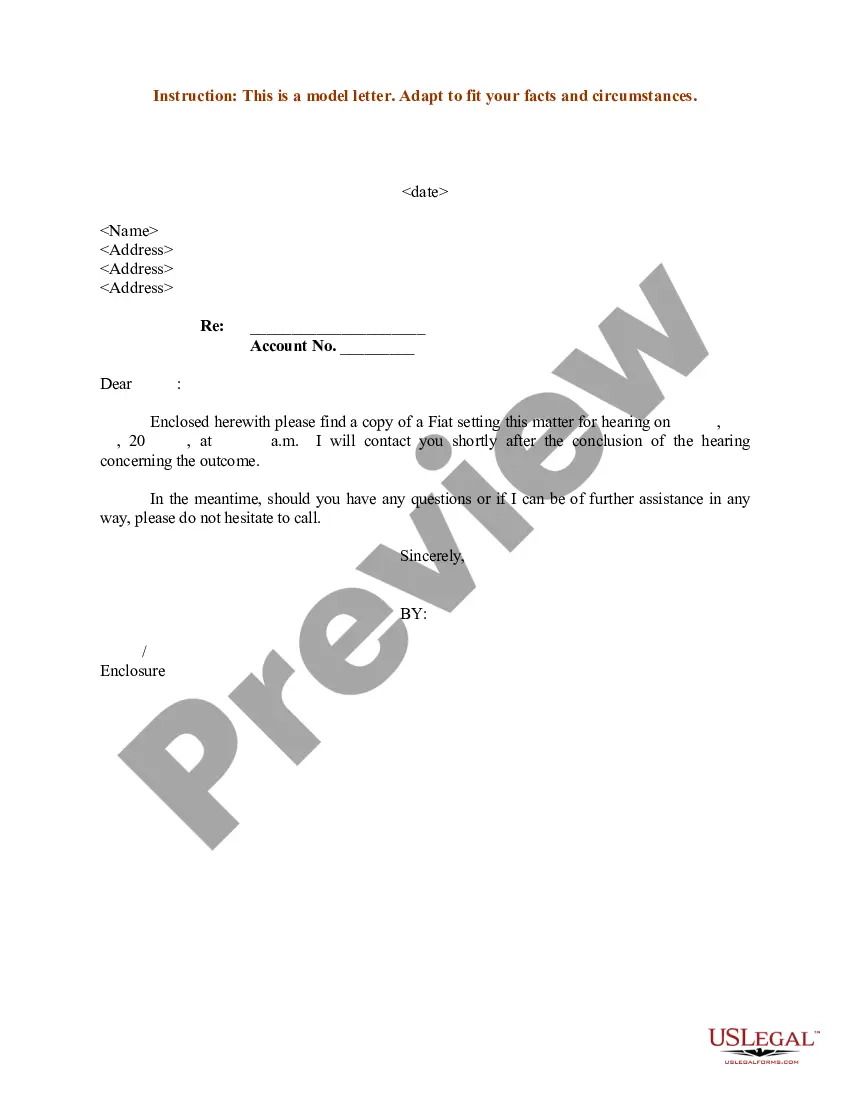
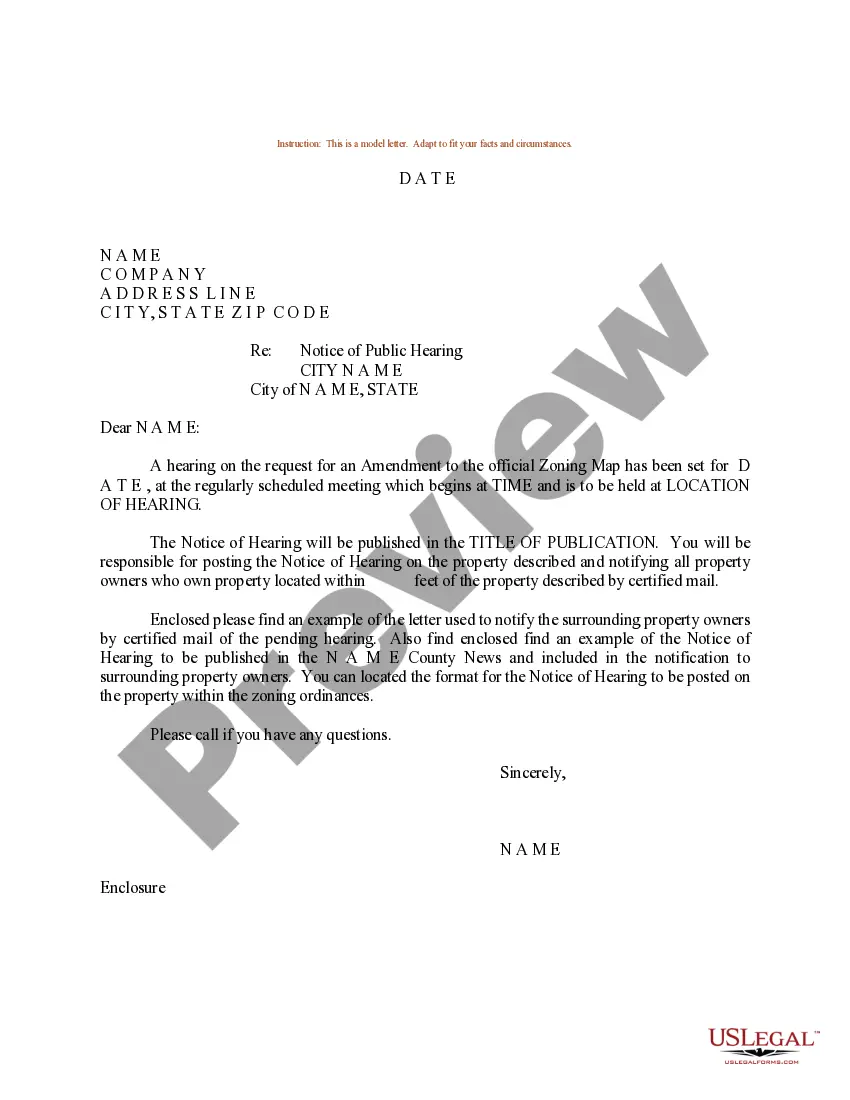
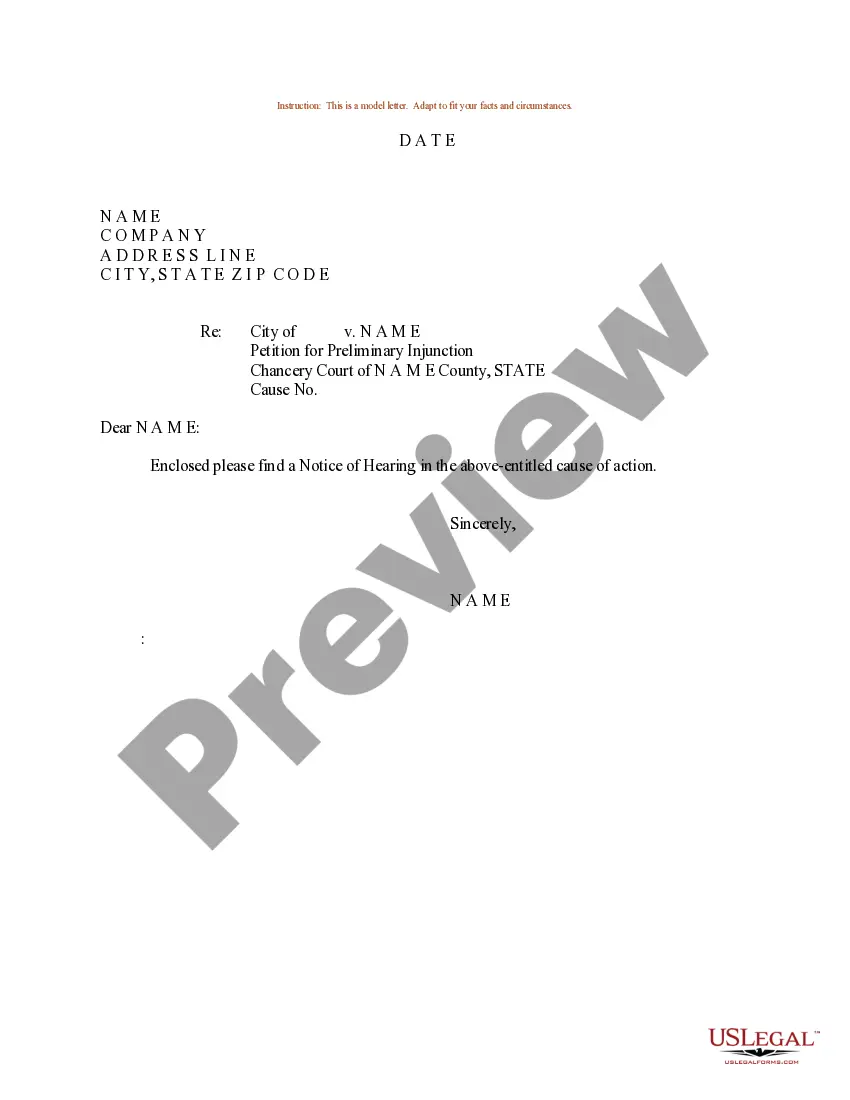



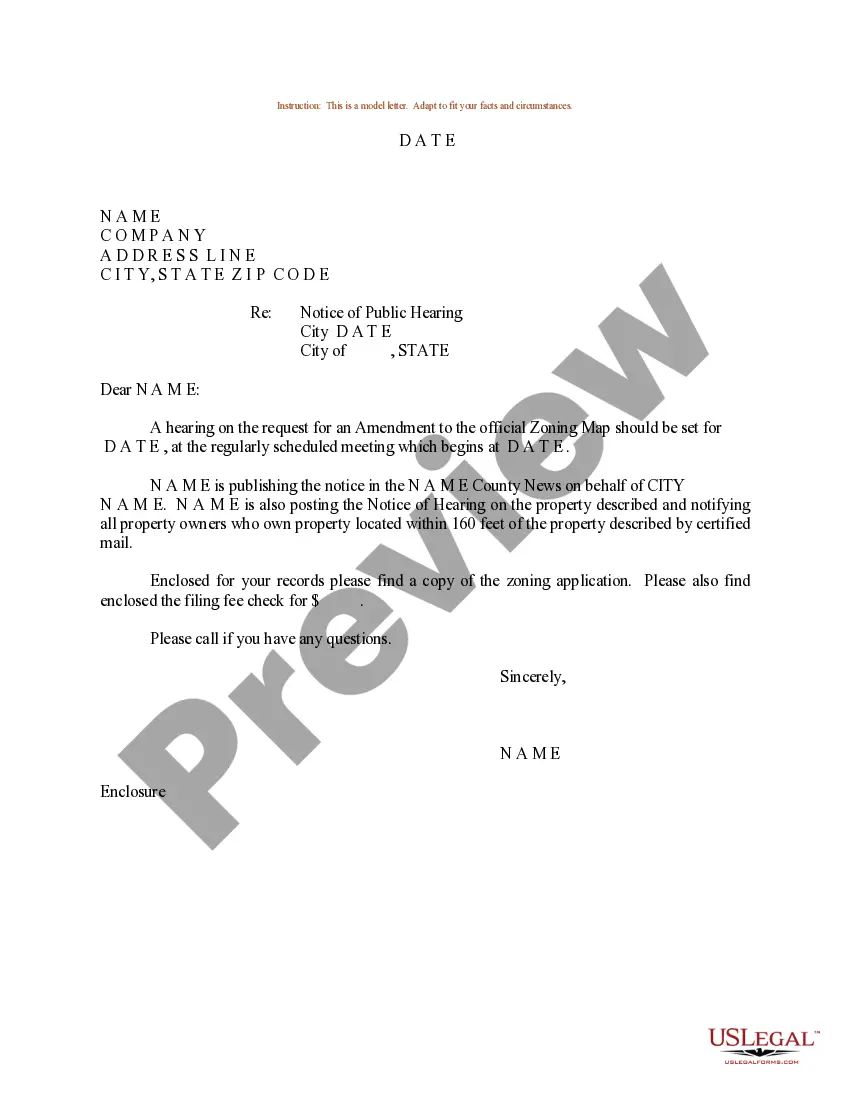
How to fill out Sample Letter For Notice Of Public Hearing Posted On Described Property?
- Log into your US Legal Forms account if you're a returning user. Make sure your subscription is current to access your documents.
- For new users, explore the extensive library of over 85,000 legal forms by checking the form descriptions and previews available.
- If you don't find the specific form you need, utilize the search function to identify the correct template that aligns with your requirements.
- Once you’ve identified the right document, select the 'Buy Now' button and choose your preferred subscription plan to proceed.
- Complete your purchase via credit card or PayPal to gain full access to the form.
- After purchasing, simply download the form to your device and save it for your records. You can always revisit the 'My Forms' section to retrieve it anytime.
US Legal Forms not only empowers individuals and attorneys by providing a vast selection of legal documents, but it also ensures that you can complete them accurately with the help of experts. By simplifying the legal documentation process, users can save time while ensuring compliance with legal standards.
Start using US Legal Forms today for all your legal document needs, and ensure that your communications with tenants are clear and legally sound.
Form popularity
FAQ
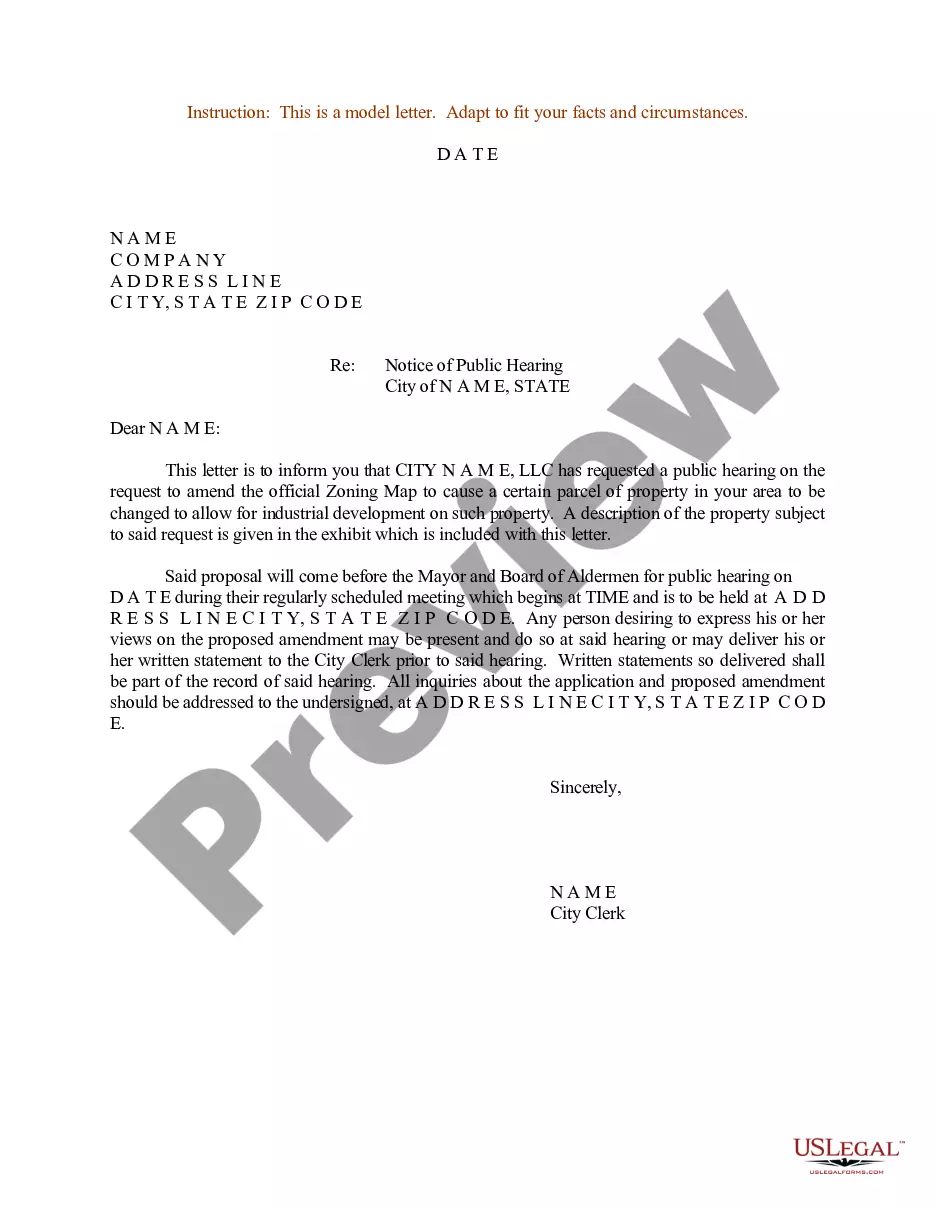
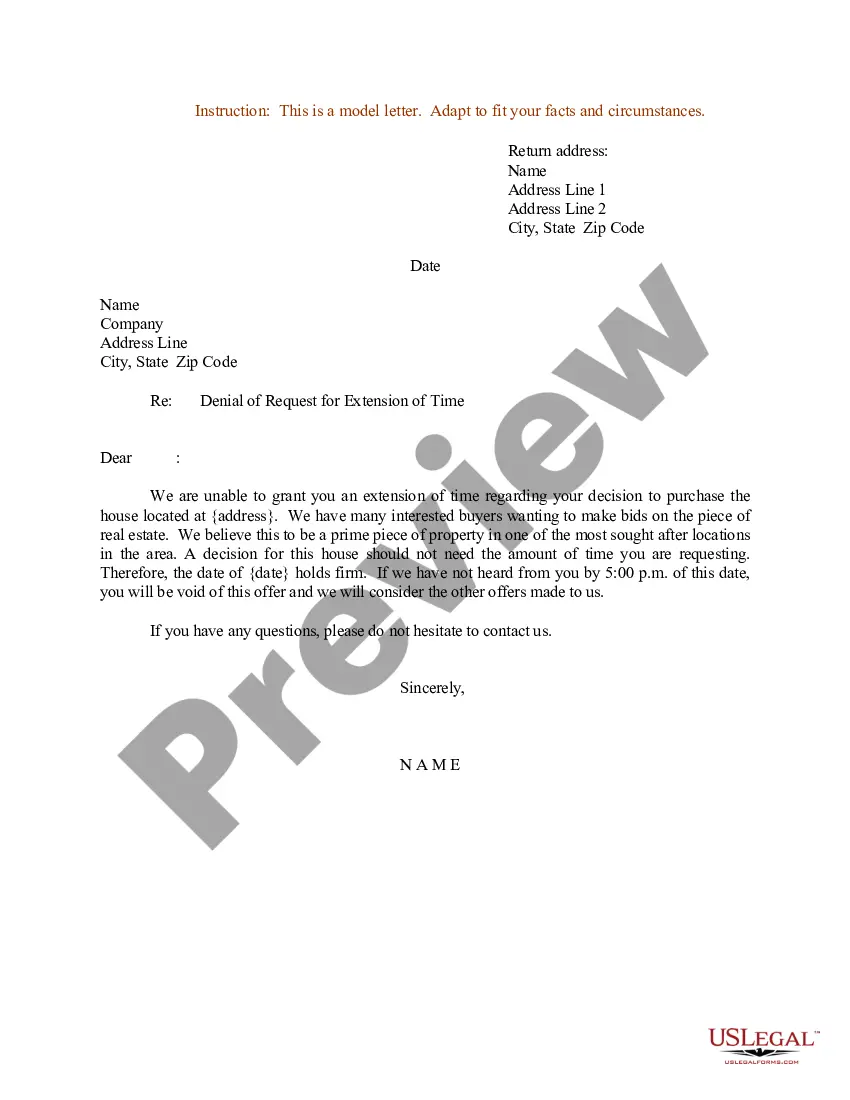
To write a formal letter to a tenant, begin with a clear heading that includes the date and the tenant's name and address. Then, state the purpose of the letter, such as a notice of rent increase or eviction. Make sure to include relevant details, such as deadlines and expectations, and end the letter with a courteous closing. By referring to an example of a hearing notice to tenant for a tenant, you can ensure your communication is both professional and effective.
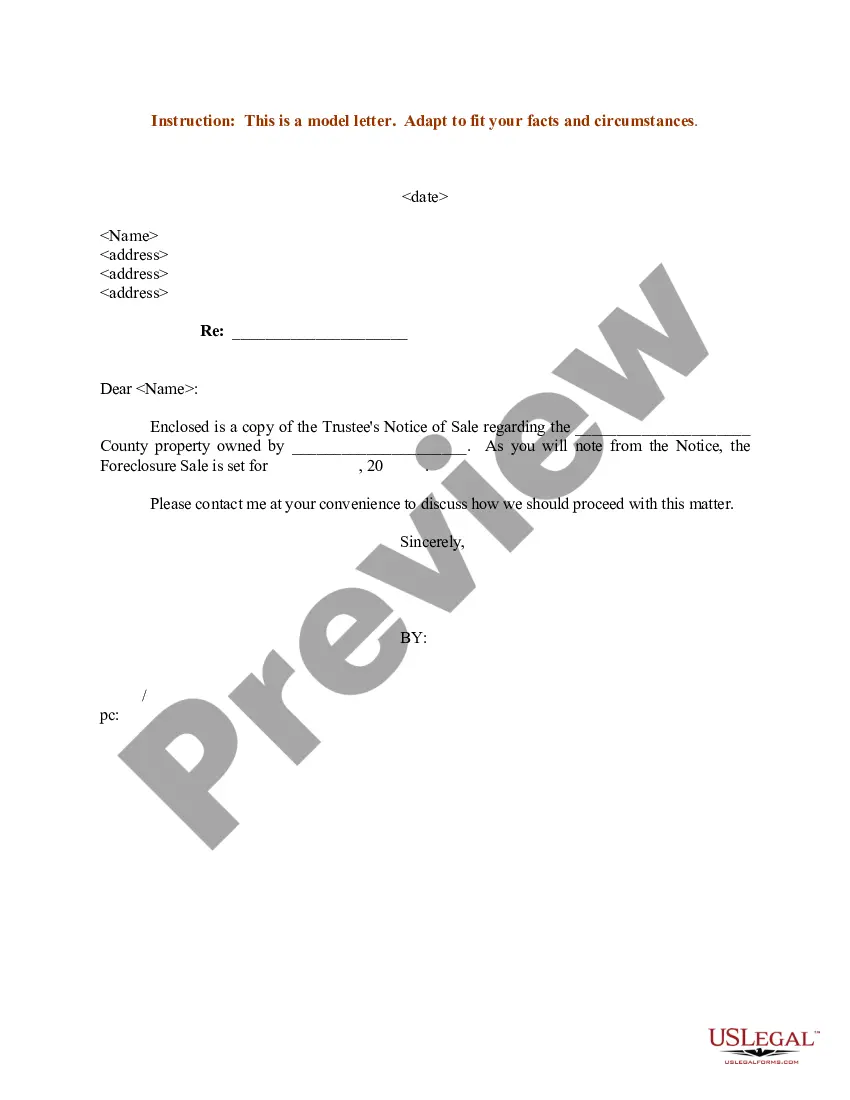
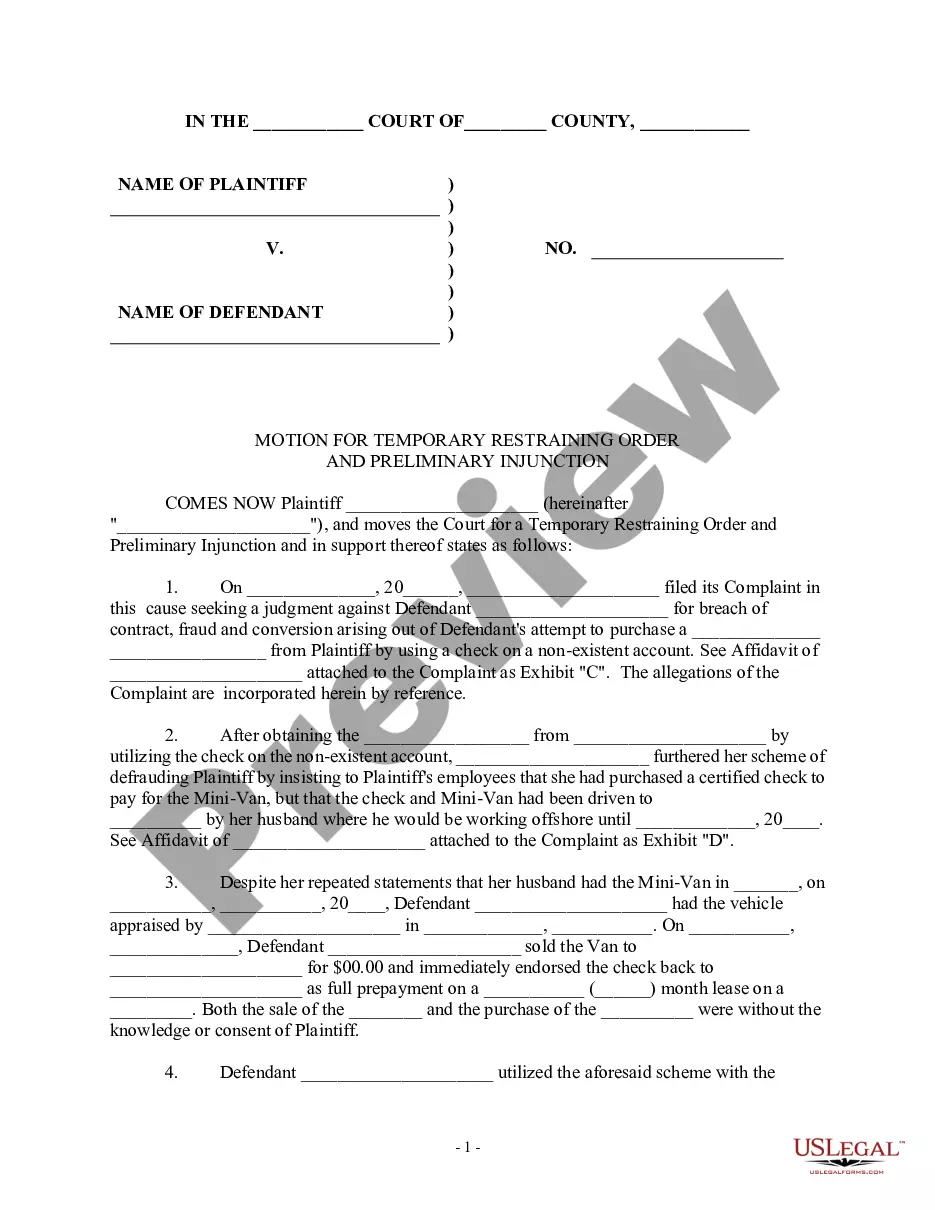
An example of a sample eviction letter is a formal document that a landlord uses to notify a tenant of the eviction process. It typically includes details such as the reasons for eviction, the notice period, and instructions for the tenant. This letter must be clear and concise to ensure that the tenant understands their rights and responsibilities. When using a template from US Legal Forms, you can easily customize it to fit your specific situation.
In responding to a termination notice, first acknowledge receipt and refer to the specific terms outlined. It's essential to clarify your intentions, whether you plan to comply or contest the notice. Ensure your response is calm, professional, and direct, as this can prevent further conflict. If you are uncertain about your rights, consider using resources like USLegalForms to guide you through the process.
Responding to a notice involves carefully reading the contents to understand your obligations. If the notice concerns legal issues, it’s wise to provide your perspective or any corrective action you plan to take. Document your response formally and keep a copy for your records. You may find an example of hearing notice to tenant for a tenant useful when crafting a clear and organized response.
When you receive a notice to explain, clearly acknowledge the receipt of the notice in your response. Address the main points raised, providing your perspective or relevant facts. Transparency is vital, so ensure your explanation is concise but complete. Consider using an example of hearing notice to tenant for a tenant as a template, which can help ensure your response meets legal expectations.
When a tenant is moving out, it’s best to express gratitude for their time in your property. You can remind them to leave the place in good condition and provide details regarding the return of their security deposit. Offer assistance if they need help with the moving process or any last-minute tasks. This courteous approach can prevent misunderstandings and foster goodwill.
To write a polite eviction notice, start by clearly stating the purpose of the letter. You should include the specific reason for the eviction, the date by which the tenant must vacate, and any relevant legal provisions. Ensure the tone remains respectful and professional, as this maintains a positive relationship. An example of hearing notice to tenant for a tenant can help you structure your document effectively.
To write a notice to a tenant, begin with a clear subject line that defines the notice type. Provide the tenant’s details, the date of issuance, and a precise explanation of the notice’s purpose. Keep your language simple and professional. Referencing an example of hearing notice to tenant for a tenant can aid you in crafting a balanced notice that covers all vital aspects.
In Maryland, a landlord can initiate eviction after a tenant is at least 60 days behind on rent. It is essential to provide the tenant with a formal notice, stating the overdue amount and their rights. Knowing your options ahead of time, like an example of hearing notice to tenant for a tenant, can help you navigate this sensitive situation smoothly.
For a quick notice to a tenant, stick to the point while ensuring all necessary information is included. Use a direct, respectful tone and summarize the issue at hand. Hand deliver or send the notice via certified mail to ensure receipt. You can refer to an example of hearing notice to tenant for a tenant for better clarity and structure.