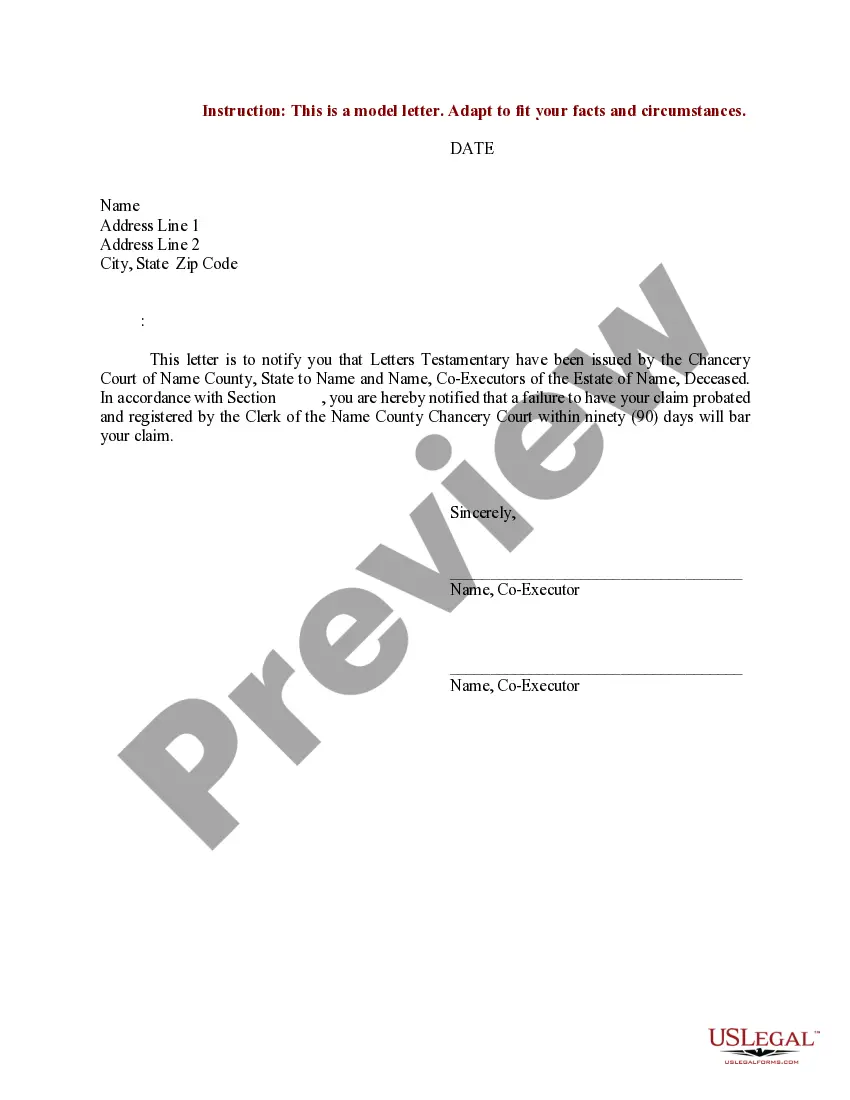
Sample Hardship Letter To Stop Wage Garnishment
Description
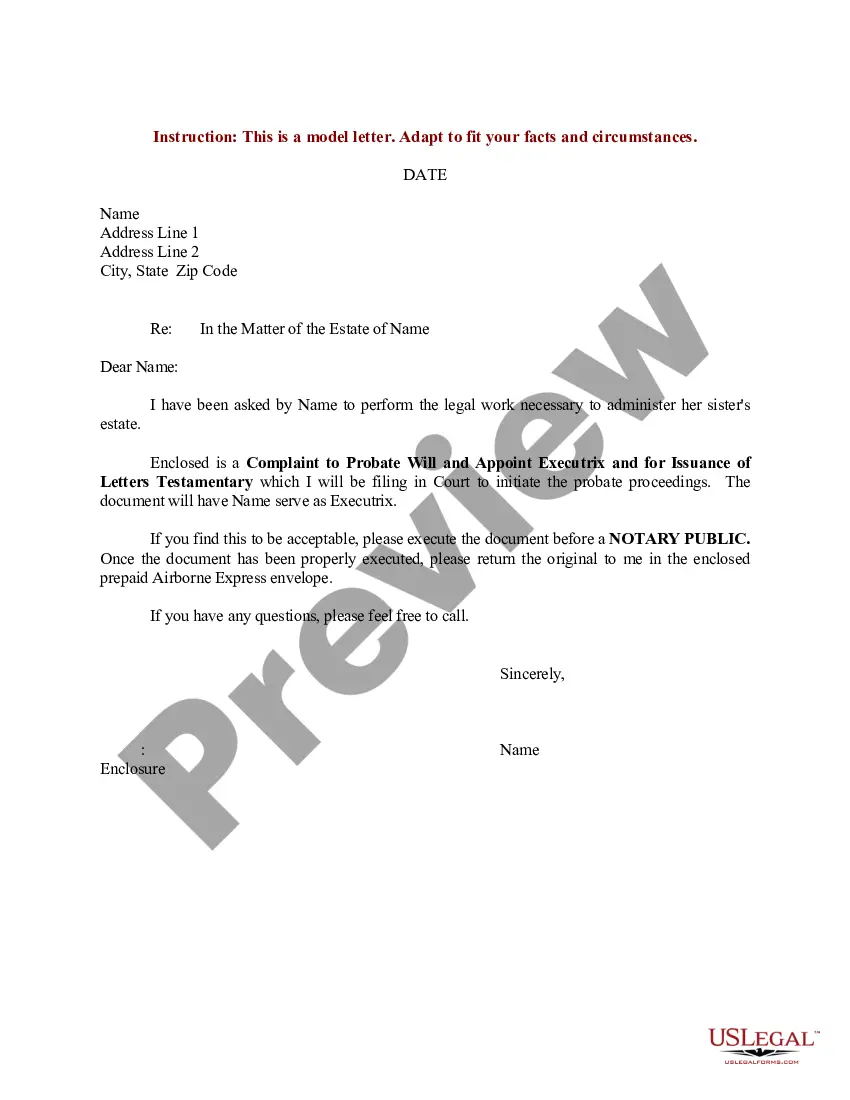
Get your form ready online
Our built-in tools help you complete, sign, share, and store your documents in one place.
Make edits, fill in missing information, and update formatting in US Legal Forms—just like you would in MS Word.
Download a copy, print it, send it by email, or mail it via USPS—whatever works best for your next step.
Sign and collect signatures with our SignNow integration. Send to multiple recipients, set reminders, and more. Go Premium to unlock E-Sign.
If this form requires notarization, complete it online through a secure video call—no need to meet a notary in person or wait for an appointment.
We protect your documents and personal data by following strict security and privacy standards.

Make edits, fill in missing information, and update formatting in US Legal Forms—just like you would in MS Word.

Download a copy, print it, send it by email, or mail it via USPS—whatever works best for your next step.

Sign and collect signatures with our SignNow integration. Send to multiple recipients, set reminders, and more. Go Premium to unlock E-Sign.

If this form requires notarization, complete it online through a secure video call—no need to meet a notary in person or wait for an appointment.

We protect your documents and personal data by following strict security and privacy standards.
Looking for another form?
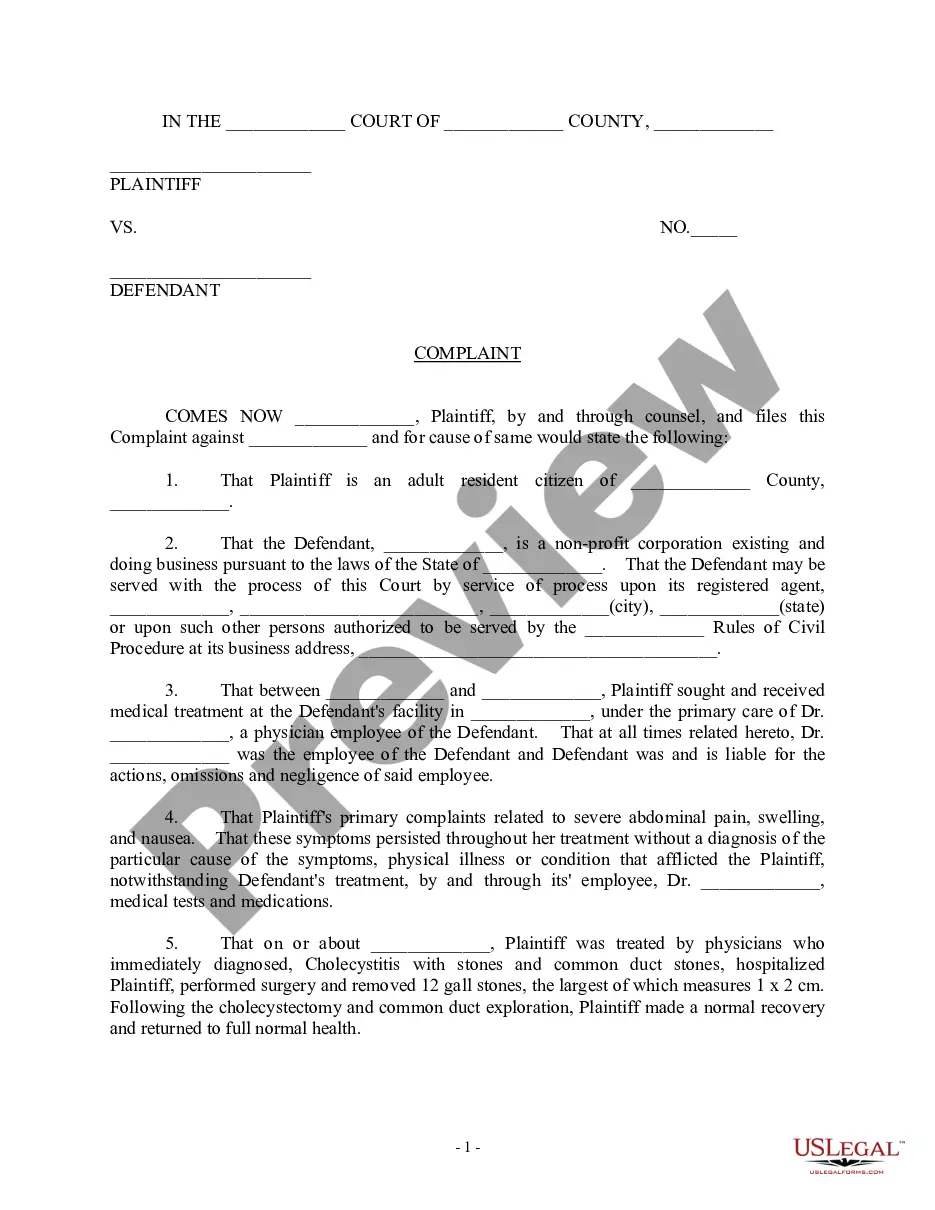

How to fill out Sample Letter For Letters Testamentary?
Managing legal documentation and procedures can be a lengthy addition to your schedule.
Example Hardship Letter To Halt Wage Garnishment and similar forms typically require you to search for them and comprehend the proper way to fill them out correctly.
Thus, whether you are addressing financial, legal, or personal issues, having a thorough and efficient online repository of forms at your disposal will be immensely beneficial.
US Legal Forms is the leading online platform for legal templates, providing over 85,000 state-specific forms along with various resources to assist you in completing your paperwork effortlessly.
Simply Log In to your account, find Example Hardship Letter To Halt Wage Garnishment, and download it instantly from the My documents section. You can also access previously downloaded forms.
- Browse the compilation of relevant documents available to you with just a single click.
- US Legal Forms offers state- and county-specific forms that can be downloaded anytime.
- Safeguard your document management processes with a high-quality service that allows you to create any form within minutes without any extra or hidden charges.
Form popularity
FAQ
A revocable trust (also called a "living trust") is created by a person during his or her lifetime. A testamentary trust is created by a person in his or her Will and is not effective until the person dies. Both trusts can be changed or cancelled (revoked) at any time before a person dies.
Selecting an individual trustee Choosing a friend or family member to administer your trust has one definite benefit: That person is likely to have immediate appreciation of your financial philosophies and wishes. They'll know you and your beneficiaries.
How to Create a Living Trust in Alaska Select the trust that best suits your current situation. ... Take inventory on your property and assets. ... Select a trustee to oversee your trust. ... Create the trust document. ... Sign the trust document in front of a notary public.
So, now you know that the Trust Maker holds the most power before the Trust is established, but the Trustee holds the most power after the Trust is established. And you also know that in many cases, during your lifetime you have both roles.
The ?Trustee? The trustee is the person or entity charged with administering the trust in ance with the terms of the agreement, as set forth by the grantor. The trustee acts as the legal owner of trust assets and is responsible for handling any assets held in a trust.
The Trustee should be someone who can get along and have a good relationship with the beneficiaries of your trust. They should also possess good record-keeping abilities. In many cases, you may want to consider appointing co-trustees. A Trustee is required to abide by the terms of a trust.
Alaska Trust Legislation Alaska has some of the strongest asset protection laws in the country. Alaska bars all creditors from attaching the trust assets before distributions are made to a beneficiary. This includes, but is not limited to, claims by tort, creditors, and ex- spouses for alimony or child support.
A trustee can be an individual, such as a family member, friend, or trusted advisor (e.g., lawyer or accountant) or an institution, such as a bank or trust company. Each type of trustee has strengths and weaknesses which should be carefully weighed by the donor (see below).