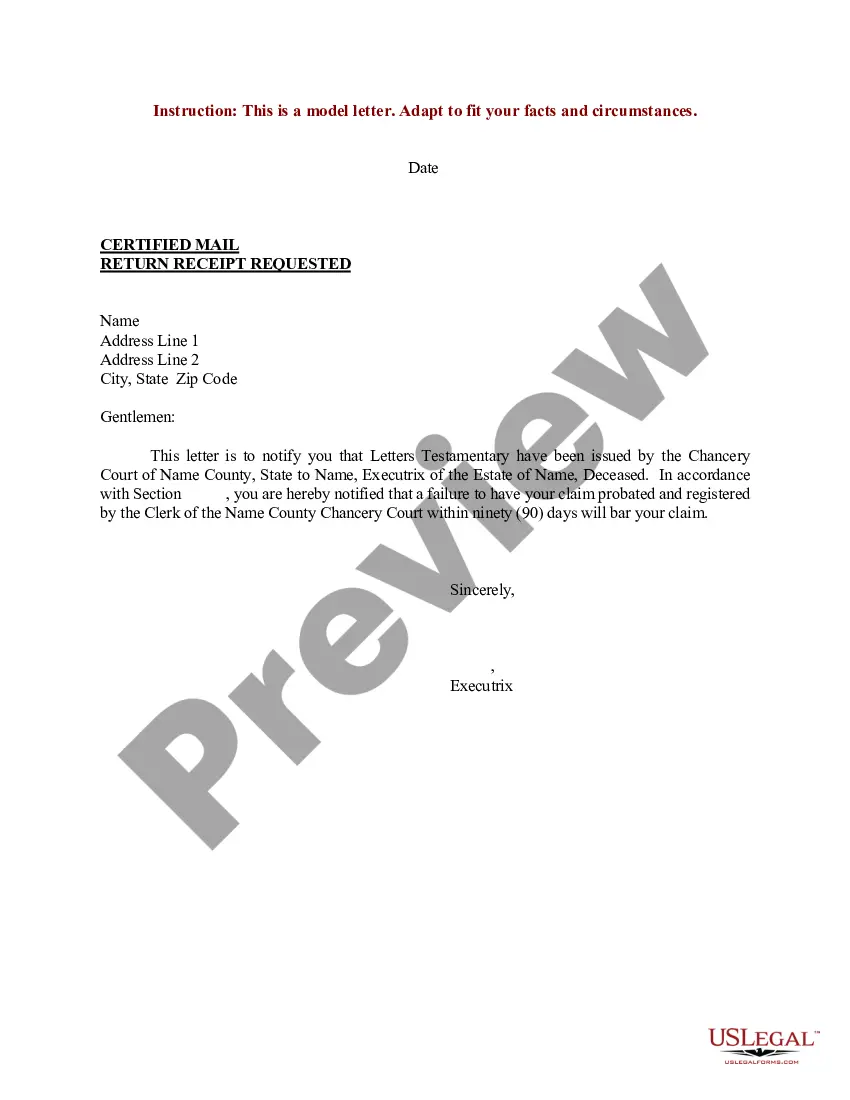
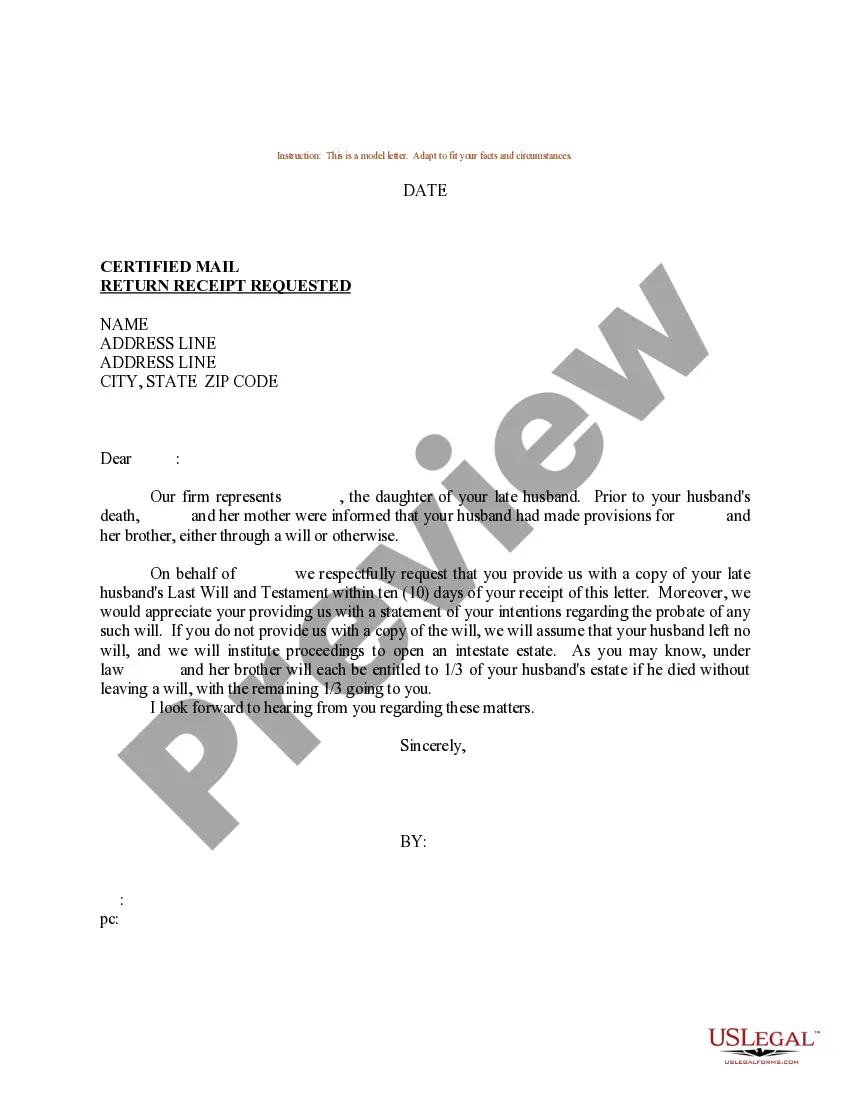
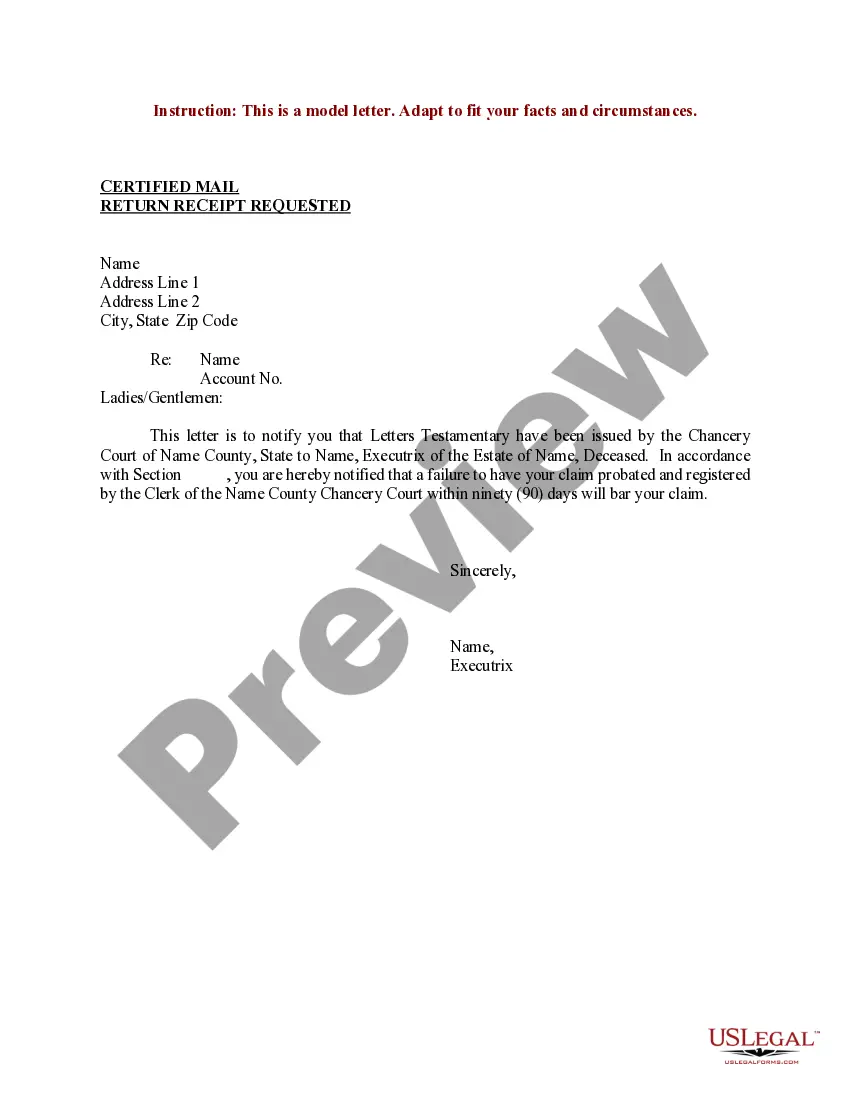
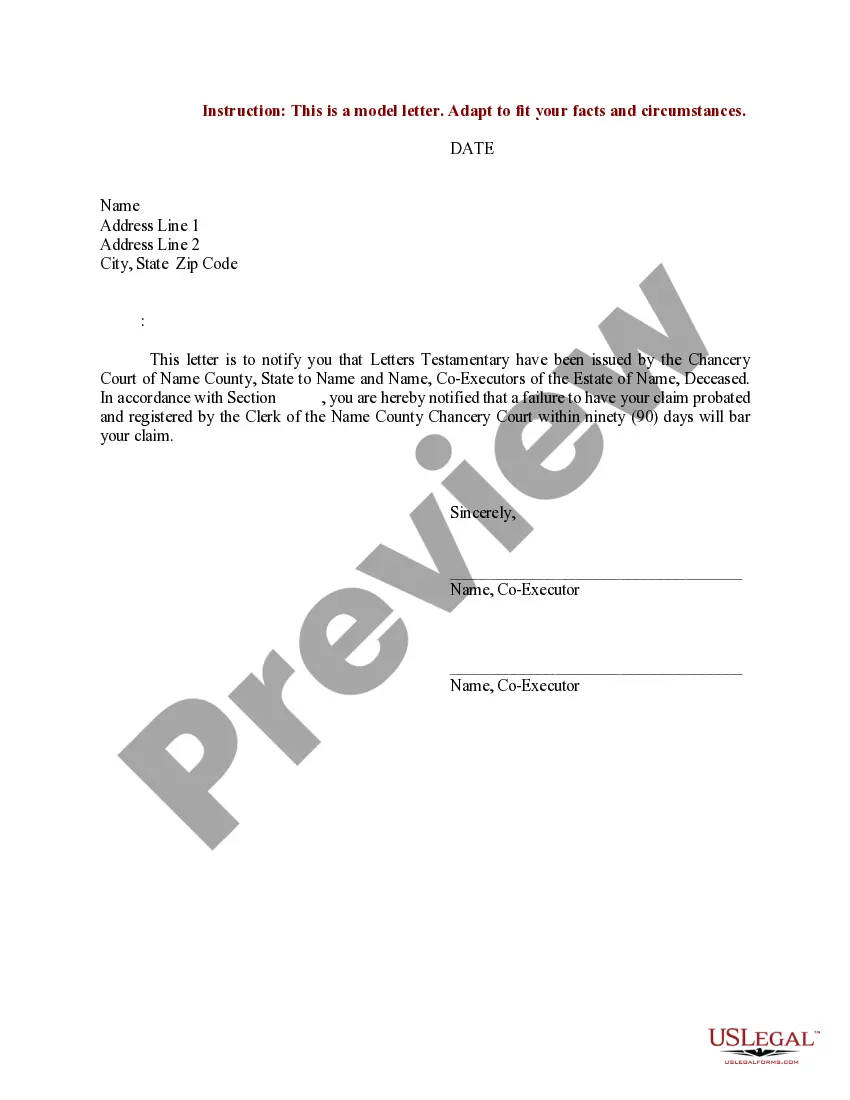
Letter Of Testimony For An Estate
Description
Get your form ready online
Our built-in tools help you complete, sign, share, and store your documents in one place.
Make edits, fill in missing information, and update formatting in US Legal Forms—just like you would in MS Word.
Download a copy, print it, send it by email, or mail it via USPS—whatever works best for your next step.
Sign and collect signatures with our SignNow integration. Send to multiple recipients, set reminders, and more. Go Premium to unlock E-Sign.
If this form requires notarization, complete it online through a secure video call—no need to meet a notary in person or wait for an appointment.
We protect your documents and personal data by following strict security and privacy standards.

Make edits, fill in missing information, and update formatting in US Legal Forms—just like you would in MS Word.

Download a copy, print it, send it by email, or mail it via USPS—whatever works best for your next step.

Sign and collect signatures with our SignNow integration. Send to multiple recipients, set reminders, and more. Go Premium to unlock E-Sign.

If this form requires notarization, complete it online through a secure video call—no need to meet a notary in person or wait for an appointment.

We protect your documents and personal data by following strict security and privacy standards.
Looking for another form?
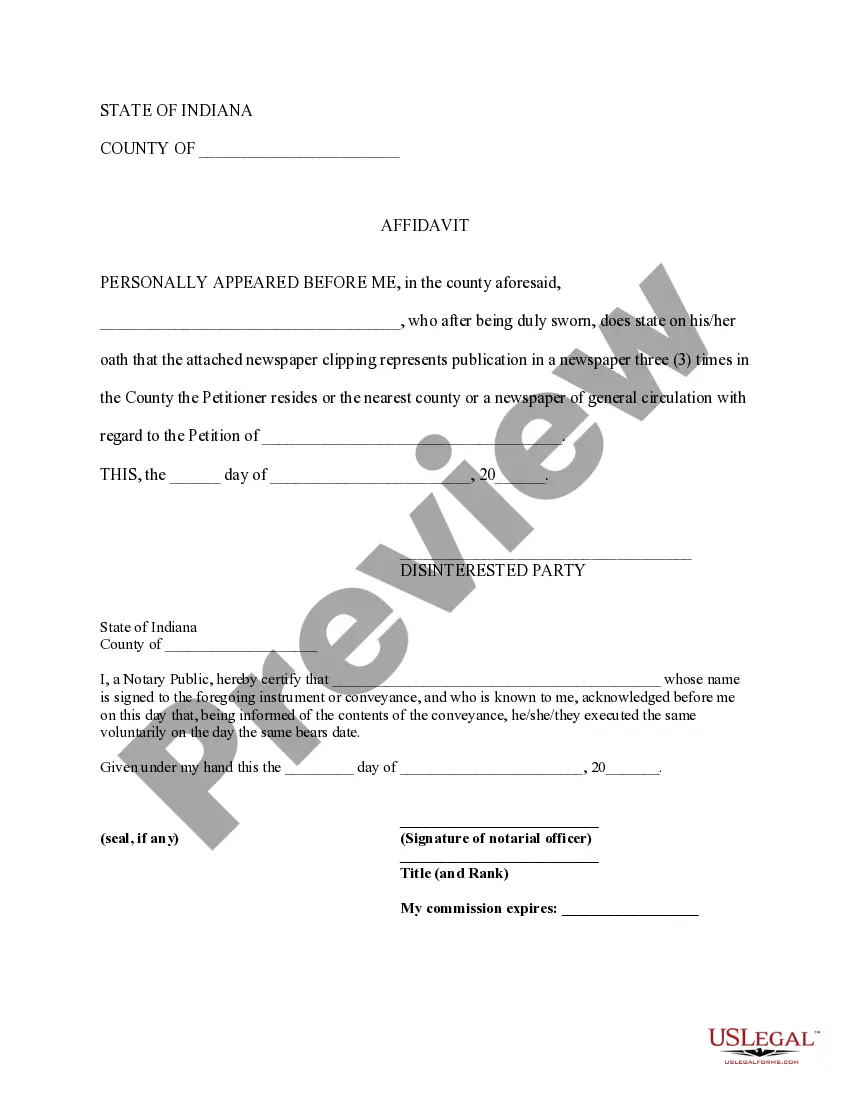
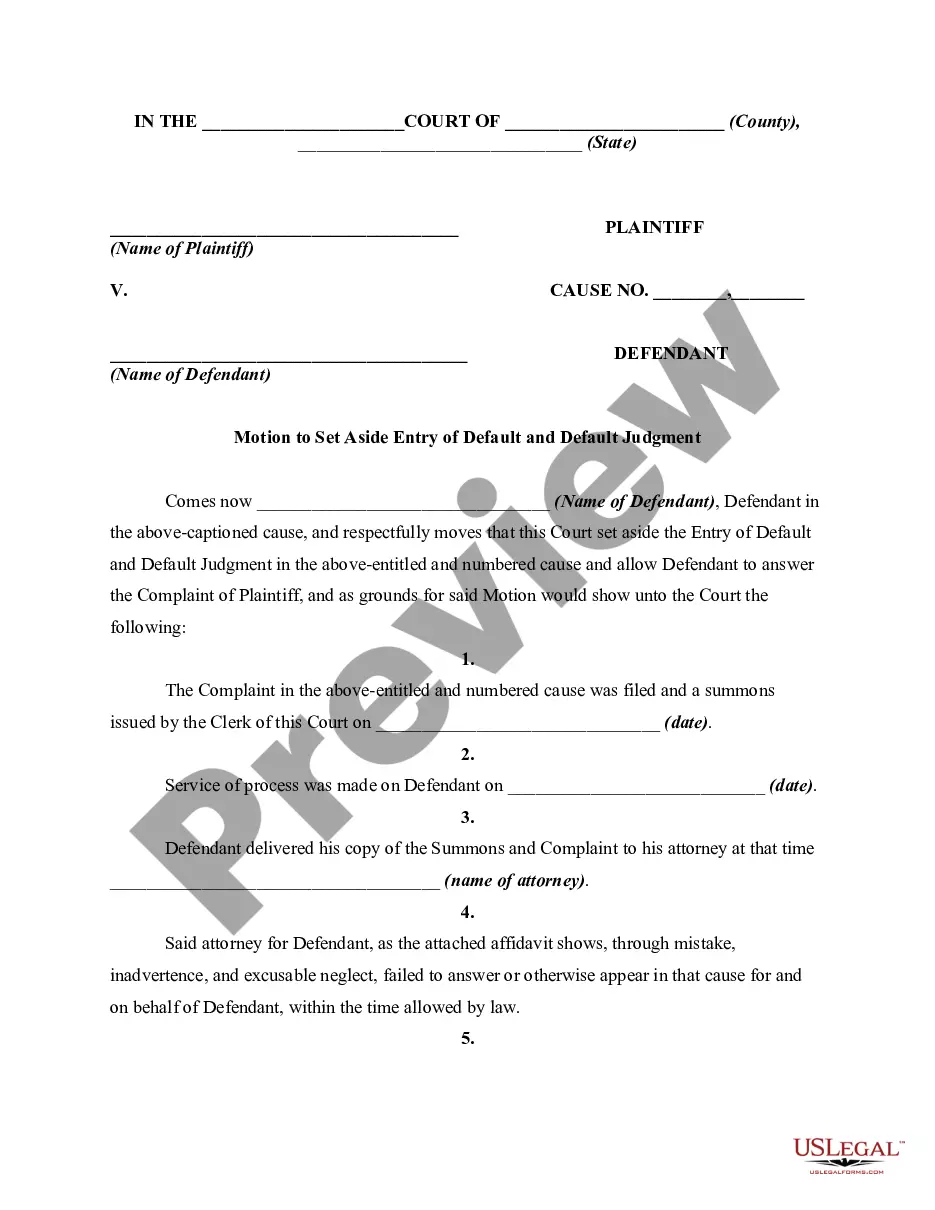
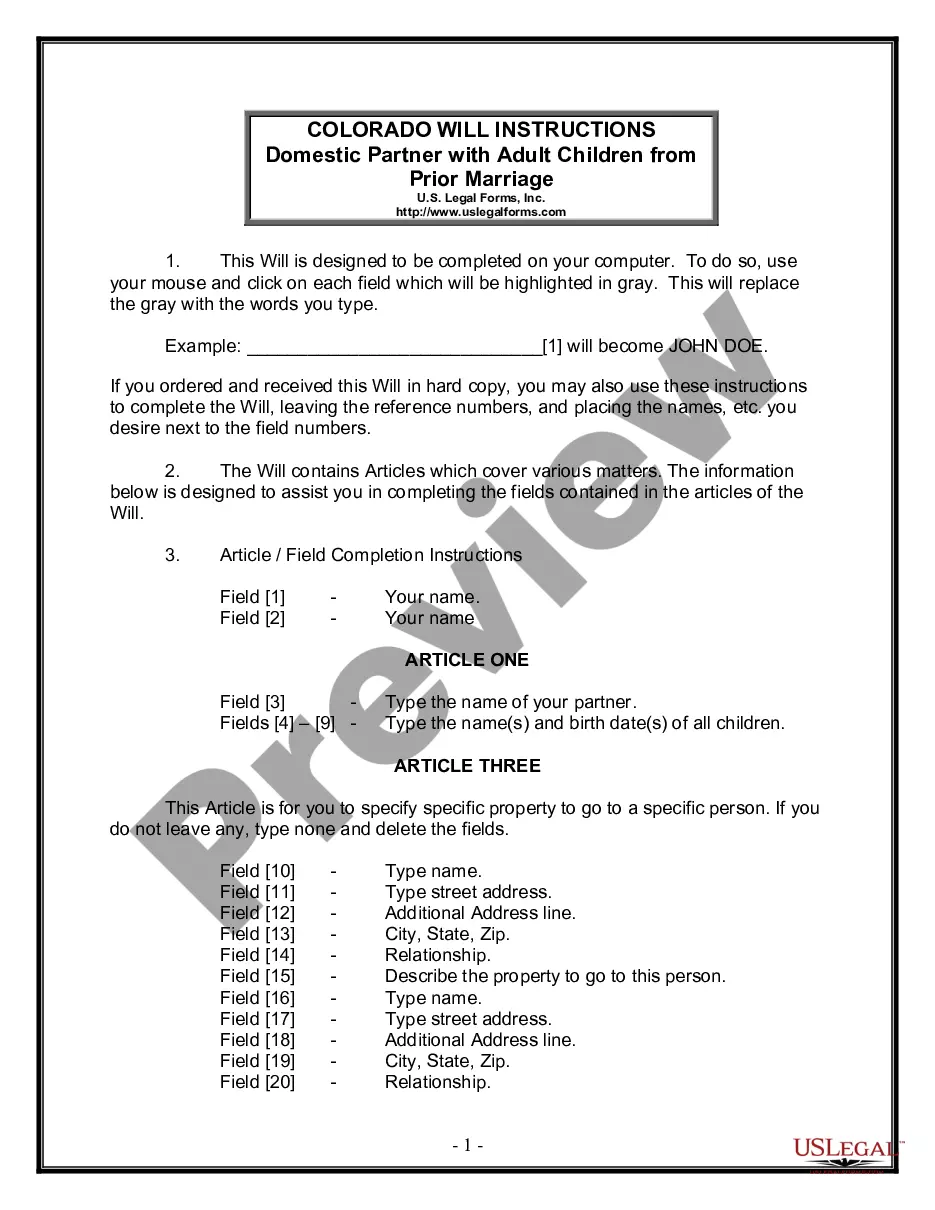
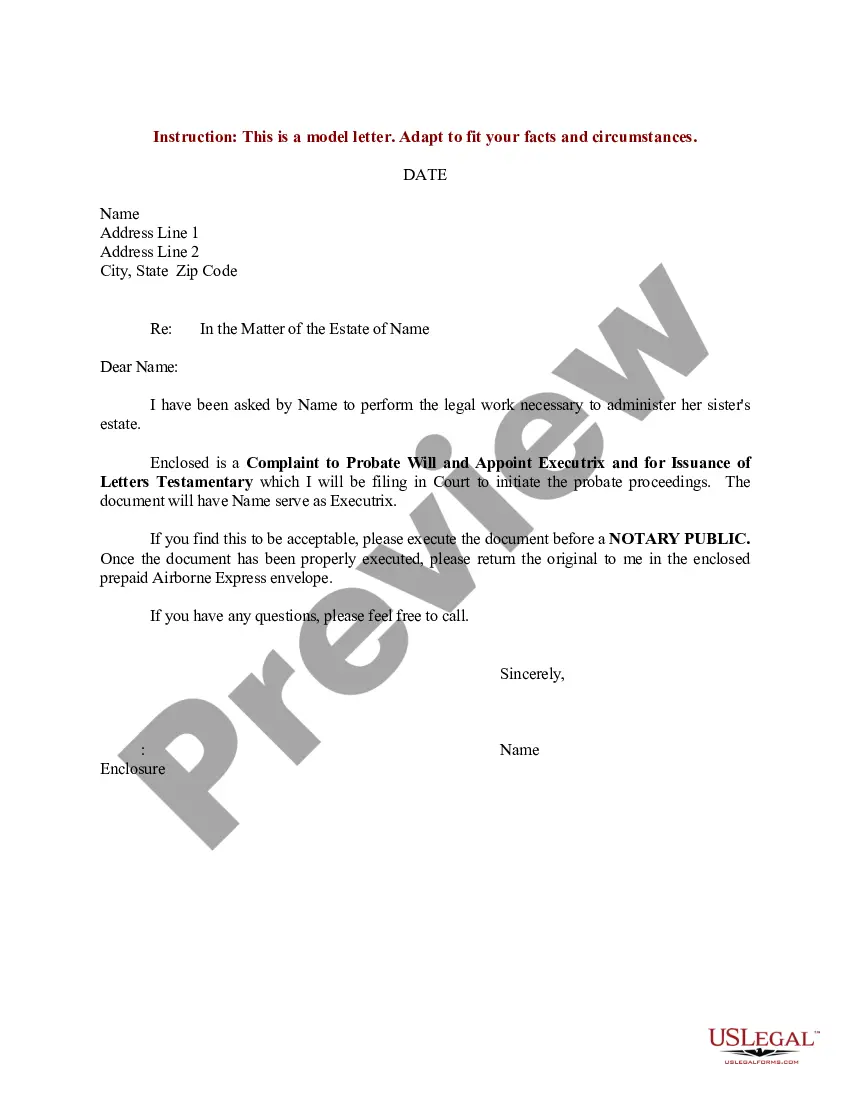
How to fill out Sample Letter For Sample Letters Testamentary?
When you are required to finalize a Testimonial Letter For An Estate in line with your local state's statutes and guidelines, there may be numerous choices to select from.
There's no necessity to examine each form to ensure it satisfies all the legal requirements if you are a US Legal Forms subscriber.
It is a trustworthy service that can assist you in acquiring a reusable and current template on any topic.
Obtaining correctly drafted official documents becomes effortless with US Legal Forms. Furthermore, Premium users can also benefit from the comprehensive integrated tools for online PDF editing and signing. Try it out today!
- US Legal Forms is the largest online repository with a collection of over 85k ready-to-use documents for business and personal legal situations.
- All templates are validated to comply with each state's requirements.
- Therefore, when downloading a Testimonial Letter For An Estate from our website, you can be assured that you possess a legitimate and contemporary document.
- Retrieving the necessary template from our platform is exceptionally straightforward.
- If you already have an account, simply Log In to the system, ensure your subscription is active, and save the chosen file.
- In the future, you can access the My documents tab in your profile to retain access to the Testimonial Letter For An Estate at any time.
- If this is your first encounter with our website, please follow the instructions below.
- Review the suggested page and verify it for adherence to your needs.
Form popularity
FAQ
To write a letter of testimony, begin by clearly identifying the purpose of the document and the context, such as confirming your role as an executor. Include details about the deceased and your relationship with them, followed by your declarations regarding their estate. Utilizing a platform like uslegalforms can simplify this process, ensuring you have all necessary elements included.
Writing a letter of testamentary involves formalizing your authority as an executor. First, you must apply to the probate court for this letter, providing necessary documents and identifying yourself as the designated executor. Once obtained, you can present this letter to banks and other institutions to facilitate estate management.
To write a letter of instruction for heirs and beneficiaries, start by clearly stating your wishes regarding asset distribution. Be specific about how you want your estate handled and include important information, such as account details and funeral preferences. This letter complements the letter of testimony for an estate, guiding your heirs through the process.
No, a letter of testamentary and a power of attorney are not the same. A power of attorney is a document that grants someone the authority to act on another's behalf while they are alive, covering financial and health decisions. In contrast, a letter of testamentary only comes into effect after death and primarily relates to the management of the estate.
An estate letter can refer to various documents, but commonly it is a letter of testamentary. This letter is crucial as it validates the executor’s authority to manage the deceased’s estate. When you have a clear example of such a letter, it can serve as a valuable model for preparing your own letter of testimony for an estate.
An example of testamentary is a will, which directs how a person's estate is to be distributed after their death. It clearly outlines the wishes of the deceased regarding asset distribution, as well as appointing an executor to carry out those wishes. This principle guides the creation of a letter of testimony for an estate, which serves to authenticate the executor's role.
A letter of testamentary is an official document issued by a probate court that authorizes the executor to manage the deceased's estate. This includes the authority to settle debts, distribute assets, and handle other estate matters. It essentially provides proof that the executor is legally allowed to act on behalf of the estate.
A letter of testimony for an estate typically remains valid throughout the entire probate process. This period can vary significantly depending on the complexity of the estate and the efficiency of the court system. Once the estate settles, the letter will no longer be necessary. For clarity on timelines, you can consult resources or legal forms available on US Legal Forms.
To order a letter of testimony for an estate, you should start the probate process in your local court. You will need to submit the last will, a petition for probate, and relevant identification. After the court hears your case and finds it valid, they will issue the letter of testimony. US Legal Forms can assist you with ready-to-use templates and guides to simplify this process.
Generally, obtaining a letter of testimony for an estate requires probate. This legal process validates the will and appoints an executor. Without probate, you may not receive the formal authority needed to manage the deceased's estate. For additional guidance, consider using resources from US Legal Forms to understand the process better.