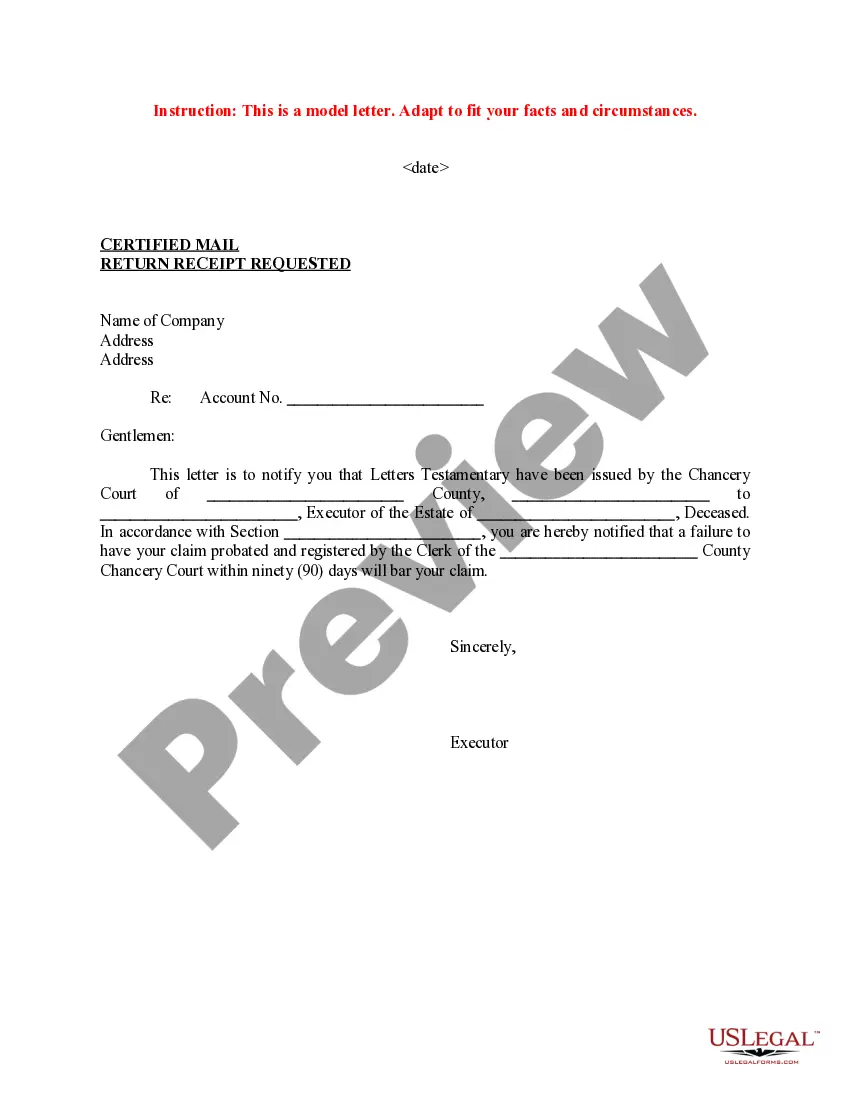
Creditor Claim Form With Estate
Description
Get your form ready online
Our built-in tools help you complete, sign, share, and store your documents in one place.
Make edits, fill in missing information, and update formatting in US Legal Forms—just like you would in MS Word.
Download a copy, print it, send it by email, or mail it via USPS—whatever works best for your next step.
Sign and collect signatures with our SignNow integration. Send to multiple recipients, set reminders, and more. Go Premium to unlock E-Sign.
If this form requires notarization, complete it online through a secure video call—no need to meet a notary in person or wait for an appointment.
We protect your documents and personal data by following strict security and privacy standards.

Make edits, fill in missing information, and update formatting in US Legal Forms—just like you would in MS Word.

Download a copy, print it, send it by email, or mail it via USPS—whatever works best for your next step.

Sign and collect signatures with our SignNow integration. Send to multiple recipients, set reminders, and more. Go Premium to unlock E-Sign.

If this form requires notarization, complete it online through a secure video call—no need to meet a notary in person or wait for an appointment.

We protect your documents and personal data by following strict security and privacy standards.
Looking for another form?
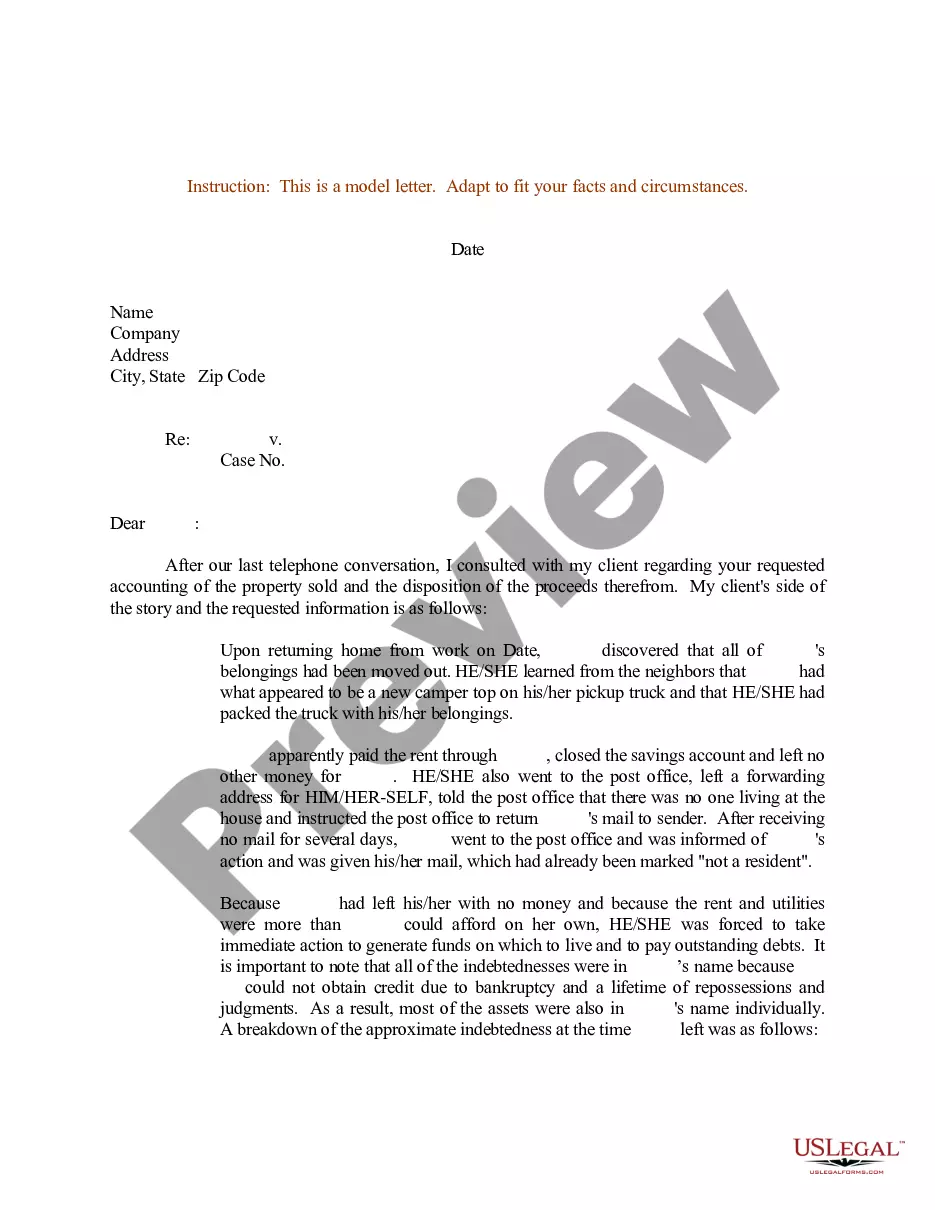
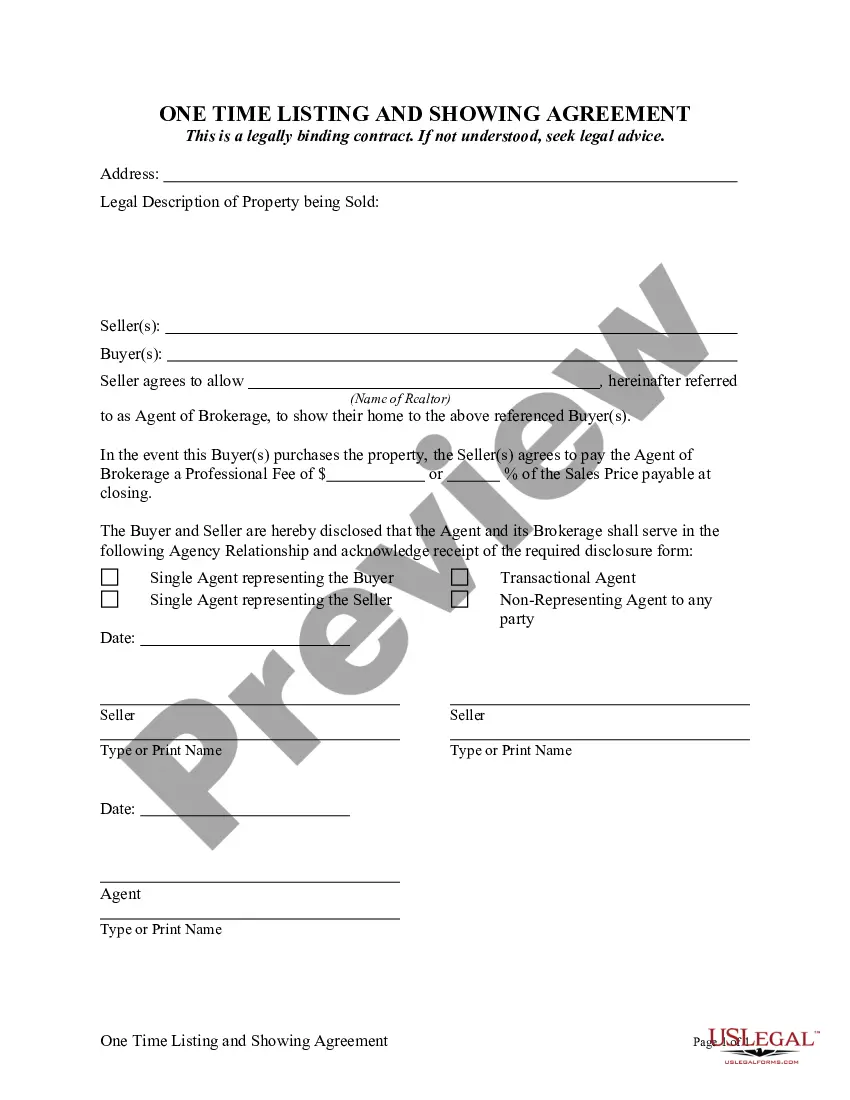
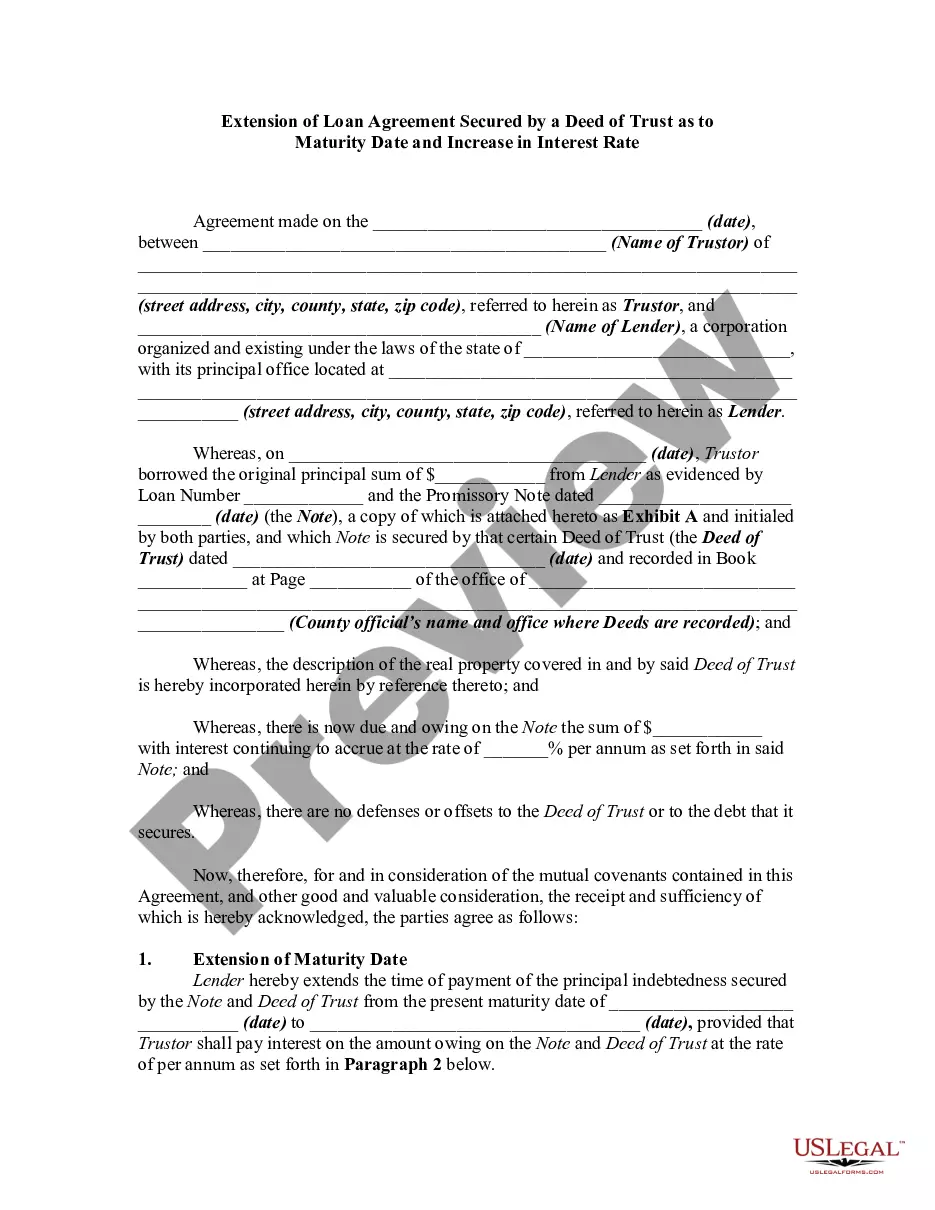
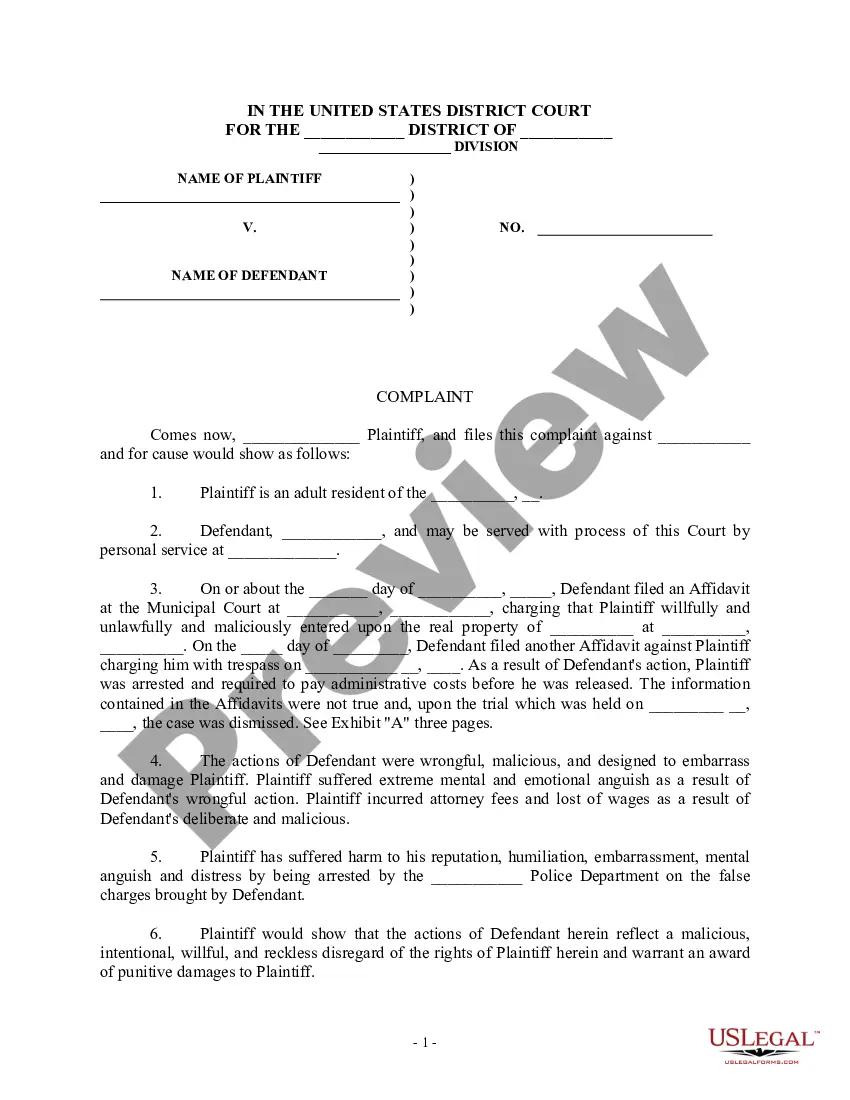
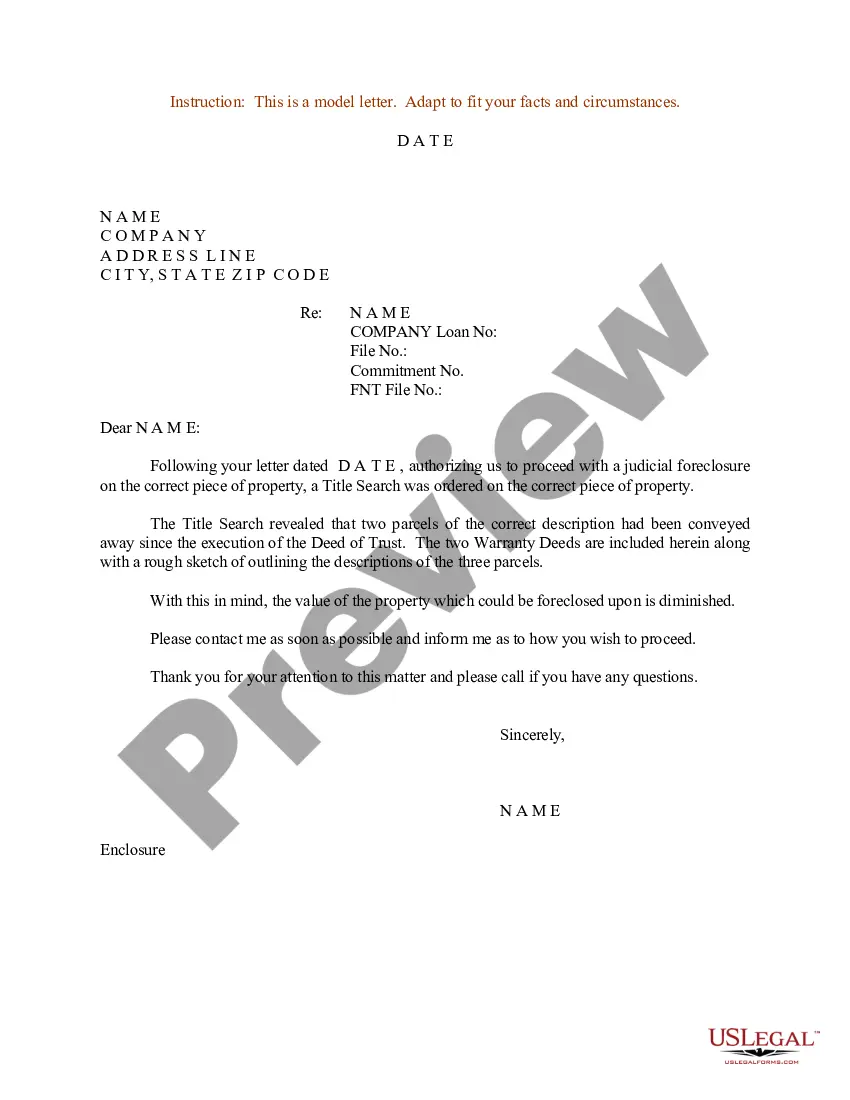
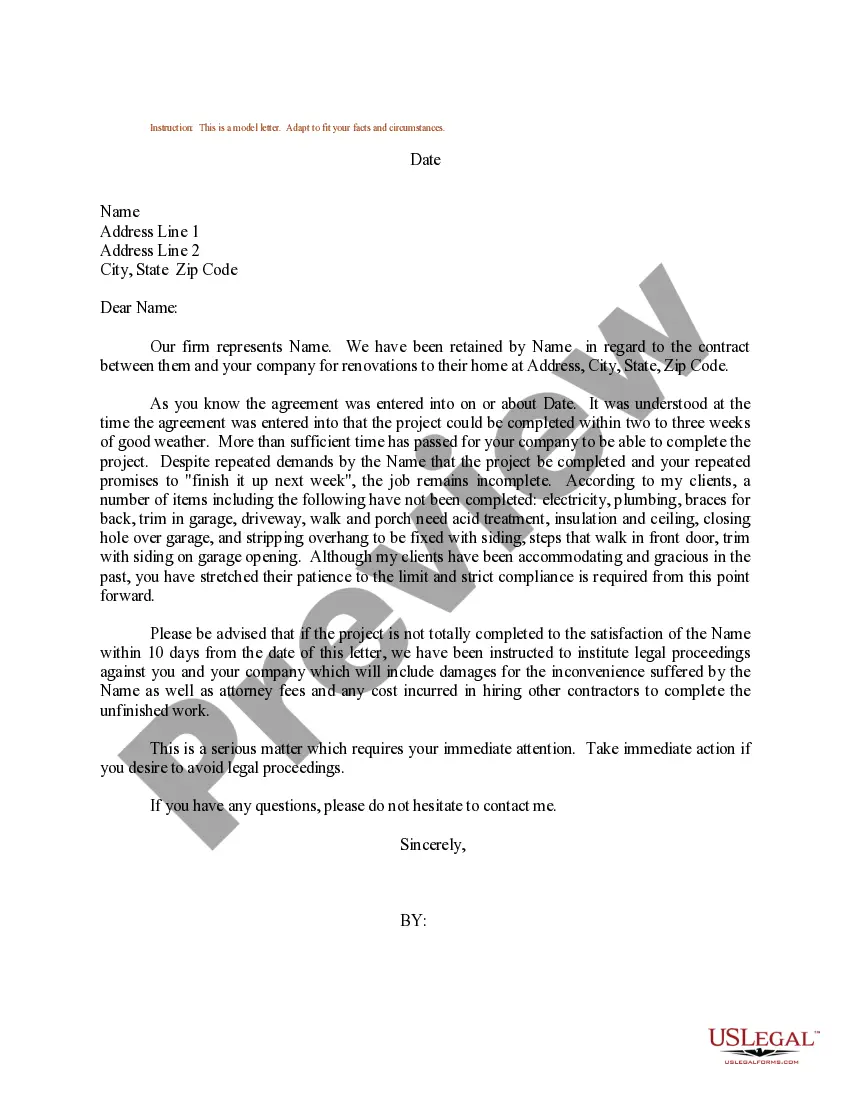
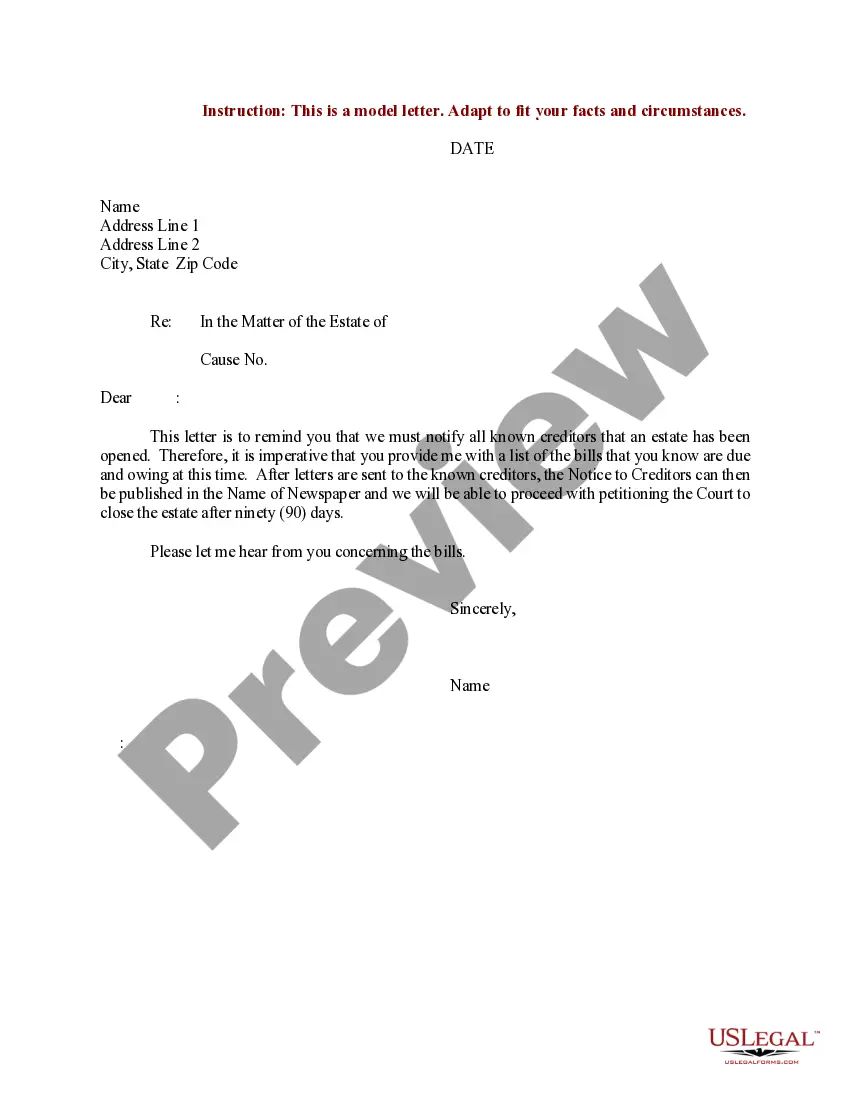
How to fill out Sample Letter For Notification To Creditor To Probate And Register Claim?
Acquiring legal templates that adhere to federal and state laws is essential, and the internet provides numerous choices to select from.
However, what is the benefit of spending time looking for the properly prepared Creditor Claim Form With Estate example online if the US Legal Forms online library already has such templates gathered in one location.
US Legal Forms is the largest online legal repository with over 85,000 fillable templates created by lawyers for various professional and personal scenarios.
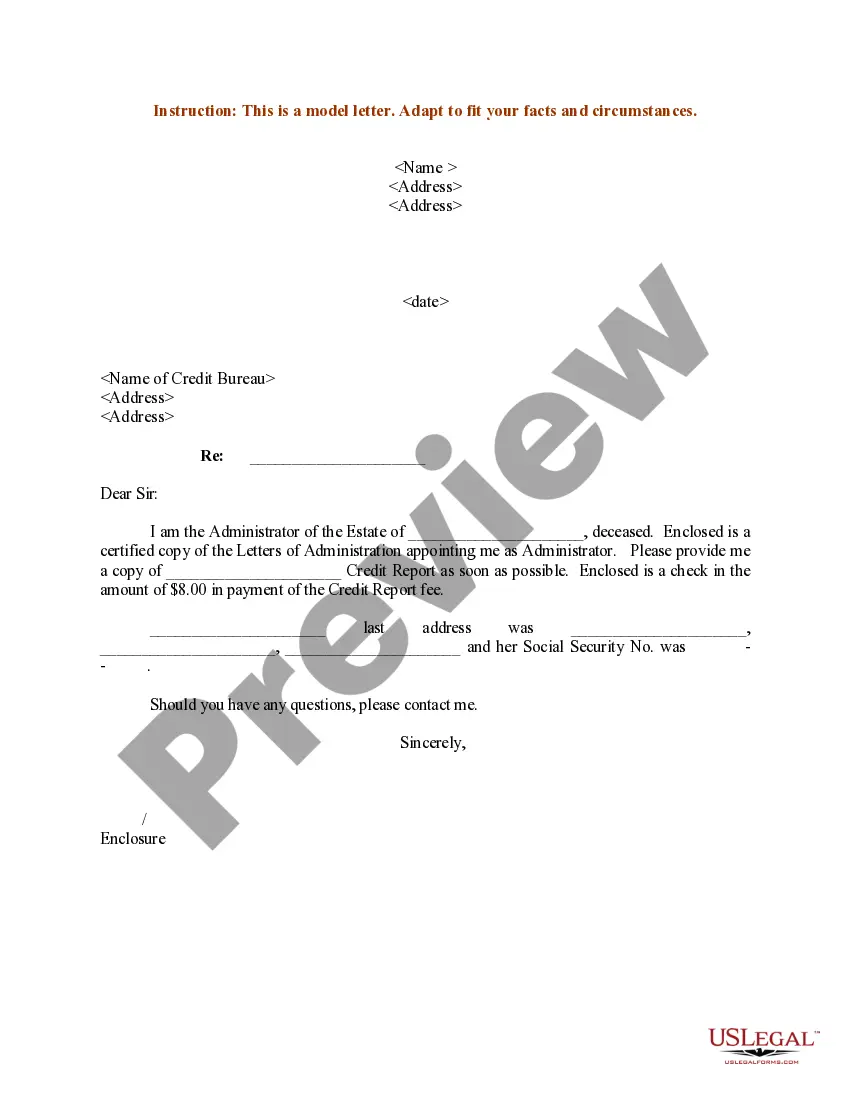
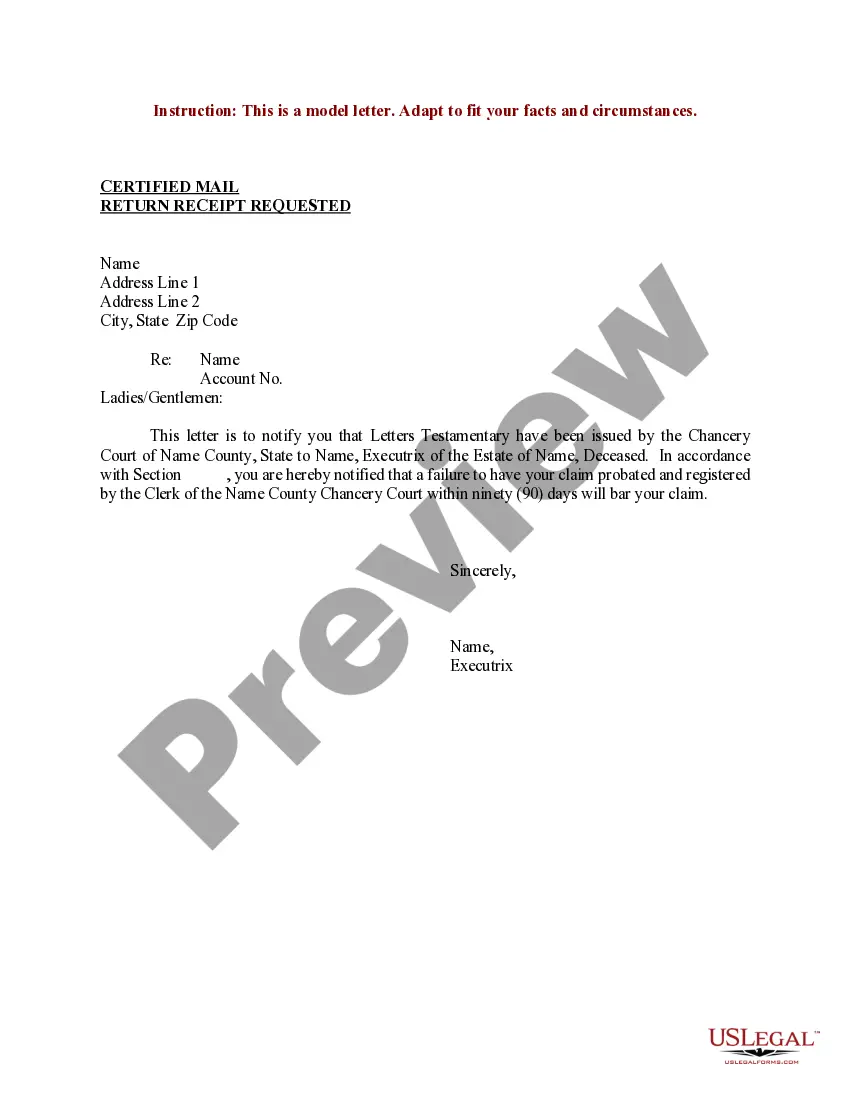
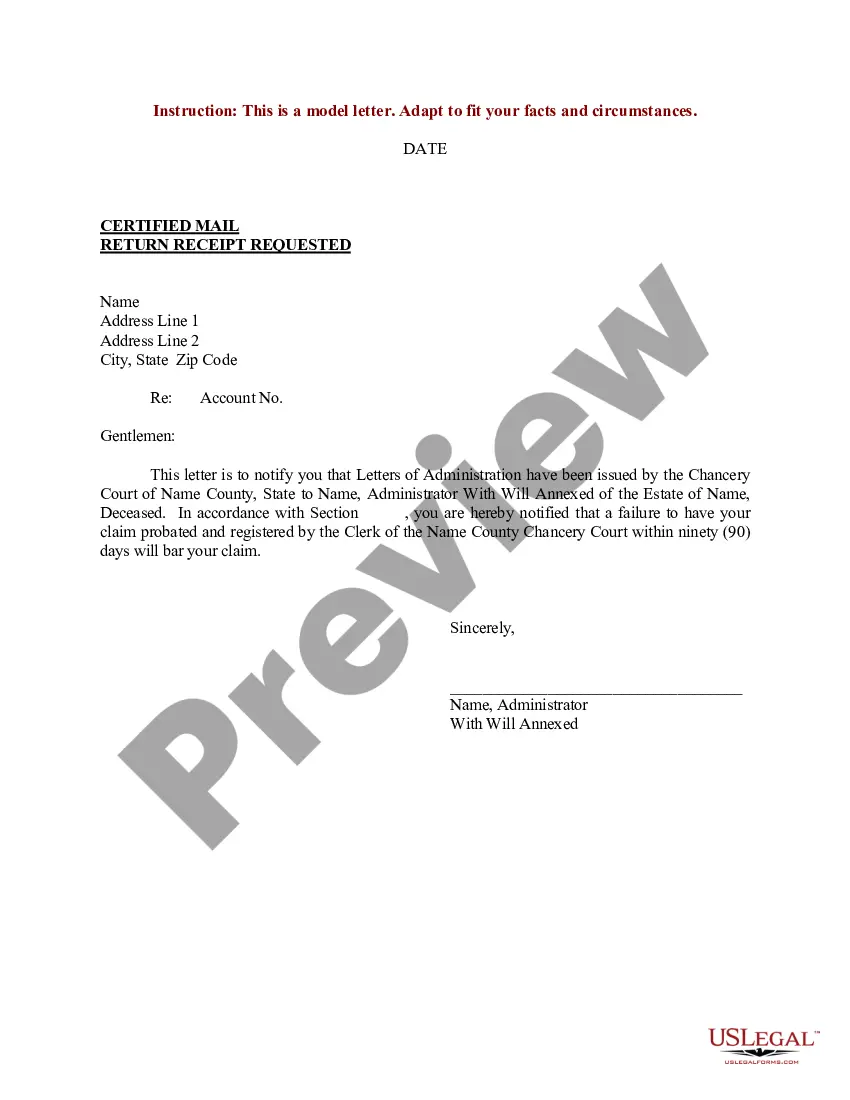
Review the template using the Preview feature or through the text outline to ensure it satisfies your needs.
- They are straightforward to navigate with all documents organized by state and intended use.
- Our specialists keep up with legal updates, ensuring your form is current and compliant when acquiring a Creditor Claim Form With Estate from our site.
- Acquiring a Creditor Claim Form With Estate is quick and easy for both existing and new users.
- If you already possess an account with an active subscription, Log In and save the document sample you require in the appropriate format.
- If you are new to our website, follow the instructions below.
Form popularity
FAQ
Creditors shall file claims against the estate with the personal representative or the attorney for personal representative within thirty (30) days after the publication of the notice.
Generally, in California creditors of a decedent's estate have up to one year (365 days) from the decedent's death to file a timely creditor claim. The claim must be filed inside an open probate court proceeding.
The creditor's financial claims to the assets are called liabilities. The relationship between assets, liabilities, and owner's equity are shown in the accounting equation: Property and Financial Claims.
We can use the accounting equation to find the creditor's claims: Assets = Liabilities + Equity.
Creditor's Claim form (Form DE-172, Judicial Council). Itemize the claim and show the date the service was rendered or the debt incurred. Read the form carefully ? it contains important instructions on filing the claim. Mail or deliver a copy of the form to the personal representative and his or her attorney.