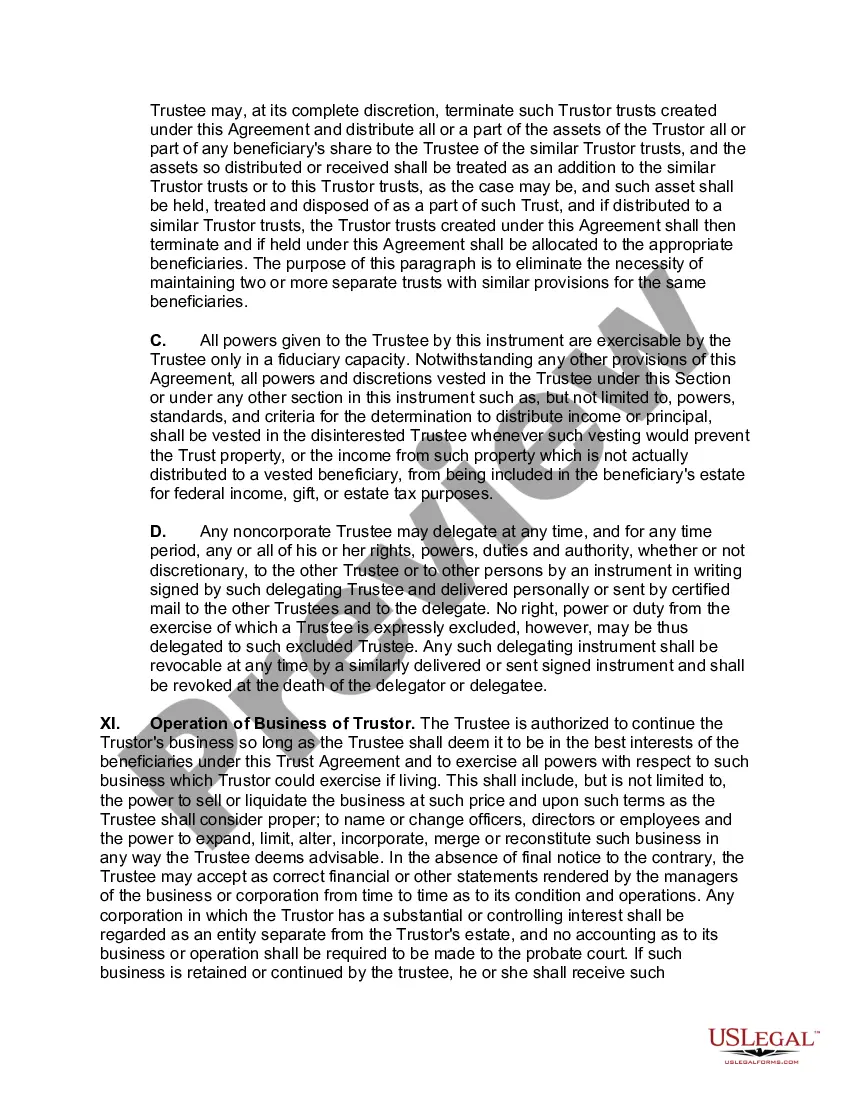
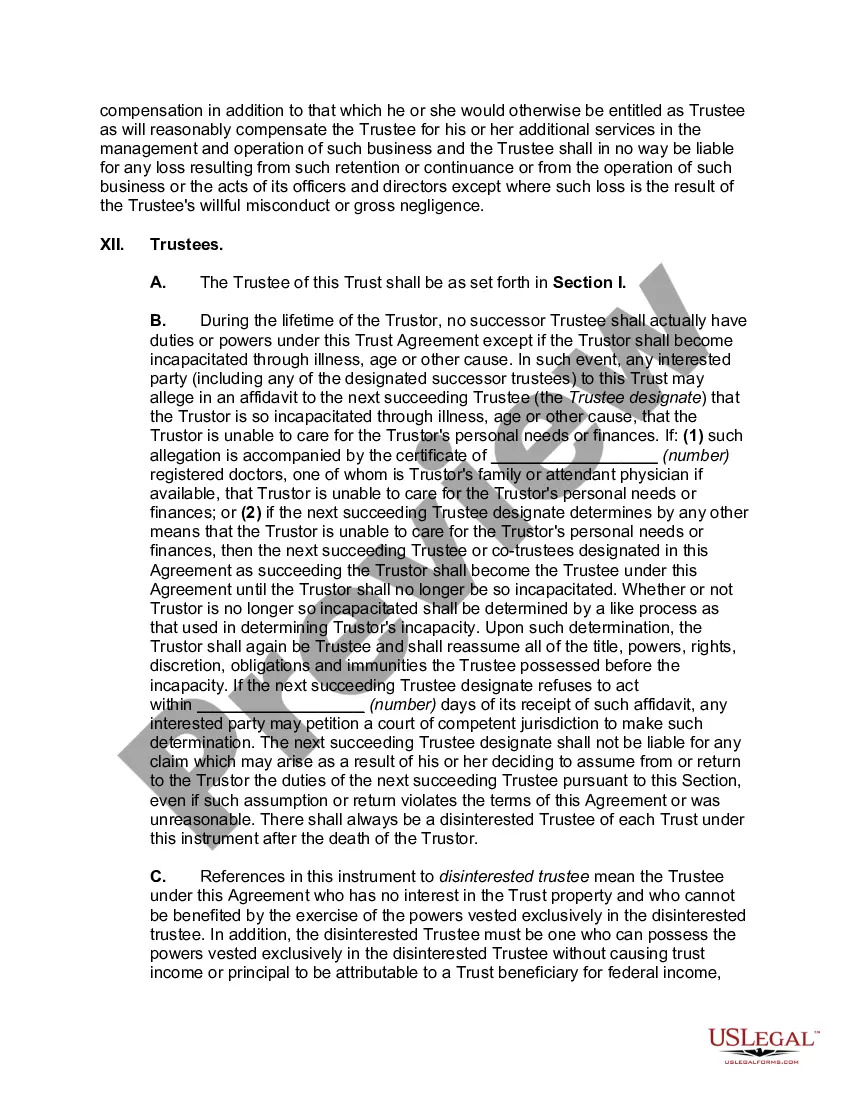
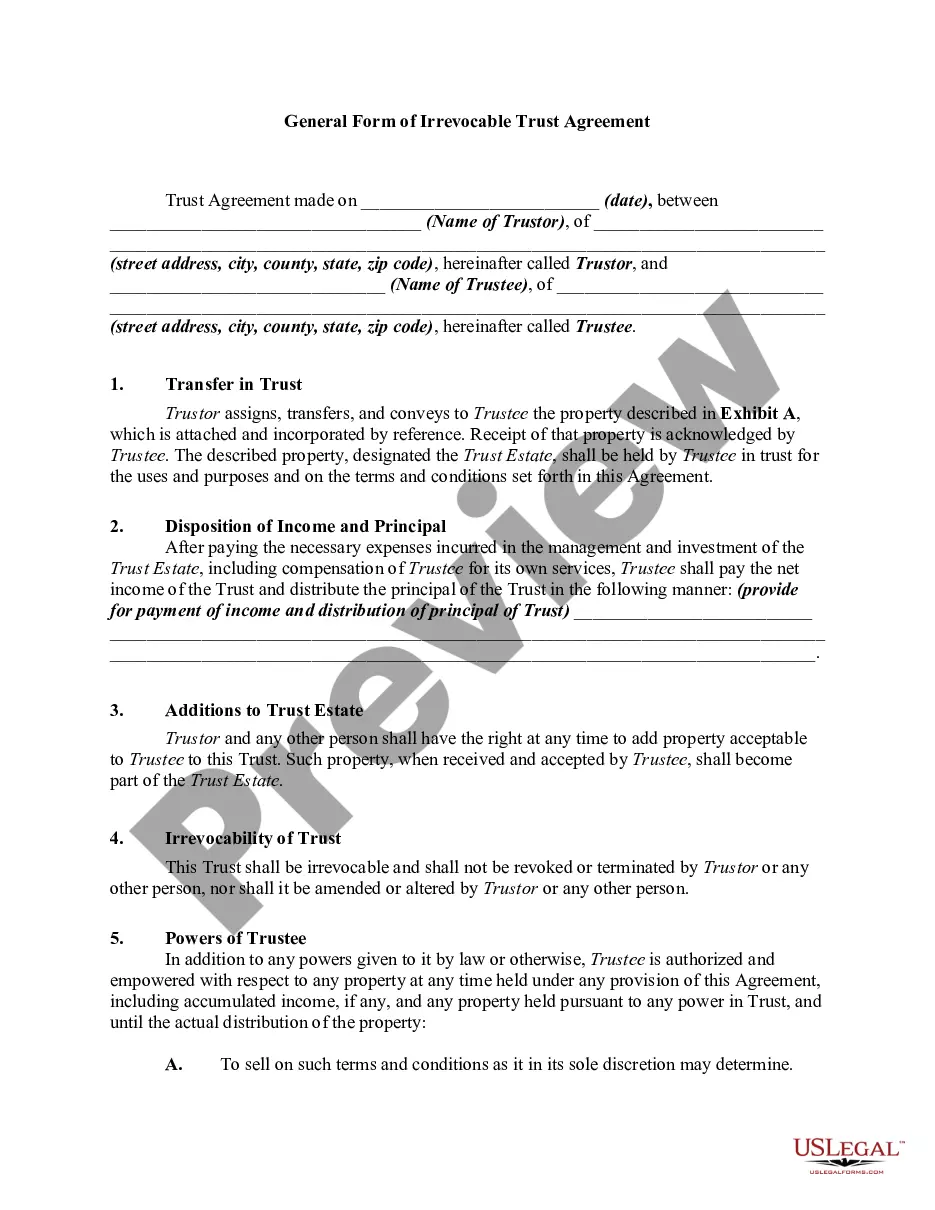
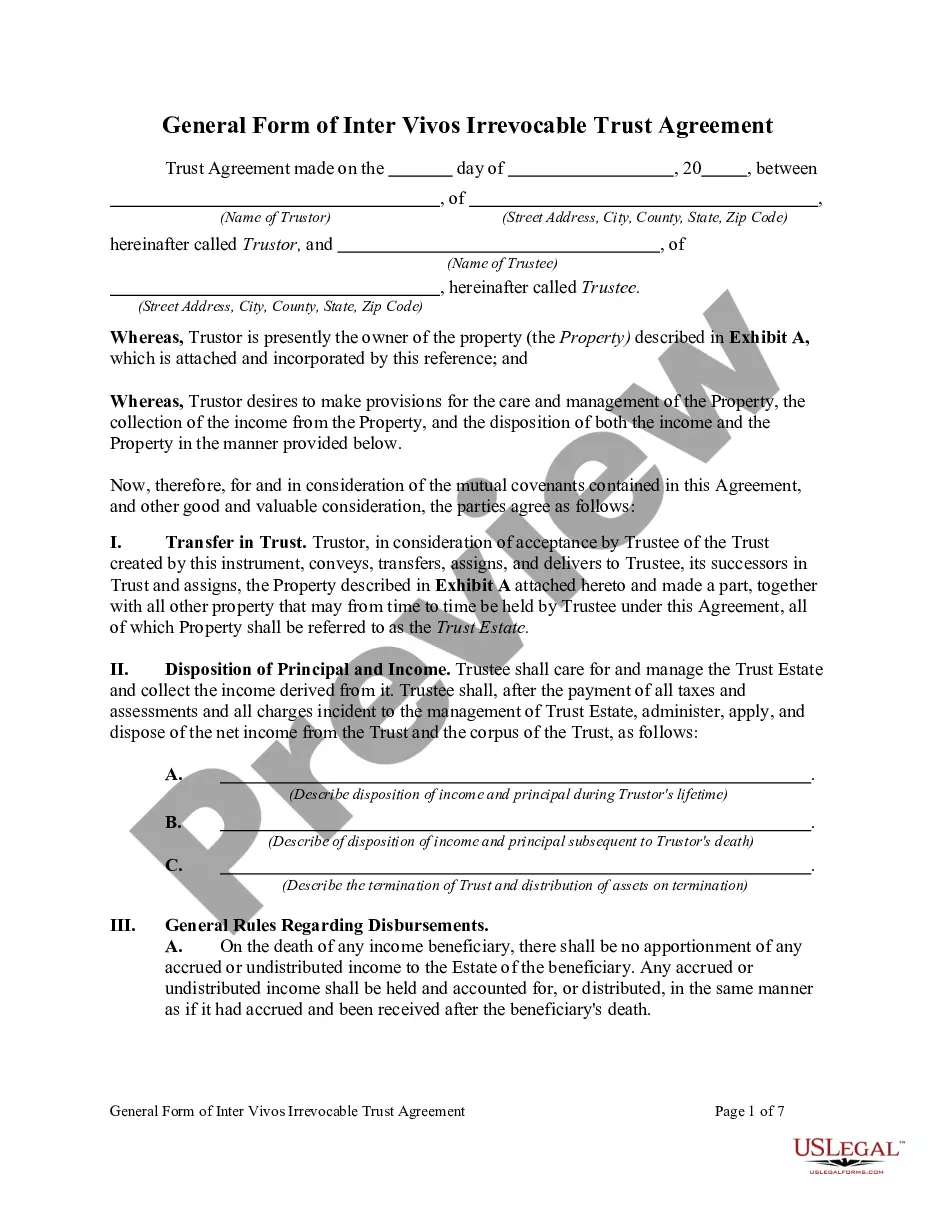
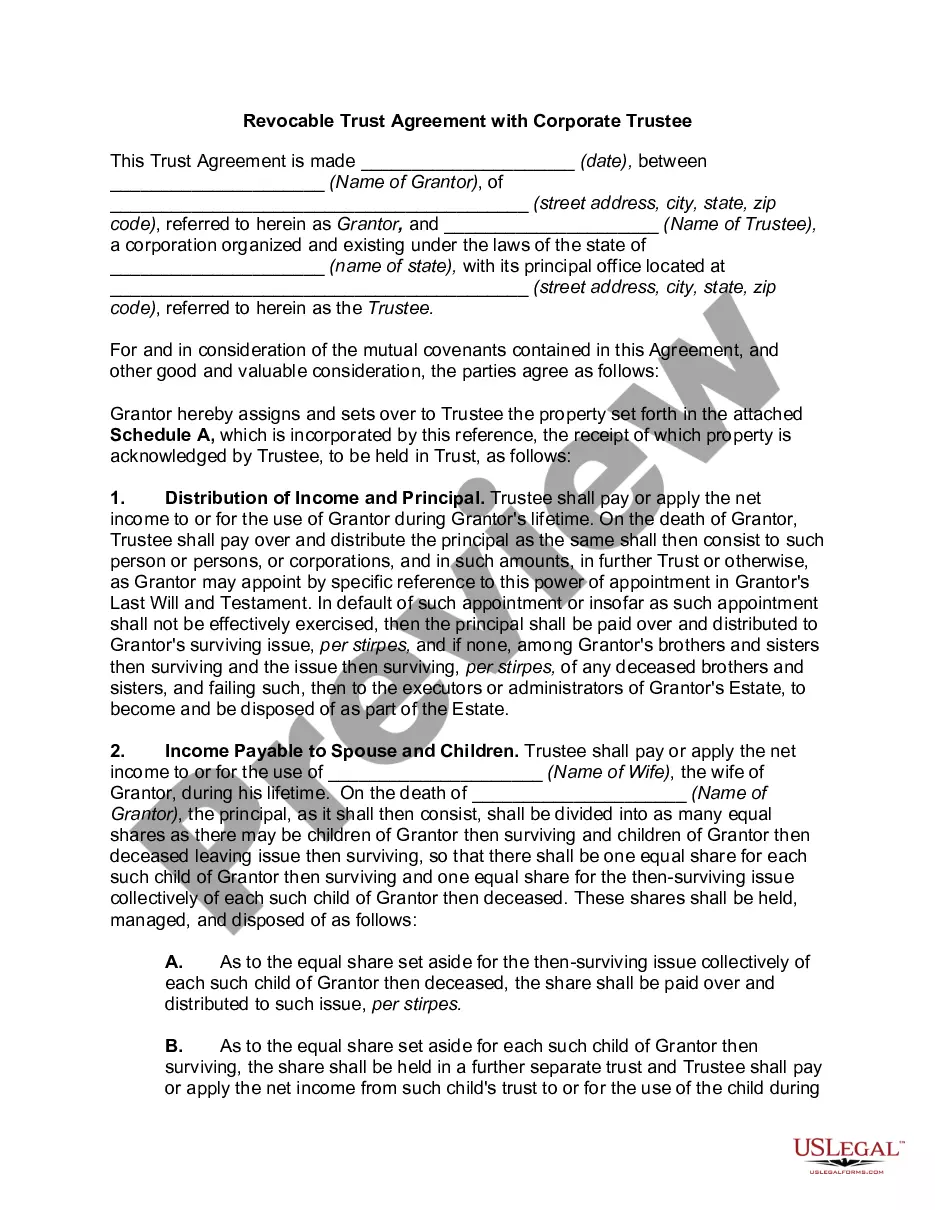
Revocable Trust Agreement For Property
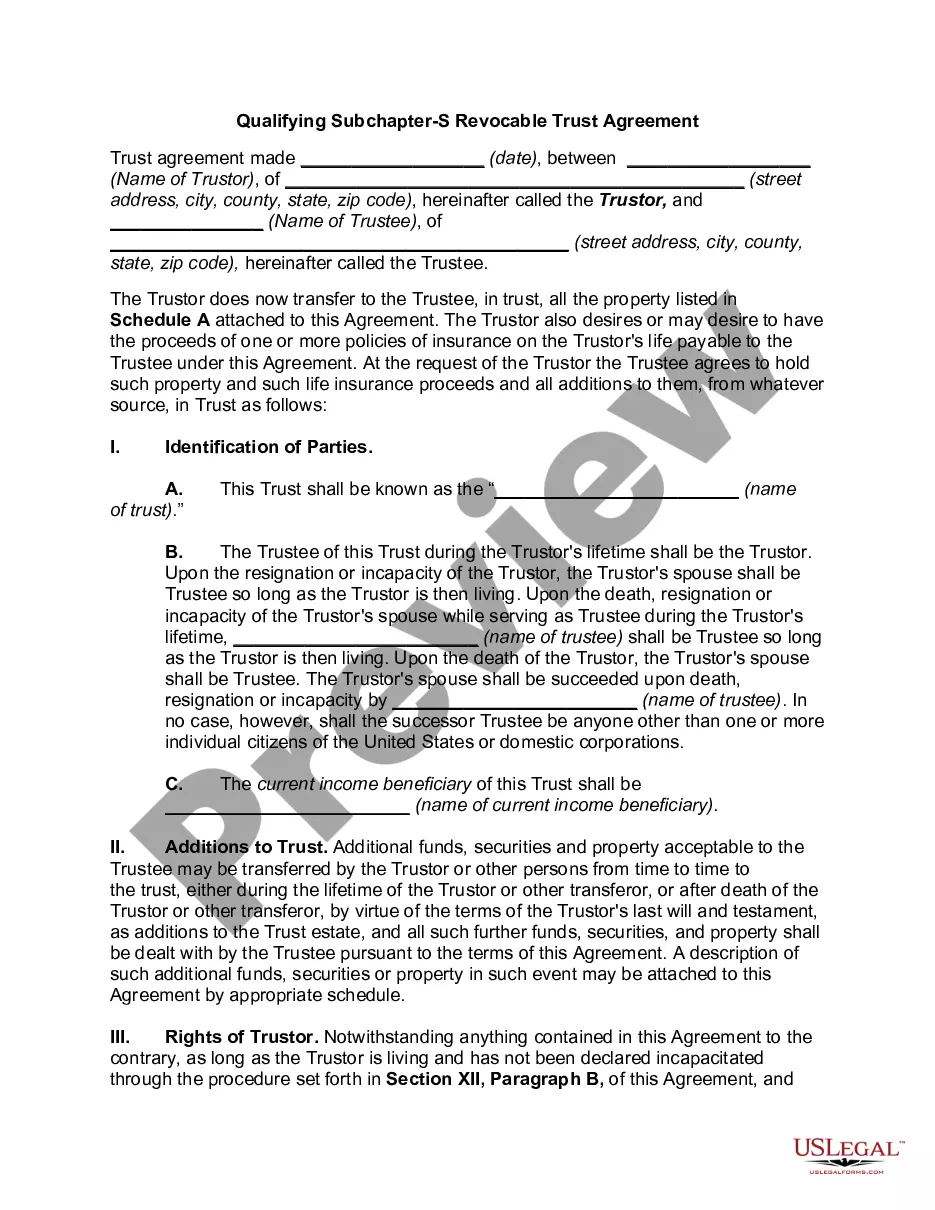
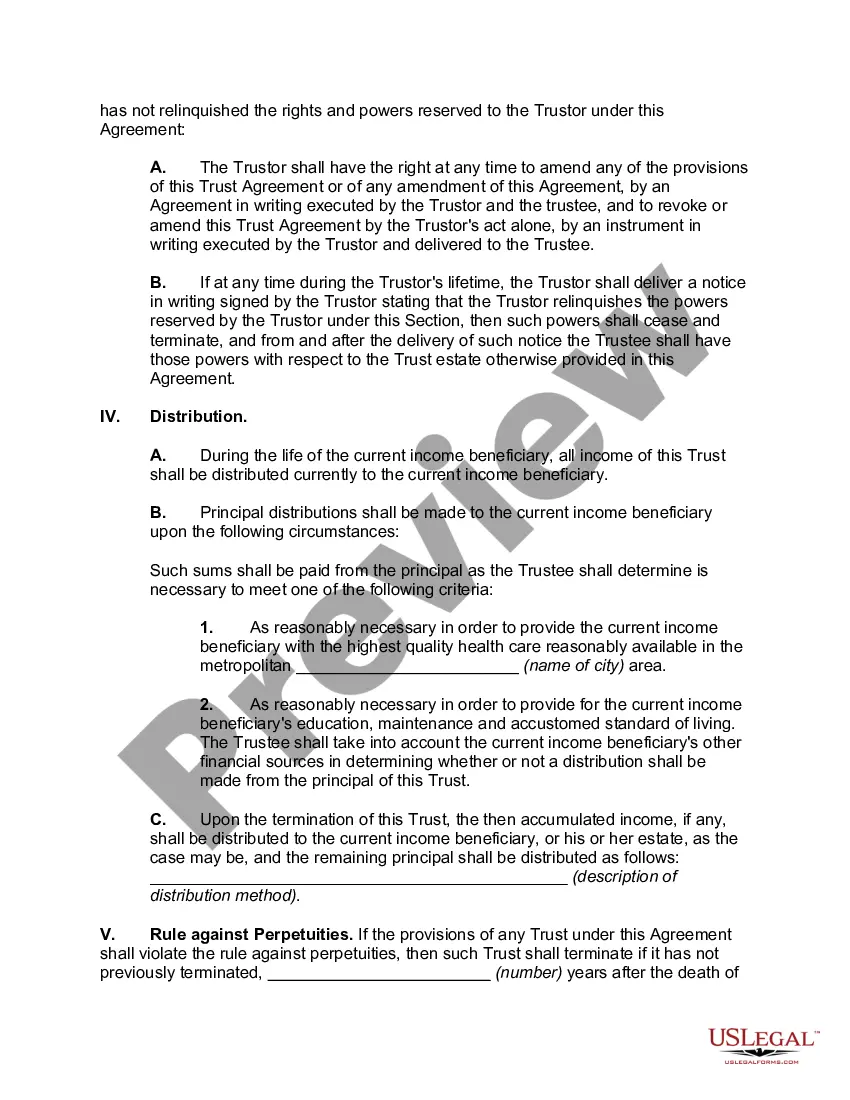
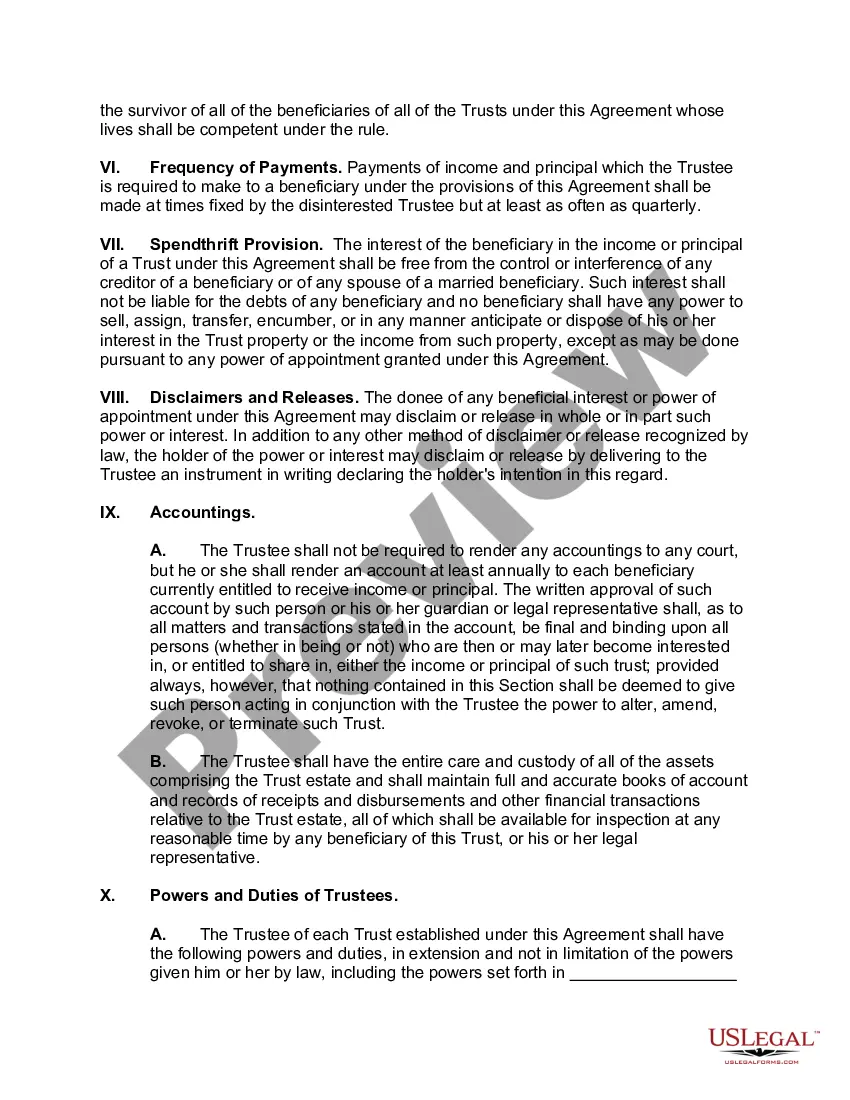
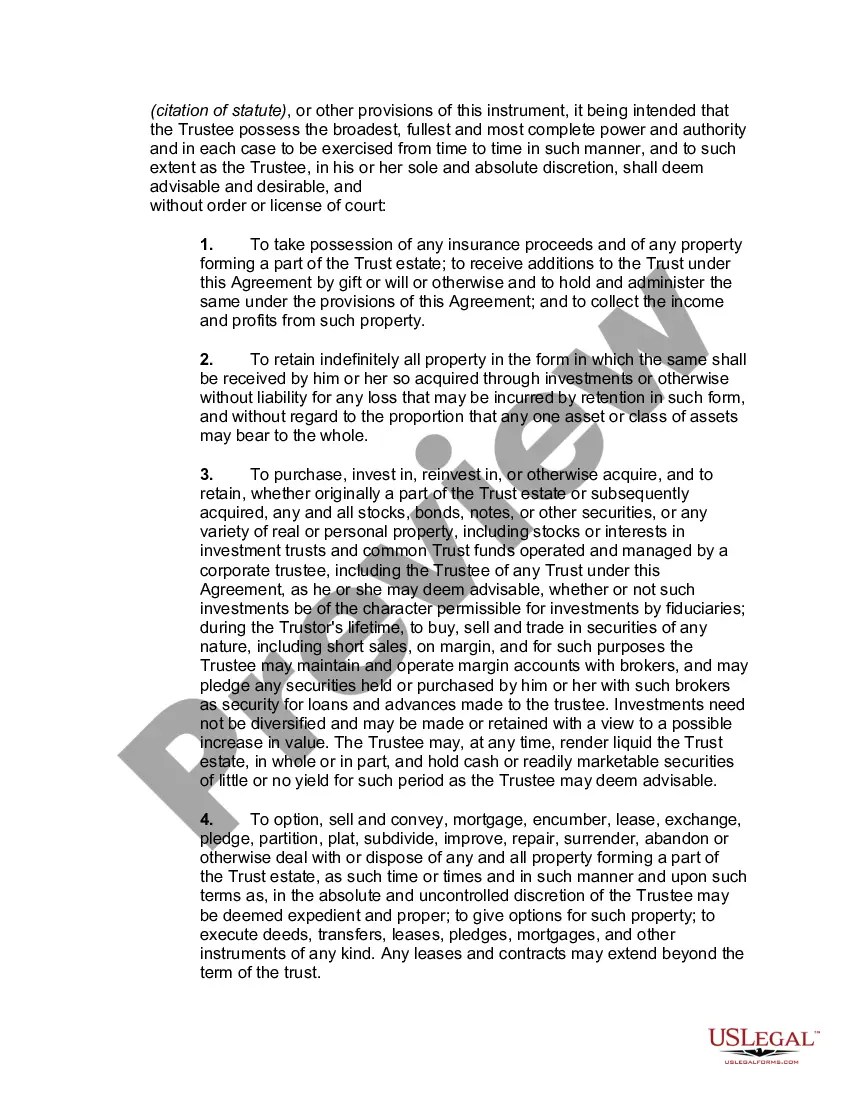
Description

Get your form ready online
Our built-in tools help you complete, sign, share, and store your documents in one place.
Make edits, fill in missing information, and update formatting in US Legal Forms—just like you would in MS Word.
Download a copy, print it, send it by email, or mail it via USPS—whatever works best for your next step.
Sign and collect signatures with our SignNow integration. Send to multiple recipients, set reminders, and more. Go Premium to unlock E-Sign.
If this form requires notarization, complete it online through a secure video call—no need to meet a notary in person or wait for an appointment.
We protect your documents and personal data by following strict security and privacy standards.

Make edits, fill in missing information, and update formatting in US Legal Forms—just like you would in MS Word.

Download a copy, print it, send it by email, or mail it via USPS—whatever works best for your next step.

Sign and collect signatures with our SignNow integration. Send to multiple recipients, set reminders, and more. Go Premium to unlock E-Sign.

If this form requires notarization, complete it online through a secure video call—no need to meet a notary in person or wait for an appointment.

We protect your documents and personal data by following strict security and privacy standards.
Looking for another form?








How to fill out Qualifying Subchapter-S Revocable Trust Agreement?
- If you're an existing user of US Legal Forms, log into your account. Ensure your subscription is active and click the Download button to retrieve your desired form.
- For first-time users, start by checking the form description and preview mode to confirm it meets your needs.
- If you need a different template, use the Search tab to find one that corresponds with your local regulations.
- Select the document you need by clicking the Buy Now button and choose an appropriate subscription plan.
- Complete your purchase by entering your credit card details or utilizing your PayPal account for payment.
- Finally, download the form to your device. Access it anytime through the My Forms section in your profile.
By using US Legal Forms, you benefit from a robust collection of over 85,000 fillable legal forms. This extensive resource ensures that you find the exact documents needed for precise legal management.
Ready to simplify your legal documentation? Visit US Legal Forms today and start streamlining your estate planning with ease!
Form popularity
FAQ
One disadvantage of a revocable trust agreement for property is that it does not protect your assets from creditors. Additionally, since you retain control over the trust, it does not provide tax benefits like some irrevocable trusts do. It's important to evaluate your unique situation, as you might need legal advice to determine if a revocable trust is the right choice for you. Utilizing services like US Legal Forms can help clarify these aspects.
To obtain proof of trust, you should request a copy of your revocable trust agreement for property from the trustee. This document serves as verification of the trust's existence and its terms. If you used a legal service like US Legal Forms, they often provide additional support or documentation options. Ensuring you have this proof is vital for managing the property held in the trust.
Typically, an attorney prepares the revocable trust agreement for property. They ensure the document complies with state laws and meets your specific needs. You can also find online platforms, like US Legal Forms, that offer templates which help guide you through the process. Having a professional involved can help avoid errors that could affect the validity of the trust.
The owner of a revocable trust, typically referred to as the grantor, is the person who creates the trust and transfers their assets to it. As the grantor, you retain control over the trust and can amend its terms as needed. In a revocable trust agreement for property, the grantor plays a vital role, ensuring the trust reflects your wishes regarding asset management and distribution.
Ownership of a property by a revocable trust means that the property is held in the trust’s name, allowing for flexible management. As the grantor, you retain the right to modify or dissolve the trust at any time, enabling you to adjust your asset management as your circumstances change. This setup simplifies the management process and aids in effective estate planning.
When a property is owned by a trust, it means that the trust holds legal title to the property while you, as the trustee, manage it. This arrangement allows you to control how the property is used and distributed according to the trust's terms. A revocable trust agreement for property adds an extra layer of management, ensuring your directives are clear.
You should consider placing your house in a revocable trust if you want to simplify estate management and ensure a smooth transition of ownership. This trust allows you to adjust the terms anytime while you’re alive, making it a versatile estate planning tool. By using a revocable trust agreement for property, you can clarify your intentions regarding your home's future.
Putting a house in a revocable trust can streamline the transfer of ownership upon death, avoiding the lengthy probate process. This arrangement allows you to maintain control over your property while you are alive, and beneficiaries can access it more easily after your passing. Moreover, it enhances your estate planning by ensuring your wishes are honored.
It is wise to exclude certain assets from a revocable trust agreement for property. Typically, assets like retirement accounts, life insurance policies, and assets that have designated beneficiaries should remain outside the trust. This ensures that these assets pass directly to beneficiaries without the need for trust administration.
While a revocable trust agreement for property can provide flexibility and control over your assets, there are some disadvantages to consider. One major drawback is that putting a house in a revocable trust does not protect it from creditors or legal claims. Additionally, you might incur costs for setting up and maintaining the trust, which can be a burden for some homeowners.