Revocable Trust Agreement For House
Description
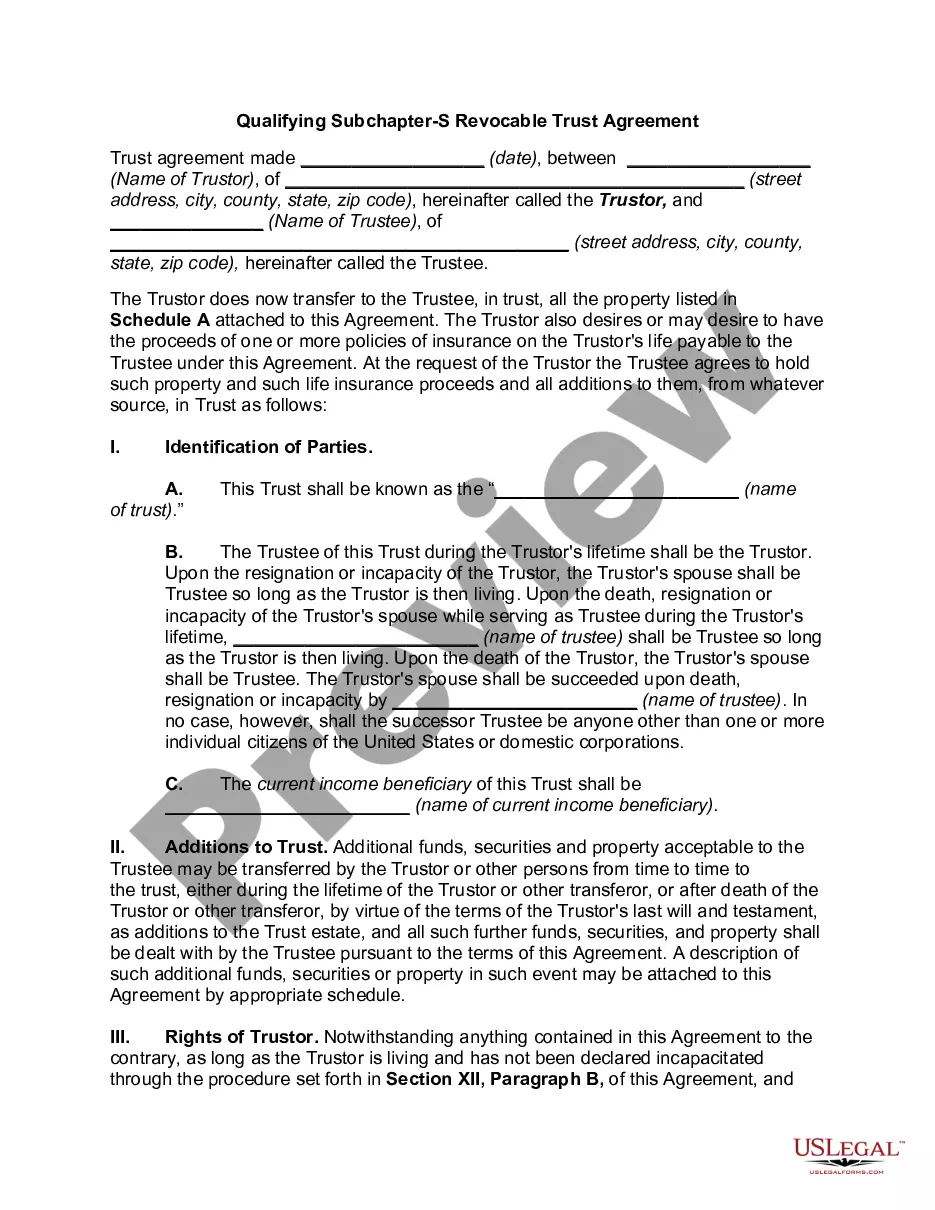
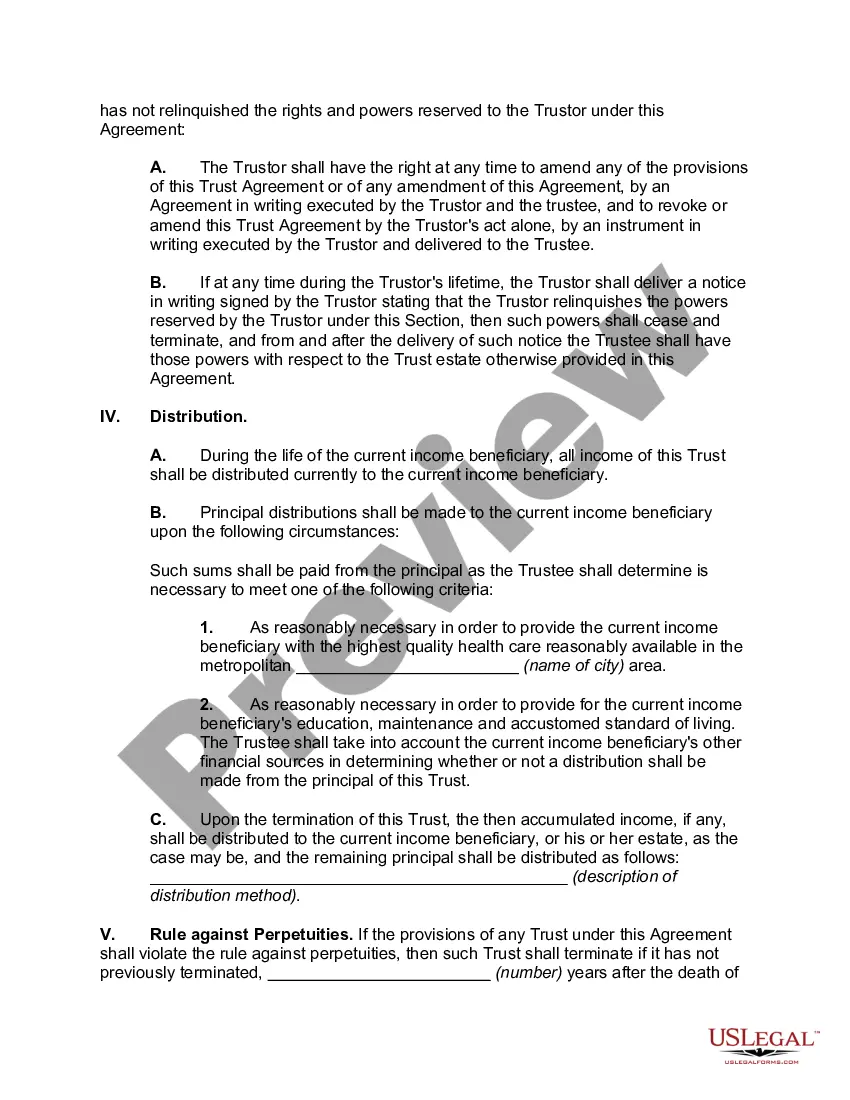
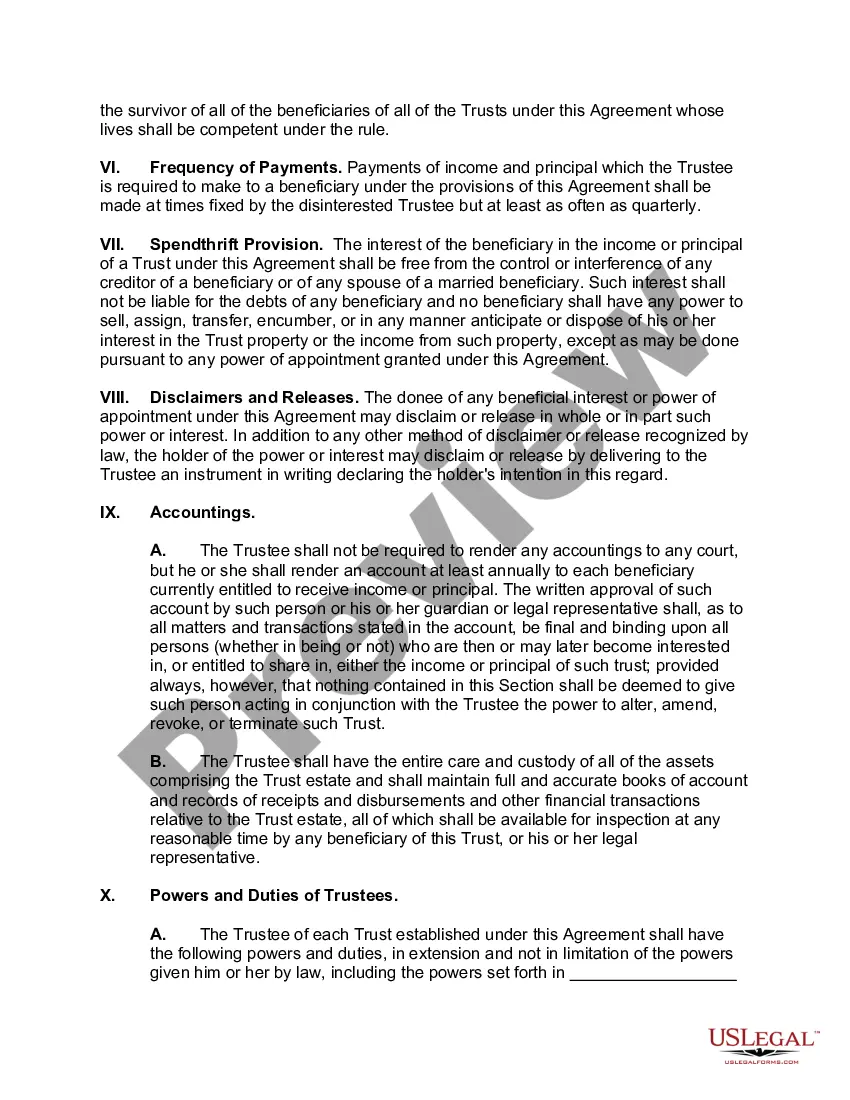
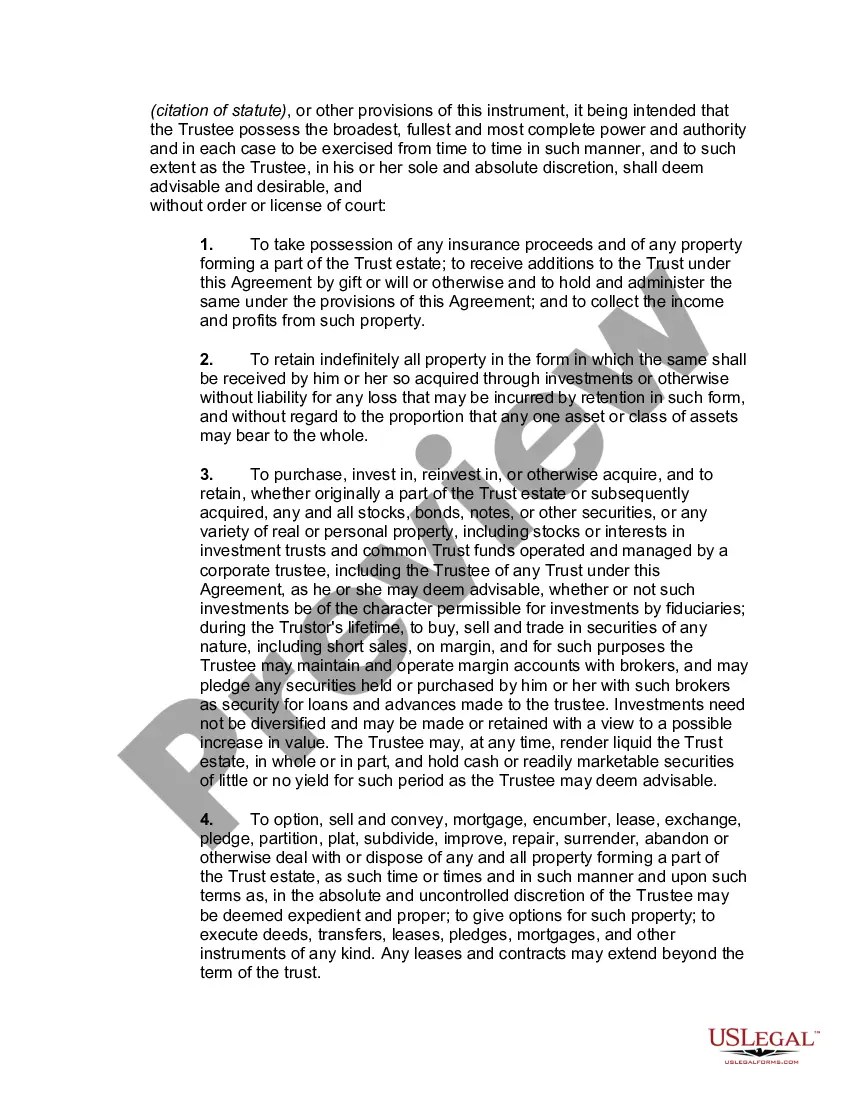
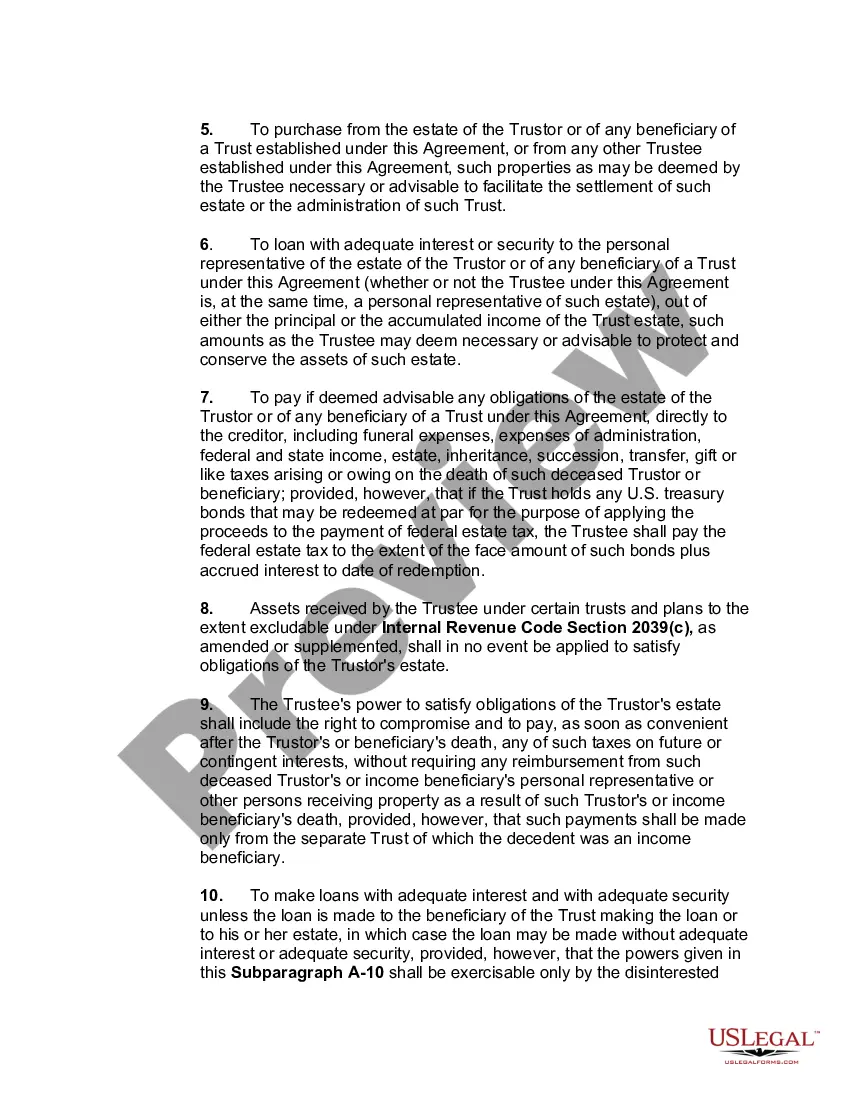
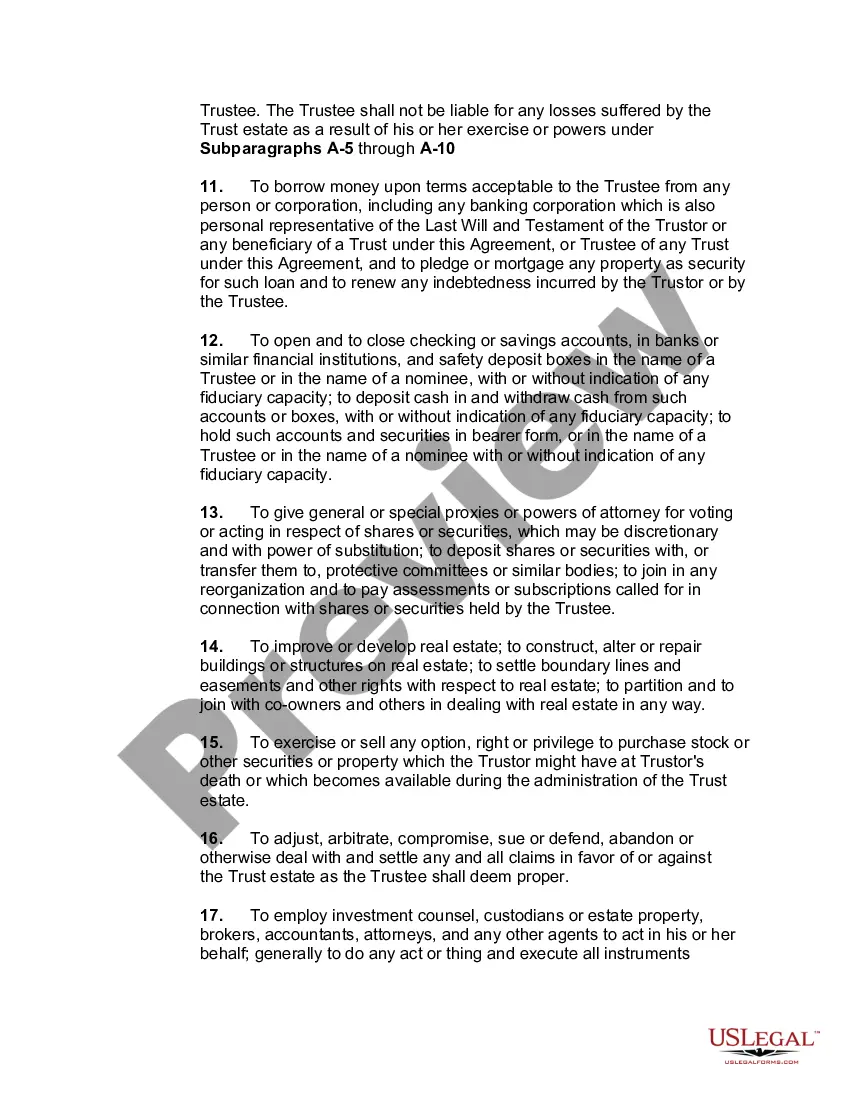
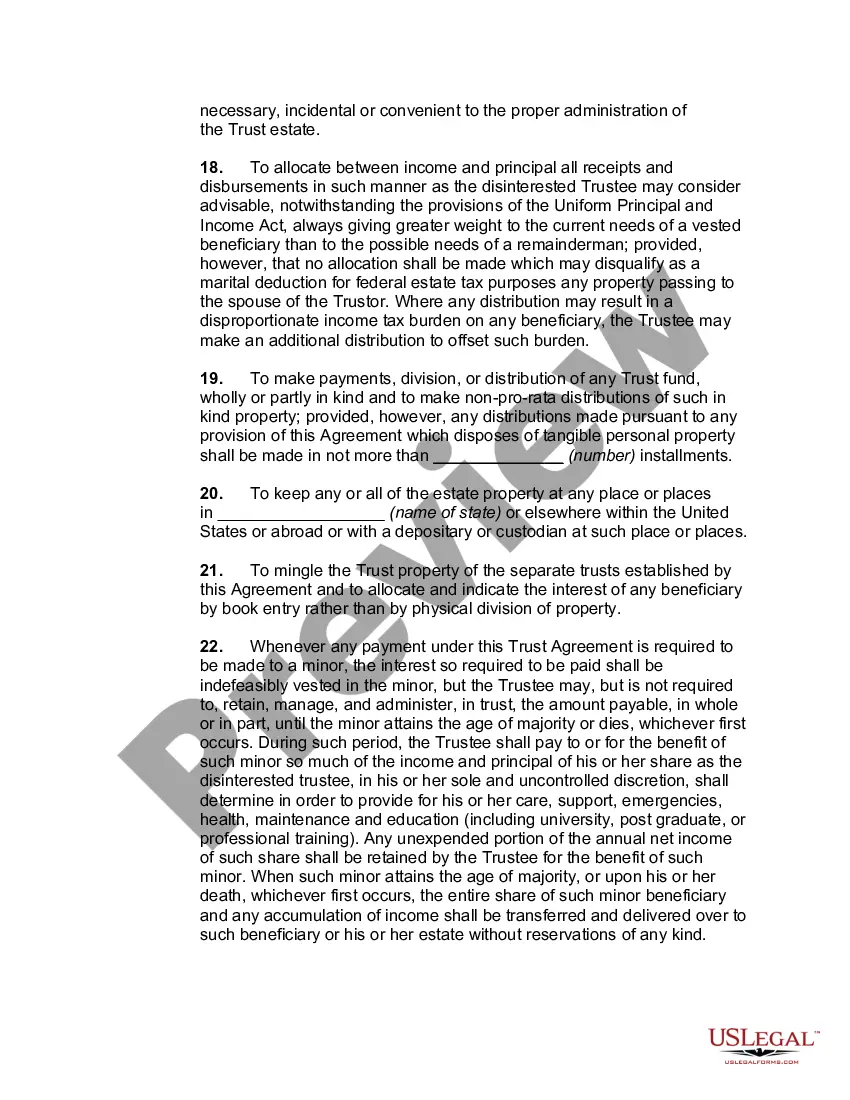
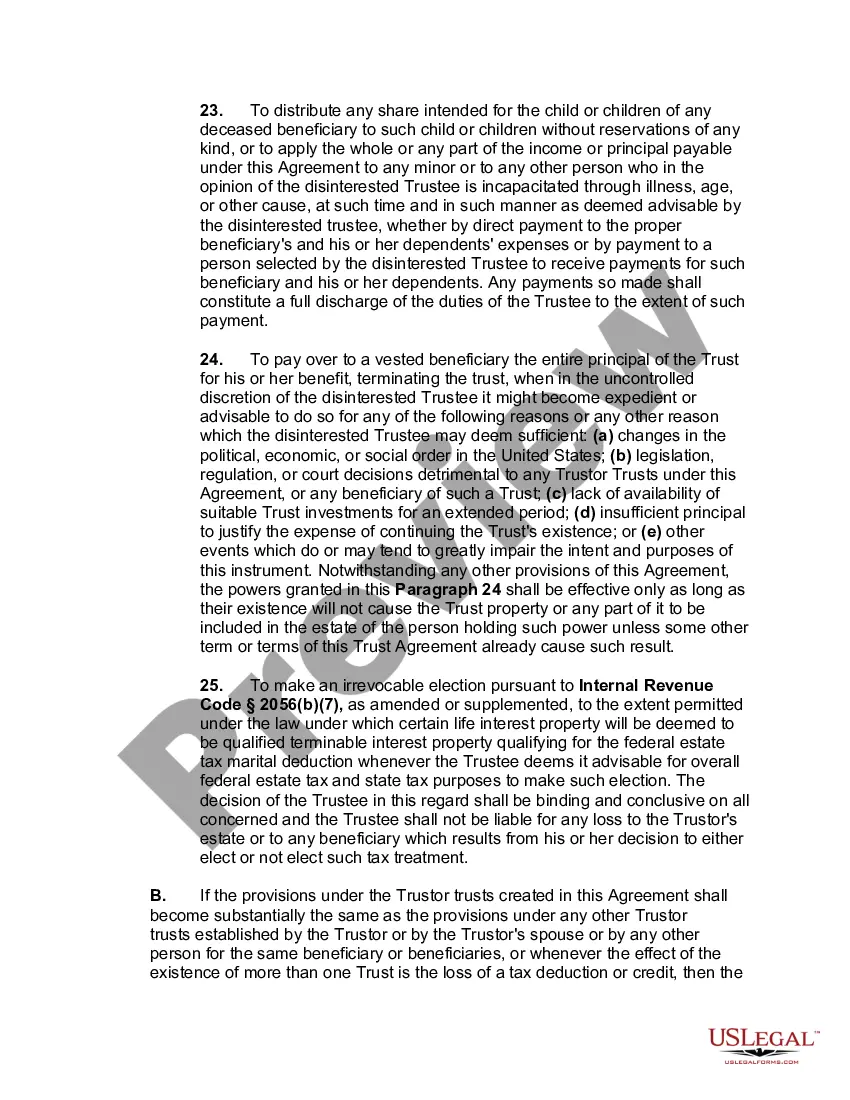
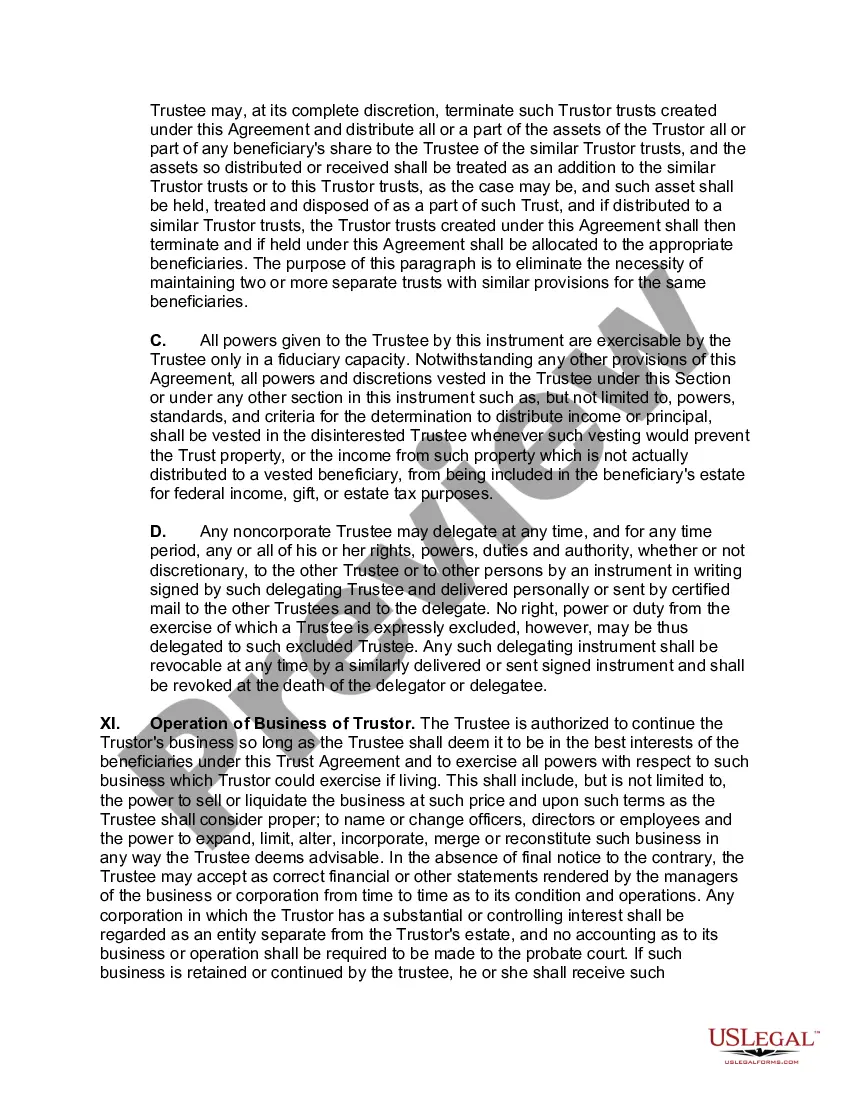
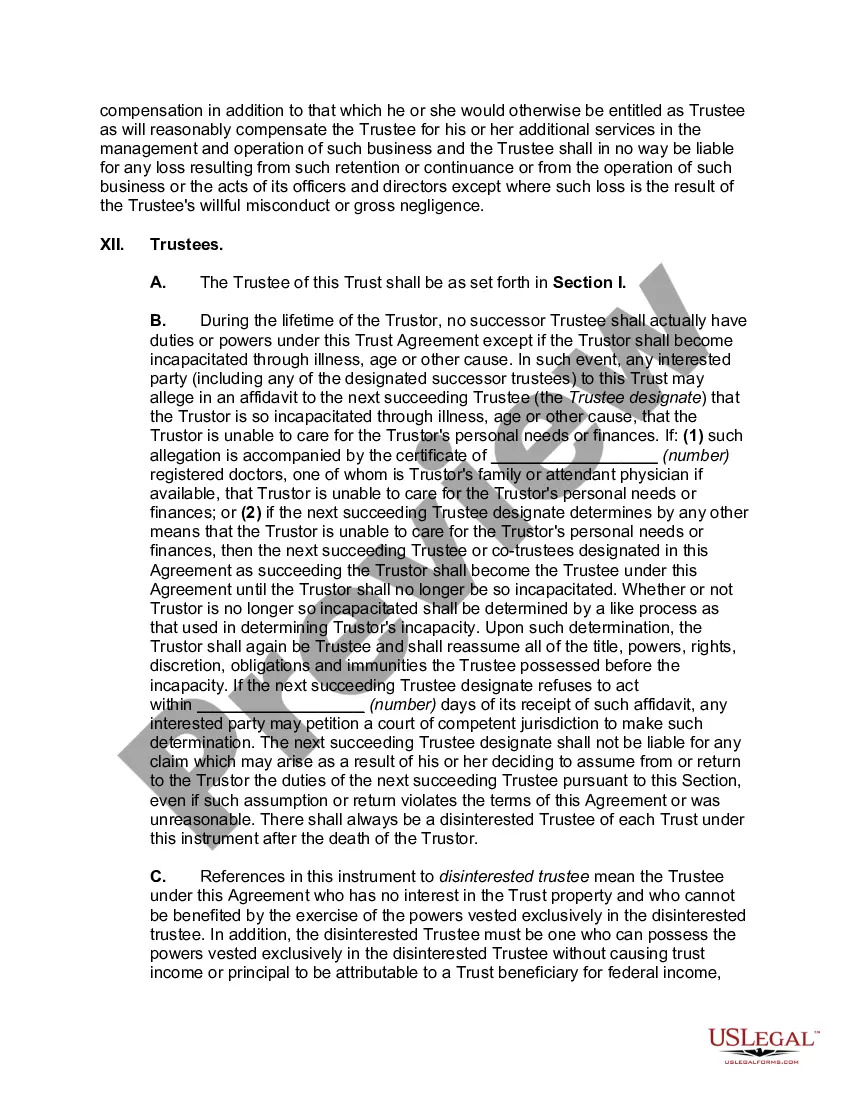

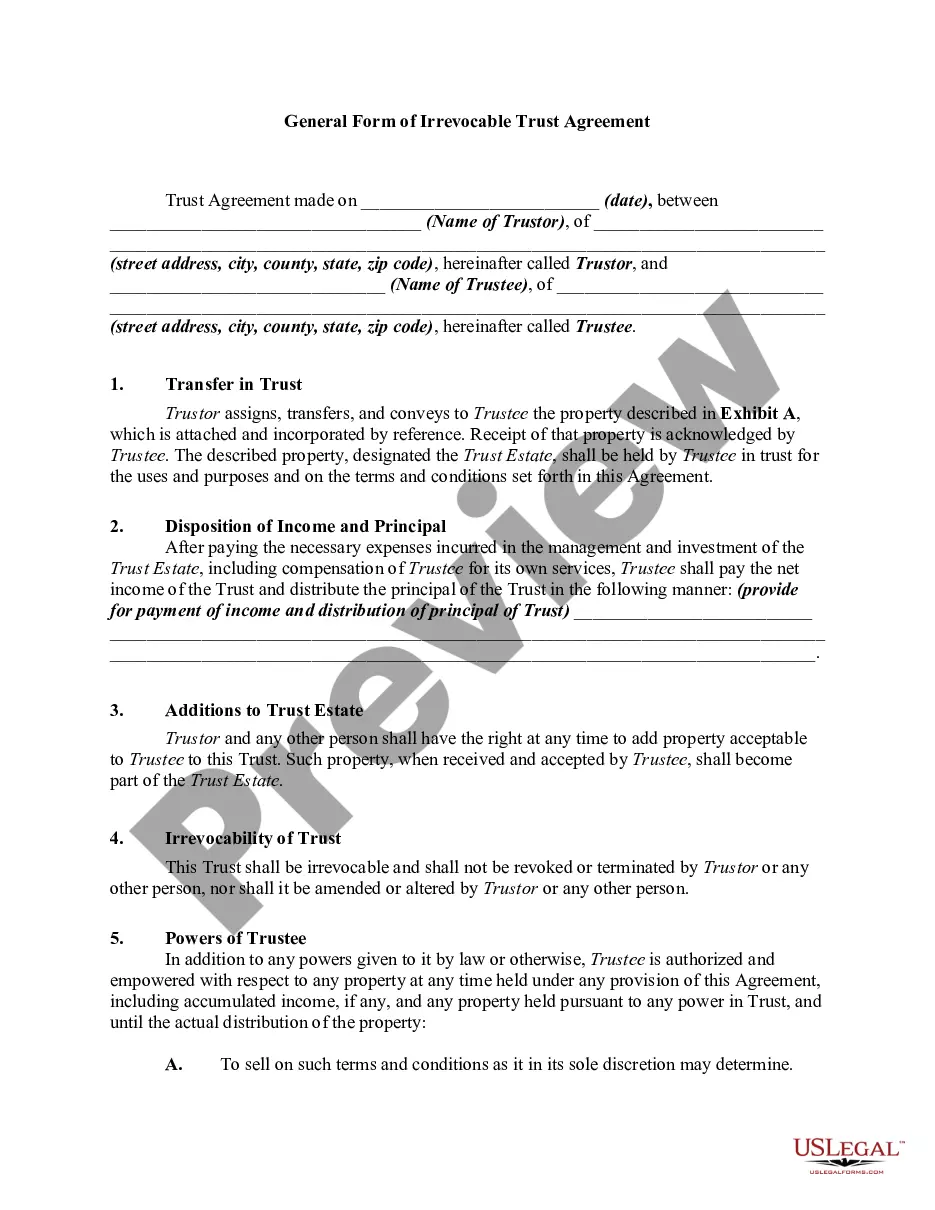
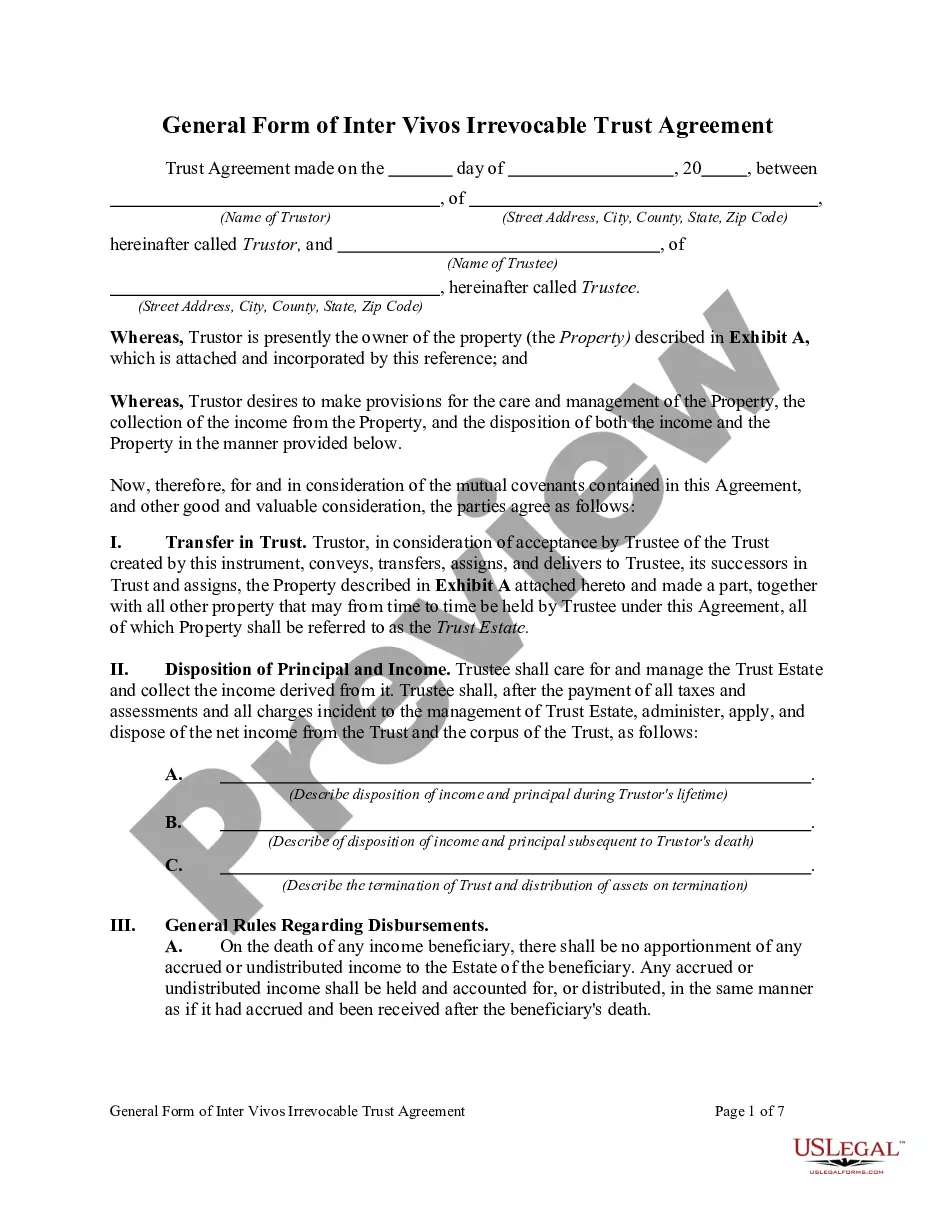
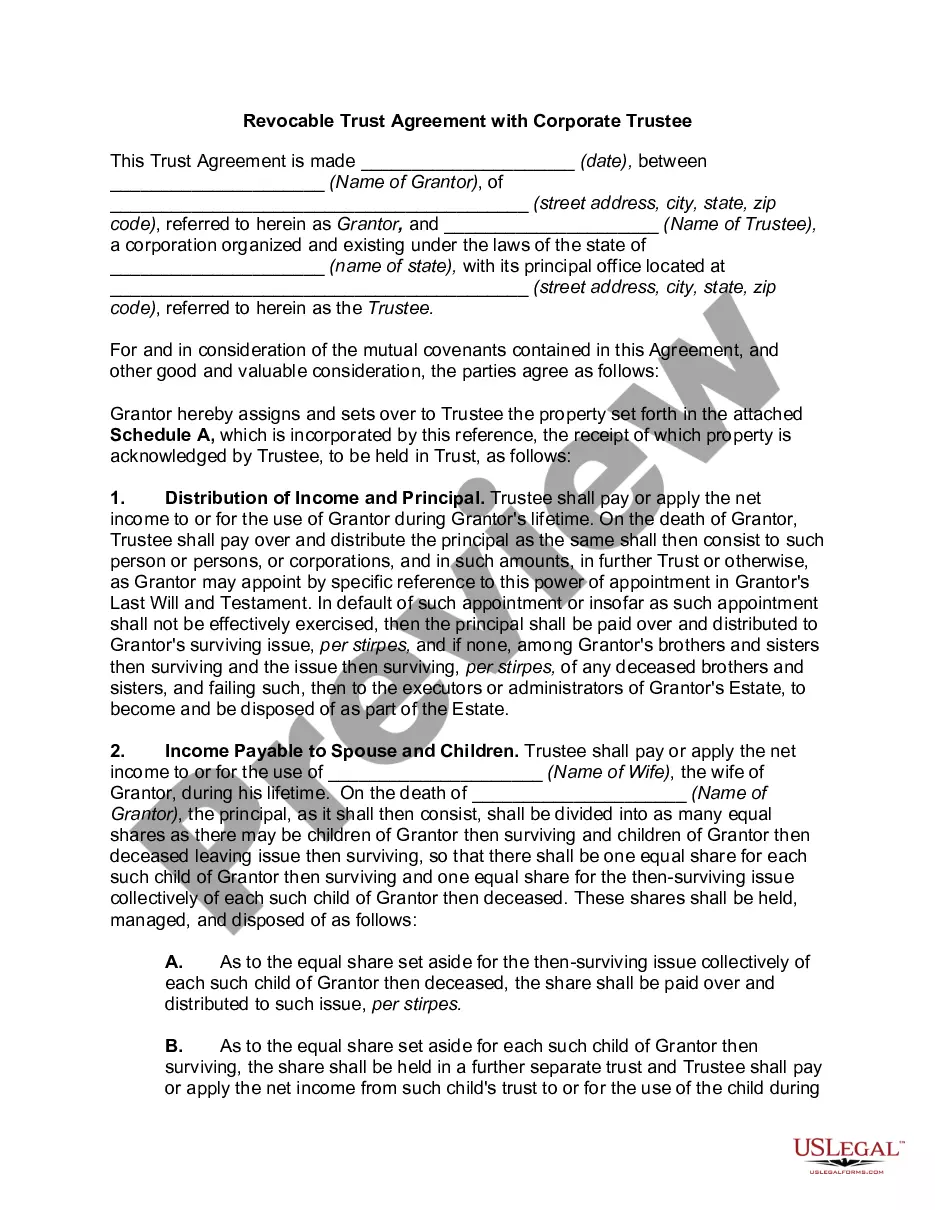
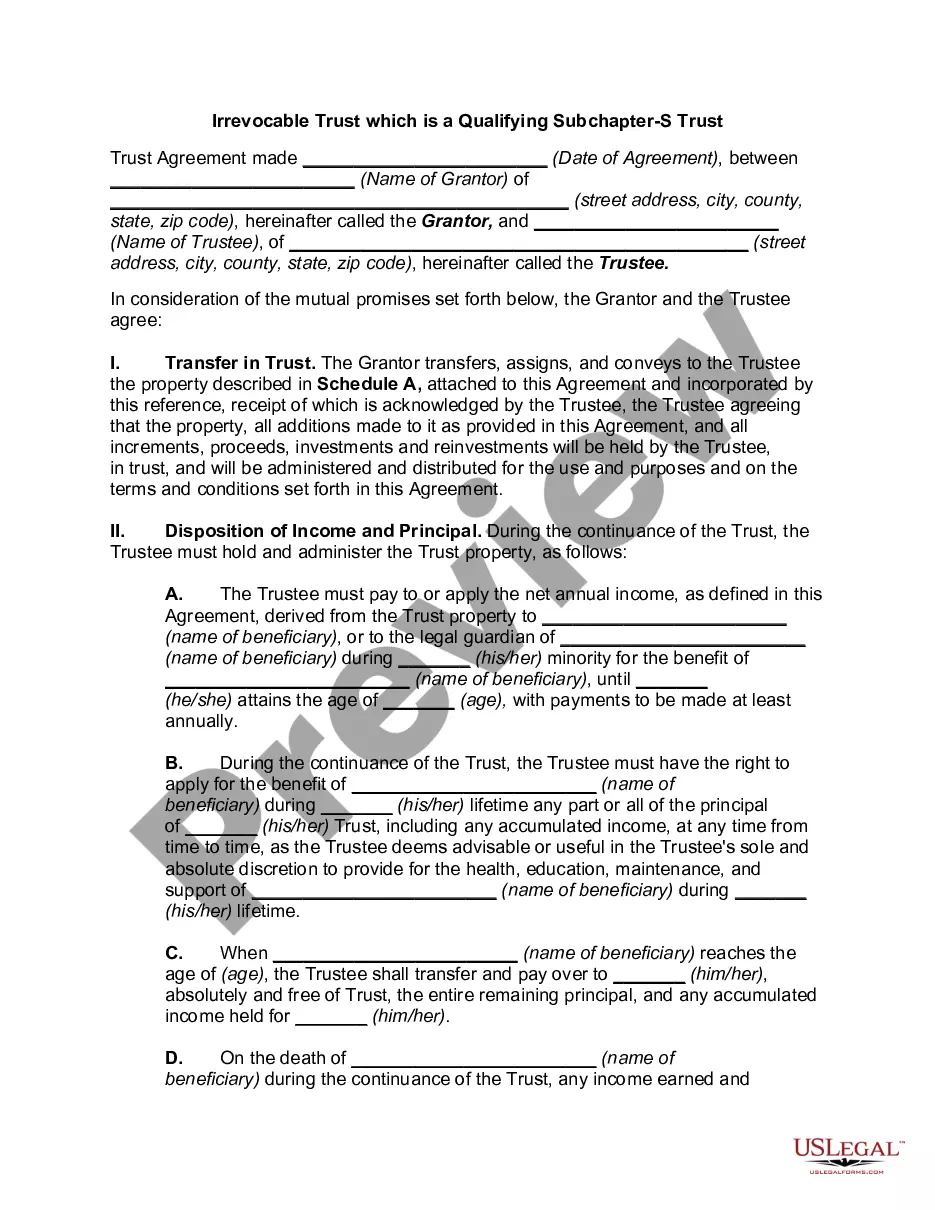
Get your form ready online
Our built-in tools help you complete, sign, share, and store your documents in one place.
Make edits, fill in missing information, and update formatting in US Legal Forms—just like you would in MS Word.
Download a copy, print it, send it by email, or mail it via USPS—whatever works best for your next step.
Sign and collect signatures with our SignNow integration. Send to multiple recipients, set reminders, and more. Go Premium to unlock E-Sign.
If this form requires notarization, complete it online through a secure video call—no need to meet a notary in person or wait for an appointment.
We protect your documents and personal data by following strict security and privacy standards.

Make edits, fill in missing information, and update formatting in US Legal Forms—just like you would in MS Word.

Download a copy, print it, send it by email, or mail it via USPS—whatever works best for your next step.

Sign and collect signatures with our SignNow integration. Send to multiple recipients, set reminders, and more. Go Premium to unlock E-Sign.

If this form requires notarization, complete it online through a secure video call—no need to meet a notary in person or wait for an appointment.

We protect your documents and personal data by following strict security and privacy standards.
Looking for another form?
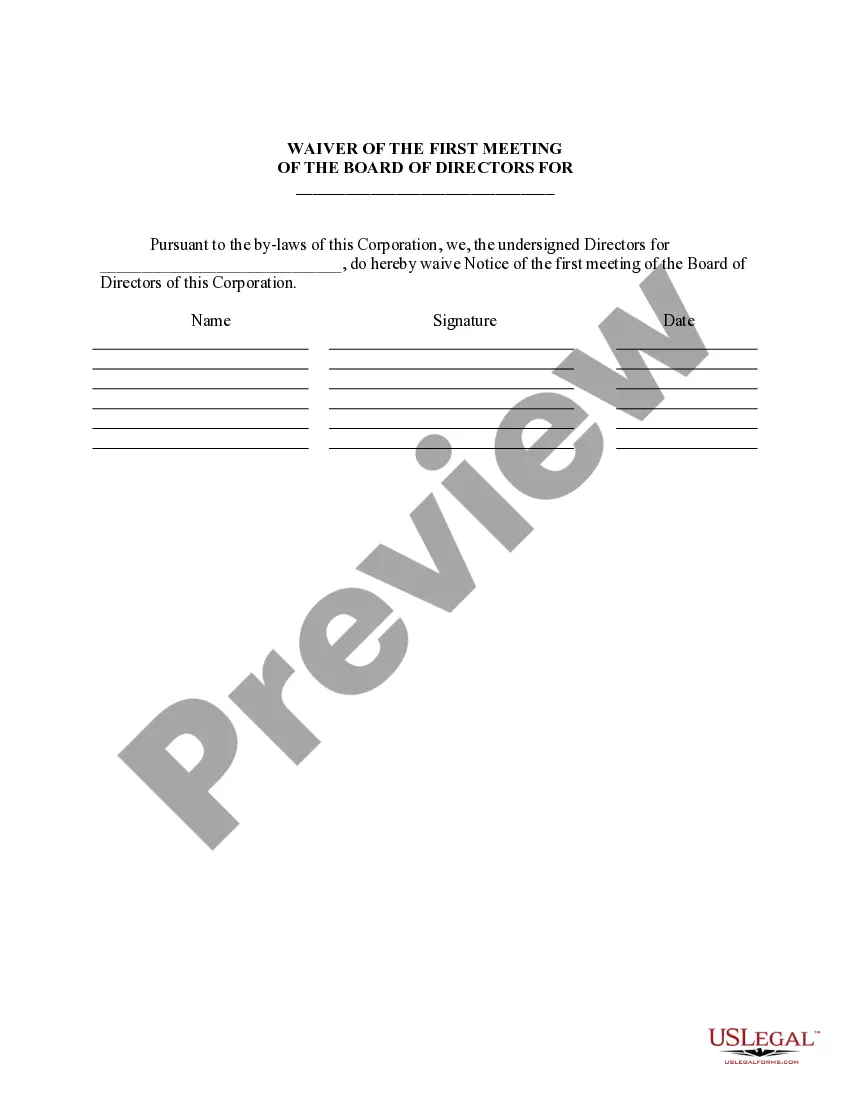





How to fill out Qualifying Subchapter-S Revocable Trust Agreement?
- Log in to your US Legal Forms account. If you’re a new user, create an account to start.
- Search for the revocable trust agreement template in the extensive online library, ensuring it aligns with your local jurisdiction.
- Preview the document to confirm it meets your requirements before proceeding.
- If you can't find the right form, utilize the Search feature to explore other templates.
- Select the template and click the Buy Now button. Choose the subscription plan that best suits you.
- Complete the purchase using your credit card or PayPal account for a seamless transaction.
- Download the selected form to your device and access it anytime via your profile in the My Forms section.
US Legal Forms empowers users to create legally sound documents with ease, offering a vast library of over 85,000 fillable forms. Their platform ensures you have the right tools at your fingertips to simplify legal tasks.
Take control of your estate planning today by accessing US Legal Forms. Start your journey towards a secure future with just a few clicks!
Form popularity
FAQ
While placing your home in a revocable trust does provide some estate planning benefits, it does not fully protect your property from lawsuits. Creditors may still pursue claims against your assets held in the trust. However, a revocable trust agreement for house can simplify the transfer of your property and may reduce certain risks that contribute to legal disputes. For comprehensive protection, it's advisable to consult with legal professionals who can tailor strategies to your specific needs.
Yes, you can place a house with a mortgage into a revocable trust. When you do this, the mortgage remains in your name, and you continue to make payments as usual. However, it is crucial to inform your lender about this change, as they may require certain documentation. A revocable trust agreement for house helps streamline your estate planning, allowing for a smooth transfer of ownership upon your passing.
The primary purpose of a revocable living trust is to provide a simple, flexible way to manage and distribute your assets during and after your lifetime. It allows you to maintain control over your property while ensuring a seamless transfer to your beneficiaries upon your passing. Additionally, it can help avoid the lengthy probate process, making it a popular choice for homeownership through a revocable trust agreement for a house.
Placing your house in trust may result in some disadvantages, such as limited access to funds for immediate needs. You may also face administrative challenges, including ongoing management and potential tax implications. Furthermore, if not set up correctly, a trust may not efficiently address your specific goals. Therefore, it's prudent to explore the nuances with a comprehensive revocable trust agreement for a house.
In many cases, a nursing home can access assets in a revocable trust if you require long-term care. This could affect the protection of your home, as the trust does not shield it from being counted as an asset for Medicaid eligibility. However, some planning strategies can be employed to mitigate this risk. Seeking advice on a revocable trust agreement for a house from experts or platforms like US Legal Forms can provide clarity and options.
While there are benefits to putting your house in a revocable trust, there are also some drawbacks to consider. One major disadvantage is that a revocable trust does not protect your assets from creditors or legal claims. Additionally, transferring your house into the trust may involve time and legal costs, which can be a burden. It's important to weigh these factors carefully and consult resources like US Legal Forms for guidance.
When a house is in a revocable trust, it means that the property is placed under the management of the trust during your lifetime. You maintain control over the trust, allowing you to modify or revoke it at any time. This setup often helps in avoiding probate after your passing and ensures a smoother transfer of assets according to your wishes. A revocable trust agreement for a house provides flexibility while safeguarding your interests.
Putting your house in a revocable trust provides several advantages. This arrangement allows you to manage your property during your lifetime and simplifies the transfer of ownership after your passing. By using a revocable trust agreement for house, you can avoid probate, which saves time and reduces costs for your heirs.
Yes, you can put your house in a revocable trust even if you have a mortgage. However, it is important to inform your lender about the transfer. This helps ensure that your mortgage terms remain intact while benefiting from the flexibility offered by a revocable trust agreement for house.
Holding property in a trust, such as a revocable trust agreement for a house, has both advantages and disadvantages. The pros include avoiding probate, potentially reducing estate taxes, and providing clearer management paths. However, some cons include setup costs and the requirement for ongoing management, which can be a burden if not handled properly.